Come join Ashland Sabbath Chapel Ministries each Saturday for live streamed church services. Bible Study begins at 10:00 AM Central Time and Sermon at 11:00 AM. Visit Our YouTube channel and watch from home!
Adventists have long understood the profound importance of embracing natural remedies as a means of enhancing health and promoting holistic well-being. This perspective is rooted in the belief that the body, mind, and spirit must work in harmony for optimal health. Natural remedies align with the Adventist lifestyle, which emphasizes a diet rich in whole grains, fruits, and vegetables, alongside regular physical activity and a strong sense of community.
One of the core tenets of this approach is the idea that nature provides an abundance of resources for healing. For instance, herbs like garlic and echinacea are tapped into not only for their flavorful contributions to meals but also for their beneficial properties in supporting the immune system. Such remedies are not merely alternatives to pharmaceuticals; they embody the Adventist commitment to a simpler, less invasive approach to health. By utilizing what the Creator has provided, Adventists advocate for a healthier way of living that encompasses prevention and wellness rather than solely addressing illness.
Furthermore, the significance of these natural remedies is deeply tied to the notion of stewardship. Adventists believe in taking care of their bodies as temples, entrusted to them by God, which calls for practices that respect the body’s natural ability to heal. Emphasizing natural treatments fosters a connection to the earth and encourages a respectful relationship with what it offers. This not only enhances physical health but also nurtures a spiritual aspect of existence that many find to be just as vital.
Adventists are often drawn to remedies that are simple, effective, and rooted in tradition. For example, the use of honey for its antibacterial properties and soothing effects serves as a testament to how ancient wisdom can inform modern health practices. This integration of time-honored knowledge with contemporary understanding illustrates the significance of natural remedies in the Adventist faith and lifestyle, providing powerful tools for improving health in a holistic manner.
Historical Context of Natural Remedies
The historical journey of natural remedies within the Adventist community is rich and profound, reflecting the deep-seated belief in living in harmony with the Creator’s design. Since the inception of the Seventh-day Adventist movement in the 19th century, there has been a distinct acknowledgment of the intricate balance between physical health, spiritual well-being, and the nurturing elements found in nature. Early Adventist pioneers, inspired by the natural world and the teachings of the Bible, began advocating for a healthful lifestyle that respected both the body and the earth.
Many of these pioneers, including the esteemed Ellen G. White, emphasized the significance of a plant-based diet and the use of herbs and other natural remedies for healing. Her writings often urged individuals to seek health not through the intervention of complex pharmaceuticals but through the simplicity and purity of nature’s bounty. She believed that God provided various herbs as “medicines” for the healing of the mind and body, encouraging Adventists to explore these options rather than rely solely on manmade solutions.
In examining the historical context, it’s fascinating to note that the Adventist health reform movement was a part of a broader 19th-century health awakening in America. This period saw a growing interest in natural health practices, aligning with movements such as the temperance movement and the quest for physical fitness. Within this milieu, Adventists distinguished themselves by infusing their beliefs with a profound respect for God’s creations and a commitment to a holistic lifestyle that included proper diet, exercise, and the use of natural remedies.
Furthermore, in the late 1800s and early 1900s, the establishment of sanitariums by Adventists across the United States marked a significant milestone. These facilities not only provided respite and treatment for those suffering from various ailments but also served as a beacon of the holistic approach advocated by Adventist health reformers. Patients were treated through dietary changes, hydrotherapy, and herbal remedies, all guided by the underlying principle that healing was a harmonious process involving body, mind, and spirit.
Many traditional practices have stood the test of time, illustrating the effectiveness of natural remedies. For instance, the use of peppermint tea to soothe digestive issues or the application of aloe vera for skin irritations are not merely anecdotal; they are practices rooted in the early Adventist understanding of nature’s provisions. These remedies reflect a rich heritage that continues to influence health practices among Adventists today.
The historical narrative surrounding natural remedies within the Adventist movement reveals a profound commitment to health that transcends mere coping with illness. It represents a continual journey towards understanding the intricate connections between faith, natural living, and holistic health. This legacy, steeped in rich traditions and teachings, resonates profoundly within the modern Adventist community, guiding their choices and practices in the pursuit of wellness.
Common Natural Remedies Used by Adventists
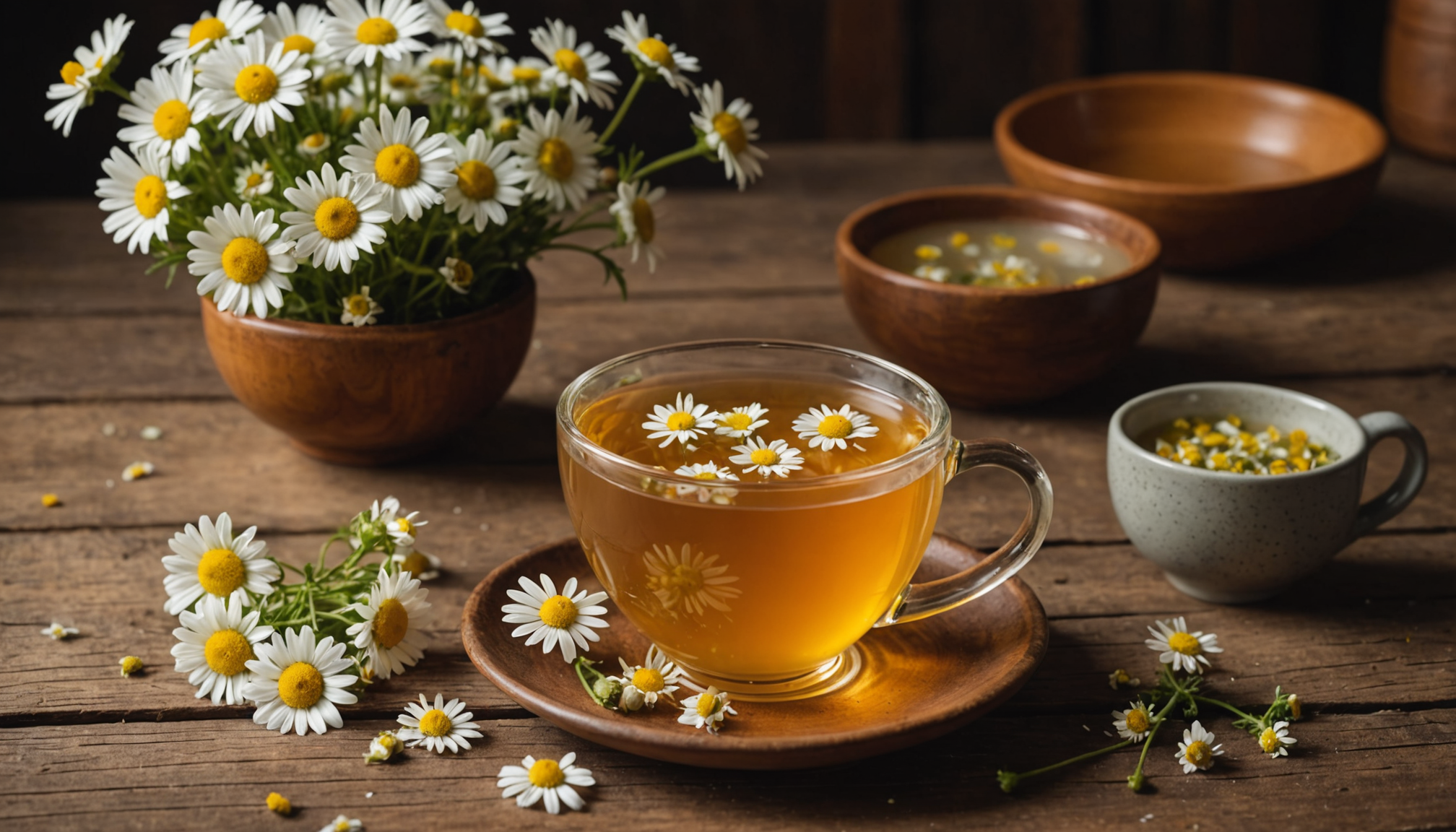
In the daily practices of Adventists, you will often find a deep reliance on various natural remedies that have been cherished through the years. These remedies not only connect individuals to the earth’s provisions but also embody a profound respect for the Creator’s design. Among these, herbal teas hold a special place, serving as both a comforting ritual and a means of nurturing health. Consider chamomile tea, revered for its calming properties, often enjoyed in the evenings to ease tension and promote restorative sleep. This simple act exemplifies how Adventists incorporate nature’s gifts into their daily lives.
Another common remedy is the use of ginger, celebrated for its role in supporting digestion and alleviating nausea. Adventists might keep a supply of ginger tea at hand, particularly during the winter months, when colds and flus are prevalent. The practice of steeping fresh ginger in hot water not only provides warmth but also aligns with the belief that food can be medicine—a reflection of the Adventist commitment to a healthful lifestyle.
Furthermore, garlic stands out in the Adventist repertoire, lauded for its immune-boosting properties. It is often added liberally to meals, not just for its flavor, but for its ability to promote well-being. The community embraces garlic as both a culinary staple and a powerful ally in their quest for health, showcasing how a wholesome diet intertwines with the use of natural remedies. In this light, preparing a hearty vegetable soup with garlic becomes a nourishing act of stewardship over one’s health.
Honey, too, finds a revered place in the hearts and homes of Adventists. Not only does it serve as a natural sweetener, but its antibacterial properties make it a go-to remedy for sore throats and coughs. When mixed with lemon juice and warm water, honey becomes a soothing elixir, embodying the Adventist ethos of using what the earth provides for healing. This simple remedy reflects the belief that nature holds the answers to many of life’s ailments.
Adventists also embrace the power of essential oils, such as lavender and tea tree oil. Lavender, with its calming scent, is frequently utilized for relaxation and sleep enhancement. A few drops on a pillow or in a warm bath create a serene atmosphere that promotes tranquility. Meanwhile, tea tree oil is applied for its antiseptic properties, often used in natural skincare regimens, reflecting a holistic approach to personal care.
It’s essential to remember that these natural remedies are not meant to replace necessary medical attention. Instead, they serve as complementary practices that align with the Adventist belief in holistic health. By choosing to integrate these remedies into their lives, Adventists not only foster physical health but also cultivate a deeper connection to their environment and the divine intentions behind it.
As one engages with these natural remedies, it becomes clear that each practice is infused with meaning, echoing a long-standing commitment to a healthful and balanced life. The wisdom of generations lives on through these remedies, encouraging Adventists to embrace the gifts of nature as vital components of their journey toward wholeness.
Health Benefits of Embracing Natural Approaches
Embracing natural approaches to health offers a myriad of benefits that extend beyond mere physical well-being. Those who adopt these remedies often experience a greater sense of balance in their lives, as the integration of these practices can enhance not only physical health but also emotional and spiritual wellness. The Adventist faith emphasizes the importance of treating the body as a temple, and by doing so, members advocate for a lifestyle that harmonizes with the natural world around them.
One of the most profound advantages of utilizing natural remedies is their potential to bolster the immune system. Herbs such as echinacea, often recognized for its immune-enhancing properties, serve as a powerful ally against seasonal illnesses. By incorporating such remedies into their daily routines, Adventists find themselves better equipped to fend off ailments that would otherwise disrupt their lives.
Moreover, natural remedies frequently exhibit fewer side effects compared to conventional medications. For instance, the use of herbal teas can alleviate digestive discomfort or anxiety, while potentially avoiding the adverse reactions that often accompany pharmaceutical treatments. This gentle approach aligns seamlessly with the Adventist philosophy of prevention and health maintenance, prioritizing practices that encourage the body’s innate capacity to heal itself.
Another notable benefit of embracing these remedies is their accessibility and affordability. Many natural remedies can be found in one’s kitchen or garden, making them readily available and cost-effective. Consider simple ingredients like ginger and garlic—both of which offer ample health benefits and can easily be incorporated into meals. This not only promotes health but also nurtures a mindset centered on sustainability and stewardship of the Earth, thereby reflecting the Adventist doctrine of responsible living.
Additionally, engaging with natural remedies can foster a heightened awareness of one’s own body and its responses to different treatments. This journey of self-discovery encourages individuals to pay closer attention to how they feel, cultivating a deeper connection to their health and well-being. Practices such as mindfulness in preparing and consuming herbal teas illustrate the Adventist commitment to a holistic lifestyle, wherein every action is an opportunity for reflection and growth.
Lastly, these natural practices often strengthen community ties. Sharing knowledge about effective remedies, exchanging homegrown herbs, or gathering for communal meals centered around healthful ingredients creates bonds among members of the Adventist community. These interactions not only reinforce social ties but also invoke a shared responsibility for one another’s health, echoing the fundamental principle of love for our neighbors.
In light of these benefits, it becomes clear that incorporating natural remedies into daily life is more than just a health choice; it is an embodiment of the Adventist values of stewardship, community, and holistic health. By embracing these practices, individuals can cultivate a more profound connection to their bodies and the world around them, honoring the teachings that inspire these time-honored methods of well-being.
Practical Tips for Incorporating Remedies into Daily Life

Incorporating natural remedies into daily life may seem daunting at first, but it can be a rewarding journey when approached with intention and curiosity. Start by gradually integrating simple practices that resonate with your current lifestyle. For instance, replacing soda with herbal teas or flavored water can provide hydration while also introducing beneficial ingredients. Familiarizing yourself with various herbal preparations, such as teas, tinctures, or even essential oils, allows you to explore the myriad ways nature can support your health.
Meal planning is another effective strategy. By including a variety of whole foods and herbs in your recipes, you not only enjoy delicious meals but also enrich your diet with essential nutrients. Consider adding ginger to stir-fries or garlic to soups; both not only enhance flavor but also contribute to your health in magnificent ways. Preparing meals from scratch offers not just nutritional benefits, but also a mindful opportunity to appreciate the nourishment that nature provides.
Moreover, creating a dedicated area in your kitchen or living space for your natural remedies—such as a herb garden or a shelf for essential oils—can facilitate a more conscious use of these resources. This physical designated space can serve as a constant reminder of your commitment to holistic health, helping you stay engaged and motivated. Just as important, remember to connect with your community for knowledge sharing. Attend workshops, join online forums, or participate in local gatherings focused on natural healing practices. This community involvement deepens your understanding and ensures that you learn from shared experiences.
Also, be willing to experiment. Not every remedy will suit every individual, and discovering what works for you may require some trial and error. Pay close attention to how your body responds to different remedies and embrace the learning curve. Keeping a health journal can aid in this process, allowing you to track your experiences, observations, and any improvements you notice. This mindfulness in practice fosters a deeper relationship with the natural world around you and aligns effortlessly with the holistic principles embraced by the Adventist community.
Ultimately, the journey of incorporating natural remedies into daily life is about harmony, balance, and awareness. As you explore and experiment, reflect on the interconnectedness of health, the environment, and your personal beliefs. Allow your curiosity to guide you as you uncover the many gifts nature has to offer, and relish in the knowledge that each small step can contribute to a broader understanding of holistic living.
- What are natural remedies, and how do they differ from conventional medicine?
- Natural remedies refer to treatments derived from natural sources, such as plants and herbs, that aim to support health and healing. Unlike conventional medicine, which often relies on synthetic pharmaceuticals, natural remedies focus on holistic approaches and emphasize the body’s ability to heal itself.
- Can natural remedies replace prescribed medications?
- While some natural remedies can complement conventional treatments, they should not replace prescribed medications without consulting a healthcare professional. It’s essential to discuss any changes in treatment with your doctor to ensure safety and effectiveness.
- How can I start using natural remedies in my daily routine?
- Begin by incorporating simple remedies that are easy to use, such as herbal teas or fresh herbs in cooking. Gradual integration into your meals and lifestyle will help you become more comfortable with these practices without feeling overwhelmed.
- Are there any risks associated with natural remedies?
- While many natural remedies are safe, some can cause allergic reactions or interact with medications. It’s important to research each remedy and consult with a healthcare provider, especially if you have existing health conditions or are pregnant.
- How do I know which natural remedies are effective?
- Researching credible sources, consulting with healthcare professionals, and listening to personal experiences can provide insight into the effectiveness of specific natural remedies. Keeping a health journal to track your responses can also help you assess their impact.
- Can I use natural remedies for chronic conditions?
- Many people find natural remedies useful for managing chronic conditions, but it’s crucial to work with a healthcare professional to create a safe and effective holistic health plan tailored to your needs.
- Is it expensive to use natural remedies?
- Natural remedies can be quite affordable, as many common herbs and ingredients are readily available in grocery stores or can even be grown at home. This accessibility makes them an appealing option for those seeking cost-effective health solutions.
Beside our live streamed church services, all are welcome to attend our church in person each Saturday beginning 10:00 AM Central Time by going to 2425 Owens Rd., Ashland, AL 36251. There is no cost and any donations are strictly voluntary.
For questions, call +2563547124.