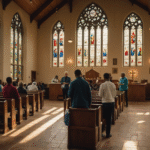
Come join Ashland Sabbath Chapel Ministries each Saturday for live streamed church services. Bible Study begins at 10:00 AM Central Time and Sermon at 11:00 AM. Visit Our YouTube channel and watch from home!
We often find ourselves navigating through life’s unpredictable waters, and health challenges can feel like formidable storms. These challenges can manifest in various forms, be it chronic illness, mental health struggles, or unexpected health crises. Understanding these challenges is essential in fostering resilience and finding paths to healing. For many, particularly within the Adventist community, embracing a holistic view of health—one that intertwines physical, mental, and spiritual well-being—becomes crucial.
Health challenges can be daunting. They can shake our foundations, twist our routines, and test our resolve. Yet, it’s important to recognize that almost everyone faces difficulties at some point. For instance, someone might struggle with diabetes, requiring them to completely overhaul their diet and daily habits. This can feel overwhelming, but understanding the nature of their condition—what affects their blood sugar, how to manage their meals, and the long-term implications—empowers them to take charge of their health. Similar experiences arise when we encounter mental health issues, where understanding symptoms and coping mechanisms can play a pivotal role in recovery.
In the face of adversity, it helps to remember that overcoming these challenges is not a solitary journey. Individuals in the Adventist community often find strength through shared beliefs and practices that promote holistic healing. Spirituality can be a wellspring of strength; believing in something greater can provide comfort and hope. For example, people may turn to prayer or meditation as a means to calm their minds and spirits during tough times. These practices foster an inner resilience, making it easier to face what’s ahead.
Ultimately, understanding health challenges begins with awareness— recognizing the various dimensions of our health and the multitude of factors that influence it. This awareness paves the way for effective strategies to overcome difficulties. In this journey, informed decisions, combined with a strong community and a deep-rooted faith, can transform how we approach our health and well-being.
The role of faith in healing
Faith plays a profound role in the healing process, particularly for those facing health challenges. When individuals encounter physical or mental difficulties, their belief systems often serve as a cornerstone for their resilience and recovery. The Adventist tradition emphasizes a wholistic view of health, integrating faith with medical intervention, which can empower individuals to navigate their health journeys with confidence.
Many studies indicate that spirituality and religious beliefs are linked to better health outcomes. Research has shown that patients who engage in spiritual practices tend to report lower levels of anxiety and depression, which can significantly affect their overall well-being (Koenig, 2012). For instance, the act of prayer can foster a sense of peace and offer solace, providing a mental refuge during difficult times. When one turns their worries over to God, it can lighten the emotional load, transforming fear into trust.
Moreover, faith can enhance the effectiveness of medical treatments. When individuals combine their health care plans with spiritual practices, they often experience a stronger sense of purpose and motivation. A sample study of chronic illness patients showed that those integrating prayer with their treatment plans reported a higher quality of life and improved health management (Pargament, 2002). This synergy can be powerful, as it bridges the gap between spiritual and physical healing, facilitating a more comprehensive recovery approach.
In many cases, the community aspect of faith-based practices can also play a vital role. Gathering with fellow believers for prayer or engaging in supportive discussions can bolster one’s resolve. The Adventist community, with its focus on collective prayer and communal health initiatives, exemplifies this well. People are more likely to overcome their health challenges when surrounded by a supportive network that shares faith, providing both encouragement and accountability.
Spirituality also encourages a level of self-compassion and acceptance. Facing a health challenge can often stir feelings of inadequacy or resentment; however, many find that aligning themselves with their spiritual beliefs helps them understand these struggles as part of a larger journey. This perspective fosters resilience, allowing individuals to not only confront their health issues but also to embrace their experiences as opportunities for growth and deeper connection with their faith.
Healing is rarely a linear path, and faith can be both a guide and a source of strength through the uncertainties. It invites individuals to reflect on their values, question their experiences, and ultimately, trust the process. As we engage with our spiritual beliefs, we may discover renewed hope, enabling us to overcome the toughest challenges both physically and mentally.
Personal stories of resilience

Throughout history, there have been countless narratives of individuals whose resilience has shone brightly amidst the bleakest health challenges. These stories remind us of the indomitable human spirit and the profound impact faith can have in the journey to healing. One remarkable example is that of a young mother in our community who was diagnosed with a severe autoimmune disease. Faced with debilitating symptoms, she was initially overcome with fear and uncertainty regarding her future. However, through steadfast prayer and a deep connection with God, she found a remarkable sense of peace. Each day, she placed her trust in the divine, expressing gratitude for the small victories, like getting out of bed or enjoying a meal with her family. This perspective shift empowered her to not only seek medical treatment but also to adopt a healthier lifestyle, aligning her actions with her faith.
Similarly, consider the story of an elderly gentleman who battled cancer. His approach to this life-altering diagnosis was nothing short of inspiring. He engaged his church community, requesting prayers not only for his healing but for strength and comfort for his family as well. In sharing his struggles openly, he fostered a spirit of togetherness, encouraging others to support one another in their respective health challenges. His journey was marked by moments of despair, yet his unwavering faith transformed these into opportunities for witness and testimony. He found purpose in his suffering, frequently stating, “If my journey can uplift even one soul, then it is a path worth walking.” This sentiment resonates deeply within the Adventist belief of community and shared faith, illustrating how mutual support can cultivate resilience.
These personal accounts of resilience are not isolated; they reflect the overarching theme that faith can be a powerful ally in the face of adversity. When individuals anchor themselves in their beliefs, the barriers posed by health challenges often seem less daunting. Faith invites us to redefine our narratives, viewing obstacles not merely as hindrances but as experiences that allow for spiritual growth and transformation. Through prayer, reflection, and community engagement, people can transcend their circumstances and emerge stronger than before.
Moreover, the stories of those around us can serve as beacons of hope for our own journeys. As we hear how others have overcome their struggles, we can find encouragement to face our own health challenges with courage and faith. A close friend may share how she managed to overcome the grips of anxiety through meditation and scripture reading, illustrating the power of spirituality in creating a calming refuge in times of distress. Her journey highlights the importance of actively seeking peace and strength in faith-based practices, inspiring others to explore the profound effects of spirituality on mental health.
In our lives, it is essential to remember that resilience is not just about individual strength; it’s also about collective upliftment. Joining together in prayer and support can foster an environment where all feel empowered to overcome their respective trials. The uplifting stories remind us that sharing our journeys can forge deeper connections, enhance our understanding of one another, and contribute to an individual’s healing process. As we celebrate these narratives of triumph, we are reminded that through faith, community, and perseverance, we can indeed overcome even the most challenging health adversities that come our way.
Building a supportive community
In our journey through life’s difficulties, the importance of community cannot be overstated, especially when facing health challenges. Within the Adventist faith, we often find strength in numbers. The bonds we forge through shared beliefs, experiences, and mutual support can create an environment that not only fosters healing but also enhances our spiritual journeys. Think of the countless Sabbath gatherings, potluck dinners, or prayer circles that have united us; each instance becomes a building block of a supportive network that uplifts us during our darkest hours.
Community offers us a unique opportunity to share our burdens and joys alike. When someone in the congregation faces a health crisis, the ripple effect can be profound. At a recent church service, a young woman shared her struggle with depression after losing a loved one. As she spoke, it became evident how much the congregation had rallied around her, offering prayers, meals, and simply a listening ear. The warmth of their support provided her with a lifeline, reminding her that she was not alone. This collective strength is invaluable; when we come together, our faith amplifies and reinforces our resolve to overcome.
Participating in community health initiatives also plays a critical role in managing health challenges. For instance, the Adventist emphasis on holistic well-being often manifests in local health fairs, where members can receive screenings, nutritional advice, and spiritual counseling all in one place. These events serve as a reminder that caring for our physical health is equally important as nurturing our spiritual life. Engaging in such initiatives cultivates a culture of health awareness and collective responsibility, encouraging individuals to take proactive steps toward their well-being.
Moreover, sharing our journeys opens up pathways for connection and empathy. Consider a small group that gathers weekly to discuss the integration of spirituality in health care. Each person brings their unique story, struggles, and insights. One member may recount how participating in regular prayer meetings gave them the courage to face a cancer diagnosis, while another shares how scripture readings provided comfort during anxiety attacks. These exchanges reinforce the idea that we are stronger together. By voicing our experiences and learning from each other, we all gain new perspectives on overcoming life’s hurdles.
As we build these supportive communities, it is also essential to create spaces where vulnerability is met with love and understanding. Trust is the bedrock of any successful community initiative. When individuals feel safe to share their fears and uncertainties, they are more likely to engage with others and seek help. It reminds us of Jesus’ teachings about bearing one another’s burdens; in doing so, we fulfill the law of Christ (Galatians 6:2). This biblical foundation encourages us to lift each other higher when facing health challenges, showing that our faith is not only personal but deeply communal.
Intentionally fostering such community bonds requires ongoing effort. Organizing support groups, involving the youth in service projects, or creating mentorship programs can all contribute to a nurturing environment. Each act of kindness, no matter how small, ignites a spark of hope. When we see our friends and neighbors embodying the spirit of service, it inspires us to do the same. This mutual encouragement can help individuals challenge their health struggles with renewed fervor.
In summary, the power of a supportive community in overcoming health challenges is immense. Within the Adventist framework, faith and community intertwine to create a sanctuary of strength, understanding, and shared belief. As we engage with one another, we not only nurture our spirits but also fortify our resolve to face whatever life may throw our way. It is through such collaborative efforts that we can uplift one another, turning trials into testimonies of triumph and resilience.
Practical tips for integrating faith into health care

Integrating faith into health care can be a transformative journey, guiding individuals through some of life’s most daunting health challenges. To begin this process, one must first establish a personal connection with their spirituality—whether through prayer, meditation, or reflective practices. By grounding oneself in faith, individuals can approach their health with a mindset that goes beyond mere physical parameters, embracing a holistic view of wellness that encompasses the body, mind, and spirit.
One practical step is to create a daily routine that includes spiritual practices alongside health regimens. This could involve starting each day with prayer or meditation before engaging in morning exercise or preparing healthy meals. Such a routine not only sets a positive tone for the day but also reinforces the connection between spiritual and physical well-being, reminding individuals that they are never alone in their journey. Incorporating affirmations related to health can further enhance this process, enabling individuals to cultivate a hopeful outlook while affirming their commitment to maintaining their well-being.
Beyond individual practices, workers in health care settings can also adopt faith-centered approaches. Medical professionals integrated into the Adventist community, for example, often emphasize the role of spirituality in healing. This approach may involve providing patients with resources for prayer, inviting them to share their spiritual needs, or even offering a quiet space for reflection. Such support acknowledges the emotional and spiritual dimensions of health, allowing for a more compassionate and comprehensive care model. Additionally, workshops or programs that educate congregants about health care options can empower individuals to take proactive steps in their well-being while reinforcing their spiritual beliefs.
Moreover, the power of prayer cannot be underestimated. Encouraging patients to engage in prayer, whether independently or as part of a group, creates a sense of community and shared experience. Studies have shown that individuals who pray report lower levels of anxiety and greater relief from pain—even in the face of serious illness. Thus, forming prayer circles or support groups within faith communities can not only foster connections but also serve as a vital resource for those navigating challenging health circumstances.
Finally, integrating faith into health care also requires education and awareness. Many individuals may be unaware of the profound impact their spiritual life can have on their health. Hosting discussions or seminars that delve into the link between spirituality and physical wellness can enlighten congregations, encouraging them to embrace a wholistic approach to health. By addressing this interplay, individuals can understand how their faith can become an ally in overcoming health challenges.
- How can faith impact physical health?
- Faith often provides emotional support, fostering resilience during health challenges. The sense of community and belonging associated with faith can alleviate feelings of isolation, contributing positively to overall well-being.
- Are there specific spiritual practices that can help with health challenges?
- Engaging in regular prayer, meditation, and scripture reading can promote peace and reduce stress. These practices encourage reflection and provide comfort during turbulent times, enhancing one’s mental health.
- Can community support really make a difference in overcoming health challenges?
- Absolutely. A supportive community can offer practical help, emotional encouragement, and a sense of belonging, which are all crucial when dealing with health difficulties. Connections foster hope and can significantly boost resilience.
- What role does prayer play in the treatment process?
- Prayer has been shown to reduce anxiety and improve emotional well-being, which can complement medical treatment. It promotes a sense of peace and connection, allowing individuals to feel supported in their healing journey.
- How do I start integrating faith into my health care?
- Begin by establishing a personal routine that includes spiritual practices along with daily health regimens. Consider seeking guidance from your faith community on how to incorporate spirituality into your overall health management.
- Is there scientific evidence linking spirituality and health outcomes?
- Yes, multiple studies have shown that individuals who engage in spiritual practices report better health outcomes, including reduced anxiety and lower rates of depression, which positively impact overall health.
- How does the Adventist community approach health care integration with faith?
- The Adventist community emphasizes a holistic view of health, often integrating faith-based practices into medical treatment plans. This includes resources for spiritual growth and community support as part of health care options.
Beside our live streamed church services, all are welcome to attend our church in person each Saturday beginning 10:00 AM Central Time by going to 2425 Owens Rd., Ashland, AL 36251. There is no cost and any donations are strictly voluntary.
For questions, call +2563547124.