Come join Ashland Sabbath Chapel Ministries each Saturday for live streamed church services. Bible Study begins at 10:00 AM Central Time and Sermon at 11:00 AM. Visit Our YouTube channel and watch from home!
In recent years, a palpable shift has emerged within our communities, a stirring of youthful hearts directed toward the noble pursuit of healthy living. The youth of today are not merely passive recipients of guidance; they are, with increasing fervor, becoming active participants in the promotion of their well-being and that of their peers. This engagement unveils itself in myriad forms—from participating in local fitness events to organizing hillside hikes that invigorate both body and soul.
Indeed, one may observe a delightful trend: gatherings of Adventist youths who convene not solely for spiritual communion but to foster a sense of solidarity in making healthful choices. Together, they explore the potential of collaboration, sharing knowledge and resources to inspire one another. Such alliances not only bolster accountability but serve to kindle an enduring passion for a lifestyle imbued with vitality.
Furthermore, the activities that engage our youth often include an inviting array of sports, exercise classes, and wellness campaigns, splendidly woven into the fabric of their community. Opportunities abound as these enterprising young individuals seek to intertwine exercise with social interaction, spearheading initiatives that encourage peers to eschew sedentary pastimes in favor of invigorating pursuits. In this age of technology, where temptation lies in the form of screens and devices, the allure of communal activity becomes an indispensable counterbalance.
One might also note the uplifting success of various programs aimed at cultivating a culture of robust living. These initiatives radiate the enthusiastic spirit of our youth, who tirelessly champion the virtues of healthy living. Their voices echo within the walls of schools and neighborhoods, advocating for the importance of integrating health education into the daily lives of their contemporaries. This burgeoning engagement not only enriches their own lives but inscribes the principles of health and vitality within the very ethos of the community.
Thus, as we observe this remarkable engagement of youth in the cause of healthful living, let us be inspired by their example. The vitality and innovation they bring forth herald a promising future, one in which our youths take charge of their own well-being while uplifting their communities in the process.
The importance of healthy living for youth
The vitality of healthy living for our youth cannot be overstated. A lifestyle characterized by wellness serves not only the individual but radiates outward, influencing families, communities, and ultimately, society at large. At the tender age where bodies, minds, and spirits are developing, the foundation set through healthy choices can lead to a lifetime of benefits. The impact of embracing such practices is profound, manifesting in enhanced physical health, better mental well-being, and improved academic performance.
Engaging in regular physical activities strengthens the body, fortifies the immune system, and curtails the risk of chronic diseases. When youth commit to such active lifestyles, they are not merely participating in exercise; they are laying down a legacy—their very cells become infused with vigor and resilience. Indeed, research has shown that adolescents who engage in physical activity report higher levels of self-esteem and lower levels of stress and anxiety (Pate et al., 1996). This is paramount in a world where mental health challenges are increasingly prevalent among young people.
Moreover, the journey towards healthy living is further enriched by the profound social connections formed along the way. When young individuals gather for a common cause—be it participating in spiritual retreats, engaging in a community gardening project, or leading health workshops—they cultivate friendships rooted in mutual goals and supportive encouragement. These connections offer a sense of belonging and shared purpose, often leading to positive lifestyle changes that would be difficult to sustain alone.
In communities where Adventist principles inspire health initiatives, the fusion of faith and healthy living is particularly transformative. These gatherings not only serve as a platform for physical well-being but also as a nurturing environment for spiritual and emotional growth. Throughout Scripture, we find that our bodies are referred to as temples, deserving of respect and care (1 Corinthians 6:19-20). When youth are educated on the importance of nurturing their physical selves as a spiritual act, they are empowered to make choices that reflect both their values and their long-term health.
The challenge remains, however, to foster an environment where these principles can thrive. Parents, educators, and community leaders must come together, mindful of the power they wield in shaping young minds and influences. By creating opportunities for involvement—be it through organized sports, group fitness classes, or nutrition workshops—we as a community lay the groundwork for these aspiring leaders to flourish symbiotically with the principles of healthy living.
Ultimately, investing in the health of our youth transforms not just individuals but our entire society. It is a holy calling—one that brings families together, fortifies communities, and fulfills the divine intention for humankind to live abundantly.
Strategies for promoting physical activity
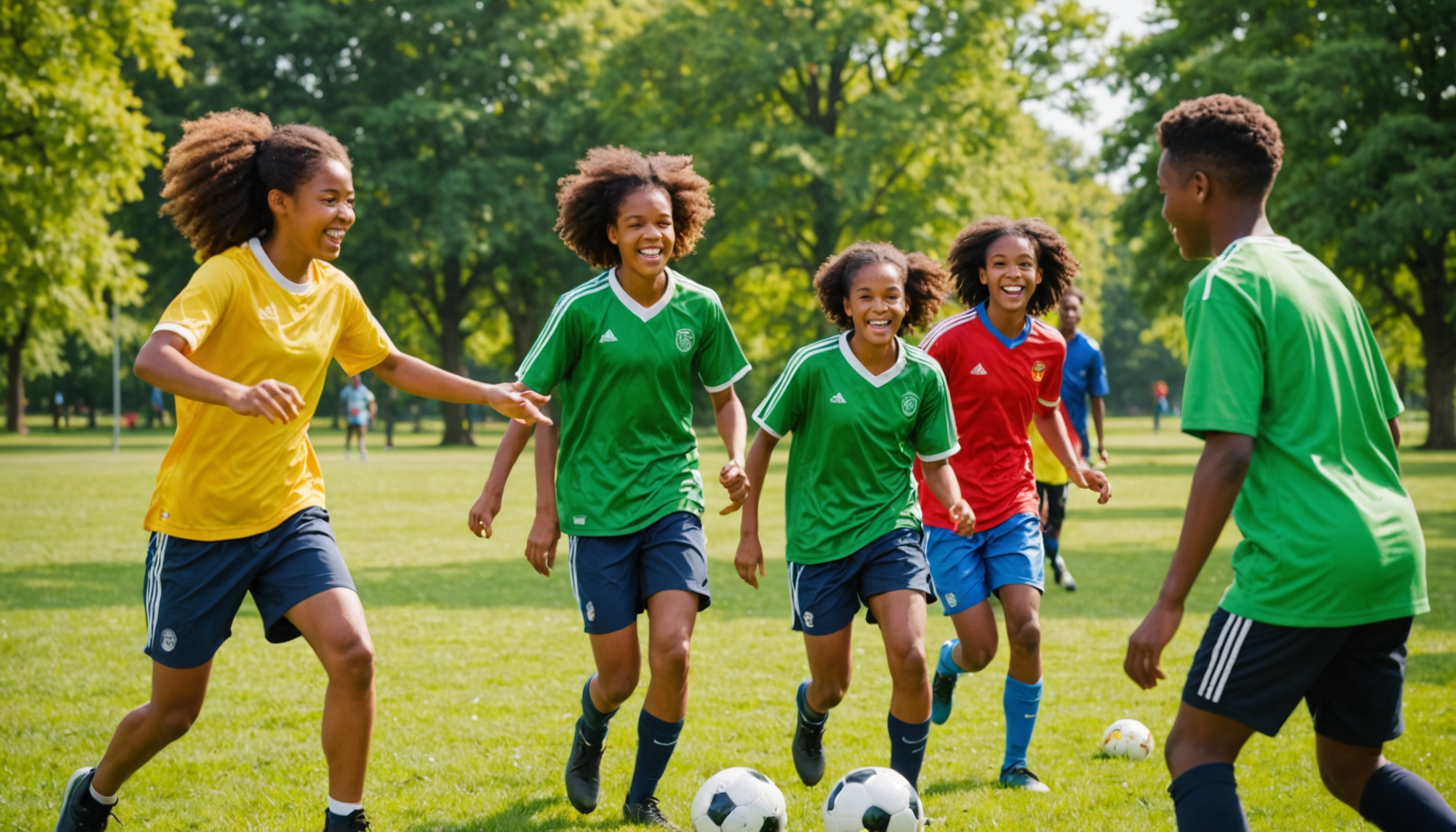
To effectively promote physical activity among our youth, we must turn our attention to strategies that resonate with their unique needs and aspirations. The key lies in creating inviting environments that inspire enthusiasm and participation. One of the most impactful methods is the integration of physical activity into daily routines in ways that feel natural and enjoyable, rather than forced. By infusing movement into their everyday lives, we foster a mindset that views physical activity not as a chore, but as an enriching facet of life.
One fantastic avenue is to harness the power of peer involvement. Youth are inherently social beings, seeking connection and camaraderie. Activities that take place in groups—such as community sports leagues, dance classes, and hiking clubs—provide a dual benefit: they promote fitness while also strengthening friendships. When young people come together for these shared experiences, they inadvertently become advocates for healthy living among their peers. For example, a youth-led soccer tournament can engage not just players but also spectators, igniting interest in physical activity throughout the community.
Moreover, we should consider the role of technology, which, when appropriately wielded, can serve as a powerful ally in promoting physical activity. Utilizing mobile apps and social media platforms tailored towards fitness goals allows youths to track their progress, share achievements, and even challenge each other in friendly competition. This digital engagement can create communities of encouragement and accountability, as youths cheer one another on in their endeavors toward a healthier lifestyle. An example of this could be a group challenge to complete a certain number of active minutes each week, transforming a solitary pursuit into a vibrant community endeavor.
Implementing school-based programs can also be a significant strategy in encouraging regular physical activity. Schools are ideally positioned to create structured environments for physical fitness through physical education classes that emphasize not just skills, but the immense joy that movement brings. Activities such as yoga, martial arts, and team sports can be introduced, providing diverse options that cater to varied interests. Additionally, incorporating health curricula that educate students on the benefits of physical exercise creates a lifelong awareness and appreciation for healthy living.
Another effective strategy revolves around engaging families in the pursuit of physical wellness. When families come together for activities such as weekend bike rides, family sports days, or even gardening, it strengthens familial bonds while establishing a culture where movement is valued. In this regard, community events like health fairs or fitness festivals that welcome families can also serve as opportunities for education and engagement. These gatherings often offer workshops, demonstrations, and activities that are not only fun but serve as a springboard for discussions around health and well-being.
Additionally, it is crucial to involve youth in the planning and execution of these activities. Their voices and ideas can lead to engaging programs that reflect their interests and desires. When youths feel a sense of ownership over the initiatives aimed at boosting their active lifestyles, they are more likely to participate and advocate for these experiences within their circles. This reinforces the importance of collaboration and the power of youth leadership in the context of healthy living.
In the midst of these strategies lies the responsibility of adults—parents, educators, and community leaders—to nurture and support youthful enthusiasm for physical activity. By encouraging participation, celebrating achievements, and reinforcing the fun of being active, we collectively invest in the future health of our communities. Not only do we instill a sense of responsibility for one’s own health, but we empower the next generation to be proactive stewards of wellness—a principle very much aligned with our Adventist commitment to living a life that is whole and fulfilling. Such efforts ensure that the legacy of healthy living is passed down, fostering a robust generation committed to maintaining vibrant, active lives.
Nutrition education and healthy eating habits
Nutrition education is pivotal in shaping the dietary habits of youth, empowering them to make informed choices that nurture their bodies and minds. The increasing prevalence of processed foods and sugary snacks in our society necessitates a robust approach to teaching young people about wholesome, nutrient-dense eating. By integrating fun and engaging educational experiences, we can cultivate a generation that embraces healthy eating habits as a natural part of their daily lives.
Imagine a vibrant after-school program where youth gather to learn cooking skills while preparing delicious, healthy meals together. Not only does this foster creativity in the kitchen, but it also serves to instill an appreciation for fresh, whole foods. Instead of viewing vegetables as a chore, they come to see them as colorful allies on their plates. Workshops can demonstrate the art of meal preparation, exploring various cooking techniques while discussing the nutritional benefits of each ingredient. For example, engaging youth in the preparation of a hearty quinoa salad, rich in protein and fiber, gives them a sense of accomplishment and ownership over what they consume.
Moreover, schools can play a vital role by incorporating nutrition education into their curricula. The integration of classes that teach about food groups, portion sizes, and label reading can equip students with the knowledge they need to navigate the often confusing world of food choices. One engaging concept could involve interactive lessons that allow students to analyze various snacks to identify healthier options. By encouraging discussion and critical thinking about their diets, we prime them for a lifestyle where thoughtful eating is intrinsic.
Community gardens serve as another splendid avenue for enriching youth nutrition education. When young people participate in cultivating their own fruits and vegetables, they gain a tangible connection to their food sources. Imagine a local Adventist community collaborating to establish a garden where youth not only learn about plants and gardening but also the benefits of organic produce. As they see the fruits of their labor and enjoy the literal harvest, they develop a greater appreciation for eating fresh and minimizing processed foods. Harvest days can transform into community events where families come together to enjoy the bounty, fostering social connections alongside nutritional enlightenment.
Schools can also partner with local farmers and nutritionists to organize field trips to farms or food markets. Such experiential learning opportunities expose youth to the workings of food production and the importance of sustainable eating. Understanding where food comes from can spark conversations around health, environmental stewardship, and the importance of supporting local agriculture, all of which are principles aligning with our Adventist values of stewardship and care for creation.
Equipping parents with knowledge is equally important, as they play a crucial role in influencing their children’s dietary choices. Nutritional workshops for families can provide strategies for meal planning, budgeting for healthy foods, and making nutritious snacks at home. Parents need encouragement to create a family culture that celebrates healthy eating—a family potluck can showcase healthy dishes crafted by each member, turning nutrition education into a shared zone of cooking and creativity.
Ultimately, fostering a culture of health starts with education and engagement centered on nutrition. As youth become empowered to make wise choices about their diets, they not only enhance their own well-being but can also advocate for healthier food environments in their schools and communities. This perspective weaves seamlessly into the larger tapestry of healthy living, where every meal is approached with the reverence and mindfulness that our bodies deserve. When we raise a generation that values nutrition, we lay a robust foundation for a healthier future for all.
Mental health and well-being initiatives
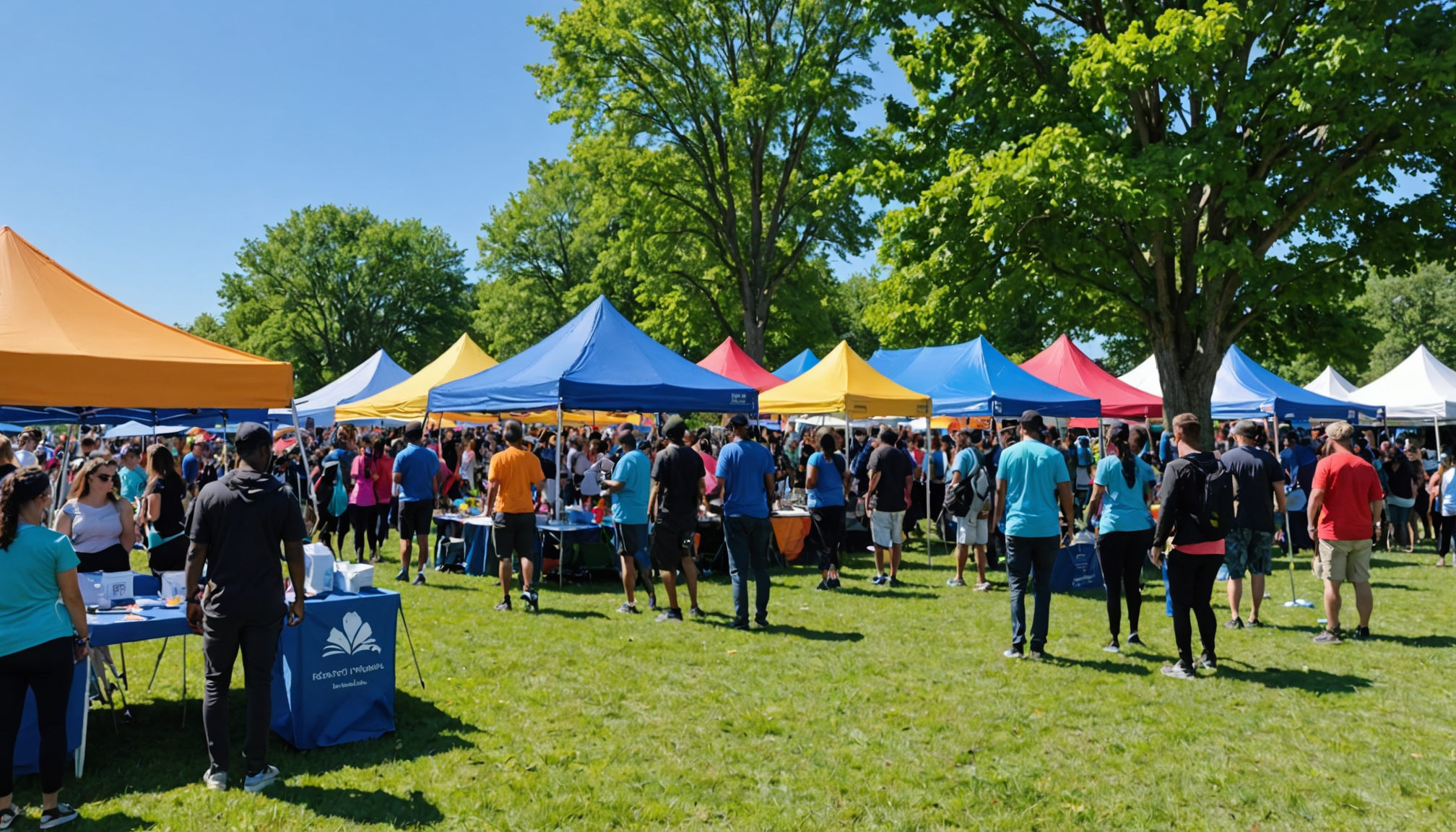
Inextricably linked to the well-being of our youth is the focus on mental health initiatives that advocate for a holistic approach to healthy living. The mental landscape of young individuals is shaped not merely by external influences but by their internal dialogue, self-perception, and the connections they foster with those around them. Awareness and education about mental health issues must become integral components of any initiative targeting youth engagement in healthy living. This starts with creating safe environments where young people feel empowered to share their experiences, seek support, and explore ways to enhance their mental and emotional resilience.
Programs designed to provide mental health resources can profoundly enrich the lives of youth. Workshops that teach coping skills, stress management techniques, and mindfulness practices serve as crucial pillars for building emotional strength. Activities such as group discussions, art therapy, or outdoor retreats allow for expression and healing within a supportive community framework. Here, Adventist principles can interweave, providing a spiritual dimension that emphasizes hope, healing, and service to others, all of which foster greater emotional stability among young individuals.
In schools, fostering a culture of openness regarding mental health can break the stigma often associated with such discussions. Integrating mental health education within the curriculum ensures that youth understand the signs of mental health issues and know how to seek help. Programs that incorporate peer support systems, where students are trained to assist fellow classmates in distress, create an empathetic atmosphere, significantly reducing feelings of isolation and despair. This solidarity nurtures not just individual wellness, but group cohesion, where youths learn the value of lifting each other up as a path toward collective well-being.
Moreover, community initiatives that prioritize mental health are invaluable in making a lasting impact. Collaborative efforts between local organizations and health professionals can create youth-focused events that bring awareness and resources direct to the heart of the community. Mental health fairs, where fun activities coexist with workshops and counseling sessions, engage youth in a friendly atmosphere, making it approachable and less intimidating. Such community involvement reinforces the importance of mental health as a fundamental element of healthy living and demonstrates a collective commitment to supporting the younger generation.
Ultimately, elevating our youth’s mental health is an indispensable ingredient in the recipe for overall health. By fostering environments where mental well-being is prioritized alongside physical fitness and proper nutrition, we equip the next generation with the tools needed to navigate life’s challenges with resilience and compassion. As we build a future rooted in healthy living, our attentiveness to mental health initiates a ripple effect, fostering not only individual growth but a more unified and supportive community.
- Why is mental health important for youth?
- Mental health is crucial for youth as it influences their emotional well-being, social skills, and capacity to cope with challenges. Good mental health allows young people to reach their full potential, learn effectively, and build fulfilling relationships.
- What are common mental health issues faced by youth?
- Common mental health issues among youth include anxiety, depression, and stress. These can arise from academic pressure, social dynamics, or traumatic experiences and can significantly impact their daily lives and well-being.
- How can schools support mental health in students?
- Schools can support mental health by incorporating mental health education into their curriculum, offering counseling services, and creating a safe environment for discussion. Training teachers to recognize signs of mental struggles also enhances support.
- What role do parents play in their child’s mental health?
- Parents play a vital role in their child’s mental health by fostering open communication, providing support, and modeling positive coping strategies. Their involvement is essential in recognizing and addressing potential issues early on.
- How can youth engage with their peers on mental health topics?
- Youth can engage with peers by initiating conversations about mental health, forming support groups, and participating in advocacy efforts. Creating a culture of openness helps destigmatize mental health discussions.
- What community resources are available for youth mental health?
- Many communities offer resources for youth mental health, including counseling centers, hotlines, and mental health workshops. Collaboration with schools, health professionals, and local organizations enhances these resources’ accessibility.
- How can technology impact youth mental health?
- Technology can impact youth mental health both positively and negatively. While social media offers support and community, it can also contribute to anxiety and comparison. Promoting healthy technology use is essential in maintaining mental well-being.
Ashland Sabbath Chapel Ministries
Community involvement and fostering social connections
Engaging youth in community initiatives cultivates a deep sense of belonging, offering a cornerstone for social connections that reinforce healthy living. Imagine a scenario where young people gather for community service projects—planting trees, organizing food drives, or participating in charity runs. Through such shared experiences, they not only contribute to the welfare of their surroundings but also build lasting friendships. The laughter shared during these tasks, the challenges faced and overcome together, all weave a tapestry of memories and camaraderie that nourish the spirit.
Moreover, youth-led organizations or clubs serve as vital platforms for fostering connections among peers. Here, young individuals can engage in meaningful dialogues about health, fitness, and overall well-being. For example, a local Adventist youth group might host health fairs that incorporate fun activities, informative booths, and cooking demonstrations. These gatherings create a lively atmosphere that encourages participation, where youths can soak up knowledge about nutrition and wellness while forging relationships with like-minded individuals. Such interactions lay the groundwork for a supportive network, vital for reinforcing their commitment to healthy living.
Communities that prioritize youth participation in decision-making processes also nurture a profound sense of belonging. Engaging youth in discussions about community health initiatives invites them to voice their opinions, ideas, and preferences. When they feel their contributions matter, there’s a greater likelihood of sustained involvement. This can manifest in youth forums, where young people suggest activities or programs that resonate with their lives, ensuring that initiatives focus on their interests and needs. Such empowerment fosters accountability and motivation, as they see the positive impact of their involvement.
Additionally, social media can be harnessed to foster connections among youths by creating online communities that transcend physical boundaries. These platforms can serve as spaces for sharing successes, discussing challenges, and motivating one another on their journeys toward healthy living. For instance, a challenge shared within these groups—like a month of daily exercise or cooking nutritious meals—can galvanize participation in the real world, as individuals strive to meet their goals collectively. This blends the conveniences of technology with the essence of social interaction, ensuring that even in the digital realm, community ties strengthen.
Ultimately, the integration of community involvement in fostering social connections holds immense potential for our youth. When young individuals come together to support one another while advocating for healthy living, they weave a network of resilience and empowerment. This fabric of connection not only bolsters their health and well-being but also enriches the very essence of the locations they inhabit. In nurturing these communal bonds, we pave the way for future generations to cultivate lives steeped in health and purpose.
Beside our live streamed church services, all are welcome to attend our church in person each Saturday beginning 10:00 AM Central Time by going to 2425 Owens Rd., Ashland, AL 36251. There is no cost and any donations are strictly voluntary.
For questions, call +2563547124.