Come join Ashland Sabbath Chapel Ministries each Saturday for live streamed church services. Bible Study begins at 10:00 AM Central Time and Sermon at 11:00 AM. Visit Our YouTube channel and watch from home!
It is with considerable delight that I embark on the subject of the vegetarian lifestyle, a matter of great significance among those who seek to nourish both body and spirit. As I muse upon the principles that govern this diet, one must appreciate the *thoughtful consideration* given not solely to personal health, but also to the welfare of all living creatures, a sentiment that draws many to the path of vegetarianism.
In essence, the vegetarian lifestyle embraces a diet devoid of flesh, and typically excludes the flesh of fish, fowl, and any other creature of the animal kingdom. The *Adventist* community, for one, has long advocated such a way of life, promoting it as a means to achieve not only longevity but also a state of serene wellbeing. This perspective posits that a diet rich in fruits, vegetables, legumes, and whole grains offers a plethora of health benefits, fostering vitality and robust health.
Furthermore, it is imperative to note that the vegetarian lifestyle is not merely a passing trend; it embodies a profound commitment to ethical considerations regarding dietary choices. Many adopt this practice as an expression of compassion towards animals, as well as a means to alleviate environmental burdens associated with animal husbandry. Those who pursue this path often find a delightful camaraderie with like-minded individuals, sharing recipes, tips, and the joys and challenges of life without meat.
Indeed, those who embark on this journey may discover that the benefits extend far beyond the realm of health; the vegetarian diet cultivates an appreciation for the variety of produce available to us, introducing a cornucopia of flavors that can enchant the palate. Yet, as with any lifestyle change, one must navigate the transition with care, ensuring that nutritional needs are adequately met and that the diet is as delightful as it is fulfilling.
Health benefits of vegetarianism
The health benefits of adopting a vegetarian diet are both extensive and well-documented, highlighting the transformative potential of this lifestyle choice. A growing body of research indicates that individuals who embrace vegetarianism often enjoy lower risks of chronic diseases, making this a compelling consideration for anyone pondering a shift in their eating habits.
One of the most significant benefits is the impact on heart health. Studies reveal that vegetarians usually have lower levels of cholesterol and blood pressure, leading to a decreased risk of heart disease. The rich array of fruits, vegetables, whole grains, and legumes in a vegetarian diet contributes to this effect. These foods are high in fiber and antioxidants while being low in saturated fats, which plays a crucial role in maintaining cardiovascular health (Leitzmann, 2014).
Moreover, research suggests that adopting a vegetarian lifestyle may assist in weight management. Many individuals find that by minimizing or eliminating meat from their diets, they can more easily control their caloric intake. A study published in the *American Journal of Clinical Nutrition* discovered that vegetarians often have lower body mass index (BMI) values compared to their meat-eating counterparts (Craig, 2009). This can lead to enhanced energy levels and improved self-esteem, inspiring a more active lifestyle.
Interestingly, there is also evidence supporting the notion that a vegetarian diet may reduce the risk of developing certain types of cancer. The *World Health Organization* has indicated that diets rich in fruits and vegetables are linked to a lower risk of cancer due to the presence of protective compounds found in these food groups (World Health Organization, 2015). For instance, the phytochemicals found in plants can enhance the body’s defenses against oxidative stress, which is a known contributor to cancer development.
Another area of interest is the impact of vegetarianism on diabetes prevention and management. Several studies show that a plant-based diet can lower the risk of developing type 2 diabetes and help regulate blood sugar levels for those already diagnosed. The high fiber content found in plant foods plays a vital role in stabilizing blood sugar and improving insulin sensitivity (Nansel et al., 2008).
While these health benefits are compelling, it is essential to approach the vegetarian diet with a balanced and informed perspective. One must ensure that they are consuming a variety of foods to receive all necessary nutrients, particularly proteins, vitamin B12, iron, and omega-3 fatty acids. By being mindful of these factors, many can fully embrace the health benefits that this lifestyle offers while enjoying the diverse and delicious food options available.
Common misconceptions about being vegetarian
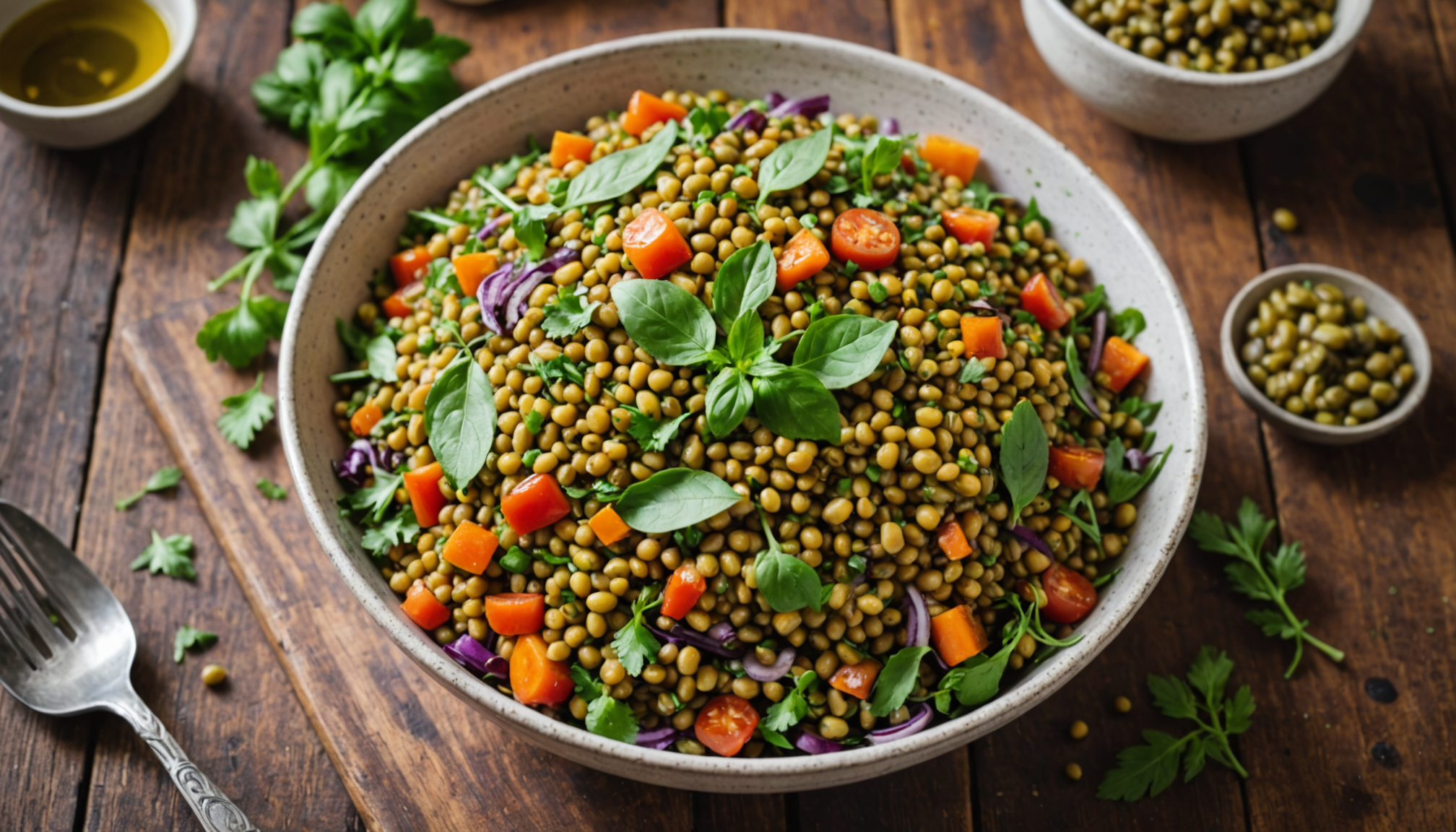
When it comes to the vegetarian lifestyle, many misconceptions float around that can deter people from exploring this dietary choice. One common belief is that a vegetarian diet lacks protein. Yet, that is far from the truth! A plethora of plant-based sources are rich in protein, including legumes, lentils, chickpeas, quinoa, and a variety of nuts and seeds. For instance, a serving of lentils can provide approximately 18 grams of protein, while quinoa offers about 8 grams per cup. So, while the notion of protein deficiency might cause hesitation, those who embrace vegetarianism need not worry about their protein intake.
Another misconception relates to the assumption that vegetarians are not getting enough nutrients. Skeptics often raise concerns about vitamins and minerals, particularly vitamin B12, iron, and omega-3 fatty acids. It’s essential to acknowledge that, indeed, vegetarians must be mindful of their nutrient consumption, but it is entirely feasible to meet dietary needs through careful planning. Fortified foods, such as plant-based milk alternatives and breakfast cereals, can provide vitamin B12. Iron can be sourced from dark leafy greens, beans, and fortified grains, while flaxseeds, chia seeds, and walnuts serve as excellent sources of omega-3s.
Many people also believe that a vegetarian diet is overly restrictive and lacks variety, leading to bland meals. On the contrary, the vegetarian lifestyle can be incredibly diverse and flavorful! There are countless cuisines around the world that celebrate plant-based ingredients. For example, Indian cuisine is rich in spices and offers an array of vegetarian dishes such as chana masala and palak paneer that burst with flavor. Additionally, the fresh produce available each season allows for a creative culinary adventure that keeps meals exciting and satisfying.
- Consider Mediterranean dishes featuring roasted vegetables with herbs and olive oil.
- Try making hearty stews loaded with beans, lentils, and seasonal vegetables.
- Experiment with Asian stir-fries that highlight vibrant veggies and tofu, served over a bed of rice or noodles.
One might also encounter the idea that vegetarianism is a movement only for the affluent or the “health-conscious.” However, many adopt this lifestyle for a variety of reasons, including compassion for animals and environmental concerns. Communities around the globe promote plant-based eating irrespective of income level. In fact, staples such as beans, rice, and seasonal vegetables can be quite economical, offering a nourishing option for those on a budget.
Lastly, some people think that a vegetarian diet requires extensive cooking skills or culinary expertise. While cooking can certainly open new doors for you in the vegetarian world, there are plenty of simple, no-cook meals that anyone can whip up! A quick salad, a peanut butter and banana sandwich, or a bowl of oatmeal topped with fruit can be nutritious and fulfilling without extensive preparation.
By confronting these misconceptions, we can unearth the beauty and richness of a vegetarian lifestyle, paving the way for many to explore a diet filled with health benefits and exciting flavors while making conscious choices that align with their values.
Tips for transitioning to a vegetarian diet
Transitioning to a vegetarian diet can feel like a significant endeavor, but with a few thoughtful strategies, it can be a smooth and enjoyable process. Many people find that they wish to make this change gradually rather than overnight. Start with small substitutions; for example, replace a couple of meat dishes each week with vegetarian alternatives. This way, you can begin to explore the different flavors and textures that plant-based foods have to offer without feeling overwhelmed.
One effective method for easing into a vegetarian lifestyle is to designate specific days as “meatless.” Perhaps start with one day a week, like *Meatless Monday*, where you consciously choose meals that are completely plant-based. This can help you expand your culinary repertoire and discover new favorite recipes. Over time, as you become more comfortable with the vast array of vegetarian options, you can increase this frequency based on your comfort level.
It’s also essential to educate yourself on valuable plant-based sources of protein and other critical nutrients. Familiarize yourself with legumes, nuts, seeds, and whole grains, which should become staples in your kitchen. For example, lentils are not only high in protein but also rich in fiber and iron, making them a fantastic meat substitute. Consider exploring recipes that highlight these ingredients, such as lentil burgers or chickpea curry, which are both hearty and satisfying.
Shopping for your new diet is another area where many feel unsure. Start by visiting local farmers’ markets or looking for seasonal produce at your grocery store. This not only supports local farmers but also encourages you to eat with the seasons, ensuring optimal freshness and flavor. As an Adventist might tell you, embracing whole foods is key; think less processed and more wholesome in your choices. Filling your cart with colorful fruits and vegetables, whole grains, nuts, and legumes can transform your meals dramatically while also providing myriad health benefits.
Meal planning can also streamline your transition. Set aside some time each week to plan out your meals. This not only helps ensure you have all the ingredients you need but also gives you an opportunity to experiment with new recipes. There are plenty of online resources and cookbooks dedicated to vegetarian cooking that can inspire you and guide you along the way. Consider trying new culinary styles, such as Mediterranean, which often features vibrant vegetables, grains, and legumes.
If you currently enjoy dining out, you don’t need to give that up. Many restaurants offer plant-based options, and you can often request modifications. Look for Mediterranean or Indian restaurants, which naturally incorporate a variety of vegetarian dishes. Sharing meals with friends who support your dietary transition can also provide encouragement and inspiration.
As you navigate this journey, it is crucial to listen to your body. You may initially experience cravings for meat or find yourself feeling more fatigued as your body adjusts; this is normal. Ensure you are consuming a balanced array of nutrients, as leaving out certain food groups can lead to deficiencies. If necessary, consider consulting a nutritionist who specializes in vegetarian diets to help tailor your new way of eating.
Lastly, remember to celebrate your milestones along the way. Each small step you take toward adopting a vegetarian lifestyle is a victory and contributes not only to your health but also to the welfare of animals and the planet. Embrace this new adventure with an open heart and an eager palate!
Delicious vegetarian recipes to try
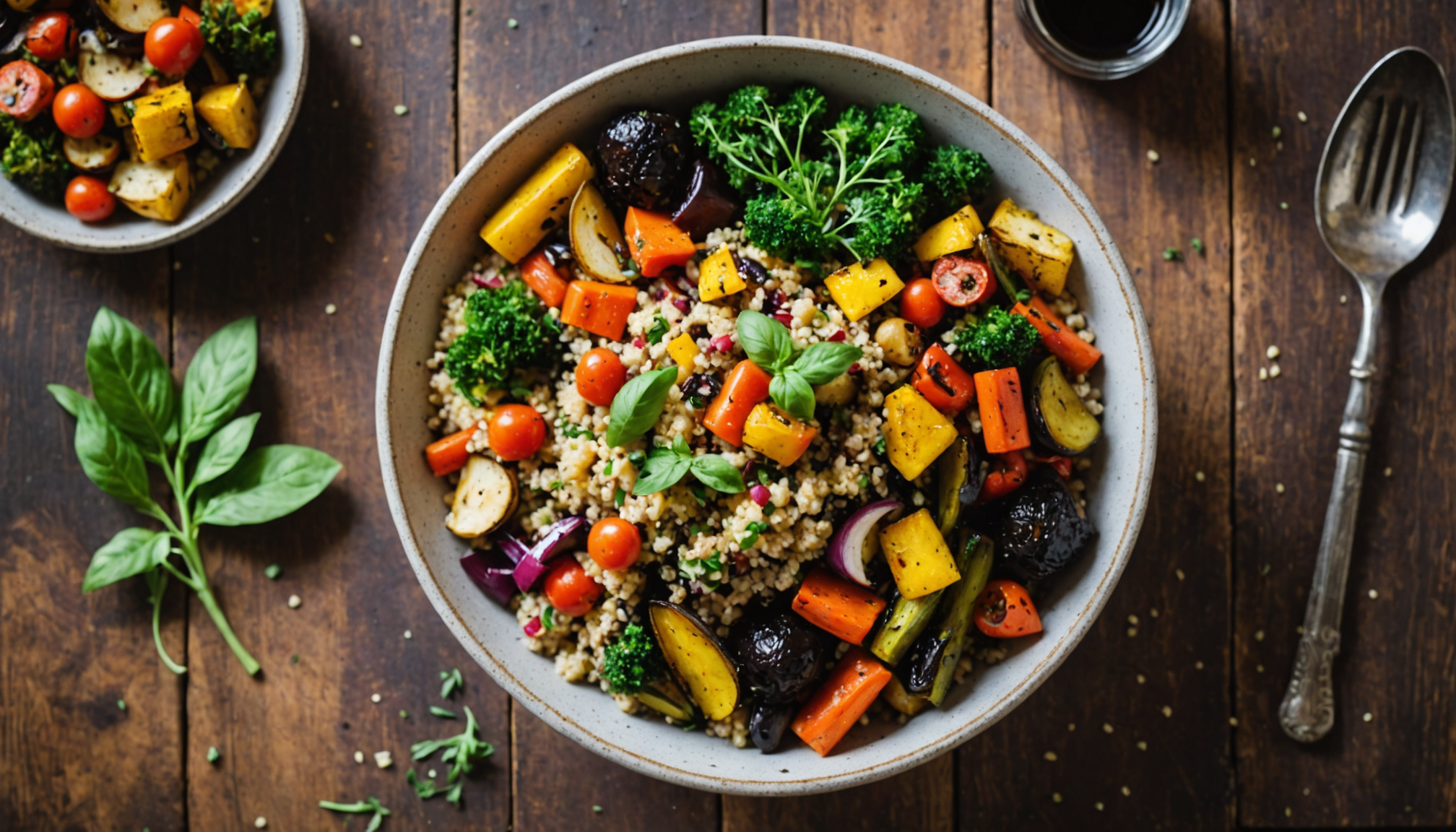
Exploring the vibrant world of vegetarian cooking can be an exhilarating experience that opens doors to a palette of flavors and cuisines. The key to enjoying a vegetarian diet lies in the creativity you bring to your meals. For instance, consider incorporating a variety of whole grains, legumes, and seasonal vegetables into your dishes. Quinoa, brown rice, and farro serve as excellent bases for salads and grain bowls that provide satisfying textures and nutritional benefits.
Start by experimenting with delightful appetizers like stuffed bell peppers or roasted vegetable platters drizzled with balsamic glaze. A colorful salad featuring mixed greens, cherry tomatoes, avocados, and walnuts topped with a homemade vinaigrette can serve as a refreshing side or main dish. Additionally, don’t shy away from international cuisines that showcase vegetarian options—Indian curries, Mexican tacos filled with beans and roasted vegetables, and Mediterranean dishes enriched with herbs, olive oil, and fresh produce can bring a burst of flavor and excitement to your kitchen.
One delicious recipe to try is a chickpea and spinach stew, simmered in a fragrant tomato and coconut milk base, served over brown rice or quinoa for a hearty meal. Another fantastic option is a creamy butternut squash risotto, where the richness complements a light salad for balance. Consider desserts too! Treat yourself to a delightful vegan chocolate mousse made with avocados and cacao powder, offering a sweet indulgence that aligns perfectly with a health-conscious mindset.
As you delve into this journey, remember that the beauty of the vegetarian lifestyle is not merely found in the individual ingredients but in the experience of combining them to elevate your meals. Engage with various culinary traditions, and allow your kitchen to become a space of exploration filled with the vibrant colors of fruits and vegetables. This passion for discovery can inspire you to create dishes that are not only nourishing but also a joy to share with family and friends.
- What are the main health benefits of vegetarianism?
- A vegetarian diet is associated with lower cholesterol levels, reduced risk of heart disease, better weight management, and decreased likelihood of certain cancers. Additionally, it can improve digestion and enhance energy levels due to the high fiber content found in plant-based foods.
- Can I get enough protein on a vegetarian diet?
- Yes, absolutely! There are numerous plant-based sources of protein such as legumes (beans, lentils, chickpeas), nuts, seeds, and whole grains. It’s important to consume a variety of these foods to ensure adequate protein intake.
- How do I ensure I’m getting all necessary nutrients as a vegetarian?
- To meet your nutritional needs, focus on a well-balanced diet that includes a variety of fruits, vegetables, grains, and protein sources. Be mindful of nutrients like vitamin B12, iron, and omega-3 fatty acids, which can be supplemented or obtained from fortified foods.
- Is vegetarianism suitable for everyone?
- While many people benefit from a vegetarian diet, it’s important to consider individual health conditions and nutritional needs. Consulting with a healthcare professional or nutritionist can help tailor dietary choices for specific needs.
- What are some simple vegetarian meals I can make?
- Simple vegetarian meals include stir-fries with seasonal vegetables and tofu, veggie-packed soups, salads with diverse toppings, and whole grain-based bowls. These can be prepared quickly and often require minimal ingredients.
- Are vegetarian diets more expensive?
- Vegetarian diets can be economical, as many staples like beans, grains, and seasonal vegetables are often less expensive than meat. By planning meals around these affordable ingredients, you can create nutritious recipes while sticking to a budget.
- What should I consider when dining out as a vegetarian?
- When dining out, look for restaurants that offer vegetarian options or cuisines like Indian or Mediterranean that are rich in plant-based dishes. Don’t hesitate to ask the server for modifications to make a dish vegetarian-friendly.
Ashland Sabbath Chapel Ministries
Beside our live streamed church services, all are welcome to attend our church in person each Saturday beginning 10:00 AM Central Time by going to 2425 Owens Rd., Ashland, AL 36251. There is no cost and any donations are strictly voluntary.
For questions, call +2563547124.