Come join Ashland Sabbath Chapel Ministries each Saturday for live streamed church services. Bible Study begins at 10:00 AM Central Time and Sermon at 11:00 AM. Visit Our YouTube channel and watch from home!
Engaging in volunteering provides numerous health benefits that extend beyond mere goodwill. Those who participate in community service often experience a profound enhancement in their overall well-being. As they dedicate time to helping others, they also cultivate a sense of purpose and belonging, which can significantly contribute to *mental health*. Studies have shown that individuals who are actively involved in volunteering report lower levels of depression and anxiety compared to those who do not engage in volunteer work. The process of giving back can foster social connections, promoting a sense of community that uplifts the spirit and nurtures relationships.
Furthermore, volunteering can lead to physical health improvements as well. By participating in activities that require physical effort, individuals often find themselves more active, which can contribute positively to their health. Engaging in such activities not only enhances bodily health but also creates opportunities for social interactions that can lead to lasting friendships and connections.
Research indicates that those who volunteer regularly tend to experience lower blood pressure and reduced stress levels. This is particularly pertinent to individuals within the *Adventist* community, who place a strong emphasis on holistic health that encompasses emotional, spiritual, and physical well-being. The benefits derived from volunteering can truly be seen as a pathway to improved health, offering rewards that are both personal and communal.
Understanding community engagement
Community engagement is more than just a buzzword; it’s a vibrant weaving of individuals into the rich tapestry of their surroundings. When we think about community, we often visualize the relationships, activities, and connections that form the backbone of our shared lives. Understanding community engagement is crucial because it allows us to discern how our actions and interactions can profoundly impact not only ourselves but also those around us. Engaging with our community goes beyond participation; it’s about feeling rooted, empowered, and part of something greater than ourselves.
To truly grasp the essence of community engagement, consider the different ways in which it manifests. Some key components include:
- Active Participation: This involves being involved in activities and initiatives that seek to improve the community, such as volunteering for local organizations or participating in community clean-up days.
- Building Relationships: Community engagement is about forming connections with others, fostering friendships, and strengthening the bonds we share with our neighbors and friends.
- Empowerment: By being engaged, individuals often find themselves advocating for change and improvements in their communities, contributing to a sense of control over their environment.
- Collaboration: Working together with various organizations—be it nonprofits, churches, or local councils—creates a united front for tackling communal issues and enhancing the quality of life for everyone.
For instance, volunteering in local *Adventist* outreach programs not only provides valuable services to those in need but also cultivates a network of mutual support among participants. In these settings, individuals are likely to find shared values, which further strengthens their commitment to the cause and to one another. This communal focus not only aids in addressing specific needs within the community but also fosters a collective spirit of gratitude and cohesion that benefits everyone involved.
The beauty of community engagement lies in its reciprocal nature. When you give your time and effort, you receive countless rewards—whether it’s the joy of seeing a neighbor smile or the satisfaction that comes from knowing you’ve made a difference. People who are actively engaged report feeling more fulfilled and less isolated, which are both key components to nurturing *mental health*.
Understanding the depth and breadth of community engagement invites us to reflect on how we can enrich our lives and those of others around us. By immersing ourselves in our communities, we nurture environments where everyone can thrive, creating a cycle of support, compassion, and unity that ultimately brings us all a little closer to the lives we aspire to lead.
Psychological impacts of giving back

The act of giving back is deeply intertwined with our emotional well-being. When we extend our hands and hearts to others, something magical happens within us. It’s like when a plant, though rooted in the soil, thrives best when nurtured by sunlight and water; so too do our spirits flourish through acts of kindness and service. Engaging in volunteer work has profound psychological impacts that extend far beyond the immediacy of the act itself. It cultivates a garden of hope and fulfillment within us, nourishing our *mental health* in ways we may not immediately recognize.
One of the most significant psychological benefits of volunteering is the potent sense of purpose that it instills. When individuals identify a cause they are passionate about, be it aiding those in need or contributing to environmental conservation, they automatically invite a sense of meaning into their lives. This purpose acts as a beacon, guiding actions and thoughts towards constructive paths. In turn, this engagement can lead to improved self-esteem, as volunteers often find themselves perceiving their contributions as valuable and significant.
Moreover, volunteering can serve as a powerful antidote to loneliness and isolation. In today’s fast-paced world, where personal connections can sometimes feel fleeting, the camaraderie found in volunteer settings can be a balm for the soul. Participants soon realize that they are not alone in their feelings of struggle or joy. Through shared experiences, friendships blossom, and support systems are forged. These bonds are especially vital within communities like the *Adventist* circle, where collective service enhances not only personal relationships but also underlines the communal aspect of faith and service.
Additionally, giving back has been linked to improved mental clarity and emotional resilience. Engaging in community service presents individuals with new challenges and opportunities for growth. Encountering diverse perspectives and situations fosters adaptability, making individuals more adept at navigating the trials of life. As people confront and work through various obstacles within their service roles, they build resilience that serves them well beyond the volunteer experience.
Cognitive studies suggest that engaging in altruistic behaviors activates the brain’s reward system, releasing feel-good hormones like dopamine and oxytocin—often referred to as the ‘happiness hormones’. This physiological response can lead not only to temporary feelings of joy but can also create lasting habits of positivity and satisfaction, further enhancing psychological well-being. Volunteers often describe a sense of fulfillment that lingers long after their service has concluded, creating a ripple effect that inspires further engagement and generosity.
The psychological impacts of giving back through volunteering are profound and transformative. It nurtures our need for connection, imparts a sense of purpose, and bolsters our emotional resilience. As we immerse ourselves in acts of service, we discover that the benefits extend far beyond the immediate task at hand, enriching our lives and lifting those around us. Through our contributions, we find that we are not merely giving; we are receiving immeasurable gifts in the form of joy, fulfillment, and enhanced *mental health*.
Physical health improvements through service
The act of volunteering, especially in forms that require physical engagement, brings noticeable improvements to our physical health. When we immerse ourselves in community service, we often engage in activities that demand movement—whether it’s lifting boxes at a food bank, planting trees, or cleaning up local parks. This kind of activity is crucial, as it propels our bodies into motion, prompting more frequent and intense bouts of exercise than one might typically engage in during a regular day.
Regular physical activity is one of the cornerstones of good health. It can lead to better cardiovascular health, improved muscular strength, and even greater flexibility. Volunteers often find that by integrating physical tasks into their routines, they enhance their endurance and stamina. For instance, the spirited work of organizing community events or participating in charity runs not only serves the community but also provides physical workouts that benefit the individuals involved.
Engaging in volunteer work also has an invisible but substantial impact on crucial health metrics, such as blood pressure. Research has shown that people who volunteer regularly may experience lower blood pressure levels, which is tied to reduced instances of heart disease and stroke. This is particularly relevant as many individuals within the *Adventist* community emphasize the importance of a holistic approach to health, which includes physical, mental, and spiritual well-being.
Social connections formed through volunteering can also position individuals toward healthier choices. Being part of a group that frequently participates in healthy activities fosters an environment where members encourage each other to lead active lifestyles. It’s not just about the individual benefits of exercise; it’s about creating a culture of health support that spreads through the community. Volunteers often find themselves inspired to eat healthier, engage in regular exercise, and maintain a balanced lifestyle alongside like-minded peers.
The physical benefits of volunteering are complemented by mental health advantages as well. Studies indicate that people who engage in regular physical activity report increased levels of happiness and reduced anxiety. The act of helping others provides a sense of accomplishment that can elevate mood levels, cutting across the barriers of isolation and loneliness. The simple act of being involved in a physical endeavor with others leads to laughter, connection, and the joy of knowing that you are making a difference—not just for yourself but also for your community.
In essence, when we volunteer, we unearth layers of vitality both in our bodies and our minds. Each task holds the potential to strengthen our physical states while simultaneously nurturing our psychological well-being. Through consistent engagement in community service, we embrace a life marked by action, connection, and health—transforming not only ourselves but also the world around us.
Ways to get involved in your community
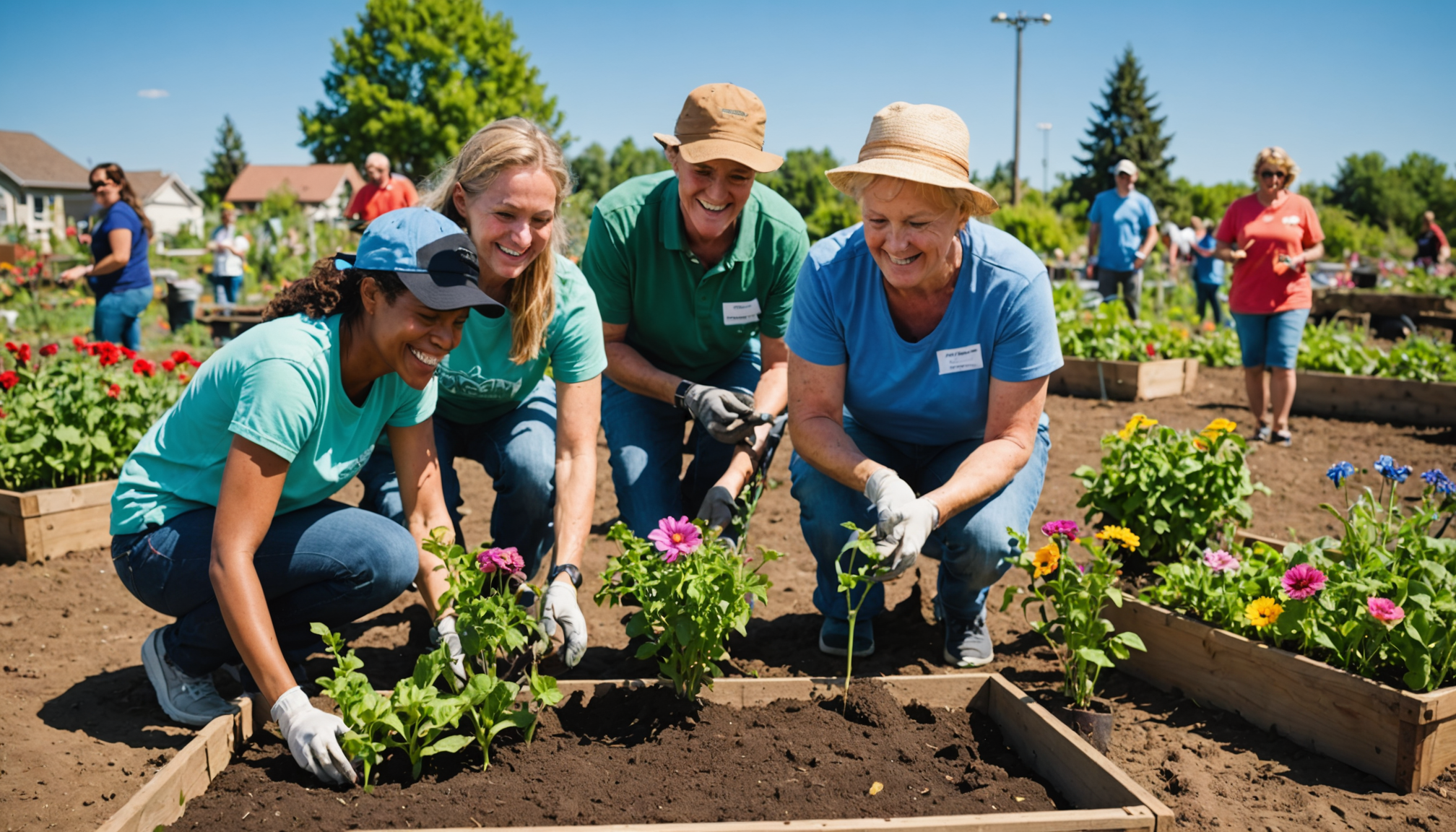
There are countless pathways to getting involved in your community, and the possibilities are often as diverse as the communities themselves. Whether it’s through organized programs or spontaneous acts of kindness, volunteering can take many forms that cater to various interests and skills. Individuals often find a calling in areas that resonate personally, allowing for authenticity in their service. Here are some approaches to connect with your community through meaningful engagement:
- Identify Your Passion: Begin by considering what causes ignite your enthusiasm. Are you drawn to working with youth, supporting the elderly, or perhaps engaging with environmental initiatives? Identifying your passion can steer you toward organizations or movements that align with your values, making your volunteer experience fulfilling and impactful.
- Join Local Organizations: Many nonprofits and community service organizations are always in need of volunteers. Research local charities, churches, and educational institutions, such as the *Adventist* groups in your area, to discover how you can lend a hand. They often host events, fundraisers, or regular outreach programs where your support can make a significant difference.
- Participate in Community Events: Seasonal festivals, fairs, and local clean-up days are excellent opportunities to get involved. These events not only benefit the community but also provide a platform for meeting like-minded individuals and fostering valuable connections. Volunteering at such events can enrich your social life while actively contributing to local development.
- Use Your Skills: Consider how your professional skills or hobbies can make a difference. Whether you have expertise in finance, education, art, or technology, many organizations welcome tailored skills that can enhance their projects. This can create a fulfilling avenue for service while allowing you to practice and share what you love.
- Start Small: Even small acts of kindness can have a ripple effect. Whether it’s helping a neighbor, mentoring a child, or coordinating a donation drive, every effort counts. Begin with manageable commitments to ease into volunteerism, and as you gain confidence, you might find yourself increasingly eager to take on larger roles.
- Advocacy and Awareness: Sometimes, you can make an impact by raising awareness for a cause you believe in. This can involve using social media to share information, attending local forums, or even organizing community discussions. Advocacy can have a profound effect, mobilizing others and fostering a culture of compassion and action.
- Reflect and Grow: After engaging in volunteer work, take time to reflect on your experiences. Understanding what you learned or how you felt can help reaffirm your purpose and shape your future service endeavors. Personal growth through volunteerism encourages a cycle of continuous improvement, both for yourself and your community.
As you navigate these options, remember that every action, no matter how small, contributes to a larger movement of kindness, compassion, and connection. By determining how best to engage with your community, you are taking significant steps toward forging a richer, healthier society for all.
- What types of volunteering opportunities are available in my community?
- Opportunities vary widely and can include working with local nonprofits, participating in environmental clean-up efforts, mentoring youth, or supporting local healthcare initiatives. Checking local bulletin boards, social media, and websites of nearby organizations can provide a wealth of options.
- How can volunteering improve my mental health?
- Volunteering boosts mental health by providing a sense of purpose and community, reducing feelings of loneliness, and increasing overall happiness. Engaging in acts of service often leads to the release of endorphins, which can enhance mood and foster a sense of fulfillment.
- Do I need any special skills to volunteer?
- Most volunteering roles do not require specific skills; however, there are opportunities where your unique talents can truly shine. Organizations often appreciate individuals with diverse backgrounds, so consider how your personal skills can enhance your volunteer experience.
- How much time should I commit to volunteering?
- Your time commitment can vary based on your schedule and availability. Many organizations appreciate any amount of time you can offer, whether it’s a few hours a week or a single event. Start small and gradually increase your involvement as you feel comfortable.
- Can volunteering really make a difference in my community?
- Absolutely! Every volunteer effort contributes to the well-being of the community, whether it’s providing support for those in need or fostering a sense of connection among residents. Collective actions help address pressing community issues while enriching the lives of those involved.
- How can volunteering help me meet new people?
- Volunteering brings together individuals with similar interests and values, fostering connections through shared experiences. Many volunteers form friendships that can last well beyond their service, creating a supportive network of like-minded people.
- Are there age restrictions for volunteering?
- Most organizations welcome volunteers of all ages. Some roles may have specific age requirements, so it’s advisable to check with the organization beforehand. Many places also have youth programs that incorporate teens or children alongside adults.
Beside our live streamed church services, all are welcome to attend our church in person each Saturday beginning 10:00 AM Central Time by going to 2425 Owens Rd., Ashland, AL 36251. There is no cost and any donations are strictly voluntary.
For questions, call +2563547124.