Come join Ashland Sabbath Chapel Ministries each Saturday for live streamed church services. Bible Study begins at 10:00 AM Central Time and Sermon at 11:00 AM. Visit Our YouTube channel and watch from home!
In many Adventist communities, the emphasis on holistic well-being intertwines deeply with the principles of healthful living. Nutrition education initiatives play a vital role in this journey, as they empower individuals with knowledge about the foods they consume and their impact on overall health. Through organized workshops and classes, community members are introduced to the foundations of nutrition, focusing on whole, plant-based foods that nurture both body and spirit.
These initiatives often seek to engage families, providing them with practical tools and resources to make healthier choices. For instance, attendees may partake in cooking demonstrations that highlight simple, nutritious recipes using local ingredients, fostering a sense of connection between food and health. Imagine gathering with fellow church members, learning how to prepare a delicious lentil stew or vibrant vegetable stir-fry, while discussing the myriad benefits of such meals. This hands-on approach not only enhances knowledge but also cultivates a supportive community atmosphere.
Moreover, the training typically covers the significance of a balanced diet, which is rich in fruits, vegetables, nuts, and grains. Participants learn to appreciate the beauty of God’s creations and how these foods sustain their physical health and spiritual well-being. Individuals are encouraged to share their own experiences, creating an environment ripe for learning and inspiration. Community health is not just about individual choices; it’s about collective growth and support that fosters a lasting commitment to healthy living.
Some initiatives may include partnerships with local health organizations, allowing access to resources that can help further educate the community. By inviting guest speakers who are experts in the field of nutrition and wellness, participants gain insight into current research and its practical application in daily life. These sessions become a treasure trove of knowledge, where everyone is invited to ask questions and share their journeys toward better health.
Ultimately, these nutrition education initiatives serve as seeds of change, planting the ideas that will grow into lifelong habits. They not only open the eyes of participants to the importance of mindful eating but also inspire them to bring this knowledge back to their families and friends, fostering a ripple effect throughout the community. In cultivating a deeper understanding of nutrition, we are indeed taking steps toward a purpose-filled life, led by the principles of health and wellness that our faith advocates.
Benefits of plant-based diets
As one reflects upon the virtues of a plant-based diet, one cannot help but be captivated by the myriad of advantages it bestows upon the body and the spirit alike. The essence of such a dietary choice rests upon the steadfast belief that what we consume deeply influences not only our physical state but also our emotional well-being and spiritual clarity. In many Adventist circles, where the intertwining of faith and health is cherished, adopting a diet predominantly from the bounty of nature is held in high esteem.
Consider the wealth of benefits derived from a diet rich in fruits, vegetables, whole grains, and legumes—each morsel presenting an opportunity for vitality. For instance, numerous studies have revealed that those who partake in plant-based diets exhibit lower incidences of chronic diseases, such as heart ailments and certain cancers. This is a compelling factor, indeed, for individuals eager to preserve their health for the service of others. Furthermore, the high fiber content prevalent in these natural foods aids in digestion and promotes a sense of fullness, obviating the need for excessive portions, which in turn fosters a mindset of moderation.
Moreover, the environmental impact of adopting a plant-based diet cannot be ignored. By choosing to nourish ourselves primarily with plants, we invariably lessen the burden on the earth’s resources. The reduction in water consumption and greenhouse gas emissions associated with plant-based eating resonates with the Adventist commitment to stewardship of the environment—a beautiful alignment of dietary choices and faith-based principles.
As one meanders through the possibilities of such a diet, it bears noting the spiritual dimensions entwined within. Participating in nutrition classes that explore the wonders of plant-based cooking can serve as an enriching experience, awakening the palate to novel flavors while deepening gratitude for the verdant gifts bestowed by the Creator. Attendance at these classes allows one to apprehend the delicate balance of nutrition, whereby not only the sustenance is imparted but also a renewed appreciation for the sacredness of the culinary arts emerges.
Engaging with fellow community members as they share recipes and meals further enhances the sense of camaraderie. Imagine a delightful gathering where stories are shared alongside dishes, a hearty barley salad here, a zesty bean dip there, each delectable bite infused with laughter and joyous conversation. These instances underscore the notion that the journey towards better health, while undertaken individually, is inherently a communal endeavor, where support and encouragement flourish amongst friends and loved ones.
Thus, the benefits of a plant-based diet extend far beyond the simple act of eating; they encapsulate the essence of community health and unity, weaving together patience, understanding, and the joy of shared experiences. Each meal serves as an invitation to others, encouraging them to partake in this wholesome approach. As one wishes to illuminate the path towards well-being for themselves and their loved ones, one finds that the beauty of a plant-based diet may indeed be one of life’s most exquisite offerings, one to be celebrated within the affectionate embrace of an Adventist community.
Culturally relevant food practices
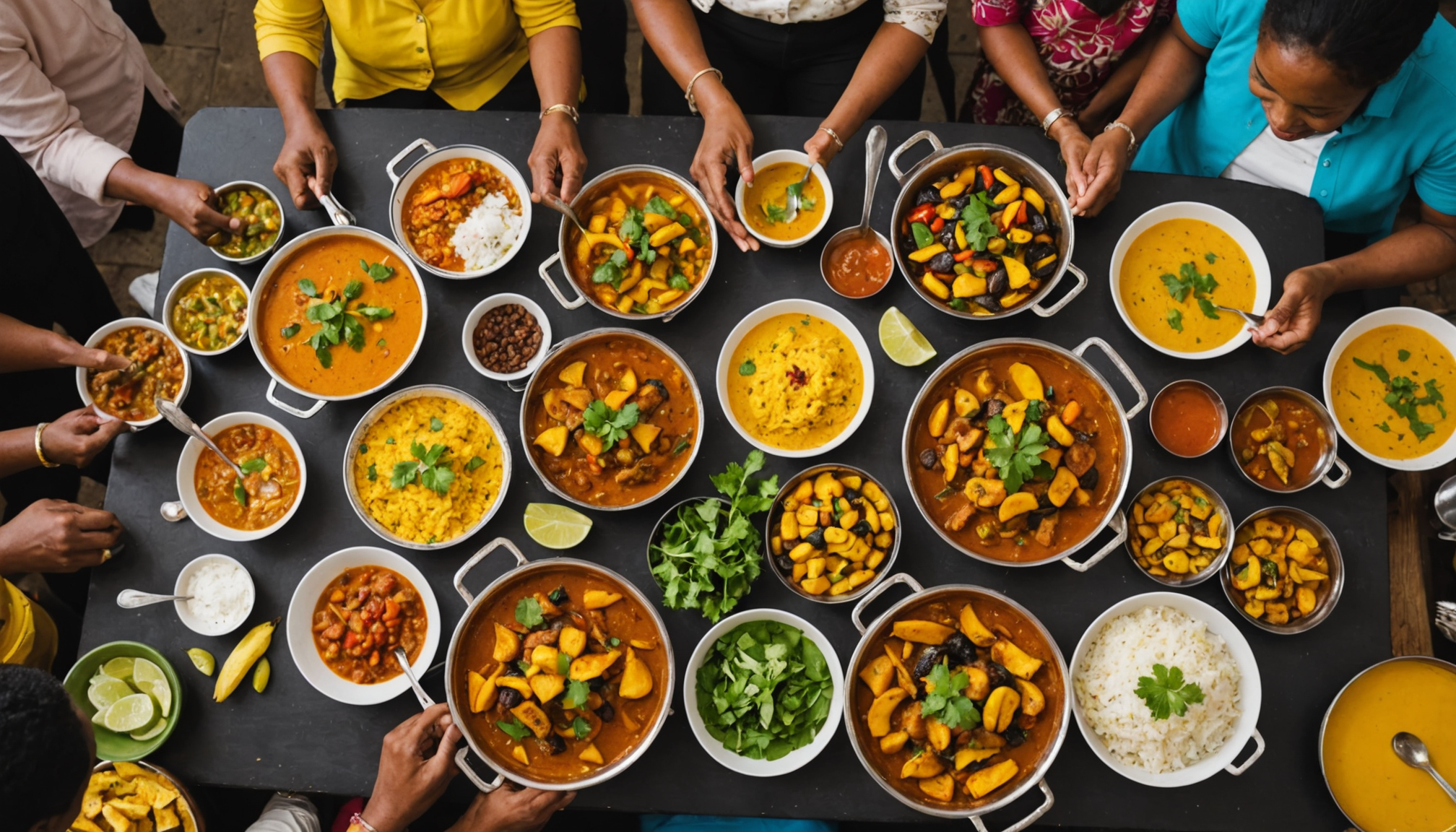
In the rich tapestry of food practices that characterize Adventist communities, we find a beautiful melding of tradition, culture, and health principles that harmonize with the tenets of our faith. The journey towards nutritional understanding can be greatly enhanced by recognizing and integrating culturally relevant food practices that honor both the diversity within our communities and the nutritional wisdom imparted through our beliefs. This connection creates a nourishing atmosphere where individuals feel a sense of belonging, all while embracing the broader philosophy of holistic health.
Culturally relevant food practices provide an opportunity to celebrate our unique heritages while promoting healthy choices that align with our values. For instance, many Adventist families come from backgrounds where specific traditional dishes are not just nourishment but sacred acts of sharing and love. Think of the families gathering around tables laden with colorful vegetable curries or vibrant plantains, each dish holding stories and memories that reverberate through generations. In nutrition classes, participants are encouraged to explore these traditional foods, transforming them into healthful versions that retain their original cultural significance while enhancing their nutritional profile.
Moreover, embracing cultural food practices allows for a richer dialogue on nutrition that respects and honors the community’s collective identity. Engaging individuals in discussions about the significance of certain foods can be enlightening. For example, foods such as quinoa, a staple in some South American diets, not only offer essential proteins but also serve as a reminder of the importance of honoring our roots. Educators in community health settings can guide conversations on how these foods can be interwoven into our modern dietary practices, thereby fostering a deeper appreciation for both the sacred and mundane aspects of our culinary arts.
It is essential to highlight that incorporating culturally relevant practices must also embrace local and seasonal produce, further uniting our communities with their environment. Workshops focusing on cooking with foods available in one’s locale can help build a connection between the land and those who partake of its bounty. Picture a session where families bring together their favorite seasonal ingredients, perhaps fresh tomatoes and cucumbers from local gardens, and learn to create delightful dishes. This practice cultivates not just healthy eating habits but also a sense of stewardship over God’s creation, promoting sustainability along the way.
Additionally, fostering discussions around food-related customs, rituals, and even the meanings behind certain meals can enhance the educational experience in nutrition classes. Recognizing when and why we gather to eat certain meals, whether during religious holidays or family celebrations, we can cultivate an atmosphere of intentionality about our food choices, thus enriching the spiritual and communal aspects of dining. The shared experience of cooking and breaking bread can unify individuals around a common goal, reinforcing the bonds of friendship and support inherent in our faith community.
In sharing recipes and techniques that celebrate our cultural heritage, we pave the way for intergenerational learning that nurtures both the body and spirit. With each gathering, the music of laughter, the aroma of nourishing food, and the warmth of fellowship live on, reminding us that our culinary practices are not merely about sustenance but are also opportunities for connection, reflection, and growth in community health. By making culturally relevant food practices a central component of our nutrition education efforts, we honor the past while paving the way for a healthier, more vibrant future together.
Engaging community members
In the heart of our Adventist communities, engaging members means creating an inviting space where individuals feel valued and motivated to partake in the journey toward health. It’s not just about gathering people together; it’s about fostering genuine connections that spark enthusiasm for nutritious living. One of the most effective ways to engage community members is through interactive and participatory approaches in nutrition classes.
Imagine a vibrant classroom filled with eager faces, where participants are not just passive listeners but active contributors. Incorporating hands-on activities, like cooking demonstrations, allows individuals to roll up their sleeves and learn how to prepare simple yet healthy meals. As they chop, stir, and taste, there is laughter and shared experiences, creating bonds that last beyond the class. When people engage with food directly, they develop a deeper appreciation for its role in their lives and health. One can almost feel the energy in the room, where every shared recipe is a thread weaving the fabric of community.
Discussion sessions are also powerful ways to engage community members. In these spaces, individuals can freely share their thoughts, questions, and cultural experiences related to food and health. Perhaps someone shares a cherished family recipe that has been passed down through generations, while others offer insights on how they have adapted it to fit healthier standards. These conversations transform the sessions into a collaborative learning environment, promoting not only knowledge but also a sense of belonging and mutual support.
Another effective approach is to involve community members in preparing and hosting events that showcase the importance of nutrition. Imagine organizing a “Healthy Potluck” where families bring their plant-based dishes, each one rich in personal history and passion. Such gatherings can be infused with joy and celebration, with food being the medium through which connections are forged. Inviting local musicians or speakers to share their insights on health at these events can further enrich the experience, making it a multifaceted celebration of nutrition, community, and faith.
Utilizing local resources can also enhance the engagement of community members. For instance, collaborating with local farmers or health organizations can bring fresh produce directly into the classroom, providing not only the ingredients for cooking classes but also fostering a sense of community stewardship. Learn about incorporating seasonal ingredients into meals while supporting local agriculture resonates deeply with the Adventist ethos of caring for the earth. The accessibility of fresh produce makes healthy eating more attainable and enjoyable.
It is paramount to highlight the inclusivity of these engagement efforts. Tailoring nutrition classes to reflect diverse backgrounds ensures that everyone feels valued and represented. When community health programs resonate culturally, attendees are more likely to participate actively. For instance, adapting recipes to align with various dietary preferences or cultural traditions creates a pathway for open dialogue and understanding, breaking down barriers to participation.
Thus, as we deepen our connection with one another through engaging community members in practical ways, we sow the seeds of health that will flourish throughout our congregations. Each interaction reinforces the idea that health is not a solitary pursuit; rather, it is a collective effort enriched by the love and support of our community. Together, we rise to embrace the blessings of good nutrition as not just a personal goal but a shared mission, inspired by our faith and commitment to holistic well-being.
Success stories and testimonials
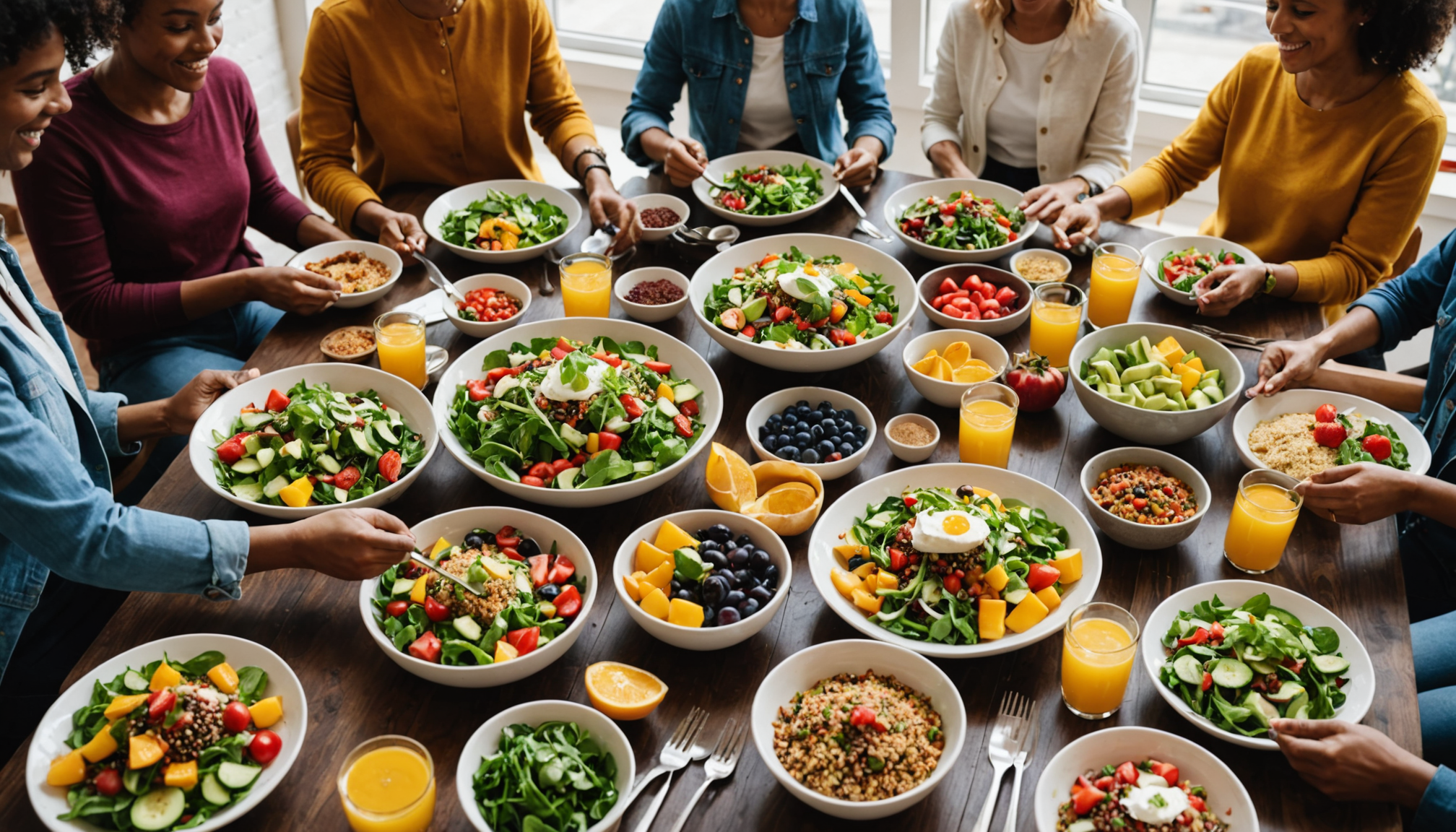
In the vibrant tapestry of Adventist communities, success stories and testimonials form the heartbeat of the collective journey towards healthier living. These narratives serve not merely as anecdotes; they encapsulate the transformation individuals experience through nutrition classes and the ripple effect that follows. As participants share their personal journeys, their words become a beacon of hope and inspiration for others, illustrating the tangible benefits of embracing a lifestyle rooted in healthy eating. Imagine one member recounting their arduous struggle with weight management and how the knowledge gained from nutrition classes led to a renewed commitment to a plant-based diet, ultimately resulting in improved energy levels and enhanced overall well-being.
Moreover, the power of community is magnified when these stories are shared openly. Individuals are motivated to engage with the principles of health and wellness when they witness firsthand accounts of change. Picture a gathering where individuals recount their experiences not only with joy but also with a sense of accomplishment, illustrating how their newfound eating habits have changed their lives. One might hear about someone who learned to cook nutritious meals that now delight their family, transforming mealtime into an opportunity for bonding over vibrant, healthful dishes. These moments elevate the importance of communal learning, reinforcing the idea that health is best pursued together.
As these success stories begin to emerge from within the community, they contribute to a culture of accountability and support, enhancing the communal commitment to healthful living. Participants often express gratitude for the updating of traditional recipes, turning beloved family meals into nutritious delights that honor both taste and health. By sharing these triumphs, individuals not only validate their own journeys but also inspire others to reimagine their relationship with food, encouraging experimentation and collaboration in the kitchen.
Furthermore, testimonials reveal the deeper connections formed through shared experiences. When attendees of nutrition classes come together to discuss their challenges and victories, they create bonds that extend beyond the kitchen. Imagine friendships blossoming during cooking sessions, as laughter fills the air and people bond over a shared commitment to healthier living. The joy of meeting like-minded individuals fosters a supportive network where members encourage one another—celebrating accomplishments and navigating setbacks as a unified force.
This empowerment arises from the understanding that every little change counts, and each success, no matter how small, reinforces the belief that a healthier lifestyle is attainable for everyone. A participant may reveal how they gradually introduced salad with every meal, which not only diversified their diet but became a family tradition, inspiring others to join in creating vibrant, health-oriented meals. As these tales circulate throughout the community, they embolden others to embark upon their own health journeys, illustrating that change is not just possible—it’s happening all around them.
The essence of community health thrives in these shared stories, igniting a passion for knowledge and exploration in nutrition that beckons every individual to embrace the opportunity for growth, both personally and collectively. When we listen to the voices of transformation within our communities, we not only celebrate the victories but also deepen our desire to learn, adapt, and support one another in this vital journey toward healthful living.
- What are nutrition classes for Adventist communities?
- Nutrition classes for Adventist communities are educational programs designed to inform individuals about healthful eating practices aligned with Adventist principles. These classes focus on plant-based diets, emphasizing the connection between nutrition, well-being, and faith.
- Why are plant-based diets encouraged in these classes?
- Plant-based diets are encouraged due to their numerous health benefits, including lower risks of chronic diseases and improved mental clarity. This diet aligns with the Adventist emphasis on holistic well-being, promoting physical, emotional, and spiritual health.
- How can culturally relevant food practices be incorporated into nutrition education?
- Culturally relevant food practices can be incorporated by honoring traditional dishes and adapting them to healthier standards. This approach not only respects individual backgrounds but also reinforces community identity and pride in shared heritage.
- What types of community engagement are involved in these initiatives?
- Community engagement can involve hands-on cooking demonstrations, discussion sessions, and social events like potlucks. These interactive methods encourage participation and foster a supportive environment around healthy living.
- What role do success stories play in nutrition classes?
- Success stories play a vital role by inspiring participants and demonstrating real-life transformations that result from adopting healthful eating habits. They foster a sense of community and motivate others to take charge of their health journeys.
- How can participants support each other during their health journeys?
- Participants can support each other by sharing experiences, providing encouragement, and celebrating each other’s successes. This creates a network of accountability and motivation that enhances the collective health efforts within the community.
- How do these classes reflect the connection between faith and health?
- These classes reflect the connection between faith and health by promoting lifestyle choices grounded in spirituality, emphasizing the belief that caring for one’s body is a form of worship and stewardship. Participants are encouraged to view their health improvements as a testament to their faith and dedication to holistic well-being.
Beside our live streamed church services, all are welcome to attend our church in person each Saturday beginning 10:00 AM Central Time by going to 2425 Owens Rd., Ashland, AL 36251. There is no cost and any donations are strictly voluntary.
For questions, call +2563547124.