Come join Ashland Sabbath Chapel Ministries each Saturday for live streamed church services. Bible Study begins at 10:00 AM Central Time and Sermon at 11:00 AM. Visit Our YouTube channel and watch from home!
Church activities play a vital role in fostering a sense of belonging and enhancing overall *wellness* within the community. When individuals participate in church events, they are not just attending a service; they are engaging in a network of support and affirmation that can significantly uplift their spirits and promote mental clarity. The Adventist tradition emphasizes a holistic approach to health, which encompasses physical, mental, and spiritual well-being. Engaging in communal worship, prayer groups, and fellowship gatherings creates an environment where individuals can share their struggles and victories, thereby reinforcing communal ties.
Involvement in church activities can help individuals develop resilience through shared experiences. For example, when members of the congregation come together to volunteer for a charitable cause or support community needs, they cultivate a sense of purpose that transcends individual challenges. This collective action fosters a support system that not only aids in overcoming personal hurdles but also enriches the collective spirit of the community.
Furthermore, church activities often incorporate educational components that address wellness topics, such as nutrition, exercise, and mental health awareness. Through workshops or seminars, individuals have the opportunity to gain valuable insights into maintaining a balanced life, aligned with faith. Such initiatives encourage members to take proactive steps towards *wellness*, collectively learning and growing together.
As we comprehend the importance of church activities, it is essential to recognize that these gatherings serve as more than just social or religious obligations; they are integral to nurturing physical, emotional, and spiritual health. By prioritizing involvement in church activities, community members will not only enhance their own wellness but also contribute to a thriving, supportive environment for all.
Benefits of community involvement for mental health
Engaging in community involvement through church activities offers profound benefits for mental health, serving as a balm for the struggles of life. When individuals come together as a congregation, they envelop one another in a shared purpose and a supportive atmosphere that cultivates well-being. The very act of participation creates connections that reaffirm one’s sense of belonging, which is critical for mental stability and resilience.
Research repeatedly illustrates that social connections are paramount for mental health. When members engage in church activities, they forge relationships beyond the superficial. These bonds become lifelines in times of distress, providing emotional support and practical assistance. For instance, members might form small groups to pray for one another or share personal stories that resonate with collective experiences, inviting healing through understanding and empathy.
The mental health benefits of community involvement can be observed in various forms:
- Reduced Feelings of Isolation: Participating in church gatherings helps diminish the loneliness that many individuals experience, creating an atmosphere where they feel valued and understood.
- Increased Sense of Purpose: Engaging in community service or church projects gives individuals a reason to look beyond their own lives, directing energy towards helping others, which can lift one’s spirits and instill hope.
- Enhanced Emotional Resilience: In community settings, individuals can share coping strategies and gain insights from others’ experiences, fortifying their mental resilience against life’s challenges.
- Opportunities for Personal Growth: Church activities often encourage dialogue on faith, values, and mental well-being, providing opportunities for personal reflection and growth.
- Access to Resources: Being part of a community can also mean access to various resources such as counseling services, support groups, and educational programs centered around mental health.
Take, for example, a church program aimed at mental health awareness. Such initiatives often invite professionals to share their expertise, drawing in both church members and the wider community. This not only educates attendees about mental health but also illustrates the church’s commitment to holistic wellness. Members attending these events often leave feeling enlightened, supported, and motivated to seek help when needed.
Moreover, community-oriented church activities encourage vibrant discussions about mental health, breaking the stigma that often surrounds it. As congregants gather in a spirit of trust, they can voice their struggles and challenges without fear of judgment, fostering a culture of openness and understanding. This, in turn, empowers more individuals to reach out and seek assistance when they feel overwhelmed.
Furthermore, church-based mental health initiatives can cultivate advocacy within the community, where members are equipped to champion mental health awareness and support others facing similar battles. This ripple effect can lead to a healthier community as more people become informed and engaged, fostering a supportive network where mental wellness is prioritized.
Physical activities offered by churches
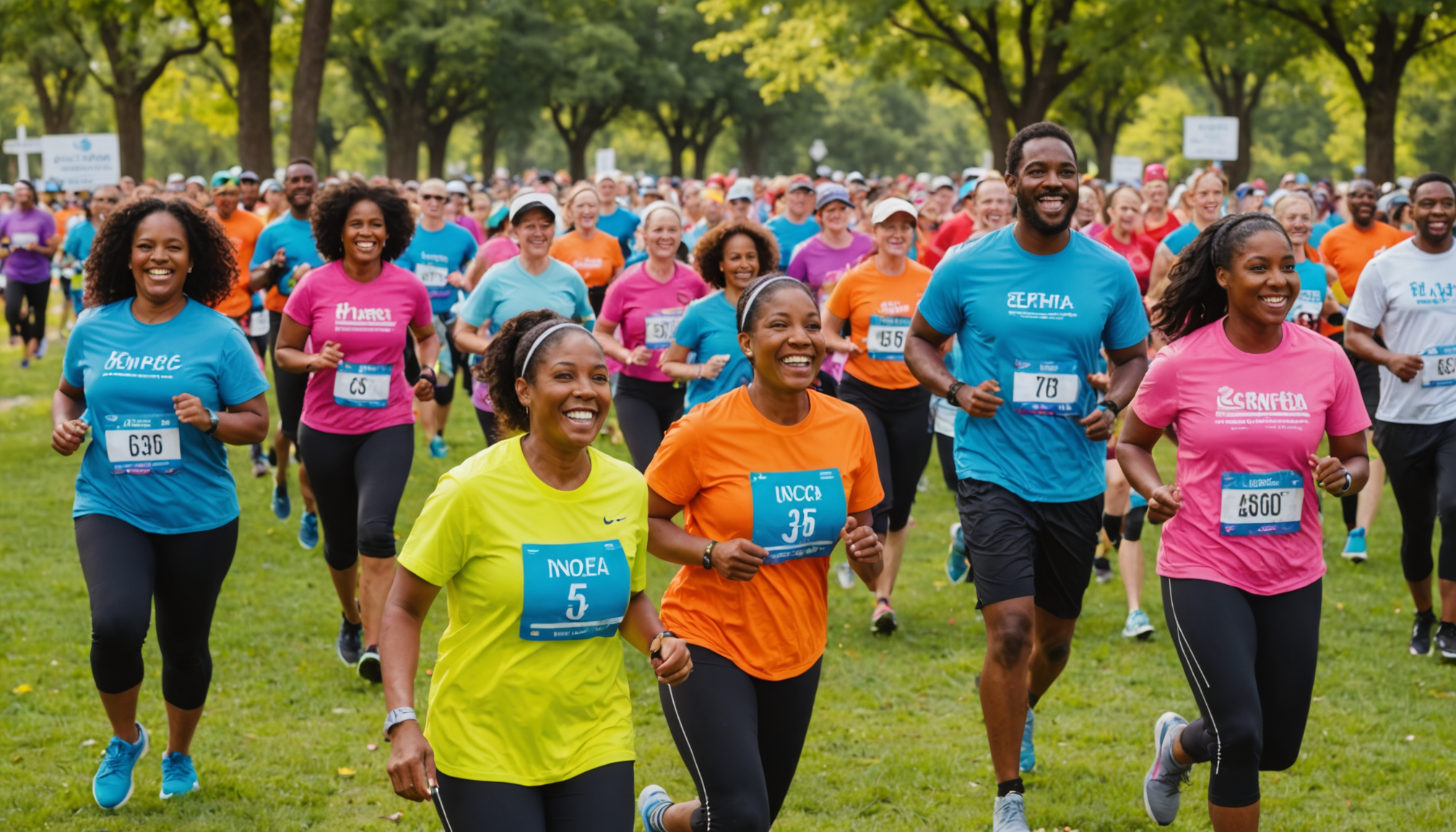
Churches have long recognized the importance of physical well-being as an integral part of overall health, and many have initiated programs and activities that encourage active lifestyles among their congregants. In our faith communities, we see a blossoming of opportunities for physical activity that not only enhance one’s physical health but also contribute to social bonding and spiritual growth.
Many churches offer organized sports leagues, fitness classes, or walking groups that invite members to engage in regular physical exercise. This approach aligns with the Adventist principle of caring for our bodies as temples of the Holy Spirit. By participating in these activities, individuals can experience the joy of movement and the camaraderie of shared goals. The Bible reminds us that “exercise profits a little” (1 Timothy 4:8), and this is a testament to the benefits of incorporating physical activities into our spiritual practice.
The benefits of participating in physical activities through church initiatives are manifold:
- Improved Physical Health: Regular exercise helps prevent various health issues, including obesity, hypertension, and cardiovascular diseases, making physical activities a vital component of a wellness strategy.
- Enhanced Social Connections: Church sports teams or fitness groups foster relationships among participants, allowing them to celebrate victories and support one another during challenges, thus deepening the bonds of community.
- Increased Motivation: Group settings enhance accountability. Individuals are more likely to stick with their fitness routines when they are encouraged by fellow congregants.
- Reducing Stress: Physical activity is known to release endorphins, those “feel-good” hormones that improve mood and reduce feelings of anxiety. Congregants can enjoy the dual benefits of fellowship and stress relief.
- Integrating Faith and Fitness: Incorporating prayer or scripture reading into workout sessions allows individuals to engage their spiritual side while enhancing their physical health, further aligning with the mindset of holistic wellness.
Consider the instance where a church organizes a yearly 5K run/walk event for charity. This initiative not only promotes physical fitness but also brings the community together for a common purpose—helping those in need while celebrating health. Such events can cultivate a spirit of unity and encourage healthier lifestyle choices among attendees.
Moreover, many church programs also emphasize nutrition, offering cooking classes or potlucks centered on healthy meal preparation. By focusing on wholesome foods and teaching safe cooking practices, these initiatives fortify the commitment to wellness that so many congregations espouse. Attendees are educated on the benefits of healthy eating, which further supports their physical activity efforts.
In essence, the physical activities offered by churches are not mere programs but vital avenues for nourishing both body and spirit. By participating in these collective efforts, congregants take an active role in promoting their wellness and the wellness of their community, aligning perfectly with the holistic health principles that our faith teaches. Through understanding and fostering these opportunities, churches can lead the way in demonstrating how wellness can be achieved through shared responsibilities and joyful engagement in physical activities.
Spiritual growth and its impact on overall wellness
Spiritual growth intertwines deeply with our overall wellness, an idea that resonates strongly within church communities, especially in the Adventist tradition that emphasizes the holistic nature of health. This growth fosters resilience, hope, and a sense of purpose—key ingredients for a fulfilling life. The process of nurturing one’s spirit is not just about personal enrichment; it reverberates throughout the community, allowing members to uplift one another and create a solid foundation for collective well-being.
Take the act of prayer, for example. When individuals gather to pray, they are engaging in an act that transcends the individual experience. This communal prayer acts as an anchor within the community, providing comfort and encouragement during times of hardship. Sharing prayers for personal struggles allows members to support each other’s journeys, reinforcing the bonds that hold them together and highlighting the interconnectedness of their spiritual paths.
Moreover, the act of studying scripture together often leads to profound insights that can shift perspectives and enhance mental clarity. These gatherings, whether in formal settings or casual discussions, invite individuals to explore their faith and its implications for daily life. By examining teachings that inspire kindness, forgiveness, and connection, congregants cultivate a mindset that promotes wellness not only for themselves but for everyone around them.
Engaging in church activities designed for spiritual development often yields tangible benefits. For instance:
- Increased Emotional Stability: As individuals engage with their faith, they often find a greater sense of peace and emotional regulation, helping them navigate the ups and downs of life.
- Strengthened Communities: Spiritual initiatives foster a sense of belonging, which can counteract feelings of isolation and loneliness, essential for mental stability.
- Enhanced Life Purpose: Individuals who actively participate in spiritual growth are more likely to align their actions with their values, giving them a clearer sense of direction and intention.
- Coping Skills Development: Faith-based teachings often provide frameworks for understanding and handling adversity, equipping individuals with the tools to face challenges with grace.
- Fostering Compassion: Spiritual enhancement encourages empathy, leading individuals to seek out ways to support and uplift others in their community.
Consider a church retreat focused on spiritual diversity and marketplace of ideas. Such gatherings can revolutionize the way individuals view their faith and wellness narratives, allowing them to connect with others from varied backgrounds and perspectives. Learning from one another fosters not only spiritual enrichment but broadens the horizons of understanding, which can lead to healthier relationships within and beyond the church community.
In addition, spiritual growth through church activities often encourages individuals to establish personal and communal wellness goals. When congregants work together on initiatives that integrate faith with action—such as service projects or health fairs—they reinforce their spiritual commitments while attending to the physical and emotional needs of the community. Such integrative efforts signify a recognition that holistic health encompasses spirit, mind, and body, essential for true wellness.
In essence, cultivating spiritual growth within church activities is more than just an enriching practice; it serves as a powerful catalyst for individual and collective wellness. The nurturing that occurs in these spaces shapes not only personal journeys but weaves a fabric of support that benefits the entire congregation, solidifying the significance of spiritual exploration in everyday life. Ultimately, as each individual embarks on their path of spiritual growth, the community stands stronger, unified in the pursuit of a well-rounded and fulfilling existence.
Creating inclusive environments for wellness initiatives
Creating inclusive environments for wellness initiatives is crucial for fostering a sense of belonging and promoting the overall health of church communities. To effectively engage diverse groups within a congregation, it is essential to ensure that wellness programs are accessible and resonate with individuals of varying backgrounds, abilities, and life experiences. This commitment to inclusivity not only strengthens communal ties but also optimizes the wellness benefits derived from church activities.
One way churches can promote inclusiveness is by seeking input from all members on their needs and preferences regarding wellness initiatives. Conducting surveys or holding informal discussions can illuminate the unique perspectives and desires of congregants, guiding the development of programs that genuinely reflect their interests. For instance, a congregation with a significant number of seniors may benefit from low-impact fitness classes, while a younger demographic might prefer more active group sports. By customizing programs to suit the audience, churches can enhance participation and engagement.
In addition, creating partnerships with local organizations can augment wellness initiatives. Collaborations with community health organizations, mental health professionals, or fitness experts can broaden the scope of resources available to church members. Workshops that include nutrition education, mental health awareness, and physical fitness can provide a rich tapestry of wellness offerings that appeal to diverse congregational needs. Furthermore, these partnerships can help create safe spaces for open dialogue about health-related topics that might otherwise remain stigmatized.
Accessibility must also be a priority in the planning and implementation of wellness activities. Ensuring that venues accommodate individuals with mobility challenges, providing materials in multiple languages, and scheduling activities at varied times can help draw in participation from all segments of the community. By removing barriers to participation, churches not only invite more individuals to join but also leverage the unique contributions that a diverse congregation can bring to shared wellness goals.
Creating a culture of wellness within the church requires ongoing commitment and adaptation. Regularly evaluating and updating wellness programs based on member feedback can keep initiatives relevant and impactful. Celebrating diverse cultures and wellness practices can also enhance the spiritual growth of the community, reminding members that health is a multifaceted journey that encompasses body, mind, and spirit. In these endeavors, churches have the power to model inclusive practices that honor all individuals’ experiences, thereby enriching the collective wellness of the congregation.
- What kinds of wellness initiatives can churches offer?
- Churches can offer a variety of wellness initiatives, including fitness classes, nutrition workshops, mental health seminars, support groups, and community service projects aimed at promoting both physical and emotional health.
- How can churches ensure their wellness programs are inclusive?
- Churches can ensure inclusivity by seeking feedback from members, partnering with local organizations, providing materials in various languages, and ensuring accessibility for people with disabilities.
- What role does community involvement play in wellness?
- Community involvement fosters social connections, which are vital for emotional support and resilience. Engaging in group activities can enhance feelings of belonging and purpose, contributing to overall wellness.
- How can wellness initiatives benefit mental health?
- Wellness initiatives provide opportunities for social interaction, emotional support, and personal growth, all of which can reduce feelings of loneliness and anxiety and promote a positive mindset.
- Are wellness programs only for church members?
- No, wellness programs can and should be open to the wider community. This encourages inclusivity and gives church members a chance to connect and support their neighbors, strengthening community bonds.
- How can organizations collaborate with churches for wellness initiatives?
- Organizations can partner with churches by providing expertise, resources, or funding for wellness programs. Collaborations might include health fairs, workshops, or fitness events, making initiatives more robust and varied.
- What are some examples of successful wellness programs in churches?
- Successful programs may include community health fairs that offer screenings and resources, regular walking or yoga groups, cooking classes that focus on healthy eating, and mental health support groups.
Ashland Ashland Sabbath Chapel
Beside our live streamed church services, all are welcome to attend our church in person each Saturday beginning 10:00 AM Central Time by going to 2425 Owens Rd., Ashland, AL 36251. There is no cost and any donations are strictly voluntary.
For questions, call +2563547124.