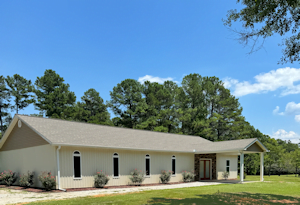
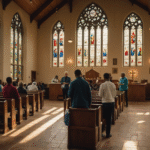
Come join Ashland Sabbath Chapel Ministries each Saturday for live streamed church services. Bible Study begins at 10:00 AM Central Time and Sermon at 11:00 AM. Visit Our YouTube channel and watch from home!
In the vibrant tapestry of Adventist communities, there are remarkable initiatives aimed at nurturing healthy aging. These efforts are not merely a collection of programs; they represent a commitment to fostering an environment where the elderly can thrive, supported by both community engagement and holistic health principles. Members of these communities gather regularly to explore various facets of aging gracefully, often emphasizing the intertwined nature of mental, physical, and spiritual health.
In many Adventist congregations, you’ll find monthly workshops focusing on nutrition and lifestyle practices tailored for older adults, recognizing the significant role that a balanced diet plays in promoting longevity. These workshops often feature demonstrations of plant-based recipes, which have been shown to support not only heart health but also reduce the risk of chronic diseases that can accompany aging. Furthermore, there is a collective effort to encourage community gardens where all ages can participate, fostering an active lifestyle and inspiring healthy eating habits.
Another pillar of support within these communities is the organization of wellness programs that integrate physical activity tailored for the elderly, such as tai chi and walking groups. These programs not only provide a pathway for maintaining physical fitness but also emphasize social interaction, reducing feelings of isolation often experienced by older adults. Research suggests that such group activities can significantly enhance both physical and mental health outcomes in the aging population (Rowe & Kahn, 1997).
Moreover, Adventist communities often champion a robust framework for mental health support. Regular social gatherings, prayer meetings, and counseling services create a nurturing network that empowers elderly individuals to share their experiences and challenges. This kind of community support is crucial, as studies reveal that social engagement can enhance mental agility and overall well-being (Cohen, 2006). For instance, programs that encourage storytelling or life reviews allow seniors to reflect on their life journeys, leading to greater satisfaction and connection with others.
By weaving together these various initiatives, Adventist communities not only fortify the health of their aging members but also create a rich culture of caring, respect, and mutual support, ensuring that aging is approached with dignity and joy.
Nutrition and lifestyle practices
Nutrition is at the heart of healthy aging, particularly within Adventist communities where dietary principles are woven into daily life with the utmost care and reverence. It is widely recognized that a wholesome diet rich in fruits, vegetables, whole grains, legumes, and nuts contributes significantly to maintaining optimal health as we age. The Adventist belief in the health benefits of a plant-based diet is not just a fad; it is a deep-seated commitment to honoring the body as a temple of the Holy Spirit.
Meetings specifically designed for nutritional education often introduce elderly members to practical cooking demonstrations and meal-prepping strategies that align with their beliefs. These sessions are informative and imbued with camaraderie, showcasing recipes that are both delicious and nutrient-dense. For example, a popular dish might be a hearty lentil soup, using ingredients that are easily accessible to everyone and low in cost, promoting both health and fiscal responsibility.
Community support plays a crucial role, with many congregations establishing health-focused potluck dinners where individuals can share dishes prepared with wholesome ingredients. According to research, sharing meals can foster social bonds, enhance emotional well-being, and encourage adherence to healthy eating patterns (Sobal & Nelson, 2003). Through these gatherings, members not only nourish their bodies but also deepen their connections with one another, reinforcing the notion that communal meals can be a source of strength.
Furthermore, Adventist practices emphasize the importance of lifestyle balance—something that transcends mere dietary choices. Many communities encourage daily routines that include stress management techniques like prayer and meditation, acknowledging their essential role in health. The integration of spiritual well-being with nutrition creates a holistic approach to aging, allowing individuals to flourish both physically and spiritually.
In addition to these practices, informative brochures and newsletters often circulate within the community, providing tips on healthy living, seasonal recipes, and even testimonials from elder members who have benefited from these nutritional practices. Such resources empower individuals to make informed choices, ensuring they remain active participants in their health journey.
Ultimately, in the realm of nutrition and lifestyle practices, Adventist communities shine a light on the transformative power of proper dietary habits and supportive relationships, reinforcing a culture of healthy aging that honors both body and spirit, ensuring that the elderly do not simply age but thrive with grace and vigor.
Physical activity and wellness programs

In the heart of many Adventist communities, the emphasis on physical activity and wellness programs reflects a profound understanding of the body as a vessel not merely for existence but for active service and joy in life’s latter years. Encouragement of movement is not seen as a burden but a divine blessing that enhances vitality and fosters social connections among the elderly. The commitment to a physically active lifestyle aligns seamlessly with the principles of healthy aging, demonstrating that our Creator desires us to be vibrant and engaged at every stage of life.
Adventist communities often initiate programs such as walking clubs and gardening activities that invite elderly participants to engage in moderate physical exercise while enjoying the company of their peers. Walking groups, for instance, not only promote cardiovascular health but also create opportunities for fellowship. Imagine a group of seniors, walking together on a sunny afternoon, sharing stories and laughter as they enjoy the beauty of creation. Such interactions contribute significantly to emotional and mental well-being, illustrating that activity and community support go hand in hand.
Many congregations also adopt exercises like tai chi and water aerobics, which are particularly beneficial for maintaining balance and coordination, thus reducing the risk of falls. These specialized classes are often designed with respect for the unique challenges that come with aging. In a recent workshop, participants discovered how gentle movements could improve flexibility and strength, enabling them to enjoy their daily activities with greater ease. Even at home, the wisdom imparted by these programs encourages gentle stretching and movement that nurtures both body and spirit.
Additionally, some communities have embraced wellness challenges that inspire group participation, whether it be tracking steps, engaging in friendly competitions, or celebrating milestones achieved collectively. Such challenges not only promote physical activity but also foster camaraderie, reinforcing the notion that physical health is a shared journey. When community members cheer one another on, they create bonds that further strengthen support networks essential for healthy aging.
Coordination of regular health screenings and fitness assessments is another aspect where Adventist principles shine. Many churches collaborate with local health professionals to offer free or low-cost screenings for blood pressure, cholesterol, and other health indicators, empowering the elderly to take charge of their health. These preventive measures highlight the importance of proactive care, affording individuals the chance to make informed decisions about their physical activity and overall wellness. Education about the body’s needs, changes, and capabilities is vital to maintaining an active lifestyle as one ages.
Moreover, the integration of fun activities such as dance classes or outdoor games serves to energize elderly members, showing them that wellness can be enjoyable. Community potluck picnics may include mini-Olympics or health fairs, merging physical activity with fellowship that spans generations. Engaging in joyful exercise with family and friends not only promotes health but also strengthens the family unit, creating lasting memories and support that uplift all involved. It is in these moments that we witness the spirit of community and the goodwill inherent in these gatherings.
The commitment to physical activity within Adventist communities embodies a vision for healthy aging that is both intentional and joyful. Through various opportunities for movement, wellness programs not only enhance physical capabilities but also cultivate bonds among the elderly, ensuring they feel cherished and valued in their golden years. The holistic approach—minding the body while nurturing the spirit—creates pathways for seniors to thrive and engage fully in the life God has granted them.
Mental health and social support
Within our cherished Adventist communities, we recognize that mental health is a vital component of healthy aging, deserving of intentional nurturing and robust support. Many of our elderly members experience the complexities of aging, which may sometimes lead to feelings of loneliness, anxiety, or even depression. In light of this, creating environments of strong community support becomes paramount, facilitating both emotional resilience and deep connections among seniors.
The power of a compassionate community cannot be overstated. In our congregations, we witness the beauty of fellowship—whether through prayer groups, Bible studies, or informal gatherings held in local homes. These interactions provide not only companionship but also a safe haven for older adults to express their feelings and share their burdens. By fostering dialogues that emphasize listening and understanding, we lay the groundwork for deeper relationships that enrich lives and combat isolation.
Many Adventist communities offer special programs to address mental well-being directly. Inviting mental health professionals to speak on topics related to stress management, coping strategies, and the importance of social connections is a common practice. For example, a recent workshop focused on the art of positive thinking and gratitude, highlighting how such attitudes can promote emotional health and resilience. Participants engaged in discussions that illuminated their shared experiences, finding solace in knowing they are not alone in their trials.
Moreover, engagement in meaningful activities bolsters mental health significantly. Activities such as arts and crafts, gardening clubs, or book discussions serve as excellent avenues for fostering creativity, stimulating the mind, and encouraging camaraderie. In one memorable gathering, elderly members came together to create a mural depicting scenes of their shared faith and heritage, strengthening their bond not just as individuals, but as a collective that celebrates shared stories and life lessons.
Regular social clubs or outings can further serve the purpose of building relationships. Some communities have initiated monthly “Seniors’ Day Out,” allowing elderly church members to travel together for recreational or educational experiences. Such outings not only enliven spirits but also inspire seniors to explore new interests and strengthen communal ties. The joy of laughing together, reminiscing, and creating new memories brings significant joy and invigorates the soul.
Spiritual well-being also plays a crucial role in this mental health landscape. The peace found in prayer, Bible study, and worship profoundly impacts the emotional state of our elderly members. Engaging in sessions that focus on faith, resilience, and the Lord’s promise of comfort enriches lives and fosters a sense of purpose. Simple yet profound practices like prayer partners, where each participant commits to uplifting one another in prayer, can transform feelings of isolation into a vibrant sense of belonging and love.
Furthermore, supporting mental health through education is essential. Many Adventist congregations produce newsletters that include tips for maintaining mental well-being, discussions on mental health topics, and referrals to community support services. By empowering seniors with knowledge, we create an atmosphere where they feel equipped to seek help when needed, understanding that it is both courageous and wise to address their mental health openly.
In nurturing mental health and community support, we honor the richness of life that every elderly member possesses. By weaving together these crucial aspects, we ensure that aging is met not with fear or uncertainty, but with love, encouragement, and the invaluable realization that God continually walks with us through every season of our lives. In unity and support, our elderly thrive, feeling valued, cherished, and integral to the fabric of our vibrant Adventist communities.
Spiritual well-being and its impact on aging

Spiritual well-being profoundly impacts the aging process within Adventist communities, providing a foundation of strength and comfort that helps elderly individuals navigate the complexities of their later years. For many adventists, faith is not just a belief system but a source of daily inspiration that shapes their interactions and outlook on life. Spiritual practices such as prayer, meditation, and communal worship reinforce feelings of purpose, hope, and community, which are crucial as one faces the inevitable changes and challenges of aging.
Regular worship services and Bible studies often cultivate a sense of belonging among elderly members, helping them feel connected to a larger community. This connection fosters a shared spiritual journey that reinforces their identity and empowers them to embrace their life experiences. As seniors gather to reflect on scriptures or engage in discussions about life’s meaning, they find encouragement and the affirmation that their contributions and wisdom remain significant. The sharing of testimonies during these gatherings can uplift spirits and remind participants that faith has been a steadfast guide through many trials.
The importance of spiritual engagement is further emphasized through supportive practices such as prayer groups or visitation ministries, where members reach out to the elderly in their homes, offering companionship and prayerful support. This not only enriches the lives of the elderly but allows community members to build meaningful relationships, enhancing bonds that provide emotional and spiritual nourishment. Research indicates that such spiritual engagements can lead to improved mental health and emotional resilience (Pargament, 1997), reinforcing how integral faith is to the aging experience.
Moreover, the concept of hope is central to the spiritual well-being of elderly individuals. Adventist teachings on eternal life and the promise of God’s unwavering presence give rise to a hopeful outlook, counterbalancing feelings of fear or anxiety that may accompany physical decline. The encouragement to place trust in God fosters resilience, allowing elderly individuals to approach life’s challenges with grace and dignity. This spirit of hope not only uplifts them personally but inspires those around them, creating an environment where mutual support thrives.
Engaging in spiritual assessments can also gauge the emotional and spiritual needs of the elderly, adapting support services to nurture their unique journeys. Some communities may provide educational workshops on the interplay between spirituality and mental health, fostering understanding and stimulating curiosity about how various practices can enhance their well-being. The creation of resources such as literature or pamphlets addressing spiritual health within the context of aging becomes vital, as these empower individuals to explore their faith and find ways to integrate into their daily lives.
In essence, the spiritual aspect of life in Adventist communities serves as a powerful catalyst for healthy aging. By prioritizing spiritual well-being, the elderly are not only equipped to face their journeys with confidence but also enriched through the bonds of love, faith, and support within their communities. These shared experiences foster an environment where every member is valued, leading to a fulfilling and vibrant approach to aging.
- How does spirituality contribute to healthy aging in Adventist communities?
- Spirituality enhances emotional resilience and provides a sense of purpose, helping elderly individuals cope with the challenges of aging. Engaging in faith-based activities fosters community bonds and encourages positive mental health.
- What types of programs support spiritual well-being for the elderly?
- Programs may include regular worship services, prayer groups, Bible studies, and visitation ministries. These activities create opportunities for communal engagement, reflection, and mutual support among elderly members.
- Are there any mental health benefits associated with spiritual practices?
- Yes, studies have shown that spiritual practices can lead to improved mental health outcomes, including reduced anxiety and depression. The faith-based community provides emotional support and fosters positive thinking.
- How do Adventist communities address isolation among the elderly?
- Communities combat isolation by organizing social gatherings, outreach programs, and support groups that connect elderly members with one another, promoting interaction and fellowship that enhances their sense of belonging.
- What role does prayer play in the lives of elderly Adventists?
- Prayer serves as a source of comfort and connection to God, providing peace and hope. It also fosters support among peers when shared in groups, reinforcing community bonds.
- How can family members support the spiritual well-being of seniors?
- Family members can encourage participation in spiritual activities, engage in meaningful conversations about faith, and foster an environment that promotes regular prayer or reflection, thereby nurturing their loved ones’ spiritual health.
- What resources are available for seniors to explore their spirituality?
- Many Adventist communities provide literature, workshops, or seminars focused on spirituality and mental health. These resources empower seniors to deepen their faith and discover new practices that resonate with them.
Ashland Ashland Sabbath Chapel
Beside our live streamed church services, all are welcome to attend our church in person each Saturday beginning 10:00 AM Central Time by going to 2425 Owens Rd., Ashland, AL 36251. There is no cost and any donations are strictly voluntary.
For questions, call +2563547124.