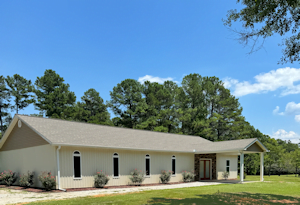
Come join Ashland Sabbath Chapel Ministries each Saturday for live streamed church services. Bible Study begins at 10:00 AM Central Time and Sermon at 11:00 AM. Visit Our YouTube channel and watch from home!
Planning a successful health fair requires careful consideration and execution. It begins with a clear understanding of your goals. Are you aiming to improve community wellness? To provide essential health screenings? It is crucial to define what success looks like for your event. You must then assemble a dedicated team that shares your vision. This could include church members, health professionals, and community leaders.
Once your team is in place, create a comprehensive checklist of tasks. Outline every aspect of the event from securing a venue to obtaining necessary permits. Ensure that the location is accessible and visible to encourage attendance. A community event in a familiar space like a church or community center often draws more participants than a less-known location.
Next, focus on scheduling. Choosing a date and time that does not conflict with other community events is vital. Consider local sports events, holidays, and even weekends when families are most active. A well-timed health fair can lead to greater participation.
Marketing your health fair is also key to its success. Utilize a variety of channels to spread the word. Flyers in local shops, announcements in church bulletins, and posts on social media can help reach a wider audience. Don’t underestimate the power of word-of-mouth, especially in tight-knit communities. Provide clear information on what services will be offered, such as free screenings, wellness information, and educational workshops.
In your promotional materials, emphasize the benefits of attending the health fair. Things like free health assessments, expert advice, and the opportunity to learn about healthy living resonate well with the public. Create excitement and a sense of urgency around the event. Use engaging visuals and straightforward messaging that emphasizes the positive impact on community wellness.
Ensure you have the resources needed for a smooth operation on the day of the event. This includes ensuring all equipment is functional, and volunteers are assigned specific roles. Having a well-structured plan will help manage the flow of attendees and prevent congestion.
Engaging community outreach
Engaging the community is critical to the success of your health fair, for it is within the hearts of the people that the seeds of wellness can blossom. The call to health is not merely a call to visit a booth; it is an invitation to embrace a lifestyle that honors the Creator and nurtures the body, mind, and spirit. Therefore, it is essential to create connections that resonate with the community’s needs and values.
Start by reaching out to local organizations, schools, and businesses that share a commitment to health and wellness. Forming partnerships amplifies your outreach efforts and broadens your influence. For example, consider collaborating with the local YMCA or health department; these entities often have resources and networks to promote your event. A united effort shows the community that their health is a shared priority and builds trust.
Utilize community events as platforms to introduce your health fair. Setting up a booth at farmers’ markets or public gatherings allows you to engage with people directly. Offer small demonstrations, health tips, or free samples of healthy snacks to entice passersby. Personal interaction fosters relationships and encourages community members to see the value in attending your health fair.
In your communication, be clear about the various services and screenings that will be available. Include information about diabetes testing, cholesterol checks, and even mental health resources. When community members understand the breadth of services offered, they are more likely to participate. Share stories of how previous events have positively impacted lives; these testimonies can inspire hope and prompt action.
Social media is a powerful tool that should not be overlooked. Create engaging content that speaks to your audience. Use visuals and videos to highlight activities planned for the health fair, such as fun exercise demonstrations or Q&A sessions with health professionals. Encourage community members to share these posts to broaden your reach. Hashtags can also play a role; consider using tags like #CommunityWellness or #HealthyLiving to connect more deeply with broader conversations surrounding health.
Consider the diversity of your community when planning outreach strategies. Tailor your messaging to resonate with different cultural groups and age demographics. Perhaps conducting bilingual promotions or hosting workshops focused on culturally relevant health topics could draw a wider audience. Inclusivity speaks to the heart of Christ’s message, and when people feel acknowledged, they are more likely to participate.
Furthermore, don’t underestimate the importance of follow-up. Once the health fair concludes, reach out to attendees through thank-you notes or surveys. Gathering feedback allows you to assess what worked well and what could be improved, providing invaluable insights for future events. This also demonstrates to the community that their thoughts and health are valued beyond just attending an event.
Diverse health screenings

Diverse health screenings are a cornerstone of any successful health fair. Offering a variety of screenings not only addresses the wide-ranging health concerns of the community but also allows individuals to take proactive steps toward wellness. The goal is to create an environment where attendees feel empowered to engage with their health through accessible and relevant services.
Consider including essential screenings that reflect common health issues in your community. Examples include blood pressure monitoring, cholesterol testing, diabetes screenings, body mass index (BMI) calculations, and vision assessments. It is prudent to align these screenings with the health concerns prevalent among your demographics. For instance, if your community shows a higher incidence of diabetes, then having an organized approach to diabetes screening becomes essential, affording individuals the opportunity to assess their risk and receive counsel on managing their health.
Partnering with local health professionals is critical in executing diverse health screenings. Reach out to physicians, nursing students, or local health department representatives who can lend expertise and personnel to facilitate screenings effectively. Collaboration with these entities not only lends credibility to your health fair but provides invaluable professional oversight during the screenings, ensuring that they are done accurately and safely.
As you prepare, consider the logistics involved in running these health screenings smoothly. Clearly defined stations for each type of screening will help manage the flow of participants. Each station should have appropriate equipment and clear signage to guide attendees. Volunteers can be assigned roles to assist people in navigating from one screening to another, ensuring that attendees feel supported throughout their experience.
Moreover, consider the educational aspect of your health fair. Alongside the screenings, integrate informative resources that educate participants about the importance of preventive care. For example, provide pamphlets on the significance of regular blood pressure checks, or host brief lectures on heart health for those getting their cholesterol checked. Such efforts can turn a simple screening into a holistic experience of learning and awareness.
Integration of technology can also enhance the effectiveness of your health screenings. For instance, using tablets to record vital stats can streamline data collection and personalize follow-up communications. Moreover, digital education tools could be used to provide information on what participants should do after receiving their results. This fosters a culture of responsibility among attendees to take charge of their health outcomes.
Involve the community in the screening process by ensuring that local health issues are at the forefront of your planning. The goal is not just to provide a service but to build a culture of health and wellness. When community members see that a variety of health concerns are being addressed, they are more likely to perceive the health fair as a valuable resource that contributes to their well-being.
Lastly, remember the spirit of fellowship inherent in our Adventist beliefs. Engaging with community members during screenings can create powerful connections, reflecting Christ’s love and care for all. By offering diverse health screenings, we are not only fulfilling a need but are also inviting individuals into a holistic journey of health and wholeness. This success enriches the community’s fabric and fosters deeper relationships focused on promoting wellness for all.
Effective educational workshops
Workshops during the health fair should not only inform but also inspire. The objective is to ignite a spark that encourages attendees to embrace healthier lifestyles. Each session should be crafted with care, balancing education with engagement, and inviting participation rather than passive observation.
Start by selecting topics that resonate with the community’s needs. For instance, consider offering workshops on nutrition, exercise, mental health, and disease prevention. A workshop on meal planning could engage families, showing them how to create simple, healthy meals that respect their cultural preferences. Perhaps a session on stress management could help individuals learn techniques to cope with daily challenges. Tailor these topics to reflect the realities of the community; when people feel that their specific issues are addressed, they are more likely to attend.
Involve local experts in leading these workshops. Nutritionists, fitness instructors, and mental health professionals can bring invaluable knowledge and experience to the table. Not only does this lend credibility to the sessions, but it also provides attendees with access to professionals who can answer their questions directly. Think of it as a gathering not just to listen but to learn and practice. Encourage hands-on activities like cooking demonstrations or interactive stress relief exercises. For example, a cooking class where participants prepare healthy snacks together can be a delightful way to engage while imparting practical life skills.
Promote participation through interactive Q&A sessions, allowing attendees to voice their concerns and seek advice in real-time. This creates a dialogue, fostering a sense of community as people share their experiences and solutions. Consider small group activities that encourage networking, where attendees can exchange ideas and support one another in their wellness journeys.
Moreover, utilize visual aids and informative materials to accompany your workshops. Handouts summarizing key points ensure that participants leave with tangible takeaways. Provide resources like recipe cards or tips for incorporating physical activity into daily routines. Visuals can reinforce learning, making the information more memorable.
Children should also be included in this educational journey. Host children’s workshops focused on fun and healthy activities. Simple cooking classes, engaging exercises, or interactive games that teach about nutrition can instill healthy habits early. Creating a family-friendly environment allows parents to connect with their children while learning together, strengthening bonding over pursuits of wellness.
Be sure to create a welcoming atmosphere that encourages open discussion. The spirit of the Adventist mission focuses on holistic well-being, which embodies physical, mental, and spiritual health. Infuse each workshop with compassion and understanding so that participants feel safe sharing their struggles and triumphs. The goal is to elevate awareness and foster resilience, helping the community believe in the power of change.
Post-event evaluation and follow-up
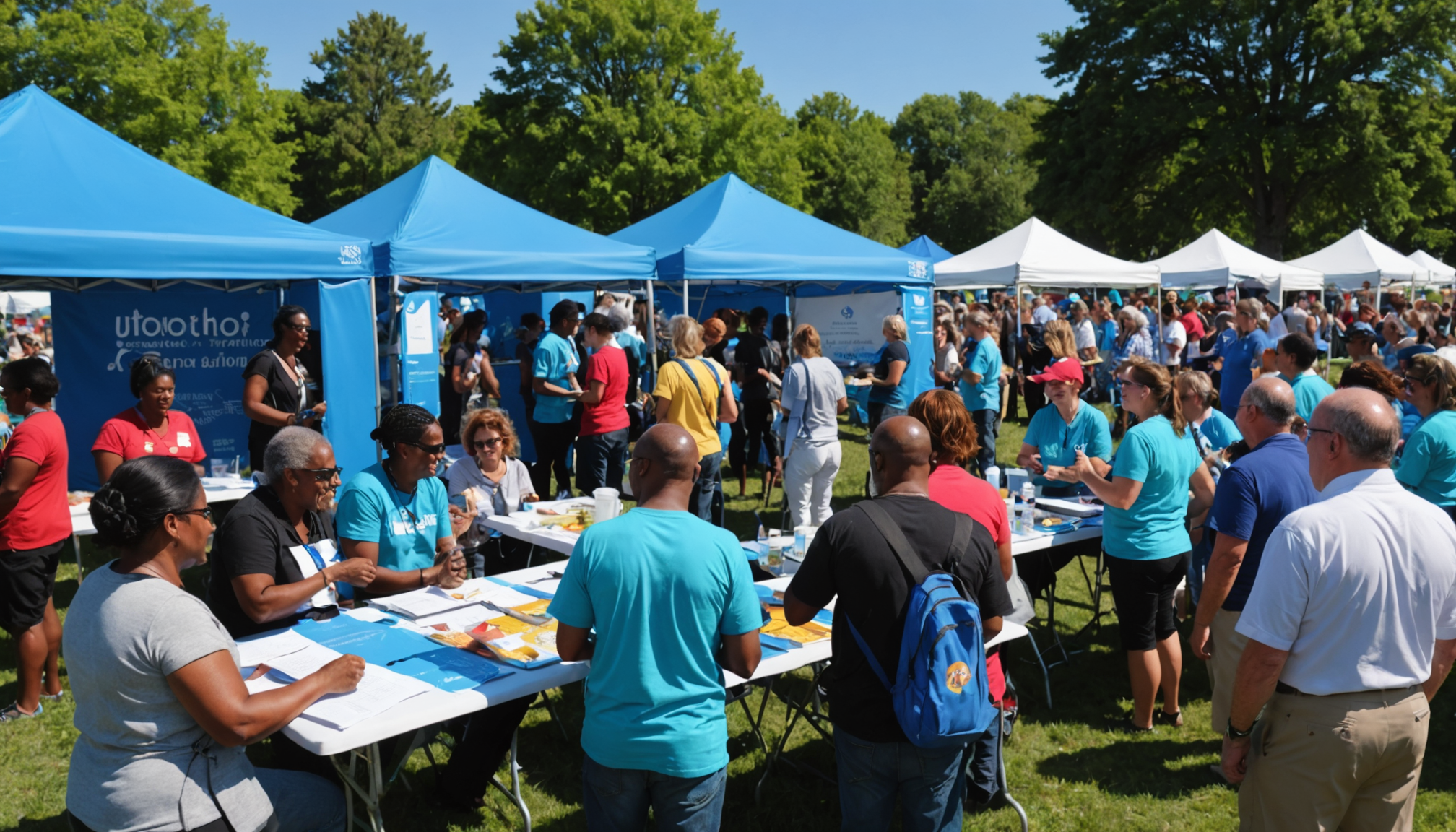
Post-event evaluation and follow-up are essential for understanding the impact of your health fair and ensuring continuous improvement in future events. Begin this phase by collecting feedback from attendees, volunteers, and health professionals who participated. Use surveys or feedback forms to gauge what aspects of the event were successful and which areas need enhancement. Questions might include their level of satisfaction with the services provided, how they heard about the fair, and any suggestions for future events. This rich data can reveal community needs and preferences, helping form a foundation for future outreach efforts.
Analyzing attendance records can also provide valuable insights. Track demographics, such as age groups and income levels, so you can better understand who attended and identify which segments of the community you may need to engage more in future health fairs. This analysis highlights the effectiveness of your outreach strategies and can inform discussions on tailoring services to better fit your audience’s needs.
Once you have gathered and reviewed feedback, it’s crucial to communicate the outcomes with your community. Consider sending thank-you emails or letters to attendees that share the results of the health fair and any measures you plan to implement based on their feedback. This shows that their opinions are valued and encourages continued engagement with your health initiatives.
Utilizing follow-up methods such as health-related newsletters or social media updates can keep the momentum alive. Share health tips, upcoming health events, or new workshops that may pique their interest. Cultivating this ongoing connection fosters a sense of community commitment to health and wellness and opens doors for deeper relationships as members feel part of a shared mission.
An essential component of the post-event process is reviewing partnerships and collaboration effectiveness. Meet with your team and partner organizations to discuss what went well and what could be improved in future collaborations. These discussions can uncover ways to strengthen relationships, streamline event logistics, and enhance resource sharing, making future health fairs even more impactful.
Finally, document the entire process—including planning, execution, and evaluation—as a comprehensive report that can serve as a blueprint for future health fairs. This knowledge base enables you and your team to build on past experiences and create increasingly successful community events that promote wellness and accessibility to health resources.
- What should I include in feedback surveys after the health fair?
- Include questions about the attendees’ overall satisfaction, specific services used, what they liked most, areas for improvement, and how they learned about the event. This will provide a comprehensive understanding of their experience.
- How can I analyze attendance data effectively?
- Track demographic information such as age, gender, and neighborhood to identify trends. You can use tools like Excel or specialized event management software to synthesize data for clearer analysis.
- What are some good ways to follow-up with attendees?
- Send thank-you emails or newsletters that recap the event’s success, share health resources, and promote any upcoming events. Social media can also be an effective platform for ongoing engagement.
- How do I know if I should repeat certain services at the next health fair?
- Review feedback from attendees and analyze which services were most utilized. If a service received positive feedback and high participation, it likely warrants continuation at future events.
- What role do partnerships play after the health fair?
- Partnerships can provide valuable resources, expertise, and reach for future events. Evaluate and discuss partnership outcomes to enhance collaboration efforts in subsequent fairs.
- How can I document the health fair process?
- Create a report that summarizes planning, execution, outcomes, and feedback from the event. Including visuals, quotes from attendees, and data analysis helps make the report informative and engaging.
- Why is community engagement important after the health fair?
- Ongoing community engagement fosters a sense of belonging and active participation in health initiatives. It encourages individuals to invest in their wellness and build relationships that further promote healthy living.
Ashland Sabbath Chapel Ministries
Beside our live streamed church services, all are welcome to attend our church in person each Saturday beginning 10:00 AM Central Time by going to 2425 Owens Rd., Ashland, AL 36251. There is no cost and any donations are strictly voluntary.
For questions, call +2563547124.