Come join Ashland Sabbath Chapel Ministries each Saturday for live streamed church services. Bible Study begins at 10:00 AM Central Time and Sermon at 11:00 AM. Visit Our YouTube channel and watch from home!
Mindfulness is a practice that draws us into the present moment, allowing us to experience life more fully without being clouded by distractions. This concept has roots in ancient spiritual traditions, but it has gained significant traction in contemporary health discussions due to its profound benefits on both mental and physical well-being. By simply focusing on our breath or the sensations in our body, we can foster a deeper connection to ourselves and our surroundings.
The benefits of mindfulness extend far beyond mere relaxation. Research has shown that regular mindfulness practice can lead to a significant reduction in stress levels. A study published in the “Journal of Health Psychology” found that participants who engaged in mindfulness-based interventions reported lower anxiety and depression scores compared to those who did not (Khoury et al., 2015). This reduction in stress not only enhances our emotional well-being but also improves our overall quality of life.
Additionally, mindfulness has been linked to enhanced focus and concentration. As our minds become more accustomed to returning to the present moment, we may find ourselves less distracted by past regrets or future worries. This heightened focus can positively impact our productivity and creativity, making tasks seem more manageable and enjoyable.
Another remarkable benefit of mindfulness is its impact on physical health. Studies indicate that mindfulness practices can result in lower blood pressure, improved sleep quality, and even a stronger immune response. By reducing the levels of stress hormones in our body, mindfulness allows for a calmer, more balanced state, which can lead to lasting changes in our health.
Moreover, practicing mindfulness encourages a greater awareness of our thoughts and emotions, enabling us to respond to situations with more clarity and less impulsivity. This emotional regulation contributes not only to personal relationships but also enhances our ability to face challenges with resilience.
The journey into mindfulness can lead to a wealth of benefits—ranging from improved mental health to better physical health. By learning to embrace the present, we can uncover a life filled with more joy, clarity, and well-being.
Incorporating mindfulness into daily routines
Incorporating mindfulness into our daily routines is a transformative practice that can enhance our lives in significant ways. The beauty of mindfulness lies in its accessibility; it does not require elaborate preparations or extensive rituals. Instead, we can infuse moments of mindfulness into the fabric of our everyday activities, leading to a more grounded and enriched existence.
Begin by integrating mindfulness during routine tasks. For instance, as you engage in daily chores such as washing dishes or sweeping the floor, allow yourself to focus fully on the present moment. Feel the texture of the dishes, the temperature of the water, or the rhythm of the broom. By doing so, you not only accomplish the task at hand but also cultivate a sense of peace and presence. As Ellen G. White so eloquently said, “The path to freedom from sin is through crucifying self.” This applies beautifully to the practice of being truly present in our mundane tasks.
Another effective way to incorporate mindfulness is through mindful eating. Rather than consuming food distractedly, take a moment to appreciate each bite. Engage your senses: notice the colors, aromas, and textures of your meal. Chew slowly, savoring the flavors as they dance on your tongue. This not only enhances the satisfaction of eating but also fosters a deeper connection with the nourishment we provide our bodies, promoting better health outcomes and fostering spirituality through gratitude.
Furthermore, setting aside intentional time for mindfulness can yield profound benefits. Try allocating just a few minutes each day to practice mindful breathing. Find a comfortable spot, close your eyes, and take deep, purposeful breaths. Focus on the sensation of the air filling your lungs, and observe any thoughts that arise without judgment. This simple practice serves as a powerful stress relief tool and can transform your state of mind, equipping you to face the challenges of the day with greater resilience.
Incorporating mindfulness into your daily routine also includes mindful communication. When engaging in conversations, practice active listening. Fully concentrate on what the other person is saying without allowing your mind to wander to your response. This not only strengthens your relationships but also enriches your understanding and empathy—qualities that are essential for a fulfilling life.
Lastly, consider establishing a mindful moment to transition between activities throughout your day. Before jumping into work tasks or after completing a phone call, take a brief pause to ground yourself. Take a few deep breaths, set an intention for the next activity, or practice gratitude for the moment. This simple act can create a rhythm of mindfulness that pervades your entire day.
As these practices become woven into the fabric of your daily life, you may find that mindfulness enhances not just your mental well-being but your spiritual health as well. By living mindfully, we cultivate a deeper appreciation for life, leading us to live with intention and purpose.
Mindfulness practices for stress reduction
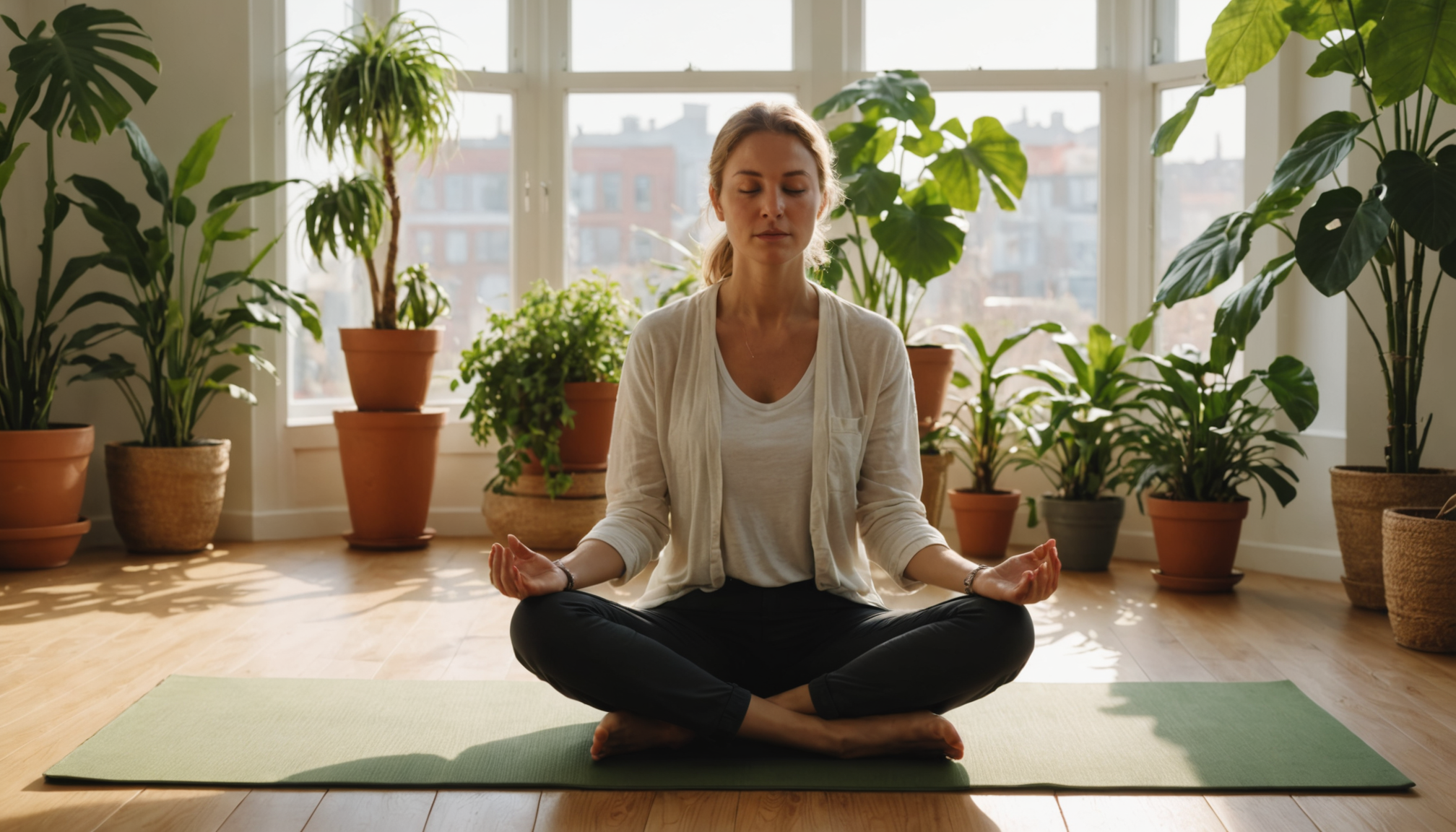
In our fast-paced world, it’s easy to feel overwhelmed by the constant demands of life. Stress can creep in, manifesting in various ways—from increased anxiety to physical ailments. Engaging in specific mindfulness practices can be a powerful antidote, offering not just temporary escape but deep-rooted resilience against stress.
One of the most effective practices for stress relief is mindful breathing. This technique involves focusing solely on your breath, allowing distractions to fade away. Find a quiet space where you can sit comfortably. Close your eyes and take a deep breath in, filling your lungs with air. Hold it for a moment, and then slowly exhale, letting all the tension melt away. Picture your worries leaving your body with each breath out. As Ellen G. White beautifully articulated, maintaining a calm spirit can lead us to clearer insights and greater peace in our lives. Practicing this for just a few minutes each day can significantly reduce feelings of stress and enhance your overall state of health.
Another beneficial practice is progressive muscle relaxation. This mindfulness exercise helps build awareness of bodily tension and promotes stress relief by systematically relaxing different muscle groups. Start from your toes and gradually work your way up to your head, tensing each muscle group for a few seconds before releasing. Pay careful attention to the sensations of tension and relaxation. This practice not only alleviates physical stress but also helps cultivate a profound sense of mindfulness, enabling you to become more attuned to your body’s needs and responses.
Guided imagery is another effective mindfulness technique that invites peace and relaxation. Imagine a serene scene—a tranquil beach, a tranquil forest, or any place that evokes calmness. Close your eyes and visualize every detail, from the sounds of waves lapping at the shore to the smell of pine-filled air. Engaging your senses in this way can transport you away from anxiety and create a mental oasis—even if just for a moment. Research highlights that participants who use guided imagery report lower stress levels and improved emotional well-being, emphasizing its value as a coping mechanism (Hadsell et al., 2012).
Incorporating mindfulness into your daily routine doesn’t have to be time-consuming. Practicing gratitude is a simple yet profound way to foster a mindful mindset. Each day, reflect on three things you appreciate—no matter how small. This shift in focus can rewire your brain to prioritize positivity over stress. It reminds us, in the spirit of spirituality and health, to acknowledge the blessings that surround us, nurturing contentment even amidst chaos.
Mindfulness walking can also provide stress relief while simultaneously connecting you to nature. During a walk, dedicate your attention to the rhythm of your steps, the sounds around you, and the sensations of the breeze against your skin. This form of mindful movement not only calms the mind but revitalizes the spirit, allowing for a deeper experience of the world as you stroll. It’s an invitation to engage fully with your surroundings and reconnect with your inner self.
Lastly, journaling can serve as a wonderful outlet for stress and an opportunity to practice mindfulness. Set aside time each evening to jot down your thoughts, feelings, and any stressors from the day. Allow your pen to flow freely, capturing your experiences without judgment. This practice enhances self-awareness and mental clarity, making it easier to navigate life’s challenges with grace.
These practices highlight the profound intersection of mindfulness with health and spirituality, offering tools that empower us to turn inwards, confront stress head-on, and emerge with a greater sense of peace and purpose. When we embrace these simple yet effective techniques, we embark on a journey of self-discovery that nurtures our well-being and enriches our lives.
The role of mindfulness in physical health
Embracing mindfulness can significantly contribute to better physical health by fostering a holistic approach to well-being. Numerous studies have established a link between mindfulness practices and various positive health outcomes, highlighting how an attentive and present mindset can transform our physical state. When we actively engage in mindfulness, we cultivate a deeper awareness of our bodies and our health, paving the way for both preventive measures and proactive healing.
One of the most notable ways mindfulness impacts our physical health is through its effects on stress management. The body’s stress response can trigger a cascade of physiological changes, negatively impacting our heart, digestion, and immune system. Practicing mindfulness helps to quiet this stress response, leading to lower levels of cortisol, the stress hormone. This reduction can directly correlate with improved heart health by decreasing blood pressure and heart rate. A study published in the “American Journal of Hypertension” found that participants who engaged in mindfulness-based stress reduction (MBSR) experienced significant decreases in both blood pressure and heart rate (Shapiro et al., 2013). Thus, consistently practicing mindfulness promotes a balanced cardiovascular system and enhances overall heart health.
Furthermore, mindfulness practices can encourage healthier lifestyle choices. When we take the time to tune into our bodies, we become more attuned to our physical sensations, including hunger and fullness cues. This awareness can lead to better eating habits, as we engage in mindful eating rather than mindless consumption, fostering a healthier relationship with food. Research shows that individuals who practice mindfulness are more likely to make decisions that support their overall health, such as choosing nutritious foods and exercising regularly (Alberts et al., 2012).
Additionally, mindfulness has been shown to improve sleep quality. Insomnia and other sleep disturbances can stem from a racing mind and unrelenting stress. By incorporating mindfulness techniques, such as guided meditation or mindful breathing before bed, individuals can calm their minds, leading to deeper and more restorative sleep. A study in the journal “JAMA Internal Medicine” found that mindfulness meditation improved sleep quality in participants who reported issues with insomnia, illustrating the practice’s potential as a natural remedy for sleep-related problems (Ong et al., 2016).
Moreover, developing a mindfulness practice can enhance our immune response. A notable study indicated that individuals who engaged in mindfulness meditation showed increased antibody responses to vaccines, suggesting a stronger and more efficient immune system (Davidson et al., 2003). This improvement in immune function underscores the necessity of mindfulness as part of a comprehensive health strategy, particularly in an era when managing immune health is becoming increasingly important.
Incorporating mindfulness into physical health practices also includes paying attention to our movement. Whether through yoga, tai chi, or even mindful walking, focusing on the body as it moves can enhance flexibility, strength, and overall vitality. These practices allow us to cultivate a deeper understanding of our physical limitations and abilities, promoting a more informed approach to exercise and physical activity.
The role of mindfulness in physical health is multifaceted, influencing stress reduction, lifestyle choices, sleep quality, and immune function. By developing a consistent mindfulness practice, we can not only enhance our mental and emotional well-being but also foster a healthier body, reminding us of the profound connection between mind and physical health.
Cultivating a mindful mindset for long-term wellness
Cultivating a mindful mindset for long-term wellness requires intention and practice. At the heart of mindfulness is the ability to observe our thoughts and feelings without judgment, fostering a deeper understanding of ourselves while promoting overall well-being. This mindful awareness can lead to significant shifts in how we respond to life’s challenges, helping us develop resilience against stress and adversity. As we carve out moments in our lives to engage in this practice, we create space for insight, self-reflection, and growth.
To cultivate a mindful mindset, start by embracing self-compassion. Recognize that it’s okay to have moments of struggle and that these experiences do not define your worth. Practicing self-kindness allows us to approach our thoughts and emotions with a sense of gentleness rather than harsh criticism, fostering a healthier internal dialogue that nurtures our mental and emotional health. As you reflect, ask yourself: How do my thoughts shape my reality? Are they serving me or holding me back? Through this introspection, you can begin to shift your thought patterns toward more positive and constructive outcomes.
In addition, engaging with mindfulness during transitions can help reinforce a mindful mindset. Whether changing from work to home life or moving between tasks, taking a few deep breaths and setting a clear intention for the next activity can center your focus. This practice not only enhances awareness but also creates a smoother flow throughout your day, aligning your mind and body with each deliberate choice.
Moreover, mindfulness invites us to explore the notion of gratitude as an integral component of a healthy mindset. Regularly taking time to acknowledge the small blessings in your life can shift your perspective and improve your overall outlook. Start a gratitude journal where you jot down three things you are thankful for each day. This simple daily ritual can transform your mindset, reinforcing positivity and appreciation even amid life’s difficulties. By recognizing what we have, rather than fixating on what we lack, we foster a state of contentment that is essential for long-term wellness.
Additionally, participating in community or group mindfulness activities can offer a sense of connection and shared purpose. Being part of a mindfulness group cultivates a supportive environment where individuals can share their experiences and learn from one another. This collective journey enhances our ability to stay grounded and fosters a sense of belonging, which is vital for spiritual health. Connecting with others who are also pursuing mindfulness can serve as encouragement and motivation, deepening your commitment to the practice.
As you develop this mindful approach, consider exploring mindfulness workshops or courses that expand your understanding and techniques. These resources can provide valuable insights into more advanced practices that support mental and emotional resilience. As you grow in your practice, you may start to uncover new dimensions of self-awareness and insight that profoundly enhance your long-term wellness journey.
- What is mindfulness?
- Mindfulness is the practice of being fully present in the moment, observing your thoughts and feelings without judgment. It encourages greater self-awareness and fosters emotional well-being.
- How does mindfulness reduce stress?
- Mindfulness helps to lower stress by quieting the mind and body, reducing the production of stress hormones like cortisol. Techniques such as mindful breathing and meditation can create a sense of calm, allowing individuals to handle stressors more effectively.
- Can mindfulness improve physical health?
- Yes, studies indicate that mindfulness can lead to improvements in physical health by reducing stress, improving sleep, and fostering healthier lifestyle choices. This holistic approach can enhance overall well-being.
- How can I incorporate mindfulness into my daily routine?
- You can incorporate mindfulness by engaging fully in everyday activities such as eating, walking, or even doing chores. Taking a few minutes for mindful breathing or gratitude reflection can also be beneficial.
- Is mindfulness a religious practice?
- While mindfulness has roots in various spiritual traditions, it is not inherently a religious practice. Individuals from diverse backgrounds can adopt mindfulness practices for personal growth and health improvement.
- How long does it take to see benefits from mindfulness practice?
- Benefits from mindfulness practice can often be felt shortly after beginning, with significant improvements noticed over weeks and months of consistent practice. Regular engagement is key to experiencing lasting changes.
- Can I practice mindfulness with others?
- Absolutely! Mindfulness can be practiced in groups, and many find that joining a class or community enhances their commitment and understanding. It provides support and encourages shared learning.
Ashland Sabbath Chapel Ministries
Beside our live streamed church services, all are welcome to attend our church in person each Saturday beginning 10:00 AM Central Time by going to 2425 Owens Rd., Ashland, AL 36251. There is no cost and any donations are strictly voluntary.
For questions, call +2563547124.