Come join Ashland Sabbath Chapel Ministries each Saturday for live streamed church services. Bible Study begins at 10:00 AM Central Time and Sermon at 11:00 AM. Visit Our YouTube channel and watch from home!
Engaging in yoga offers profound benefits for mental well-being, an aspect that has garnered increasing attention in today’s fast-paced world. Picture yourself unrolling that mat, taking a deep breath in, and feeling the gentle pull of tranquility enveloping you. It’s a space where the chaos of life can fade away, allowing for a moment of pure connection to the self.
Yoga serves as a simple yet powerful tool for enhancing mental clarity and emotional resilience. The rhythmic flow of movement combined with focused breathing helps to harmonize the mind and body, fostering a sense of peace. This is where the idea of mindfulness blooms; as you move through poses, you cultivate awareness about your thoughts and feelings, ultimately leading to a more balanced emotional state.
Research has shown that indulging in regular yoga practices can significantly reduce symptoms of anxiety and depression. Imagine feeling weight lifted as calmness washes over you during a restorative pose, your worries drifting away like clouds in the sky. Just as a garden flourishes with consistent nurturing, so too does our mental health benefit from the care provided through yoga practice. The ancient wisdom embedded in yoga teaches us how to reconnect with our inner selves and allows our spirits to breathe freely.
Consider the practice of deep breathing exercises, integral to yoga. When you consciously engage with your breath, you activate the parasympathetic nervous system, which counters stress. It’s like a soothing balm for the mind. For instance, after a long day, sitting quietly and focusing on your inhalation and exhalation can reset your mental landscape, creating space for calm and clarity.
Furthermore, community plays a pivotal role in this journey of mental wellness. Participating in group classes fosters a sense of belonging and support, nurturing bonds with like-minded individuals who share a commitment to health and well-being. This collective energy creates an atmosphere where one can freely explore their spiritual and emotional depths, finding encouragement along the way.
Ultimately, the connection between yoga and mental well-being is a remarkable journey towards self-discovery and spiritual enlightenment. The more you delve into your practice, the clearer it becomes that yoga is not merely an exercise; it’s a way of nurturing the soul and fortifying the mind, guiding you towards a state of profound peace and contentment.
The effects of yoga on physical health
When we dive into the physical effects of yoga, it’s fascinating to see how this ancient practice serves as a comprehensive approach to maintaining and enhancing health. Imagine your body, flowing gracefully through a series of poses, each movement deliberately synchronized with your breath. This is where the transformative power of yoga truly shines, impacting everything from flexibility and strength to cardiovascular health.
One of the most immediate benefits of yoga is increased flexibility. As you engage in regular practice, your muscles warm up and elongate. Poses like Downward Dog and Forward Fold gently stretch your back, hamstrings, and shoulders, gradually reducing tension stored in the body. Over time, you’ll likely notice improved range of motion in daily activities, whether you’re reaching for something on a shelf or simply bending down to tie your shoes.
But it doesn’t stop there. Strength is another crucial aspect of physical health that yoga enhances. Many yoga poses require you to support your own body weight in various ways, building muscle strength in both large and small muscle groups. Take, for example, the Warrior II pose. This position not only fortifies your legs but also engages your core and stabilizing muscles, leading to improved overall strength. Consistent practice cultivates a resilient body, ready to handle the demands of everyday life.
- Cardiovascular health is another area that benefits from yoga. Engaging in dynamic styles, such as Vinyasa or Ashtanga, elevates your heart rate, promoting better circulation. Through deep breathing techniques, you help reduce blood pressure and enhance oxygen flow throughout your body, which is essential for heart health.
- Yoga also alleviates chronic pain conditions, such as lower back pain or arthritis. Research indicates that regular practice can help relieve discomfort by increasing blood flow to affected areas and promoting relaxation, which is vital for recovery.
- Furthermore, yoga aids in weight management. The mindful approach to movement encourages a deeper connection with one’s body and its needs, potentially leading to healthier eating habits and lifestyle choices.
Additionally, the intersection of yoga and holistic health becomes clear when considering the role of movement in mental and physical well-being. Each pose encourages you to listen to your body, fostering a profound understanding of your physical limitations, strengths, and overall health condition. This mindful awareness is particularly beneficial for those recovering from injury or dealing with chronic conditions, as it empowers individuals to participate in their healing journey.
Moreover, the integration of breathwork further enhances the physical experience of yoga. As you learn to control your breath, you also learn to flow more seamlessly through postures, reducing the risk of injury and enhancing your overall workout. This connection between breath and movement is fundamental to the practice, reinforcing that yoga is as much about mental engagement as it is about physical exercise.
In essence, the effects of yoga on physical health extend far beyond the mat. It threads together the concepts of strength, flexibility, and mindfulness, creating a comprehensive tapestry of health that speaks to the whole person—body, mind, and spirit. Each session presents an opportunity to nourish not only your physical form but also the deep-rooted health that sustains you through life’s many challenges.
Yoga practices for stress reduction

When we explore the various yoga practices specifically designed for stress reduction, we unveil a treasure trove of techniques that really help quiet the mind’s chatter. Picture settling into a comfortable position, perhaps seated or lying down, with your eyes closed and focusing solely on your breath. This sets the stage for a calming journey where the chaos of the outside world begins to fade away.
One of the most effective practices in yoga for alleviating stress is a technique known as pranayama, or breath control. Consider the simple act of taking a deep breath—inhale for a count of four, hold for a count of four, then exhale for a count of six. This method not only provides a sense of physical release but can profoundly alter your physiological state. The long exhale, in particular, activates the body’s relaxation response, allowing stress hormones to dip while feelings of tranquility rise.
Incorporating restorative poses into your routine can also work wonders. Poses like Child’s Pose and Supta Baddha Konasana are designed to facilitate deep relaxation. Imagine gently stretching out in a peaceful setting, with supportive props to cradle your body, allowing you to melt away tension. Sitting in these poses for extended periods encourages a profound state of rest, similar to the sensations you might experience during a long, blissful nap. Studies suggest that such poses can lower cortisol levels, the hormone primarily responsible for stress.
Mindfulness meditation, often intertwined with yoga sessions, is another powerful ally in the fight against stress. This practice encourages you to direct your attention to the present moment, creating a space where worry about the future or regret from the past dissipate. You might sit cross-legged, close your eyes, and simply observe your breath. As thoughts arise, gently acknowledge them without judgment and return your focus to the sensation of breathing. This practice fosters resilience, teaching you that the intensity of stressors can diminish when viewed through the lens of present awareness.
- Yoga Nidra, or yogic sleep, is another potent practice to consider. This guided meditation technique takes you through layers of consciousness, leading to deep relaxation while keeping your awareness intact. It’s like enjoying the benefits of a power nap but with heightened mental clarity upon waking.
- Gentle flow sequences can also be incredibly effective for stress relief. As you move through a series of slow, controlled poses, your body releases endorphins—the feel-good hormones. Think of transitioning from Downward Dog to a gentle lunge, fluidly connecting each movement to the rhythm of your breath, this dynamic flow can alleviate physical tension while promoting a sense of peace.
- Group classes amplify the stress-reducing effects of yoga too. Sharing this experience with others fosters a sense of community, and the collective energy can enhance feelings of safety and support, making it easier to let go of stress.
Ultimately, incorporating these various yoga practices into your routine not only allows you to release stress but also teaches you coping mechanisms that can be employed in your daily life. The next time you find yourself feeling overwhelmed, remember that you have the power to return to your breath and those simple poses that invite calm and clarity. It’s a journey; each practice brings you a little closer to finding your inner peace and groundedness, helping you navigate life’s challenges with grace and ease.
Research studies on yoga and health outcomes
Exploring the wealth of research studies on yoga reveals a tapestry of findings that underscore its profound impacts on both mental and physical health. As we delve into this evidence, we find a compelling narrative of holistic well-being that interweaves flexibility, strength, and mindfulness into our daily lives.
Numerous studies have emerged, shedding light on how yoga constitutes a viable intervention for a variety of health concerns. For instance, a meta-analysis published in a leading health journal showed that individuals participating in regular yoga sessions exhibited significant reductions in anxiety and depression symptoms. Imagine individuals entering a yoga studio weighed down by the burdens of daily life, only to find relief as they transform, pose by pose, into a calmer state of being. This practice fosters emotional well-being, providing tools to manage life’s stresses effectively.
Research has also indicated noteworthy improvements in physical health markers among regular practitioners. A study conducted by a prominent university measured blood pressure, cholesterol levels, and overall heart health of participants before and after a structured yoga program. Results revealed not only lowered blood pressure but also improved heart rate variability—a critical indicator of cardiovascular wellness. Picture the rhythmic rise and fall of your breath as you flow through each pose, each movement synchronizing with your heartbeat, cultivating a deeper connection to your body.
- Chronic pain relief is another significant area where yoga shows promise. In particular, studies focused on individuals suffering from conditions such as lower back pain report substantial improvements in pain management through regular yoga practice. Participants often express how the gentle stretching and strengthening of yoga allow them to reclaim their mobility and reduce reliance on pain medication.
- Moreover, research has demonstrated that yoga can enhance cognitive function, especially beneficial for the aging population. It appears that engaging in mindful movement and breathwork sharpens mental acuity, counteracting declines that occur with age. Think of this not just as exercise, but a spiritual pursuit that revitalizes the mind along with the body.
- Fitness and weight management also emerge as outcomes of consistent yoga practice. A study examining the lifestyle habits of yoga practitioners found a correlation between yoga frequency and healthier dietary choices, contributing to the maintenance of a healthy weight. The mindful nature of yoga encourages a deep listening to the body’s hunger signals, making participants more attuned to their nutritional needs.
The implications of these findings are profound, pointing to yoga not merely as a form of physical exercise but as a pathway to enhanced health across multiple dimensions of life. Each session on the mat becomes a sanctuary where breath leads the way, illuminating the shadows of stress and physical discomfort. The spiritual aspect of yoga cannot be overlooked; as your body finds ease in movement, your spirit resonates in harmony, creating a balanced approach to overall wellness.
As we embrace the empirical evidence supporting yoga’s benefits, it becomes clear that this ancient practice has much to offer in modern contexts. It stands ready to nurture not only our physical bodies but also our mental landscape, guiding us toward a path of health, vitality, and inner peace. Through the lens of science, we can appreciate the delicate interplay between yoga, exercise, and health, paving the way for deeper exploration and integration of these practices into our daily lives.
Integrating yoga into daily life
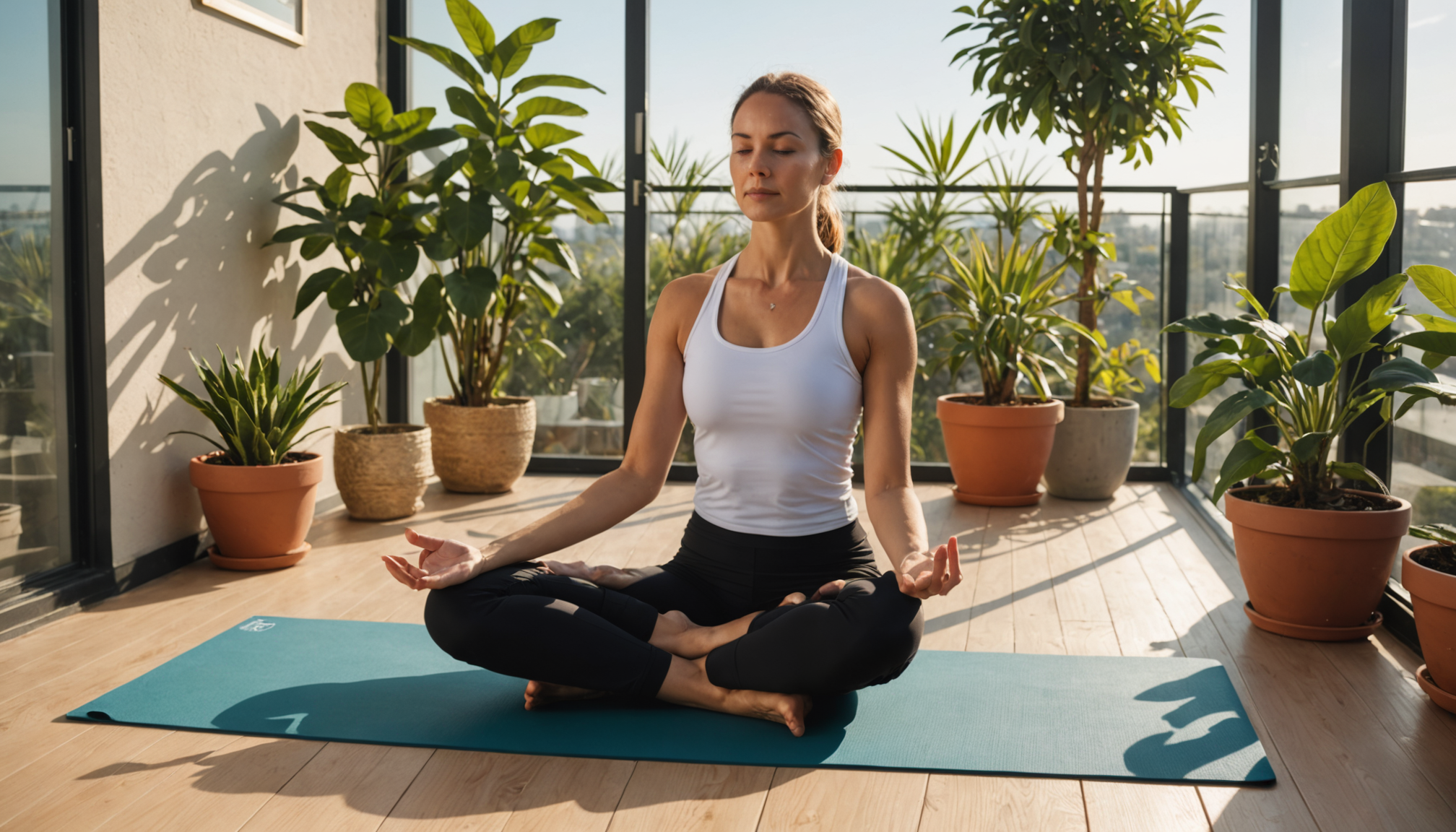
Integrating yoga into daily life can be a transformative journey, guiding you toward greater health, balance, and self-awareness. Think about the moments in your day where you might feel rushed or overwhelmed. How can you carve out small pockets of time to infuse these principles into your routine? Even the busiest schedules allow for micro-practices of yoga—whether it’s a few stretches in your office chair or mindful breathing as you commute. Each subtle integration of yoga can serve as a reminder to reconnect with your body and mind throughout the day.
Consider starting your morning with just five minutes of gentle stretches or sun salutations. This simple act can reset your mindset, preparing you to tackle the day with clarity and focus. Visualize yourself flowing through poses that energize and awaken your spirit as you embrace the new day. Throughout your workday, utilize your breaks to practice deep breathing or engage in a quick set of stretches, enhancing your overall productivity and reducing stress levels while promoting a feeling of well-being.
Moreover, incorporating yoga into your evening routine can signal your body and mind that it is time to unwind. Picture yourself engaging in calming poses like Seated Forward Bend or Legs-Up-The-Wall, alongside breathing exercises that center you. This practice can facilitate better sleep, easing the transition into rest. Elegantly, yoga blends into your life’s rhythm, with each moment of practice nurturing not just your body, but also your emotional and spiritual components.
In addition, participation in local yoga communities offers opportunities to deepen your practice and foster connections with like-minded individuals. Sharing your journey with others can amplify the supportive energy, enhancing both accountability and motivation. Whether joining group classes or exploring online resources, these social aspects may enrich your experience, opening the door to collective learning and growth.
Lastly, don’t underestimate the power of mindfulness woven through daily tasks. Simple actions, such as embracing present-moment awareness while eating or walking, can structure your day in a way that mirrors the core principles of yoga. Mindfulness becomes a habit, fostering a deeper connection to the sensations of life. With each thought-provoking reflection, allow the essence of yoga to permeate everyday existence, prompting your senses to expand and nourishing the mind-body-spirit connection.
- What are the basic principles of yoga?
- The basic principles of yoga include breath control (pranayama), posture (asana), meditation, and ethical practices like non-violence and truthfulness. These elements work together to promote physical health, enhance mental clarity, and deepen spiritual insight.
- How often should I practice yoga for optimal health benefits?
- For optimal health benefits, practicing yoga at least two to three times a week is recommended. However, incorporating shorter sessions daily, even just for a few minutes, can significantly enhance your overall well-being.
- Can yoga help with anxiety and stress relief?
- Yes, numerous studies have shown that yoga can effectively reduce symptoms of anxiety and stress. The combination of physical activity, breathwork, and mindfulness during practice promotes relaxation and a calmer mindset.
- Is yoga suitable for beginners?
- Absolutely! Yoga is accessible to individuals of all levels, including beginners. Many classes and online resources cater specifically to newcomers, gradually introducing poses and techniques at a comfortable pace.
- What types of yoga are best for physical fitness?
- Styles such as Vinyasa, Ashtanga, and Power Yoga are particularly effective for improving physical fitness. These dynamic forms involve continuous movement, enhancing strength, flexibility, and endurance.
- Can yoga improve my flexibility?
- Yes, regular yoga practice is well-known for improving flexibility over time. Various poses target different muscle groups, gradually increasing your range of motion and helping to ease tension in the body.
- How does yoga contribute to overall well-being?
- Yoga contributes to overall well-being by integrating physical exercise, mental focus, and spiritual awareness. This holistic approach fosters a balanced lifestyle, promoting healthier habits, emotional regulation, and a greater sense of mindfulness.
Ashland Sabbath Chapel Ministries
Beside our live streamed church services, all are welcome to attend our church in person each Saturday beginning 10:00 AM Central Time by going to 2425 Owens Rd., Ashland, AL 36251. There is no cost and any donations are strictly voluntary.
For questions, call +2563547124.