Come join Ashland Sabbath Chapel Ministries each Saturday for live streamed church services. Bible Study begins at 10:00 AM Central Time and Sermon at 11:00 AM. Visit Our YouTube channel and watch from home!
When you step into a community, you feel it wrap around you like a warm blanket on a cold day. It has a tangible effect on your well-being. Studies show that being part of a community can lower stress levels and boost overall health. According to a study published in the *American Journal of Psychiatry*, those who engage in community activities tend to exhibit lower levels of anxiety and depression. It’s the kind of magic that happens when people gather for a common purpose, sharing their lives and moments.
Think about the last time you sat around a table with friends or joined a group for a shared cause. You shared your stories, your worries, and even your laughter. In those moments, you weren’t just exchanging words; you were building bonds that nourish the soul. A healthy sense of community fosters a sense of belonging, which the *National Institute of Mental Health* links to increased happiness and fulfillment.
It’s straightforward. When people come together, they lift each other up. They celebrate the good and support each other through the bad. The presence of others—whether in faith-based gatherings, support groups, or casual meet-ups—creates an atmosphere where individuals can face life’s hardships with courage. This interconnectedness is a fortress against isolation, a silent but strong testament to the core of human existence.
In moments of crisis, community acts as a safety net. People rally around one another, offering help and understanding. The *Journal of Health Psychology* highlights that this support during tough times significantly impacts recovery and resilience. Knowing someone is there can make all the difference in how we cope with life’s challenges.
Ultimately, the real impact of community lies in its ability to weave connections that promote a sense of safety and purpose. This is the heart of well-being. When we engage with one another, we nurture not only our own spirits but also those around us. Understanding this power can motivate us to seek out communities and invest in them deeply.
Social connections and mental health
As we delve deeper into the realm of social connections, it becomes evident that the bonds we cultivate with one another hold immense sway over our mental health. It is in these connections that we find a sanctuary, a place where our anxieties may ebb away like the tide, leaving behind only the treasures of companionship and understanding. Indeed, research indicates that individuals who actively engage in social frameworks report lower levels of psychological distress and possess a more robust arsenal against the trials of solitude (Cohen, 2004).
The act of sharing one’s life with others provides a unique antidote to the burdens of existence. When we allow ourselves to be vulnerable, sharing our innermost thoughts with a trusted friend or family member, we unearth a boundless source of strength. Such openness fosters mutual empathy, illustrating that we are seldom alone in our tribulations. It is often the mere act of expressing our fears or joys that invites reassurance and comfort. One might find solace in the words of John Donne, who so aptly stated that “no man is an island.” Truly, the essence of our humanity is intertwined with the lives of those around us.
Moreover, the constant feedback and support we receive from our community can work wonders on our emotional landscape. Imagine receiving a kind word or an empathetic nod in times of distress; this simple act of recognition can elevate one’s spirits and diminish feelings of isolation. In fact, studies have shown that regular interactions with friends and family can lead to enhanced resilience, underscoring the importance of our social networks in maintaining good mental health (Berkman & Syme, 1979). This network acts as a protective barrier against the lurking shadows of depression, providing us with resources to navigate our tumultuous emotions.
Furthermore, the role of social connections extends into the sphere of spiritual wellness. A community that cherishes shared values and beliefs becomes a wellspring of support, guiding its members through both personal and collective challenges. The rituals and practices often found within such gatherings nurture the spirit and reinforce a sense of belonging that transcends mere existence. As we find companionship in our shared spirituality, our mental fortitude flourishes, sustaining us through life’s inevitable upheavals.
To encapsulate this notion, the act of connecting with others fosters a harmonious interplay between mental and spiritual health. When we stand together, united by shared experiences and mutual support, we create a rich tapestry of resilience and understanding, woven from the threads of our individual stories. In embracing this truth, we are perhaps reminded of the importance of remaining open to the gift of community: a splendid elixir for our human spirits.
Spiritual growth through shared experiences
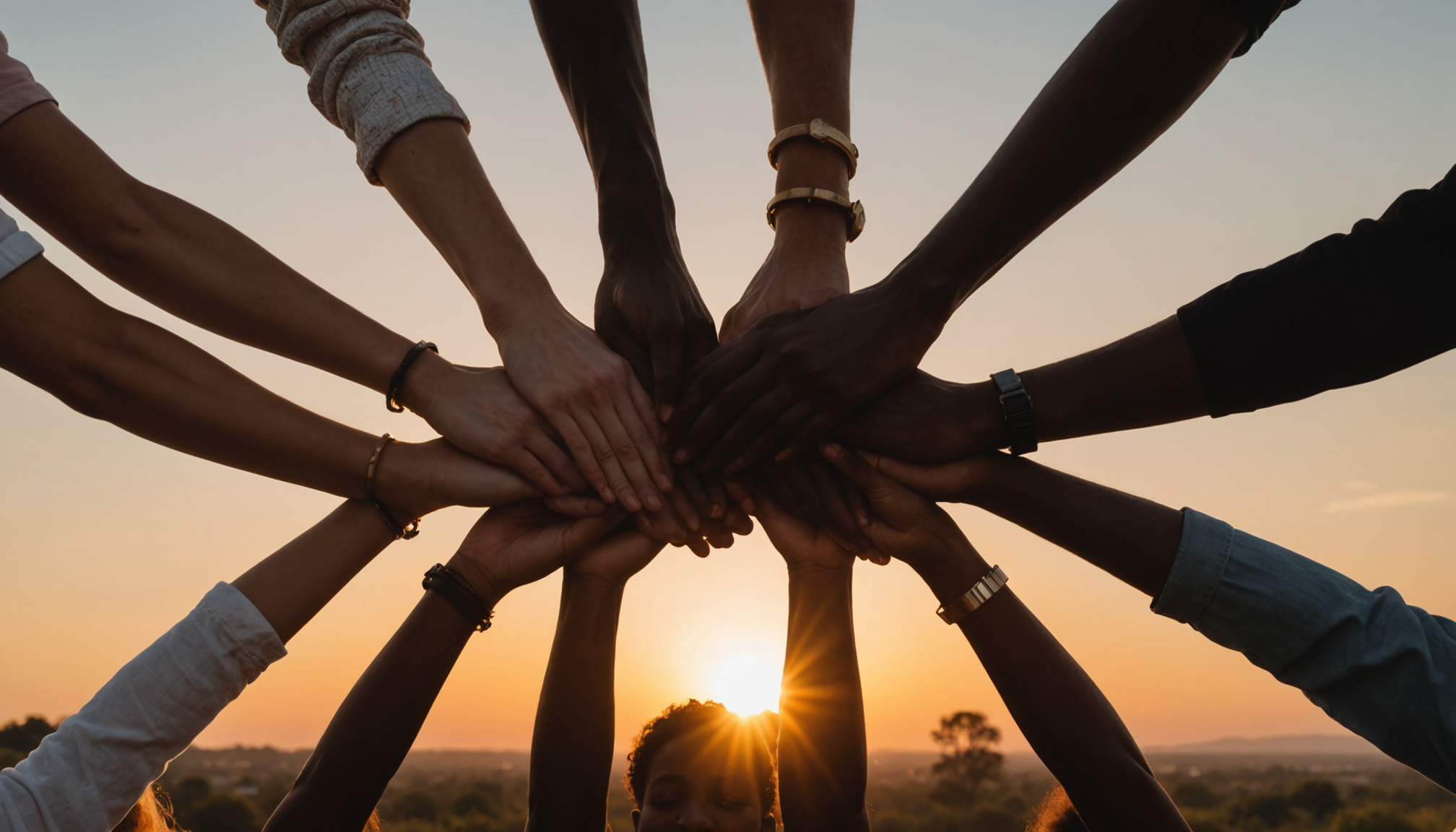
As we navigate the path of spiritual growth, it is vital to recognize that the journey often intersects with the experiences we share with others. Within the embrace of community, we find not only solace but also a fertile ground for nurturing our spirituality. When we gather in a circle of trusted companions, each one bringing their unique stories, perspectives, and struggles, we enrich our understanding of the sacred. This shared tapestry of experiences can illuminate our individual paths, guiding each of us toward a deeper connection with the divine.
Participating in communal worship or engaging in service projects together fosters a profound sense of unity. It is in these moments that we witness the miraculous ways in which lives intertwine—how one person’s faith might uplift another’s spirit, or how a shared challenge can deepen our collective resolve. The beauty of gathering for a common spiritual purpose allows us to explore the divine together, creating a rich soil from which our spiritual lives can flourish. Much like the roots of trees growing in harmony, our communal interactions provide strength and stability, anchoring us to a shared foundation of faith.
Consider the power of discussions held in the warm glow of friendship. When two or more gather to reflect upon sacred texts or life’s mysteries, we often find ourselves gleaning insights that may have evaded us in solitude. Each voice adds a distinctive note to the symphony of understanding, and through these exchanges, we unlock new dimensions of spirituality. It is a blend of our individual thoughts and struggles that can lead us collectively closer to divine truths, reinforcing the notion that spiritual growth is never meant to be a solitary journey.
Furthermore, the act of ritual—whether it be celebrating milestones, observing sacred days, or simply sharing moments of gratitude—anchors us to our spiritual community. These gatherings create a rhythm of life that allows us to reflect upon our growth and contemplate our purpose. They remind us of the interconnectedness of our lives, revealing how each individual contributes to the greater whole. We are then reminded that our lives are not isolated, but rather a part of a grand design orchestrated by the divine.
Moreover, as we engage in acts of kindness and support within our community, we invoke a spirit of service that elevates our shared experience. These moments challenge us to look beyond ourselves, inviting us to extend compassion to others. Such selflessness lays the groundwork for deep spiritual transformations within us. When we see the face of God in our neighbors, we cultivate a profound sense of gratitude and humility that nourishes our spirit, encouraging us to delve deeper into the mysteries of our faith.
Additionally, during times of personal struggle, the community acts as a beacon of hope. Knowing that others are praying for us or standing by our side can be a source of incredible strength. In the midst of trial, the collective faith of a community can often shine brighter than our individual lights, illuminating the path ahead. This shared spiritual support serves as a reminder that we are never truly alone; the bonds we forge with one another become instruments of healing, bringing us closer to the heart of our faith.
In essence, the spiritual growth fostered through shared experiences within community begets a stronger, more resilient faith. As we open our hearts to others and engage in the sacred practice of togetherness, we plant seeds of growth that flourish into profound understanding and compassion. It is through these interactions that we not only strengthen our individual spirituality but also contribute to a collective consciousness that seeks enlightenment and connection.
Coping mechanisms in a supportive environment
In the gentle embrace of a supportive community, it becomes evident how vital coping mechanisms are woven into the fabric of our interactions. This network of support serves as both a foundation and a refuge during life’s inevitable storms. When trials beset us, sharing our burdens with those who genuinely care stands as a powerful antidote to despair. According to research published in the *Journal of Family Psychology*, individuals who lean on their social networks during stressful times exhibit greater resilience, often emerging from difficulties with renewed strength and insight.
Consider the life events that weigh heavily upon the heart: loss, uncertainty, or chronic challenges. These moments, daunting as they may be, need not be borne alone. Within a nurturing community, the act of verbalizing one’s fears and struggles diminishes their weight. When we gather and articulate our trials, we allow others to lend their strength, wisdom, and compassion, creating a shared space of understanding. This practice of open communication not only fosters empathy but also cultivates a collective resilience, reminding us all that we are part of a larger whole.
A supportive environment can transform the way we perceive our difficulties. Imagine a friend who steps forward, ready to listen, offering comfort and insight. Such interactions can derail feelings of hopelessness, shifting our perspective from isolation to connection. Studies show that shared emotional experiences can enhance feelings of safety and security, reinforcing the belief that “this too shall pass.” In essence, these moments of connection act as coping strategies, providing both the comfort of companionship and the strength derived from shared experiences.
Moreover, rituals within community life—be it prayer circles, shared meals, or group activities—often serve as powerful coping mechanisms. These gatherings bring us together and imbue our day-to-day struggles with meaning. Engaging in these collective practices not only fortifies our spirits but also allows us to find solace in shared purpose. Within this context, we realize that life’s burdens can become lighter when carried together. The *American Psychological Association* highlights that participation in community activities enhances emotional well-being, illustrating the profound impact of collective engagement.
In times of personal upheaval, having a community that rallies around us can be an immeasurable source of strength. Such support often takes the form of practical assistance, like meals provided during a family crisis or a helping hand with daily tasks during illness. Yet it is not solely in the tangible acts of kindness that we find comfort; oftentimes, it is the mere presence of caring individuals who offer a listening ear that makes all the difference. Their understanding and love can act as a balm for aching souls, providing a clear reminder of our intrinsic worth as individuals loved by those around us.
Lastly, it’s worth mentioning that coping mechanisms flourish within an atmosphere of acceptance and trust. When we feel secure in our community, we are more likely to be vulnerable, sharing our struggles without fear of judgment. This exchange, rich in authenticity, lays the groundwork for deeper connections that can carry us through the darkest of days. Becoming part of such an environment not only allows for personal healing but also invites us to extend compassion to others, perpetuating a cycle of support that nourishes the entire community.
In essence, the coping mechanisms we develop in our nurturing communities play a pivotal role in our overall health and well-being. By sharing our lives, with all their complexities, we create a sanctuary where healing can occur. Together, we learn, grow, and find the strength to navigate life’s challenges, reminding each other that we are genuinely never alone on this journey. In this shared commitment to support one another, we foster both individual resilience and a vibrant spirit of community that uplifts us all.
Building and maintaining community ties
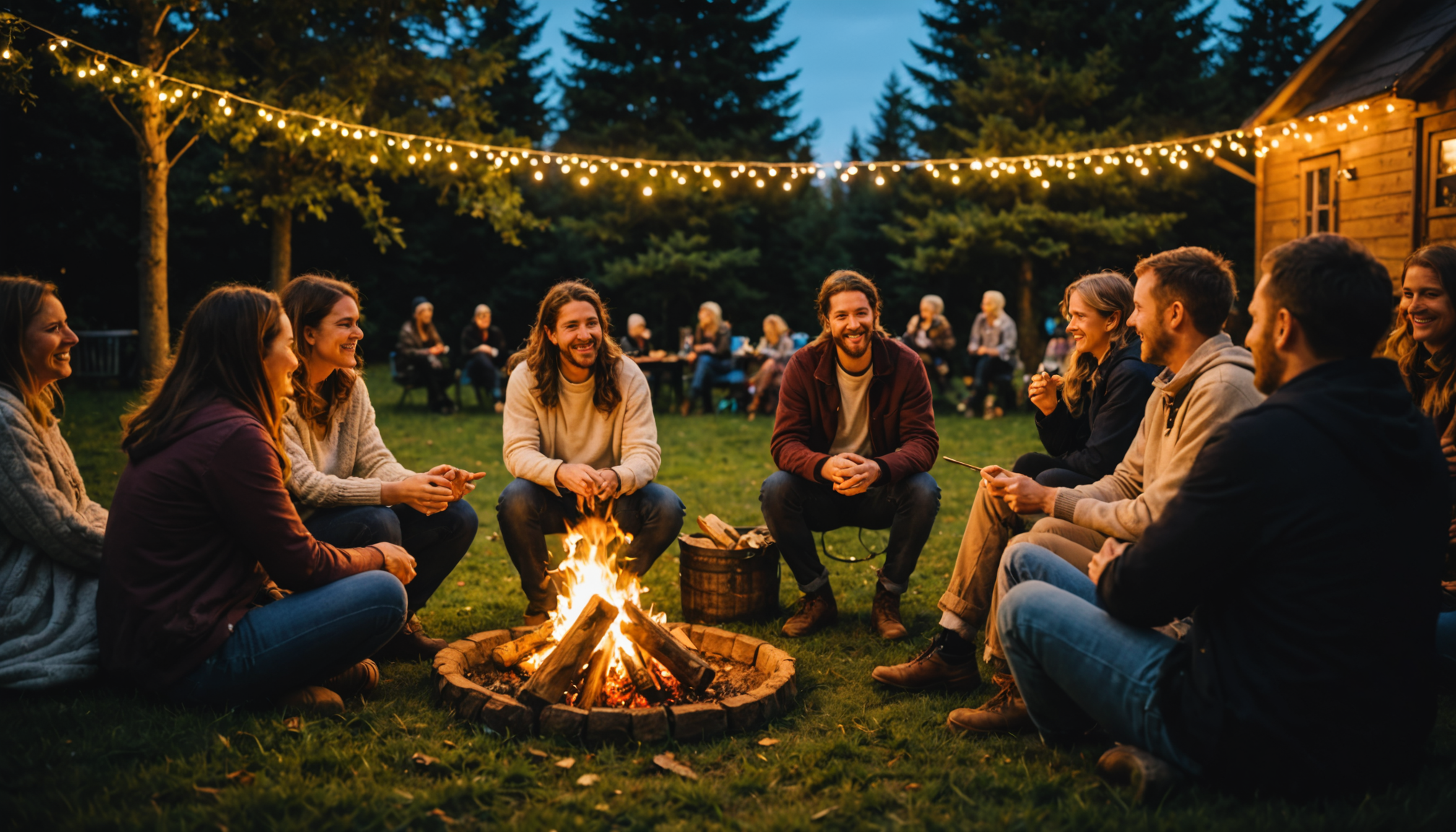
Maintaining community ties requires intentionality and a commitment to nurture relationships. As with any meaningful connection, the roots of community need to be watered regularly through interactions that foster understanding and empathy. Whether it’s through organized events, casual gatherings, or simply checking in on one another, the effort invested in these connections contributes significantly to our collective well-being. People who engage consistently with their communities report higher levels of happiness and fulfillment, exemplifying the adage that “it takes a village.”
One effective way to solidify community ties is through shared activities that promote mutual interests, such as volunteering, participating in group discussions, or celebrating local traditions. These events not only build stronger relationships but also create a sense of belonging and purpose. When individuals come together with a common goal, whether to improve their neighborhood or support a cause, they cultivate a shared identity that can deepen their commitment to one another. This interdependence reinforces the notion that our health and spiritual journeys are intertwined, as participating in community activities often unlocks deeper layers of personal meaning.
Furthermore, consistent communication is fundamental in preserving the bonds of community. Regular check-ins via phone calls, texts, or visits can demonstrate care and concern, making individuals feel valued and loved. These small gestures go a long way in showing that every member’s contribution is recognized and cherished. As relationships strengthen, trust grows, allowing individuals to more freely share their vulnerabilities and challenges within the supportive environment of their community.
In addition to nurturing relationships, it’s essential to embrace diversity within the community. Engaging with people who hold different viewpoints or backgrounds enhances personal growth and broadens perspectives. This interaction fosters a culture of acceptance and inclusivity, enriching the community’s collective experience. The beauty of diversity lies in its ability to bring forth new ideas and insights, leading us to reflect on our beliefs and values, thus promoting not just a sense of unity but also spiritual enrichment.
Finally, it’s important to recognize that maintaining community ties requires flexibility and patience. As life evolves, so do our circumstances and the structures of our relationships. Being open to change and willing to adapt to the needs of others can strengthen these connections further. Graciously extending forgiveness and understanding during conflicts and misunderstandings can transform challenges into opportunities for deeper closeness. Ultimately, the effort we invest in maintaining community ties reaps tremendous rewards in our spiritual and emotional health.
- What are the psychological benefits of belonging to a community?
- Belonging to a community can significantly reduce feelings of loneliness and anxiety. It provides individuals with a support network that can enhance emotional resilience and promote overall mental well-being.
- How can community involvement improve my spiritual health?
- Community involvement facilitates shared experiences and spiritual practices, which deepen connections to both others and one’s own beliefs. Engaging in collective rituals and discussions can provide new insights and enhance one’s spiritual journey.
- What types of activities foster community spirit?
- Activities like volunteering, organizing local events, and participating in group discussions can dramatically enhance community spirit. These interactions not only build relationships but also create a sense of shared purpose.
- Can online communities offer the same benefits as in-person connections?
- Yes, online communities can provide emotional support and shared experiences, although the depth of connection may vary. They can help individuals find like-minded people and foster a sense of belonging, especially for those unable to join in-person.
- How can I help someone who seems disconnected from their community?
- Reaching out with genuine care and inviting them to community activities can be encouraging. Actively listening to their feelings and helping them identify common interests can foster a sense of inclusion and belonging.
- What role does diversity play in community building?
- Diversity enriches community life by bringing different perspectives and experiences. This variety fosters creativity and inclusiveness, creating a more vibrant and resilient community.
- Is it necessary to participate actively in a community to reap its benefits?
- While active participation can heighten the sense of belonging and support, even passive involvement—such as being part of a group without daily engagement—can provide benefits. Feeling connected and having access to a support network is valuable in and of itself.
Ashland Ashland Sabbath Chapel
Beside our live streamed church services, all are welcome to attend our church in person each Saturday beginning 10:00 AM Central Time by going to 2425 Owens Rd., Ashland, AL 36251. There is no cost and any donations are strictly voluntary.
For questions, call +2563547124.