Come join Ashland Sabbath Chapel Ministries each Saturday for live streamed church services. Bible Study begins at 10:00 AM Central Time and Sermon at 11:00 AM. Visit Our YouTube channel and watch from home!
When you look around your home, your workplace, or even your church, you’re really looking at a sermon your surroundings are preaching to you all day long. Those walls and shelves and screens are not silent; they are always calling you either to health or to indulgence, either to order or to confusion. If we would have a sound body and a clear mind, we must shape our environments so they give quiet, steady support to the better choice every single time. The heart is often weak when temptation is near, so wisdom bids us move the temptation farther away and bring the helpful thing within arm’s reach.
Think first of what you see. The eye leads the hand, and the hand leads the life. A bowl of fresh fruit on the table will be eaten far more quickly than fruit hidden in the back of the refrigerator. If the first thing you see upon entering the kitchen is a plate of pastries, it is a small wonder that the waistline grows. Place wholesome foods where they meet the eye and the appetite first: washed apples, carrots in a clear container, nuts in a jar on the counter, water close at hand instead of sugary drinks. Researchers have found that simply making healthful items more visible and convenient increases how often they are chosen over less healthful ones [1]. This is not mere theory; it is common sense baptized with experience.
The same principle applies to what you do with your body. If your walking shoes are buried in a closet, you will walk less. If they wait by the door, you will walk more. Arrange your living space so that movement is the easy choice. Keep a simple exercise mat where you can see it, not rolled and forgotten under the bed. Make a clear space in the living room where you can stretch while listening to Scripture or wholesome reading. Place your work desk, if possible, near a window where the light of heaven and the sight of creation can cheer your spirits. Studies have shown that access to natural light and pleasant views can improve mood and even increase physical activity during the day [2]. God never meant us to be shut up in dim rooms, breathing stale air and staring only at glowing screens.
Sound, too, shapes the soul and the habits. A house filled continually with the clamor of television, idle music, and news alerts will not readily become a house of prayer or quiet reflection. Create spots where silence is easy and spiritual reading is welcome. Keep devotional books, Bibles, or uplifting literature within easy reach of your favorite chair. Place your devices farther away, or in another room during certain hours, so that reading and reflection rise naturally as the better option. In this way you fashion an environment that whispers, rather than shouts, but its influence is deeper and more lasting.
Order in the home is another ally of health. Clutter calls to distraction and weariness, making every good habit feel harder than it ought to be. When tables and counters are covered, it takes more effort to prepare a simple, wholesome meal. When there is no clear space for exercise, the smallest inconvenience becomes an excuse. Establishing simple places for everything—cups near the water, cutting boards and knives placed together, grains and beans clearly labeled—removes friction from the path of duty. Organized pantries and tidy refrigerators are not matters of vanity; they are tools of fidelity. Observational work in public health has tied more orderly, well-equipped kitchens to more frequent home cooking and better dietary patterns [3]. The Lord is the author of order, not confusion, and even small acts of tidying can become acts of devotion when they clear the way for better living.
Think also about how far indulgence must travel to reach you. If you must walk down the street to buy a sweet, you will eat fewer sweets than if they sit on the counter in bright packages. In the same way, if the evening’s entertainment is as simple as pressing a button on the remote, you will watch more hours than you planned. Make the less wholesome choice the less convenient one. Do not keep large stores of highly processed snack foods in the home. If they must be purchased for a special occasion, put them where they are not often seen, and in small amounts. Evidence shows that reducing the immediate availability of high-calorie, low-nutrient foods can significantly reduce their consumption, especially in children [4]. The easiest path should be the path of temperance.
Our homes should breathe the fresh air of heaven. Whenever possible, open windows to let in light and air. Proper ventilation not only clears the lungs, but clears the mind and supports better sleep and stable mood. Careful studies have noted that better indoor air quality is associated with improved cognitive performance and overall health outcomes [5]. Place houseplants where they can lift the eye and remind you of the Creator’s love, but keep surfaces free enough that cleaning is simple. A clean, well-aired room does more for moral and physical energy than many realize. The Lord has surrounded us with healing agencies in nature; our task is to invite them indoors rather than shut them out.
Do not forget that you are rarely alone in these spaces. Family and friends move through them as well, and what is easier for you becomes easier for them. When you design a home or shared room that gently guides everyone toward wholesome eating, regular movement, and quiet spiritual habits, you are in truth preaching a daily sermon more powerful than many words. Children, especially, will grow into the shape of the habits their surroundings suggest. Keeping a family table free from screens, serving simple, plant-based meals often, and setting regular times for rest and worship all teach lessons that last a lifetime. Research on family routines consistently links shared meals and structured home environments with better diet quality and lower risk behaviors in youth [6]. This is a holy stewardship, entrusted to our hands day by day.
These principles extend beyond the threshold of your own dwelling. Look at your church, your school, your place of labor. Are healthy foods offered at gatherings, or are the tables loaded chiefly with sweets and rich dishes? Are there safe, inviting places for walking and simple recreation on the grounds, or only parking lots and hard benches? When you take part in planning events, you can gently encourage choices that make the better way more natural for the whole community. Provide water instead of sugary drinks, fruits and whole grains instead of heavy pastries, time for walking and fellowship instead of only sitting and listening. Studies of workplace and school environments have shown that when healthier foods and opportunities for physical activity are built into the setting, people are far more likely to embrace them [7]. To alter the environment is to lift many lives at once.
When you shape your surroundings with purpose, you do not rely upon willpower alone—weak and changeable as the morning mist—but upon wise arrangement and the constant, gentle pressure of a well-ordered life. The Lord calls us to cooperate with His laws by removing stumbling blocks from our path. Each basket of fruit placed within reach, each chair turned toward the window, each shelf cleared of needless clutter is a small, faithful act. Such acts, repeated and strengthened over time, become the rails on which a more healthful, temperate life can steadily run.
References
- [1] Wansink, B. (2010). “From mindless eating to mindlessly eating better.” Physiology & Behavior, 100(5), 454–463.
- [2] Boubekri, M. et al. (2014). “Impact of windows and daylight exposure on overall health and sleep quality of office workers.” Journal of Clinical Sleep Medicine, 10(6), 603–611.
- [3] Reicks, M. et al. (2014). “Impact of cooking and home food preparation interventions among adults: Outcomes and implications for future programs.” Journal of Nutrition Education and Behavior, 46(4), 259–276.
- [4] Hollands, G. J. et al. (2019). “Altering micro-environments to change population health behaviour: Towards an evidence base for choice architecture interventions.” BMC Public Health, 13, 1218.
- [5] Allen, J. G. et al. (2016). “Associations of cognitive function scores with carbon dioxide, ventilation, and volatile organic compound exposures in office workers.” Environmental Health Perspectives, 124(6), 805–812.
- [6] Fulkerson, J. A. et al. (2014). “Family meals: Perceptions of benefits and challenges among parents of 8- to 10-year-old children.” Journal of the Academy of Nutrition and Dietetics, 114(7), 1035–1043.
- [7] Story, M., Kaphingst, K. M., Robinson-O’Brien, R., & Glanz, K. (2008). “Creating healthy food and eating environments: Policy and environmental approaches.” Annual Review of Public Health, 29, 253–272.
Integrating healthy choices into daily routines

The surroundings you have shaped with such care will bear their full fruit only as they are woven into the common fabric of the day. A path, no matter how straight and pleasant, will grow over with weeds if no one walks upon it. So it is with healthy choices. They must cease to be rare efforts and become the quiet, expected rhythm of your life—almost as regular as the beating of your heart. The Lord has so ordered nature that the sun rises and sets, the tides move in and out, the seasons come and go. In the same way, healthful habits gain power when they are linked to steady times and repeated in steadfast order.
One of the surest ways to do this is to tie a new, better practice to something you already do daily. You wake every morning; let that waking be the bell that calls you to drink water, to stretch the limbs that have lain still through the night, and to lift the heart in prayer. You sit down to eat; let that sitting become the signal for a simple blessing over the food and a quiet resolve to choose more of what grows from the earth and less of what comes from the factory. By fastening a new habit to an old one, you make obedience easier and forgetfulness harder. The mind no longer debates every time; it simply follows the groove that has been worn by repetition.
Think of the morning hours, for they are like the seed-bed of the whole day. When the first thoughts are hurried and scattered, the day often follows in the same train. But when the morning is marked by order and temperance, there is a holy support for every right choice that follows. Try laying out your clothes and walking shoes the night before, placing your Bible or devotional book where your hand naturally reaches, and setting a glass or bottle of water by the sink. Then, when you rise, you are not tossed here and there by impulse. You are simply stepping into a path prepared in advance. A short walk in the cool of the morning air, even ten or fifteen minutes, can clear the mind, awaken the body, and strengthen the will for the duties of the day.
Meals, too, gain power when they keep time. Many sicknesses come not only from what is eaten, but from irregular eating—snatching food here and there, grazing throughout the day, never giving digestion its needed rest. Establish, as far as your circumstances allow, fixed hours for eating, and guard them as you would a meeting with a dear friend. Two or three simple meals, taken without snacking between, give the body time to work faithfully and then to rest. You will find, if you are patient and steadfast, that the appetite grows more moderate, the mind clearer, and the energy more even. Those who work in public health have long noted that regular patterns of eating are linked with healthier weight and better blood sugar control; but long before these findings, the Lord’s messengers urged us to “eat at regular periods” that the system may not be overtaxed.
You might say, “But my days are so changeable; how can I keep any routine at all?” Here you can take courage from the fact that even a few fixed anchors can steady a very busy life. Perhaps your work hours vary, or children’s needs shift from day to day. Choose two or three practices that you will keep in their appointed place as far as possible: morning devotion, a set time for the chief meal, a brief evening walk before the night’s rest. Even when many other things must move, hold these few points firm. They become like pillars that keep the whole house from swaying in the wind.
It is also helpful to think of your day in “circles” of care. The inner circle is what you must do for the soul: time with the Word, prayer, and quiet thought. The next is what you must do for the body: nourishing food, movement, pure water, fresh air, and proper rest. Outside these circles are the duties of work, family, and service. Many reverse the order, crowding the outer matters so full that the inner circles are left starving. But the Lord did not design us to burn our oil without refilling the lamp. When you give the early, quiet moments to God and to the simple needs of the body, you are not wasting time; you are investing it. The tasks of the day are more quickly and faithfully done by one whose strength has been renewed.
Let us speak plainly of movement, for in these times many sit far more than the body was made to endure. If your labor confines you to a chair, you will need to build motion into your routine as deliberately as you schedule a meeting. You can set regular moments, perhaps at the start of each hour, to rise, stretch, and walk a little, even if only across the room. Some find it helpful to link these short breaks with other acts of remembrance—praying briefly for a loved one, repeating a promise of Scripture, or simply thanking God for a specific mercy. In this way, movement becomes not only a guard for the circulation and the mind, but an altar where the soul is turned heavenward many times a day.
To integrate healthier eating into your daily life, begin not with sudden, grand vows, but with quiet, steady substitutions. Choose water in place of sugary drinks at one meal each day, then two, then all. Add one more serving of fruit or vegetables where once there was only bread and rich spreads. Decide that certain heavily processed foods will no longer be regular guests at your table, but rare visitors for occasions, if at all. When you shop, follow a simple rule: most of the basket should be filled with items that need no ingredient list—grains, beans, fruits, vegetables, nuts, and seeds. As these choices become common, the old cravings gradually loosen their hold.
There is great wisdom in preparing the way before temptation arrives. If you come home late and tired, with nothing wholesome ready, you will be sorely pressed to resist whatever is quickest and richest. But if you have set aside an hour, perhaps once or twice a week, to cook beans, chop vegetables, and bake wholesome bread or grains, then in the busy moment you need only assemble, warm, and serve. This is how daily routines shield you: they place good choices ahead in your path, so that you meet them when your strength is low. Many families find that keeping a pot of soup, a cooked grain, and washed produce on hand makes it almost as easy to serve a simple, nourishing meal as to open a box of processed fare.
Rest is another part of daily living that must be guarded as a sacred trust. In our haste we rob the very hours that heaven appointed for restoration. Plan your evenings so that screens are dimmed, heavy tasks laid aside, and the mind turned to quieter occupations some time before you retire. Choose a regular hour for sleep that allows you to rise in the morning refreshed, and keep to it as nearly as possible, even on days when others are at leisure. The body thrives on this constancy. Those who study sleep tell us that a consistent bedtime and waking hour strengthen our inner clocks, improve mood, and support better choices through the day. Long before such findings, the counsel was given to retire early and rise early, that we might meet the day with clear mind and steady nerve.
It may help you to think of your daily routine as a form of silent witness to those around you. Children especially read the “living book” of your schedule more closely than any page you place in their hands. When they see that meal times are regular, that simple foods are enjoyed with gratitude, that walks in the open air are part of ordinary life, that devices rest while the family prays or reads together, they learn, without many words, that health and holiness go hand in hand. You are not only gaining strength for yourself; you are training the next generation to regard the laws of life as precious and kind, not harsh and restrictive.
At times you may grow weary, thinking of all that needs to be changed. Do not despise the day of small beginnings. A single glass of water taken in the morning, a few minutes of stretching, a short evening walk, a simple breakfast in place of pastry—such steps may seem small, but they are not meaningless. When repeated, they carve channels through the day into which many other blessings can flow. The Lord does not ask you to leap at once into perfection, but to walk steadily in the light you have, adding, as you are able, more and more of what He has shown to be good.
If you should stumble—and you will at times—do not cast aside the whole pattern in discouragement. A late night does not require a week of neglect; an unwise meal does not demand that all the day be given over to indulgence. Return at once to the simple order you have chosen. The strength of a routine is not that it is never broken, but that it is easy to resume. Like a well-marked path through the forest, it remains there, waiting, even when your feet have strayed for a little while. You will find it again, and with each return, your affection for its peace and certainty will deepen.
As these personal practices take firmer root, you will find it more natural to look beyond your own household and see how daily routines in the broader community might also be gently altered for the better. The same principles that guide your home—regular times for wholesome food, opportunities for movement, hours protected for rest and worship—can be thoughtfully woven into workplaces, schools, and gatherings of believers. But before we speak of that wider field, it is in the daily round of your own life, hour by hour and choice by choice, that the foundations are laid for any influence you may have upon others.
Leveraging social support and community engagement
You and I both know this: it is far easier to walk in a right path when you are not walking alone. The human heart was never designed to carry the whole weight of reform by itself. When we try to change our eating, our movement, our rest, all in isolation, discouragement lies close at hand. But when we weave our efforts together with others—family, church, neighbors, coworkers—something remarkable happens. The very things that once felt like lonely sacrifices begin to feel like shared joys. The Lord often sends His support not only through quiet impressions on the heart, but through living, breathing people who walk beside us and call us upward when we would drift back.
Think first of those nearest you. If you are trying to eat more simply and healthfully, yet everyone else at home continues as before, the pull of the old table will be strong. But if even one other person joins you—a spouse, a child, a friend who often visits—the burden is halved. You can plan meals together, try new recipes, remind each other why you began. Instead of one lonely dish of vegetables in a sea of heavy food, the whole meal can gently shift toward more wholesome fare. Research on lifestyle change shows that when one member of a household adopts better habits, others often follow, and the changes are more likely to last when shared. Yet long before such studies, Scripture spoke of two walking together, of “iron sharpening iron,” of friends strengthening one another’s hands in God.
It may seem awkward at first to speak openly about your health goals with those around you. Many prefer to struggle in silence, fearing they will be judged if they stumble. But silence often breeds misunderstanding. When you kindly explain, “I am trying to guard my health so I may serve longer and more faithfully. I would be grateful if you could help me by having more simple foods when we eat together,” you are not boasting; you are inviting partnership. Some will shrug or jest, but you may be surprised how many have felt the same desires, only lacked the courage to begin. One honest confession of weakness and one sincere request for help can awaken a whole new spirit in the home.
Shared commitments can be very practical. You might agree with a friend that each of you will walk three evenings a week, meeting at the same hour. The knowledge that someone is waiting at the corner or in the church parking lot can pull you out of your chair when the body pleads for rest it does not truly need. Or you can plan one wholesome meal each week that you prepare and share together, taking turns at whose house you meet. This not only encourages better eating, but also lifts the loneliness that often leads to poor choices. People frequently overeat, or choose rich, instant foods, because they are eating alone and hurried. A simple table with company is a strong shield against such habits.
Let us look beyond the household for a moment to the wider circle of the church. Our congregations are not only places where souls are fed; they are places where bodies are either strengthened or burdened. What would it mean if every fellowship meal, every youth gathering, every church social were quietly shaped to incline people toward healthful living? Imagine a potluck where the longest table is filled with vibrant, plant-based dishes, fresh salads, whole grains, and pure water; where desserts are few and modest, and fruits shine in their natural sweetness. Such a spread preaches a sermon without a single word. Those who are uncertain or new to health reform are drawn in by what they see and taste, not scolded for what they do not yet understand.
Churches can also be centers for shared movement. Instead of limiting activities to sitting and listening, why not organize simple walking groups on Sabbath afternoons, or gentle exercise sessions on weekday evenings? These need not be grand or costly. A group could meet in the churchyard, in a nearby park, or simply walk the safe streets together, speaking of the Lord’s goodness and the lessons of nature. Younger ones often need little encouragement to run and climb; it is the older members who benefit from the quiet accountability of a scheduled walk. When the church calendar makes room for such things, it sends a message: caring for the body is part of honoring the Creator, not a private hobby tacked on the side.
Many congregations have found blessing in small health-focused study groups. These might meet once a week for a limited season—six or eight weeks—to study principles of diet, rest, and temperance in the light of Scripture and sound science, and then to share testimonies of progress and struggle. The power lies not in polished lectures, but in honest conversation. One may speak of victory over late-night snacking, another of learning to drink more water, another of finally taking a daily walk after years of delay. Such stories kindle hope. Those who teach best are often those who were once most bound, for they remember what it felt like to fail and try again.
The community beyond the church walls is also fertile ground for mutual encouragement. Your workplace, your neighborhood, your children’s school—each is a little world where the tone around health can be either careless or mindful. You may not be able to change everything, but small, steady influences add up. At work, you might propose that meetings be shorter and interspersed with brief standing or walking breaks, especially for long planning sessions. You can suggest that water, fruit, and nuts be offered in place of heavy pastries and sugary drinks at staff gatherings. When one or two people quietly volunteer to bring wholesome options, others frequently follow their lead.
Neighborhood connections can likewise be harnessed for better living. A few families on a street might agree to a weekly “walk and talk” evening instead of another night spent before screens. Parents can unite to advocate for safer sidewalks, improved lighting, and cleaner local parks, all of which make daily movement more inviting and secure. Some communities have found great blessing in shared gardens—small plots where neighbors work together to grow vegetables and herbs. Besides providing fresh food, such gardens weave hearts together, give wholesome outdoor exercise, and teach children where their food truly comes from. You do not need vast land; even container gardens on balconies or a church-owned patch of ground can become a school of temperance and cooperation.
There is also a place for more formal community health programs, if they are carried out in a spirit of humility and service. Cooking classes that demonstrate simple, affordable plant-based meals; seminars on sleep, stress, and exercise; health fairs that offer blood pressure checks and basic education—these can break down prejudice and open doors for deeper spiritual work. But they must never be used as a stage for pride or harsh rebuke. The aim is not to parade superior habits, but to offer practical help to those struggling under heavy burdens of disease and confusion. When people see that you truly care for their well-being—that you will sit with them, listen, and walk beside them in their efforts—they are far more likely to receive counsel about diet, drink, and daily living.
Social support does not mean social pressure that crushes the faint-hearted. We must be careful not to turn health principles into weapons. It is cruel to shame someone for what they eat at a shared table, or to speak lightly of the struggles of those who live with long-standing addictions or illnesses. True community bears one another’s burdens. If a brother or sister is not yet ready to abandon certain indulgences, do not single them out or make them feel unwelcome. Continue to provide better examples, continue to pray, continue to invite. Often the kindest influence is the most patient. The Spirit of God works gently yet persistently; our task is to match that spirit as nearly as we can.
You might wonder how to begin if you yourself feel weak in this area. The thought of inviting others along when you are still stumbling may fill you with embarrassment. But sometimes the most powerful invitation is not, “Follow me, for I have arrived,” but rather, “Come, let us go up together; I am learning too.” You can say to a friend, “I want to improve my health; will you walk with me three nights a week?” or “I am trying to cook more simply; would you like to trade recipes and encourage each other?” This kind of humility disarms pride and draws hearts together. People are weary of distant experts who seem untouched by struggle; they are moved by companions who labor, slip, rise, and keep going.
It can also be helpful to set shared goals that are clear and time-bound. For example, a small group might agree that for one month, all will drink only water or unsweetened herbal teas instead of sugary beverages, checking in with one another weekly. Or families in a church could decide that for six weeks, they will eat at least one entirely plant-based meal each day, sharing their favorite dishes at a special fellowship meal at the end. These short seasons of focused effort give people a sense of progress and prevent fatigue. Often, habits formed in such periods continue long afterward without much effort, especially when they have been associated with joyful fellowship rather than grim duty.
Do not overlook those who are often left out of such endeavors—the elderly, the sick, the very poor. It is easy to build health programs for the strong and mobile, while those most in need remain in their homes, unseen. Consider how your church or neighborhood can bring support to them specifically. Could a team of volunteers take simple, nourishing meals to shut-ins once a week? Could someone offer to walk slowly with an older neighbor, or to accompany them to a nearby park so they can enjoy fresh air? Could a deacon or health ministry leader help a family on a tight budget learn to cook beans, grains, and vegetables in inexpensive ways? When we remember “the least of these,” our health work comes nearest to the spirit of Christ.
Technology, though often misused, can lend quiet strength to these efforts when guided wisely. Simple group messages or small online circles can provide daily encouragement: a shared verse, a reminder to drink water, a photo of a wholesome meal, a report of a walk taken or a temptation overcome. These “little touches” through the day can keep minds turned toward better choices. But guard that technology does not swallow the very time and energy you hoped to free. Let it be a servant, not a master: a slender cord that connects hearts, not a chain that binds them to glowing screens.
As you look at all these possibilities—family cooperation, church initiatives, neighborhood efforts, community programs—you may feel both inspired and overwhelmed. Remember that no one is called to do everything at once. Ask the Lord plainly, “Where would You have me begin?” Perhaps your part is small and hidden: inviting one friend to walk, quietly improving the food you bring to gatherings, listening kindly to someone who is discouraged by illness. Or perhaps you are placed where you can help organize larger efforts. Whatever your station, each act that draws people together on the side of temperance and purity strengthens the larger fabric of support in which many lives are held.
When health reform is lived out in loving company, it loses the harsh edge that frightens some away. It becomes less about lists of forbidden items and more about a shared search for what most honors the Creator’s design. A family that chooses to spend Sabbath afternoons walking together instead of sitting before screens; a church that fills its tables with living food from the garden; a workplace that pauses for fresh air and water; a neighborhood that turns an empty lot into a small garden—these are not grand banners, but quiet flags planted in the soil of daily life. Under such banners, weary hearts find rest, faltering wills find courage, and the better way that once seemed narrow and steep begins to look like a well-trodden path, bright with the light of friendly faces and the presence of God.
Reducing barriers and increasing access to healthy options
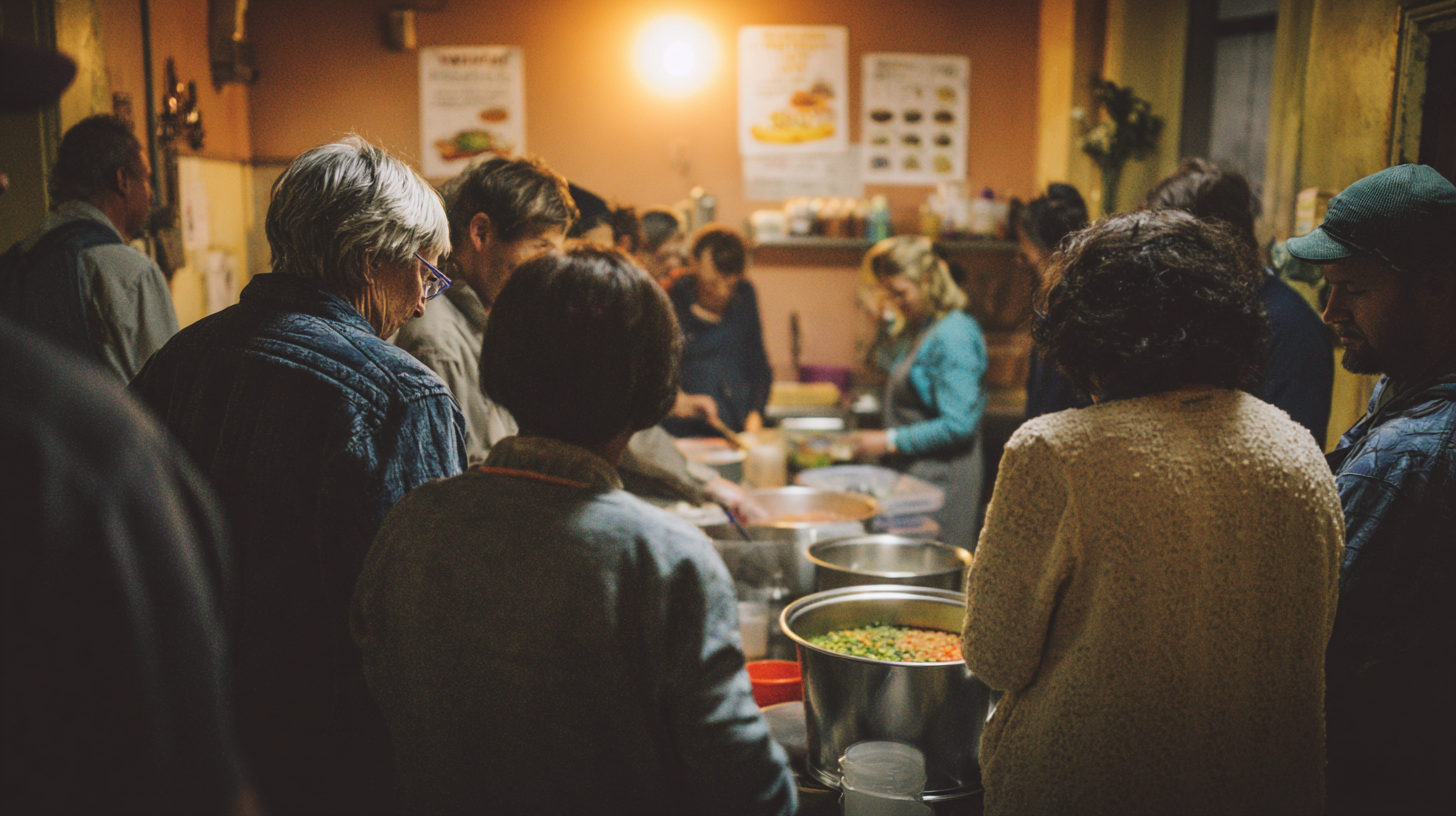
Even with good surroundings and strong companions, you and I know there are days when the better path feels too far away. Often the trouble is not lack of desire, but plain obstacles: food that costs too much, streets that feel unsafe, workplaces that leave no room for rest or movement, clinics out of reach, information tangled in hard words. If we want people to walk in the way of health, we must not only point to the path; we must clear the stones, fill the potholes, and bring the first mile closer to their door. This work of removing barriers is as holy as preaching, for it brings mercy down to where the weary actually live.
Money is one of the first stumbling blocks. Many say, “I would eat better, but wholesome food is too costly.” If by “better” they mean rare fruits flown from far lands and packaged health fads, they are right. But the foundation of a simple, life-giving diet—grains, beans, seasonal vegetables and fruits, water—is often the cheapest way to sustain a family when bought wisely. Still, even these can be heavy for those on tight wages or no wages at all. This is where families, churches, and the wider community can step in, not with scolding, but with practical support. Shared bulk purchases, where several households buy grains, beans, and oats together, can cut costs sharply. Cooking classes that show how to turn humble, inexpensive staples into satisfying meals give courage to try. Public health research has found that when people are taught to prepare low-cost, plant-based foods, they often improve diet quality without raising their grocery bills [1]. Yet such teaching rarely reaches the poor unless someone carries it to them on purpose.
Access is not only about price, but about distance and supply. In many towns there are neighborhoods where the nearest store sells mostly soda, chips, and packaged sweets, while fresh produce is scarce or wilted. These so-called “food deserts” and “food swamps” breed disease over time. Here again, faithful hearts can help. Churches or community centers can host weekly produce stands, partnering with local farmers or mobile markets to bring fresh goods into these streets. Some cities have backed such efforts with vouchers for low-income families, redeemable only for fruits and vegetables. Studies from several regions show that when fresh produce is made physically close and financially reachable, people do, in fact, buy and eat more of it [2]. The appetite for better things often lies ready; it is the gate that is locked.
Transportation is another gate. You may know someone who longs to attend a health program, see a physician, or shop at the nearest market with wholesome options, but has no car, no bus route, or no strength to walk the distance. For those of us who move freely, this barrier is easy to miss. Yet it can be the one wall that keeps an older sister from getting blood pressure medicine, or a young mother from learning to cook simple plant-based meals. A small ride ministry, where a few volunteers offer scheduled trips to clinics, grocery stores, and church health events, can change many lives at little cost. Even pairing neighbors—one with a car, one without—for regular shopping days lifts a heavy load. When the Lord bids us “go about doing good,” sometimes He means no more than turning the car key for someone who cannot.
The built world itself can either invite or forbid better habits. Sidewalks cracked or missing, streets choked with speeding cars, parks littered and dark—these do not call anyone out for a refreshing walk. Research has tied safe, well-lit sidewalks, traffic calming, and nearby green spaces to higher levels of daily physical activity and lower risk of chronic disease [3]. You may not be a city planner, but you are still a citizen. Joining with others to ask for safer crossings near schools, lighting along common walking routes, and the cleaning or creation of small neighborhood parks is not meddling; it is health work. When a town sets aside space for paths, trees, and benches, it preaches a quiet sermon that bodies and souls matter.
Workplaces can be just as hostile to health as neglectful streets. Long hours of sitting, few breaks, vending machines full of sugar and grease, night shifts with no real rest—these grind down even strong workers. Often, employers do not set out to harm anyone; they simply follow old patterns. Yet studies show that modest workplace changes—flexible short breaks to stand and stretch, stairways kept clean and inviting, healthier options in cafeterias and machines, support for walking meetings—can improve workers’ health and even their performance [4]. If you work in such a place, you may not have authority to change everything, but you can begin by asking small, reasonable things: a five-minute stretch break at the top of each hour in long meetings; a trial of fruit and nuts in the break room; a quiet room where workers can rest a few moments away from noise. One or two kind managers, once they see the benefit, often carry such ideas farther than you ever could alone.
There is also the barrier of knowledge—or rather, of tangled and conflicting messages. People hear one day that eggs are good, the next that they are poison; one year that fat is the villain, the next that sugar is worse; one article praises a meat-heavy diet, another warns against it. Much of this noise comes from industries that profit when the truth is muddled. Ordinary souls throw up their hands and say, “Everything causes disease; I may as well eat what I like.” Here it helps to bring the message back to simple, steady ground—what the best evidence has affirmed again and again. Diets built chiefly on whole plant foods—fruits, vegetables, legumes, whole grains, nuts, and seeds—are consistently linked with lower risk of heart disease, diabetes, certain cancers, and early death [5]. Regular movement in the fresh air, clean water, adequate sleep, restraint from tobacco and alcohol—these pillars do not change with the passing of fads. When we teach, we should stay close to these solid stones and avoid chasing every new claim that blows across the news.
Yet even clear truth can become a barrier if it is wrapped in hard language. Health messages printed in tiny letters, crowded with long terms, may satisfy scholars but starve the poor in understanding. Many adults read at a level far below what pamphlets and websites assume, and some speak little of the dominant tongue. If we truly want people to change, we must speak where they stand. Simple words, short sentences, pictures that show rather than merely tell—these open doors. Translating key materials into the languages of those we serve is not a luxury; it is basic respect. One review of health education efforts found that materials written in plain language were more likely to be read and used, especially among those with limited literacy [6]. Christ spoke of seeds, lamps, nets, and bread, not of abstractions. We can do likewise.
Time itself becomes a wall for many. A single parent working two jobs may say, “I do not have an hour to cook beans or to walk in the park.” We must believe them. Preaching long routines to those who barely sleep is cruelty. For such lives, we look for the smallest changes with the greatest return: canned or frozen vegetables without added salt or sugar that can be heated quickly; precooked whole grains kept in the refrigerator; walking while children play at a nearby playground; stretching for a few minutes before bed. Churches or community groups can offer help by organizing meal trains, sharing child care for an hour while parents attend a health class or simply rest, or hosting evening cooking demonstrations that end with prepared food people can take home for the next day. When we lend our time to others, we buy them a little space to care for their own bodies and souls.
For many, the harshest barriers lie in the mind and heart—shame, fear, memories of failure. A man who has tried a dozen diets and fallen from each may cringe at the thought of beginning again. A woman whose body bears the marks of sickness or past neglect may feel unworthy of health itself. These wounds are not cured by charts and menus. They need gentle, steady kindness. When someone says, “I have no self-control,” it is better to answer, “You have more than you think; you are here, you are trying,” than to throw more commands upon them. Group programs that build in encouragement, celebrate small steps, and allow honest talk about setbacks have been shown to hold people better than harsh, rule-heavy ones [7]. If we want barriers to fall, we must stop using guilt as a hammer.
Some obstacles are built into the very systems that govern food and health. In many lands, the cheapest calories are those most harmful over time, because subsidies and marketing favor refined grains, sugar, and animal products over fruits, vegetables, and legumes. Fast-food shops sprout in poor districts while few clinics are planted there. These are not accidents; they are the fruit of long policies. You and I cannot change such structures in a day, but we are not powerless. We can lend our voice to efforts that seek fairer pricing for healthy foods, limits on the advertising of junk foods to children, and stronger protections for workers’ rest and safety. Public health scholars have shown that taxes on sugary drinks, restrictions on trans fats, and improved school meal standards can shift whole populations’ diets for the better [8]. When we vote, write, or speak for such measures, we are pressing on the great levers that shape the everyday choices of millions.
At the same time, we must beware of waiting for governments to do all. While larger changes are pursued, small local systems can rise. Food pantries that offer not only boxes of canned goods, but fresh produce and whole grains; free or low-cost clinics hosted in church halls a few times a year; loan closets with basic exercise equipment—mats, resistance bands, simple weights—for those who cannot afford them; these are ways of weaving nets beneath those who would otherwise fall. Some congregations have begun “health lending libraries,” not of books only, but of tools: blood pressure cuffs, cookbooks, blenders for making wholesome soups and spreads. Borrowing becomes a bridge to a new habit without heavy cost.
There is also the quiet barrier of culture—what families have always eaten, how they celebrate, what they serve to show love. If you tell a grandmother that the dish she has cooked for fifty years is harmful, she may hear not concern, but insult. We do better to start from what is already good and build gently. Many traditional cuisines, especially among poorer peoples, are rich in beans, grains, greens, and simple seasonings. These can be honored and lifted up, while the richest, most harmful additions—heavy meats, deep-fried sweets, sugary drinks—are slowly reduced. Inviting people to share healthier versions of their own familiar dishes at church meals gives them dignity and a sense of ownership. Health becomes not a foreign garment forced upon them, but a familiar robe mended and cleaned.
Language about weight can itself become a cruel obstacle. Constant talk of pounds and appearance drives some to despair and keeps others from seeking help, afraid they will be shamed. It is wiser to speak of strength, energy, sleep, blood pressure, blood sugar—things that reflect the deeper state of the body. A person may not drop many pounds, yet their risk of heart attack can fall sharply if they move more, eat more plants and fewer refined foods, sleep well, and leave off tobacco. When we center our language on these measures of real health, we open doors for those who have grown bitter under the world’s worship of slimness.
Breaking barriers also means honoring those whose bodies are limited by disability or chronic illness. It is easy to design programs for the strong and forget the rest. But a man in a wheelchair can often do strength exercises with his arms; a woman with painful joints may still benefit from gentle stretches in warm water or from chair-based movements. Health ministries that consult with such individuals—asking, “What can you do comfortably? What would help you most?”—are far more likely to welcome them. Offering alternative activities, transportation, seating, and materials in large print says to them, “You are part of this work; you are not left outside the gate.” The Savior sought first those whom others passed by; if our health work does not do the same, it has wandered from His steps.
As these barriers fall one by one—cost, distance, unsafe streets, confusing messages, time hunger, shame, unkind systems—the path to better living grows clearer underfoot. People who once felt that health was a far country begin to see it as something that might, with God’s help and the steady care of others, be within reach. And when the path is closer and smoother, the next labor is to keep feet on it not only for a season, but through the changing years, so that today’s progress does not become tomorrow’s forgotten dream. In that work of building lasting, steady support, the very systems around us must be shaped to carry, not crush, the fragile new habits that have begun to grow.
References
- [1] Darmon, N., & Drewnowski, A. (2015). “Contribution of food prices and diet cost to socioeconomic disparities in diet quality and health: A systematic review.” Nutrition Reviews, 73(10), 643–660.
- [2] An, R. (2013). “Effectiveness of subsidies in promoting healthy food purchases and consumption: A review of field experiments.” Public Health Nutrition, 16(7), 1215–1228.
- [3] Sallis, J. F., Cerin, E., Conway, T. L., et al. (2016). “Physical activity in relation to urban environments in 14 cities worldwide: A cross-sectional study.” The Lancet, 387(10034), 2207–2217.
- [4] Schröer, S., Haupt, J., & Pieper, C. (2014). “Evidence-based lifestyle interventions in the workplace—An overview.” Occupational Medicine, 64(1), 8–12.
- [5] Satija, A., & Hu, F. B. (2018). “Plant-based diets and cardiovascular health.” Trends in Cardiovascular Medicine, 28(7), 437–441.
- [6] Stableford, S., & Mettger, W. (2007). “Plain language: A strategic response to the health literacy challenge.” Journal of Public Health Policy, 28(1), 71–93.
- [7] Wing, R. R., & Phelan, S. (2005). “Long-term weight loss maintenance.” American Journal of Clinical Nutrition, 82(1 Suppl), 222S–225S.
- [8] Afshin, A., Penalvo, J. L., Del Gobbo, L., et al. (2017). “The prospective impact of food pricing on improving dietary consumption: A systematic review and meta-analysis.” PLOS ONE, 12(3), e0172277.
Sustaining long-term behavior change through supportive systems
New choices are like tender plants; they need more than a single rainstorm of enthusiasm. They require steady sunshine, regular watering, and a fence to keep out the trampling feet of old habits. In the same way, maintaining healthier ways of eating, moving, resting, and thinking calls for systems that provide quiet, ongoing support. Feelings rise and fall, but when your life and your community are arranged so that the easier way is usually the better way, even an ordinary day becomes an ally to your long-term health.
One way to think about this is to distinguish between “events” and “systems.” An event is a health seminar, a 30‑day challenge, a burst of determination on January 1. These have value, but by themselves they are like a single strong wind: they may move you forward briefly, then die down. A system is the set of routines, policies, expectations, and supports that continue when your mood is flat and no one is watching. Systems include how your pantry is stocked each week, what your church usually serves at potlucks, how your workplace handles breaks and schedules, and what your family expects at bedtime. Ask yourself: Are the systems around me quietly pushing me toward health, or slowly pulling me back into old patterns?
Consider how your home can become a “maintenance system” for the habits you have begun. Instead of relying on memory to buy wholesome foods, you can develop a standard shopping list that you use almost every week, adjusting only for season and price. Instead of deciding afresh each evening whether you will walk, you can set certain days and times when the household knows, “This is our walking hour,” much like a regular worship time. You might create simple rules that govern the default: water with meals unless there is a special reason otherwise; no screens at the table; lights dimmed and loud devices off at a set hour each night. These rules are not chains; they are rails, keeping your new habits from slipping off track when you are tired or distracted.
Shared agreements magnify this power. If a family agrees together that the home will be largely free of sugary drinks, or that Sabbath afternoons will be spent in nature rather than in front of screens, the burden of choice is no longer on one person’s weary will. The “house rule” becomes a gentle structure that everyone expects and can even defend. In the same way, a church board may vote that fellowship meals will emphasize whole, plant-based dishes, with a simple, modest dessert section, and that pure water and unsweetened beverages will be the standard drink. Over time, these decisions shape taste, expectation, and conversation without the need for constant debate. You might pause to ask: What quiet rules already govern my home and church? Do they strengthen or weaken long-term health?
Monitoring and feedback are another part of a supportive system. You cannot wisely guide what you never measure. This does not mean obsessing over every calorie or step, but it may mean keeping a simple log of your walks, your sleep hours, or your daily water intake for a season, then reviewing it once a week. Families can set aside a brief time—perhaps on Sunday evening—to reflect together: “How did we do this week with our meals, our sleep, our time outdoors, our devotional life?” Churches can do something similar, looking at how often health topics are included in sermons, classes, or newsletters, and how often their events actually reflect the principles they teach. Honest, gentle review can stir the mind to ask, “Is our system doing what we intended, or do we need to adjust?”
Long-term change is also nourished by rhythms that rise above daily busyness. Weekly patterns, in particular, are powerful. The Sabbath itself, rightly kept, is a divinely appointed system for rest, reflection, and reorientation. If you choose to treat that day as a time when work, buying and selling, and worldly entertainment are laid aside, you make room for worship, nature, fellowship, and simple, wholesome meals. This weekly “reset” reminds the body what true rest feels like and gently calls you back when the other six days drift into imbalance. You can strengthen this pattern by planning ahead: preparing simple foods before the Sabbath, setting out walking clothes, choosing Scripture readings that speak of God’s care of body as well as soul. Week by week, this rhythm becomes a deep current carrying your life in a healthier direction.
Seasons of focused renewal can also be woven into the year. Just as gardeners prune and weed at certain times, you can schedule periods when you examine your habits more carefully: perhaps a month each spring when you and others in your church emphasize simple, plant-based eating; a week in autumn dedicated to improving sleep; a season of daily walks tied to a devotional reading plan. These are not meant as temporary extremes followed by collapse, but as opportunities to refresh your systems, notice where drift has occurred, and recommit to the basics. Imagine what it would do for your community if, year after year, these seasons were expected, prepared for, and lovingly carried out—what questions would children begin to ask, what hopes might awaken in those who have long struggled?
To sustain change over years, people need not only structures but meaning. Why suffer the small discomforts of temperance if the purpose is hazy? A system that only demands but never explains will crumble. Make it a habit to connect your choices to their deeper reasons: honoring God’s workmanship in your body, preserving strength for service, clearing the mind to understand His Word, reducing the burden of disease on your family and church. Talk about these motives openly in the home, in youth classes, in health talks. When a child asks, “Why do we drink water instead of soda?” or “Why does our church walk in the afternoon instead of sitting to watch a show?” answer in a way that lifts their thoughts above rules to principles. This invites them to join you as thinkers and partners, not mere followers.
Because no one’s path is straight, sustainable systems must also include ways to respond to setbacks. Rather than pretending that no one will ever overeat at a holiday meal, skip walks in a busy week, or slide back into late nights, you can plan in advance how you will recover. Perhaps you decide that after any “off” day, you will not scold yourself, but you will quietly return to your standard breakfast the next morning, take at least a short walk, and drink extra water. Churches can do something similar: if a fellowship meal strays into heavy, rich fare, leaders can meet afterward to ask calmly, “What happened? What can we do differently next time?” Instead of letting discouragement harden into surrender, the system itself includes repentance and repair.
Another powerful support for long-term change is mentorship. People rarely maintain new ways of living on information alone; they need living examples. You may know an older member of your church who has walked daily for decades, or a neighbor who reversed illness through steady changes in diet and rest. Inviting such individuals to share their stories—not as heroes, but as witnesses who faced real obstacles—can plant deep seeds of hope. Better still, pairing those who are beginning with those who are farther along creates a living system of guidance: walking partners, cooking companions, prayer partners focused on health struggles. Ask yourself: Whose example steadies me? And whose journey might I, in turn, help steady?
Institutions, too, can become guardians of healthy habits. Schools that build daily physical activity into their schedule, serve simple, nourishing meals, and limit access to sugary snacks teach children that health is normal, not odd. Workplaces that protect regular break times, discourage constant overtime, and structure shifts to allow adequate sleep send a clear message that employees are human beings, not machines. Churches that organize their calendars so that members are not constantly rushing from one event to another, that value rest and family time, will find their community better able to live out both spiritual and physical reform. If you have any influence in such institutions, even small—on a committee, in a classroom, on a schedule—consider how you might plant quietly enduring practices that will bless many who never hear your name.
Technology can either erode these systems or strengthen them. Used carelessly, it steals sleep, scatters attention, and floods the mind with messages that glorify indulgence. Used wisely, it can remind you of the very patterns you have chosen: alarms to prompt standing and stretching, shared online calendars for family walks or church health events, group messages where members briefly report a daily walk taken or a wholesome meal prepared. The key is to let digital tools serve analog wisdom, not the other way around. Now and then, you may need to ask: Are my devices reinforcing my systems of health, or quietly undermining them?
As years pass, bodies age, circumstances change, and what once was easy may grow difficult. A walking route that suited your joints at forty may be too harsh at seventy. A cooking routine that fit a household of five may overburden a widow living alone. Sustainable systems flex with these changes. This means revisiting your patterns at each new life stage: adjusting meal sizes and types, modifying exercise to be gentler but still regular, rethinking church programs so that the elderly and those with disabilities can participate fully. You honor God not by clinging stubbornly to a method that no longer fits, but by preserving the underlying principles—movement, simplicity, rest, temperance—in forms your present strength can bear.
Long-term change also thrives in cultures of inquiry, where questions are welcomed rather than stifled. When children, new believers, or visitors ask, “Why do you eat this way?” or “Isn’t this too strict?” you stand at a crossroads. You can answer in a way that shuts down curiosity, or you can receive the question as a gift—a chance to think more deeply yourself and to invite the other person into that thinking. Encourage your family and your church to test health practices against both Scripture and the best evidence, to read, to ask, to compare, to pray. Systems that punish questions soon harden into lifeless form; systems that welcome honest seeking stay alive and can correct their own blind spots over time.
Imagine, for a moment, what it could look like if your local world—home, church, workplace, neighborhood—were slowly reshaped into a web of such supportive systems. Picture children who grow up taking daily walks, abundant vegetables, and early bedtimes for granted. Picture young adults whose social gatherings are as likely to include cooking simple meals together or hiking as they are to involve screens and heavy food. Picture older members whose lived experience of decades of temperance becomes the quiet backbone of church life. How differently would people think about “willpower” if the very air they breathed, the streets they walked, the schedules they kept, all tended to make the wise choice the natural one?
This vision is not beyond reach; it begins with many small, persistent acts. Rearranging a pantry, proposing a new norm for a fellowship meal, suggesting a brief walking break in a long meeting, starting a modest walking group, revising a household budget to prioritize simple staples, adjusting a church calendar to avoid chronic over-scheduling—each step adds another thread to the fabric that holds new habits in place. As you consider your own life and the circles you touch, let your mind play with possibilities. Where could a small shift in routine, policy, or shared expectation make it more likely that healthy choices will endure not just for weeks, but for years? And what might change—in minds, in bodies, in spiritual clarity—if generation after generation grew up inside such a carefully tended garden of daily life?
- How can I stay motivated to make healthy choices when my enthusiasm fades?
- Motivation naturally rises and falls, so it is wise to lean on routines and environments rather than feelings alone. Build simple systems—regular shopping lists, set meal times, scheduled walks, supportive friends—that keep you moving forward even on low‑motivation days. Over time, the habits themselves begin to carry you.
- What role does my church or faith community play in supporting long-term health?
- Your church can shape expectations around food, rest, and activity by how it plans meals, schedules events, and uses Sabbath time. When spiritual gatherings consistently model simple eating, time in nature, and balanced rest, they quietly teach that caring for the body is part of honoring the Creator. You can help by serving on committees or volunteering to bring healthier options.
- Is it possible to maintain healthy habits if my family or coworkers are not interested?
- It is harder, but still possible, especially if you focus on what you can control—your personal routines, what you keep in your own space, and how you use your free time. Start with small, visible changes and invite others gently rather than pressuring them. Sometimes quiet consistency awakens curiosity, and one other person’s interest can begin to shift the group.
- How do I rebuild healthy routines after a setback or period of neglect?
- Instead of trying to fix everything at once, choose one or two cornerstone habits—such as a regular bedtime and a simple, wholesome breakfast—and restore those first. Treat the setback as information, not as a verdict, and ask what in your systems failed you (stress, schedule, environment) so you can adjust them. Returning quickly to a few key practices helps prevent temporary slips from becoming permanent reversals.
- What if I cannot afford expensive health foods or gym memberships?
- Long-term health is built more on simple, consistent choices than on costly products. Inexpensive staples like beans, lentils, oats, brown rice, seasonal vegetables, and tap water form a strong foundation, and walking, stretching, and body‑weight exercises require no equipment. Look for community resources—parks, church programs, shared gardens—that offer support at little or no cost.
- How can I involve my children in creating and sustaining healthy habits?
- Invite children to help choose and prepare simple meals, plan family walks, and set household “health rules” like screen‑free mealtimes or early lights‑out. Explain the reasons in language they understand, and let them see you living the same principles. When children feel ownership and see consistency, they are more likely to carry these habits into adulthood.
- Why do community-wide policies and environments matter for my personal health?
- Even your most private choices are influenced by what food is sold nearby, how safe it is to walk, how your workplace treats rest, and what your social circles consider “normal.” When communities improve parks, school meals, work schedules, and food availability, they make it easier for everyone to choose well, not just the highly motivated. Adding your voice to such efforts strengthens both your own habits and those of your neighbors.
Ashland Ashland Sabbath Chapel
Beside our live streamed church services, all are welcome to attend our church in person each Saturday beginning 10:00 AM Central Time by going to 2425 Owens Rd., Ashland, AL 36251. There is no cost and any donations are strictly voluntary.
For questions, call +2563547124.