Come join Ashland Sabbath Chapel Ministries each Saturday for live streamed church services. Bible Study begins at 10:00 AM Central Time and Sermon at 11:00 AM. Visit Our YouTube channel and watch from home!
Creating sacred spaces for health and healing is about more than just a physical location. It’s a commitment to crafting an environment that nurtures the spirit and promotes well-being. Imagine a corner of your home or a quiet area in a garden, where the air feels different, infused with a sense of stillness and potential. Here, in this sanctuary, you can reconnect with yourself and experience the profound impact of your surroundings on your *health*.
These spaces often utilize natural elements, colors, and textures that resonate deeply. You might use soft earth tones, muted blues, or greens, which evoke a sense of calm and balance. A sacred space invites tranquility—a simple pillow to sit on, a small altar with objects that hold *spiritual* significance, or a few plants that breathe life into the environment. Each piece is chosen not merely for decoration but for its ability to stimulate the senses and foster healing.
Lighting plays a crucial role too. Natural light is a healer; it can elevate mood and promote clarity. Consider curtains that allow soft, diffused light to fill the room, or the warm glow of candles in the evening that creates a cozy, safe haven. As you step into this space, let the ambiance envelop you, pulling you away from the chaos of daily life.
Sound is another element to consider. Perhaps you’ll include gentle music, the sound of a water fountain, or the distant rustle of leaves. The right sounds can create a backdrop for meditation, deep breathing exercises, or quiet reflection, allowing for emotional release and rejuvenation.
Ultimately, creating a sacred space is a personal journey. It’s about identifying what elements resonate with you and how they enhance your healing practice. Whether it’s through the art of meditation, the presence of nature, or the mere act of pausing in thought, these spaces can become powerful vessels for transformation.
Understanding the Concept of Sacred Spaces
To truly grasp the essence of sacred spaces, we must delve into the layers of meaning they hold. Sacred spaces are not merely physical areas; they embody a philosophy that intertwines *spirituality* with our everyday lives. They serve as reminders that the environment we inhabit can influence our mental, emotional, and physical states. When we create such spaces, we’re not just carving out a corner in our homes; we are inviting a deeper connection to ourselves and the world around us.
Think of the significance people across cultures place on such areas. From ancient temples to modern wellness studios, sacred spaces have always aimed to evoke serenity and reflection. Many traditions recognize the importance of infusing spaces with intention. For instance, in Buddhism, a *meditation* room is meticulously arranged to foster a sense of calm and purpose, with each element carefully chosen to aid in deepening one’s practice. This illustrates how the environment can support our health by encouraging mindfulness and presence.
Moreover, sacred spaces can remind us of our values and beliefs, aligning our surroundings with our inner truths. When we surround ourselves with objects that hold special meaning—be it photographs of loved ones, crystals that resonate with our energies, or art that inspires us—we cultivate an atmosphere that speaks to our hearts. This connection fosters a sense of belonging, which is crucial for overall wellness. Studies have shown that feeling grounded in one’s environment can enhance emotional resilience and promote better health outcomes (Kaplan & Kaplan, 1989).
As we explore the dimensions of sacred spaces, we observe that they serve as a backdrop for various healing practices. Whether through *meditation*, prayer, or quiet contemplation, these areas become sanctuaries where we can engage with our thoughts and feelings authentically. They encourage a pause from the frenetic pace of life, allowing us to turn inward and reconnect with what truly matters.
Create your sacred space by considering how your environment can reflect what you value most. What colors inspire you? What sounds bring you peace? By answering these questions, you begin to understand the transformative potential inherent in crafting these spaces. They are opportunities for personal growth, resilience, and healing, each uniquely tailored to resonate with your spirit.
The Role of Environment in Healing

The environment we inhabit plays a profound role in our healing journey. It is within these carefully curated sacred spaces that we can find the solace needed to nurture our souls and promote our health. Each element around us—the walls, the colors, the furnishings—carries energy that can uplift or diminish our spirit. When we consciously design our surroundings with intentions for healing, we actively engage in the sanctification of our environment. This commitment transforms ordinary spaces into powerful instruments of spiritual awakening and emotional well-being.
Consider the impact of colors, which can either soothe or agitate the mind. Soft hues such as lavender, soft blue, or gentle greens are known to create a sense of calm, inviting peace into the heart. In contrast, bold colors like bright red or harsh neon tones might overwhelm our senses and disrupt tranquility. Reflect on how different colors affect your mood; by consciously incorporating those that resonate with you, you foster a healing atmosphere that encourages relaxation and mindfulness. Let your sacred space be adorned with colors that speak to your soul—perhaps a rich blue that reminds you of the vast sky, or a gentle green that evokes the serenity of nature.
Moreover, the layout of your space can significantly influence your mental clarity and emotional state. An open layout invites freedom and movement, while a cozy corner with soft seating can encourage introspection and comfort. Pay attention to how the arrangement of furniture fosters connectivity or isolation. A circular seating arrangement can invite conversation and connection, while a single chair by a window might offer a perfect spot for reflection and mediation. This thoughtful planning cultivates a therapeutic environment, empowering you to engage with your spiritual practices more deeply.
Sound, too, is an essential aspect of any sacred space. Engaging with gentle sounds can dissolve tension and release negativity. Consider introducing calming music or natural sounds such as a bubbling brook or rustling leaves, which can help to drown out the distractions of modern life. Healing frequencies, such as Tibetan singing bowls, resonate at a frequency that encourages relaxation and grounding, providing a soundtrack for your moments of meditation and prayer. The essence of sound in our environments cannot be overstated—it shapes our feelings and guides our thoughts toward peace.
Furthermore, the presence of nature in our sacred spaces is crucial for healing. Integrating plants and natural elements not only purifies the air but also connects us to the earth, promoting a sense of grounding and stability. Research suggests that exposure to greenery can significantly lower stress levels, enhance mood, and foster feelings of well-being (Ulrich, 1984). You might choose to place a flowering plant on your altar, or even create a small indoor garden, allowing its beauty and vitality to enrich your sacred space. Indeed, the inclusion of nature signifies a harmonious relationship between the outside world and our inner sanctum.
As you immerse yourself in your sacred space, you should also be aware of how it invites diverse practices that enhance your health and spirituality. When you engage in rituals such as meditation or prayer, the environment you have created serves as a supportive vessel, nurturing your intentions and aspirations. By finding moments of quiet within these spaces, you cultivate a practice that becomes not just a ritual, but a deep communion with your spirit, ultimately leading to greater resilience and peace.
Indeed, the role of environment in our healing processes cannot be dismissed. As we build and nurture sacred spaces, we unlock pathways to health and tranquility. The richness of our surroundings can ignite the flicker of our spirits, leading us toward profound healing and connection. Embrace this journey of transformation, and allow your environment to speak with intention, guiding you to a place of inner harmony and health.
Designing Spaces for Well-Being
When it comes to designing spaces for well-being, it’s essential to engage with your surroundings intentionally. Start by examining the purpose of your sacred space. Is it meant for meditation, relaxation, or perhaps for creative inspiration? Each of these activities may require different elements to create the optimal environment. For meditation, you might want a quiet corner that promotes calm and focus. In contrast, a creative space could benefit from vibrant colors and stimulating visuals, provoking enthusiasm and energy.
The furniture arrangement can significantly enhance how you interact with your sacred space. If you’re preparing an area for meditation, consider using a low cushion or a yoga mat to anchor your practice. Keeping the area free of clutter allows your mind to stay clear and focused. Alternatively, if you aim to foster creativity, try arranging furniture in a way that facilitates movement and exploration of ideas, perhaps with a large table for spread-out projects or a comfortable chair that invites contemplation.
Another vital aspect of designing such spaces is the incorporation of textures and materials. Soft fabrics can encourage a sense of warmth and comfort, while harder surfaces may evoke a different energy altogether. Think about introducing organic materials like wood, stone, or bamboo—each carries its own grounding properties that resonate with nature. A woven rug can offer tactile warmth underfoot, inviting one to linger longer in the space. It’s these textures that help to create a multi-sensory experience, allowing your body to engage with the environment on a deeper level.
Colors also wield immense power in shaping our emotions and fostering healing. As you determine your palette, consider incorporating calming shades like soft blues, sage greens, and earthy browns, as they often create an atmosphere conducive to tranquility. You might even choose an accent wall in a slightly bolder shade to inspire motivation or creativity. Surrounding yourself with colors that resonate with you personally can elevate your spirits and encourage a sense of peace and safety—essential elements for well-being.
Let’s not overlook the importance of personalization. This space should reflect who you are, what you love, and what nourishes your soul. Collect items that bring joy, such as photographs, meaningful art, or objects that resonate with your spiritual journey. Your sacred space should feel like a reflection of your inner world—a sanctuary where every item holds significance and inspires connection, healing, or creativity. Perhaps you have a journal that chronicles your thoughts and feelings, or crystals that you’ve selected for their healing properties. These items aren’t just decorations; they are integral to your spiritual practice and health journey.
Of course, integrating technology can also play a role in your sacred space, but with a mindful approach. Limiting distractions is key; consider using tech for guided meditations or calming soundscapes while keeping other notifications at bay. A simple Bluetooth speaker, well-placed, can fill the space with soothing sounds without dominating the atmosphere. These devices can enhance your rituals without detracting from the sacredness of the environment.
Lastly, flexibility in your design can be invaluable. Sacred spaces should evolve along with you. What serves you well during one phase of life may need to change in another. Don’t be afraid to rearrange or refresh your environment, introducing new elements that align with your current intentions and aspirations. Celebrate moments of growth and change, and allow your sacred space to morph into what you need at any given time—an ongoing journey rather than a static destination.
Incorporating Nature and Mindfulness
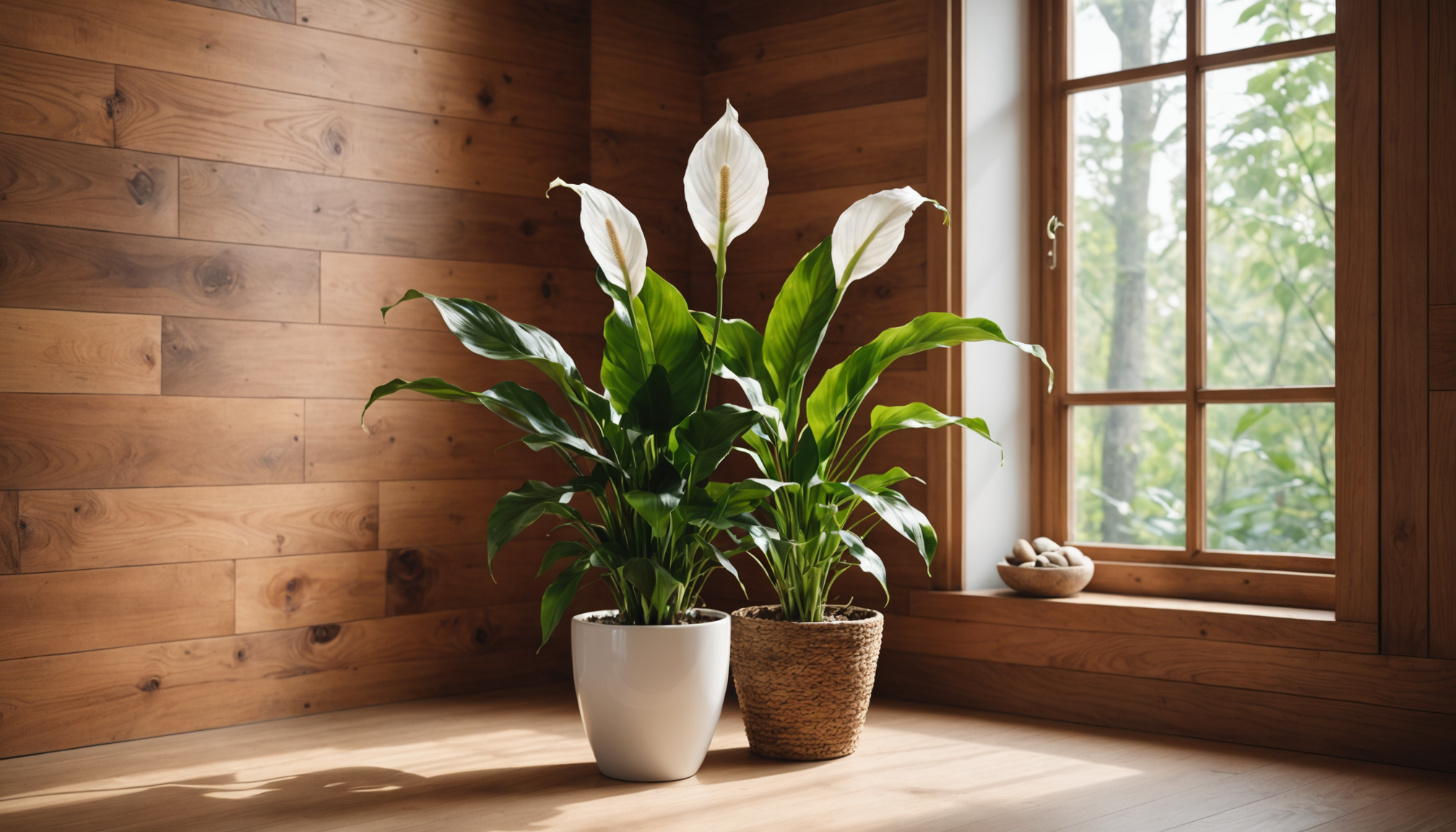
Incorporating nature and mindfulness into your sacred spaces is essential for enhancing your well-being and fostering a deeper connection to the world around you. Nature, with its inherent rhythms and changing beauty, offers an endless source of inspiration and healing. To begin, consider bringing elements of the natural world into your environment. Houseplants, for instance, not only improve air quality but also invite life into a space, creating a soothing atmosphere filled with vibrant energy. Choose plants that resonate with you personally, such as a flowering peace lily or a hardy snake plant, which can thrive indoors and add a touch of greenery to your sanctuary.
Moreover, incorporating natural materials is equally significant. Wood, stone, and textiles made from organic fibers can create a tactile experience that grounds you in the moment. Wooden furniture or stone ornaments connect us with the Earth, reminding us of our roots and the cycles of nature that we often overlook in our busy lives. Feel the warmth of a wooden surface or the coolness of a stone in your hands as you pause to reflect. These materials serve as anchors, encouraging mindfulness, which is essential for healing and spiritual growth.
Mindfulness practices also naturally complement the presence of nature in our sacred spaces. Engage in mindfulness techniques, such as deep breathing or meditation, while surrounded by your chosen elements. Perhaps you can create a dedicated meditation area where the sights and sounds of nature can envelop you. Positioning yourself near a window that overlooks a garden or park can allow natural light and outdoor scenery to enhance your practice. As you breathe deeply, visualize the air flowing from the outdoors into your lungs, filling you with vitality and peace.
Another way to incorporate nature is through sound. Consider adding an element of natural soundscapes to your sacred space—maybe the gentle trickle of a water fountain or the soft rustle of leaves in the wind. Such sounds can replace the noise of the world outside, creating a serene backdrop that encourages relaxation and contemplation. You may also listen to recordings of nature, like bird songs or ocean waves, to transport yourself to tranquil environments even when you’re indoors.
Mindfulness can also be fostered through rituals and practices that acknowledge the changes in nature. Celebrate the seasons by altering your space to reflect the current time of year. Decorate with seasonal flowers or colors that evoke the essence of spring blossoms, summer greens, autumn foliage, or winter whites. This connection to time helps you appreciate the cycles of life and fosters a sense of harmony with the universe.
As you immerse yourself in these practices, you will begin to notice how nature and mindfulness can elevate your experience within your sacred space. They nurture your spirit, encourage emotional balance, and support healing by reminding you of the rhythms of life. Reflect on how you can integrate these elements into your routine, allowing your sacred space to become a powerful tool for growth and health.
- What is a sacred space?
- A sacred space is an environment intentionally created to promote spirituality, healing, and personal growth. It can be a corner of your home, a garden, or any place where you feel connected to your inner self and the larger universe.
- How does nature impact our health?
- Nature has profound effects on our mental and physical well-being. Research shows that spending time in natural environments can reduce stress, improve mood, and enhance overall health through decreased anxiety and increased feelings of peace.
- Can mindfulness be practiced in any setting?
- Yes, mindfulness can be practiced in various environments, but creating a sacred space can enhance the experience. By setting aside a dedicated area for mindfulness practices, you cultivate an atmosphere conducive to relaxation and focus.
- What are some simple ways to bring nature indoors?
- You can introduce houseplants, use natural materials like wood and stone in your decor, or incorporate elements such as water features to mimic the sounds of nature. Even open windows can help you feel connected to the outside world.
- Why is meditation important for health?
- Meditation encourages relaxation and stress reduction, which can lead to improved mental clarity and emotional balance. Regular practice has been linked to lower blood pressure, enhanced immune function, and better overall health.
- How can I personalize my sacred space?
- Personalize your sacred space by including items that hold special meaning for you, such as photographs, symbols of your spiritual beliefs, or creative expressions. This not only reinforces your connection to the space but also makes it uniquely yours.
- Are there any specific rituals to enhance sacred spaces?
- Rituals can vary widely, but lighting candles, offering prayers, or using essential oils can help anchor your intentions. Engaging in seasonal practices that reflect the natural world can also deepen your connection and enhance the energy of your space.
Rituals and Practices for Sacred Healing
Rituals and practices are essential components in cultivating your sacred space, providing the framework through which you can connect with your spirit and enhance your health. By engaging in intentional rituals, you create a rhythm that anchors your thoughts and feelings, guiding you toward a deeper understanding of yourself and the world around you. Each ritual offers an opportunity to invite mindfulness into your daily life, turning mundane moments into sacred experiences.
One powerful practice is the lighting of candles. This simple act can transform the atmosphere of your sacred space, as the flickering flame embodies both illumination and warmth. As you light a candle, contemplate your intentions or desires. Let the flame represent your aspirations, allowing its light to guide your thoughts and prayers. You might choose different candles to symbolize various aspects of your life—perhaps a white candle for purity and clarity, or a green one for healing and growth. This act serves as a reminder of the divine spark within you, illuminating the path to greater awareness and peace.
Meditation is another cornerstone practice in the creation of sacred spaces. Setting aside dedicated time to meditate allows you to tap into the depths of your being, gaining insights that may otherwise remain hidden. Find a comfortable position in your space, close your eyes, and focus on your breath. As you breathe deeply, visualize the air filling you with healing light, clearing away negativity and inviting positivity. You might incorporate guided meditations or use sound—like a singing bowl or soft instrumental music—to enhance your experience. Consistency in your meditation practice cultivates a profound sense of inner stillness and connection, which is vital for your emotional and physical health.
Incorporating affirmations into your rituals can also be a transformative practice. Consider creating a list of affirmations that resonate with your journey—statements that affirm your strength, resilience, and worth. As you repeat these affirmations in your sacred space, attach them to the feeling of each breath. Speak them aloud, allowing their power to infuse the room with positive energy. This repetition not only reinforces your intentions but also builds a supportive mindset that encourages growth and healing over time.
Consider the practice of gratitude as well. Taking time each day to acknowledge what you are thankful for can significantly enhance your sense of well-being. You might set aside a space on your altar for a gratitude journal, where you can reflect on the blessings in your life. Writing down your thoughts and feelings brings clarity and fosters connection to your sacred space. As you express thanks, you’re not only embracing the positives but also inviting more abundance into your life.
Your connection to the world around you can be deepened through seasonal rituals. Celebrate the changing seasons by aligning your practices with nature’s cycles. You might create a small altar with items representing the season—fresh flowers in spring, colorful leaves in autumn, or symbols of rest and reflection in winter. These rituals can help you cultivate an awareness of the earth’s rhythms and your place within them, reinforcing your sense of belonging and well-being.
Lastly, incorporating movement into your sacred practices can elevate your experience. Whether through gentle yoga, tai chi, or simply stretching, moving your body helps release tension and fosters a sense of freedom. Create a small area in your sacred space designated for movement, allowing your body to flow and express itself. As you embrace movement, focus on your breath, grounding yourself in the rhythm of your practice. The physical release can enhance your spiritual experience, promoting mental clarity and emotional balance.
Sacred rituals are not mere activities; they become a tapestry of experiences that weave together the various dimensions of your being. As you explore different practices within your sacred space, you’ll find the ones that resonate most with you, nourishing your spirit and enhancing your health. Embrace these moments, for they are the threads that will help you construct a life rich in intention, mindfulness, and healing.
Beside our live streamed church services, all are welcome to attend our church in person each Saturday beginning 10:00 AM Central Time by going to 2425 Owens Rd., Ashland, AL 36251. There is no cost and any donations are strictly voluntary.
For questions, call +2563547124.