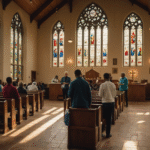
Come join Ashland Sabbath Chapel Ministries each Saturday for live streamed church services. Bible Study begins at 10:00 AM Central Time and Sermon at 11:00 AM. Visit Our YouTube channel and watch from home!
Spiritual beliefs often shape our health choices in ways that go beyond the physical realm. They interweave with our daily lives, influencing how we perceive health and wellness. When we think of how people approach their well-being, it’s clear that spirituality can play a pivotal role. For instance, someone who believes in the healing power of prayer may turn to their faith in times of illness, seeing recovery not just as a biological process but as a spiritual journey.
The connection is profound. Studies have shown that individuals who engage in regular spiritual practices, such as meditation or prayer, tend to report higher levels of life satisfaction and lower rates of stress-related health issues. This correlation isn’t merely coincidental; it’s rooted in the way spirituality fosters resilience. People often find strength in their beliefs, which can lead to healthier lifestyle choices. An individual may choose to eat better, exercise, or avoid harmful substances because they feel it honors their body as a temple.
Consider, too, the practice of mindfulness, which has roots in spiritual traditions. Those who incorporate mindfulness into their lives often experience improved emotional regulation and a greater capacity to cope with challenges. This approach highlights how spirituality isn’t just about attending services; it’s about integrating those beliefs into actionable health behaviors that promote overall wellness.
Furthermore, in communities where spirituality is deeply ingrained in culture, there’s a strong tendency towards communal support for health initiatives. For example, if a church organizes health screenings or wellness programs, it invites participation by framing these activities as extensions of faith. In doing so, spiritual beliefs become a catalyst for incorporating healthier behaviors into everyday routines.
Yet, it’s essential to recognize that not everyone feels this connection. Some may struggle to incorporate their spiritual beliefs into their health choices due to personal experiences or differing interpretations of spirituality. This divergence can lead to a gap in how individuals pursue wellness. Nevertheless, acknowledging the role of spirituality in shaping health behaviors can open doors to more holistic approaches that resonate with people’s values and experiences.
Cultural perspectives on spiritual beliefs and health
Cultural perspectives on spiritual beliefs and their influence on health can vary widely across different societies and communities. In many cultures, spirituality is not viewed as a standalone practice but rather as an integral part of daily life and social interaction. This interconnectedness can significantly shape health choices and wellness approaches within a given community. For instance, in Indigenous cultures, spiritual beliefs are often tied to a profound respect for nature and the environment, which translates into health behaviors that prioritize holistic healing methods, such as using traditional herbs and communal rituals.
Different cultures may interpret healing rituals through a spiritual lens, negotiating the intersections of faith and medicine. For example, in some African cultures, the role of a healer is not just to treat physical ailments but to also restore spiritual balance. The belief is that sickness may result from spiritual disarray, and thus, healing must address both the mind and body through spiritual practices, such as ancestral worship or community gatherings focused on collective wellbeing. This perspective emphasizes that health is often seen as a communal concern rather than an individual responsibility.
Moreover, in many Eastern traditions, such as Buddhism and Hinduism, spirituality is closely linked to health choices that facilitate a balanced mind-body connection. Practices like yoga and meditation are widely embraced not only for their physical benefits but also for their spiritual significance. Participants often find that engaging in these activities cultivates a sense of peace and wellness that transcends mere physical health. The incorporation of spiritual principles into health choices becomes a way to achieve harmony within oneself, illustrating how cultural beliefs can inform daily practices.
Conversely, in Western cultures, spirituality can sometimes be relegated to the margins of healthcare discussions, often perceived as secondary to clinical approaches. However, as we witness a growing trend toward integrative and holistic health practices, many people are seeking to bridge this gap. Patients increasingly express the desire for their healthcare providers to acknowledge and incorporate their spiritual beliefs into treatment plans. For instance, individuals facing chronic illnesses may turn to their spiritual convictions for hope and motivation, preferring support systems that honor their beliefs and values.
Understanding the diverse cultural perspectives on spirituality and health can help healthcare professionals tailor their approaches. Effective communication that considers the individual’s spiritual context can enhance patient trust and compliance with health choices. For example, a patient who values prayer may be more inclined to follow a treatment regimen if their healthcare provider acknowledges and respects this aspect of their experience.
The cultural dimensions of spirituality wield significant influence over health choices, impacting not only how individuals approach wellness but also how healthcare is delivered and received. This multifaceted interplay encourages a broader understanding of health that resonates deeply with the beliefs and values that define us within our unique cultural landscapes.
Impact of faith on mental and physical wellbeing

The impact of faith extends beyond the simple boundary of mental health; it weaves its way into both mental and physical well-being, altering the landscapes of our daily lives. When people embrace their spiritual beliefs, they often discover a source of strength that bolsters their resilience against the challenges life throws their way. This resilience can manifest in various forms, offering solace and comfort during trials, promoting not just survival but a deeper sense of thriving.
Research has shown that those who regularly engage in practices that foster their faith—be it prayer, meditation, or community rituals—often report lower levels of anxiety and depression. A study by Koenig et al. (2012) found that spirituality can serve as a protective factor against depression, particularly among older adults. The connection between belief and well-being is significant, revealing that individuals may rely on their faith to navigate emotional turmoil, offering them a framework within which to process their experiences.
Moreover, embracing spirituality can lead to improved physical health outcomes as well. Many individuals find motivation through their spiritual beliefs to maintain a healthier lifestyle. They may choose to abstain from harmful substances, adhere to balanced diets, and engage in regular physical activity, viewing these choices as acts of devotion to their bodies. This is particularly evident in religious communities that advocate for holistic well-being, where caring for one’s physical form is seen as fulfilling a divine obligation.
When faith becomes intertwined with health choices, it engenders a community spirit that fosters accountability. In many cases, individuals find strength not only in their beliefs but also in their connections to others who share similar spiritual values. Group prayer or communal health initiatives that are framed within a spiritual context can amplify this sense of responsibility, encouraging more profound commitments to personal health. Participants often feel buoyed by collective support, as they tackle health challenges together, drawing on their shared beliefs.
However, not all individuals experience this uplifting connection between spirituality and health. Some may wrestle with doubts or theological questions that can cloud their sense of well-being. An individual’s journey through faith can be riddled with obstacles, leading them to feel isolated in their struggles. This disparity reveals an essential truth: while spirituality can be a powerful ally in health, it does not uniformly provide the same benefits to everyone. Factors such as personal history, cultural background, and even the way spirituality is expressed can impact these interactions.
Nevertheless, many healthcare professionals are recognizing the profound relationship between faith and health outcomes. By incorporating spiritual assessments into patient care, they can better understand the role these beliefs play in their patients’ lives. Encouraging patients to express their spirituality can foster a more holistic approach to treatment, where clinicians honor and address both the physical and the emotional aspects of healing. In doing so, they acknowledge the undeniable reality that faith, in its myriad forms, can be an invaluable ally in the quest for overall wellness.
Spirituality and lifestyle choices
Spirituality profoundly impacts lifestyle choices, shaping how individuals navigate their daily habits and wellness practices. When people embed their spiritual beliefs into their lives, it often leads to a distinctive approach to dietary habits, exercise routines, and even their methods for coping with stress. This transformation is not merely superficial; it originates from a deep-seated conviction that the body is a vessel that deserves care and respect. Many individuals, recognizing the sacredness of their existence, make conscious decisions to engage in health choices that reflect their spiritual values.
For instance, vegetarians and vegans within spiritual communities frequently cite ethical considerations tied to their beliefs. They may believe that abstaining from meat honors life and promotes a compassionate lifestyle consistent with spiritual tenets. Notably, studies have shown that such dietary practices can have positive effects on health, including lower incidences of heart disease and certain types of cancer (Le & Sabaté, 2014). This convergence of spirituality and health choices creates a harmonious relationship between their beliefs and their physical well-being.
Regular exercise is another avenue through which spirituality manifests itself in lifestyle choices. Many individuals view physical activity not just as a means to enhance fitness but as a spiritual discipline. Whether through yoga, which harmonizes the mind and body, or simply through mindful walking in nature, these practices encourage a connection with the self and the universe. Such activities cultivate a sense of peace and mindfulness, leading to improved mental health, as numerous studies have indicated that physical activity is linked to higher levels of happiness and reduced anxiety (Peluso & Andrade, 2005).
Moreover, the influence of spirituality can extend to how individuals manage stress. When faced with life’s challenges, those who have robust spiritual beliefs may turn to prayer or meditation as coping mechanisms. Effectively, they reframe their struggles, viewing them as part of a larger journey rather than mere obstacles. This sense of purpose can be incredibly empowering, providing individuals with the strength to navigate difficulties while maintaining their health. Research illustrates that individuals who regularly engage in spiritual practices experience not only an emotional uplift but also physiological benefits, such as lowered blood pressure and improved immune function (VanderWeele, 2017).
However, it’s also essential to consider that integrating spirituality into lifestyle choices is not without challenges. People may grapple with feelings of guilt or inadequacy, especially if their current health choices do not align with their spiritual ideals. This dissonance can eventually lead to a decline in mental well-being, as individuals may feel caught between their beliefs and their behaviors. Transforming lifestyle habits is not an instant process; it requires time, support, and often, a community that shares similar values.
In many cases, what can help bridge this gap is a supportive environment that encourages positive lifestyle changes through shared spiritual practices. Community gatherings, wellness workshops, and accountability groups founded on common beliefs provide the motivation needed for individuals to align their actions with their spirituality. By recognizing the sacred nature of their life choices, individuals can cultivate healthy habits that reflect their core beliefs, promoting a lifestyle characterized by purpose, well-being, and fulfillment.
Barriers to integrating spirituality in healthcare interventions

Barriers to integrating spirituality in healthcare interventions can arise from various fronts, impacting both healthcare providers and patients. One significant challenge is the perceived conflict between clinical practices and spiritual beliefs. Many healthcare providers may feel hesitant to discuss spirituality within medical settings due to concerns about professional boundaries or skepticism regarding its relevance to treatment. This hesitation can lead to missed opportunities for holistic care, where spiritual needs could complement medical interventions.
Moreover, patients themselves may face personal barriers when expressing their spiritual beliefs in clinical settings. Many individuals are accustomed to separating their spirituality from their healthcare experiences, fearing judgment or misunderstanding from healthcare providers. This divide can silence crucial aspects of a patient’s identity that are integral to their overall health and well-being. When patients feel unable to communicate their spiritual needs, it may hinder the development of an effective treatment plan that acknowledges the full spectrum of their experiences.
Cultural variations in the understanding of spirituality also pose challenges. Different communities may possess diverse beliefs regarding health and wellness, which can complicate communication between patients and healthcare providers. A clinician unfamiliar with a patient’s cultural background may unintentionally dismiss or undermine spiritual practices that could significantly aid in the healing process. This misalignment highlights the necessity for cultural competence in healthcare, emphasizing the importance of understanding and respecting diverse spiritual perspectives.
Furthermore, institutional barriers within healthcare systems can obstruct the integration of spirituality into patient care. Many healthcare facilities are structured around evidence-based practices that prioritize physical interventions over holistic approaches. Limited time during consults and focus on quantitative outcomes may restrict healthcare providers from exploring the spiritual dimensions of health. There is also a scarcity of training in spiritual care within medical education, yielding providers who may lack confidence in addressing spiritual concerns with their patients.
Lastly, the individual nature of spirituality can create uncertainty in how best to incorporate it into healthcare interventions. Spiritual beliefs are deeply personal and can vary even within the same faith tradition. Crafting a one-size-fits-all approach to spirituality in healthcare would ignore this rich diversification, often leading to patient disillusionment or dissatisfaction. Therefore, it is crucial for healthcare systems to foster environments that encourage open dialogue about spirituality, allowing for personalized approaches that resonate with each patient’s unique beliefs.
- What are the main benefits of incorporating spirituality into healthcare?
- Incorporating spirituality into healthcare can lead to enhanced patient well-being, better treatment adherence, and an improved doctor-patient relationship. Patients often feel more understood and respected when their spiritual beliefs are acknowledged, which can promote a sense of holistic healing.
- How can healthcare providers effectively integrate spirituality into treatment plans?
- Healthcare providers can integrate spirituality into treatment plans by first assessing patients’ spiritual beliefs through open conversations and questionnaires. Training in spiritual care and a willingness to understand each patient’s unique context can substantially improve patient outcomes.
- What challenges do patients face when discussing spirituality with healthcare providers?
- Patients may face stigma or fear of judgment when discussing their spiritual beliefs, leading to reluctance in addressing this aspect of their health. Additionally, cultural differences may make it difficult for patients to articulate how spirituality influences their health choices.
- Are there specific spiritual practices that have been shown to improve health outcomes?
- Yes, practices such as meditation, prayer, and mindfulness have been linked to reduced anxiety and improved emotional well-being. Research indicates that these practices can enhance resilience, leading to better overall health outcomes.
- How do cultural beliefs influence the integration of spirituality in healthcare?
- Cultural beliefs significantly shape how spirituality is perceived and practiced, impacting patients’ preferences for care. Healthcare providers should be culturally competent to understand and respect these diverse spiritual perspectives to provide effective care.
- What role does community support play in spiritual health?
- Community support can reinforce spiritual beliefs, providing encouragement and accountability for healthier lifestyle choices. Engaging in communal practices often enhances individuals’ commitment to their health and emotional well-being.
- Why is professional training in spiritual care important for healthcare providers?
- Professional training in spiritual care equips healthcare providers with the tools to navigate spiritual discussions sensitively and knowledgeably. This training can ultimately enhance patient-provider relationships and improve overall health outcomes by considering the whole person, not just their physical ailments.
Ashland Ashland Sabbath Chapel
Beside our live streamed church services, all are welcome to attend our church in person each Saturday beginning 10:00 AM Central Time by going to 2425 Owens Rd., Ashland, AL 36251. There is no cost and any donations are strictly voluntary.
For questions, call +2563547124.