Come join Ashland Sabbath Chapel Ministries each Saturday for live streamed church services. Bible Study begins at 10:00 AM Central Time and Sermon at 11:00 AM. Visit Our YouTube channel and watch from home!
You must first acquaint yourself, with as much candour as one would describe a lively acquaintance, with the particulars of your body’s demands; for without such knowledge, any attempt at meal planning would be like arranging a ball without regard to the season. Consider, then, your age, sex, usual level of activity, and any particular conditions that might insist upon special attention — pregnancy, healing from illness, or a temperate disposition that prefers moderation. These particulars determine the compass of your appetite and the compass of what is healthful for you, and they are not to be neglected (U.S. Department of Agriculture, 2020).
Begin by estimating your daily energy requirement. A most serviceable method is to use an established equation such as Mifflin–St Jeor to approximate resting energy expenditure, then to multiply this by an activity factor that reflects your true habits. If numbers and formulas seem too exacting, think instead in sensible proxies: how quickly do you tire? Do stairs feel like a trifle, or a great undertaking? This practical inquiry often guides choices as surely as any equation (Frankenfield et al., 2005).
Next, attend to the balance of macronutrients. One would be wise to allot a portion of calories to proteins for repair and satiety, to carbohydrates for steady fuel, and to fats for the pleasure and function they afford. The precise proportions will vary with your aims: if you seek to conserve muscle whilst losing adipose tissue, a higher protein share is advantageous; if your pursuits demand endurance, a somewhat greater carbohydrate presence may serve you better (Academy of Nutrition and Dietetics, 2016). Do remember that the quality of these macronutrients matters as much as their quantity: choose whole grains, legumes, oily fish, nuts, and a variety of vegetables where possible.
Do not omit micronutrients from your considerations. Iron, calcium, vitamin D, B vitamins, and other small but potent allies are often the unseen governors of vitality. If your diet excludes entire food groups or is sparse in colour and variety, a consultation with a registered dietitian or a simple blood test will provide clarity and prevent the unfortunate necessity of remedying a deficiency later (World Health Organization, 2020).
Practical measurement will make this assessment honest and useful. Keep a faithful record for several days of what you eat and drink; this modest act reveals habits that otherwise slip beneath notice. Note portions, times, and how each meal leaves you feeling. There are numerous trustworthy tools and calculators that can assist in translating these observations into actionable numbers, but none substitutes for the plain-minded truth written in your own hand (U.S. Department of Agriculture, 2020).
- List personal factors: age, sex, activity level, medical conditions, and medications that affect appetite or metabolism.
- Estimate energy needs: use a validated formula or online calculator as a guide, then adjust according to how your body responds.
- Decide macronutrient preferences: higher protein for muscle preservation, moderate carbohydrates for energy, healthy fats for function and flavour.
- Screen for micronutrient risks: consider bloodwork or professional advice if youavoid food groups or have chronic symptoms.
- Track current intake for 3–7 days to reveal habits and guide adjustments.
Having thus attended to the nature and necessities of your constitution, and being armed with the gentle facts of appetite and requirement, you will find it a small and agreeable labour to convert these insights into achievable aims and sensible portions — a task which follows naturally from such careful observation, and which will form the next charming step in crafting more nutrition-rich and satisfying repasts (U.S. Department of Agriculture, 2020; World Health Organization, 2020).
Set realistic goals and portion sizes
You and I both know lofty intentions are easy; keeping them is the careful work. Begin by translating the big idea—“I want healthier meals” or “I want to lose weight”—into concrete, bite-sized aims that you can actually do this week. Aim for behavioral goals (what you will do) rather than purely outcome goals (what the scale will say). For example: “I will add one cup of vegetables at dinner five nights this week,” or “I will choose whole-grain bread for lunches three times this week.” These are measurable, finite, and much kinder to your willpower than declarations to become an entirely different person overnight (Centers for Disease Control and Prevention, 2020).
Use the SMART framework quietly and kindly: Specific, Measurable, Achievable, Relevant, and Time-bound. Swap “eat better” for “eat two servings of fruit daily for the next 14 days.” Swap “exercise more” for “walk 20 minutes after lunch on Mondays, Wednesdays, and Fridays.” Small, repeated successes build confidence and habit, which is the solid currency of lasting change (U.S. Department of Agriculture, 2020).
Portion sense is less about deprivation and more about calibration. One of the most practical rules I share with friends is the plate method: make half your plate vegetables (not counting starchy ones), one quarter lean protein, and one quarter whole grains or starchy vegetables. It’s a simple visual that aligns well with guidance from public health experts and makes balanced eating effortless at home and on the road (Harvard T.H. Chan School of Public Health, 2019).
If you prefer tactile measures—or you’re short on dishes—the hand method is an elegant trick. Your palm (thickness and area) approximates a serving of protein (about 3–4 oz for most adults), a cupped hand equals a portion of carbohydrate (about 1 cup), your fist stands in for a vegetable serving (roughly 1 cup), and your thumb represents a serving of fats (about 1 tablespoon). It’s portable, intuitive, and as faithful as any scale when used consistently (Academy of Nutrition and Dietetics, 2016).
There’s room, too, for actual tools: a digital kitchen scale, measuring cups and spoons, or portion-control containers can help you learn what those hand- and plate-guides feel like. Spend a couple of sessions measuring your usual portions so you can recalibrate your eye. After a fortnight of practice, you’ll find you can eyeball a plate with the same confidence you once used to guess a recipe’s salt (U.S. Department of Agriculture, 2020).
Think of goals in tiers. Tier One are tiny, daily actions—drink a glass of water with breakfast, add a vegetable to one meal, swap sugary drinks twice this week. Tier Two are habit builders you can sustain for several weeks—meal prepping lunches on Sundays, walking after dinner. Tier Three are outcomes you check occasionally—metering weight, adjusting calories, or revisiting macronutrient targets. This scaffolding keeps you moving without the boom-or-bust cycle of sudden overhaul (Centers for Disease Control and Prevention, 2020).
Learn to read your hunger and fullness cues. Pause halfway through a meal and ask yourself: “Am I comfortably satisfied, or still hungry?” Eating slowly, putting your fork down between bites, and noticing how your energy changes after different meals will teach you more than any rule ever could. This mindful habit reduces overeating, improves digestion, and makes the food you do eat more pleasurable (Ellyn Satter Institute; intuitive eating literature).
- Concrete short-term goals: add one vegetable to dinner every day for one week; replace soda with seltzer at lunch for five days.
- Portion quick-guide (plate method): half vegetables, one-quarter protein, one-quarter whole grains/starches (Harvard T.H. Chan School of Public Health, 2019).
- Hand method: palm = protein (~3–4 oz), fist = vegetable (~1 cup), cupped hand = carbs (~1 cup), thumb = fat (~1 tbsp) (Academy of Nutrition and Dietetics, 2016).
- Tools to learn portions: digital scale, measuring cups, portion-control containers—use them for 1–2 weeks to train your eye (U.S. Department of Agriculture, 2020).
- Behavioral vs outcome goals: choose actions you can control (what you eat, when you prep) over only chasing numbers on a scale (Centers for Disease Control and Prevention, 2020).
Allow for flexibility: a plan that doesn’t include delights will be abandoned. Build “planned treats” into your week so cravings do not ambush you. The 80/20 principle is a practical ally—aim for nourishing, balanced choices most of the time, and let the remainder be human and joyful. This approach keeps meal planning humane and sustainable, not punishable (U.S. Department of Agriculture, 2020).
Revisit and revise. Check your goals weekly and ask honest, gentle questions: Is this realistic with my work and family life? Am I sleeping enough? Is stress affecting appetite? If something feels impossible, shrink it further—two days instead of five, one vegetable instead of two. Small, steady adjustment beats dramatic swings. If you have medical needs or complex dietary restrictions, partner with a registered dietitian who can tailor portions and targets to your physiology (Academy of Nutrition and Dietetics, 2016; World Health Organization, 2020).
Plan balanced meals and snacks
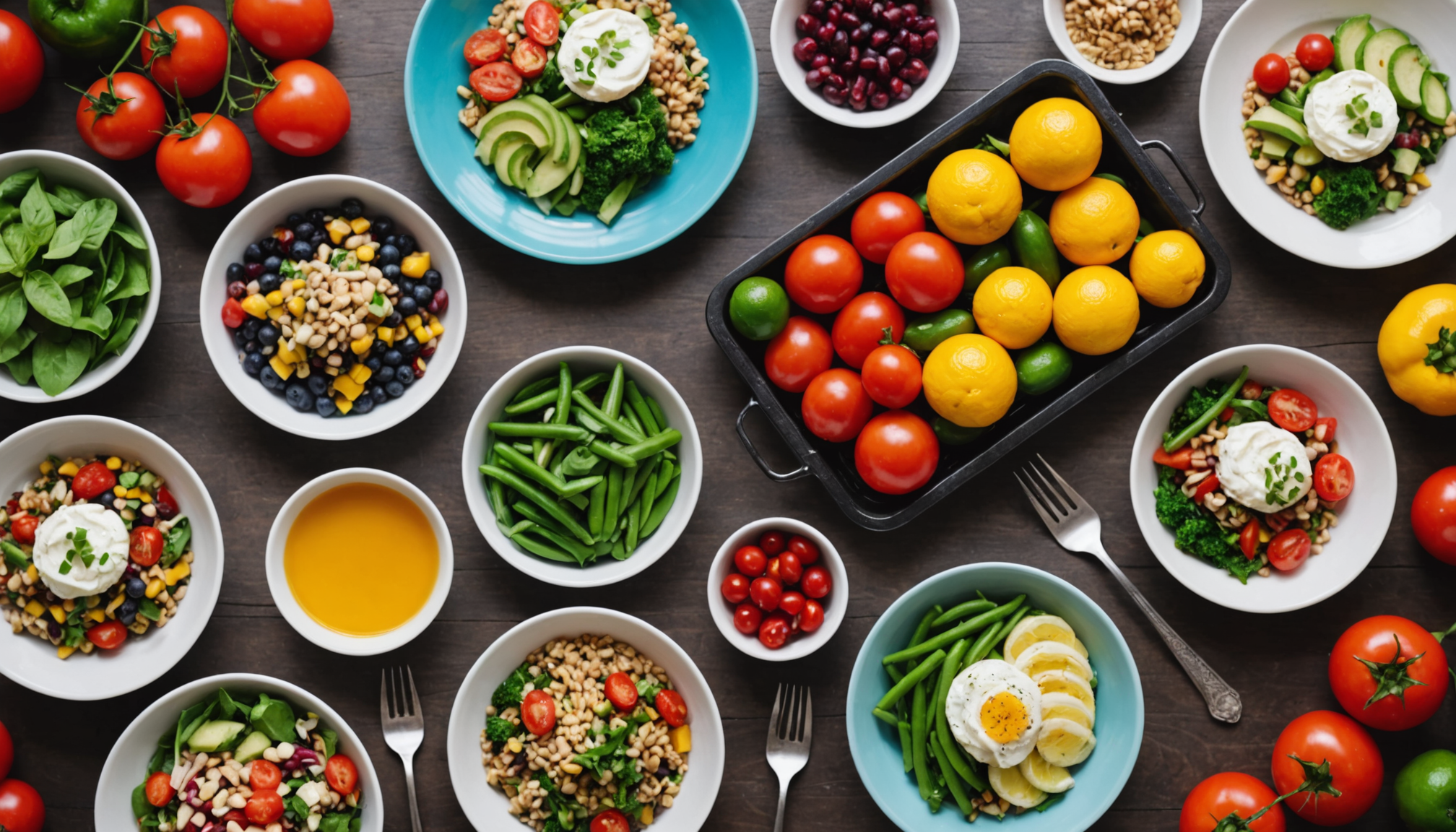
Having secured your modest aims and portion-sense, attend now to the composition of each repast with the same civility you would afford a guest; for a meal that is well arranged will repay you in comfort, energy, and pleasure. The secret, which is not so very secret after all, lies in combining foods that provide protein, fiber-rich carbohydrates, and a little wholesome fat at every sitting, so that hunger remains a reasonable companion rather than a commanding officer. In this small art, thoughtfulness and variety are your oldest friends.
Begin with a simple formula for assembling plates and bowls: each eating occasion should include a protein source to steady the appetite, a fiber-rich carbohydrate to furnish sustained energy, and a portion of vegetables or fruit to supply micronutrients and colour. A modest addition of healthy fats — olive oil, avocado, nuts — will render the meal more satisfying and help absorb fat-soluble vitamins. The harmony of these elements is what makes true healthy meals both nutritious and agreeable.
Consider, if you will, these practical compositions as exemplars rather than commands:
- Breakfast: Rolled oats cooked in milk or a plant-based alternative, stirred with Greek yoghurt (or silken tofu), a handful of berries, and a scattering of chopped walnuts. This supplies protein, slow-release carbohydrate, fibre, and omega-3s in civil company.
- Lunch: A salad of mixed greens and roasted sweet potato, crowned with grilled salmon or chickpeas, quinoa, and a drizzle of lemon–olive oil dressing. It is light upon the palate yet resolute in its provision of energy and repair.
- Dinner: A generous plate where half is steamed seasonal vegetables, one quarter is a moderate portion of roasted chicken, lentils, or baked tofu, and the remaining quarter is brown rice, farro, or a small baked potato. Season with herbs to make even the simplest fare delightful.
- Snacks: Pairings such as apple slices with almond butter, carrot sticks with hummus, or cottage cheese with pineapple that marry carbohydrate and protein so that between-meal hunger is kept politely at bay.
It will serve you well to think of snacks not as mere placations of desire but as opportunities for balance. A snack that combines protein and fibre—say, a small handful of nuts with a pear—prevents the rapid descent into ravenous and regrettable choices. For those who exercise, a small pre-workout snack of a banana and a spoonful of nut butter then, post-exercise, a modest serving of protein with a starchy carbohydrate (yogurt with granola, or a turkey sandwich on whole-grain bread) supports recovery and keeps the appetite steady.
Variety is more than an aesthetic principle; it is a safeguard against nutritional monotony. Rotate colours and textures across the week: one night a verdant stir-fry, another a hearty stew studded with root vegetables, another a crisp grain bowl. If you find yourself fond of the same flavours, introduce small changes — swap basil for cilantro, swap buckwheat for brown rice — and the dish will feel renewed without demanding new skills.
For those whose dietary inclinations are vegetarian, vegan, or otherwise particular, balance is accomplished with attention rather than sacrifice. Combine legumes with grains (lentils with rice, chickpeas with couscous) to ensure a full complement of amino acids; include calcium-rich greens and fortified plant milks for bone health; and make a deliberate effort to include sources of iron, vitamin B12, and vitamin D when their absence is likely. These adjustments are practical, and the table need not be austere.
Do not neglect the gentle art of seasoning and texture, which often decides whether one obeys a meal plan with pleasure or with reluctance. Sharp acids (vinegar, lemon), toasted seeds, a sprinkle of fresh herbs, or a small amount of grated cheese can transform a dish into something eagerly anticipated. A plan that tastes of penitence will be abandoned; a plan that delights will be kept.
When you assemble your weekly menu, aim for a mix of meals that require different efforts: a few quick preparations for the busiest days, one or two that reward a kitchen afternoon with pleasant leftovers, and at least one “company” dish that is simple yet impressive. Batch-cook grains and legumes, roast a pan of seasonal vegetables, and portion proteins into ready-to-use containers. Thus the tyranny of hunger will not compel you into the nearest convenience.
To render these ideas tangible, I offer a brief template you might adapt to your own circumstances:
- Monday: Breakfast—smoothie with spinach, banana, protein powder, and flaxseed; Lunch—leftover grain bowl with roasted vegetables; Snack—yogurt and mixed berries; Dinner—baked cod, steamed broccoli, and farro.
- Wednesday: Breakfast—whole-grain toast with mashed avocado and a poached egg; Lunch—lentil soup with a side salad; Snack—cottage cheese and peaches; Dinner—stir-fried tofu with mixed vegetables and brown rice.
- Friday: Breakfast—overnight oats with chia and cherries; Lunch—turkey and spinach wrap on a whole-grain tortilla; Snack—carrots and hummus; Dinner—grilled chicken, roasted Brussels sprouts, and sweet potato.
Lastly, attend to the timing and rhythm of your meals. Regular intervals—three main meals with one or two modest snacks as needed—tend to regulate appetite and mood. Yet remain flexible: there will be days when a later breakfast and an earlier dinner suit your social calendar; permit yourself such shifts without guilt. The point of careful meal planning is not to imprison but to liberate you to eat well with the least fuss and the most enjoyment.
Create a weekly shopping and prep routine
Now that you have a week’s worth of menus and a sensible rhythm to your eating, the practical question follows as naturally as supper follows prayer: how shall we keep the kitchen honest to our intentions? Good meal planning becomes real only when it meets the calendar and the cupboard. Begin by setting aside one reliable time each week to do three things: take stock, make a list, and prepare what you can in advance. Many find a Sunday afternoon most convenient, but the day matters less than the habit.
First, take stock. Open your refrigerator, freezer, and pantry and note what must be used soon. This quick inventory saves money and prevents sorrowful waste. Check expiry dates, note partial packages, and jot down staples you’re short of (oils, spices, canned beans, stock). A simple running inventory — on paper or in a notes app — will spare you duplicate purchases and guide sensible swaps when a recipe calls for an ingredient you do not have (U.S. Department of Agriculture, 2020).
Next, craft a shopping list that serves the flow of the store and the work of your week. Organize the list by store section — produce, deli, dairy, meat/fish, bulk/grains, frozen, pantry, and household — so your trip is swift and you are less tempted by impulse buys. If you follow a weekly menu, add the ingredients by recipe and then consolidate duplicates (for example, two recipes calling for half an onion become one onion on the list). Use digital lists or apps if you like, but the principle remains: orderly lists save time and money (Harvard T.H. Chan School of Public Health, 2019).
Be intentional about what you buy. Shop the perimeter for fresh produce, dairy, lean proteins, and whole grains; use the inner aisles for staples like canned tomatoes, dried beans, and whole-grain pasta. Choose seasonal produce when possible — it’s often cheaper and more flavorful — and do not fear frozen fruits and vegetables: they are nutritious, affordable, and forgiving for meal prep (Academy of Nutrition and Dietetics, 2016).
Before you leave the kitchen, plan a concrete prep list. Decide which components you will batch-cook and which you will keep raw until use. A practical, time-honored approach is to batch-cook grains and legumes, roast a sheet pan of vegetables, and prepare one or two proteins that reheat well. These elements can be mixed and matched into several different meals, sparing you from culinary repetition while preserving variety and nutrition.
- Weekly prep checklist (examples):
- Cook 3–4 cups of grains (rice, quinoa, farro).
- Roast a large tray of mixed vegetables (season simply so they pair with many dishes).
- Cook or grill one protein (chicken breast, tofu, or a pot of beans); portion into meal-sized containers.
- Wash and chop salad greens and quick-snack vegetables; store with paper towels to absorb moisture.
- Portion snacks (nuts, cut fruit, hummus + carrot sticks) for grab-and-go.
Work efficiently by staging tasks. Preheat the oven first, then begin chopping while it heats. Place grains on the stove or in a rice cooker; while they rest, roast vegetables and cook proteins. Use multiple pans or appliances at once (the oven and a sheet pan, a slow cooker, or an Instant Pot) to multiply productivity. Allot a single uninterrupted block of time—often 60–120 minutes—so your work flows and you finish feeling accomplished rather than exhausted.
Storage and safety are an essential part of the plan. Cool cooked foods rapidly and refrigerate within two hours of cooking (one hour if ambient temperatures are high) to limit bacterial growth; keep your refrigerator at or below 40°F (4°C) and the freezer at 0°F (-18°C) (U.S. Department of Agriculture, 2020; U.S. Food and Drug Administration, 2021). Label containers with contents and date so you use the oldest items first. As a general rule, most cooked dishes and leftovers keep safely in the refrigerator for 3–4 days; freeze portions you will not eat within that time (USDA, 2020).
Invest in the right tools and containers. A set of glass or BPA-free plastic containers in various sizes, a few freezer-safe bags, and a permanent marker for dating will repay their cost many times over. Consider wide, shallow containers for rapid cooling, and portion meals into single-serving containers if you eat alone or wish to control portions. A sharp chef’s knife, a sturdy cutting board, and a quality roasting pan are simple purchases that make prep faster and more pleasurable.
Be thoughtful about reheating and preserving texture. Reheat liquids and dense foods until steaming and bring meats to at least 165°F (74°C) when reheating for safety (FDA guidelines). For vegetables, a quick sauté or a brief oven roast can refresh texture better than a long microwave session. If a dish seems dry after refrigeration, add a splash of broth or a drizzle of olive oil before reheating to restore succulence.
To economize both time and budget, embrace theme nights and planned leftovers. Roast a whole chicken one evening and turn the bones into stock the next day. Use leftover roasted vegetables in a frittata or grain bowl. Design two to three dinners that intentionally produce lunch-sized leftovers. This decreases daily cooking time and ensures you have nourishing choices on busy days.
- Pantry & fridge staple list for balanced, flexible meals:
- Whole grains: brown rice, quinoa, oats
- Legumes: canned or dried beans, lentils
- Healthy fats: olive oil, nut butter, canned tuna or salmon
- Seasonings: salt, pepper, garlic, dried herbs, vinegar
- Frozen fruits/vegetables for smoothies and stir-fries
- Quick proteins: eggs, Greek yogurt, tofu
Finally, remain merciful with yourself. Not every week will be perfectly executed; some weeks you will lean on frozen entrees or a simple salad from the deli. The aim is steady improvement: a routine that preserves both your time and your resolve so that healthy meals and good nutrition are the ordinary result of a modest, repeated practice rather than a heroic one-off.
Adapt the plan for dietary restrictions and preferences
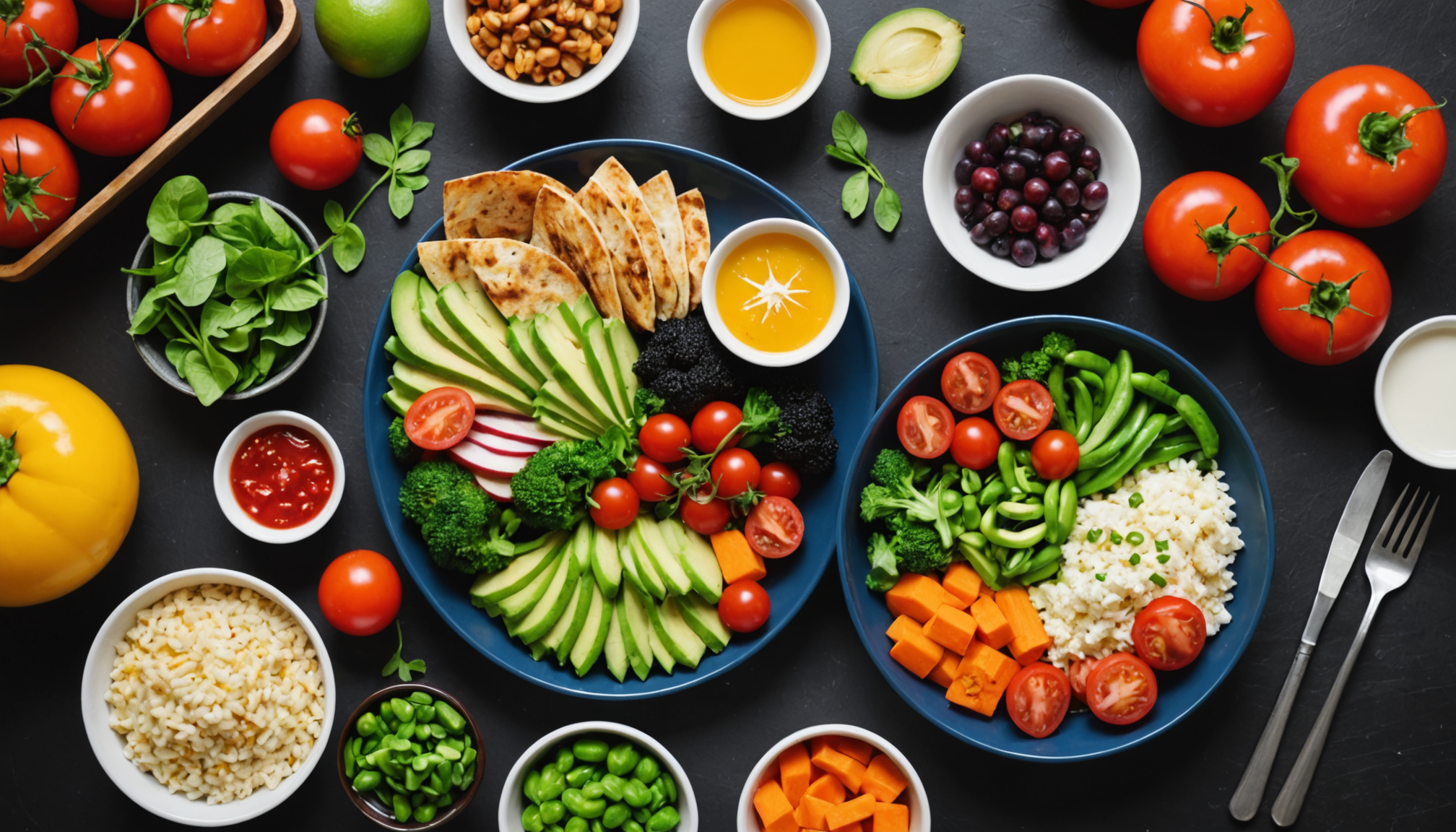
When your life or body asks for particular care—because of allergies, intolerances, cultural or religious practice, medical diagnosis, or simply personal taste—your meal planning must bend without breaking. Begin by naming the constraint plainly: gluten-free, nut-free, lactose-intolerant, vegetarian, low-sodium, kosher, halal, low-FODMAP, diabetic, renal-friendly, or otherwise. Naming clarifies what must be avoided and what must be preserved, and it turns vague worry into manageable tasks: what to remove, what to replace, and how to keep meals balanced and enjoyable.
Translate prohibitions into nutrient goals. Eliminate a food group only after asking how you will replace the key nutrients it supplied. For example, removing dairy raises questions about calcium, vitamin D, and iodine; removing meat raises questions about iron, zinc, and B12. Make a short list of nutrients at risk with your restriction and then plan explicit replacements—fortified plant milks for calcium and vitamin D, legumes and seeds for iron, nutritional yeast and fortified cereals for B12—or consider a supplement when appropriate and advised by a healthcare professional.
Learn reliable swaps and combinations. If gluten is off the table, reach for naturally gluten-free grains such as quinoa, brown rice, buckwheat, and certified oats; if lactose is the issue, use lactose-free dairy or fortified plant milks and yogurts. Vegetarian and vegan plans benefit from combining legumes with whole grains (lentils + brown rice, chickpeas + bulgur) to ensure complementary amino acids. Small, practical swaps—chickpea flour for wheat in pancakes, cauliflower rice for plain rice, or mashed banana in place of egg in some baked goods—keep your repertoire varied and your palate satisfied.
Be rigorous about cross-contact and ingredient lists when allergies are involved. Read labels for hidden sources (whey in processed soups, barley in flavorings) and learn which terms to watch (casein, albumin, malt). In shared kitchens, adopt simple safeguards: cook allergen-free items first or last, clean surfaces and utensils thoroughly, store allergen-free foods in clearly labeled containers, and consider designated cutting boards and toasters. When in doubt, err on the side of caution and communicate clearly with friends, hosts, and restaurants.
Use recipes as templates rather than commandments. Most recipes can be adapted: reduce salt and add herbs and acids for flavor in low-sodium diets; swap refined starches for whole grains to increase fibre; choose poaching, steaming, or roasting over frying for heart-healthy needs. Keep a list of go-to substitutions next to your shopping list so adaptations become faster and more automatic. Over time you’ll develop a personal toolbox of reliable replacements that preserve both nourishment and pleasure.
For medical dietary needs—diabetes, cardiovascular disease, kidney disease, celiac disease, or severe allergies—partner with professionals. A registered dietitian can translate clinical targets (carbohydrate counting, potassium limits, phosphorus management) into a weekly menu you enjoy. If you’re balancing multiple constraints (for example, vegetarian plus low-sodium), a specialist can help prioritize nutrients and recommend safe supplements or fortified foods to prevent deficiencies without undermining other aspects of care.
Plan for social and practical realities. If holidays or family meals conflict with your needs, offer to bring a dish you know is safe and delicious, or eat a small safe snack beforehand so you are not ravenous. When eating out, scan menus online ahead of time, ask servers about preparation methods, and choose simple preparations (grilled, steamed, roasted) that are less likely to contain hidden ingredients. Practice brief, clear language to state your needs—most kitchens will accommodate polite, specific requests.
Track responses and iterate. If you suspect an intolerance, try an elimination followed by a careful, controlled reintroduction while noting symptoms and timing. Keep a simple food-and-symptom diary for two to four weeks to spot patterns; this empirical approach often reveals intolerances that a single meal or vague memory will not. Be curious and methodical: small experiments yield reliable knowledge about what suits your body, and that knowledge compounds into better meal planning and more nourishing, sustainable choices.
Don’t let restrictions be an excuse for monotony. Seek out culturally rooted recipes within your constraints—many cuisines naturally offer gluten-free, vegetarian, or low-dairy options—and rotate flavours, textures, and colours across the week. Experiment with spices, pickling, citrus, and acid to keep dishes vibrant without adding unwanted salt, sugar, or fat. The goal is to make healthy meals that feel like true food, not compromise.
Finally, treat adaptation as an ongoing inquiry rather than a one-time fix. Ask yourself: What nutrients might I be missing this month? Which substitutions keep me satisfied? Where could a small supplement or fortified food close a gap? Curiosity—paired with practical tracking and occasional professional counsel—turns constraints into invitations to learn more about your body and the rich variety of nourishing foods that can serve it.
- How can I get enough protein on a vegetarian or vegan diet?
- Combine legumes, whole grains, nuts, seeds, and soy products throughout the day to meet protein needs; items like tempeh, tofu, lentils, and quinoa are especially useful. If you have higher protein requirements, consider adding a fortified plant-based protein powder or working with a dietitian to plan adequate portions.
- What are practical swaps for someone who must avoid gluten?
- Use naturally gluten-free grains such as rice, quinoa, millet, buckwheat, and certified gluten-free oats, and substitute gluten-free flours like almond, chickpea, or rice flour in recipes. Always check labels for cross-contact and choose certified gluten-free products when sensitivity is severe.
- How do I adapt meals for diabetes without feeling deprived?
- Focus on pairing carbohydrates with protein and fibre at each meal to smooth blood sugar; prioritize whole grains, nonstarchy vegetables, and controlled portions of starchy foods. Small, consistent changes—like choosing fruit instead of juice and timing snacks to prevent dips—are more sustainable than dramatic restrictions.
- What should I do if I suspect a food intolerance or allergy?
- Stop the suspected food and keep a detailed food-and-symptom diary, then reintroduce the food in a controlled way to observe reactions; for suspected allergies, seek evaluation from an allergist. For intolerances, a registered dietitian can help design a safe elimination and reintroduction plan to identify triggers without causing unnecessary restriction.
- How can I maintain variety and nutrition on a restricted diet?
- Rotate protein sources, grains, and vegetables across the week, and experiment with herbs, spices, and international cuisines that naturally align with your restrictions. Include fortified foods where appropriate and plan for seasonal changes to keep meals interesting and nutrient-dense.
- Is supplementation necessary when eliminating certain food groups?
- Sometimes—especially for nutrients like vitamin B12 in strict vegan diets, vitamin D in low-dairy patterns, or iron in limited-meat diets—supplements or fortified foods are helpful. Discuss your diet and bloodwork with a healthcare provider to determine which supplements, if any, are advisable.
- How do I eat safely when dining out with dietary restrictions?
- Research menus ahead of time, call the restaurant with specific questions, and choose simple dishes that are less likely to contain hidden ingredients (grilled proteins, steamed vegetables). Communicate clearly and politely with staff about cross-contact concerns, and consider bringing a trusted side dish if your needs are complex.
Beside our live streamed church services, all are welcome to attend our church in person each Saturday beginning 10:00 AM Central Time by going to 2425 Owens Rd., Ashland, AL 36251. There is no cost and any donations are strictly voluntary.
For questions, call +2563547124.