Come join Ashland Sabbath Chapel Ministries each Saturday for live streamed church services. Bible Study begins at 10:00 AM Central Time and Sermon at 11:00 AM. Visit Our YouTube channel and watch from home!
When you open your fridge and see a bundle of deep green leaves staring back at you, you’re looking at some of the simplest, most powerful helpers God has placed within our reach. These humble greens—spinach, kale, collards, Swiss chard, mustard and turnip greens, and even romaine—are among the most concentrated sources of everyday superfoods you can add to your plate. They carry a quiet strength: low in calories, but rich in the kind of nutrition that builds clean blood, clear thinking, and steady energy.
One of the first things you notice about leafy greens is their color. That deep, living green is a sign of chlorophyll and a host of plant compounds that help protect your cells from damage. Many greens are packed with vitamins A, C, K, and folate, along with minerals like magnesium, calcium, potassium, and iron. Researchers have found that higher intake of leafy greens is linked with a lower risk of heart disease, type 2 diabetes, and certain cancers (Boeing et al., 2012; Aune et al., 2017). Instead of relying on rich or heavily seasoned foods to feel satisfied, these modest leaves nourish the body on a deeper level, helping it cleanse and rebuild day by day.
Think of your blood vessels as small rivers that need to stay clear and flexible. Leafy greens help in several ways. They are rich in dietary nitrates, which the body can convert into nitric oxide, a compound that relaxes blood vessels and supports healthy blood pressure (Lidder & Webb, 2013). Greens like kale and spinach also supply vitamin K, important for proper blood clotting and for maintaining strong bones. When we crowd our plates with fried or overly processed foods, the blood becomes burdened, but when we turn to simple, plant-based fare, those rivers are relieved of their load and can flow more freely.
Another blessing found in leafy greens is their fiber. This is not a flashy nutrient, but a faithful worker. Fiber helps slow the absorption of sugar, steadies the appetite, and feeds the beneficial bacteria in the gut. A diet rich in vegetables—especially greens—is associated with lower body weight and better weight maintenance (Mozaffarian et al., 2011). Instead of depending on harsh remedies or extreme diets, gently increasing greens can help curb cravings by giving the body what it truly needs, not just what the tongue demands for the moment.
Our minds, too, are affected by what we put on our plates. Several studies have shown that people who regularly eat leafy greens tend to have slower cognitive decline as they age (Morris et al., 2018). Folate, vitamin E, vitamin K, and lutein—all commonly found in dark greens—appear to work together to shield the brain from wear and tear. Clearer thinking, better memory, and a more even mood are often the quiet result of consistent, simple choices. Many chase mental sharpness with stimulants, but the quieter path of wholesome food supports the mind in a steadier, more enduring way.
Of course, the body must be able to absorb all this goodness. Leafy greens often contain calcium and iron, but these minerals are best taken in when we combine them wisely. For instance, serving collard greens or kale with a source of vitamin C—such as a squeeze of lemon or a side of citrus—can enhance iron absorption (Hallberg et al., 1989). Lightly steaming tougher greens can make certain nutrients easier to access and gentler on the digestion, especially for those whose stomachs are not accustomed to large amounts of raw vegetables.
Sometimes people worry about oxalates in greens like spinach and beet greens, fearing they may contribute to kidney stones. For most healthy individuals, reasonable portions of a variety of greens are safe and beneficial, especially when the diet is low in heavily salted, processed foods and adequate water is consumed. Rotating greens—spinach one day, kale or romaine the next, collards or chard another—allows you to receive a broad spectrum of nutrients without leaning too heavily on a single kind.
Leafy greens also play a quiet role in supporting the body’s natural cleansing systems. Compounds in cruciferous greens such as kale, collards, and mustard greens can assist the liver as it processes toxins, and their generous fiber helps carry wastes out of the body (Traka & Mithen, 2009). Instead of depending solely on drastic cleanses or fasts, a simple, regular intake of greens helps keep the system pure and the digestion active, which in turn supports overall wellness.
You don’t need elaborate recipes to enjoy these blessings. A handful of chopped spinach or romaine can be folded into soups and stews at the end of cooking. Kale can be torn into small pieces, rubbed with a little olive oil and lemon juice, and used as a hearty salad base. Collard or Swiss chard leaves can stand in for tortillas, wrapping beans, brown rice, or hummus. Even at breakfast, a small serving of sautéed greens alongside whole grains can gently awaken the body, providing steady strength for the morning’s duties.
If raw salads are hard on your stomach at first, you can begin more softly. Lightly steaming greens until just tender preserves many nutrients while making them easier to digest. Over time, as the digestion is strengthened by wholesome habits, the body often tolerates larger amounts of raw leaves. Listening to the body in this way—adjusting to its real needs, not its passing desires—brings a practical wisdom to daily eating.
When you consider the cost, leafy greens are among the most accessible of the nutrient-dense foods. A simple head of romaine or a bunch of kale can provide several generous servings, often for less than the price of a single processed snack. Whether you grow a few rows in a garden bed, plant them in pots on a balcony, or buy them fresh or even frozen, they place better health within reach. This is how true reform in diet often begins—not with expensive products, but with simple, faithful changes, repeated day after day.
As these greens become more familiar on your plate, they also prepare the way for other wholesome choices. Once the taste buds grow accustomed to the freshness of living foods, heavily salted or overly rich dishes begin to lose their charm. In this way, leafy greens do more than nourish the body for the present moment; they help retrain the appetite itself, opening the door to other healthful foods that support the heart, the mind, and the whole person in a more balanced, enduring way.
Antioxidant-rich berries and fruits
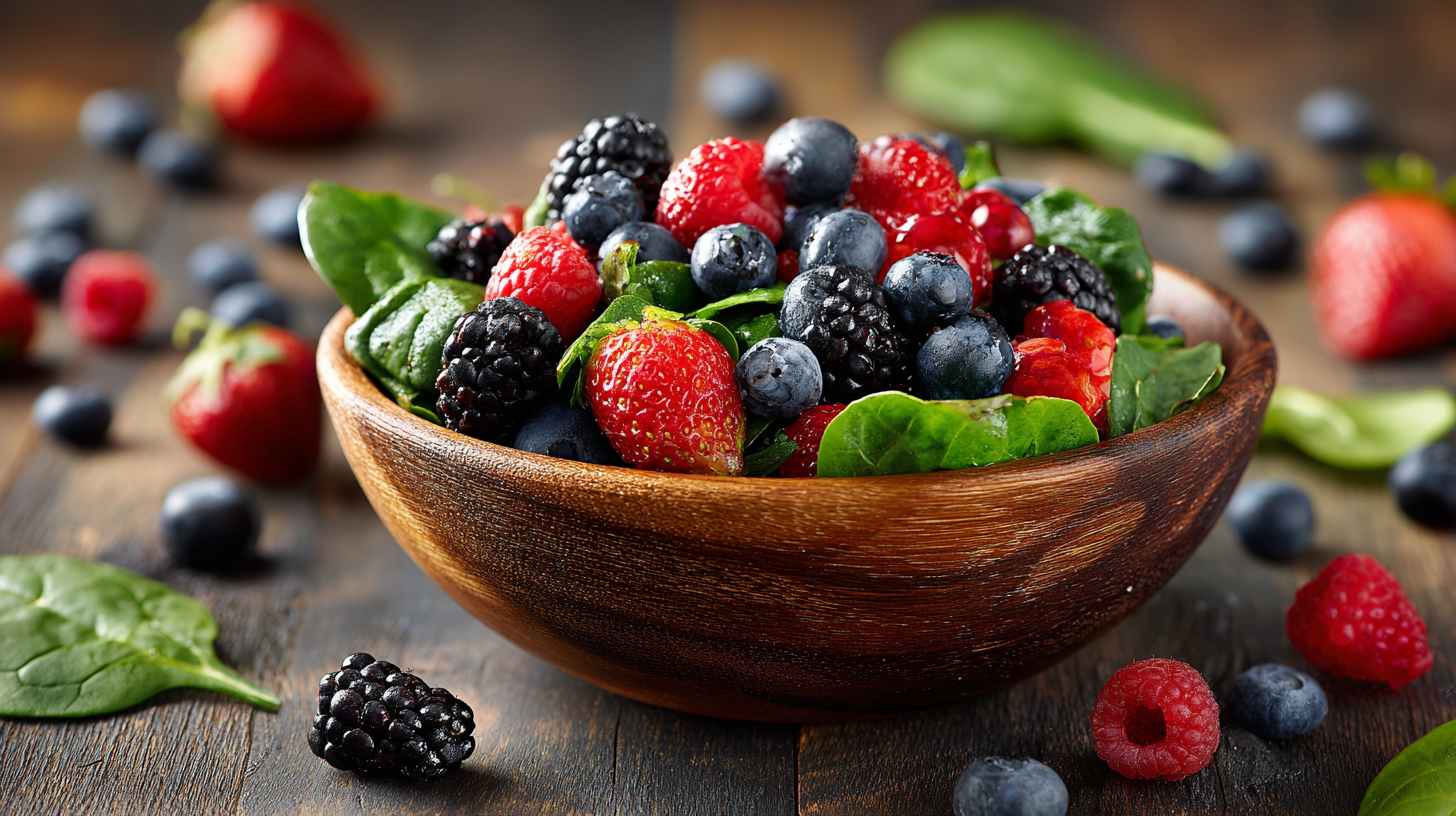
After a time, as those deep greens begin to feel at home on your plate, you can invite some welcome companions to join them: the bright, jewel-colored berries and fruits that almost look as if they were made to sit beside a pile of steamed kale or a bed of romaine. While the greens quietly build up your blood and bones, these fruits—blueberries, strawberries, raspberries, blackberries, cherries, grapes, pomegranates, even apples and citrus—bring a kind of protective shield, bathing your cells in compounds that help them resist wear and tear.
What makes these fruits so special is not merely their sweetness, but the thousands of plant chemicals, or phytochemicals, that ride along with their natural sugars. Many of these are antioxidants, substances that help neutralize free radicals—unstable molecules that can damage cell membranes, DNA, and proteins. Over time, this damage can contribute to heart disease, cancer, diabetes, and faster aging (Halliwell & Gutteridge, 2015). Berries in particular are rich in anthocyanins, the pigments that give them their deep red, blue, and purple hues. Studies have linked higher berry intake with improved blood vessel function, lower blood pressure, and better cholesterol profiles (Rodriguez-Mateos et al., 2014; Cassidy et al., 2013). For something so small, a handful of berries carries a surprising measure of protection.
You might think of oxidative stress as “rust” in the body. Day by day, normal metabolism, stress, pollutants, and poor diet add to this rust. The antioxidants in berries and colorful fruits help slow that process. Blueberries and strawberries, for example, have been associated with a reduced risk of heart attack in women who ate them three or more times per week (Cassidy et al., 2013). Grapes and their juice contain resveratrol and other polyphenols shown to support healthy blood vessels and reduce inflammation (Tomé-Carneiro et al., 2013). This is why so many nutrition researchers place berries and richly colored fruits near the top of their list of everyday superfoods: they don’t simply feed you for the moment; they help preserve the body’s delicate machinery over the long haul.
The mind, too, is gently guarded by these fruits. You may have noticed that after a meal rich in heavy fats and refined sweets, the thoughts grow dull and the energy sinks; but after a lighter meal that includes berries or citrus, the mind often feels clearer, almost as if someone had opened a window in a stuffy room. This isn’t just imagination. Long-term studies have found that higher intake of berries, especially blueberries and strawberries, is associated with slower cognitive decline in older adults, equivalent to delaying aging of the brain by up to two and a half years (Devore et al., 2012). The flavonoids in these fruits seem to improve blood flow to the brain, support communication between nerve cells, and reduce inflammation in brain tissue (Spencer, 2010). In a world full of strain and overwork, it’s a kindness to the brain to give it this daily support.
There is also a quieter work going on in the gut. Berries and fruits carry not only vitamins and antioxidants, but also fibers and natural compounds that nourish the beneficial bacteria lining the intestines. Pectin from apples and citrus, the small seeds in raspberries and blackberries, and the soluble fibers in pears all serve as food for these microbes, encouraging a healthier gut environment. Research has shown that berry polyphenols can act as prebiotics, increasing helpful bacteria such as bifidobacteria and lactobacilli, which in turn produce substances that calm inflammation and strengthen the intestinal barrier (Kemperman et al., 2010; Vendrame et al., 2011). When the gut is at peace, digestion improves, immunity is strengthened, and even mood can be more steady, since much of our serotonin is produced in the digestive tract.
One of the common fears about fruit is its natural sugar. Many, trying to escape from refined sweets, swing too far in the opposite direction and begin to fear the very foods that were designed for our good. But when fruit is eaten in its whole form, with the fiber and skins intact, the sugar enters the blood much more slowly than it does from juices, candies, or baked goods. Large population studies show that whole fruit intake is linked with a lower risk of type 2 diabetes, while fruit juice is associated with a higher risk (Muraki et al., 2013). The key is to choose whole fruit, taken in moderate portions, and preferably as part of a meal that also includes fiber and a bit of healthy fat—perhaps berries over steel-cut oats with a sprinkling of ground flaxseed, or sliced apple alongside a small handful of walnuts.
It’s helpful to look not only at what fruit contains, but at what it helps displace. When the snack drawer offers a cup of grapes or a small bowl of berries instead of a package of cookies, or when dessert is a baked apple with cinnamon in place of ice cream, the overall burden on the body lessens. Saturated fat, refined sugar, and artificial additives quietly step aside, making room for living, water-rich foods that the body recognizes and can use. Over time, this trade makes a difference in weight, blood pressure, blood sugar, and even the complexion of the skin, which often reflects the state of internal wellness.
Not all fruit needs to be exotic or expensive. The familiar choices—apples, oranges, bananas, grapes—when chosen in their simplest form, still offer meaningful benefits. Apples bring pectin and quercetin; oranges and other citrus fruits supply abundant vitamin C and hesperidin, which supports blood vessel health (Morand et al., 2011). Even frozen berries, often picked at peak ripeness and quickly preserved, can retain much of their antioxidant content and are usually more affordable than fresh ones out of season (Rickman et al., 2007). In this way, you can keep a steady supply of protective fruits on hand without straining the budget.
There is a quiet wisdom in variety. Just as you learned to rotate your greens to receive a broader range of minerals and plant compounds, you can rotate fruits through the week to gather different kinds of protection. Blue and purple fruits—blueberries, blackberries, plums, purple grapes—are rich in anthocyanins. Red fruits like strawberries and cherries offer their own profiles of flavonoids and vitamin C. Orange fruits—mangoes, apricots, cantaloupe—bring carotenoids that support eye and skin health. Even the white-fleshed fruits, like pears and some apples, supply helpful fibers and subtle phytochemicals. Together, they form a kind of choir, each voice adding something the others lack.
In daily practice, this does not need to be complicated. A simple plan might be to place fruit at the beginning of the morning and midday meals, when the digestion is fresh and more active. A small bowl of mixed berries with breakfast, a sliced orange or apple before lunch, and perhaps a light fruit serving earlier in the afternoon can satisfy the natural desire for sweetness without resorting to heavy desserts at night. This pattern gives the body time to use the fruit’s energy during the day’s duties, rather than storing it as a burden during hours of rest.
For those who are used to rich sweets, there may be a short season of adjustment. The tongue, trained to expect strong flavors, at first finds fresh fruit mild. But as the richer foods are gradually reduced and replaced with simple, unprocessed fare, the taste buds grow more sensitive. The delicate sweetness of a ripe peach, the tartness of a blackberry, or the fragrance of a slice of pineapple becomes more noticeable and more satisfying. The appetite, once governed by habit and stimulation, begins to be guided by what the body truly needs. This is the quiet reform that real nutrition brings: not a list of strict rules, but a gentle retraining of desire.
To weave these fruits into the same pattern as your greens, you might picture your plate as a small, well-tended garden. The greens form the sturdy leaves; the berries and fruits are the blossoms and bright clusters that draw the eye. A lunch of mixed greens tossed with chickpeas and sprinkled with sunflower seeds can be brightened by a handful of sliced strawberries or orange segments. A bowl of warm oatmeal, already strengthened by flax or chia, takes on a new character when crowned with blueberries and raspberries. In each case, the fruits are not an extra burden but a blessing that lightens the meal and lifts both body and mind.
As these colorful foods become faithful guests at your table, they prepare the way for yet another group of quiet helpers—small, unassuming on the outside, but rich in concentrated strength. Just as berries and fruits protect and refresh, these humble allies offer steady fuel and support for the heart, helping to round out the pattern of simple, plant-based eating that brings the whole system into a more balanced, enduring harmony.
Heart-healthy nuts and seeds
You know, my dear friend, if ever there were little treasures one might keep in a desk drawer or apron pocket as safeguards to the heart, it would be these modest nuts and seeds. They do not make a great display of themselves—no perfumes, no bright colors, no dramatic flourishes at table—yet within their small forms lies a strength and steadiness that many grander dishes cannot boast. To rely on them is rather like trusting the quiet cousin in a great family, who says little but is always, invariably, useful when real work must be done. Among superfoods, they stand as some of the most faithful companions your heart could wish for.
Though they are small, nuts and seeds are dense with what the body earnestly requires: wholesome fats, plant protein, minerals, and a number of subtle compounds that work silently on your behalf. When you exchange a handful of almonds for a buttery pastry, or choose a spoon of sunflower seeds in place of candy, you are doing something more than changing your snack. You are offering your heart a kind of quiet reassurance, as if you had dismissed an untrustworthy suitor and welcomed instead a steady, well-principled friend who will keep your affairs in far better order over the long years.
Foremost among their virtues is the quality of their fats. Our poor hearts, so often wearied by heavy meats, fried foods, and creams, find in nuts and seeds a very different character of nourishment. Almonds, walnuts, pistachios, hazelnuts, flaxseeds, chia seeds, and sunflower seeds are rich in unsaturated fats, especially monounsaturated and polyunsaturated kinds, which have been shown to support healthier cholesterol levels. These fats help lower LDL (the “bad” cholesterol that can clog the arteries) and may raise HDL (the “good” cholesterol that helps carry excess fats away). It is as if they acted the part of diligent housekeepers in your blood vessels, tidying and clearing, rather than leaving clutter to accumulate in every corner.
Walnuts, flaxseeds, and chia seeds carry a special note of distinction: they are rich in alpha-linolenic acid (ALA), a plant-based omega-3 fat. Omega-3s are well-known for their role in calming inflammation, supporting smooth blood flow, and maintaining flexible cell membranes throughout the body. In a world that so often encourages our plates to overflow with pro-inflammatory fats—from processed meats, fast foods, and heavily fried fare—these tiny sources of omega-3 act like a gentle, conciliatory voice, pleading for peace in the bloodstream. Regular use of such foods has been associated with a lower risk of heart disease and sudden cardiac events, a benefit not to be lightly esteemed.
Yet it is not only their fats that recommend nuts and seeds to our care. They are, besides, generous in plant protein and fiber. When you include a modest handful of nuts in a meal—a sprinkle of walnuts over your morning oats, or some sliced almonds atop a salad—you are adding staying power that helps you feel satisfied longer, making it less likely you will go hunting for mischief in the pantry an hour later. The fiber slows the rise of blood sugar, protects the digestion, and gives a sense of comfortable fullness that rich, sugary treats so often fail to provide. In terms of nutrition, these little morsels do a disproportionate amount of good compared with their size.
Then there are the minerals: magnesium, potassium, and, in some varieties, a modest amount of calcium and iron. Magnesium, in particular, is like a calm, steadying hand upon the nervous system. It helps regulate blood pressure, supports the rhythm of the heart, and eases the tension of blood vessels and muscles. Many people, eating a diet heavy in refined grains and processed sweets, fall short in this mineral without ever knowing it. A small, habitual serving of pumpkin seeds or almonds can help fill this quiet deficiency, supporting both heart and nerve in a way no dramatic remedy could match.
Do not overlook, either, the subtle protective compounds hidden in these unpretending packages. Nuts and seeds carry vitamin E, plant sterols, and various polyphenols—antioxidants that help guard the delicate lining of your arteries from the small injuries that, over years, can lead to plaque build-up. In this respect, they join hands with berries and leafy greens, forming a circle of protection around your heart. Where berries bring bright color and immediate charm, nuts and seeds offer steady reinforcement, like firm beams strengthening a well-built house.
You may object, perhaps, that nuts are terribly rich and must surely make one stout. It is a common suspicion, and quite understandable when one considers how often they are served bathed in sugar or salt or tucked within heavy pastries. But when nuts are eaten plainly, in moderate portions—something like a small handful a day—research has shown again and again that they are not associated with weight gain, and may even support better weight management. The combination of protein, healthy fat, and fiber leads to greater satisfaction; one feels less tempted by the constant nibbling that so often accompanies less nourishing fare. It is not the nut, but the company it keeps—the candies, the glazes, the crusts and creams—that so frequently leads us astray.
Salt, too, deserves a word of caution. The heart, which longs for calm seas and gentle waves, is often thrown into turmoil by excessive sodium. Many commercial nut mixes are heavily salted, turning what should be a boon into a quiet burden. If your heart is already wearied—if blood pressure creeps higher than is comfortable—a better choice is to seek nuts and seeds that are raw or dry-roasted without added salt, or only very lightly seasoned. In this more natural state, they offer their benefits without drawing water into the vessels and placing an extra strain upon them.
The manner in which you introduce these foods into your day can be as simple or as artful as you please. At breakfast, a spoonful of ground flaxseed or chia stirred into warm oats brings both fiber and omega-3s, with no more trouble than shaking a little sugar might have cost—and with far better results for your wellness. A scattering of walnuts or pecans over fruit gives a pleasant contrast of texture and, more importantly, steadies the release of the fruit’s natural sugars. Even a piece of whole-grain toast can be transformed with a light spread of natural nut butter and a few slices of banana, turning a hurried bite into something quite sustaining.
At midday, salads become far more satisfying when they are crowned with seeds. Pumpkin or sunflower seeds add a delightful crunch and a handsome supply of minerals. Sesame seeds, whether scattered over steamed vegetables or blended into a dressing as tahini, lend both flavor and depth. Instead of depending on heavy cheese or processed dressings to make vegetables agreeable, these seeds step in as more civil companions—lighter, more wholesome, and far more considerate of the heart’s well-being.
As for the afternoon hours, when one is often tempted by biscuits and confections, a small container of mixed nuts and seeds may be your best ally. A simple mixture of almonds, walnuts, pumpkin seeds, and perhaps a few unsweetened dried berries can be prepared at the beginning of the week and carried with you like a quiet, loyal friend. When hunger whispers at inconvenient hours, you have something at hand that comforts without compromising the heart. There is a peculiar satisfaction in knowing that your little indulgence is, in fact, working steadily for your good.
In the evening, when appetites have often been over-exercised during the day, nuts and seeds may be used with more restraint. A light supper of soup and salad, finished with a sprinkle of seeds, is usually quite sufficient. Our hearts, like our minds, benefit when the later hours are more peaceful and less burdened. Heavy late-night feasting, with its rich gravies and fried offerings, leaves the circulation restless and the sleep unrefreshing; but a simpler meal, supported by the subtle strength of these plant foods, lets the body rest and repair in quiet order.
If you are unaccustomed to such fare, there is no need to rush headlong into great quantities. Begin with small, consistent portions—a spoonful here, a sprinkle there, a modest handful once a day. Observe how your body responds: whether your hunger grows steadier, your energy more even, your cravings for less wholesome treats a little less urgent. So often, the appetite begins to reform itself almost without our noticing, guided by the daily presence of food that truly nourishes rather than merely excites.
These humble nuts and seeds do not seek applause. They ask only to be given a regular place at your table and in your pocket—tucked into breakfasts, brightening your salads, rescuing you from the siren call of the pastry cart. In return, they offer a kind of quiet guardianship over the heart: softening the blood vessels, balancing your fats, calming inflammation, and helping you feel both comforted and in command of your choices. With such small allies working faithfully on your behalf, each day’s meals become not a threat, but a gentle promise of longer, steadier health—and of a heart better prepared for all the duties and joys that life will surely bring.
Gut-friendly fermented foods

Not long after one begins to care for the heart with nuts and seeds, and to refresh the blood with greens and fruits, another part of the body lifts its voice and asks to be remembered—the gut, that long, quiet servant which bears so much of our daily load. We speak often of the heart and mind, but the digestion, if neglected, can throw both into confusion. Here is where certain humble, age-old foods come forward—yogurt, kefir, sauerkraut, kimchi, miso, tempeh, kombucha, and other such fare—simple, fermented foods that have been quietly strengthening families for generations. Among the many superfoods that promise much and deliver little, these stand on a firmer foundation, having both sound tradition and growing scientific witness in their favor.
To understand their usefulness, it helps to think for a moment about what happens inside that hidden workshop beneath your ribs. Lining your intestines is a great host of living organisms—bacteria, yeasts, and other microbes—numbering in the trillions. Far from being intruders, many of these are loyal helpers, breaking down fibers, producing vitamins, training your immune system, and even sending messages along nerves that reach the brain itself. This community is often called the gut microbiome, and researchers now recognize that its balance is closely tied to digestion, immunity, weight, blood sugar, and even mood (Lynch & Pedersen, 2016; Cryan et al., 2019). When this inner society is orderly, the whole system moves more easily; when it is disturbed by poor diet, stress, or drugs such as antibiotics, trouble soon follows.
Fermented foods are, in essence, foods that have been gently pre-digested by these very kinds of microbes. In sauerkraut, for example, natural bacteria feed on the sugars in cabbage and, in doing so, produce lactic acid, which preserves the vegetable and gives it that familiar tang. In yogurt and kefir, special cultures convert milk’s lactose into lactic acid, thickening it and making it more digestible. In miso and tempeh, soybeans are transformed by molds and bacteria into forms the body handles more kindly. When you eat these foods in their live, unpasteurized state, you are inviting some of these friendly microbes to take up residence within you, or at least to lend a helping hand as they pass through (Marco et al., 2017). It is as if you were hiring skilled workers to come in and set your digestive house in better order.
One clear benefit of these foods is their influence on regularity and comfort in the bowels. Many who live on refined grains, sugary drinks, and rich meats find their digestion sluggish and uneasy, burdened by foods that give little fiber and encourage the wrong kinds of bacteria to flourish. By contrast, a diet that includes plant fibers from greens, fruits, whole grains, and legumes—together with modest portions of fermented foods—tends to foster a more favorable microbiome and better bowel habits (Makki et al., 2018). Yogurt and kefir, for example, have been associated with improvements in lactose digestion for those who are intolerant, and with milder symptoms of bloating and discomfort (Savaiano, 2014). Many a person, after adding a small daily serving of live-culture yogurt or sauerkraut, finds the digestion grows gentler and less prone to complaint.
But the work of these foods goes beyond the relief of gas and constipation. A large share of your immune system dwells along the wall of the intestines, constantly sampling what passes by and deciding what to tolerate and what to resist. Beneficial bacteria help train these defenses, encouraging them to be firm against genuine threats yet less inclined to overreact to harmless substances. Studies have shown that regular intake of probiotic-rich foods can modestly reduce the risk or severity of certain infections, particularly respiratory and gastrointestinal ones, and may lessen antibiotic-associated diarrhea (Hao et al., 2015; Hempel et al., 2012). It is not that sauerkraut or kefir can prevent all illness, but they help keep the soldiers in your gut better trained and more disciplined, which often translates into steadier wellness over the seasons.
You may also be surprised to learn how closely the gut speaks to the mind. A steady stream of signals travels along the vagus nerve from the intestines to the brain, and substances produced by gut microbes—short-chain fatty acids, certain neurotransmitter precursors, and other compounds—can influence mood and mental clarity (Cryan et al., 2019). Some trials have found that probiotic foods or supplements, particularly those containing lactobacilli and bifidobacteria, can bring modest improvements in anxiety, low mood, and perceived stress (Wallace & Milev, 2017). While these are not cures for serious mental illness, they do show that strengthening the gut often brings a quiet calm to the mind, in much the same way that tidying a cluttered room brings a sense of order and ease to the one who dwells there. Many who reform their diet along simple, plant-based lines, with a place for fermented foods, notice after a time that their thoughts feel clearer and their moods less up and down.
It is worth noting that not all fermented foods are equal in their usefulness. Some products on the market are so heavily sweetened, salted, or processed that whatever benefit they might offer is greatly overshadowed by their burdens. A yogurt filled with candy pieces and syrups, or a pickle so loaded with salt that it sends the blood pressure upward, is no friend to health. When choosing these foods, it is wise to look first for plainness and simplicity. A good yogurt lists only milk and live cultures, with little or no added sugar. Sauerkraut or kimchi should be mostly vegetables, water, and salt—not colored brines and artificial flavors. Miso and tempeh are best used in their traditional, minimally processed forms. In matters of nutrition, the nearer a food stands to its simple, original pattern, the more safely we may rely upon it.
Another important distinction is whether the food still contains live cultures. Many commercial products are pasteurized after fermentation to extend shelf life, a process that kills most of the living microbes. Such foods may still have some value, especially if they are based on wholesome plants, but they do not offer the same probiotic benefit. If you seek support for your microbiome, look for labels that mention “live and active cultures,” “unpasteurized,” or similar language. Refrigerated sauerkraut and kimchi, found in glass jars or bags and not on the ordinary canned-goods shelf, are more likely to be truly alive. So, too, with kombucha and kefir; choose those that are plainly made, with modest or no added sweeteners.
Some worry that fermented foods, especially those based on soy or cabbage, might upset the stomach or interfere with the thyroid. For most people, when used in modest quantities and as part of a diet rich in vegetables, fruits, and whole grains, these foods are well tolerated and quite safe. Indeed, the fermentation process can make certain nutrients more accessible, reduce some natural anti-nutrients, and even create new beneficial compounds (Melini et al., 2019). Yet each constitution is different. Those unaccustomed to such foods, or whose digestion is already tender, do well to begin gently—perhaps a few forkfuls of sauerkraut with the midday meal, or a half cup of plain yogurt taken with breakfast—and then increase gradually as tolerance allows.
In practice, weaving these foods into your day need not be elaborate. At the morning meal, if you take oats or another whole grain, you might add a small portion of unsweetened yogurt or kefir on the side, letting its tartness balance the natural sweetness of fruit. This not only introduces live cultures, but also brings a bit of protein that steadies the appetite through the forenoon. At midday, a spoonful or two of sauerkraut or kimchi beside a plate of beans and greens adds brightness and a lively tang, while delivering helpful microbes and organic acids that many find ease digestion of heavier foods. In the evening, a light soup made with a small measure of miso, added after the pot has been removed from the flame so as not to destroy its fragile enzymes, can close the day with warmth and quiet strength.
Home preparation, for those who feel inclined, can place these aids within reach at very low cost. Cabbage, water, and salt, set aside in a clean jar at room temperature for some days, will become sauerkraut with little effort beyond patience. Simple yogurt can be made by warming milk, stirring in a spoonful of a live-culture starter, and keeping it warm until it thickens. Such domestic work has the added virtue of keeping you acquainted with what truly goes into your food, and it often yields products gentler and less intense than some commercial varieties. Yet if time or circumstances do not allow this, good options can still be found in many markets by those who read labels with care.
There is also wisdom in remembering proportion. Fermented foods are helpers, not masters of the table. They work best when they ride along with a diet already friendly to the gut—one rich in plant fibers, modest in fat, and free from the harsh assaults of heavily fried, over-salted, and sugary fare. Probiotics from yogurt or sauerkraut are strengthened when they find, in your plate of whole grains, beans, fruits, and vegetables, the fibers they love to feed upon—prebiotics, as they are called (Gibson et al., 2017). In this way, the various changes discussed so far do not stand alone but reinforce one another: the greens cleanse and fortify, the fruits protect, the nuts and seeds steady the heart, and the fermented foods tend and nourish the inner garden where so much of your health is quietly decided.
As your digestion becomes more peaceful through these simpler habits, you may notice that the whole body responds: the skin clearer, the joints less inflamed, the thoughts more composed, the sleep more restful. This is the natural fruit of caring for that hidden community of helpers within you. And with the gut better supported, you are in a stronger place to welcome yet another class of plain but powerful allies—those sturdy grains and legumes which, when used in their whole form, offer a slow, dependable energy that carries you faithfully through the labors of the day.
Energizing whole grains and legumes
If the berries are the bright jewels and the greens the sturdy leaves of your daily table, then whole grains and legumes are the strong, unseen beams that hold the house together. Brown rice, oats, barley, quinoa, millet, whole wheat, rye, lentils, beans, peas, and chickpeas do not call much attention to themselves; they are modest in appearance and quiet in flavor. Yet among everyday superfoods, few groups offer such dependable, slow-burning strength. Where refined flours and sugary snacks flare up like dry straw and leave you empty, these whole plant foods act more like well-seasoned firewood—steady, even, and faithful from morning to night.
The great difference lies in what processing has not taken away. A whole grain—whether it is wheat, oat, or rice—still contains its bran (rich in fiber and B vitamins), its germ (with healthy fats and antioxidants), and its starchy core. When that grain is stripped and bleached to make white flour or polished rice, much of this goodness is lost, leaving a product that digests quickly and sends the blood sugar sharply upward. Whole grains, by contrast, break down more slowly; their fiber and intact structure temper the rise in blood sugar and insulin, leading to steadier energy and fewer crashes (Jenkins et al., 2008). This is why a bowl of steel-cut oats or barley at breakfast can carry you calmly through hours in which a sugary pastry would have left you restless and hungry again.
Legumes—beans, lentils, peas, and chickpeas—bring a similar kind of restraint and reliability. They are rich in complex carbohydrates and soluble fiber, which slow digestion and help keep blood sugar on a more even path. At the same time, they provide abundant plant protein, allowing them to stand where heavier meats so often take center place. Large studies have associated greater intake of legumes with a lower risk of heart disease, type 2 diabetes, and high blood pressure (Afshin et al., 2014; Bazzano et al., 2001). When you replace part of the meat on your plate with beans or lentils, you are not only lightening the load of saturated fat and cholesterol; you are also supplying your body with a fuel that burns more cleanly and serves your long-term wellness.
Another quiet gift of these foods is their fiber. Many diets in modern life are poor in this common but crucial nutrient, leading to sluggish digestion, higher cholesterol, and increased risk of colon troubles. Whole grains and legumes are some of the richest natural fiber sources we possess. The insoluble fibers in bran keep the bowels moving regularly, while the soluble fibers in oats, barley, and beans form a gentle gel in the intestines, helping to lower LDL (“bad”) cholesterol and feeding beneficial gut bacteria (Solà et al., 2010; Makki et al., 2018). Instead of depending on harsh laxatives or expensive “cleanses,” a simple habit of daily whole grains and beans helps to sweep the system gently and keep the inner passages clear.
These foods also nourish the invisible helpers that dwell within the gut. The bacteria that make up your microbiome need certain kinds of fibers—often called prebiotics—in order to thrive and produce substances that calm inflammation and support immunity. Oats, barley, wheat, lentils, chickpeas, and many other grains and legumes contain these fermentable fibers and resistant starches. As they pass into the large intestine, your microbes patiently break them down, producing short-chain fatty acids like butyrate that strengthen the intestinal lining and may even help protect against colon cancer (Canani et al., 2011). In this way, a simple bowl of lentil soup or a serving of brown rice becomes a kind of offering to the unseen kingdom within you—a form of nutrition that reaches far beyond your own cells.
For the heart, too, whole grains and legumes are reliable allies. The same soluble fibers that assist your gut also bind to bile acids and help carry excess cholesterol out of the body. The minerals they contain—such as magnesium, potassium, and, in some cases, a modest amount of iron and zinc—support healthy blood pressure and the rhythm of the heart. Meta-analyses have found that people who eat more whole grains have significantly lower risks of coronary heart disease and stroke, while those who include beans and lentils regularly tend to show improved cholesterol and blood pressure profiles (Aune et al., 2016; Kim et al., 2016). It is a remarkable thought that something as ordinary as a slice of true whole-grain bread, or a hearty bean stew, can do so much quiet housekeeping in your arteries day after day.
Some worry that these foods are too “heavy,” that grains will make them drowsy or beans will cause discomfort. Often, the trouble lies not in the foods themselves, but in the way they are introduced and prepared. A plate overloaded with refined bread, white pasta, and fried accompaniments will certainly leave the body sluggish. But when whole grains are cooked simply—steamed, simmered, or baked without heavy oils—and eaten in reasonable portions beside vegetables and greens, many find that the energy they give is surprisingly light and clear. Legumes, too, become friendlier when they are soaked, rinsed, and cooked thoroughly, with cooking water refreshed if needed, and portions increased gradually so the gut has time to adapt to their fibers.
There is, besides, a matter of pairing. When whole grains and legumes are combined—brown rice with black beans, lentils with barley in a soup, hummus on whole-wheat pita—their amino acids complement one another, providing a more complete pattern of protein. This is one reason traditional cuisines around the world have so often paired grains and pulses in their daily fare: rice with lentils in South Asia, corn with beans in the Americas, barley with chickpeas in parts of the Middle East. Without speaking of protein profiles or glycemic indexes, our forebears discovered combinations that would sustain workers in the field and mothers in the home through long hours of labor. We do well to study these simple patterns and ask ourselves why we so readily trade them for instant noodles and white rolls that leave us weak and unsettled.
On busy mornings, it is easy to reach for something quick and sweet. Yet a small measure of planning can put whole grains within your grasp with no more trouble than tearing open a package. A pot of steel-cut oats, barley, or brown rice cooked in advance and kept in the refrigerator can be warmed with a little water, then dressed with fruit, a few nuts or seeds, and perhaps a spoon of plain yogurt. In this form, breakfast becomes not a sugar rush but a sturdy foundation, carrying you quietly past the mid-morning crash that so many take for granted. Have you ever paused at such a moment and asked whether your daily fatigue is truly inevitable, or whether the fuel itself might be at fault?
Midday and evening meals, too, can be gently reformed. White rice can be partly or entirely replaced with brown rice, millet, or quinoa; ordinary pasta can give way, at least in part, to whole-wheat or legume-based varieties. Soups and stews welcome lentils or beans with little protest from the palate, especially when flavored with herbs, onions, garlic, and tomatoes. A simple plate might hold a generous serving of vegetables, a modest portion of whole grains, and a hearty scoop of beans or lentils—nothing fancy, yet deeply satisfying. Over time, many notice that meals built on this pattern leave them feeling lighter after eating and more capable of steady work or study.
Of course, not every grain that claims to be “whole” truly is. Many packaged breads, crackers, and cereals add a sprinkle of whole grains to a base of refined flour and still bear healthy-sounding labels. It is worth learning to read ingredient lists closely, looking for whole grains named first—“whole wheat,” “oats,” “brown rice”—rather than vague terms like “wheat flour” or “multigrain.” In this small discipline, you become a more active guardian of your own health, no longer swayed by marketing but guided by understanding. Might it be that part of our fatigue and confusion around food comes from handing over this responsibility too quickly, instead of asking what is really inside the things we eat every day?
There are, too, those who must be cautious with certain grains: individuals with celiac disease or true gluten sensitivity cannot safely eat wheat, barley, or rye. Yet even for them, the principle of whole, minimally processed plant foods still holds. Gluten-free grains such as brown rice, millet, buckwheat, quinoa, amaranth, and certified gluten-free oats—together with legumes—can form a sturdy and diverse foundation. The question is not simply, “What must I avoid?” but “What nourishing foods can I build upon?” When approached in this way, even necessary restrictions become an invitation to explore rather than a life sentence of deprivation.
As you welcome more whole grains and legumes to your table, you may find that they naturally displace poorer choices. Where once there was a large portion of meat, there may now be a smaller piece accompanied by a generous helping of beans and greens. Where white bread and sweetened drinks held court, there might instead be a slice of dense whole-grain bread and a bowl of hearty soup. In the process, your taste buds are trained to appreciate subtler, earthier flavors, and the body learns to trust that it will be fed steadily rather than jerked between extremes of hunger and overfullness. Are you willing to let your appetite be retrained in this way, or will you allow old habits—formed perhaps more by advertising than by wisdom—to decide how you feel each day?
These simple grains and legumes do not promise excitement; they promise reliability. They are not the centerpiece of glossy advertisements, but they have strengthened laborers, students, and families for generations. When you choose them, you step into a long line of ordinary people who learned, by experience, that true strength comes more from steady, honest fuel than from brief, thrilling indulgences. To eat in this way is to cast your vote, day by day, for a life built on endurance rather than spectacle—a life in which your food serves your calling, instead of your calling being sacrificed to your food.
- Are whole grains really better than refined grains for energy?
- Yes. Whole grains still contain their bran and germ, which slow digestion and help release energy more steadily, so you avoid the sharp blood sugar spikes and crashes common with white flour and polished rice. This steadier fuel often translates into more consistent focus and stamina throughout the day.
- Will eating more beans and lentils cause digestive discomfort?
- Some people experience gas or bloating at first, especially if they are not used to high-fiber foods. Soaking, rinsing, and cooking legumes thoroughly—along with starting with small portions and increasing gradually—usually allows the gut to adapt and reduces discomfort over time.
- Can I get enough protein from whole grains and legumes without meat?
- Whole grains and legumes each provide valuable plant protein, and together they offer a more complete amino acid pattern. When eaten across the day along with other plant foods like nuts, seeds, and vegetables, most healthy adults can meet their protein needs without relying heavily on meat.
- Are all “whole-grain” products in the store truly whole?
- Not always. Many packaged foods use terms like “multigrain” or “made with whole grains” while still containing mostly refined flour, so it is important to check that the first ingredient is a true whole grain such as “whole wheat,” “oats,” or “brown rice.” Short ingredient lists and minimal added sugars are also good signs of a more wholesome choice.
- How do whole grains and legumes support heart health?
- The soluble fibers in oats, barley, beans, and lentils help lower LDL (“bad”) cholesterol and improve overall cholesterol profiles. These foods are also naturally low in saturated fat and rich in minerals like magnesium and potassium, which support healthy blood pressure and blood vessel function.
- What if I have celiac disease or gluten sensitivity—can I still benefit from these foods?
- Yes, but you will need to choose gluten-free whole grains, such as brown rice, quinoa, buckwheat, millet, amaranth, and certified gluten-free oats. Pairing these with legumes like lentils and beans allows you to enjoy the same steady energy and nutritional benefits without triggering symptoms.
- How can I start adding more whole grains and legumes to my meals without feeling overwhelmed?
- Begin by making one simple swap at a time: choose brown rice instead of white, or add a half cup of beans to a familiar soup or salad. As these changes become comfortable, you can gradually expand to new grains and recipes, letting your taste and curiosity lead you instead of trying to change everything at once.
Beside our live streamed church services, all are welcome to attend our church in person each Saturday beginning 10:00 AM Central Time by going to 2425 Owens Rd., Ashland, AL 36251. There is no cost and any donations are strictly voluntary.
For questions, call +2563547124.