Come join Ashland Sabbath Chapel Ministries each Saturday for live streamed church services. Bible Study begins at 10:00 AM Central Time and Sermon at 11:00 AM. Visit Our YouTube channel and watch from home!
My dear friend, before you dismiss that modest bowl of oats or that unassuming slice of brown bread, allow me to assure you that these humble offerings of the table possess a degree of virtue which many a more showy dish cannot boast. When we speak of whole grains, we mean those grains whose bran, germ, and endosperm remain united, just as nature composed them. In this complete form, they bear a far richer cargo of nourishment than their pale, refined cousins, whose outer layers have been so pitilessly removed in the miller’s pursuit of softness and fashion.
Foremost among their merits is their admirable influence upon the heart and blood vessels—those silent laborers which sustain our whole existence. Large and venerable studies, conducted over many years and in several nations, have observed that persons who partake of whole grains on a regular basis enjoy a lower risk of heart disease and stroke, when compared with those who live chiefly upon refined grains such as white bread or polished rice (Aune et al., 2016; Mellen et al., 2008). It appears that the fiber, antioxidants, and beneficial plant compounds in the bran and germ combine to lower blood pressure modestly, improve cholesterol, and soothe the small, unseen inflammations that, over time, may lead to more serious complaints. Thus, a plain bowl of barley soup or a slice of hearty whole wheat toast may, in its quiet way, be doing more for one’s future health than a whole procession of costly tonics.
Nor is their benevolence limited to the heart alone. With respect to the regulation of blood sugar—a matter of increasing importance in our age—whole grains have an influence as steadying as a sensible companion in a room full of gossip. Because of their intact structure and higher fiber content, they are digested more slowly than refined grains, producing a gentler rise in blood sugar and insulin after meals (Harland & Garton, 2008). Observational research has repeatedly associated higher intakes of whole grains with a reduced risk of developing type 2 diabetes (de Munter et al., 2007). In simpler terms, if one’s plate frequently includes brown rice instead of white, or steel-cut oats rather than sugary breakfast confections, one may be quietly lowering the likelihood of experiencing those vexing disturbances of blood sugar that so often plague modern life.
You will also find that whole grains have a particular gift for keeping one comfortably satisfied between meals, a quality much to be desired by anyone inclined to idle snacking. Their abundant dietary fiber delays the emptying of the stomach and provides a more sustained release of energy, thereby helping to moderate one’s appetite (Slavin, 2004). In the great drama of healthy eating, this means that a morning porridge of oats, or a lunch featuring quinoa or farro, may render those mid-afternoon cravings far less urgent. Studies have noted that diets rich in whole grains are associated with healthier body weights and a lower risk of weight gain over time—though of course no grain, however virtuous, can entirely counteract the mischief of excessive portions or a life spent chiefly upon the sofa.
The advantages extend still further to what the learned now call the “gut microbiota”—that populous, unseen society of tiny organisms which resides in our intestines and exerts such surprising influence over digestion, immunity, and even, some say, our mood. The fibers and natural compounds in whole grains act as nourishment for these microscopic companions, especially for those species thought to be most beneficial. Evidence suggests that regular whole grain consumption encourages a more favorable composition of this internal community and may reduce markers of inflammation that underlie many chronic ailments (Costabile et al., 2008; Vitaglione et al., 2015). Thus, when you choose brown rice, barley, or rye, you are, in a manner of speaking, hosting a more agreeable company within your own person.
With regard to digestion itself, whole grains may be considered among one’s most faithful allies. Their fiber adds gentle bulk to the stool and assists in keeping the bowels regular—a delicacy of subject which no one wishes to discuss, yet everyone is relieved to have in good order. Regular intake of whole grains has been associated with a lower risk of constipation and of certain disorders of the colon (Slavin, 2013). Furthermore, several large prospective studies have linked higher whole grain intake to a reduced risk of colorectal cancer, likely owing to this improved transit, the presence of protective phytochemicals, and the beneficial changes in the gut environment (Aune et al., 2011). So, in choosing a modest serving of bulgur or whole wheat couscous, you are not merely following fashion; you may be fortifying your future well-being in ways unseen.
When we consider the broader landscape of long-term health, the picture becomes yet more encouraging. Research that surveys thousands of individuals across many years has found that those who make whole grains a regular part of their daily nutrition—often at least three servings per day—tend to have a lower risk of several chronic maladies, including cardiovascular disease, type 2 diabetes, and, in some analyses, certain cancers (Aune et al., 2016; Ye et al., 2012). Some studies even suggest that a higher intake of whole grains is associated with a modest reduction in overall mortality, which is a grave way of saying that people who enjoy them consistently may, on average, live somewhat longer than those who do not. Naturally, no single food can promise immortality, but in the grand composition of a life well-lived and well-nourished, whole grains perform a most respectable supporting role.
One must not overlook the matter of vitamins and minerals, for here, too, whole grains distinguish themselves from their refined relations. In surrendering their bran and germ to the mill, refined grains lose a good deal of their natural B vitamins, iron, magnesium, and other minerals, as well as many antioxidant compounds. While some of these nutrients are later restored by “enrichment,” the restoration is incomplete and does not replace the full complement of protective substances found in the original grain (Jones & Engleson, 2010). By contrast, whole grains retain these treasures; thus, a serving of intact wheat berries, brown rice, oats, or millet offers a more generous contribution to one’s daily requirements. In particular, minerals such as magnesium have been linked to better blood sugar regulation and blood pressure control, rendering whole grains’ natural abundance of them doubly valuable.
You might wonder, as anyone sensibly thrifty would, whether all this talk of benefit requires rare or exotic purchases. Happily, it does not. Some of the most beneficial whole grains—such as old-fashioned oats, brown rice, and plain whole wheat flour—are also among the most common and affordable. Their virtues lie not in extravagance but in consistency; it is the quiet habit of choosing whole over refined, day after day, that seems to bring about the gentle improvements observed in so many studies. In this way, whole grains fit easily into the ordinary routines of breakfast, lunch, and supper, rather than demanding any grand revolution at the table.
Seen in this light, the encouragement to include more whole grains in your meals is not a call to deprivation but an invitation to a different kind of abundance: more fiber, more protective compounds, more steady energy, and more long-term protection against those chronic complaints that so often shadow modern existence. Each time you favor a crusty slice of whole wheat bread instead of soft white, or choose a hearty grain salad in place of some more refined dish, you are, quite without fanfare, aligning your daily choices with what a considerable body of scientific work has suggested is wise for the heart, the digestion, and indeed the whole body.
Simple swaps for everyday meals
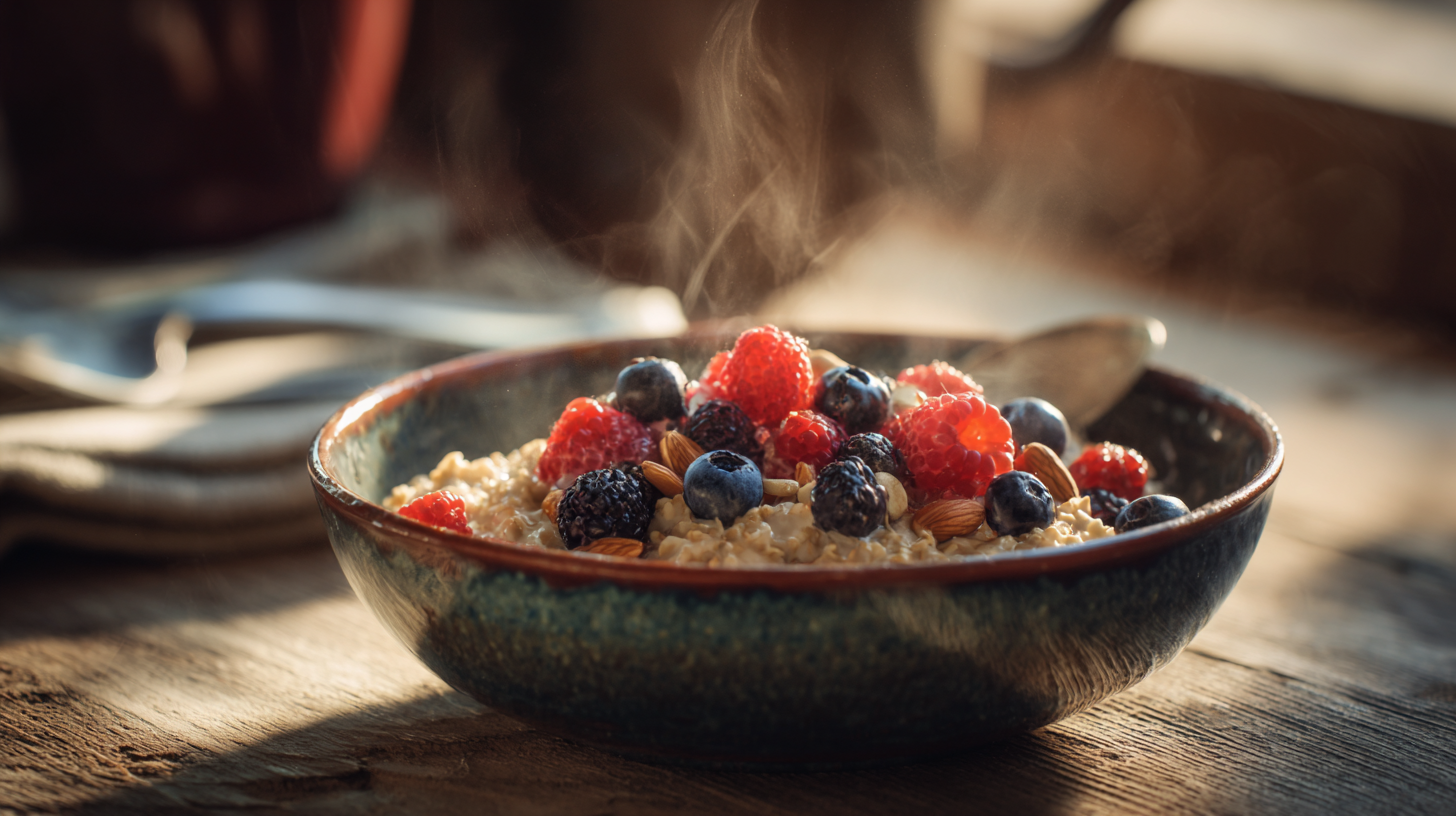
If all this talk of virtue has made you fear that any approach to whole grains must be attended by great inconvenience, let me quickly reassure you: no such heroism is required. Rather than overturn your entire manner of eating in one dramatic gesture, you may proceed with small, almost imperceptible alterations—little exchanges that accumulate, like modest savings, into a handsome fortune of better health. These simple swaps are quite in the spirit of healthy eating, yet they need not offend your palate, your schedule, or your purse.
Let us begin with breakfast, that first negotiation of the day between our better judgment and our more indulgent wishes. If you are accustomed to a bowl of highly refined cereal—those dainty crisps that sink at once beneath the milk and leave you hungry again within the hour—consider instead oats in their less tampered-with forms. Old-fashioned rolled oats or steel-cut oats, cooked with water or milk and finished with a handful of fruit and perhaps a few nuts, provide a more substantial and steadying start, with the fiber and nutrients of whole grains intact (Slavin, 2004). Should you prefer something more quickly contrived, many breakfast cereals now bear the label “100% whole grain” or list whole wheat or oats as the first ingredient; such options will generally serve your nutrition far better than their sugary cousins.
If toast is your morning companion, you need not dismiss bread altogether; simply invite a heartier version to the table. Swap your white loaf for one where the first ingredient reads “whole wheat flour” or another whole grain. You will soon discover that a slice of such bread, perhaps adorned with a little peanut butter or avocado, sustains you longer and with less temptation to rummage for biscuits before noon. Over time, your taste will adjust, so that the once-beloved white bread may seem curiously insubstantial.
When midday arrives, it is often accompanied by a certain haste: one snatches what one can between tasks. Yet even here, quiet improvements are quite possible. If sandwiches are your usual choice, the same exchange of white for whole grain bread makes a meaningful difference, particularly when coupled with generous additions of vegetables. Choose whole wheat tortillas in place of the pale, pliant kind, or seek out whole grain crackers instead of refined ones to accompany your soup or salad. Such substitutions have been associated with better fiber intake and improved diet quality overall (Jones & Engleson, 2010), yet they demand no more effort than a slightly different selection at the grocer’s shelf.
Rice, that ever-faithful accompaniment at lunch or supper, offers another opportunity for refinement of the right sort. If the family has long relied upon white rice, you might begin by replacing half of it with brown rice, thus softening the change for those who look suspiciously upon any novelty in their bowl. Over a few weeks, as everyone grows accustomed to the deeper flavor and firmer texture, the proportion of brown to white may quietly increase, until the transformation is complete. Brown rice, retaining its bran and germ, contributes more fiber, magnesium, and other beneficial compounds than its polished cousin, and its slower effect on blood sugar has been favorably observed in studies of diabetes risk (de Munter et al., 2007; Harland & Garton, 2008).
Should rice not be to your preference, you might occasionally turn to other grains—barley, farro, bulgur, or quinoa—as replacements for the refined starches that so often dominate the plate. Bulgur, for example, cooks with admirable speed and can take the place of white rice in pilafs or salads; barley lends itself beautifully to soups and stews, imparting both thickness and nourishment. In each case, you exchange a more fleeting satisfaction for one that lingers, with improved satiety and a somewhat more benevolent effect upon your heart and blood sugar (Aune et al., 2016).
Pasta, that great favorite of busy evenings, need not be banished from the respectable table. Instead, consider introducing whole wheat pasta or other whole grain varieties. At first, you might mix them half and half with your usual kind, so that the difference in texture is less remarked. Once dressed in a flavorful sauce and accompanied by vegetables, many a family will scarcely notice the change until they discover, quite by accident, that their energy after supper feels steadier and less weighed down. Research has shown that increasing whole grain intake in place of refined grains is linked with better weight management and cardiometabolic health (Ye et al., 2012), and pasta is a convenient vehicle for such small, regular improvements.
Baking, too, offers an agreeable arena for substitution. When preparing muffins, quick breads, pancakes, or waffles, you may begin by replacing a portion—perhaps one-third to one-half—of the white flour with whole wheat or another whole grain flour. This simple adjustment often passes without complaint, particularly when accompanied by familiar flavors like cinnamon, vanilla, or a handful of berries. In time, as your household’s tastes grow more accustomed to the fuller flavor, you may venture to increase the proportion of whole grain flour. Such household experiments, modest though they appear, can contribute significantly to overall fiber and nutrient intake (Jones & Engleson, 2010).
Even in the realm of snacks—those little interludes which so easily become mischief—you may make deliberate yet pleasant exchanges. Replace delicate, highly refined crackers with sturdier whole grain ones; trade certain sweet pastries for oat-based bars, preferably those with modest sugar content; keep air-popped popcorn on hand, for it is, somewhat surprisingly, a whole grain itself when prepared without lavish butter and salt. Each of these alterations nudges your daily pattern away from the rapid surges and crashes of refined starch and toward the steadier course that supports better appetite control and long-term health (Slavin, 2004).
Of course, it is one thing to approve these substitutions in theory, and quite another to introduce them to a household of established preferences and firm opinions. To reduce resistance, proceed gently. Rather than announcing a grand reform in your kitchen—such declarations are nearly always met with rebellion—present each change as a small culinary adventure. Offer a pilaf of brown rice and vegetables as something new to be tried, not as a punishment inflicted in the name of virtue. Serve whole wheat bread lightly toasted, with appealing toppings, so that its texture and flavor are at their most engaging. With children, especially, you may find that involving them in the selection or preparation of these foods makes them more willing allies in your quiet campaign.
It may comfort you to know that the scientific evidence does not insist upon perfection. One need not adopt whole grains exclusively to reap benefit; rather, it is the consistent preference for them over refined options, taken in the context of an overall pattern of healthy eating, that appears most important (Aune et al., 2016; Ye et al., 2012). If you cannot always find or afford the ideal whole grain choice, making better selections when you can still moves your daily habits in a salutary direction. Thus, instead of sighing over the impossibility of doing everything, you may take quiet pride in doing something—and doing it regularly.
As these small exchanges become familiar and unremarkable, you may find that your very idea of a proper meal begins to shift. Where once a plate seemed incomplete without a large share of white bread, white rice, or other refined starch, you may gradually come to expect the deeper flavors, firmer textures, and more durable satisfaction of whole grain companions. In this way, your pantry and your palate conspire together to make the healthier choice the easier, almost automatic one. And when, in a moment of reflection, you consider how modest these swaps have been—bread for bread, pasta for pasta, cereal for cereal—you may be pleasantly surprised at the extent to which such quiet alterations have advanced both your comfort in the present and your prospects for health in the years to come.
Understanding whole grain labels
You would think that something as simple as a grain would be plain and honest on the package. But the shelves are full of big claims and small tricks, and a person can get weary just trying to choose a loaf of bread. Let us sort it out, you and I, so that when you reach for a box or a bag you know what you’re truly getting, and not just what some fellow in an office thought would sound good in large letters.
First, remember this: when we speak of whole grains, we mean the grain with its three parts still together—bran, germ, and endosperm—just as in the studies that tied them to better heart health and lower diabetes risk (Aune et al., 2016; de Munter et al., 2007). The closer the food is to that full grain, the closer it is to those benefits. Everything on the package, honest or not, hangs on this simple fact.
The surest way to know what you are buying is to ignore the front of the package and go straight to the ingredient list on the back or side. The first ingredient tells you what makes up the largest share of the food. If that first word is “whole”—such as “whole wheat flour,” “whole oats,” “whole rye,” or “brown rice”—you are on solid ground. If instead you see “enriched wheat flour” or “wheat flour” without the word “whole,” the grain has been stripped and then partly patched up with added vitamins, and you have wandered back into the country of refined grains (Jones & Engleson, 2010).
You will meet many charming phrases on the front of the package that do not mean what they appear to mean. “Multigrain” only tells you that more than one kind of grain was used; it says nothing about whether those grains are whole or refined. You could have three different refined flours in a “multigrain” bread and not a single true whole grain among them. “Seven grain,” “twelve grain”—these, too, are often more about marketing than nutrition. Unless the grains themselves are listed as whole in the ingredients, the number on the front is just decoration.
“Made with whole grain” is another sly phrase. It often means that some small amount of whole grain has been added, just enough to make the claim but not enough to move the food much closer to real healthy eating. The color of the bread will be a little darker, perhaps, and a few seeds may be sprinkled on the crust to complete the illusion. But if the first ingredient remains a refined flour, the product is still mostly refined. Again, the ingredient list tells the truth that the front tries to dress up.
You may also see “stone-ground” or “cracked wheat” and feel reassured. These terms describe how the grain was processed, not whether it remained whole. A “stone-ground” flour can still be refined if the bran and germ have been removed before grinding. “Cracked wheat” may be only bits of refined wheat. If they are whole, the word “whole” will appear in the ingredients; if it does not, you can be sure you are not getting the full grain, no matter how honest and rustic the name sounds.
The color of bread is another trickster. A dark, brown loaf looks hearty and trustworthy, but molasses or caramel color can make a refined bread look like a whole grain. A light bread, on the other hand, can be truly whole if it uses lighter-colored grains. So do not trust your eyes alone. Once again, the ingredient list must be your compass. If the first grain ingredient begins with “whole,” you are pointed the right way; if not, you are being led off the path by appearance.
Sometimes you will come across a loaf labeled “wheat bread,” as though that were something remarkable. All ordinary bread is made from wheat unless it plainly states otherwise. The word “wheat” here is like a man boasting that he breathes air—it tells you nothing new. Only when it says “whole wheat” and shows “whole wheat flour” first in the ingredients does it carry the weight you are looking for (Jones & Engleson, 2010).
There is, however, a mark on some packages that can be useful: the Whole Grain Stamp, created by the Whole Grains Council. The “100% Stamp” means that all the grain in the product is whole, and that each serving offers at least 16 grams (one “serving” of whole grain according to their standard). A “Basic Stamp” tells you that at least half a serving of whole grain is present, though it may still contain refined grain as well. This stamp is not a government seal, nor is it perfect, but it can help you sort quickly when you do not have the patience to read every line on every package.
Still, even with whole grains, quantity matters. Many health organizations suggest aiming for at least half of your total grain intake to come from whole grains—roughly three servings a day for the average adult—as part of a pattern linked with lower risk of heart disease and other long-term troubles (USDA & HHS, 2020; Aune et al., 2016). That might look like a bowl of oatmeal in the morning, a slice or two of whole wheat bread at midday, and a helping of brown rice or barley at supper. When you read a label that boasts “contains whole grains,” it is worth checking how much whole grain you are actually getting per serving, not just whether some is present.
The Nutrition Facts panel can also help you separate the sturdy from the flimsy. For most grain products, a good rule of thumb is that each serving should offer at least 2–3 grams of dietary fiber; 4 grams or more is even better, especially for breads and crackers. High-fiber intake from whole grains has been tied to better weight control, lower cholesterol, and improved bowel regularity (Slavin, 2004; Slavin, 2013). If a “whole grain” bread shows only 1 gram of fiber per slice, you may suspect that it is more refined than the front label suggests.
You must also be on guard against sugar. Many cereals, granola bars, and snack foods call themselves “whole grain” and then drown the grain in sweetness. On the ingredient list, sugar may appear under several names—sugar, cane juice, honey, corn syrup, brown rice syrup, and many others. If one of these stands near the top, the product may give you a quick rush and crash that has little to do with the steady comfort we seek from whole grains. Remember that it is the whole grain itself, not the sugar that so often rides along with it, that brings the benefits seen in those careful studies (Harland & Garton, 2008; Aune et al., 2016).
There is one more complication: many refined grain foods are “enriched” or “fortified” with added vitamins and minerals. This has its uses in public health, but it can give the impression that such foods are just as good as whole grains. They are not. Enrichment replaces some B vitamins and iron, but it does not restore the fiber, the full range of minerals like magnesium, or the many small plant compounds that seem to play a role in the protective effects of whole grains (Jones & Engleson, 2010). So when you see the word “enriched” in the ingredients, know that you are looking at a grain that has been stripped and then patched, rather than one that has been left strong from the start.
When you grow tired of reading and cross-checking, it helps to remember that the least processed forms are the simplest to understand. A bag that says “rolled oats,” “steel-cut oats,” “brown rice,” “barley,” “quinoa,” or “bulgur” is telling you plainly what it holds, and you do not need to be a detective to know that the grain is whole. Such foods are closer to the grains used in the research that tied higher whole grain intake to better health and lower mortality (Ye et al., 2012; Aune et al., 2016). They also tend to give you more fiber for your money, which is no small thing.
As you gain practice, the work becomes easier. You glance at the front of the package to see what it claims, then you turn it over and let the ingredient list and fiber content tell you the truth. The more often you do this, the more quickly you can spot the impostors and the honest offerings. It becomes almost a small game you play with yourself: how many labels today will promise virtue, and how many will deliver it?
In time, this habit of reading carefully fits itself neatly into the rest of your healthy eating efforts. Whole grain breads, cereals, and grains that truly deserve the name find their way into your home. The others, once tempting enough, look less worthy of your money and your appetite. And when you stand in the aisle, holding two boxes that look much the same, you will know how to choose the one that brings you closer to the quieter blood sugar, steadier energy, and long-term protection that all those dry scientific papers spoke of. From there, it is only a small step to making these honest grains at home in your kitchen, cooking and storing them in ways that fit your days and your life.
Budget-friendly whole grain choices
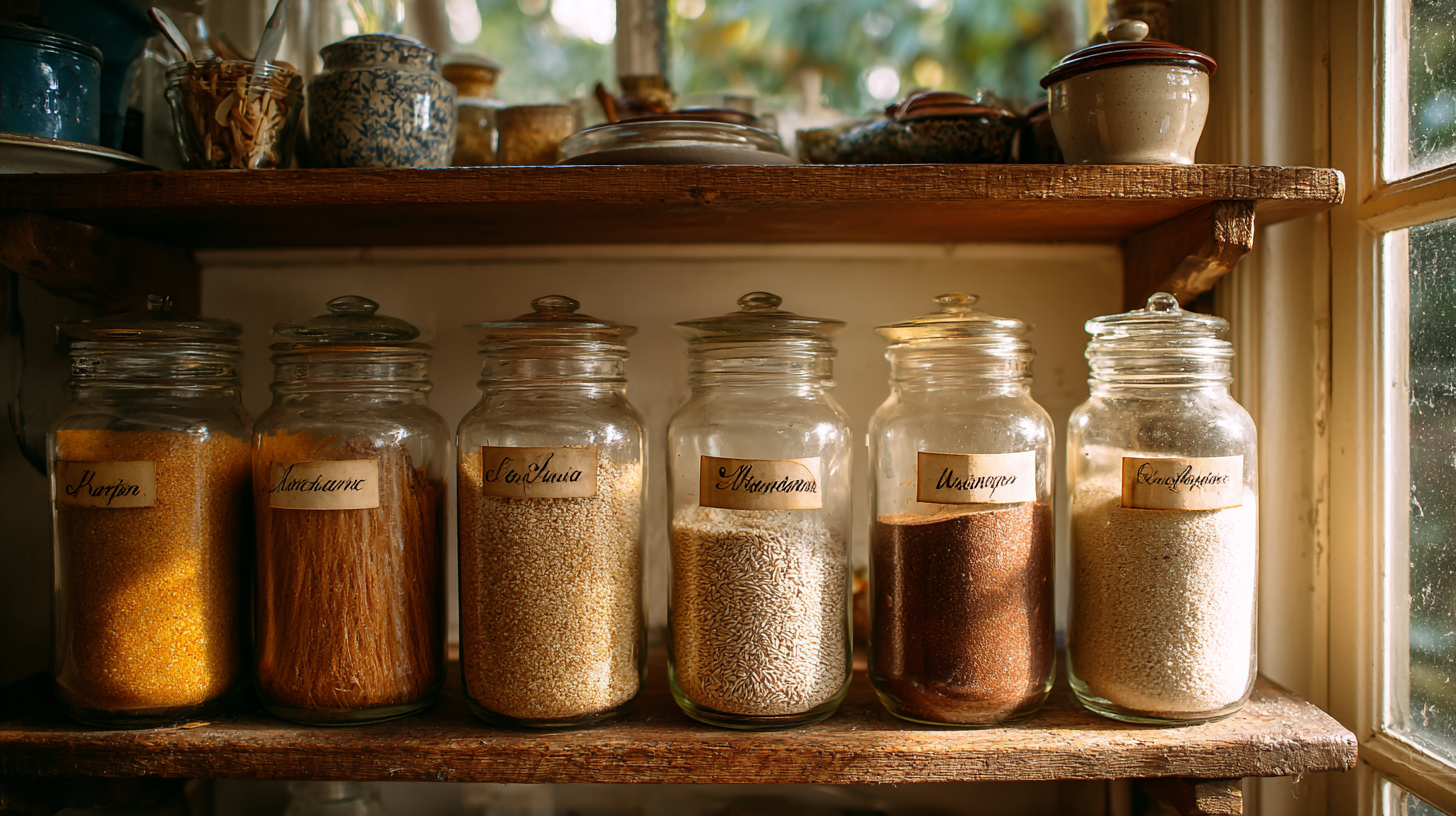
Now comes the part that worries most sensible people: the money. It is one thing to praise whole grains in books and journals, and another to pay for them in a real store with a real budget. You see the tidy bags of quinoa and the fancy boxes of ancient grains lined up like officers at parade, each with a proud price tag, and you think, “This is not for my kitchen.” But they are the show horses. The work is done by the plain animals—the cheap, common grains that have been feeding people well for a very long time.
When you strip the matter to its bones, the most useful whole grains are among the least expensive foods in the store. A big sack of old-fashioned oats, a bag of brown rice, some barley, cornmeal, and whole wheat flour—these cost far less per serving than meat, cheese, or even many snack foods, and they carry a better share of fiber, vitamins, and minerals than the refined versions (USDA & HHS, 2020). They keep well, fill the belly, and stand up to hunger, which is what you need if you are living with one eye on nutrition and the other on the grocery bill.
The trick is to stay away from the aisle of fancy boxes and glass jars where grains are prettied up and priced like jewelry. There the same oats you can buy in a large, plain bag are sealed in tiny packets with honey patterns and fruit painted on the front, and the cost quietly doubles or triples. Buy them as close to their natural form as you can—rolled, steel-cut, cracked, or whole—and season them yourself. The fiber and heart benefits are the same (Slavin, 2004; Aune et al., 2016); only the price and the sugar change.
If you can, buy in bulk. I do not mean filling a cellar for the end of days, only taking home more of a thing that keeps well and that you know you will use. Oats, brown rice, barley, and dried cornmeal are all suited to this. In many shops there are bins or large sacks, and the cost per pound is lower than the neat little boxes. It is not romantic, but it is sound. Bulk grains have long been a quiet ally for people who wanted decent food and could not afford to be frivolous (USDA & HHS, 2020).
You can think of these grains as the spine of your meals, the strong, cheap part that holds everything together. A pot of brown rice or barley on the stove can carry vegetables, beans, a few scraps of meat, or an egg on top. In countries where people live long lives on modest means, you see this pattern again and again: simple whole grains, cooked plain and then dressed with whatever the day allows. Research that looks at such eating patterns—grain- and plant-centered, with meat as a guest rather than a landlord—shows lower rates of heart disease and diabetes (Aune et al., 2016; Ye et al., 2012). Good healthy eating does not need to be fancy; it must only be steady and honest.
On mornings when money is tight, oats are worth their weight in silver. A bowl of rolled oats, cooked with water and a pinch of salt, costs only a few cents and keeps you full for hours, better than most of the high-priced cereals that crackle and boast about their vitamins. Add a sliced banana, some frozen berries, or a spoon of peanut butter if you have it, and you have made yourself something that doctors and dietitians approve of and your wallet does not resent (Slavin, 2004). Plain oats in a large bag almost always beat the small flavored packets on price, sugar, and fiber.
At midday or night, brown rice is the same sort of friend. You can buy a good-sized bag for little money, and it will see you through many meals. Make a large pot on a quiet evening, then turn it into three days’ worth of suppers: rice with beans and onions the first night; a stir-fry with whatever vegetables you can find the next; a soup or stew thickened with the last of it on the third. Studies that follow people over many years show that those who lean on whole grains like brown rice instead of white tend to have better blood sugar control and lower diabetes risk (de Munter et al., 2007). That is not bad work for something so cheap and ordinary.
You do not have to chase every grain that appears in the news. Quinoa and farro are fine things, but they do not hold a monopoly on goodness. If your store only carries brown rice, oats, whole wheat flour, and maybe some barley, that is already enough to cover the main benefits you see in the research on whole grain intake and long-term health (Aune et al., 2016; Ye et al., 2012). Better to eat these affordable staples often than to buy one costly grain now and then and let it sit on the shelf like a museum piece.
Watch, too, for the quiet whole grains hidden in plain sight on the lower shelves and the store brands. A no-name bag of brown rice or oats may cost less than half of the well-advertised brand and be every bit as good. Store-brand whole wheat pasta, whole grain bread, and tortillas are often cheaper as well, and if the first ingredient is “whole wheat flour,” they will do the same work in your body as the proud names (Jones & Engleson, 2010). When money is thin, the label on the front matters far less than the words in the ingredient list.
There is another economy to be found in the bakery aisle. Fancy loaves with seeds and grains scattered over the crust are often priced high, as though each sunflower seed were a coin. But a plain, dense whole wheat loaf from the store brand usually costs less and gives you the same key things: real whole grain as the first ingredient, a good 2–3 grams of fiber per slice, and the slower digestion that keeps hunger in check (Slavin, 2004; Jones & Engleson, 2010). When you toast such bread and cover it with beans, eggs, or a bit of cheese, it becomes the sort of cheap, sturdy meal that has carried many people through lean seasons.
If your hunger for healthy eating outruns your budget, it may help to make a small bargain with yourself: for every refined grain you buy, pick one whole grain that gives better value. White sandwich bread is often no cheaper than the simplest whole wheat version; white rice and brown rice are usually close in price per pound; instant sugary cereals almost always cost more per serving than bulk oats. By trading refined products for their whole versions one by one, you shift your spending, not increase it.
You can also stretch the more expensive grains, if you wish to use them, by mixing them with cheaper ones. A pilaf that is half quinoa and half brown rice still brings you the protein and texture of quinoa but at half the cost. A salad that starts with barley and adds a little farro gives you the satisfaction of both. From the body’s point of view, the mix of fibers, minerals, and plant compounds from several grains together is as good or better than any one grain alone (Aune et al., 2016). This is the sort of blending that farmers and home cooks have done for centuries without thinking of it as strategy.
Some of the best bargains are found outside the neat aisles. Ethnic markets and smaller neighborhood shops often sell whole grains—brown rice, millet, bulgur, cornmeal, barley—in larger bags at lower prices. These are the same grains that appear cooked and praised in Mediterranean or traditional Asian diets, which are often used as examples in studies of long-lived, low-disease populations (USDA & HHS, 2020; Aune et al., 2016). When you carry home a ten-pound sack of rice or a big bag of oats from such a place, you are buying many quiet evenings of decent food.
All of this is easier if you make peace with simple cooking. Whole grains do not need much to make them honest and good: water, salt, and time. A little oil or butter, some onions or garlic if you have them, scraps of leftover vegetables—they turn a pot of grain into supper. Compared with buying frozen dinners or takeout, these plain pots of grain and vegetables are usually cheaper, and their pattern of fiber and nutrients matches more closely what the studies on whole grains and health have found to be protective (Ye et al., 2012; Slavin, 2013).
So the question is not whether you can afford whole grains, but which ones you choose and how you buy them. If you let the advertisements lead you, you will think that health is something you must purchase dearly in bright packages. But when you walk past the displays and reach instead for the sturdy sacks of oats, rice, barley, cornmeal, and flour, you are choosing the quiet, peasant way to better nutrition. It is not glamorous, but it is sound, and it leaves a little more in your pocket for the rest of life.
Once you have these grains at home, sitting in jars or bags in your cupboard, the next question comes naturally: how to cook them so they taste good, and how to keep them fresh so they do not go to waste. These are not difficult things to learn, but a few small habits can mean the difference between a pot of grain that is dull and one that you look forward to, between food that spoils in the dark corner of a shelf and food that is ready when you are. From here, it is only a matter of water, heat, and a little practice.
Tips for cooking and storing whole grains
Once you have brought your sacks and boxes of whole grains home, the real work begins—not the hard, back-breaking work of the field, but the gentler, more patient work of pot and pan. Many people are frightened off by the idea that these grains are fussy or temperamental to cook. In truth, they ask only two things of you: enough water and enough time. If you can remember those, the rest can be learned in a few evenings, and each small success will encourage you to look more closely at how your daily food is shaping your health, your energy, and even your patience.
Every grain has its own character, yet most follow a simple pattern: measure, rinse, simmer, rest. A common ratio for many intact grains—such as brown rice, barley, and farro—is about one part grain to two or three parts water by volume. Bring the water and a pinch of salt to a boil, stir in the rinsed grain, cover, reduce to a gentle simmer, and leave it to quietly swell until the water is absorbed and the kernels are tender. Resist the urge to stir every few minutes; most grains prefer to be left alone. When the time is up, take the pot off the heat and let it rest, covered, for ten minutes so the steam can finish its gentle work. These few simple steps can be repeated so often that they become as natural as tying your shoes.
Oats, those faithful companions of modest mornings, are perhaps the most forgiving. Rolled oats cook in five to ten minutes in a saucepan, with roughly twice as much water or milk as oats. Steel-cut oats are slower—twenty to thirty minutes—but reward your patience with a nutty flavor and a heartier texture linked with better satiety and blood sugar control in studies of healthy eating (Slavin, 2004). If the morning rush leaves you no time, an overnight method can be your ally: stir oats into hot water at night, cover, and let them sit on the stove (or in the refrigerator) until morning, when only a few minutes of reheating will bring them to life.
Rice, especially brown rice, has a reputation for being stubborn, but a few habits tame it easily. Rinse it in cool water until the cloudiness runs clear; this removes excess starch that can make the grains cling. Use about one part rice to two parts water, bring to a boil, then cover, lower the heat, and do not lift the lid until at least 35–40 minutes have passed. At first you may be tempted to peer and prod, but if you trust the process you will often find a pot of tender grains ready to fluff with a fork. Each successful batch will make you wonder why you ever surrendered so much of your grocery money to instant mixes and boxed blends when a plain bag of rice could do the work more honestly.
Some grains, like quinoa, ask for one extra kindness: a good rinse before cooking to wash away their natural coating, which can taste bitter. Place them in a fine-mesh sieve and run cold water over them for a full minute, stirring with your hand. Then cook them in about twice their volume of water, simmering gently until the grains unfurl their little tails and become tender, which usually takes only fifteen minutes. Such quick-cooking grains are helpful on evenings when your energy and patience are low but you still wish to hold fast to your intentions for better nutrition.
If you find yourself short on time most days, it may help to think of grains the way earlier generations thought of bread dough or soup stock: something you make in a larger quantity and draw from all week. Set aside an hour once or twice a week, cook a generous pot of brown rice, barley, or another favorite grain, and cool it quickly—spread out on a tray or in shallow containers—before storing it in the refrigerator. Each day, you can take what you need for breakfast bowls, salads, stir-fries, or soups. This “batch cooking” turns the slow nature of grains into an advantage, providing ready, wholesome material for quick meals instead of pushing you toward the nearest refined convenience food.
Flavor, too, makes a great difference in whether these pots of grain become a pleasure or a duty. Instead of water alone, you may simmer your grains in broth, or in water lightly scented with garlic, onion, or bay leaf. A splash of olive oil or a pat of butter at the end can soften the texture and help flavors cling. Herbs, lemon juice, toasted nuts, roasted vegetables—these are not luxuries but simple tools for turning a plain grain into something that invites you back to the table. You may find yourself wondering why the health studies praise “dietary patterns” rather than isolated foods; when you taste a bowl of barley dressed with vegetables and olive oil, you begin to see how grains, fats, and plants can act together in the body far differently than a lonely slice of white bread.
Yet cooking is only half the story. How you store your grains—both before and after cooking—quietly decides whether they serve you well or disappoint you. Because whole grains still carry their germ, which is rich in natural oils, they are more prone to becoming stale or rancid than their stripped, refined cousins. Left too long in warm, bright places, they may gradually take on an off smell or flavor. To protect them, keep them in airtight containers—glass jars, sturdy tins, or strong plastic—with the lids firmly closed, and store them in a cool, dark cupboard away from the oven or heating vents.
For grains that are especially rich in oils, such as whole wheat flour, brown rice, and many nutty “ancient grains,” a cooler home is even better. If you will use them slowly, you can keep them in the refrigerator or freezer; cold temperatures slow the natural changes in those oils. Whole wheat flour and brown rice, for instance, often stay fresher for several months in the freezer than they would in a warm pantry. A little label with the date can remind you when you bought or opened them, turning your kitchen into a kind of gentle laboratory where you track not only ingredients but habits.
Cooked grains, once cooled, keep well in the refrigerator for three to four days if stored in covered containers. Freeze portions you will not use within that time in small, flat packets; they thaw more quickly and can be warmed in a covered pan with a spoonful of water, or even in the steam of a soup or stew. In this way, a single evening’s effort can provide the backbone for many meals, sparing you from the daily decision of “What healthy thing can I make in ten minutes?” and replacing it with “Which of these ready grains shall I dress up tonight?” When you see how often that choice steers you away from refined, sugary conveniences, you may find yourself thinking more deeply about how the simplest bits of planning shape your entire pattern of healthy eating.
It is wise, too, to use your senses as quiet inspectors. Before cooking or serving, look at the grains: they should appear dry and clean, without insects, webbing, or unusual clumping. Smell them: they should have a mild, pleasant, or neutral scent. A sharp, oily, or paint-like smell is a sign that the oils have turned and the grain is no longer fit for good food. Learning to trust your own judgment in these matters can be oddly empowering in a world where so many people feel they must lean on labels and claims rather than their own eyes and nose.
Do not be discouraged if, at first, your pots of grain are sometimes too firm or too soft. These small errors are your tutors. Different brands and ages of grain absorb water differently; altitude and stove strength play their parts as well. Keep a small notebook if you like, noting how much water and how much time produced your favorite textures. In a few weeks, you will know your own kitchen so well that you can adjust on the fly, and each successful pot will quietly reinforce the idea that long-term health is often the fruit of repeated, ordinary efforts rather than special events or miracle foods.
As you stand in front of your cupboard, filled with jars and bags that once intimidated you, you might begin to ask yourself deeper questions. How many years did I let convenience foods decide my meals for me because I feared a pot and a bit of time? What else in my life have I avoided learning because it seemed slow, only to discover that the slowness is precisely what makes it rich? The same studies that praise whole grains for their effects on heart disease and diabetes risk (Aune et al., 2016; de Munter et al., 2007) also hint at something more mysterious: that people who build steady habits around simple, nourishing foods often enjoy a kind of resilience that statistics can barely capture. Might your own experiments with grains be the beginning of a broader curiosity about how daily choices quietly tilt your health, your mood, and even your clarity of thought?
And so each time you rinse, simmer, and store these small kernels, you are doing more than preparing dinner. You are choosing to understand, with your own hands and senses, what once seemed opaque: how food moves from field to kitchen to body, and how that movement shapes the years ahead. That kind of knowledge cannot be bought in a bright box; it must be grown, little by little, in your own pots and pans. The question now is not whether you can cook and keep whole grains, but what else you might be ready to learn once you have mastered these quiet, powerful skills.
- Are whole grains really better for me than refined grains?
- Yes. Whole grains keep the bran and germ, which provide more fiber, vitamins, minerals, and beneficial plant compounds than refined grains, and this pattern is linked with lower risk of heart disease, type 2 diabetes, and some cancers. Refined grains lose much of this protection when their outer layers are removed.
- How many servings of whole grains should I eat each day?
- Most guidelines suggest aiming for at least three servings of whole grains per day for the average adult, or making at least half of all your grain choices whole. That might look like oatmeal at breakfast, whole grain bread at lunch, and brown rice or barley at dinner.
- What are some easy ways to start adding whole grains to my meals?
- Begin by swapping, not adding: choose whole wheat bread instead of white, brown rice instead of white, and old-fashioned oats instead of sugary cereals. As these small changes become normal, you can experiment with other grains such as barley, quinoa, bulgur, or farro.
- How do I know if a product is truly made from whole grains?
- Ignore the front of the package and read the ingredient list. If the first grain ingredient begins with the word “whole” (like “whole wheat flour” or “whole oats”) and the food provides at least 2–3 grams of fiber per serving, it is far more likely to be a true whole grain product.
- Can I still eat whole grains if I am trying to lose weight?
- Yes, and they may even help. Whole grains are more filling than refined grains because of their higher fiber content, which can help you feel satisfied with fewer calories and avoid rapid spikes and crashes in blood sugar that drive overeating.
- What if I feel bloated when I start eating more whole grains?
- This can happen if your body is not used to much fiber. Increase portions gradually, drink more water, and spread your fiber intake throughout the day; most people find that their digestion adapts within a week or two.
- Are gluten-free whole grains just as healthy as those with gluten?
- Gluten-free whole grains—such as brown rice, oats (certified gluten-free if needed), quinoa, buckwheat, and millet—can be just as nutritious as wheat or barley. The key is that they remain whole, with their bran and germ intact, rather than being turned into highly refined gluten-free flours and starches.
Beside our live streamed church services, all are welcome to attend our church in person each Saturday beginning 10:00 AM Central Time by going to 2425 Owens Rd., Ashland, AL 36251. There is no cost and any donations are strictly voluntary.
For questions, call +2563547124.