Come join Ashland Sabbath Chapel Ministries each Saturday for live streamed church services. Bible Study begins at 10:00 AM Central Time and Sermon at 11:00 AM. Visit Our YouTube channel and watch from home!
You open the fridge and it looks back at you like a bad mirror. Wrapped things. Old takeout. Half a lemon gone hard. You want healthy meals, but the raw material isn’t on your side. So you start where all good cooking begins—before the pan, before the flame—at the moment you choose what comes into your kitchen.
Walk into the store with a simple rule: buy more food that doesn’t need a label. A carrot does not explain itself. An apple stays quiet. Broccoli does not shout high-fiber or heart-healthy from the shelf, but it is all of that and more. Most of your cart should be these quiet things—fruits, vegetables, whole grains, beans, eggs, nuts, and plain dairy—because the less the factory does to your food, the better it usually is for your nutrition and your waistline [1].
In the produce aisle, go for color like you’re painting a rough, bright canvas. Dark greens, deep reds, purples, oranges. Each color gives you a different set of vitamins, minerals, and plant chemicals that help your heart, brain, and immune system work the way they should [2]. Spinach and kale carry iron and folate. Berries come with antioxidants that help calm the quiet fires of inflammation. Red and yellow peppers bring vitamin C and a small burst of sweetness. If it looks like a small sunset, it’s probably good for you.
Fresh is fine, but don’t treat it like a religion. Frozen vegetables and fruits are picked at their best and frozen fast, often holding as many nutrients as fresh ones, sometimes more [3]. They wait for you, they don’t wilt, and they make it harder to lie to yourself about not having time to cook. Just watch for the traps: sauces, syrups, and added salt. You want the plain bag where the only ingredient is the thing you can picture in your hand.
At the grain shelf, ignore the front of the box. The truth is hidden in small letters on the back. Look for “100% whole” in the ingredient list. Whole grain bread, brown rice, oats, quinoa, barley—these bring fiber, B vitamins, and a slow release of energy instead of the sharp rise and crash from white bread and sugary cereals [4]. Fiber helps you feel full and keeps your blood sugar steadier, and most people get far less than they need. If the first ingredient is “enriched wheat flour,” it’s dressed-up starch. Put it back.
For protein, think about how your heart will feel ten years from now. Beans, lentils, chickpeas, tofu, and tempeh give you protein with almost no saturated fat and a good dose of fiber. They hold their own in soups, stews, and simple skillet meals. A cup of cooked lentils carries around 18 grams of protein and plenty of iron and folate, which is no small thing for a handful of dirt-born seeds [5]. Use them often, and let meat slide into a smaller role on your plate.
When you do buy meat, go lean and go simple. Chicken or turkey without the skin. Pork loin. Extra-lean ground beef. Fish that swims in cold water—like salmon, mackerel, and sardines—brings omega-3 fats that help your heart and might lower the risk of some chronic diseases [6]. Avoid meats that have been twisted and pressed and smoked into strange shapes: hot dogs, bacon, sausage, deli meats. These are tied to higher risks of heart disease and some cancers when eaten often [7]. The more the butcher has worked on it, the less you should trust it.
Dairy can be a quiet helper when you choose it well. Plain yogurt, milk, and simple cheeses give calcium and protein without a parade of sugar and additives. Go for low-fat or fat-free if you eat a lot of dairy; if you eat a little, some full-fat is fine, just keep the portions small. Watch the flavored yogurts. Many of them are closer to dessert, with more sugar than a small soda [8]. You can sweeten plain yogurt yourself with fruit and a drizzle of honey if you want it softer on the tongue.
Fat is not the enemy; the kind and the amount are. Keep a small bottle of olive oil within reach. Use it instead of butter when you can. Olive, canola, avocado, and other liquid plant oils bring unsaturated fats that support healthier cholesterol levels when they replace saturated fats from butter, lard, and palm oil [9]. Nuts and seeds—almonds, walnuts, chia, flax—are rich in good fats and fiber. A small handful is enough. These foods are dense. Respect them, and they respect your heart.
The center aisles of the store are where trouble waits in bright colors. Boxes and bags designed to catch the eye, loaded with sugar, salt, and cheap oils. If you need something there, read the nutrition label like you’re reading a contract. Few ingredients. No long chemical-sounding words you wouldn’t keep in your own cupboard. Added sugar low on the list, or not there at all. Sodium under control. Many health organizations suggest keeping daily sodium under 2,300 mg—less if you have high blood pressure [10]. You don’t need to chase perfection, but you should know what you’re buying.
One easy trick: if you can imagine how a food looked when it came out of the ground, off the tree, or from the animal, you’re on safer ground. An orange is easy to picture. Orange juice from concentrate with flavor packs and added sugar is not. Whole foods force you to chew and slow down. That alone helps you feel satisfied with less.
At home, give the good choices the best real estate. Put washed fruit in a bowl on the counter or at eye level in the fridge. Keep cut vegetables in clear containers. Store nuts, oats, and beans where you see them first when you open a cabinet. Hide the chips on the highest shelf, or don’t bring them in at all. Your hands follow your eyes when you’re tired, stressed, or hungry. Make it easy for your future self to choose well.
Small shifts in what you buy and keep around you change the way you eat without speeches or strict rules. Better ingredients make it easier to turn simple cooking into steady, healthy meals day after day. You don’t need fancy recipes or rare spices. You just need to choose your raw materials with a cold eye and a clear head, and let the right foods earn their place in your kitchen.
- [1] Monteiro CA et al. Ultra-processed products are becoming dominant in the global food system. Obesity Reviews. 2013.
- [2] Slavin JL, Lloyd B. Health benefits of fruits and vegetables. Advances in Nutrition. 2012.
- [3] Bouzari A et al. Mineral, fiber, and total phenolic retention in eight fruits and vegetables. Journal of Agricultural and Food Chemistry. 2015.
- [4] Aune D et al. Whole grain consumption and risk of cardiovascular disease, cancer, and mortality. BMJ. 2016.
- [5] Messina V. Nutritional and health benefits of dried beans. American Journal of Clinical Nutrition. 2014.
- [6] Mozaffarian D, Wu JH. Omega-3 fatty acids and cardiovascular disease. Journal of the American College of Cardiology. 2011.
- [7] Micha R et al. Red and processed meat consumption and risk of incident coronary heart disease, stroke, and diabetes. Circulation. 2010.
- [8] Wang H et al. Trends in consumption of dairy products among US adults. Journal of Nutrition. 2015.
- [9] Schwingshackl L, Hoffmann G. Monounsaturated fatty acids and cardiovascular risk. PLoS One. 2012.
- [10] Whelton PK et al. 2017 ACC/AHA blood pressure guideline. Hypertension. 2018.
Smart cooking methods
Once you bring better ingredients through the door, the next question is what you do with them. The pan can either guard their goodness or drain it away. Two people can start with the same basket of vegetables and chicken, and one will turn out light, bright, healthy meals, while the other ends up with a greasy weight that sits heavy on the stomach. The difference is not chance; it is method.
Think first about how much water and fat you add, and how high you turn the flame. Long boiling in a big pot of water leaches flavor and nutrients alike. Vitamins like C and some B vitamins are water-loving and heat-shy; they slip into the cooking water and break down under long, rolling boils. If you must boil, do it briefly and use the liquid in soups or sauces so what left the vegetable still reaches your body. But there are kinder ways to treat what you’ve bought.
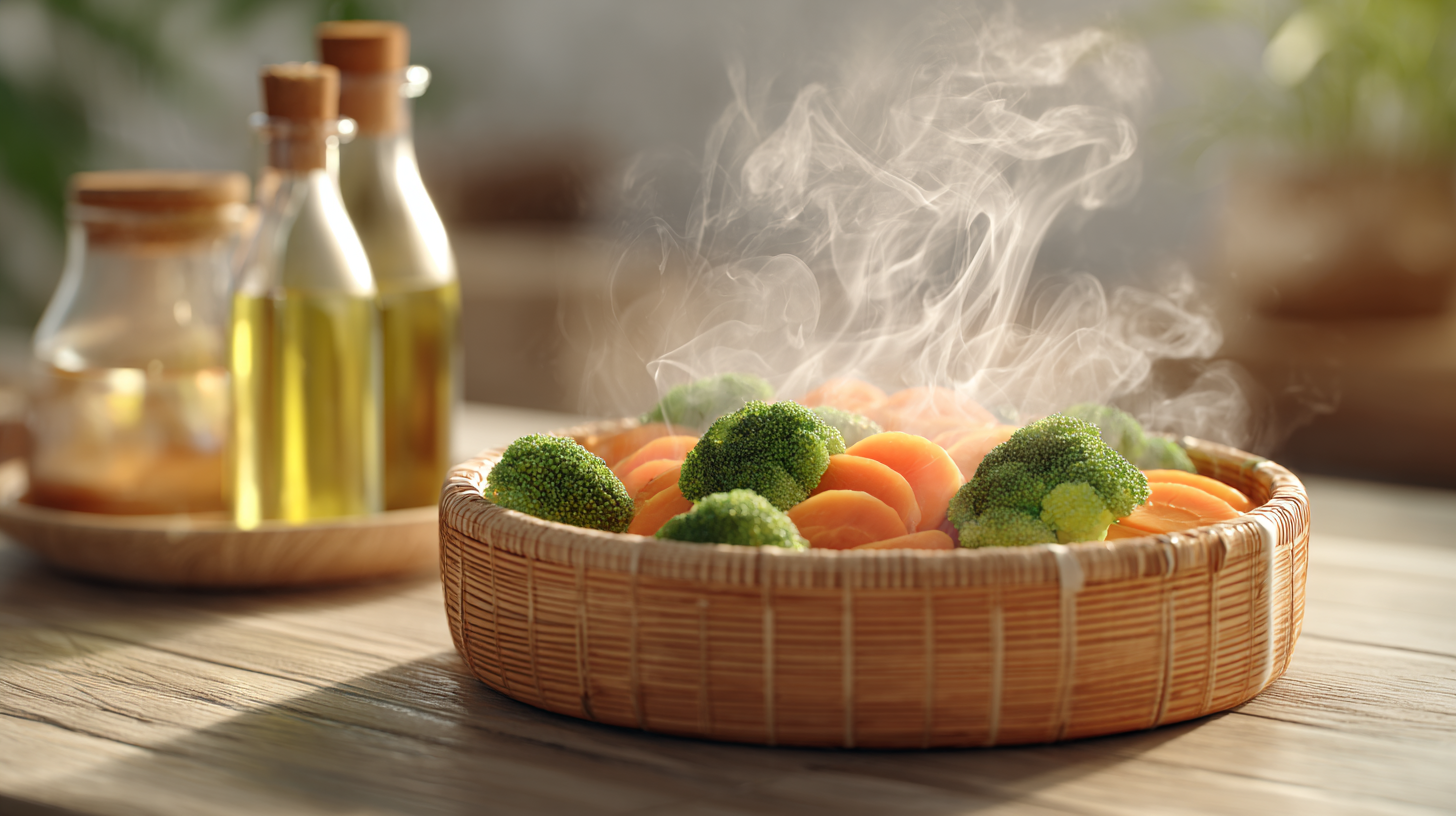
Steaming is one of the simplest. A pot with an inch or two of water, a metal or bamboo basket, a lid that fits—that is all. The vegetables sit above, not in, the water. The steam rises, softening them while keeping more of their color, texture, and nutrition. Carrots stay sweet, broccoli stays green, and the plate looks alive instead of washed-out. You can steam fish in the same manner, laid on a plate or in parchment, seasoned with lemon, herbs, and a thread of olive oil. It cooks gently, without the need for a heavy cloak of butter or cream.
Stir-frying is another faithful method when you handle it wisely. A hot pan, a modest spoon of oil, and quick movement. Instead of drowning vegetables in fat, you coat them lightly and keep them in constant motion over strong heat. They sear, they soften, yet they keep their snap. The trick is in the order: start with firm things that need more time—onions, carrots, broccoli stems—then add softer ones like bell peppers, zucchini, or leafy greens at the end. In this way you keep each piece close to its best. If you crowd the pan, you do not stir-fry; you steam and stew in oil. Give the food space.
Roasting may be the homeliest and most comforting method, and it can be one of the healthiest when you mind the oil bottle. High, dry heat draws out the natural sweetness in vegetables and browns the surface of meats, creating flavor without thick breading or deep fat. Spread your vegetables in a single layer, toss them with just enough oil to glisten, and season with salt, pepper, and herbs. Potatoes, carrots, Brussels sprouts, cauliflower, and onions all bow gladly to this treatment. In half an hour or so, you have a tray full of browned edges and soft centers that taste richer than the work you put in.
For meat, roasting or baking gives you a path far better than frying. A chicken breast brushed with olive oil, garlic, and herbs in the oven will feed you better than the same piece dipped in batter and submerged in hot oil. The oven lets excess fat drip away rather than soaking more in. If you place chicken or fish on a rack over a pan, gravity itself becomes your helper, pulling off what your body does not need.
Grilling stands close beside roasting, but it comes with both promise and warning. The open flame and high heat give smoke and char that please the tongue. Yet too much charring, and fat dripping into flame, can lead to compounds that are not friendly to your long-term health. Keep the grill at a steady medium-high, not a raging inferno. Trim excess fat from meats, and avoid letting them burn. Turn them often, and consider using a simple marinade made with oil, vinegar or lemon juice, and herbs. This not only adds flavor but can help reduce some of those unwanted compounds. Put vegetables and firm fruits—peppers, zucchini, mushrooms, pineapple—on skewers or in a grill basket. They take on the good smoke without the same concerns as fatty meats.
Pan-searing is a cousin of grilling that can be done on any stove. Heat a skillet, add a teaspoon or two of oil, and lay down your fish, lean pork chop, or tofu steak. Let it sit until a golden crust forms, then flip and finish cooking at a lower heat. This method gives you contrast—crisp outside, tender within—without heavy breading. If you want a sauce, deglaze the pan with a splash of broth, wine, or even water, scraping up the browned bits. Let it reduce, and you have flavor without needing a stick of butter.
Slow cooking has its place as well, especially when life is busy. A slow cooker or covered pot on low heat can turn tough cuts of lean meat and dry beans into tender meals with little effort. The key is what you put into that pot. Broth instead of cream, herbs instead of heavy salt, plenty of vegetables instead of processed sauces from a jar. When you let things simmer for hours, flavors mingle; you do not need to drown them in fat to make them pleasant. A pot of beans with onions, garlic, carrots, and a bay leaf serves better than many fast-food meals and asks little from you but patience.
On the other hand, some methods are best left for rare occasions. Deep frying, with its vat of oil and crusty shell, pulls fat into every pore of the food. It raises calories quickly without giving anything good in return. Even air frying, which is more restrained, should be a helper, not a habit. It can give you a crisp surface on potatoes or chicken with much less oil, but remember that a lighter version of a poor choice is still not as good as a straight, simple choice. Baked wedges of potatoes, tossed in a small amount of oil and roasted, ask you to chew more slowly and fill you sooner.
Microwaving is often scorned, yet it can be a quiet ally in cooking simple, healthy meals. Because it heats quickly, it often preserves more vitamins than long boiling or baking. Steaming vegetables in a covered dish with a spoonful of water in the microwave is quick and kind. Reheating leftovers gently there lets you cook once and eat twice, which is no small help if you’re trying to stay on course through a busy week. The danger lies not in the oven itself, but in the frozen boxed meals many people slide into it—those heavy with sodium, sugar, and low-grade fats.
Notice, too, how you cut and handle food before it meets the heat. Smaller pieces cook faster but can lose nutrients more quickly if overdone. If you slice vegetables, bring them to the pan soon after; long waits on the counter let air and light steal vitamins quietly. When possible, cook vegetables until just tender-crisp, not limp and faded. You should meet a slight resistance when you bite, not mush. That small bit of firmness is the sign that much of the original life remains.
As you begin to favor these gentler, wiser methods—steaming, stir-frying, roasting, baking, grilling with care—you’ll find that your tongue adjusts. The clean taste of a roasted carrot or a seared piece of fish begins to seem more satisfying than the heavy cloak of batter and oil. What started as a rule becomes a preference. And from there, it’s a short step to thinking not only about how you cook each food, but how you bring them together on the plate so that one method supports another and the whole meal leans toward balance rather than excess.
Reducing salt, sugar, and unhealthy fats
When you begin to look closely at your salt, sugar, and fats, you discover how quietly they have slipped into nearly everything. They are like guests who came to help in the kitchen and then took over the house. Yet the Lord has not left us without wisdom. With a little watchfulness and steady purpose, you can draw back the excess and still enjoy food that comforts and sustains.
Start with salt, because it so often leads the parade. Most of the salt people eat does not come from the shaker on the table; it hides in breads, canned soups, sauces, frozen meals, snack foods, and restaurant dishes. If you ever rise from a meal puffy in your fingers, thirsty, or with your rings tight, that is your body’s quiet protest. When you cook at home, you hold the measure. Use salt sparingly while cooking and lean more on herbs, spices, garlic, onion, citrus, and vinegar for flavor. Add a small pinch near the end of cooking, taste, and stop there. You will be surprised how little is truly needed when the food itself is good.
A simple way to cut salt without feeling deprived is to change where you put it. Instead of salting heavily during cooking, keep a small dish of coarse salt at the table and let each person add a few grains on top of their food if they wish. Salt on the surface meets the tongue first, so you can often use less and be satisfied. At the same time, reduce the salty helpers that creep in unnoticed—bouillon cubes, seasoning packets, bottled sauces. Many of these carry more sodium than your body can bear day after day.
Read labels as if you were guarding your own heart, because you are. When you pick up a can or jar, your first question can be, “How much sodium is there in a serving, and how big is that serving?” Look for “reduced sodium,” “no salt added,” or “low sodium” versions of tomatoes, beans, and broth. Rinse canned beans under water before using them; this can wash away a portion of the salt clinging to them. Choose simple tomato sauce without added salt and season it yourself with basil, oregano, and garlic. Each small step draws you away from dependence on the shaker and toward a truer taste of the food.
Turn now to sugar. It speaks kindly to the tongue but works hardship on the body when taken in excess. Much of the sugar people take in each day never looks like dessert. It arrives in breakfast cereals, flavored yogurts, granola bars, bottled drinks, coffee creamers, and condiments. When you begin to notice, you may feel as if sweetness has wrapped a net around your whole day, from the first sip in the morning to the last bite at night.
In your own kitchen, you can set another pattern. Sweeten with purpose, not out of habit. If a recipe calls for a full cup of sugar, try using two-thirds or even half the amount. Often the dish will still please, especially if there are other flavors—vanilla, cinnamon, nutmeg, citrus zest—to support it. Many baked goods, like muffins or quick breads, can bear this quiet reduction without complaint. Over time, your taste will adjust, and what once seemed modest will begin to feel too sweet.
Guard especially what you drink. Liquid sugar slips past the body’s hunger signals and adds calories without giving fullness in return. Sodas, sweet teas, energy drinks, and many flavored coffees work like a steady drip against your health. Try to make water your first drink, and dress it with lemon, lime, or a few pieces of fruit if you miss variety. Unsweetened tea, hot or iced, can be a faithful companion. If you use juice, pour a small glass and fill the rest with water or sparkling water. In this way you keep the flavor and much of the pleasure while cutting the load on your blood sugar.
When you want something sweet to end a meal, think of whole fruit first. A baked apple with a sprinkle of cinnamon, a bowl of berries with a spoon of plain yogurt, or orange segments drizzled with a little melted dark chocolate—these bring not only sweetness but fiber, vitamins, and gentle plant compounds that bless your nutrition. If you still enjoy desserts made with sugar, let them be occasional and portioned with care, not a nightly right.
Unhealthy fats deserve the same careful eye. The problem is rarely fat itself, but the kind and the measure. Saturated fats from fatty meats, butter, full-fat cheese, and many baked goods can raise the less-desirable cholesterol in the blood when eaten often. Trans fats, found in some shortenings and older processed foods, work even more harm and should be avoided whenever you see “partially hydrogenated” oils on a label. At the same time, fats from olives, nuts, seeds, avocados, and certain fish can help the heart when they replace heavier fats and are kept within modest bounds.
In the kitchen, picture fats as a tool, not a blanket. Instead of pouring oil freely into a pan, measure it with a spoon. Two teaspoons of olive oil can give gloss and flavor to a pan of vegetables without soaking them. A brush of oil on chicken or fish before roasting is enough to keep them moist. When you spread butter or margarine on bread, let it be a thin veil, not a thick coat. If you use cheese, think of it as a condiment—a sprinkle on top for flavor—rather than the main weight of the dish.
Choose leaner cuts of meat and let cooking methods work in your favor. Trim visible fat before cooking. Bake, broil, grill, or roast on a rack so that fat drips away instead of pooling under the food. As you learned when thinking about smart methods, much can be done with herbs, lemon, and a good sear to make meat pleasing without wrapping it in batter or frying it in deep oil. Beans, lentils, and tofu can often stand where meat once stood, bringing protein with little saturated fat. Try a hearty lentil soup, a bean-and-vegetable chili, or a stir-fry with tofu, and notice how your body feels afterward—often lighter, yet well-fed.
Watch also the hidden fats that slip into your day. Many crackers, pastries, and packaged snacks carry more oil than you would ever add yourself. Some coffee drinks are almost a dessert of cream and syrup in disguise. When you prepare food at home, you can trade these for simpler choices: whole grain toast with a thin spread of nut butter, a handful of nuts with a piece of fruit, plain popcorn popped on the stove with a teaspoon of oil instead of bags heavy with butter flavoring. In this way, you do not merely remove; you replace with something better.
You may fear that cutting back on salt, sugar, and fat will make your meals dull, but the opposite often proves true. Once the heavy layers are stripped away, you begin to taste again the sweetness of a carrot, the tartness of a tomato, the quiet richness of whole grains and beans. Your tongue, once over-stimulated, grows more sensitive and content with less. This does not happen in a day, but it comes surely to the one who is patient and steady.
To help the change take root, move step by step. Choose one place to begin—perhaps cutting back sweet drinks, or buying “no salt added” canned tomatoes, or halving the butter you use on vegetables—and keep at it for a week or two. Then add another small change. When the Lord leads us to better paths, He seldom asks us to run at once; He calls us to walk faithfully. So it is with building healthy meals at home. Each small adjustment in what you sprinkle, pour, and stir into the pot brings your table closer to the simple, wholesome pattern your body was designed for, and prepares the way for planning meals that are balanced in every part, not only in what they leave out.
Planning balanced meals
You know that moment when five o’clock comes, your stomach begins to speak, and you stand in the kitchen not knowing what to make? It is not always lack of time that defeats us, but lack of a plan. Many a good purpose has been overturned by an empty idea of what supper should be. Yet home can be a place where healthy meals appear with calm regularity, not as an accident, but as the quiet fruit of wise planning.
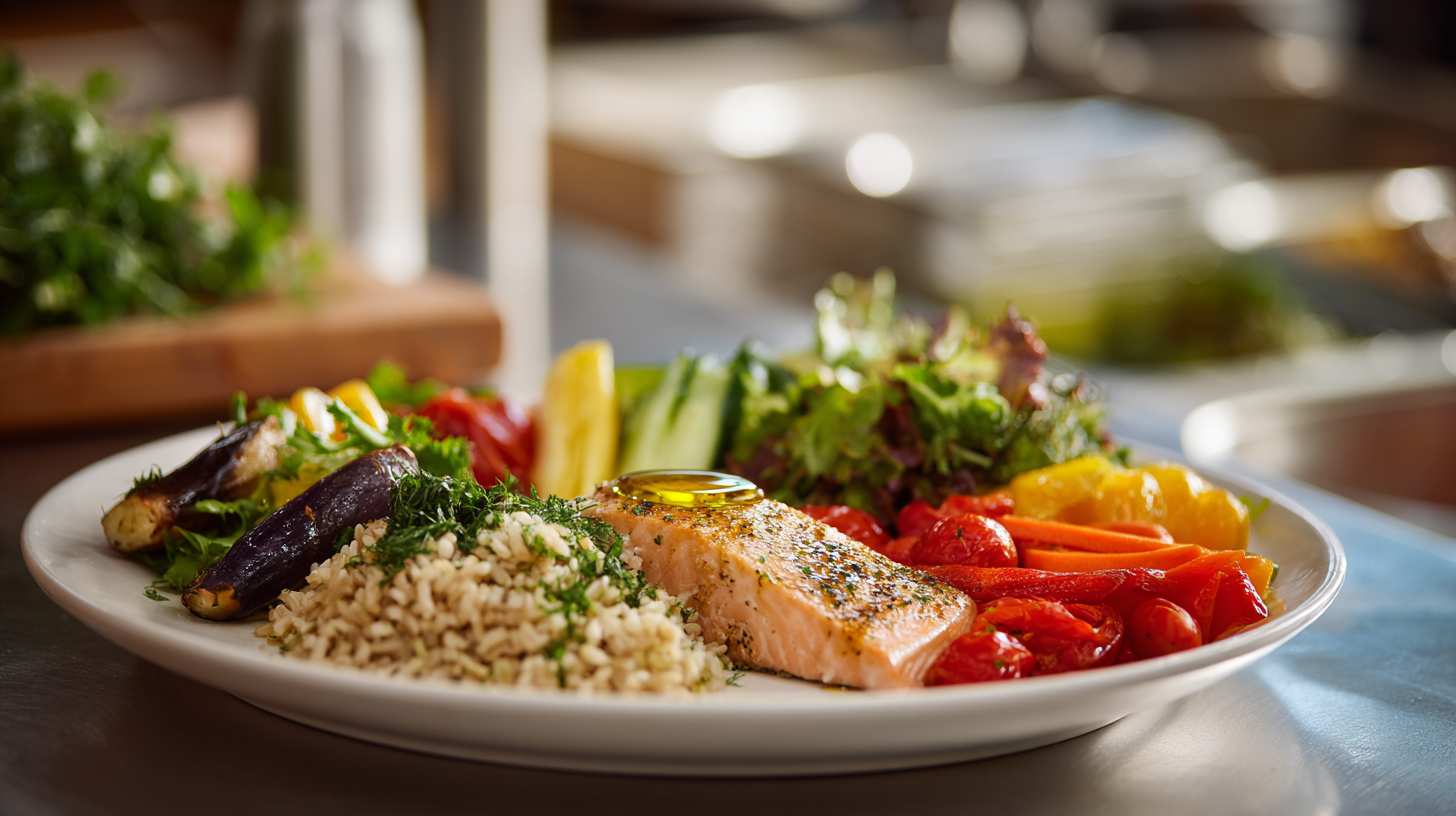
Think of your meals the way a builder thinks of a house. No builder dumps boards and bricks on the ground and hopes a dwelling will somehow rise. There is a pattern, a blueprint. In the same way, your plate needs a simple pattern. One helpful guide many nutrition experts use is to fill about half your plate with vegetables and fruits, one quarter with whole grains or starchy vegetables, and one quarter with lean protein, with a small portion of healthy fat woven in [1]. This is not a rigid law, but a picture to steady your hand when you serve.
Begin with the center of the meal, and let it be plants. When you plan lunch or supper, ask first, “What vegetables will I serve?” not “What meat shall we have?” This one shift changes everything. Perhaps it is roasted carrots and Brussels sprouts, or a bright salad with mixed greens and tomatoes, or a pan of stir-fried broccoli, peppers, and snow peas. Once you decide on the vegetables, you can choose a simple protein to stand beside them—beans, lentils, tofu, fish, or a modest portion of lean meat—and then add a whole grain to hold it together.
Picture a week of suppers laid out in front of you like stepping stones. You might write them in a small notebook or on a piece of paper on the fridge. They need not be fancy:
- Monday: Lentil and vegetable soup with a slice of whole grain bread.
- Tuesday: Baked salmon, roasted sweet potatoes, and steamed green beans.
- Wednesday: Stir-fried tofu with mixed vegetables over brown rice.
- Thursday: Black bean chili with corn, peppers, and a side salad.
- Friday: Whole wheat pasta with tomato-vegetable sauce and a sprinkle of cheese.
Even a simple plan like this calms the daily question, “What shall we eat?” You can shop once with purpose, knowing what each item is for. Studies show that people who plan their meals ahead tend to eat more fruits and vegetables and are less likely to rely on fast food or highly processed meals [2]. Planning is not just for the organized; it is a shield for the weary and the busy.
When you plan, think not only of single meals, but of how one day can serve the next. If you roast a large pan of vegetables one evening, plan to use the leftovers in a grain bowl or omelet the next day. If you cook a pot of beans, let them appear first in a chili, then in tacos, and later in a salad. This kind of “cook once, eat twice or thrice” pattern saves time and keeps your choices steady when your energy is thin. It is easier to keep to healthy meals when part of the work has already been done.
Breakfast deserves a place in your plan as surely as supper. Many rush past it or grab something sweet and light that fades too soon. A balanced breakfast steadies your blood sugar, sharpens your mind, and makes it easier to avoid overeating later in the day [3]. You can think in the same simple pattern: whole grain, protein, and fruit. This might be oatmeal cooked with milk and topped with nuts and berries; or whole grain toast with a thin spread of nut butter and a piece of fruit; or plain yogurt with sliced banana and a spoonful of unsweetened granola. When these are decided ahead—ingredients on hand, perhaps some items prepped on Sunday—you are less likely to fall back on pastries or sugary cereals.
Lunch, too, can be a point of weakness if you do not plan. Many end up buying heavy, salty meals or skipping altogether. Yet a little forethought in the evening can turn leftovers into a midday blessing. When you serve supper, pack tomorrow’s lunch at the same time, portioning some of the meal into containers. Add a handful of raw vegetables or a piece of fruit, and you have a balanced meal waiting for you when the day’s duties press. Those who prepare food at home in this way are often found to have better overall diet quality and lower intake of harmful fats, salt, and added sugars [4].
Balance is not only about food groups; it is also about portions. Our eyes have grown used to plates groaning with more than we need. In your planning, choose smaller plates or bowls, and decide in advance what a serving will be. You might say, “For supper, I will have one portion of protein about the size of my palm, one fist-sized portion of whole grain or starchy vegetable, and the rest of the plate for non-starchy vegetables.” This gives a quiet boundary without constant counting. Over time, your sense of “enough” will gently reset.
Do not forget healthy fats as you plan. They need not dominate the plate, but they have their rightful place. A spoonful of olive oil on vegetables, a small handful of nuts, a few slices of avocado, or a serving of salmon brings fats that support heart health and help your body use the fat-soluble vitamins A, D, E, and K [5]. When these are built into the plan in modest measure, you are less tempted to reach for richer, less wholesome fats at random.
It helps to set aside a small block of time once a week—perhaps on Sunday—to look ahead. Sit down with your calendar. Notice the evenings when you will be late or especially tired. On those nights, plan the simplest meals: perhaps a vegetable omelet with whole grain toast, or a quick bean-and-vegetable soup made from ingredients you keep in your pantry and freezer. For nights when you have more time, you might try a new recipe or cook a larger batch of something that will carry you through two or three meals.
At the same time, use that weekly pause to prepare a few basic building blocks. Cook a pot of brown rice or quinoa. Wash and cut sturdy vegetables like carrots, celery, and peppers. Make a simple vinaigrette with oil, vinegar, and herbs. Boil a few eggs if you use them. Store these in clear containers where you can see them. In the rush of the week, you can then assemble balanced meals quickly: a grain bowl with rice, beans, vegetables, and a drizzle of dressing; a salad topped with chopped vegetables and leftover protein; a quick scramble with pre-cut vegetables. Planning and small preparation steps are like laying kindling before you strike the match—when the moment comes, the fire starts easily.
Balance also means looking across the whole day, not only at each plate in isolation. If you know supper will be heavier—a special family meal or a gathering with richer dishes—plan a simpler lunch full of vegetables, fruit, and lean protein. If you had a starch-heavy breakfast, let lunch lean more on vegetables and beans. This is not about anxious perfection, but about gentle course-corrections. Your body does not judge you meal by meal, but by the pattern that stretches across weeks and months.
When you plan for children or for those who are new to healthier eating, remember that change goes easier by degrees. Instead of overthrowing every familiar dish, look for ways to bring balance into what they already know. If spaghetti is a family favorite, plan to use whole wheat pasta, add extra vegetables to the sauce, and keep the cheese as a light topping instead of a thick layer. If tacos bring everyone to the table, choose whole grain tortillas, fill them generously with beans and vegetables, and use meat as a seasoning more than the main weight. In this way, the family feels cared for, not pushed, and nutrition improves quietly.
It is also wise to plan for honest hunger between meals. If you ignore it, you are more likely to raid the nearest vending machine or cupboard. Set out better choices on purpose: small bags of unsalted nuts, washed fruit, carrot sticks with hummus, or plain popcorn. Decide ahead what your usual snacks will be and keep them where your hand reaches first. Research suggests that having prepared, healthy options easily available increases the chance you will choose them over more processed options when your will is tired [6]. Planning, then, is not just for main dishes; it is for the moments in between.
You may feel at first that all this planning is one more task for an already full life. But remember, disorder has a cost too—in rushed takeout, in food forgotten and wasted, in bodies run on poor fuel. A few minutes spent shaping a simple pattern for the week can save hours of indecision and regret. As the habit settles in, it becomes almost a comfort. You will find your mind resting more easily, knowing that the day’s food is not a last-minute scramble but a considered provision.
Little by little, as your meals grow more balanced, you will notice the change not only on your plate but in your strength, your clarity, and even your mood. A body fed regularly with whole grains, fruits, vegetables, and good proteins responds with steadier energy and fewer sharp cravings [7]. Planning becomes not a burden, but an act of kindness toward yourself and those you feed. And as you stand at the stove, bringing together what you thought out in a quiet hour earlier in the week, you will see how wise planning and simple cooking can join hands to turn ordinary ingredients into meals that bless both body and mind.
- [1] U.S. Department of Agriculture. Dietary Guidelines for Americans, 2020–2025.
- [2] Mills S et al. Is meal planning associated with better diet quality and weight status? International Journal of Behavioral Nutrition and Physical Activity. 2017.
- [3] Betts JA et al. The causal role of breakfast in energy balance and health. American Journal of Clinical Nutrition. 2014.
- [4] Wolfson JA, Bleich SN. Is cooking at home associated with better diet quality or weight-loss intention? Public Health Nutrition. 2015.
- [5] Mozaffarian D. Dietary and policy priorities for cardiovascular disease, diabetes, and obesity. Circulation. 2016.
- [6] Cohen DA, Babey SH. Contextual influences on eating behaviors. Current Obesity Reports. 2012.
- [7] Schwingshackl L et al. Food groups and risk of type 2 diabetes mellitus: a systematic review and meta-analysis. European Journal of Epidemiology. 2017.
Healthy flavor boosters and substitutions
Many people fear that when they cut back on salt, sugar, and heavy fats, flavor must disappear. The truth is almost the opposite: when you learn to build taste with herbs, spices, acid, and natural sweetness, your food becomes more vivid, not less. You begin to discover how many layers of flavor God has woven into simple ingredients—layers you may never have noticed while everything was drowned in butter and salt. Let your kitchen become a small workshop where you test, smell, and taste your way into deeper understanding.
Start with fragrance, because your nose leads your tongue. Onions, garlic, leeks, and shallots are “aromatic” for a reason; when they hit a warm pan with a teaspoon or two of olive oil, they soften and sweeten, building a rich base for soups, stews, and sautés without a drop of cream. Ginger brings heat and brightness; celery and carrots add a quiet, earthy sweetness. If you begin your cooking with a handful of these, gently softened rather than burnt, you set the stage for healthy meals that taste far more indulgent than they are.
Next, think of herbs as the “green language” of your kitchen. Fresh herbs—like parsley, cilantro, basil, dill, thyme, rosemary, and mint—each tell a different story on the plate. Chopped parsley stirred into a grain salad just before serving brings freshness; basil torn over tomatoes makes them taste more like themselves; dill wakes up fish and yogurt sauces; cilantro lifts beans and vegetables with a bright, almost citrus tone. Dried herbs are stronger and best added early in cooking so they have time to release their flavor, while fresh herbs often shine when added near the end, so they keep their color and fragrance. Try choosing one or two herbs at a time and really noticing the difference they make; you will begin to learn their “personalities.”
Spices form another world entirely—one that can turn the same simple ingredients in ten different directions. A spoon of cumin and smoked paprika can make a pot of beans taste earthy and warm, while curry powder or turmeric with coriander and ginger turns the same beans into something golden and fragrant. Cinnamon and nutmeg do not belong only in desserts; they can deepen stews and tagines with gentle warmth. Chili powder, crushed red pepper, or fresh chiles can replace some of the punch you once looked for in salt, giving intensity without overloading your blood pressure. When you open your spice jars, inhale deeply. Ask yourself: What story do I want this meal to tell?
Acid is one of the most powerful tools for flavor, yet many home cooks forget it. A squeeze of lemon over roasted vegetables, a splash of vinegar in a pot of lentils, a drizzle of lime over tacos or fish—all of these can brighten a dish more effectively than another pinch of salt. Keep a few bottles around: apple cider vinegar for dressings and slaws, red wine vinegar for beans and salads, rice vinegar for stir-fries, balsamic vinegar for tomatoes and roasted vegetables. Train yourself to taste a dish before serving and ask, “Does this need more salt—or is it really asking for a bit of acid?” You may find that half the time, the answer is lemon or vinegar, not the shaker.
Umami—the savory depth often linked with meat and cheese—does not belong to animal foods alone. Tomatoes, mushrooms, soy sauce, miso, nutritional yeast, and aged balsamic vinegar all carry this deep, satisfying note. A spoonful of tomato paste browned briefly in the pan, a splash of low-sodium soy sauce in a stir-fry, or a teaspoon of miso stirred into soup at the end of cooking can add surprising richness. Nutritional yeast, with its cheesy, nutty flavor, can be sprinkled over popcorn, roasted vegetables, or pasta in place of piles of cheese, bringing flavor along with B vitamins. Ask yourself how often you could reach for one of these umami boosters instead of another lump of butter or layer of cheese.
Natural sweetness is another ally that can replace some of the sugar you once added out of habit. Slowly caramelized onions, roasted carrots, sweet potatoes, bell peppers, and winter squash all develop a gentle, complex sweetness in the oven. When you roast vegetables at high heat with just a little olive oil, their edges brown and their natural sugars concentrate, reducing the need for sugary sauces and glazes. Fruit can also play a role outside dessert: diced apple or pear in a cabbage slaw, raisins in a whole grain pilaf, a few slices of orange in a salad. These touches can satisfy the tongue without pushing your blood sugar as sharply as refined sugar does.
Once you trust these flavor builders, you can start making smart substitutions that protect your health while preserving pleasure. Instead of sour cream, try plain Greek yogurt in dips, on baked potatoes, or in sauces; it brings creaminess, tang, and protein with less saturated fat. Replace part of the mayonnaise in tuna or chicken salads with yogurt and a squeeze of lemon. In many recipes, you can swap half the white flour for whole wheat flour, oat flour, or ground almonds; the result is heartier and richer in fiber, supporting better nutrition without stripping away comfort.
Cheese deserves special thought because it is both beloved and dense with saturated fat and salt. You need not banish it, but learn to use it as a sharp accent rather than the main weight. Strong-tasting cheeses—like Parmesan, sharp cheddar, feta, or blue cheese—give more flavor in smaller amounts. A tablespoon of grated Parmesan over a bowl of whole grain pasta and vegetables, or a crumble of feta over a salad, can feel satisfying while using far less than a thick blanket of mild cheese. As you put the cheese in your hand, ask, “Is this enough to flavor the dish, or am I using it as a habit?”
Sauces and spreads often hide more sugar, salt, and fat than the food they cover, but homemade versions can turn them into helpers instead of hazards. You can whisk together a simple vinaigrette with three parts olive oil, one part vinegar or lemon juice, a small spoon of mustard, herbs, and perhaps a touch of honey for balance, using far less sugar and sodium than bottled dressings. Hummus made from blended chickpeas, tahini, lemon, garlic, and a bit of olive oil can stand where mayonnaise or heavy dips once stood, offering fiber, protein, and good fats. Salsa—fresh or lightly cooked—can replace creamy sauces on fish, chicken, or beans, adding brightness and vegetables in one stroke.
Even baked goods, often seen as fixed formulas, can be softened toward health. Many recipes will tolerate cutting the sugar by a third or half, adding pureed fruit (banana, applesauce, pumpkin) for moisture and sweetness instead. You can often replace some of the butter or oil with yogurt or mashed fruit, especially in muffins and quick breads. Whole oats, chopped nuts, and seeds can be folded into batters to raise fiber and healthy fats, helping your body respond more gently to the starch and sugar that remain. Approach each recipe like a small experiment: change one or two things, taste, and take notes. Over time, you may build your own library of “lighter” versions that your family prefers.
Salt itself can also be handled more wisely through substitutions and technique. Using coarse or flaky salts at the table, sprinkled just before serving, lets you taste salt more directly and may allow you to use less overall. Blending your own seasoning mixes—garlic powder, onion powder, paprika, herbs, and a modest amount of salt—can help you move away from commercial mixes loaded with sodium and additives. “Salt-free” blends exist, but you can craft one that matches your own preferences. If you start seasoning some vegetables, grains, or proteins this way, notice how your palate gradually becomes more sensitive to subtle flavors once the constant roar of salt is turned down.
Texture is another quiet flavor booster that many overlook. Crunch from toasted nuts or seeds, crisp raw vegetables alongside something soft, a chewy whole grain paired with tender beans—all these contrasts make a dish more interesting without extra calories or sodium. Toasting nuts and seeds lightly in a dry pan deepens their flavor so that a small sprinkle goes a long way. Try adding a spoon of sunflower seeds to a salad, a sprinkle of toasted pumpkin seeds over soup, or chopped almonds over roasted vegetables. How does the meal feel in your mouth now? Does it satisfy you more, even though the ingredients are simple?
As you explore these tools, let curiosity guide you. When a meal tastes especially good, pause and ask, “What made this work? Was it the acid, the herbs, the texture?” When something falls flat, resist the urge to fix it with more butter or sugar; instead, ask, “What is missing from the balance—salt, sour, heat, aroma, or richness?” This kind of attentive tasting turns everyday cooking into a kind of study, where each saucepan and cutting board becomes a page on which you learn more about how food, body, and pleasure are woven together. There is no end to this learning; each new spice, herb, or substitution can open another door.
- How can I add flavor to my meals without using a lot of salt?
- Start with aromatics like onion, garlic, and celery, then layer in herbs, spices, and a splash of acid (lemon juice or vinegar). Taste near the end of cooking and see if brightness from citrus or vinegar, rather than more salt, brings the dish to life.
- What are some healthy substitutes for sour cream and mayonnaise?
- Plain Greek yogurt works well in place of sour cream on potatoes, in tacos, and in many dips and dressings, giving creaminess with more protein and less saturated fat. For mayonnaise-based salads, try replacing at least half the mayo with yogurt and a squeeze of lemon for tang.
- How do I make vegetables taste good enough that I actually crave them?
- Use roasting, grilling, or stir-frying to bring out their natural sweetness and add a bit of char or caramelization. Finish with a drizzle of olive oil, a squeeze of lemon, and a sprinkle of salt, herbs, or toasted nuts for texture and depth.
- Can I really bake with less sugar without ruining the recipe?
- Many muffins, quick breads, and cakes tolerate cutting the sugar by one-third or even half, especially if you add flavor with vanilla, spices, citrus zest, or fruit purees. Make small changes, test the result, and adjust over time until your taste buds and recipes are in better balance.
- What are some good ways to replace cheese without losing flavor?
- Use strong, savory flavors like nutritional yeast, roasted mushrooms, caramelized onions, and umami-rich sauces (tomato paste, miso, or a touch of soy sauce). If you still use cheese, switch to sharper varieties and use a small amount as a finishing accent instead of a thick layer.
- How can I make my own healthier salad dressings?
- Combine three parts olive oil with one part vinegar or lemon juice, then add a little mustard, garlic, herbs, and perhaps a small amount of honey or maple syrup to balance the acidity. This simple base is easy to customize and usually has far less sugar and sodium than bottled dressings.
- What can I do if my food tastes flat after cutting back on fat and sugar?
- Focus on the other pillars of flavor: salt (used wisely), acid, herbs, spices, and texture. Before adding more fat or sugar, try a squeeze of lemon, a pinch of salt or smoked paprika, fresh herbs, or a crunchy topping like toasted seeds to wake up the dish.
Beside our live streamed church services, all are welcome to attend our church in person each Saturday beginning 10:00 AM Central Time by going to 2425 Owens Rd., Ashland, AL 36251. There is no cost and any donations are strictly voluntary.
For questions, call +2563547124.