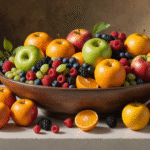
Come join Ashland Sabbath Chapel Ministries each Saturday for live streamed church services. Bible Study begins at 10:00 AM Central Time and Sermon at 11:00 AM. Visit Our YouTube channel and watch from home!
Friend, let us speak plainly about this matter, for it concerns your daily table and the quiet workings of your body. When people hear the word antioxidants, they often think of some mysterious substance promised on a bottle label. Yet the Lord has woven these helpers into the very fruits, vegetables, grains, and nuts that grow from the soil. To understand how they work, we must first look, not at the label, but at the life and motion within our own bodies.
Every moment, as you breathe, move, think, and even sleep, your body is busy converting food into usable energy. In that process, tiny charged particles are formed, known as free radicals. Think of free radicals as restless, unstable sparks. They lack balance, so they dash about in your cells, bumping into the delicate parts of your tissues, the fats in your cell membranes, the proteins that do your body’s work, and even your DNA. When these sparks grow too many, they begin to scorch and mar what should be sound and orderly, a condition we call oxidative stress.
Now the body is not left defenseless. Built into your frame is a God-given system of protection. Here is where antioxidants come in. An antioxidant is a substance able to meet a free radical head-on and hand it the missing piece it is so desperately seeking. In doing that, the free radical is calmed, made stable, and therefore no longer dangerous. You may think of them as quiet peacemakers, moving through the crowd of restless sparks, restoring order by giving what is needed without becoming destructive themselves.
This simple act of donation—of giving up an electron without harm—is the very heart of how antioxidants work. It is a small thing in the unseen world of atoms, yet it has large consequences for your health. When the balance is kept, your cells function smoothly, your tissues remain sound, and your body can carry on its duties without the constant wear and tear that unchecked free radicals would bring. When that balance is lost and free radicals rise up beyond control, they begin to damage cell membranes, disturb signaling between cells, and injure the genetic instructions written in your DNA.
It may be helpful to think of your body as a city and your cells as its houses. Free radicals are like sparks from a hearth that fly out onto dry straw roofs. One spark may not burn the house down, but a thousand left unattended, in a dry season, will soon start a blaze. Antioxidants are like watchful townsfolk patrolling the roofs with buckets of water. They do not stop every spark from being formed—indeed, some sparks are part of normal life—but they stand ready so that the sparks do not gather into a consuming fire.
There is another part to this story: your body itself makes certain antioxidants. You are not entirely dependent on food and drink for protection. Within you are enzymes such as superoxide dismutase, catalase, and glutathione peroxidase. These are part of the body’s own guard, built into the walls of the city, always working as long as they are properly supplied. Yet even these guardians need materials from your diet—minerals like zinc, copper, selenium, and vitamins—to carry out their protective work. Thus, what you place upon your plate strengthens or weakens the very foundation of your internal defenses.
Dietary antioxidants, those that come from plants and other foods, join forces with your body’s own system. Vitamins such as vitamin C and vitamin E, as well as compounds like carotenoids and polyphenols, stand in the gaps where the body’s enzymes cannot be. Vitamin C moves freely in the watery parts of your body—your blood and the fluid that bathes your cells—putting out sparks there. Vitamin E settles itself into the fatty parts of your cell membranes, guarding those delicate structures from harm. They work together, each in its proper place, so that damage is limited and repairs can be carried out in an orderly way.
One of the striking things about these dietary defenders is the way they assist one another. When vitamin E puts out a spark, it can become slightly worn itself, as if its bucket has been knocked aside. Vitamin C can come along and restore that bucket, renewing vitamin E so it may continue its work. Other plant compounds, such as flavonoids from berries or catechins from tea, help in similar fashion, either by acting directly against free radicals or by supporting and renewing other members of the antioxidant network. This is why a variety of foods does more good than a single pill of one isolated substance.
Another important point is that free radicals are not enemies in every case. They are also used by your immune system as tools. When your white blood cells meet an invading germ, they sometimes release these reactive particles to weaken and destroy it. Free radicals also carry messages between cells and help regulate certain processes. Trouble begins, not when free radicals exist, but when they rise up in excess or when your supply of antioxidants runs low. The matter, therefore, is not to rid the body of all free radicals, which would be impossible and unwise, but to maintain a wise balance.
This balance is influenced by many things in our modern way of living. Breathing polluted air, smoking, drinking alcohol to excess, eating heavily processed foods poor in sound nutrition, and carrying more weight than the frame was meant to bear—all these increase the production of free radicals or weaken your defenses. On the other hand, a life that honors fresh air, simple wholesome food, temperance, and regular exercise tends to support both your internal antioxidant systems and the supply you receive from the table.
Some have been led to think that if a small measure of antioxidants is good, then very large doses in supplement form must be better. But the body is not a simple machine into which we can pour more and always expect more benefit. The cells of your body depend on harmony, not excess. Too much of a single isolated antioxidant can disturb the normal signaling that free radicals carry, or it can upset the natural balance between different protective compounds. This is yet another reason why whole foods—berries, greens, nuts, seeds, whole grains, and other plant foods—are wiser sources than an overreliance on concentrated pills.
At the level of your cells, antioxidants influence the very course of aging and the resilience of your tissues. As years pass, oxidative damage tends to accumulate, like small cracks in a well-used house. When antioxidants are present in sufficient measure, they can reduce the rate at which this damage builds and assist the body in making repairs. This does not mean we can halt age or undo every effect of time, but it does mean we may lighten the load our bodies must bear and preserve strength and usefulness for a longer season.
Another thing to notice is that antioxidants do more than simply neutralize free radicals. Many of them also influence the way your genes are expressed. Certain plant compounds can signal your cells to increase their own internal defenses, turning on enzymes that dispose of harmful substances more efficiently. Others may quiet unnecessary inflammation. In this way, the foods that carry antioxidants are not just passive protectors; they act as gentle messengers, guiding your body to maintain a more orderly and healthful state.
If we look out across the garden and the orchard, we see that the richest colors often mark the presence of these helpful compounds: the deep blue of berries, the bright orange of carrots, the dark green of leafy vegetables, the rich red of tomatoes. The same is true in the nut grove and the field of whole grains, though their colors are more subdued. Nature has not hidden her helpers far from reach; they are in the humble foods that have long formed the basis of a simple, wholesome diet.
So, when we speak of antioxidants, we are not dealing with some new invention or passing notion, but with a plain description of how the body has always protected itself against the wear and tear of daily life. The body forms certain protectors of its own; the foods you choose daily bring in their share as well. Together, they guard the cell, the tissue, and the organ from needless injury, preserve the strength of your frame, and help maintain the quiet order upon which all other functions depend.
Major dietary sources of antioxidants
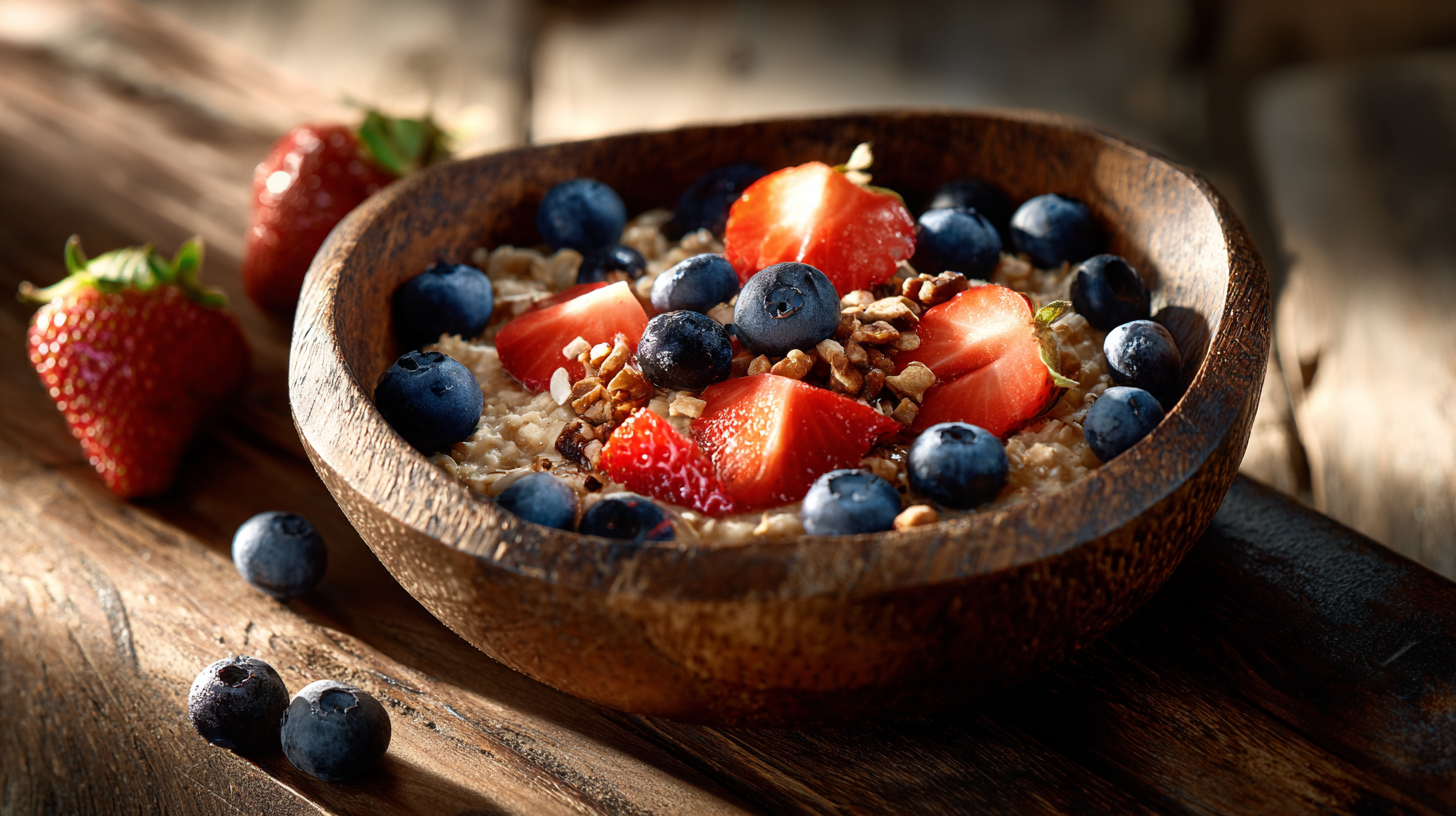
Now that we have looked at what these quiet helpers do within the body, it is a natural step to ask where you may find them. The good news is that the richest sources do not come wrapped in glossy packages, but grow on trees, climb on vines, and spring from the earth. If we will listen, the very colors and forms of food will often tell us that antioxidants are present in generous measure.
Researchers have measured what they call the antioxidant capacity of foods and have found that, again and again, simple plant foods stand at the head of the list—berries, dark leafy greens, herbs and spices, nuts, seeds, legumes, and whole grains in their natural state.[1] Instead of looking to some rare or distant fruit, it is wiser to become faithful in using the common blessings already within reach.
Let us walk, in thought, through a day’s table and see where these protectors may be found.
First, think of the fruits that should rightly have a place at nearly every meal. Berries of all kinds—blueberries, strawberries, raspberries, blackberries—are especially rich in natural pigments called anthocyanins, which serve as powerful antioxidants in the body.[2] The deep blue and red hues are not merely pleasing to the eye; they indicate compounds that help guard your blood vessels, brain cells, and other tissues from oxidative injury. Apples, especially with their peels left on, bring quercetin and other flavonoids. Grapes, plums, cherries, and citrus fruits add still more variety to this protective company, each with its own blend of vitamin C, polyphenols, and other compounds.
Alongside these, the vegetable garden makes an even broader offering. Dark leafy greens—such as spinach, kale, Swiss chard, collard greens, and mustard greens—are rich in beta-carotene and other carotenoids, as well as vitamin C and a host of supporting phytochemicals.[3] Broccoli, Brussels sprouts, cabbage, and other cruciferous vegetables contain their own special group of plant chemicals that not only act as antioxidants but also help the body’s detoxifying enzymes work more effectively. The bright orange of carrots and sweet potatoes signals beta-carotene, which can be converted to vitamin A as the body has need, and also serves in its own right as an antioxidant. The red of tomatoes points to lycopene, which has been studied for its role in supporting heart and prostate health.[4]
Many have been slow to recognize the quiet strength hidden in beans and lentils. Yet these humble foods are not only rich in fiber and plant protein; they also provide polyphenols and other antioxidant compounds that assist in guarding the heart and blood vessels.[5] Black beans, red kidney beans, and small red beans, in particular, have shown high levels of antioxidant activity in laboratory tests. When combined with whole grains, such as brown rice or oats, they form a strong foundation for daily nutrition and health.
Do not overlook the nut grove. Walnuts, pecans, almonds, hazelnuts, and pistachios all contain vitamin E and a range of polyphenols, along with healthful fats that support brain and heart function.[6] Seeds—such as sunflower, pumpkin, flax, and chia—likewise bring vitamin E, lignans, and other plant compounds that help quiet inflammation and oxidative stress. These foods, eaten in moderation and in their natural form, add both richness and protection to the diet.
Whole grains, though more modest in color, contribute steadily to the body’s defense. Oats, barley, brown rice, quinoa, and whole wheat contain vitamin E in their germ, selenium and other minerals, and a variety of phenolic compounds concentrated in the bran.[7] When grains are refined—stripped of their bran and germ—many of these protectors are lost. Thus, choosing whole grains is not merely a matter of fiber; it is a way of preserving the antioxidant gifts that were placed there in the beginning.
One of the often-neglected sources of antioxidants is the herb garden and the spice shelf. The flavor that brightens a dish frequently announces the presence of protective compounds. Rosemary, oregano, thyme, sage, and basil are rich in polyphenols. Spices such as turmeric, ginger, cinnamon, and cloves rank among the most concentrated plant sources of antioxidants ever tested.[8] By seasoning generously with herbs and spices instead of relying so heavily on salt and fat, you may increase the protective power of your meals while keeping them simple and wholesome.
Some beverages, when chosen wisely and used with temperance, also add to your intake. Green and black teas, for instance, contain catechins and other flavonoids that help reduce oxidative stress and support heart health.[9] Unsweetened cocoa and dark chocolate, when free from excessive sugar and fat, provide flavanols that have been linked with improved blood vessel function. Yet these should be regarded as additions, not the foundation, and used in harmony with a balanced, plant-centered diet.
It is important to notice that the richest sources of antioxidants tend to be those closest to their natural state. A fresh orange offers not only vitamin C, but also flavonoids and fiber. A glass of heavily sweetened orange drink, even if “fortified,” does not bring the same blessing. Likewise, a bowl of fresh berries, eaten as the Lord causes them to grow, serves the body far better than a brightly colored candy that merely imitates their appearance. Modern science has confirmed what simple reason suggests: whole plant foods, in their natural combinations, provide a network of protection that no isolated supplement can fully replace.[10]
The variety of these foods is not a matter of mere enjoyment; it is part of the plan. Different antioxidants work in different parts of the body—some in the watery portions of the cell, some in the fatty membranes, some within the nucleus where the DNA resides. When you make room on your plate for many colors and kinds—deep greens, bright oranges, dark blues and reds, creamy nuts and seeds, the earthy tones of whole grains—you are, in effect, placing a well-trained company of helpers at every gate and pathway in the body. Research has shown that diets rich in a broad array of plant foods, such as the traditional Mediterranean-style and plant-based patterns, are associated with lower risks of chronic disease in part because of this abundant, varied antioxidant intake.[11]
Perhaps you are wondering whether a little of this and that truly makes such a difference. Yet the evidence is clear that people who regularly eat more fruits and vegetables—five servings a day and beyond—tend to have lower markers of oxidative stress and inflammation, and reduced risk of heart disease, certain cancers, and early death.[12] These blessings do not come from one “superfood” but from the steady, day-by-day choice to let simple, colorful plant foods form the bulk of the diet.
As you think about your own table, remember that the aim is not to chase after rare or costly items, but to be faithful with what is already at hand. A bowl of oatmeal topped with berries and a sprinkle of nuts; a hearty lentil soup with carrots, tomatoes, and greens; a salad dressed with lemon and herbs; a side of steamed broccoli or roasted sweet potatoes—all these are practical, everyday ways of filling the body’s storehouses with antioxidants. Such meals are not only in harmony with sound science; they are also in keeping with the light that points us back to the simple fruits of the earth as the safest and best foundation for strength and usefulness.
[1] Carlsen MH, et al. “The total antioxidant content of more than 3100 foods, beverages, spices, herbs and supplements used worldwide.” Nutr J. 2010.
[2] Nile SH, Park SW. “Edible berries: Bioactive components and their effect on human health.” Nutrition. 2014.
[3] Slavin JL, Lloyd B. “Health benefits of fruits and vegetables.” Adv Nutr. 2012.
[4] Giovannucci E. “Tomatoes, tomato-based products, lycopene, and cancer.” J Natl Cancer Inst. 1999.
[5] Messina V. “Nutritional and health benefits of dried beans.” Am J Clin Nutr. 2014.
[6] Ros E. “Health benefits of nut consumption.” Nutrients. 2010.
[7] Fardet A. “New hypotheses for the health-protective mechanisms of whole-grain cereals.” Nutr Res Rev. 2010.
[8] Shahidi F, Ambigaipalan P. “Phenolics and polyphenolics in foods, beverages and spices.” J Funct Foods. 2015.
[9] Hodgson JM, Croft KD. “Tea flavonoids and cardiovascular health.” Mol Aspects Med. 2010.
[10] Liu RH. “Health benefits of fruit and vegetables are from additive and synergistic combinations of phytochemicals.” Am J Clin Nutr. 2003.
[11] Grosso G, et al. “Mediterranean diet and cardiovascular risk.” Int J Food Sci Nutr. 2014.
[12] Aune D, et al. “Fruit and vegetable intake and the risk of cardiovascular disease, total cancer and all-cause mortality.” Int J Epidemiol. 2017.
Health benefits linked to antioxidant intake
You and I have seen men grow old before their time. Their faces turn gray and tired, though the calendar says they are not yet old. Much of this, friend, happens quietly inside. The cells carry scars you cannot see, written there by years of small assaults. This is where antioxidants do their best work. They do not shout. They do not promise miracles. They simply stand in the way of needless harm, day after day, and in that quiet way they shape your health more than you may know.
Think first of the heart. It beats from your first breath to your last without a holiday. The blood vessels that carry its lifeblood are lined with delicate cells. Free radicals strike these cells and the fats that travel in the blood, especially LDL cholesterol. When that cholesterol is damaged, it more easily slips into the vessel walls and begins the slow building of plaque. Over years, the passage narrows, hardens, and the risk of heart attack or stroke rises.
Antioxidants cannot change every turn of fate, but they help keep that damage in check. Vitamin C from fruits, vitamin E from nuts and seeds, and the polyphenols found in berries, grapes, tea, and cocoa help protect LDL from becoming oxidized in the first place. They support the thin lining of the blood vessels so it stays smooth and less inflamed. Studies of people who eat many fruits and vegetables show that their arteries tend to stay more supple, their blood flows more freely, and their chance of heart disease falls. It is not a loud victory, but it is a real one.
The same story plays out in the brain. The brain is rich in fat, hungry for oxygen, and seldom at rest. That makes it especially open to oxidative stress. Over time, damaged fats, proteins, and DNA can disturb the calm order that thinking and memory require. When people follow diets rich in plant foods—berries, leafy greens, nuts, seeds, whole grains, olives, beans—researchers often find they keep a clearer mind and a steadier memory as the years pass. Patterns like the Mediterranean and MIND diets, both heavy in natural antioxidants, are linked with a lower risk of Alzheimer’s disease and slower cognitive decline.
Picture an older man who begins each day with oatmeal and berries, a handful of walnuts, and a simple lunch of beans, greens, and whole-grain bread. He does not talk of “neuroprotection” or “oxidative markers.” Yet the anthocyanins in his berries, the vitamin E in his nuts, the polyphenols in his olive oil, and the folate and carotenoids in his greens are all at work in his brain, putting out sparks, calming inflammation, and helping his nerve cells talk to one another. He reads the paper without effort at seventy. That is how these things show themselves.
Cancer is a harder subject, and here we must be honest. No food, no matter how rich in antioxidants, can give you a perfect shield against cancer. The disease rises from many causes—genes, environment, age, habits. Yet we know that free radicals can damage DNA, and damaged DNA is one of the first steps toward a cell that goes its own way and becomes a tumor. Antioxidants help protect that genetic script from needless injury and support the enzymes that repair DNA when small mistakes appear.
Large studies across many countries show that people who eat more fruits, vegetables, legumes, and whole grains have a lower risk of several common cancers, especially of the mouth, throat, esophagus, stomach, lung (in non-smokers), and colon. It is not only because of fiber or only because of antioxidants; it is because the whole pattern of nutrition works together. Vitamin C, carotenoids, flavonoids, and the sulfur-rich compounds in onions and cruciferous vegetables all play their part. They reduce oxidative stress, quiet chronic inflammation, and help the body clear away substances that might otherwise harm the cells.
Do not miss that word—inflammation. Many of the disorders that trouble us now are not born of sudden injury but of a low, steady fire smoldering in the tissues. Heart disease, type 2 diabetes, some kinds of arthritis, even depression are tied to this chronic inflammation. Free radicals help keep that fire going. Antioxidants push it down. They do this both by neutralizing reactive molecules and by changing the signals that cells send. Compounds in berries, green tea, turmeric, ginger, cocoa, extra-virgin olive oil, and leafy greens can turn down genes that stir up inflammation and turn up genes that protect and repair.
In people with higher intakes of these plant foods, doctors often find lower levels of inflammatory markers in the blood, such as C-reactive protein. Blood vessels look calmer. Tissues swell less. Joints ache less fiercely. Blood sugar runs more steadily because the cells can hear the message of insulin more clearly when inflammation is quieted. Again, this is not magic. It is simple cause and effect, repeated at every meal.
The skin, too, tells on us. It faces the world and the sun and the wind. Ultraviolet rays strike the skin and create free radicals in seconds. If that damage is left unchecked, wrinkles and spots come sooner, and skin cancer grows more likely. Some antioxidants, like vitamin C, vitamin E, beta-carotene, lycopene, and certain polyphenols, help absorb or quench these free radicals. They are present both in the foods you eat and, in smaller ways, in some creams, but food is the deeper well.
When people eat more tomatoes, carrots, leafy greens, citrus, nuts, seeds, and colorful fruits, their skin often tolerates the sun a little better. It still needs shade and clothing and care, but the redness comes slower, the recovery faster. Vitamin C also helps build collagen, the firm scaffolding under the skin. With enough of it, wounds heal cleaner and faster, and the skin keeps its strength longer. The change is gradual, and you may not see it in the mirror each week, but it is there in the way cuts mend and in how your skin weathers the years.
Your immune system also leans heavily on antioxidants. When white blood cells fight off invading germs, they themselves create free radicals as weapons. These must be well-aimed and short-lived, or they start to hurt the very tissues they are meant to protect. Vitamins C and E, carotenoids, selenium-dependent enzymes, and countless plant polyphenols help maintain this balance. They keep immune cells strong enough to act but not so reckless that they burn down the house in trying to chase a thief.
People whose diets are poor in fruits and vegetables are more likely to have weakened immune responses and slower recovery from infections. On the other hand, those who regularly eat citrus fruits, berries, kiwifruit, peppers, brassica vegetables like broccoli, and nuts and seeds often show better immune function, fewer days laid low by common colds, and a lower risk of severe complications. Again, no one is promised freedom from disease, but the body is given better tools and sharper weapons.
Then there is the long, slow work of aging. You have seen an old farmhouse that has been kept in repair through the years. The roof patched in time, the boards painted before they split, the windows sealed before winter. It does not look young, but it stands straight and sound. Another house, left to the weather, shows its neglect in sagging beams and broken glass. Your body is much the same. Oxidative damage is like the weather, always working. Antioxidants are part of the maintenance crew. They cannot stop the seasons, but they can slow the rate of decay.
Studies in both animals and humans suggest that diets rich in antioxidants are tied to better physical function in old age—stronger grip, faster walking speed, better balance, clearer sight. People who live in regions known for long, healthy lives—places in the Mediterranean, some mountain valleys, certain islands—do not live on powders and pills. They live on vegetables, fruits, legumes, whole grains, herbs, nuts, olive oil, sometimes tea and modest amounts of wine. These foods bring not only calories but also a broad army of antioxidants. That is one reason elders there often stay active and useful longer.
You may wonder whether you can simply take high-dose antioxidant supplements and gain all these blessings at once. The story is more tangled. When scientists have given very large doses of some single antioxidants—like beta-carotene or vitamin E—to people at high risk, the results have sometimes been disappointing or even harmful. A gentle river does good; a sudden flood may tear up the banks. In the body, balance matters. Antioxidants work as a network. The mix within whole foods seems to fit the body better than any one compound pushed far beyond its natural place.
Where supplements do help is in true deficiency or special need: vitamin C for someone with a very limited diet; vitamin E in certain rare disorders; carotenoids in specific eye conditions under a doctor’s guidance. But for daily life and steady protection, the evidence points back to the table—toward oranges instead of orange pills, nuts instead of vitamin E capsules, greens instead of isolated carotenoids.
There is one more thing. The same foods that are rich in antioxidants tend to be rich in fiber, minerals, and countless other compounds that support blood sugar control, gut health, and weight management. When you anchor your meals in these foods, you are not just fighting free radicals. You are helping your gut microbes flourish, leveling out the rise and fall of blood sugar, easing the strain on your liver, and giving your heart and brain better fuel. The improvement in health does not come from antioxidants alone, but they are a key part of the company.
So the true benefit of antioxidants is not some glittering promise tacked onto a bottle on the store shelf. It is the lived result of many small, faithful choices. An extra serving of vegetables here, a piece of fruit instead of a pastry there, a handful of nuts in place of chips, beans and whole grains instead of heavy meats at every meal. Over time, these choices soften the blows your cells must take. They hold back disease where it can be held back, and they give your body a fairer chance to mend what must still be mended.
Common myths and misconceptions about antioxidants
You know, my dear, if one were to believe every advertisement and overheard remark, one would soon be persuaded that antioxidants are a kind of bottled miracle, able at a swallow to rescue our failing vigor, mend our injured looks, and render old age itself a mere formality. The world talks of them as it once talked of tonics and elixirs, with just as much enthusiasm and just as little understanding. Allow me, then, to sit with you a while and examine some of these notions, that you may not be easily imposed upon, either by the sellers of pills or by the careless talk of acquaintances whose zeal is greater than their knowledge.
One of the most flattering errors abroad is this: that if a little of a good thing is beneficial, then a great deal must be nothing short of splendid. You have heard it, I am sure. “I take a high-dose antioxidant supplement,” some cousin confides, with the air of one who has chosen the straightest path to perfect health. The poor body, however, is not an idle basin which may be safely overfilled. It is a finely ordered household. A modest supply of antioxidants helps maintain that order; an excess of one isolated compound may disturb it.
Consider how they work. Antioxidants engage with free radicals to keep them from doing harm. Yet those same free radicals serve honest purposes in proper measure: they carry messages between cells, assist in fighting infection, and help regulate certain necessary processes. When a single antioxidant is taken in great quantities, as some have done with vitamin E or beta-carotene, it can interfere with these useful signals and upset the subtle balance between different parts of the body’s defense. In some careful studies, high-dose supplements have not only failed to prevent disease; they have even increased certain risks in people already in ill condition. It is as if a housekeeper, anxious to keep the floors spotless, should scrub away the very polish that protects the wood.
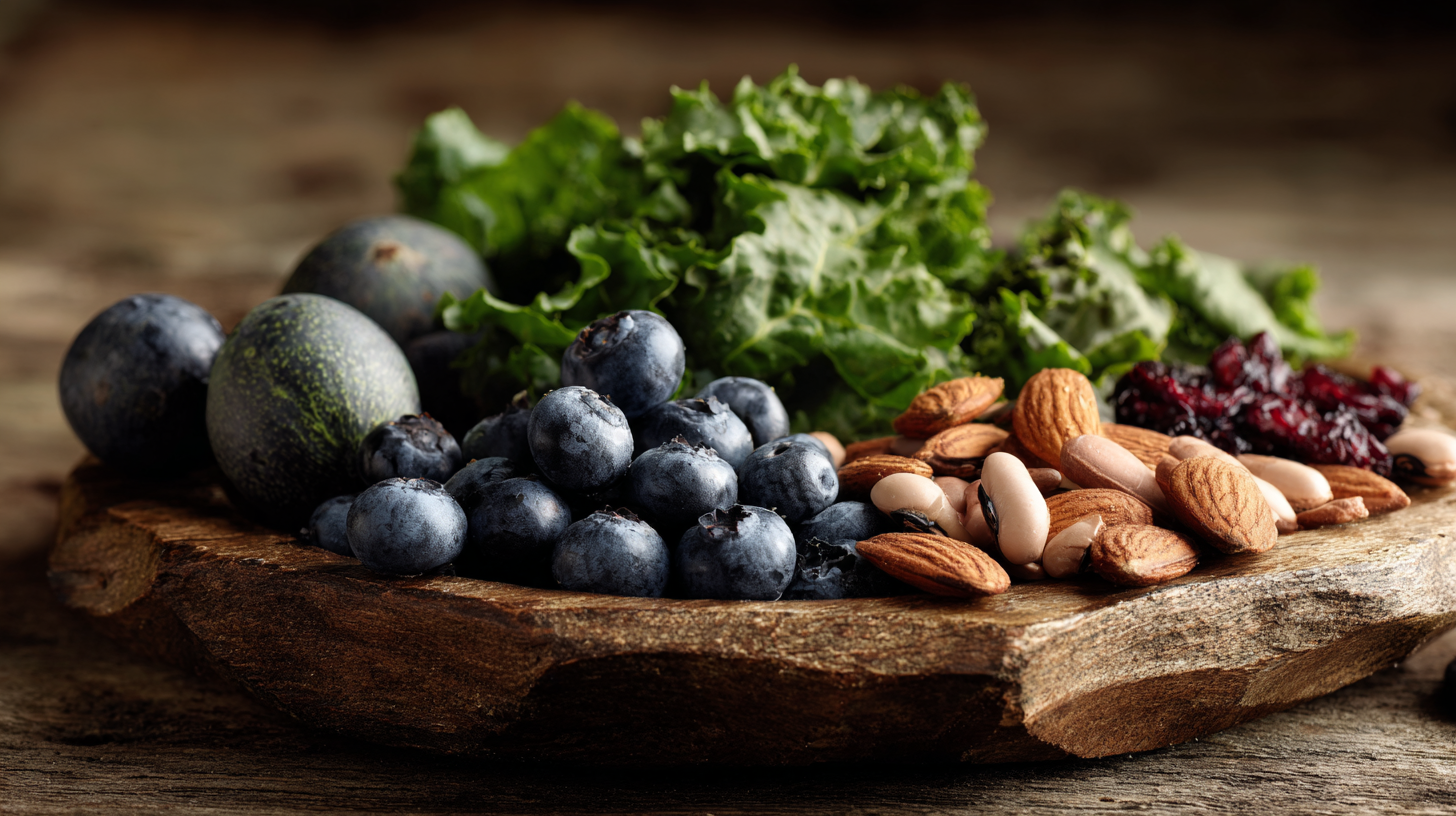
From this you may see that “more” is not always “better.” The body prefers harmony to heroics. A plate of simple foods—berries, leafy greens, beans, nuts, seeds, whole grains—carries a gentle, varied company of antioxidants that work together and with the body’s own systems. A single powder or capsule, forced upon the body in unnatural abundance, does not always know its place.
Another notion, much repeated by those who sell “detox” teas and fashionable juices, is that antioxidants swoop in like little maids to sweep poisons from the blood and cleanse the body in a few days’ time. Nothing could be more flattering to our impatience. We eat and drink unwisely for months or years, and then we are promised that three days of a costly regimen will wash all our errors away. But your body already possesses its own means of cleansing — the liver, kidneys, lungs, skin, and intestines — and these are not made of glass. They do not require rescue; they require support.
Antioxidants do not seize toxins by the collar and cast them out in some dramatic fashion. Instead, they help reduce oxidative stress, which in turn supports the organs that are always at work processing and excreting waste. Think of them as good lighting in a workshop: they do not perform the carpenter’s labor, but they allow him to see his work more clearly and avoid mistakes. A diet rich in plant foods, abundant in antioxidants and fiber, does not “detox” in the theatrical sense so many leaflets describe; it simply allows the body’s natural housekeeping to proceed with fewer hindrances.
You may also have heard it confidently declared that “free radicals are entirely evil” and must be driven out altogether. My dear, if this were true, life itself would be in danger. Free radicals, in reasonable number, help your immune cells attack invading microbes. They help your blood vessels respond to changes, and they participate in the signaling that tells cells when to grow and when to rest. To wish them entirely banished would be like wishing away every spark in a hearth; you would have no warmth at all. The real mischief arises only when these sparks fly out everywhere, unchecked by the steadying hand of antioxidants. The aim, then, is not utter destruction, but balance: enough for useful work, not so many as to cause disorder.
Another pleasing fancy is that one “superfood” will supply everything you need — that some exotic berry from a distant mountain, or a dark chocolate of a certain percentage, once discovered, will make all other prudence unnecessary. A friend hears of such a marvel, rushes to purchase it at great expense, and then feels justified in neglecting the very habits that matter most: daily vegetables, fruits, legumes, wholesome grains, and a temperate life. Yet the body is not so easily flattered. It does not reward the occasional luxury while overlooking a continual neglect.
A berry shipped halfway round the world may indeed contain admirable compounds. So do the modest blueberries at the market, the apples in season, the cabbage in your grocer’s bin, the beans and lentils in your pantry. No single food, however celebrated, can undo the effect of a pattern of eating poor in variety, fiber, and essential nutrients. Long-term nutrition rests not upon a solitary “superfood,” but upon an everyday style of eating in which many humble foods, taken together, provide a full complement of antioxidants, vitamins, minerals, and other helpers. To lean upon one glamorous item while disregarding the faithful company of simple plants is very like trusting a single charming guest to run an entire household, while ignoring the steady labor of the servants who live there.
There is also a curious belief that only what comes in a bottle can be “strong enough” to do any good. Whole foods, it is said, are too mild, their antioxidant levels too modest. A tablet promising “1000% of your daily needs” must surely be more powerful. But remember that in living foods, antioxidants rarely travel alone. Vitamin C in an orange comes with flavonoids, fiber, potassium, and water. The polyphenols in a grape arrive alongside its skin, pulp, and other substances that shape how they are absorbed and how long they remain active in the body.
When we swallow a pill with a single compound in grand excess, we lose this natural arrangement. We give the body a loud shout when it was meant to receive a quiet, steady conversation. Studies that look at diets rich in fruits and vegetables consistently show lower risks of heart disease, some cancers, and other conditions. Yet when researchers try to recreate these benefits with pills containing one or two isolated antioxidants, the magic fades. It seems that the orchestra cannot be replaced by a single violin, however loudly it is made to play.
I must also warn you against the notion that antioxidants are chiefly a beauty trick, meant to keep the skin unwrinkled and the hair forever glossy, as certain advertisements would have us believe. It is true that some antioxidant-rich foods support skin health, help defend against sun damage, and assist in the building of collagen. But to treat them as mere decorations for the face is to neglect their far deeper purpose. They guard the heart and vessels, they help preserve the clear working of the brain, they support the immune system, and they lessen the wear on joints and other tissues. To chase them only for the sake of youthfulness is like hiring an excellent housekeeper and confining her to polishing the mirrors, while the kitchen, study, and nursery fall into confusion.
Finally, there is a very modern misunderstanding: that one may injure the body by every sort of excess and then “balance it out” simply by taking antioxidant supplements. Some will boast of their pill box while their plates remain filled with processed meats, refined starches, sugary drinks, and scarce a vegetable in sight. They smoke, they drink too freely, they sleep too little, and then they assure themselves that their “antioxidant formula” will remove all consequences.
In this, they mistake the nature of both harm and help. Oxidative stress is not the only mischief-maker in disease, and antioxidants are but one part of the body’s vast defense. No capsule will wholly cancel the effects of persistent smoking on the lungs, of continual idleness on the muscles and heart, or of unbridled eating on blood sugar and weight. The blessings seen in those who eat plentiful plant foods arise not from antioxidants alone, but from the entire pattern: the fiber that feeds good gut microbes, the minerals that steady blood pressure, the absence of excess saturated fat and refined sugar, and the thousand small advantages that come with a simpler table.
If you would use antioxidants wisely, then, think less of dramatic rescues and more of quiet faithfulness. They belong in everyday meals, not just in emergency bottles. They ask to be part of a whole way of living that favors fresh air, moderate exercise, enough sleep, steady weight, and a plate on which plants hold a place of honor. In that setting, their modest powers shine brightest, not in splendid isolation but in harmony with all the other good gifts that support your health.
Practical tips for adding antioxidants to your meals
Begin where you are, with the food that already comes to your table, and see how it might be gently turned toward greater strength and health. You do not need rare ingredients or elaborate recipes to bring more antioxidants into your daily fare. What you need, most often, is a change in how you think about the plate—what deserves the most space, what merely plays a supporting role, and what may quietly be dismissed. Let the foods richest in color and closest to their natural state move from the edge of the meal to its center, and you will already have taken a long step toward better nutrition.
One of the simplest changes is to begin and end your day with plants. At breakfast, instead of a pale bowl of refined cereal or white bread, choose whole grains and fruit. Oatmeal topped with blueberries, sliced apple, or raisins, and a sprinkle of walnuts or almonds, forms a steady foundation rich in fiber, vitamin E, and polyphenols. Whole-grain toast spread with hummus and a side of tomato and spinach, or a simple fruit salad dressed with a squeeze of lemon, quietly fills your morning with protective compounds. Ask yourself, as you plan that first meal: “Where are the colors? Where are the living foods?” Let those questions guide your hand.
As the day goes on, aim to let plant foods take up at least half the plate at your main meals. This need not mean complicated cooking. A large salad of dark greens, grated carrots, red cabbage, and beans, dressed with olive oil and lemon; a bowl of vegetable soup filled with tomatoes, onions, celery, and lentils; a plate of steamed broccoli and roasted sweet potatoes alongside a modest portion of whole grains—these are ordinary dishes, yet each one carries its own company of antioxidants. Once you begin to see meals in this way, you may find yourself wondering how you ever settled for beige, lifeless plates.
Variety is another quiet key. Different antioxidants work in different ways and in different parts of the body, so it is wise to “eat the rainbow.” Through the week, make room for deep green (spinach, kale, broccoli), orange (carrots, sweet potatoes, winter squash), red (tomatoes, red peppers, strawberries), blue and purple (blueberries, blackberries, plums, red cabbage), and white or tan foods rich in protective compounds (garlic, onions, oats, beans, mushrooms). You might even keep a simple list on your refrigerator and mark which colors you enjoyed each day. Over time, the pattern of your choices will speak louder than any single food or supplement.
Do not forget the humble act of snacking, for it often decides whether your good intentions stand or fall. Many people reach for chips, pastries, or candy when hunger comes between meals, and then wonder why their efforts toward better eating seem to bear so little fruit. Prepare, instead, a few wholesome options ahead of time: a bowl of fresh fruit ready to eat, small containers of carrot sticks and bell pepper slices, a handful of unsalted nuts or seeds, or even leftover beans and whole grains turned into a quick salad with herbs and vinegar. If you set these simple, antioxidant-rich choices in plain sight, and put the less wholesome items where they are harder to reach, you will find your hand turning almost of its own accord toward what is better.
Herbs and spices offer one of the most powerful yet overlooked ways to deepen the antioxidant strength of your meals. A pot of beans flavored with garlic, onion, oregano, and bay leaf becomes more than mere sustenance. A pan of vegetables roasted with rosemary, thyme, or sage; a simple curry warmed with turmeric, ginger, and cumin; a mug of herbal or green tea in place of a sugary drink—all these small additions multiply the protective compounds in your diet without adding burden. Consider keeping a few key herbs and spices within easy reach of the stove and asking yourself, whenever you cook, “What could I add here that would bring both flavor and quiet protection?”
Food preparation itself can either preserve or squander antioxidants. Long, harsh boiling can cause water-soluble vitamins, like vitamin C, to leach out into the cooking water, while very high heat can damage some delicate compounds. Whenever possible, choose gentler methods: steaming, stir-frying quickly in a small amount of oil, baking or roasting at moderate temperatures, or eating vegetables and fruits raw when appropriate. If you do boil vegetables, consider using the cooking water in soups or sauces, so that the nutrients that escaped into the water may still find their way to your table.
Freshness matters as well. The longer a cut fruit or vegetable sits exposed to air and light, the more some antioxidants can decline—especially vitamin C. That does not mean you must always eat straight from the garden, but it does suggest a few prudent habits: store produce properly, avoid leaving it chopped for long hours before eating, and favor lightly processed forms (such as frozen fruits and vegetables without added sugar or sauce) over those that have been dried, sweetened, and dyed. When you stand in the store, perhaps you might pause for a moment and ask yourself which form of a food still resembles the way it was grown, and which has been most handled and altered.
It is also wise to watch what threatens to crowd these helpful foods off your plate. Highly processed products—those heavy in refined flour, added sugars, and unhealthy fats—often take up room that would be better given to fruits, vegetables, legumes, and whole grains. If you remove one poor choice, try to replace it with something living: trade a sugary dessert for a bowl of fruit and a few nuts; replace a processed meat sandwich with whole-grain bread, hummus, and a pile of crisp vegetables. Each such exchange is a small act of allegiance, choosing the quiet strength of antioxidants over the fleeting pleasure of empty calories.
Some find it helpful to plan their meals around plants rather than adding them as an afterthought. Instead of asking, “What meat shall we have tonight?” and then tacking on a small serving of vegetables, begin by selecting a plant-based main dish: a hearty bean stew, a lentil and vegetable curry, a whole-grain pilaf with mushrooms and greens, or a tray of roasted root vegetables with chickpeas. If you choose to include animal foods, let them play a smaller, supporting role—a garnish rather than the centerpiece—so that your plate remains rich in fiber, phytochemicals, and antioxidants.
Children and other family members will often follow where they are gently led, especially if the food is both attractive and familiar. Offer sliced fruits in bright colors, vegetables cut into pleasing shapes, and simple dips made from beans, yogurt, or blended nuts. Involve them, when possible, in washing, tearing, and arranging the produce. As they grow used to seeing plates filled with color and life, they will begin to measure a “proper” meal not by the size of the meat but by the variety of plants. In this way, your own search for better health through food may quietly shape the habits of an entire household.
In all these things, do not be discouraged if the change feels slow. You are, in a sense, retraining both your tongue and your mind. Taste buds that have long been flattered by heavy salt, sugar, and fat may at first overlook the gentle sweetness of a carrot or the quiet bitterness of dark greens. Yet these, too, can learn. Over weeks and months of steady practice, you may find yourself craving the very foods you once thought dull, and greeting the sight of a richly colored, plant-filled plate with a happiness you did not expect. That is the fruit of faithful habit, and it is within your reach.
Perhaps, as you read, you feel a stirring to look more closely at your own pattern of eating. What would it mean, in your kitchen and at your table, to give antioxidants a place of honor—not as some distant theory, but as living foods you choose again and again? Where might you begin today, with what you already have on hand, to turn one meal into a richer support for your body’s quiet defenses? If you let these questions work on you, they may lead you into further study, new recipes, and a deeper understanding of how everyday choices shape the strength and clarity with which you meet the days ahead.
- What are the easiest ways to add more antioxidants to my daily meals?
- Begin by adding at least one fruit or vegetable to every meal and snack, such as berries at breakfast, a salad at lunch, and a side of steamed or roasted vegetables at supper. Replace processed snacks with nuts, seeds, and fresh fruit, and use herbs, spices, tea, and cocoa (in modest amounts) to build up your antioxidant intake without much extra effort.
- Do I need antioxidant supplements if I already eat fruits and vegetables?
- Most people who eat a varied, plant-rich diet get enough antioxidants from food and do not need high-dose supplements. Supplements may be useful in cases of true deficiency or special medical need, but they should be taken under professional guidance rather than as a substitute for sound daily nutrition.
- Is frozen produce as good a source of antioxidants as fresh?
- Plain frozen fruits and vegetables are often picked and frozen at their peak, so they can retain much of their antioxidant content. They are a good choice when fresh produce is out of season or too costly, provided they are not packed with added sugar, salt, or heavy sauces.
- How does cooking affect the antioxidants in my food?
- Some antioxidants, like vitamin C, are sensitive to heat and water, so long boiling can reduce their levels, while others, such as lycopene in tomatoes, become more available after gentle cooking. Using methods like steaming, quick sautéing, or roasting at moderate heat helps you keep a good share of these compounds in your meals.
- Can I rely on one “superfood” for all my antioxidant needs?
- No single food can provide the full range of antioxidants and other nutrients your body needs. A broad mix of fruits, vegetables, legumes, whole grains, nuts, seeds, herbs, and spices gives a more complete and balanced protection than any one highly promoted item.
- How many servings of fruits and vegetables should I aim for each day?
- Many studies suggest that at least five servings of fruits and vegetables a day bring clear health benefits, and more—up to about ten servings—may offer additional protection for heart and overall health. Try to spread these servings across the day and include a variety of colors and types.
- Are antioxidant-rich foods safe for everyone, including those with health conditions?
- For most people, increasing intake of whole plant foods rich in antioxidants is safe and beneficial, though specific conditions (such as kidney disease or certain digestive disorders) may require tailored advice. If you have a chronic illness or take medications, it is wise to discuss major diet changes or new supplements with your health care provider.
Beside our live streamed church services, all are welcome to attend our church in person each Saturday beginning 10:00 AM Central Time by going to 2425 Owens Rd., Ashland, AL 36251. There is no cost and any donations are strictly voluntary.
For questions, call +2563547124.