Come join Ashland Sabbath Chapel Ministries each Saturday for live streamed church services. Bible Study begins at 10:00 AM Central Time and Sermon at 11:00 AM. Visit Our YouTube channel and watch from home!
When you and I talk about changing how we eat, we often hear numbers, percentages, and rules before we ever hear words like peace, balance, or trust. Yet at the center of many popular diets is a simple idea: how much of your food comes from carbohydrates, proteins, and fats. These three are called macronutrients—because your body needs them in larger amounts than vitamins and minerals—and understanding them can help you choose more wisely instead of being tossed about by every new trend in nutrition.
Think of your daily plate as a simple circle divided into three parts. One part is carbohydrates, another is protein, and another is fat. Different macronutrient-based diets simply reshuffle the size of those slices. Some plans shrink the carb slice and enlarge the fat slice; others trim the fat slice and raise the carbs; still others push protein to the front. The trouble begins when these plans are followed blindly, as though one ratio were a magic key for every person, in every season of life.
Carbohydrates are the body’s most immediate source of energy. Your brain, especially, leans on them as its preferred fuel. But not all carbs speak the same language to your body. A baked sweet potato, an apple, and a bowl of white sugar all belong to the same macronutrient family, but they do not bring the same blessing to your health. One comes wrapped in fiber, another in water and natural sweetness, the last in empty energy that stirs the blood, then leaves it weary. When people say “low-carb,” they often throw them all into a single basket, and in doing so, they may cast away many of the very foods that protect and sustain life.
Proteins are the body’s builders and repairers. Your muscles, your organs, even the hemoglobin that carries oxygen in your blood rely on protein. Many macronutrient-based diets elevate protein as a hero: “high-protein” shakes, bars, and plates piled with meat. For a time, this seems to work wonders—hunger is quieter, weight may drop, and energy may feel more stable. But protein is not meant to stand alone, and the source matters greatly. A plate rich in beans, lentils, and nuts speaks gently to the heart and blood vessels, while a plate laden with processed meats and excess cheese may burden the body over time, even if it fits the “right” numbers for a particular plan.
Fats are often feared or worshiped, depending on the trend of the day. Yet they are simply another servant in the body’s house. They cushion your organs, assist in hormone production, and help you absorb vitamins like A, D, E, and K. High-fat macronutrient diets may promise steady energy and appetite control, but again, we must ask, “What kind of fat?” The fats in olives, avocados, seeds, and nuts tend to uplift the body, while those in fried foods and highly processed snacks weigh it down. Two people may both be following a “high-fat” plan, but one may be walking the path of healing while the other slowly sows seeds of disease.
Most macronutrient-based diets can be grouped by how they rebalance these three:
- Those that sharply reduce carbohydrates and raise fat and/or protein.
- Those that limit fat and increase complex carbohydrates.
- Those that aim for a more moderate distribution of all three.
The challenge is that many of these approaches are presented almost like systems of salvation: “If you will only cut carbs low enough, or trim fat severely enough, then all will be well.” But the body is not saved by mathematics alone. A plate can be perfectly balanced by the numbers and yet empty of life-giving foods; another plate can be simple and humble, yet full of the colors and fibers that protect the heart, calm the nerves, and strengthen the mind.
Imagine two breakfasts, both claiming to be “balanced” by macronutrient standards. One is a processed meal bar and a sugary coffee drink carefully designed to hit a targeted ratio of carbs, protein, and fat. The other is a bowl of steel-cut oats with berries, a sprinkle of walnuts, and a glass of water. On paper, the numbers could be similar. But the body whispers a different testimony: fewer additives, more fiber, more antioxidants, and a steadier rise in blood sugar. Here we see that the quality of the macronutrients speaks louder than the quantity.
It is also helpful to remember that macronutrient needs shift through life. A growing child, a pregnant mother, a laborer in the field, and an older person with a quiet routine do not all require the same proportions on their plates. Yet commercial plans often speak as though one formula were fit for all. In your own life, you may have noticed this. What served you well in your early twenties might feel heavy or insufficient in your forties. Paying attention to how your body responds—its energy, digestion, sleep, and clarity of mind—is a wise companion to any numbers printed in a book or app.
Another layer of macronutrient-based diets is the promise of speed. Many of them offer quick weight loss by sharply changing the ratio of carbs, protein, and fat. At first, this seems like a blessing, but rapid shifts can strain the body. Sudden removal of whole groups of foods can leave one irritable, tired, or prone to cravings. The heart may be discouraged when, after a short season of success, the body quietly adapts and the same strict plan no longer yields the same visible results. In these moments, it is tempting to cut further, to tighten rules, rather than to step back and consider whether the path is wise and sustainable.
There is also a subtle spiritual danger in making numbers our master. It is easy to slip from wise watchfulness into bondage—counting every gram, fearing every gram, praising ourselves when we hit the target, and condemning ourselves when we do not. Food, which was meant to nourish and bring quiet joy, becomes a daily test of worthiness. In such a state, even “healthy” macronutrient ratios cannot bring peace. The mind grows weary with constant calculation. A balanced approach remembers that numbers are tools, not rulers, and that gentleness with oneself is part of true health.
When you hear a new macronutrient-based plan praised by friends or promoted online, it helps to ask a few calm questions instead of rushing to adopt it:
- Does this approach make room for simple, whole foods—fruits, vegetables, whole grains, legumes, nuts, and seeds?
- Is it something I could reasonably follow through different seasons of life, or does it demand extreme restriction?
- Does it encourage me to listen to my body’s signals, or to override them for the sake of a rule?
- Does it lead me toward greater peace around food, or deeper anxiety?
Over time, you may find that you do not need to name your way of eating after any trend. Instead, you quietly aim for a plate where macronutrients are present in harmony: enough complex carbohydrates to supply steady energy, sufficient protein from wholesome sources to rebuild and repair, and modest amounts of healthful fats to support the body’s many unseen tasks. The exact numbers may differ from one person to another, but the guiding principles remain the same—simplicity, variety, and respect for how wonderfully you have been made.
Evaluating plant-focused eating patterns
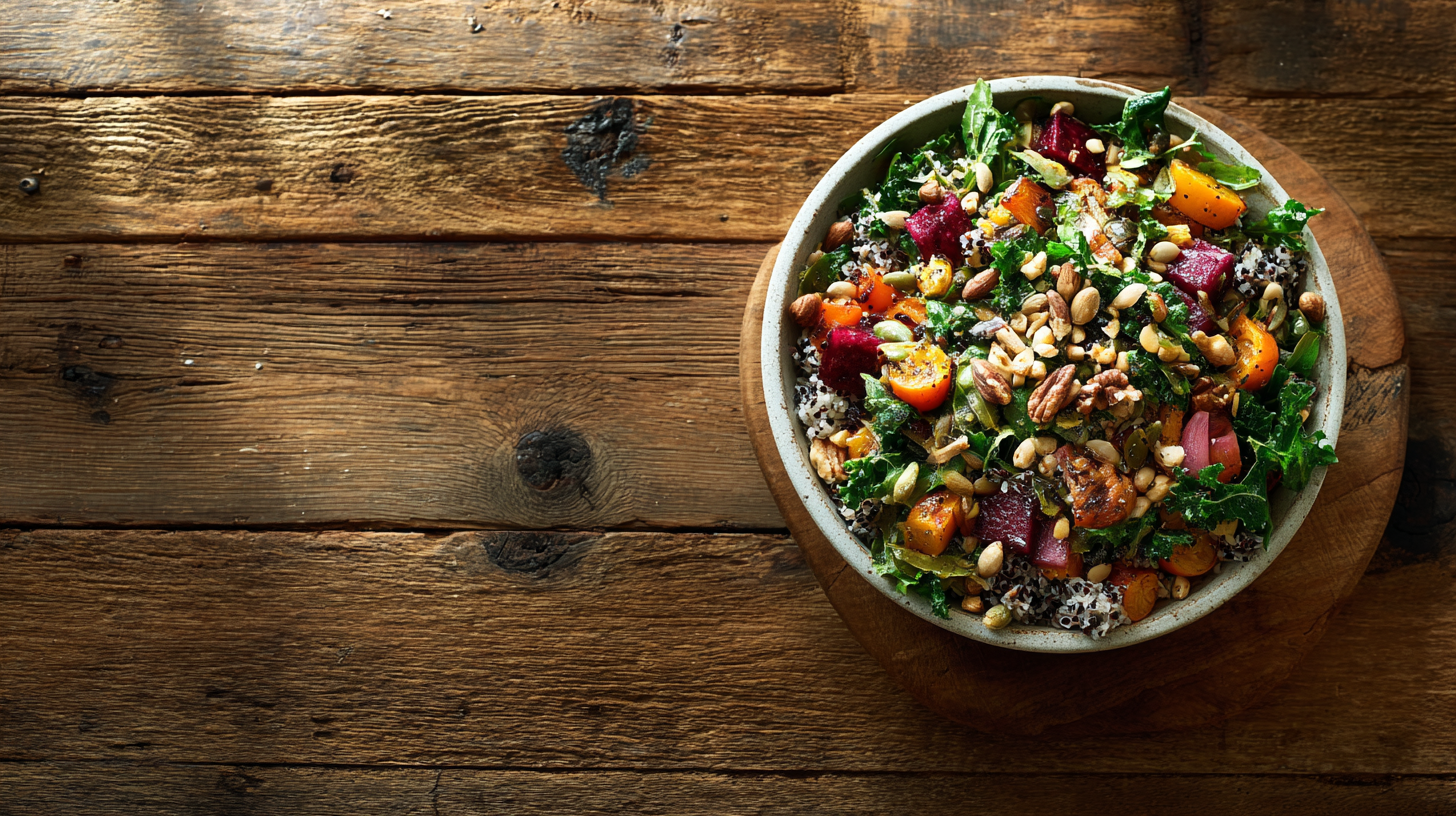
Now, when we turn from numbers to what actually grows out of the ground, the picture begins to soften and brighten. Instead of asking, “How much protein?” or “How few carbs?” we start asking, “Where did this food come from, and what does it carry with it?” Plant-focused eating patterns—whether fully vegetarian, vegan, or simply centered on plants with some animal foods around the edges—answer that question with bowls and plates filled mostly from the garden, the field, and the orchard. The emphasis shifts from restriction to abundance: more colors, more fiber, more quiet gifts hidden in leaves, roots, beans, and grains.
What stands out first in these ways of eating is how thoroughly they bathe the body in protective compounds. Diets rich in fruits, vegetables, whole grains, nuts, and legumes naturally provide fiber, vitamins, minerals, and a whole orchestra of phytochemicals that help calm inflammation and protect cells from damage. Large long-term studies, like the Adventist Health Studies and the EPIC (European Prospective Investigation into Cancer and Nutrition) cohorts, have found that people following plant-based patterns tend to have lower risks of heart disease, type 2 diabetes, and some cancers compared with those eating more animal-centered diets, especially when the plants are eaten in minimally processed forms [1–3]. This doesn’t mean every plant-based meal is holy, but it does suggest a direction—a path that nudges the body toward healing rather than strain.
Fiber is one of the quiet heroes here. Most people eating typical Western diets fall far short of recommended daily fiber intake, yet when you center meals on beans, lentils, vegetables, fruits, and whole grains, fiber becomes almost unavoidable—in a good way. It slows the rise of blood sugar, helps lower LDL cholesterol, supports healthy digestion, and feeds the beneficial bacteria in your gut. Meta-analyses have shown that higher fiber intake is associated with lower all-cause mortality and reduced risk of cardiovascular disease and colorectal cancer [4]. Plant-focused patterns make this easier not through elaborate rules, but by the simple fact that nearly every major food on the plate carries fiber along with it, instead of stripping it away as many refined foods do.
Another strength of plant-forward eating is how it treats the heart. When most of your fats come from nuts, seeds, olives, and avocados rather than processed meats and deep-fried foods, your blood vessels are generally dealt with more kindly. Large reviews have found that replacing saturated fat from animal sources with polyunsaturated fats from plants can reduce the risk of coronary heart disease [5]. Additionally, vegetarian and vegan patterns often lower total and LDL cholesterol, sometimes enough that people see improvements in blood pressure and markers of arterial health without medication or with reduced doses, under a clinician’s guidance [1,6]. It is as though you gently lift pressure from the circulatory system day after day, meal after meal.
But it would be dishonest to talk about plant-focused patterns as if they were free from pitfalls. Simply avoiding animal foods does not guarantee good health. A plate of French fries, soda, and a doughnut can be technically “plant-based,” yet such a meal does not bear the fruits of life-giving nutrition. Researchers are beginning to distinguish between “healthy plant-based diets” rich in whole foods and “unhealthy plant-based diets” heavy in refined grains, sugary drinks, and sweets. One large study showed that only the healthy plant-based pattern—built around whole grains, fruits, vegetables, nuts, and legumes—was associated with lower risk of type 2 diabetes, while the unhealthy plant-based pattern was actually linked with a higher risk [7]. The source and the processing matter at least as much as the label.
Protein is often the first worry when someone thinks about moving toward plants: “Will I get enough?” For most people eating enough calories from a variety of plant foods, protein adequacy is not difficult to achieve. Beans, lentils, tofu, tempeh, nuts, seeds, and whole grains all contribute. The Academy of Nutrition and Dietetics has stated that well-planned vegetarian and vegan diets are appropriate for all stages of life, including pregnancy, lactation, infancy, and older adulthood, when they are varied and thoughtfully constructed [8]. The key phrase there is “well-planned.” Combining different plant protein sources across the day supplies all the essential amino acids the body needs, though each individual meal doesn’t need to be perfectly balanced.
There are, however, certain nutrients that deserve particular attention when animal foods are minimized or removed. Vitamin B12 is the most prominent example; it does not reliably appear in plant foods unless they are fortified. Without adequate B12, the nervous system and blood cells suffer. Anyone following a vegan pattern, and many vegetarians as well, need a dependable source of this vitamin, either through fortified foods or supplements, guided by regular blood testing when possible [8]. Iron is another nutrient that requires awareness. Plant-based iron (non-heme iron) is less readily absorbed than heme iron from animal sources, yet absorption is improved when iron-rich foods like lentils, beans, tofu, pumpkin seeds, and leafy greens are eaten with vitamin C–rich foods such as citrus, bell peppers, or berries.
Calcium, iodine, zinc, and omega-3 fatty acids also come into the conversation. Fortified plant milks, calcium-set tofu, leafy greens, sea vegetables in moderate amounts, nuts, seeds (especially chia and flax), and whole grains can help cover these needs. For long-chain omega-3s (EPA and DHA), some people choose algae-based supplements, which offer the same molecules found in fish without the fish itself. The point is not that plant-focused eating is dangerous, but that, like any deliberate way of eating, it calls for informed choices instead of casual neglect. When these nutrients are accounted for, plant-centered patterns can be deeply nourishing and protective.
From a weight perspective, many people notice that shifting toward plants—especially whole, minimally processed ones—naturally lowers the calorie density of their meals without leaving them feeling deprived. Plates piled high with vegetables, beans, and whole grains take up more physical space in the stomach per calorie, encouraging fullness with fewer total calories. Clinical trials have shown that low-fat, high-fiber plant-based diets can result in meaningful weight loss and improved insulin sensitivity, often without requiring strict calorie counting [6,9]. This doesn’t turn every plant eater into a reed, of course, but it does suggest that the body is more at ease regulating appetite and weight when it is continually fed foods close to their natural state.
There is also a quieter benefit that many people report when they shift the focus of their diets toward the garden: the way their relationship with food begins to change. Instead of meals built around a large piece of meat with small decorations of vegetables, the vegetables themselves become the centerpiece—stews rich in beans and tomatoes, stir-fries crowded with greens and peppers, hearty grain bowls jeweled with roasted roots and seeds. Cooking can feel more creative, more colorful, less driven by habit. Some even describe a sharper mental clarity and lighter mood, which may be partly due to improved blood sugar control, gut health, and the steady flow of micronutrients and phytochemicals that plants carry [3,4].
Still, plant-focused eating is not a moral test, and it is not the same for every person. Someone with a long history of digestive troubles may find large amounts of raw vegetables and beans difficult at first, requiring a slower transition, gentle cooking methods, or temporary adjustments. Others, for cultural or personal reasons, may wish to keep small amounts of animal foods—such as fish, yogurt, or eggs—while still allowing plants to become the main portion of the plate. The evidence suggests that even these more flexible patterns, like the Mediterranean diet or certain traditional Asian diets that are strongly plant-based but not strictly vegetarian, carry many of the same health benefits when they emphasize whole foods and limit highly processed items [2,10].
In weighing the promise of plant-focused eating, it helps to remember that we are not choosing between purity and failure but between directions. A person who moves from very meat-heavy, processed-food-heavy meals to mostly whole plant foods with modest animal products has taken a meaningful step toward better heart health and metabolic balance, even if they never identify as vegetarian or vegan. Likewise, someone who is already plant-based but relies heavily on refined grains, sugary snacks, and oils can move in a healing direction by inviting more intact grains, legumes, and fresh produce onto the plate. The label matters less than the pattern, and the pattern matters less than the daily habits that quietly accumulate over the years.
As you think about whether, and how far, to lean into plant-focused patterns, you might listen for a few honest questions beneath the noise of trends: “Does this way of eating make it easier to choose simple, whole foods most of the time? Am I willing to learn about the nutrients that require attention and make peaceful adjustments? Can I imagine living this way not just for a month but through many seasons of life?” When the answer to these questions begins to gently tilt toward yes, you are already walking on a path that aligns with much of what careful research has shown to support long-term health and quiet strength.
And from here, once we’ve looked at the garden’s gifts, it’s natural to compare how different patterns—especially low-carb and low-fat approaches—handle those same foods, and what that means for both our bodies and our peace of mind.
References
- [1] Tonstad S, Stewart K, Oda K, et al. Vegetarian diets and incidence of diabetes in the Adventist Health Study-2. Nutr Metab Cardiovasc Dis. 2013.
- [2] Estruch R, Ros E, Salas-Salvadó J, et al. Primary prevention of cardiovascular disease with a Mediterranean diet. N Engl J Med. 2013.
- [3] Key TJ, Appleby PN, Rosell MS. Health effects of vegetarian and vegan diets. Proc Nutr Soc. 2006.
- [4] Reynolds A, Mann J, Cummings J, et al. Carbohydrate quality and human health: a series of systematic reviews and meta-analyses. Lancet. 2019.
- [5] Mensink RP, Zock PL, Kester AD, Katan MB. Effects of dietary fatty acids and carbohydrates on the ratio of serum total to HDL cholesterol and on serum lipids. Am J Clin Nutr. 2003.
- [6] Ornish D, Scherwitz LW, Billings JH, et al. Intensive lifestyle changes for reversal of coronary heart disease. JAMA. 1998.
- [7] Satija A, Bhupathiraju SN, Spiegelman D, et al. Healthful and unhealthful plant-based diets and the risk of type 2 diabetes in US adults. PLoS Med. 2016.
- [8] Melina V, Craig W, Levin S. Position of the Academy of Nutrition and Dietetics: Vegetarian Diets. J Acad Nutr Diet. 2016.
- [9] Barnard ND, Cohen J, Jenkins DJA, et al. A low-fat vegan diet and a conventional diabetes diet in the treatment of type 2 diabetes. Diabetes Care. 2006.
- [10] Sofi F, Abbate R, Gensini GF, Casini A. Accruing evidence on benefits of adherence to the Mediterranean diet on health: an updated systematic review and meta-analysis. Am J Clin Nutr. 2010.
Comparing low-carb and low-fat approaches
When people talk about low-carb and low-fat, it often sounds like two rival churches arguing over doctrine. One worships at the altar of bacon and butter, the other at the altar of dry toast and rice cakes. But if you push the noise aside and look at what really happens in bodies and kitchens, the story is quieter, more human, and a good bit less dramatic.
Let’s start with what both approaches are usually trying to do. Most low-carb and low-fat diets are not invented for athletes in training or lumberjacks cutting timber. They’re mostly built for ordinary people who want to lose weight, steady their blood sugar, protect their hearts, and maybe fit back into pants that once felt comfortable. They simply choose different “levers” on the same machine: one pulls down on carbs, the other on fat, both hoping the body will draw more on stored energy and less on the flood of incoming calories.
A classic low-fat pattern, especially as it was pushed in the late twentieth century, says, “Fat is dense in calories and clogs the arteries; cut it down, and you will slim down.” So plates were filled with pasta, low-fat crackers, sugary yogurts, and “light” dressings. Some people did see their cholesterol numbers fall, especially when they also cut high-fat meats and fried foods. But many did not feel satisfied. Without enough fat or fiber, they stayed hungry, and companies quickly filled the gap with low-fat but highly processed snacks that were easy to overeat. The theory promised one thing; the actual supermarket shelves delivered another.
Low-carb plans took the opposite road. They said, “Carbs—especially refined ones—are spiking your blood sugar and insulin. Cut them, and the body will finally tap into fat stores.” So bread, pasta, rice, potatoes, and sweets were cast out, and protein and fat were invited in. Early on, a lot of water weight falls away as glycogen stores shrink and the body sheds the water that travels with them. For many people, this feels like magic. Hunger may lessen, especially when both protein and fat are plentiful, and blood sugar can become more stable compared with an eating pattern heavy in white flour and sugar.
But “low-carb” is not one single road. On one end, there’s the very-low-carb or ketogenic style, often keeping digestible carbs under about 20–50 grams per day. On the other, there’s a gentler low-carb or lower-carb approach that might simply limit white bread, sweets, and large servings of grains and starchy foods, while still allowing beans, fruits, and modest portions of whole grains. The experience of living on each version can feel very different. On the stricter end, you may be measuring and counting everything, testing ketones, and explaining repeatedly why you’re not eating the birthday cake. On the gentler end, you may simply find you feel better swapping the oversized bagel for a bowl of steel-cut oats with nuts, or the big heap of white rice for a smaller portion of quinoa and more vegetables.
When researchers put low-carb and low-fat head to head in controlled studies, the early months often favor low-carb for weight loss and improvements in triglycerides and HDL (the so-called “good” cholesterol). That’s especially true when the low-fat comparison diet is high in refined grains and sugars. But as months stretch into a year or more, weight loss differences tend to narrow. For many people, whichever plan they can genuinely stick with, while keeping their calories in a reasonable range and emphasizing whole foods, tends to win in the long run.
This is where quality steps forward as the real hero of nutrition. A low-fat pattern built around steel-cut oats, beans, vegetables, fruits, and small amounts of healthy fats looks very different in the body than a low-fat pattern full of sugary breakfast cereals and fat-free cookies. Likewise, a low-carb pattern that leans on nuts, seeds, olive oil, avocados, vegetables, and modest amounts of clean animal protein sends a different message to your arteries than one based on processed meats, butter on everything, and few, if any, plant foods. Two people may both say “I’m low-carb,” but one plate may invite long-term health, while the other quietly erodes it.
Let’s take an example. Imagine lunch two ways. In the low-fat version, you have a large baked potato topped with fat-free sour cream and a side of white bread. In the low-carb version, you have a salad of mixed greens, olive oil, avocado, a handful of nuts, and some grilled lentil patties or fish. The first has less fat and more carbohydrate, yes, but also very little fiber and not much in the way of protective phytochemicals once the skins and colors are stripped away. The second is higher in fat and lower in carbs overall, but those fats are mostly unsaturated, the fiber is abundant, and the plate is rich with plant compounds that calm inflammation and steady blood sugar. In that light, you can see that “low-fat” and “low-carb” as labels don’t tell the whole story; we must ask, “Low in what, high in what, and coming from where?”
Another point where the two approaches part ways is blood sugar control. For many people with prediabetes or type 2 diabetes whose meals are heavy in refined grains and sweets, lowering carbohydrate intake—especially the fast-acting kind—can bring fairly quick improvements. Fewer spikes after meals means less strain on the pancreas and fewer of those crushing fatigue waves that come an hour or two after a high-sugar snack. A carefully planned low-carb pattern that still includes non-starchy vegetables, some berries, nuts, seeds, and perhaps legumes can be a tool here. On the other hand, well-constructed low-fat, high-fiber plant-based diets have also shown strong benefits for insulin sensitivity and long-term blood sugar control, particularly by flooding the body with fiber and reducing saturated fat. So again, the choice is not between “carbs bad” and “fat bad,” but between patterns that either support or hinder the body’s ability to handle both wisely.
We also have to speak about how these approaches feel to live with day after day. A very low-fat plan can leave some people constantly unsatisfied, especially if they don’t have plenty of whole grains, beans, and vegetables to provide bulk and slow digestion. Fat lends texture, flavor, and staying power to a meal. Removing it too severely without increasing fiber-rich foods can lead to the kind of hollow hunger that keeps you circling the kitchen. In the same way, a very low-carb plan can feel socially and emotionally heavy. Turning down fruit at a summer picnic, avoiding even a small baked potato at family gatherings, or feeling that a single slice of whole-grain bread is a moral failure wears on the mind over time.
Then there is the matter of what each approach does with plants. Some low-fat patterns roll out a long welcome mat for fruits, vegetables, and whole grains and may include beans generously. That can be a tremendous blessing to heart health and digestion, especially when the fats that remain are mostly from nuts, seeds, and small amounts of oils like olive oil. But if low-fat turns into “low everything except refined starch,” the advantage withers. Meanwhile, some low-carb plans quietly encourage people to cut not just white bread and sugar, but also beans, lentils, and many fruits and whole grains. In doing so, they can accidentally starve the beneficial bacteria in the gut that thrive on fiber. You may lose weight in the short term but lose some of the deeper protective benefits plants offer over the long term.
So if you and I were sitting at the same table and you asked, “Should I go low-carb or low-fat?” I would probably ask you a few questions back. How have you eaten most of your life? Do you feel more satisfied when your meals are hearty with beans, grains, and vegetables and only modestly rich in fat, or when your plate carries more protein and fat with fewer starches? Are you dealing with specific issues like elevated triglycerides, very high LDL cholesterol, blood sugar swings, or digestive troubles? Some people find a moderate low-carb, higher-plant-fat approach eases their cravings and steadies their energy; others feel best with a gentler, mostly plant-based, somewhat lower-fat pattern rich in intact grains and legumes.
In the end, the sharp lines between low-carb and low-fat soften when we let go of extremes and come back to what you’ve already seen in plant-focused eating: simple, whole foods lifting the center of the plate. You might discover that a “lower-carb” version for you simply means replacing white bread and sugary drinks with vegetables, beans, and modest portions of whole grains, while keeping fruits and root vegetables as welcomed guests. Or that a “lower-fat” version means choosing baked potatoes and bean soups more often, while keeping a faithful drizzle of olive oil and a small handful of nuts rather than stripping fat nearly to zero.
Our bodies are not spreadsheets, and they do not live by numbers alone. They live on patterns, on what passes our lips day after day, on how satisfied or deprived we feel, and on whether a way of eating can walk with us through busy weeks, quiet seasons, holidays, and hardships. As you think about these two approaches, remember that you’re not choosing a team to shout for; you’re choosing a pattern of meals you can prepare, enjoy, and sustain. The very same plant foods that shone so brightly when we talked about garden-centered eating can be the steady ground under your feet, whether you lean a little lower in carbs, a little lower in fat, or find a middle road that suits the life you’ve actually been given to live.
Incorporating cultural and lifestyle considerations

Here is where all the charts, studies, and arguments run into the real world: your kitchen, your family table, your work schedule, your budget, and the stories you grew up with around food. You can have the most elegant plan on paper, but if it laughs at your culture, ignores your schedule, or strains your conscience, it will not walk with you very far. A way of eating only becomes truly wise when it can live at your own table, in your own life, without tearing at what is most precious to you.
Think for a moment about the foods that feel like home to you. Maybe it’s rice and beans simmered with spices, or a pot of chicken soup your mother made when anyone was sick, or bread fresh from the oven passed around a crowded table. These meals are not just fuel; they are memory, comfort, and belonging. When modern diets sweep in and declare these foods forbidden or “bad,” they aren’t only touching your plate—they’re touching your story. No wonder so many people feel pulled between “eating right” and “being themselves.” A healthier pattern that tramples culture will almost always be short-lived, and it can leave behind guilt and confusion that are worse than the extra sugar or fat it tried to remove.
This is why it helps to begin not with, “What is the perfect diet?” but with, “What is my life actually like?” Suppose you work long shifts, commute an hour each way, and have little time or energy to cook on weekdays. A plan that expects you to prepare three elaborate, from-scratch meals every day is not wise for you, no matter how beautiful its promises. You might instead look for a pattern that leans on batch cooking, simple ingredients, and meals that reheat well—big pots of lentil stew, containers of roasted vegetables and grains, whole-grain wraps with beans and greens. The same principles of good nutrition apply, but they’re shaped to the life you actually live, not the one someone imagined in a glossy book.
Cultural food traditions can be tremendous allies when we work with them instead of against them. Think of traditional Mediterranean meals: beans, lentils, vegetables, olives, whole grains, and modest amounts of fish and cheese. Or many Asian patterns centered on rice, vegetables, tofu, and small portions of meat, or Latin American plates of corn, beans, squash, and fruit. Long before anyone drew a pyramid or plate diagram, people were eating in ways that supported health, simply because their food came mostly from the land around them, simply prepared. When modern diet rules demand that we abandon these patterns in favor of protein bars and powdered shakes, something important is lost.
So instead of asking, “How can I force my culture into this diet?” you might ask, “How can I draw the best from my culture and gently lighten what burdens my body?” If rice is central to your meals, perhaps you keep it but shift more often to brown or mixed-grain rice, or you keep the white rice but fill more of the plate with vegetables and beans so the portion naturally shrinks. If your tradition uses rich meats and sauces, you might reserve those for special occasions and let simpler, plant-strong versions become the weekday norm. The goal is not to cut out the joy, but to weave in more color, fiber, and balance without tearing the fabric of home.
Family patterns also matter. You may be willing to try a very strict plan, but if your spouse, children, or parents are not, your mealtimes can turn into a battleground. Eating is one of the last everyday rituals that truly gather people in one place. When a new way of eating demands that you sit at the same table with completely different meals that cannot touch or be shared, the emotional cost can be high. Some people endure this for a few weeks and then slip back into old habits simply because they miss the unity of eating the same food together.
A gentler way is to work from the center of the family table outward. Keep familiar dishes, and ask how they can be bent, rather than broken, toward better health. If everyone loves tacos, you might offer beans and grilled vegetables alongside, use whole-grain tortillas, and let cheese and sour cream become accents instead of the main event. If spaghetti is a staple, perhaps more tomato sauce, lentils, and vegetables become the heart of the dish while the pasta portion softens a bit, or you experiment with a whole-grain or legume-based pasta once a week. Over time, these quiet shifts accumulate, often without the resistance that comes when people feel their favorite meals are being taken away all at once.
Social life is another piece we can’t ignore. A plan that leaves you dreading every potluck, birthday party, or holiday banquet is not going to be kind to your mind or your relationships. You may have seen this: someone starts a very rigid plan and suddenly every shared meal becomes a negotiation or a complaint. They eat before they come, pick at a lettuce leaf while others share the food, or give long speeches about their new rules. They may be sincere, but they are also lonely. Over time, the ache of always being the exception wears them down.
One way to avoid this is to distinguish between your “home pattern” and your “social pattern.” At home, you might be quite structured: lots of vegetables, whole grains, beans, nuts, seeds, and modest portions of animal foods or richer items, depending on the pattern you’ve chosen. But when you are a guest, you practice a different skill: gracious flexibility. You quietly make the best choices you can from what is offered—leaning on salads, vegetables, beans, and simpler dishes when they’re available—and you allow yourself small portions of traditional or richer foods without turning the occasion into a test of virtue. This doesn’t mean ignoring serious health needs, like food allergies or strict medical restrictions. It does mean recognizing that hospitality and community are also part of being well, and they deserve a place at the table.
Your inner life, too, is part of this conversation. You and I know people who live under a constant cloud of food rules. They carry apps like chains; every bite is logged, judged, and weighed. They will not eat a single grape past a certain hour, not because their body has told them so, but because a plan has. Over time, their thoughts are less about nourishment and more about fear—fear of gaining, fear of failing, fear of breaking a rule. Whatever physical benefits they may gain, their peace with food is lost. Any approach that stirs that kind of bondage, even in the name of “clean eating,” is working against the deeper purpose of nutrition, which is to support life, not to shrink it.
This is where listening to your own cues matters. Some people thrive on regular meals: breakfast, lunch, dinner, perhaps a planned snack or two. Others prefer a looser pattern, with a later first meal and an earlier last meal. What matters most is whether your pattern leaves you feeling steady or frayed. Are you so hungry by afternoon that you lose all restraint and grab whatever is nearest? Are you skipping meals in the name of discipline but then prowling the kitchen at night? Does a way of eating give you a quiet sense of enough, or does it stir constant craving? Your answers here tell you as much about the wisdom of a plan as any study does.
Work demands can also shape what is realistic. A nurse on rotating night shifts, a truck driver, a parent of small children, and an office worker with predictable hours all live in different worlds. Expecting them to follow the same rules about meal timing, cooking, and food access is neither fair nor wise. The nurse may need sturdy, portable meals she can eat in snatches—a container of grain and beans, cut vegetables, nuts, and a piece of fruit—rather than anything that demands a long, calm sit-down. The truck driver might lean on cooler-friendly foods, simple sandwiches on whole-grain bread, pre-cut vegetables, and hummus, with planned stops for a warm meal built around vegetables and lean protein when possible. The parent may rely on slow-cooker meals and sheet-pan dinners that can be thrown together quickly but still place vegetables and beans or whole grains at the center.
Economic realities cannot be left out either. A plan that depends on constant purchases of specialty products—exotic powders, branded shakes, snack bars, and imported “superfoods”—is out of reach for many and unnecessary for almost everyone. Some of the most nourishing, research-supported patterns in the world lean on humble, inexpensive foods: dried beans and lentils, oats, brown rice, frozen vegetables, carrots, cabbage, seasonal fruit, simple seeds, and a modest amount of nuts. When someone tells you that good health requires a long list of expensive items, you can gently remember the simple meals that have sustained whole communities for generations.
Spiritual and ethical values also enter the picture. You may feel called to care for animals with special tenderness, or to tread lightly on the earth, or to avoid waste and greed. These convictions can shape your eating in ways that go beyond grams of protein or fat. For some, this leads toward vegetarian or vegan patterns; for others, it may mean choosing smaller amounts of animal foods from sources they trust, cooking more at home, and avoiding the excess and carelessness that often mark heavily processed, throwaway foods. The point is not that any one stance is holier than another, but that a way of eating has to sit well with your conscience if it is to sit long on your table.
At times, you may find your cultural or family traditions pulling one way and your personal convictions or health needs pulling another. Perhaps your culture celebrates with meat-heavy feasts, but your cholesterol and blood pressure are sounding alarms. Or your family equates refusing a dish with rejecting the person who made it. In such cases, it can help to talk openly and kindly with those closest to you. You might say, “I love our meals together, and I want to be around for many more years of them. My body is asking for some changes, so I’m going to take smaller portions of these dishes and larger portions of the vegetables and beans. I’m not rejecting you; I’m taking care of the life we share.” Sometimes, when people understand that your choices are about staying present with them longer, they soften.
As you bring all these threads together—culture, family, schedule, work, budget, values—you begin to see that there is no one “perfect” pattern that everyone must follow. There are guiding lights: more whole plants on the plate, fewer ultra-processed foods, modest amounts of added sugars and refined grains, careful attention to fats and salt, and a watchful eye on how your own body responds. But the form these take in your life will differ from mine, and that is not a failure; it is part of being human in different places, with different histories and duties.
In the end, the question is not, “Can I follow this diet flawlessly?” but, “Can this way of eating become a quiet, trustworthy companion to the life I’ve been given?” When a pattern honors your cultural roots, fits your daily responsibilities, respects your relationships, and leaves room for joy as well as discipline, it stops feeling like a battle and begins to feel like a homecoming. From that place, you are far more likely to keep walking steadily, to make adjustments with patience rather than panic, and to let your food support not only your physical health but your peace of mind and heart as well.
Assessing long-term sustainability and health impacts
When we step back from meal-by-meal decisions and look at years or even decades, the question changes from “What will help me lose weight fast?” to “What kind of eating pattern will my body still be thankful for twenty or thirty years from now?” Many diets can produce striking short-term results, especially when they sharply restrict certain foods or cut calories. But a pattern that you can endure for only a few weeks is very different from one that can quietly support your health through children, career changes, illness, aging, and all the ordinary seasons of life. Long-term sustainability is not just a matter of willpower; it is a matter of design.
One way to think about sustainability is to ask how an eating pattern treats your body’s essential systems over time: heart, blood vessels, brain, bones, metabolism, and digestion. Diets that regularly bathe the body in fiber, antioxidants, and healthy fats, while keeping added sugars, refined grains, and excess sodium in check, tend to support the heart and lower the risk of conditions like heart disease and stroke. Observational studies following large groups of people for many years consistently find that patterns such as the Mediterranean diet, plant-centered diets, and traditional foodways rich in whole grains, beans, fruits, vegetables, nuts, and seeds are linked to longer life and fewer chronic diseases. This doesn’t make them perfect, but it does suggest they are better traveling companions across time than extreme or highly restrictive plans.
Weight is often the loudest motivator in conversations about nutrition, yet long-term research paints a sobering picture of quick-fix approaches. People can lose significant weight on low-carb, low-fat, or other tightly controlled plans in the first three to six months, especially when they are highly motivated. But as one year blends into the next, a large share of that weight often creeps back. The body resists being pushed too far from its comfort zone. Hormones that govern hunger and fullness shift, resting metabolism may drop, and the mental strain of constant restriction leads many back to old patterns. When a plan demands white-knuckle discipline every day, it may not be built for the long road.
This is where enjoyment and flexibility become more than pleasant extras; they become pillars of sustainability. A way of eating that completely bans foods you love, isolates you socially, or demands complicated rules at every meal is hard to carry through birthdays, holidays, travel, and stress. By contrast, patterns that emphasize a strong, wholesome “default”—lots of plants, simple home cooking when possible, thoughtful portions—while still allowing planned room for special foods tend to endure. Over time, a person who eats wisely and generously most days, and enjoys richer foods occasionally without guilt or rebellion, generally fares better than someone who cycles between fierce control and discouraging relapse.
The slow development of chronic disease also highlights why long-term thinking matters more than short-term trends. Heart disease, type 2 diabetes, many cancers, osteoporosis, and cognitive decline do not appear overnight; they are often the fruit of years of small choices. A salty, processed meal here or a sugary drink there may not seem to matter, but repeated daily, they help shape blood pressure, blood sugar, inflammation, and the health of blood vessels and bones. Conversely, when your usual meals are anchored in fiber-rich plants, modest in salt and sugar, and respectful of your body’s needs, each day’s quiet choices can reduce risk, even if now and then you step outside the ideal.
Gut health is another long-term thread you can easily overlook when testing a new diet for a few weeks. The trillions of microbes in your digestive tract feed primarily on the fibers and complex carbohydrates found in fruits, vegetables, whole grains, and legumes. Extreme low-carb or highly processed patterns that strip away these foods may improve certain short-term markers, like blood sugar spikes, while gradually starving beneficial bacteria. Over years, a thin, underfed microbiome can weaken the gut barrier, increase inflammation, and may even affect mood and immune function. Sustainable patterns keep generous, varied plant foods in the picture so that your inner ecosystem can flourish alongside you.
Bone and muscle health also live on long timelines. A strict low-calorie or imbalanced plan may help you see a smaller number on the scale quickly, but if it skimps on calcium, vitamin D, protein, or other key nutrients, your bones and lean tissue can quietly erode. This may not be obvious when you are young, but later it may show up as fractures from minor falls, weakness, and loss of independence. Ways of eating that include regular sources of high-quality protein, calcium-rich foods (whether dairy or fortified plant options and greens), and nutrients like magnesium and vitamin K tend to serve your skeleton and muscles more faithfully across the decades.
Another measure of sustainability is how well an eating pattern adapts to different stages of life. What works for a single adult with abundant free time may be impractical for a parent caring for small children, a person recovering from illness, or an older adult with changes in taste, appetite, or digestion. Rigid plans often collapse when life shifts suddenly: a new job, caring for a relative, financial strain, or a diagnosis that requires new medications. By contrast, food patterns built on broad principles—prioritizing whole foods, planning simple meals, respecting hunger and fullness, keeping portions thoughtful—can flex with changing circumstances. They might look different in each season, but the foundation remains recognizable.
Sustainability is also tied closely to mental and emotional well-being. If your mind is constantly tangled with food rules, self-criticism, and fear of “falling off the wagon,” even a nutrient-perfect plan can be harmful in a deeper way. Over years, this can fuel disordered eating, anxiety, or a weary numbness where food is no longer enjoyed but merely endured. Health is not just the absence of disease; it also includes a sense of peace and freedom. A lasting pattern tends to be one that promotes kindness toward your own body, allows for imperfection, and invites you to notice how different foods genuinely make you feel, rather than how they score on someone else’s chart.
Environmental and ethical dimensions add another layer to long-term thinking. The foods you choose day after day participate in systems of farming, labor, and resource use that stretch far beyond your kitchen. Diets high in ultra-processed foods and large quantities of industrially produced meat generally place heavier demands on land, water, and energy, and often come with hidden costs to workers and animals. Patterns that lean more on plants, seasonal produce, and modest portions of animal products can lighten this burden, supporting a kind of health that includes soil, water, and community. If you hope for a livable world for children and grandchildren, your way of eating becomes one of the quiet levers you can pull.
All of this raises a question you might not have been taught to ask: not “Which diet is best?” but “Which pattern, with all its strengths and limits, can I gladly live with for many years—and will my future self thank me for it?” This is not as glamorous as promising to “reset” your body in ten days, but it is much more radical, because it invites you to consider your life as a whole story rather than a series of emergency repairs. It nudges you to look beyond the mirror and the scale toward blood tests, blood pressure, sleep, mood, stamina, and the quiet way your clothes fit over time.
You might begin by looking honestly at how you eat right now and asking, “Could I see myself doing something like this, a bit better, for the next decade?” If the answer is yes—because your meals already contain many whole foods, and you feel mostly at peace—you may need only gentle refinements, not a revolution. If the answer is no—because your pattern depends heavily on drive-through meals, constant snacking, or rigid cycles of restriction and overeating—then the sustainable path may start with small, specific experiments: cooking one or two simple dinners per week at home, adding a serving of vegetables to lunch, cutting back on sugary drinks. By making changes small enough to maintain but meaningful enough to notice, you slowly reshape the trajectory of your health without declaring war on your own habits.
As you consider all these layers—body systems, seasons of life, emotional peace, and even the wider world—you may find yourself asking far more questions than when you began. That is not a sign of failure; it is a sign of waking up. Instead of chasing the next promise of rapid transformation, you are beginning to weigh how each decision today will echo into your later years. In that light, every meal becomes an invitation: not to perfection, but to a pattern you can walk with patiently, curiously, and gratefully for a very long time.
- How do I know if a diet is truly sustainable for me long term?
- A sustainable pattern is one you can imagine following through busy weeks, holidays, and stressful seasons without constant resentment or exhaustion. Ask yourself if it fits your budget, schedule, culture, and family life, and whether you feel nourished, not obsessed or deprived, after several weeks of living with it.
- Can rapid weight-loss diets still be healthy if I only use them for a short time?
- Short, intensive plans can sometimes jump-start changes, but they often come with muscle loss, metabolic slowdown, and a higher risk of regaining weight. Before starting one, consider whether it teaches skills and habits you’ll actually keep, or whether it simply pushes your body hard for a result that quickly fades.
- Is it better for long-term health to focus on low-carb, low-fat, or something else?
- Over the long run, the quality of foods you eat matters more than whether your pattern leans slightly lower in carbs or fat. Most strong evidence favors ways of eating rich in whole plant foods, with modest portions of animal products and minimal ultra-processed items, regardless of exact macronutrient percentages.
- How can I protect my heart and blood vessels with my everyday eating?
- Regularly choosing fruits, vegetables, whole grains, beans, nuts, and seeds while limiting processed meats, deep-fried foods, and excess salt supports heart and vessel health over time. Small daily habits—like replacing sugary drinks with water or tea, and choosing olive oil and nuts instead of trans-fat–rich snacks—accumulate into meaningful protection.
- What role does gut health play in long-term wellness?
- Your gut microbes influence digestion, immunity, inflammation, and even mood, and they rely on diverse fibers from plant foods to thrive. Diets that provide a variety of vegetables, fruits, whole grains, and legumes tend to foster a more resilient microbiome than patterns heavy in refined starches, sugars, and animal fats.
- Can I maintain strong bones and muscles without eating a lot of animal products?
- Yes, if you’re intentional. Adequate protein can come from beans, lentils, tofu, tempeh, nuts, and seeds, while calcium can be supplied by fortified plant milks, calcium-set tofu, and certain greens; vitamin D and B12 may require fortified foods or supplements, depending on your situation and medical guidance.
- How often should I reassess my eating pattern as I age or my life circumstances change?
- It’s wise to pause and reassess every few years, and whenever you experience major life changes such as pregnancy, illness, new medications, or shifts in work and activity levels. Checking in with your energy, sleep, digestion, lab results, and emotional relationship with food can help you adjust your pattern before small problems become larger ones.
Beside our live streamed church services, all are welcome to attend our church in person each Saturday beginning 10:00 AM Central Time by going to 2425 Owens Rd., Ashland, AL 36251. There is no cost and any donations are strictly voluntary.
For questions, call +2563547124.