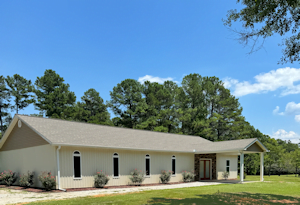
Come join Ashland Sabbath Chapel Ministries each Saturday for live streamed church services. Bible Study begins at 10:00 AM Central Time and Sermon at 11:00 AM. Visit Our YouTube channel and watch from home!
When the day is crowded with duties, and your mind feels like a room with no open window, it is often leisure that lets in the fresh air. You may have noticed that even a short walk outside, ten minutes with a good book, or quiet time in the garden can make your thoughts clearer and your heart calmer. This is not idleness; it is part of how God designed the mind to renew itself. Researchers today affirm what thoughtful people have long observed: regular leisure is linked with better mood, reduced anxiety, and a deeper sense of life satisfaction (Pressman et al., 2009; Kuykendall, Tay, & Ng, 2015). In other words, thoughtful rest is a friend of your mind, not its enemy.
One of the first psychological gifts of leisure is the softening of stress. When duty follows duty without pause, the nervous system becomes like a bow that is always bent, its string strained and ready to snap. Moments of unhurried enjoyment help loosen that string. Studies have shown that engaging in enjoyable activities is associated with lower levels of cortisol—the body’s primary stress hormone—and with better overall health markers (Pressman et al., 2009). You have likely felt this yourself after a Sabbath afternoon walk or a quiet hour with music or Scripture. The concerns of the week do not vanish, but they no longer stand so tall before you. The mind, refreshed, can see them in truer proportion.
Leisure also clears space for the mind to think more clearly and creatively. When your time is crammed with tasks, your thoughts become short and hurried, flitting from one thing to another. But in free, unhurried moments, ideas begin to arrange themselves; problems that seemed tangled begin to loosen. Many have found that solutions to difficult questions come not while straining over them, but while taking a peaceful walk, tending plants, or performing some simple, pleasant task. Modern research calls this the benefit of “incubation” and “mind-wandering” in creative problem-solving (Sio & Ormerod, 2009). Yet this is simply another way of saying that the mind, when relieved from constant pressure, often works more wisely.
Another quiet blessing of leisure is that it helps restore emotional balance. When there is no break, small troubles become large; impatience flares readily; discouragement settles more quickly. By contrast, wholesome leisure activities—such as time in nature, meaningful hobbies, or sacred music—can lift the mind from its narrow, self-focused circle. Studies repeatedly show that enjoyable, self-chosen activities are tied to higher positive emotions, greater life satisfaction, and stronger feelings of meaning (Kuykendall et al., 2015). When the heart is cheered in this way, irritations that once seemed unbearable become manageable, and the whole atmosphere of the home may be changed.
Thoughtful leisure also protects the mind from the numbness that comes from constant strain. When every hour is packed with productivity, you may notice that you begin to move through life in a kind of inner haste, seeing but not truly seeing, hearing but not really listening. Gentle, restorative activities slow the inner pace. Sitting under a tree with an uplifting book, listening to birds in the early morning, or quietly sketching a scene before you—these may seem like small things, yet they awaken the senses and revive the capacity for simple joy. In psychological terms, leisure supports “mindfulness” and presence, which are associated with reduced anxiety and better emotional regulation (Keng, Smoski, & Robins, 2011). A calm, attentive mind is better able to hear the voice of conscience, to notice the needs of others, and to receive spiritual impressions.
There is another sacred work that leisure performs within: it helps you remember who you are apart from your duties. Many people, especially those diligent in their responsibilities, quietly begin to define themselves only by their work—parent, provider, student, leader. When the day is filled from morning till night with task after task, the inner life can shrink. Leisure, wisely used, opens space to notice your own thoughts, to examine the direction of your life, and to remember the values that matter most. Psychologists would call this supporting “self-identity” and “autonomy,” both closely tied to greater wellbeing and resilience (Ryan & Deci, 2000). But viewed more simply, it is the soul recalling that it is more than a machine for doing; it was made also for being, for loving, for seeking truth.
Even simple pleasures, when chosen with care, can lift the spirit in ways that strengthen the whole person. A well-loved hobby—such as painting, playing an instrument, or learning a new craft—gives a sense of growth and accomplishment that differs from the pressures of daily work. These activities gently challenge the mind, asking for focus and skill, but without the fear and strain that often cling to formal duties. This combination of enjoyment and gentle effort nourishes what researchers call “mastery experiences,” which help build confidence and psychological resilience (Bandura, 1997). You may have felt this quiet strengthening yourself when finishing a handmade gift, tending a thriving garden, or practicing a piece of music until it flowed more smoothly.
Leisure can also provide a safe place for the heart to process grief, disappointment, or worry. When life has dealt a blow, or when the path ahead is uncertain, the temptation is often to plunge into endless activity to avoid feeling the pain. But a steady flood of tasks cannot heal a wounded spirit. Gentle, quiet pursuits—journaling, prayerful reflection in nature, unhurried reading of comforting words—make room for tears to fall, for thoughts to be named, and for hope to begin to grow again. Mental health research supports the idea that reflective, meaning-making activities during free time can help people adapt better to stress and hardship (Folkman & Moskowitz, 2000). In this way, wisely chosen leisure is not escape from reality, but a humble companion as you walk through it.
Consider also how wholesome leisure strengthens self-control and guards the mind against harmful indulgences. When the soul is starved for rest and joy, it will reach out for whatever is near, whether good or evil. Overwork and constant tension can make unhealthy distractions more tempting—excessive screen time, unhelpful entertainment, or other habits that leave the mind more weary than before. But if you intentionally fill some of your free hours with uplifting recreation—time outdoors, creative work, edifying reading—you satisfy the deeper needs of the heart, leaving less room and less desire for what pulls you downward. In this way, the wise use of leisure becomes a practical support to moral strength and mental wellbeing.
Remember that the psychological benefits of leisure do not depend on grand vacations or costly entertainments. Often the most healing moments are found in simple, accessible practices woven gently into the week: a peaceful walk at sunset, a quiet hour without devices, a few minutes to notice the beauty of the sky or to breathe a prayer of gratitude. Research on “daily micro-breaks” shows that even short, simple pauses can restore energy and reduce emotional exhaustion (Kim, Park, & Niu, 2017). The key is not extravagance, but intention—choosing to honor the mind’s need for rest and refreshment, rather than driving it without mercy. As you make room for these small, holy pauses, you will likely find that your thoughts grow clearer, your patience deeper, and your courage more steady for the duties that still await.
Physical health and restorative effects
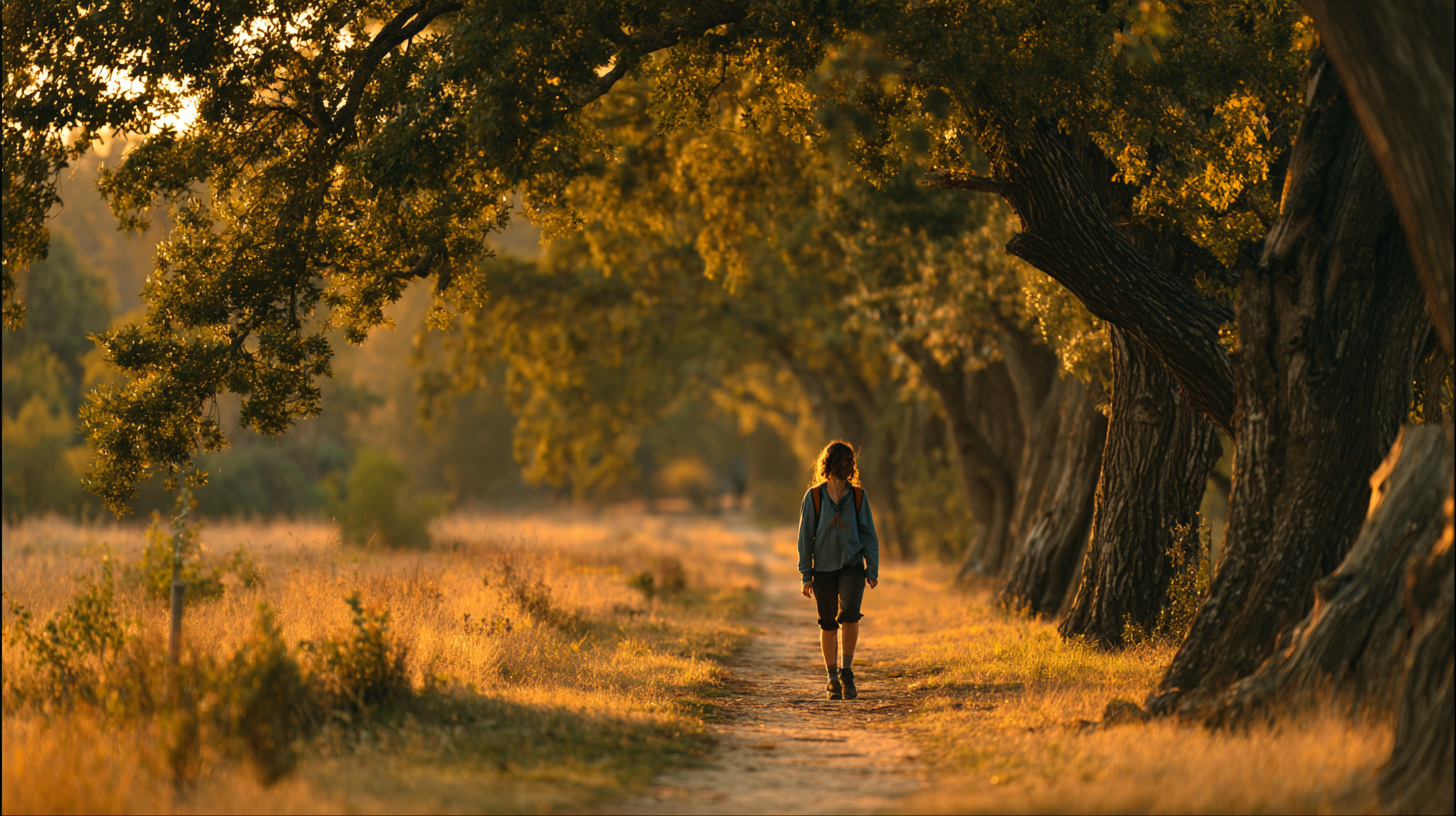
You have probably noticed that when your mind is worn, your body soon begins to complain as well. The two were never meant to be pulled apart. Just as wholesome leisure steadies the thoughts and feelings, it also has much to do with your physical health. We sometimes speak as if rest and recreation are luxuries to be enjoyed “if there is time,” after all the real work is finished. Yet the body bears witness that wise leisure is part of the work of living—a quiet labor that repairs what the busy hours wear down.
Think first of what constant strain does inside you, even when you appear calm on the outside. When the day is driven by deadlines and interruptions, the body often stays silently on alert. The heart beats faster, muscles tighten, breathing becomes shallow, and stress hormones like cortisol and adrenaline keep circulating. This system is helpful in moments of danger, but harmful when kept running day after day. Chronic stress is linked with high blood pressure, weakened immunity, digestive troubles, and increased risk of heart disease. Leisure, rightly chosen, is one of God’s simple medicines for this constant state of alarm. Gentle walks, unhurried time in nature, and simple, pleasant tasks give the nervous system permission to stand down, like a faithful guard released from duty for the night.
You may have felt this shift yourself. After a quiet hour in the garden or a slow bike ride, your shoulders soften, your breathing deepens, and your heart no longer pounds quite so quickly. Researchers call this movement from “sympathetic” arousal, the fight-or-flight state, toward “parasympathetic” activation, the rest-and-digest mode. In plain terms, wholesome leisure invites the body to do what it cannot do when you are always rushing: repair tissues, balance hormones, and steady the heartbeat. This is not imaginary comfort; studies have found that regular participation in enjoyable activities is tied to lower blood pressure, healthier body mass index, and better overall physical health (Pressman et al., 2009). Your evening walk, your time tending flowers, your restful Sabbath hours are doing quiet work inside your cells.
Sleep, too, is deeply influenced by how you spend your free hours. Many people lie awake at night not only because of worries, but because their bodies have never truly signaled that the day is winding down. If your so-called leisure is filled with stimulating noise, bright screens late into the night, and constant checking of messages, the brain is kept on edge. Melatonin, the hormone that helps regulate sleep, is suppressed by blue light from devices; the racing mind struggles to slow. By contrast, restful habits in the evening—a slow walk after supper, a warm bath, gentle stretching, quiet reading, soft music—tell the body that it may safely lay down its burdens. Good sleep is one of the strongest foundations of physical wellbeing, tied to healthier weight, stronger immunity, and clearer thinking. Wise leisure is like the bridge that carries you from the clamor of the day into the healing of the night.
There is another way in which leisure quietly guards the body: it creates space for movement that refreshes instead of exhausts. When we hear of exercise, we often picture gyms, strict routines, and heavy schedules added on top of an already full life. It is no wonder that many avoid it. But physical activity does not need to be another stern duty; it may be woven into your leisure in ways that feel more like joy than like labor. A walk with a friend on a tree-lined street, a game with children in the yard, a slow hike along a forest path, an afternoon of raking leaves or tending a small garden—these are movements that strengthen the heart and lungs, stretch the muscles, and yet often leave you more refreshed than when you began.
Modern research tells us that even modest, enjoyable physical activity carried out during leisure time is linked with longer life, lower risk of many chronic diseases, and better moods (Arem et al., 2015). But even if no scientist had ever said a word, the body itself would testify. After weeks of sitting too long and moving too little, everything feels stiff; the back aches, the joints protest, the head throbs. When you begin to walk regularly, ride a bicycle in the park, or simply work with your hands outdoors, circulation improves, digestion is eased, and the whole frame feels lighter. Leisure that gently moves the body is a friend to every organ.
Consider also the healing influence of nature, which has been called “green medicine” by some observers. The Creator could have made the world gray and bare, but instead He filled it with colors, sounds, and patterns that bring rest to weary eyes and ears. Studies have shown that time spent in natural settings—among trees, by water, in gardens—is associated with lower stress, better immune function, and improved heart health (Ulrich et al., 1991; Li, 2010). In one line of research, people who walked in forests had increased activity of “natural killer” cells, which help the body fight infection and perhaps even certain cancers. Yet you do not need to know the science to feel the effect. A half hour by a quiet stream, listening to water and wind, can do more to soothe the body than many hours in a crowded room.
Some of the most striking evidence for the restorative power of simple leisure comes from studying recovery from illness. When the body is fighting disease or mending from surgery, the temptation is to think only of medicines and procedures. These are important, but so are the conditions of the mind and environment. Patients who have access to a window with a natural view have been found to require less pain medication and to recover more quickly than those whose windows face only a wall (Ulrich, 1984). Gentle music, opportunities for reading or creative work, and visits with loved ones—all forms of leisure—help reduce pain, regulate breathing, and support healing. In such times, leisure is not “extra”; it is part of the treatment.
Everyday aches and pains also often reflect how we handle our time. Many headaches, backaches, and digestive troubles are aggravated not only by what we eat and how we sit, but by the unbroken tension with which we move through the day. When you leave no room for breathing spaces—for a few minutes of stretching, a walk after meals, a pause to step outdoors and look at the sky—the body’s complaints grow louder. You might notice your jaw clenched, your brow furrowed, your stomach tight. When, instead, you honor the body’s need for pauses, you break this pattern. A brief walk between tasks, a few slow, deep breaths while looking out a window, five minutes of stepping away from your desk to stand in the sunlight—these are small acts of leisure that release built-up tension and spare the body from needless strain.
It is also worth noticing how leisure shapes your choices around food and other health habits. When you are constantly rushed, you tend to eat whatever is fastest, not whatever is most nourishing. Overwork leads to late meals, hurried bites, and a reliance on stimulants—too much coffee, too much sugar—to keep going. This pattern burdens digestion and disrupts blood sugar, leaving you more tired in the end. But if you protect some peaceful time for meals, treating them as a kind of gentle leisure rather than a quick refueling, you chew more thoroughly, choose more wisely, and digest more easily. A quiet breakfast without a phone beside the plate, a simple supper shared without television or urgent talk, can do surprising good for both body and spirit.
Leisure also offers a safer outlet for the body’s desire for comfort. When a person is worn thin and never truly rests, harmful indulgences become more appealing. Overeating, excessive drinking, or long hours of passive screen-watching often begin as a search for relief. But these habits tend to leave the body more burdened than before. If, instead, you regularly enjoy healthier forms of comfort—time in the fresh air, wholesome hobbies, music that lifts the heart, meaningful conversation—the craving for those other comforts lessens. In this quiet way, wise leisure supports self-control and protects the body from habits that erode wellbeing.
It may help to picture your weekly time as a kind of garden. The hours of work are like sturdy trees and useful vegetables; they provide shelter and nourishment. But if you plant only these and leave no room for flowers, paths, or places to sit, the ground becomes hard and uninviting. Leisure is the part of the garden where paths are laid, benches are placed, and flowers are allowed to grow. In these spaces the bees still work, the air still moves, but there is beauty, shade, and rest. A life with no leisure may look productive for a while, yet the soil of the body dries and cracks. Muscles tighten, the heart labors, sleep thins. When you open room for simple, restorative pleasures, the soil softens again. Circulation improves, breathing deepens, digestion steadies, and the whole frame is better able to carry the duties that remain.
All of this is not to say that leisure must always be quiet or slow. There is a place for vigorous play that makes the heart pound and the cheeks flush—ball games in the park, swimming in a lake, brisk cycling along a country road. For many, these active forms of leisure bring both joy and strength. The key difference from exhausting labor is that such activity is freely chosen, undertaken in a spirit of enjoyment, and balanced with times of calmer rest. Alternating effort with genuine restoration is the pattern that best supports long-term health. The body is not like a machine that functions the same at all hours; it is more like a field that needs both sunshine and rain, both plowing and lying fallow.
As you consider your own days, you might ask: what forms of leisure leave my body more alive, more at peace, and better prepared for tomorrow’s work? The answer will not be the same for everyone. For one person, a quiet hour of woodworking in the evening loosens stiff fingers and calms the heart. For another, early-morning walks with a neighbor become the hinge on which the whole day turns more smoothly. For someone else, tending a few pots of herbs on a balcony brings fresh air, gentle movement, and the satisfaction of watching living things grow. Whichever form you choose, the principle is the same: when leisure is used not to escape life, but to care for the life you have been given, it becomes a powerful ally of your physical wellbeing.
Social connections and leisure activities
You may have already noticed that leisure rarely blesses you in isolation; it almost always reaches out its hand to others. The very moments that rest your own spirit often become the threads that bind hearts together. When burdens are heavy and each one rushes about his own work, families and friends can dwell under the same roof, or in the same church, and yet live as strangers. But shared, wholesome leisure opens a quiet door for friendship, understanding, and mutual help.
Think of a simple Sabbath afternoon walk with someone you love. At first, the talk may be of small matters—the weather, the flowers along the path. But as the steps fall into a steady rhythm and the rush of the week fades from the mind, deeper thoughts begin to surface. Worries are spoken, joys are shared, plans are shaped together. In such unhurried hours, children find courage to ask their questions; husbands and wives remember that they are companions as well as coworkers; friends discover the burdens that the other has been silently carrying. These conversations rarely happen between ringing phones and hurrying feet. They thrive in the shelter that shared leisure provides.
Researchers who study wellbeing tell us that strong, supportive relationships are among the clearest protectors of mental and physical health. People who feel connected to others tend to live longer, recover more quickly from illness, and bear stress with less harm to body and mind. Yet such bonds do not appear by accident; they are nourished in the soil of shared time. It is in games played together, meals taken without haste, quiet evenings spent in conversation or song, that trust deepens and affection ripens. When you give your leisure to those around you, you are not wasting time; you are investing in one of life’s most powerful sources of strength.
In the home, this is especially important. Many parents labor faithfully to provide for their children’s needs, yet feel a sense of distance growing as the years pass. The boy or girl who once ran eagerly to share every small event of the day now retreats to a screen, a room, or a circle of companions. Often it is not harshness that builds this wall, but simple busyness. The child’s memories become filled with images of a father or mother always tired, always occupied, always saying, “Not now; I have work to do.” One of the surest ways to soften that wall is to enter into the child’s world during your leisure—playing a simple game, reading aloud together, walking and listening without the clock in your hand.
It need not be a grand outing. A parent who, after the day’s duties, sits down on the floor to build a small tower with a little one, or who takes a teenager for a quiet drive just to talk and pray, is doing more for that young person’s future than many realize. Studies of families consistently find that shared leisure—eating meals together without distraction, going on simple outings, enjoying hobbies as a household—is linked with children’s emotional stability, better behavior, and stronger bonds with parents. But beyond all research, the heart itself bears witness. Children who feel that they are worth their parents’ time are far less hungry for harmful companionship elsewhere.
The same is true in marriage. Two people may work under the same roof, share the same table, and yet drift apart if their shared hours are filled only with tasks—to-do lists, bills, and the logistics of daily living. A marriage that is all duty and no delight becomes dry and strained. Shared leisure—an evening walk, gardening side by side, reading the same book and discussing it, or simply sitting together on the porch as the day closes—keeps the friendship within the marriage alive. These gentle practices give each person a chance to see the other not only as a coworker in life’s burdens, but as a companion in its joys.
For those who live alone, leisure can also be a bridge rather than a wall. When free hours are spent only in solitary, passive entertainment, loneliness tends to deepen. But when you use some of that time to join a choir, attend a study group, help in a community garden, or participate in wholesome clubs and gatherings, you place yourself where friendships can grow. Many who have struggled with discouragement have found that regular, shared activities—singing with others, volunteering at a shelter, helping with a church outreach—lifted their own hearts while blessing those around them. The spirit is cheered when it is both receiving companionship and giving it.
Church life, too, is greatly strengthened by shared leisure. We often think of fellowship as something that happens only in formal meetings—the sermon, the class, the committee. But hearts are knit most closely in the simpler times: a potluck lunch where people linger to talk, a group walk on a pleasant day, an evening of hymn-singing in a home, a work bee in which many hands make light labor. In such settings, the shy become better known, the discouraged find comfort, and the newcomers feel that they have found a family. The early believers in Scripture broke bread together with gladness and singleness of heart, and their spiritual strength flowed in part from that holy mingling of worship and simple, shared enjoyment.
Even outside formal religious circles, communities are healed and enriched by leisure that brings neighbors together. A small park where people walk, talk, and children play; a community center where crafts are made and music is practiced; a simple gathering to clean a local stream or tend a shared garden—these are not trivial things. They reduce isolation, build trust across differences, and often lower tension and conflict. When people have stood side by side raking leaves or cooking for a neighborhood meal, they find it harder to nurse suspicion and bitterness. Leisure that draws people together has a quiet, peacemaking power.
It is important, however, to distinguish between leisure that truly connects and that which only gathers bodies in the same room. A family may spend an evening with each person fixed on a separate screen, and call it being “together,” while hearts remain distant. Or friends may meet regularly for entertainment that is noisy and constant, with little opportunity for meaningful conversation. There is a place for lighthearted fun, but if all your shared leisure leaves no room for listening, reflection, or mutual service, the ties formed will be thin.
To strengthen genuine connection, it helps to choose activities that invite interaction. Games that require cooperation rather than only competition, shared projects such as cooking a meal or building something with simple tools, walks where conversation flows more easily than in a crowded room—these draw people into each other’s lives. Even watching a wholesome film together can become connective if you allow time afterward to talk about what you saw, what moved you, and what you learned. The goal is not merely to pass hours in the same space, but to come away knowing and loving one another better.
Shared leisure also offers a gentle way to mend relationships that have been strained. When words have grown sharp and misunderstandings have multiplied, direct discussion sometimes feels too heavy at first. But agreeing to work together in the garden, to take a drive into the countryside, or to help with a simple project can soften the tension. As hands are busy with some common task, hearts sometimes find courage to speak more kindly, to remember good memories, and to consider one another’s viewpoints with less defensiveness. Many wounded ties have begun their healing in such quiet, shared moments.
It is worth remembering, too, that the way you use leisure affects not only your present relationships, but the example you set for others. Children who see their elders choosing peaceful, relational pastimes over isolating ones will be more likely to value people above devices when they are grown. Friends who notice that you protect time for both rest and fellowship may be encouraged to do the same. In a culture that often glorifies busyness on one side and lonely distraction on the other, a life that leaves room for simple, shared enjoyment shines like a small, steady light.
If you sense that your own connections have grown thin, you might begin with small, practical steps. Invite a neighbor to walk with you once a week. Suggest to your family that one evening be set aside for a simple, shared activity—perhaps reading aloud, working on a puzzle, or preparing a special meal together. Join a group that aligns with your values and interests, not merely for the activity itself, but for the souls you may meet there. These changes may seem too modest to matter, yet they often prove to be the very channels through which comfort, counsel, and spiritual encouragement flow.
In all of this, the guiding question is simple: does the way I spend my free time draw me closer to others in love, understanding, and mutual support, or does it slowly build walls? When leisure is used with this question in mind, it becomes more than personal refreshment. It becomes a ministry, a way of strengthening the bonds that sustain you and those around you. The same hours that might once have slipped away unnoticed can, by a little thought and prayer, become rich with connection—blessing your own health and wellbeing while helping to lighten the burdens of others.
Balancing work demands with free time

You and I both know how easy it is to speak warm words about rest, and yet go right back to days that run from dawn to dark with scarcely a breath between. Work piles up, messages multiply, and there is always “just one more thing” that must be done before we can consider a pause. In such a world, balancing duty with leisure is not a matter of mere preference; it becomes a question of health and even of faithfulness. The soul that never rests cannot listen well, love well, or serve long. Yet neither is it wise to flee from honest labor in the name of comfort. The true challenge lies in learning to carry work and rest side by side, like two baskets slung over the same shoulder, so that neither crushes you by itself.
One of the first steps toward this balance is to recognize that work itself is not the enemy. From the beginning, meaningful labor has been part of our calling—tilling the ground, caring for the home, serving others with mind and hand. Many find deep satisfaction in a task well done. The trouble comes when work, good in its place, spreads into every corner of the day. You may notice this creep when meals are rushed or taken at your desk, when evenings are claimed by unfinished tasks, when even Sabbath becomes merely a day to “catch up” rather than to lay burdens down. At that point, work has forgotten its boundaries, and wellbeing begins to suffer quietly in body and spirit.
To draw wise lines, you must first know what your true responsibilities are and what merely presses upon you as if it were. Not every invitation is a calling, and not every demand is yours to answer. Sit down, perhaps with a simple sheet of paper, and list the roles given you by Providence in this season—perhaps worker, parent, spouse, church member, neighbor. Under each, write the duties that genuinely belong to it. You may be surprised how many activities you have taken on that do not fit cleanly into any calling. These extra loads, accepted out of habit, fear of displeasing others, or the desire to appear tireless, often choke out the very hours that should be given to rest, family, and worship.
Once you have a clearer sense of your real work, it becomes easier to set limits around it. In our age, especially for those whose labor involves devices and networks, work has a way of slipping into every hour because it can. Messages reach us at all times; problems that would once have waited until morning now arrive with a sound in our pocket. If you are to preserve room for wholesome leisure, you must be willing to declare certain times and spaces as off-duty, and to keep those boundaries as you would any other solemn appointment. Perhaps you decide that after a certain hour in the evening, you will not answer work messages; or that mealtimes, and especially the Sabbath hours, will be free from business talk and digital demands. These choices may seem small, but they are like fences that protect a garden from being trampled.
Time, like money, must be budgeted if it is not to be wasted or stolen. Many people find it helpful to think of their week in blocks: hours of focused work, hours of necessary household tasks, hours devoted to worship and fellowship, and hours set aside for personal rest and recreation. If you do not plan the latter, they will almost always be swallowed by the former. You might begin by looking at a typical week and asking, “Where could I place one or two small islands of deliberate rest?” It may be a half hour walk each morning, an evening each week reserved for family activities, or a regular time on Sabbath afternoon set apart for quiet reflection and nature. These are not luxuries to be squeezed in if nothing else arises; they are part of your rule of life.
You will notice, too, that the way you work determines how much rest you need and how fruitful your rest can be. A day spent in constant interruption—jumping from task to task, never finishing one before starting another—will leave you strangely more weary than a day of steady, concentrated effort with clear breaks between. One reason is that the mind tires from ceaseless switching more than from sustained focus. It can therefore be an act of mercy to yourself to arrange work in such a way that you give it your full attention for a time, then turn away fully to rest, rather than trying to mix the two in a constant blur. Some use simple patterns: fifty minutes of focused labor followed by ten minutes of stretching or walking; two or three hours of morning work followed by a brief time outdoors at midday. In this way, both work and leisure gain their rightful strength.
Many struggle with guilt when they try to rest; their bodies sit down, but their consciences do not. They may feel that every moment not spent producing something visible is selfish or wasteful. Yet remember that your strength is not infinite. To deny yourself rest is not humility, but a quiet form of unbelief, as if the world cannot turn unless you push it. Wise leisure, used to renew your powers and draw you closer to God and others, is not indulgence but stewardship. If you never allow yourself to read a wholesome book, to walk under the trees, to sing with your family, or to sit in silence before the Lord, do not be surprised if your patience thins, your temper shortens, and your joy fades. The very graces you long to bring into your work are often cultivated during your rest.
At the same time, the heart is deceitful, and it is possible to call idleness “self-care” and spiritualize what is, in truth, simple neglect of duty. The test lies in the fruit. Ask yourself: does the way I use my free time leave me better prepared or less prepared for the tasks before me? If your leisure ends in a dull mind, a sluggish body, and a greater distaste for honest labor, then it is likely out of balance or poorly chosen. On the other hand, if you rise from your rest with clearer thoughts, a softer spirit, and a renewed willingness to serve, then you may be sure that such leisure is working together with your labor, not against it.
You and I are not made of the same material as another. Some carry heavy physical work; others bear the strain of constant mental responsibility or the emotional load of caring for many souls. Those who work chiefly with the body may need leisure that is quieter and more reflective; those whose days are spent in thought and counsel may be refreshed by hands-on tasks—gardening, simple repair work, walking briskly in the open air. To balance work and rest, you must observe yourself honestly. At the end of a typical day, do you feel more drained in body, in mind, or in heart? Choose leisure that restores what your work most consumes. In doing so, you honor the frame God has given you instead of forcing it into another’s pattern.
Another help in this balance is to weave rest into the fabric of your work rather than waiting only for distant holidays. Many imagine rest as something that occurs a few weeks each year when they can finally step away from everything. While such seasons have their place, they cannot compensate for months of unbroken strain. It is like watering a plant only twice a year and expecting it to flourish. Instead, think in terms of daily, weekly, and seasonal rhythms. A few minutes of prayerful stillness before the day begins, a midday walk, a regular closing ritual at day’s end when you consciously lay down your tasks—these are daily rests. The weekly Sabbath, when rightly kept, becomes the grand hinge upon which the entire week turns: six days of labor, then a day in which God Himself invites you to cease from your works and find delight in Him and in the simple joys of life.
The Sabbath principle, even for those who differ on the exact day or manner of observance, teaches something essential about balancing work and leisure. God did not say, “Work until you can no longer stand, and then rest if you have time left.” He appointed a recurring time when work must give way, not because it is finished, but because He has commanded you to stop. The fields might still need tending; the plans might still be incomplete; but the plow is to be left in the furrow and the tools laid aside. This weekly practice trains the heart to acknowledge that the world is upheld by a hand greater than yours. It also guards you from the illusion that your worth lies only in what you produce. If you find it nearly impossible to set work aside on such appointed rests, that is a sign not of devotion, but of bondage.
In the home, balancing work and leisure requires agreement and mutual understanding. One person may feel that every spare moment should be used to advance some project, while another longs for more shared enjoyment and conversation. If these expectations are never spoken, resentment grows: the industrious one may feel dragged down, the rest-seeker may feel neglected. It is wise, therefore, for families to speak plainly together about the pattern of their days. You might sit down with your household and ask questions such as, “What parts of our week feel most rushed and burdened?” and “Where could we, as a family, protect some time for simple enjoyment together?” Even small adjustments—closing screens earlier, choosing one evening free from extra commitments, planning a regular walk or reading time—can change the tenor of the whole home.
For those in leadership or positions of responsibility, your example in this matter carries special weight. If you drive yourself without mercy, those who work with you will feel compelled to do likewise, even if you tell them to rest. A parent who never pauses teaches children, without words, that constant busyness is the measure of a life well lived. A church leader who fills every evening with meetings leaves no room for the people to breathe or to build quiet fellowship in their homes. On the other hand, when a leader works diligently during appointed times and then steps back to rest openly and gratefully, others feel permission to do the same. You may bless many lives simply by modeling a sane, God-honoring rhythm of work and leisure.
There will, of course, be seasons when the balance is harder to keep—times of crisis, harvest, illness, or special responsibility. In such periods, the hours of rest may be fewer and lighter than you would wish. Yet even then, you can often preserve some small sanctuary of time, however brief, to keep the flame from going out entirely. Five minutes of quiet prayer behind a closed door, a short walk at midday to lift your eyes from the ground to the sky, a simple hymn sung softly before bed—these are like sips of cool water on a long journey. They may not be as much as you desire, but they remind your heart that you are not only a servant of tasks; you are a child of God, whose care extends even to your weariness.
You may find it helpful to review your balance of work and leisure from time to time, just as a wise steward reviews accounts. Every few months, sit down and ask yourself: Has my work been crowding out prayer, family, and quiet joys? Do I still have time to think, to listen, to be alone with God and with my own thoughts? Are there duties I have taken on that no longer serve my calling and may rightly be laid down? You might also ask those who know you best—your spouse, your children, a trusted friend—whether they see you as constantly hurried, or whether they sense a healthy rhythm in your days. Their honest answers may reveal blind spots that you have long ignored.
Balancing work and leisure will never be a matter of perfect symmetry; no week will be divided like a well-cut stone, with equal halves of duty and delight. Rather, it is a living process, a continual adjusting of the scales as circumstances change. Some days will be heavy with labor, others lighter; some seasons will allow more outward rest, others will demand more inward endurance. The goal is not to trace a flawless pattern, but to refuse a life in which either idleness or overwork holds constant rule. As you keep returning, in prayer and practice, to that middle path where labor is faithful and rest is honored, you will often find that your strength holds steadier, your spirit stays more cheerful, and your relationships grow deeper. In that balanced life, work and leisure cease to be rivals. They become, instead, two servants of the same good Master, each helping you to live more fully the days that are given you.
Strategies for enriching leisure experiences
If you have ever reached the end of a rare free evening and wondered, “Where did the time go?” you already know that leisure does not enrich you automatically. It is not simply the absence of work; it is an art that can be learned and refined. When used carelessly, free hours dissolve into dull distraction and leave you no more rested than before. When approached with intention and a bit of courage, those same hours can become a small school of wisdom, a place where your body, mind, and spirit quietly grow. The question is not merely how much leisure you have, but what you do with it—and what kind of person it is slowly shaping you to be.
One of the most powerful steps you can take is to move from passive to active forms of leisure. Many default to activities that require almost nothing of them—scrolling through feeds, watching whatever happens to play next, drifting from link to link. These things may feel restful in the moment, but they rarely refresh your deeper self. By contrast, active leisure invites you to participate: to create, to learn, to build, to explore. Playing an instrument, drawing, sewing, baking, writing in a journal, learning a language, working with wood, tending plants, or practicing a sport all require some effort—but it is effort mingled with joy. This kind of engagement is often associated with greater life satisfaction, a stronger sense of purpose, and better overall wellbeing.
To shift toward active leisure, begin by noticing what truly leaves you more alive at the end of an hour. You might keep a simple record for a week: each time you have free time, jot down what you did and how you felt afterward in body, mind, and spirit. Patterns will soon appear. Some activities that seemed “relaxing” may consistently leave you restless or empty, while others—perhaps reading, walking outdoors, crafting, or meaningful conversation—leave you calmer and more awake. Let this quiet experiment guide your choices. Why give the best of your spare moments to activities that numb you, when they could instead nurture your health and character?
Another strategy is to choose at least one leisure activity that stretches you gently beyond your present abilities. Growth is not reserved for the schoolroom or the workplace. When you attempt something new—a musical piece slightly beyond your current skill, a more complex recipe, a new hiking trail, a challenging puzzle—you invite your brain to form new connections and your heart to taste the satisfaction of progress. Psychologists speak of “flow,” the state in which a task is neither too easy nor too hard, and you become pleasantly absorbed in it. Many people find this in hobbies, and those who regularly experience such engagement during leisure often report greater happiness and resilience. Ask yourself: which pursuits could serve as a small workshop for patience, persistence, and creativity?
It is also wise to shape your leisure so that it speaks to all parts of your being: physical, mental, social, and spiritual. If your work keeps you at a desk, consider choosing some free-time activities that move your body and open your lungs: walking, gardening, swimming, simple calisthenics, or even active play with children. If your days are filled with physical strain, you may be better served by quieter forms of rest—reading, listening to uplifting music, studying Scripture, or gentle stretching. Likewise, if most of your hours are spent alone, seek leisure that brings you into healthy contact with others; if your duties involve constant interaction, you may need time alone to think and pray. This kind of thoughtful balancing protects your overall health and helps ensure that no part of you is starved while another is overfed.
Setting small, meaningful intentions for your free time can transform how it feels. Instead of telling yourself vaguely, “I’ll relax tonight,” you might decide, “I will spend twenty minutes practicing the hymn I want to learn,” or “I will walk to the park and thank God for three specific blessings,” or “I will write a letter to someone I’ve been thinking of.” Such intentions do not turn leisure into drudgery; they give it shape, so that you can later look back and see some trace of growth or kindness. Paradoxically, a bit of purpose in your leisure often leads to deeper rest, because you are no longer drifting, wondering whether you are wasting your time.
You might also consider crafting a simple “menu” of wholesome leisure options. In tired moments, many fall back on the easiest habit, not because it is best, but because they cannot think of anything else. A written list can help rescue you from this rut. On one side of a page, write activities for short breaks—five to fifteen minutes, such as stepping outside for fresh air, stretching, reading a Psalm, watering a plant, or sketching something nearby. On the other side, list activities for longer periods—an hour or more: hiking, visiting a lonely neighbor, playing music with family, working on a long-term creative project, exploring a subject that fascinates you. When free time appears, you can choose from this menu rather than giving in to the loudest impulse.
Guarding the quality of what enters your mind during leisure is another crucial strategy. Entertainment is not harmless simply because it is labeled “fun.” The stories you watch, the jokes you laugh at, the images you gaze upon are quietly shaping your thoughts about what is normal, desirable, and good. Ask honestly: do my leisure choices draw me toward purity, compassion, humility, and truth, or do they slowly dull my conscience and feed restless appetites? This is not a call to joyless strictness, but to holy curiosity: What would happen if your hours of rest were filled primarily with what is noble, lovely, and strengthening—music that lifts the heart, books that enlarge the mind, conversations that awaken faith and courage? The difference over months and years can be profound.
To enrich leisure, do not neglect the spiritual dimension. Free time offers rare chances to step out of the rush and listen for God’s voice in His Word, in nature, and in the quiet of your own heart. You might set aside a portion of your leisure each week for deeper reading of Scripture, for meditative prayer, or for walking in silence, simply noticing the works of His hands. Some find it helpful to keep a small notebook for insights, questions, and answered prayers that arise during such times. These practices do not remove you from the world; they prepare you to re-enter it with clearer vision and steadier love. You may begin to see that true leisure is not an escape from God’s calling, but part of how He equips you for it.
Including others in your plans can also deepen the value of your free hours. Instead of asking only, “What do I feel like doing?” you might add, “Whom could I bless or better understand with this time?” An evening walk becomes richer when taken with someone who needs a listening ear. A baking project can become a ministry when shared with a neighbor who rarely receives visitors. A board game or shared craft with your children may teach you more about their hearts than many hurried conversations. When leisure becomes a channel of love, its sweetness multiplies; what refreshes another often returns as joy in your own spirit.
At times, enriching leisure requires a measure of discipline that may feel strange in a culture of constant amusement. You might need to set limits on how much time you give to activities that tend to swell and take over—social media, online videos, or even certain hobbies that can become obsessions. Consider simple guardrails: no screens in the hour before sleep, one device-free evening each week, a set number of episodes or minutes rather than an endless stream. These are not chains, but tools to help you remain free, so that your leisure serves you rather than ruling you. Ask yourself, candidly, whether you govern your habits of rest, or whether they quietly govern you.
As you experiment with new patterns, you will sometimes misjudge. An activity you thought would be refreshing may prove draining; a commitment to a group or hobby may become heavier than you expected. Do not be afraid to adjust. Step back and ask again: Is this practice truly contributing to my wellbeing and to the good of those around me? If not, can it be reshaped, limited, or laid aside to make space for something better? Your leisure life, like your spiritual life, is a journey, not a fixed formula. Each season may call for different forms of rest and different ways of growing.
Perhaps most importantly, allow your leisure to awaken questions rather than always silencing them. As you walk, read, create, and converse, you will encounter ideas and experiences that unsettle and inspire you. Instead of rushing back to noise when such stirrings arise, linger with them. Why does this beauty move you so deeply? Why does this act of kindness or courage challenge you? What is it about this subject that makes you hungry to learn more? Let these questions press you toward study, prayer, and conversation with wise people. In this way, leisure becomes not a pause in your search for truth, but one of its most fertile grounds.
You hold in your hands—each day and week—a handful of hours that no one can ultimately spend but you. They may seem small compared with the weight of your duties, and yet they have great power to shape your character, your relationships, and even your health. What will you plant in them? As you consider your answer, you may find your heart stirred to rearrange old habits, to try new, more meaningful pursuits, and to seek counsel from the One who gave you both work and rest. Your free time is a gift; the way you use it can become an ongoing act of gratitude and a quiet preparation for greater service.
- How much leisure time do I really need for good health and wellbeing?
- There is no single number that fits everyone, but research suggests that having some discretionary time most days—often one to three hours—supports better mental and physical health. What matters most is not only the amount of time, but whether it is truly free from work demands and filled with activities that restore you.
- Is it selfish to prioritize leisure when I have so many responsibilities?
- Thoughtful leisure is not selfish when it helps you serve more faithfully and lovingly in your duties. Neglecting all rest often leads to irritability, illness, and burnout, which ultimately harms the very people you wish to help.
- What if I feel too tired after work to do anything but watch TV or scroll my phone?
- That sense of exhaustion is common, especially when your work is demanding or stressful. Try starting with very small, low-effort alternatives—such as a ten-minute walk, a short reading from an uplifting book, or gentle stretching—before turning to screens, and notice which options actually leave you feeling more refreshed.
- How can I make my children’s leisure time more meaningful without taking away their fun?
- You do not need to remove joy to enrich their free time; you can redirect it. Offer engaging alternatives—outdoor play, simple crafts, reading aloud, music, and family games—and participate with them so that leisure becomes a shared adventure rather than a solitary escape.
- What should I do if hobbies and entertainment are starting to push out my responsibilities?
- This may be a sign that leisure has slipped from refreshment into avoidance. Gently set clear boundaries—specific times and durations for hobbies—and regularly ask whether your rest leaves you better prepared, or less willing, to face the work God has placed before you.
- Can brief breaks during the day really make a difference, or do I need long vacations?
- Short, regular pauses—sometimes just a few minutes for breathing, stretching, or stepping outside—can significantly reduce stress and improve concentration over time. Longer breaks and holidays have their place, but they cannot replace the steady benefit of daily and weekly rhythms of rest.
- How do I know whether a leisure activity is truly good for my wellbeing?
- Look at the fruit it bears in your life. If, over time, an activity leaves your body more rested, your mind clearer, your relationships stronger, and your heart more inclined toward what is true and good, it is likely serving your wellbeing; if it consistently produces the opposite, it may need to be limited or replaced.
Ashland Sabbath Chapel Ministries
Beside our live streamed church services, all are welcome to attend our church in person each Saturday beginning 10:00 AM Central Time by going to 2425 Owens Rd., Ashland, AL 36251. There is no cost and any donations are strictly voluntary.
For questions, call +2563547124.