Come join Ashland Sabbath Chapel Ministries each Saturday for live streamed church services. Bible Study begins at 10:00 AM Central Time and Sermon at 11:00 AM. Visit Our YouTube channel and watch from home!
When you start paying attention to herbs and spices, the kitchen changes. The food smells louder. Colors look brighter. You stand over a pot and feel like you are doing more than just feeding yourself; you are fixing your body one small meal at a time. This is what makes healthy cooking feel less like a duty and more like a quiet kind of power.
Most people think of herbs and spices as decoration, like confetti you throw on food at the end. That is only the surface. Inside those leaves and seeds and roots, there are oils and compounds the body knows how to use. They help your blood move, your cells repair, your gut calm down. You do not feel it right away like a sugar rush, but it is there in the background, steady as a heartbeat.
Take turmeric. It is a root the color of a hard sunset. The key compound in it is called curcumin. It helps fight inflammation, the low, dull fire behind many problems—sore joints, stubborn weight gain, even heart disease. When you add turmeric to lentils or a chicken stew, you are not just making it golden. You are dropping in something that tells that fire to quiet down. Pair it with a little black pepper and oil, and your body absorbs it even better.
Then there is garlic. People chase it away with mints and mouthwash. Still, it has been medicine for centuries. Garlic can help ease blood pressure and improve cholesterol numbers. Its sulfur compounds help your arteries stay flexible instead of stiff and brittle. Crushed raw garlic in a bowl of tomatoes and olive oil turns into more than a simple topping for bread. It becomes a small daily act in favor of your heart.
Ginger does its work lower down. It is sharp on the tongue and warm in the throat. The same heat that you taste helps calm nausea and bloating and even menstrual cramps. Grate it into hot water with lemon when your stomach is off. Toss it into stir-fries when you feel heavy and slow. The body often answers with less gas, less cramping, a smoother ride.
Green herbs bring a different kind of help. Think of parsley, cilantro, basil, mint. They are not just decoration on the plate. They carry vitamin C, vitamin K, and a set of antioxidants that help shield your cells from damage. A handful of chopped parsley on beans or grain salads adds iron and bright, clean flavor. Cilantro brings chelating compounds that can help your body bind and move out certain heavy metals, though it does this gently, not like a drug.
Thyme and oregano may look dry and humble in the jar, but they carry strong antimicrobial powers. Their oils can slow the growth of certain bacteria and fungi. That is one reason traditional cuisines use them so much in meats, tomato sauces, and preserved foods. When you scatter dried oregano over roasted vegetables or into a pot of beans, you are not only building flavor; you may also be helping your gut keep a better balance of microbes.
Rosemary stands tall in this crowd too. It smells like pine and sea air. Inside it are antioxidants that protect fats in your blood from oxidizing. Oxidized fats are more likely to stick to your artery walls and cause trouble. Grilling meat with rosemary does double work. The flavor holds up to the smoke and heat, and its compounds help reduce some of the harmful chemicals that form when meat is cooked over high flames.
Even the warm baking spices carry serious weight. Cinnamon can help your body handle sugar more gracefully. In people with insulin resistance, it has been shown to improve blood sugar control in modest but real ways. Sprinkle cinnamon on oatmeal instead of sugar, or stir it into plain yogurt. Your tongue still tastes sweetness, and your blood gets less of a wild swing.
Cloves and nutmeg are heavy hitters too. Cloves are packed with eugenol, a strong antioxidant and mild anesthetic. That is why clove oil has been used for toothaches. Nutmeg contains compounds that may support digestion and calm the nervous system in small amounts. Grated fresh into a spinach dish or a simple béchamel, nutmeg lifts the flavor and may help you digest the meal with less gas and discomfort.
Chili peppers deserve their own mention. The heat comes from capsaicin. This compound nudges your metabolism to burn a little more energy and can help curb appetite for some people. It also prompts your body to release endorphins, the feel-good chemicals that follow a good run or a hard laugh. A pinch of chili in soup or on roasted vegetables wakes you up and may help you eat a bit less while feeling more satisfied.
Black pepper seems ordinary, but it holds piperine, which can increase the absorption of other helpful compounds, like the curcumin in turmeric. That is why it makes sense to finish dishes with a twist of fresh black pepper. A simple bowl of eggs, greens, and olive oil with black pepper and turmeric becomes a small, well-designed tool for your body, not just a quick breakfast.
The quiet truth is this: herbs and spices let you stack the deck in your favor. One meal will not change your life, but day after day, these small doses of plant power add up. They lower inflammation a notch, support your heart, help your gut work better, and keep your blood sugar steadier. They turn ordinary food into something that feeds more than hunger. With every pinch and handful, you make healthy cooking simpler, richer, and far more alive.
Choosing, storing, and preparing fresh and dried herbs
You can buy all the herbs and spices in the world, but if you treat them wrong, they die on you. The flavor fades. The color turns dull. Then you think healthy cooking is boring, when really the life has just leaked out of your little jars. So it pays to learn how to choose them, how to keep them, and how to wake them up before they hit the pan.
Start with fresh herbs. When you stand in front of the pile at the store or market, look for leaves that stand firm and bright. They should not droop like wet laundry. No yellow edges. No dark, slimy spots. The stems should feel crisp, not hollow. Bring the bunch up to your nose. If you cannot smell much, the flavor inside is weak too.
For soft herbs like parsley, cilantro, basil, dill, and mint, the leaves should look lush, almost eager. For woody herbs like rosemary, thyme, and sage, the needles or leaves should cling tight to the stem and feel sturdy. If they fall off at a touch, they are on their way out.
Fresh roots like ginger and turmeric need the same kind of eye. The skin should be smooth and tight, not wrinkled and tired. When you bend a piece, it should not feel rubbery. It should snap or feel dense. If you scratch the skin with your nail, the smell should rise up sharp and clean. That scent is the plant’s oil talking to you. That oil is where most of the power lives.
Dried herbs and spices are a different story. They do not look alive, but they still can be. Choose whole spices when you can—peppercorns instead of pre-ground pepper, cumin seeds instead of ground cumin, coriander seeds instead of powdered. Whole spices keep their flavor longer because their oils are locked inside. When you grind them fresh, those oils spill out and hit you all at once.
If you buy ground spices, look at the color and smell them if the store allows it. The spice should be vivid, not pale. Bright orange turmeric, deep red paprika, dark earthy cumin. If you open a jar and have to hunt for the smell, it is too old. A good spice should meet you halfway, even from a few inches away.
Once you bring herbs and spices home, the real work is in how you keep them. Fresh herbs are like flowers. Treat them that way. For soft herbs, trim the ends of the stems, stand them in a glass with an inch or two of water, and cover them loosely with a plastic bag. Keep them in the fridge, except for basil, which prefers room temperature and will blacken in the cold. Change the water every couple of days. Kept like this, parsley and cilantro can last a week, sometimes more.
For woody herbs, you have options. You can wrap them in a slightly damp paper towel and tuck them into a loose bag in the fridge. They keep their dignity that way. You can also strip the leaves, chop them, and freeze them in a thin layer with a bit of olive oil in a small container or ice cube tray. Drop one of those cubes into soups, stews, or pans of vegetables when you cook. The flavor holds well in the cold.
Fresh roots like ginger and turmeric can be wrapped in a paper towel and stored in a small bag or box in the fridge. They keep for weeks that way. You can also freeze them whole. Frozen ginger grates like a dream, finer and easier than fresh. The same goes for turmeric, though it stains your fingers and the grater a bright gold that does not want to leave.
Dried herbs and spices like the dark. They do not like heat or light or damp air. Keep them in tight containers, away from the stove, away from the dishwasher steam. Glass jars with tight lids work well. A cool cupboard is better than a warm rack above the oven, no matter how pretty that rack looks. Light and heat break down the oils that give you flavor and health benefits, so every time you leave that jar in the sun, you spend a bit of what you paid for.
Most dried herbs and ground spices are strongest in the first six months and start to fade after about a year. Whole spices last longer, often two or three years if you store them well. You can test them. Rub a pinch between your fingers. If the smell jumps out and hangs in the air, they are still worth using. If you have to hunt for the scent, it is time to replace them. Using tired spices makes you think you need more salt and sugar than you really do, which works against healthy cooking.
Now comes the part where you wake them up. Fresh herbs need a little care before they go into your food. Rinse them gently in cold water to wash off grit. Spin them dry in a salad spinner or pat them dry in a clean towel. Water left on the leaves will make them bruised and dull in the pan. Strip the leaves from the stems by pinching the top and running your fingers down. You can chop soft stems of parsley and cilantro; they hold plenty of flavor and nutrition. Thin stems of thyme can go in whole. Woody stems of rosemary and sage can be tossed into soups and stews for flavor and then fished out before serving.
Chop fresh herbs with a sharp knife. Do not saw back and forth like you are cutting wood. Rock the knife gently. The goal is to slice cleanly, not mash. When you crush the leaves too hard, you lose their juice on the board instead of in your food. For soft herbs, chop them near the end of cooking or scatter them on top just before serving. Heat steals their bright flavor. For woody herbs, add them earlier. They need time in the pot to soften and spread themselves through the dish.
Garlic asks for a moment of patience. When you chop or crush it, you set off a small chemical reaction. This reaction forms allicin, the compound tied to many of garlic’s heart and immune benefits. It takes a minute or two to build after you break the cloves. So crush your garlic, let it sit on the board for about 10 minutes before you cook it, and you give your body more of what you came for.
Ginger and turmeric are easy to prepare once you know a trick or two. You can scrape the skin off with the edge of a spoon instead of a knife. It follows the curves better and wastes less. Grate them fine if you want them to melt into a sauce or broth. Slice them thin if you want to fish them out later. Use gloves or a small plastic bag over your fingers when handling turmeric if you do not want yellow nails. It is a stubborn color.
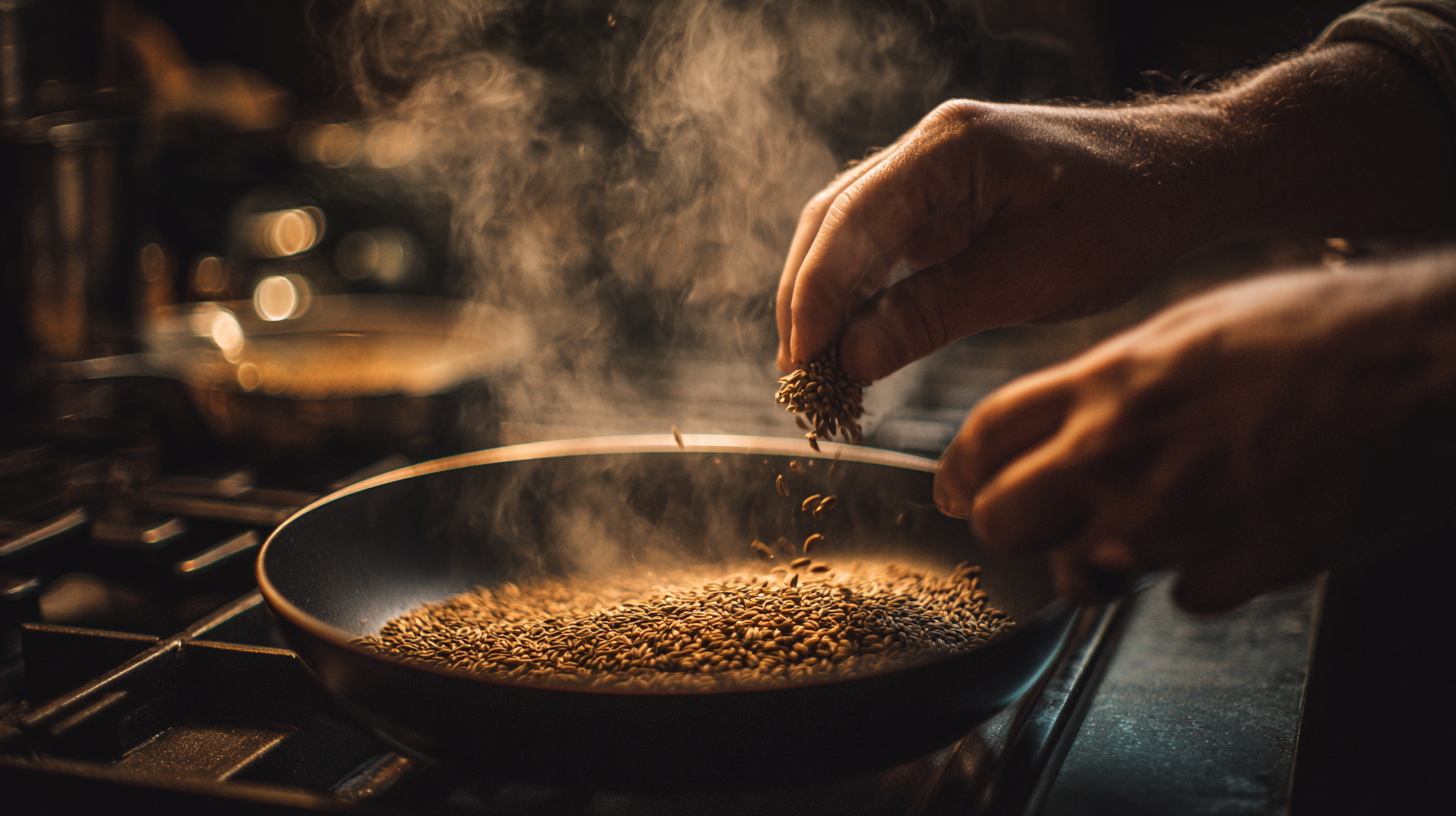
Whole spices like cumin, coriander, fennel, mustard seeds, and peppercorns love a little heat before they go into the dish. This is called toasting. You scatter them in a dry pan over medium heat and shake the pan every few seconds. In a minute or two, the smell rises strong and the seeds darken just a shade. Take them off the heat right away. Burnt spices taste bitter and harsh. Toasting wakes the oils and makes the flavor deeper, warmer, and rounder.
After toasting, you can grind them with a small spice grinder or with a mortar and pestle. Grinding just before you cook gives you the fullest payoff. Studies show that many of the plant compounds tied to antioxidant and anti-inflammatory effects are volatile; they escape into the air and break down over time once ground. Keeping spices whole until the last moment helps you hold onto those benefits a little longer.
Dried leafy herbs like oregano, thyme, marjoram, and basil behave differently. They do not need toasting, but they like time. Add them early in the cooking process so they can plump up and release their flavor into sauces, soups, and braises. You can also rub them between your fingers as you add them to crack their leaves and wake more of the aroma.
There is a balance here. You do not need to turn your kitchen into a lab, weighing every leaf and seed. But paying attention to how you choose, store, and prepare herbs and spices is one of the quiet ways to sharpen your cooking and make it healthier. You get more flavor with less salt and sugar. You pull more of the useful compounds from the plants into your food instead of throwing them away to light, air, and careless heat.
Over time, this becomes a simple habit. You buy smaller amounts of spices more often, so they are always lively. You keep a small glass of parsley or cilantro by the fridge door, ready to chop into eggs or beans. You toast a spoonful of cumin seeds before they hit the pot. These are small moves, but they change the way your meals taste and the way your body feels after you eat.
Herbs and spices are modest things. They sit in bunches and jars and do not say much. But looked after well, they give you color, scent, and quiet medicine in every bowl. When you treat them with respect—from the store shelf to your cutting board and pan—they pay you back in flavor and in health, bite after bite.
Flavor-pairing strategies for everyday meals
You and I both know the hardest part of cooking with herbs and spices is not owning them, but knowing which ones to reach for when you stand over the stove with a pan of plain food. Once you get a sense for what likes to go together, healthy cooking stops feeling like guesswork and starts feeling like quiet confidence.
Think first in simple pairs. Certain herbs and spices seem to have been born for certain foods. When you find those natural friendships, you do not need to drown anything in salt, sugar, or heavy sauces. The flavor stands on its own.
Take tomatoes. They are friendly, but they are not neutral. Their acid and sweetness call for companions that can stand up straight beside them. That is why tomatoes love basil, oregano, thyme, garlic, and black pepper. You taste it in a pot of simmering tomato sauce. A little basil for sweetness, oregano for strength, thyme for depth, garlic for warmth, and pepper to wake it all up. The tomatoes turn from sharp and simple into round and steady.
Or think of potatoes and other root vegetables. Left alone, they are mild and a bit dull, which is why people reach for butter and cream. But potatoes are glad to keep company with rosemary, thyme, paprika, garlic, and black pepper. Toss wedges of potatoes with olive oil, crushed garlic, rosemary leaves, and a dusting of smoked paprika, then roast them until crisp. You find you need far less salt and no cheese on top. The herbs and spices carry the flavor load.
Grains—brown rice, barley, quinoa, oats—tend to be blank pages. They take on whatever you write on them. That is good news for healthy cooking. If you cook them in plain water every time, they taste like punishment. Instead, give them friends. Brown rice softens under bay leaf, thyme, and a clove of garlic in the pot. Quinoa brightens with cumin, coriander, and parsley or cilantro. Oats become more than breakfast gruel when you stir in cinnamon, nutmeg, and a bit of ginger, with chopped apples or berries. You have not added sugar, yet the bowl tastes rich and complete.
You can also think by family of flavor. Foods that grow in the same regions of the world often make sense together. The people who lived on that land for centuries have already done the slow experiment of pairing flavors. You and I can borrow their results.
For a Mediterranean path, reach for:
- Basil, oregano, thyme, rosemary, garlic, bay leaf, black pepper, parsley
- Use these with tomatoes, olive oil, beans, fish, chicken, eggplant, zucchini, and whole grains.
Think of a simple pan of white beans and greens. Sauté onion and garlic in olive oil, add chopped kale or spinach, stir in cooked beans, then season with thyme, black pepper, and a shower of parsley. A squeeze of lemon at the end ties it together. This combination tastes familiar without needing cream or bacon.
For a Middle Eastern and North African line of flavor, look toward:
- Cumin, coriander, cinnamon, paprika, turmeric, mint, parsley, cilantro
- Use these with lentils, chickpeas, lamb or beef, carrots, squash, and yogurt.
A pot of red lentils can be flat if you only add salt. But toast a spoon of cumin and coriander in the pan, add garlic, turmeric, and a pinch of cinnamon, then stir in the lentils, water, and a little tomato. Finish with lemon and cilantro. The same humble lentil now feels like a meal that belongs on a real table, not in a sickbed.
For an Indian-inspired route, without needing to master every blend, keep on hand:
- Cumin, coriander, turmeric, ginger, garlic, mustard seeds, chili, cilantro
These love lentils, chickpeas, cauliflower, potatoes, spinach, and rice. A quick chickpea dish is simple: toast mustard seeds and cumin in a little oil until they pop, add onion, garlic, and ginger, stir in turmeric and a pinch of chili, then add chickpeas and a splash of water. Finish with cilantro. You have a strong, comforting dish without cream sauces or piles of cheese.
For an East Asian flavor line, lean on:
- Ginger, garlic, scallions, cilantro, chili, star anise, five-spice
These sit well with cabbage, bok choy, mushrooms, tofu, chicken, fish, and rice. A plain stir-fry of cabbage can taste like duty. But if you start the pan with garlic and ginger, add the cabbage, and finish with a few chili flakes and cilantro, suddenly the same cabbage is bright, warm, and satisfying. You do not need bottled sauces loaded with sugar.
Then there is the Latin American palette, where you will often see:
- Cumin, oregano, chili powders, cilantro, garlic, paprika
Bean dishes especially love these. Black beans simmered with onion, garlic, cumin, and oregano, then finished with cilantro and lime, hardly need any cheese. The herbs and spices give enough depth that you can keep the meal light and still feel full and content.
If all these regions feel like too much to hold in your head at once, you can instead sort your herbs and spices by what they do on the tongue. This is another way to choose partners.
Bright herbs—like parsley, cilantro, basil, mint, dill—bring freshness and a kind of high note. They are like sunlight on the dish. Use them to lift anything heavy, oily, or earthy. A stew that feels too thick and slow can be revived with a handful of chopped parsley or cilantro at the very end. A lentil salad that seems dense wakes up when you scatter mint and lemon over it.
Earthy spices—like cumin, coriander, turmeric, smoked paprika—give warmth and depth. They are good with beans, grains, and roasted vegetables. When you roast carrots and chickpeas with olive oil, cumin, and smoked paprika, you get a kind of quiet sweetness and smokiness that makes salt an afterthought instead of the main attraction.
Woodsy herbs—like rosemary, thyme, sage, bay leaf—offer backbone. They are strong enough to follow you into long-cooked dishes: soups, stews, braises, roasts. A pot of vegetable soup with carrots, celery, onion, potatoes, and beans can taste like thin broth unless you give it a bay leaf, some thyme, maybe a bit of rosemary. These herbs sit through the simmer and come out making everything taste more grounded and whole.
Hot spices—chili flakes, fresh chilies, cayenne, black pepper—do more than burn. Used gently, they sharpen flavors and make you more aware of what you are eating. A light heat at the back of the throat can help you feel satisfied with less rich food. A pinch of chili on roasted cauliflower, or black pepper on strawberries with a few mint leaves, brings surprise without extra sugar or fat.
To keep things easy day to day, you might find it helpful to build a few simple flavor “formulas” you use over and over. They become your reliable tools.
For example, you can think:
- “Italian” base: garlic + basil + oregano + black pepper (good for tomatoes, zucchini, beans, whole-wheat pasta)
- “Warming bean” base: onion + garlic + cumin + smoked paprika + bay leaf (good for lentils, black beans, pinto beans, vegetable stews)
- “Fresh green” base: lemon + parsley + mint or cilantro (good for grain salads, fish, chicken, roasted vegetables)
- “Golden comfort” base: garlic + ginger + turmeric + black pepper (good for soups, rice, lentils, chicken, eggs)
Once you know these, you can stand in front of your fridge, see a pile of leftover vegetables and some cooked grains, and know what to do. If the vegetables are roasted, maybe you add the “fresh green” base. If they are in a pot with broth, you use the “golden comfort” base. The herbs and spices become your steady helpers in turning scraps into meals that feel intentional and nourishing.
There is another side to pairing: knowing what not to crowd together. Too many strong flavors can fight in the same dish. When everything shouts, nothing is heard. If you are using rosemary, for instance, let it stand with just one or two other herbs, like thyme and bay. Adding basil, mint, oregano, and cilantro on top of that will confuse your tongue and make the food feel muddled rather than rich.
A simple rule is this: pick one main herb or spice “voice”, then give it one or two quiet companions. If cumin is the main voice, maybe coriander and parsley stand beside it. If basil is the main voice, let garlic and black pepper support it, with a little oregano if you like. This keeps your meals clear and helps you learn what each plant can do on its own.
As you cook more often with these pairings in mind, your tongue will begin to remember what works. You taste a sauce and you know at once, “This needs brightness,” so you reach for lemon and parsley. Or you taste plain roasted cauliflower and feel, “This needs depth,” so you sprinkle on smoked paprika and cumin. Healthy cooking becomes less about following strict recipes and more about listening to the food and answering with the right herbs and spices.
All this prepares the way for another helpful habit: using these same flavor-pairing ideas not only to make food delicious, but also to gently pull down the amount of salt, sugar, and fat you lean on from day to day. Once the tongue is satisfied by good, clear flavor, it does not clamor as loudly for the old crutches. That is where we will go next—blending herbs and spices so well that heavy seasoning begins to feel unnecessary rather than forbidden.
Reducing salt, sugar, and fat with herb and spice blends
When we were young, we learned to lean on salt, sugar, and fat like crutches. They made poor food taste better and good food feel richer. Now, as you aim toward healthy cooking, you do not need to throw flavor out with the salt shaker and sugar bowl. You only need better helpers. This is where thoughtful blends of herbs and spices come in. They let you keep satisfaction on the plate while quietly lowering what burdens the heart and blood vessels.
The way the body works, it makes sense to begin with salt. Too much sodium leans hard on the kidneys and raises blood pressure in many people. Large reviews of the research show that reducing sodium can help bring blood pressure down and lower the risk of stroke and heart disease, especially in those already at risk.[1] Yet the tongue has grown used to the sharp jolt of salt, so when you cut it suddenly, everything tastes flat. The answer is not tasteless food, but fuller flavor from other sources.
Herbs, spices, acid, and a small, wise use of fat together can give you that fullness. They speak to more parts of your tongue at once—bitter, sour, hot, and aromatic—so the need for pure saltiness fades. When a dish is lively and layered, you do not notice that the salt has stepped back.
One useful path is to build a few salt-light blends you can keep near the stove. Instead of reaching automatically for the salt every time you stir the pot, you reach for one of these jars. They do the work of waking the tongue so that a smaller pinch of salt can do more.
For vegetables and grains, you might keep a jar of something like this:
- 2 parts dried thyme
- 2 parts dried oregano
- 1 part garlic powder (not garlic salt)
- 1 part onion powder
- 1 part smoked paprika
- Optional: 1 part dried basil, crumbled fine
Stir these together and keep them in a small glass jar in a cool cupboard. When you roast vegetables, instead of heavy salt, you toss them with olive oil, a modest pinch of salt, and a generous shake of this blend. The garlic and onion powder bring savory depth; thyme and oregano bring backbone; smoked paprika offers warmth and a hint of the richness people often look for in bacon or cheese. With all those voices speaking, you can quietly cut your usual salt in half and still feel satisfied.
For beans and lentils, which many find bland without a heavy hand with salt, you could mix another blend:
- 2 parts ground cumin
- 2 parts ground coriander
- 1 part smoked paprika or regular paprika
- 1 part dried parsley or cilantro leaves, crushed
- ½ part black pepper
- Optional: ½ part chili powder if you like heat
Beans simmer long and can absorb a great deal of flavor. If you add a spoonful of this blend early in the cooking, plus bay leaf and garlic, then taste and add only a light sprinkle of salt near the end, the pot tastes full and round. In tests where people ate herb-and-spice seasoned food with less salt, they often preferred it or found it just as pleasant as heavily salted dishes, because the herbs and spices gave complexity in place of brute force.[2]
Cutting sugar calls for a different kind of strategy. Sugar is tied not only to taste, but to comfort and habit. Yet we know that a steady high intake leans the body toward weight gain, fatty liver, and a higher risk of type 2 diabetes and heart disease.[3] You do not need to live without sweetness, but you can begin to train your tongue to notice the natural sweetness that is already in grains, fruits, and even some vegetables.
Certain spices bend the flavor of a dish toward sweetness without adding any sugar at all. Cinnamon, nutmeg, cloves, cardamom, and vanilla are old friends here. Studies have shown that cinnamon, in particular, can help improve blood sugar control in some people, though the effect is modest and not a substitute for wise living.[4] Still, it is helpful when you want to satisfy the desire for dessert in a lighter way.
Think of a bowl of plain oatmeal. Most reach for brown sugar or syrup. Instead, you can stir in:
- ½ teaspoon cinnamon
- A pinch of nutmeg
- A handful of chopped apple or berries
- A spoonful of chopped nuts
The warm baking spices send a message of sweetness to the mind, even though no sugar has been added. The fruit offers real sweetness wrapped in fiber and vitamins. After a week or two of eating your oats this way, if you go back to the old sugar-heavy bowl, it may taste cloying. The tongue slowly learns to be pleased with less.
You can do something similar with yogurt. Instead of buying sweetened yogurt—which often holds as much sugar as a soft drink—you can take plain yogurt and stir in:
- Cinnamon and vanilla extract
- A small spoon of mashed banana or a chopped date
- A sprinkle of toasted seeds or nuts
The spices and the natural sweetness of the fruit make it feel like dessert, yet the total sugar load is much lower and arrives wrapped in fiber and minerals. Over time, this kind of gentle shift protects the body from the wear of constant sugar surges.
Fat is more subtle. The body needs some fat to absorb the fat-soluble vitamins A, D, E, and K, and to help bring out flavor. But the trouble comes when every dish is drenched in butter, cream, cheese, or heavy oils. That pattern is closely tied with higher rates of heart disease, especially when much of that fat is saturated and comes with excess calories.[5] What most people love about fat is not the nutrient itself, but the sense of richness and satisfaction it gives. Deep, well-built flavor from herbs and spices can deliver a similar feeling with much less fat.
One way to do this is to lean on aromatic, low-fat bases at the start of cooking. Instead of beginning a dish with a large knob of butter, you can begin with a modest spoonful of olive oil and a generous amount of onion, garlic, celery, and carrots gently cooked down. To that you add herbs and spices: thyme and bay for a soup, cumin and coriander for a stew, rosemary and black pepper for roasted vegetables. This slow, fragrant base gives depth that people often seek from cream or cheese.
To replace creamy sauces, you might build herb-forward yogurt sauces for dishes that once carried heavy gravies. For instance, instead of a thick cream sauce over fish or chicken, you can stir together:
- Plain low-fat yogurt
- Chopped dill or parsley
- Grated garlic or a pinch of garlic powder
- Lemon juice and zest
- Black pepper, and a small pinch of salt
The herbs, garlic, and lemon make the sauce feel lively and complete. The tongue is pleased by brightness and aroma, so it does not mourn the missing butter. In this way, you shift the source of pleasure from heavy fat to light, fresh flavor.
Herbs and spices can even step in where people usually lean on processed sauces heavy with both sugar and fat. Instead of bottled barbecue sauce, which is often thick with corn syrup, you could roast or grill chicken rubbed with a mix of paprika, garlic powder, onion powder, thyme, black pepper, and a touch of chili. Near the end of cooking, you brush it with a thin coating of tomato paste mixed with vinegar, mustard, and more paprika. The smoke, acid, and spices together offer the same sense of deep, sticky flavor at a fraction of the sugar and without the chemical clutter.
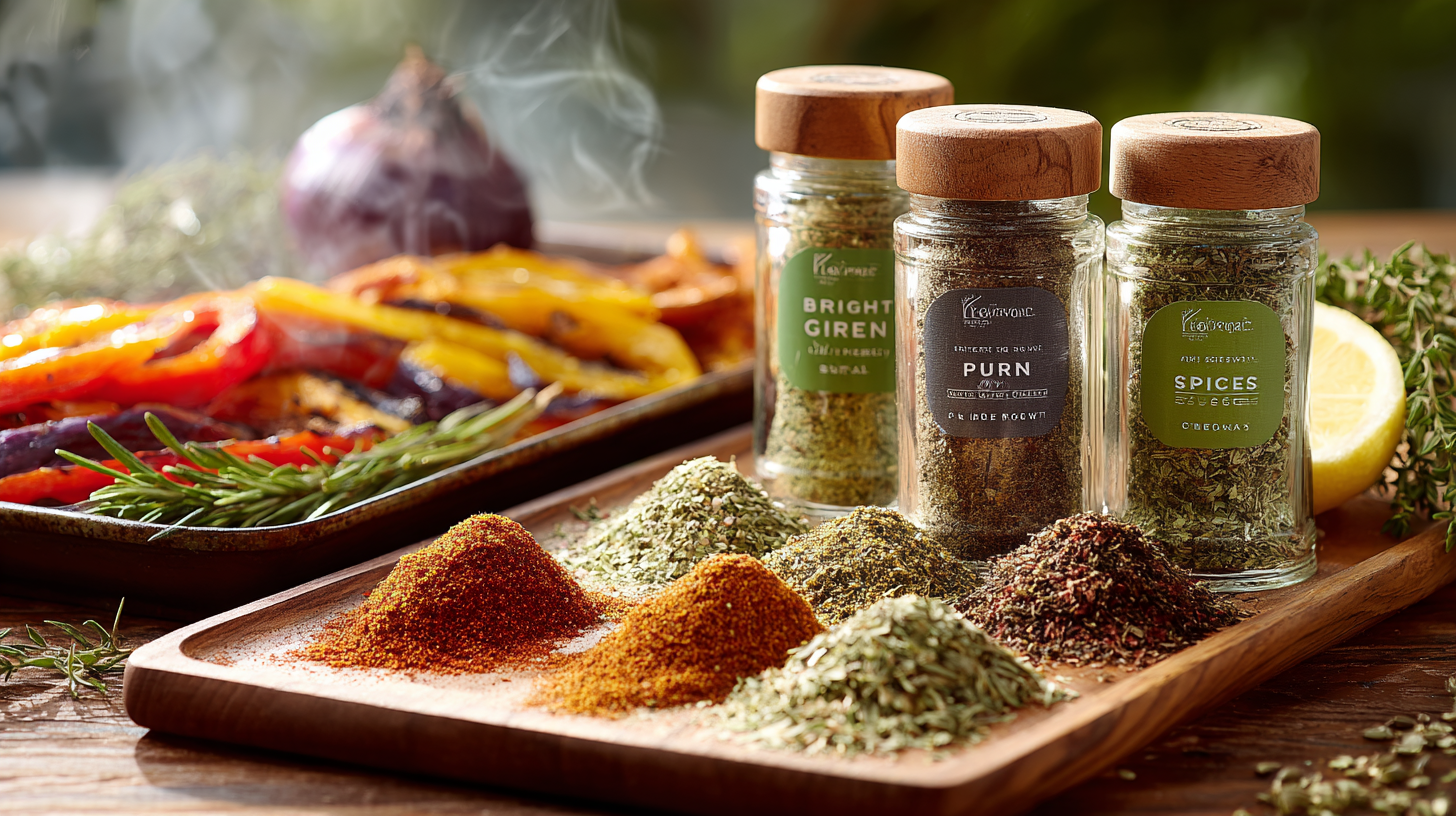
All these swaps become easier if you keep a small set of ready blends in your kitchen, designed from the start to help you lower salt, sugar, and fat. You do not need a whole cupboard of them. Three or four will carry you through most days.
You might keep:
- “Bright Green” blend for vegetables and grains: dried parsley, mint, lemon zest (dried if you wish), garlic powder, and a little black pepper.
- “Warm Earth” blend for beans and roasted roots: cumin, coriander, smoked paprika, oregano, and bay (you add the bay leaf whole when cooking).
- “Sweet Spice” blend for breakfasts and fruit: cinnamon, nutmeg, cloves, and cardamom.
When you cook, you choose a blend according to what is in the pot. You season generously with the blend, then add salt only until the dish is balanced, not “salty.” For sweet foods, you season fully with the “Sweet Spice” mix and then, if needed, add just a small touch of honey or maple syrup, not the heavy pour you once used. Over weeks, the blends teach your tongue new paths of pleasure.
You may find it helpful to change the way you taste as you cook. Instead of asking only, “Does this need more salt?” pause to ask, “Does this need more brightness, more warmth, or more backbone?” If it feels flat, you might add lemon juice and fresh herbs. If it feels thin, you may stir in more cumin or smoked paprika. If it feels sharp, you may soften it with a little olive oil and parsley. When you solve flavor problems with herbs and spices first, you use salt, sugar, and fat more as small tools than as hammers.
Researchers who have watched people cook and eat find that when herbs and spices are used liberally, folks are often just as happy with lower-salt food and may even prefer it.[2] The same is true when you bring spice and fruit together in place of heavy desserts. In this quiet way, you can move your meals toward healthy cooking—less strain on the heart, steadier blood sugar, lighter loads of fat—without living in a land of dull food and resentful appetites.
Once you have begun to trust these blends enough to lean less on salt, sugar, and fat, you can turn to the next gentle step: inviting more herbs and spices into the dishes you already love, not as strangers, but as old friends that make familiar meals feel new and kinder to the body.
References
- [1] Aburto, N. J., et al. “Effect of lower sodium intake on health: systematic review and meta-analyses.” BMJ, 2013.
- [2] Liem, D. G., et al. “Herbs and spices increase liking and preference for vegetables among children and adults.” Appetite, 2012.
- [3] Johnson, R. J., et al. “Potential role of sugar (fructose) in the epidemic of hypertension, obesity and the metabolic syndrome, diabetes, kidney disease, and cardiovascular disease.” American
Creative ways to add herbs and spices to favorite dishes
Some of the easiest and most powerful changes happen when you stop thinking you need brand-new recipes and instead weave herbs and spices into the dishes you already make on autopilot. The meals you grew up with, the things you throw together on tired nights, the breakfasts you eat half-awake—all of these can become tools for healthy cooking with just a handful of new, fragrant habits. Ask yourself: how many of your favorite foods could carry more flavor and more quiet health if you simply invited a few more leaves and seeds to the party?
Start where the day starts: breakfast. Scrambled eggs and omelets often arrive plain, waiting for cheese and salt to rescue them. Try whisking chopped parsley, chives, or cilantro right into the eggs before they hit the pan, then finishing with a pinch of smoked paprika and black pepper. If you like heat, sprinkle in chili flakes or a little ground cumin. Suddenly, you can use less cheese, less salt, and still feel like you are eating something special. Over time, you may notice that your energy after breakfast feels steadier, not dragged down by heavy fat.
Oatmeal and other hot cereals are another place where herbs and spices can gently rewrite what “comforting” means. Instead of syrup, stir in cinnamon, ginger, and a dusting of nutmeg, then top with sliced banana or grated apple. For a savory twist, cook oats with a bay leaf and a clove of garlic, then finish with black pepper, chopped scallions, and parsley. It feels like a creamy risotto for breakfast, yet it leans on plant power instead of cream or sugar. How often have you let the cereal aisle decide what breakfast tastes like, instead of your own spice shelf?
Think about the sandwiches you build without thinking. Most people reach for mayo and cheese by habit. Try spreading hummus blended with garlic, lemon, and cumin, then piling on fresh basil or cilantro leaves. Or mix chopped dill and parsley into plain yogurt with a pinch of salt and pepper to make a quick herb spread. Layer that under sliced tomatoes, cucumbers, and leftover chicken or beans. You still get richness and moisture, but much less saturated fat and more of the protective compounds that ride in on green herbs.
Leftover rice and grains are often reheated plain, then buried under sauces. Instead, treat them as blank pages for herbs and spices. Warm cooked rice in a pan with a spoonful of olive oil, garlic, and a pinch of turmeric and cumin, then finish with chopped cilantro or parsley and a squeeze of lemon. Or take quinoa, toss it with chopped mint, basil, and dill, add diced cucumber and tomato, and season with lemon and black pepper. Within minutes you have a fresh, herb-heavy salad that feels like a new dish, not yesterday’s side.
Pasta nights are ripe for quiet upgrades. If you usually open a jar of tomato sauce, add depth by sizzling garlic, dried oregano, and chili flakes in a little olive oil first, then pouring in the sauce and letting it simmer with a bay leaf. Finish with a handful of chopped basil or parsley. If creamy sauces are your habit, try tossing hot whole-grain pasta with sautéed garlic, lemon zest, chopped oregano, and parsley, plus a spoonful of olive oil and a shower of black pepper. The herbs and spices bring so much character that a mountain of cheese no longer feels necessary.
Think about roasted vegetables, which already sit close to the heart of healthy cooking. Many people simply salt them and slide them into the oven. You can go much further with almost no extra effort. Toss carrots with cumin, coriander, and a pinch of cinnamon before roasting; they come out tasting almost like a side dish and a dessert in one. Coat cauliflower florets with turmeric, smoked paprika, and garlic powder, then finish with fresh cilantro. Or roast sweet potatoes with rosemary and thyme, then sprinkle on chopped parsley and lemon juice just before serving. Each tray becomes its own small lesson in how a few spices can turn simple plants into something you want to reach for first.
Soups and stews are natural carriers for herbs and spices because they simmer long and allow flavors to bloom slowly. If you have a basic vegetable soup, try adding bay leaf and thyme at the start, then finishing each bowl with freshly chopped parsley, cilantro, or dill. A pot of chicken soup can move in many directions depending on the herb path you choose: rosemary and sage for a rustic feel, or ginger, garlic, and cilantro with a dash of chili for a lighter, brighter bowl. Every time you choose herbs and spices over heavy cream or excess salt, you are gently retraining your senses to find comfort in plants rather than in excess.
Even convenience foods can be nudged toward better ground. If you rely on canned beans, rinse them, then warm them on the stove with garlic, cumin, oregano, and a splash of olive oil; finish with cilantro or parsley and lime juice. A simple can of tomato soup can be simmered with basil, thyme, and black pepper, then finished with chopped chives instead of pouring in cream. Frozen vegetables gain much more character if you toss them in a pan with onion, garlic, and a pinch of curry powder or Italian seasoning. Rather than feeling guilty for using shortcuts, you use herbs and spices to raise the quality of what comes out of the box or can.
Snacks and small bites are easy to overlook, yet they often shape how we feel from hour to hour. Instead of plain popcorn drowned in butter and salt, toss it with olive oil, smoked paprika, garlic powder, and dried thyme, or with cinnamon and a touch of cocoa powder for a sweet style without sugar. Roast nuts with rosemary, chili, and a light pinch of salt, so that every handful delivers both flavor and protective plant oils. When you begin seasoning your snacks as thoughtfully as your dinners, you shift the entire rhythm of your day toward more deliberate nourishment.
Salads are an obvious home for herbs, but most bowls only get a token sprinkle of something green. Try using herbs as main ingredients instead of decoration. Mix equal parts lettuce and chopped parsley, mint, or cilantro, then add lemon juice, olive oil, and a pinch of sumac or black pepper. In grain salads, treat chopped basil, dill, or chives as you would another vegetable—measured in handfuls, not teaspoons. When herbs form the backbone of the dish, dressings can be lighter, and you still feel fully satisfied.
Even desserts can welcome spices in ways that ease the load on sugar. Bake sliced apples or pears with cinnamon, nutmeg, and a little ginger, then serve with a spoonful of plain or lightly sweetened yogurt instead of ice cream. Sprinkle strawberries with a twist of black pepper and torn mint to sharpen their natural sweetness. Add cardamom and orange zest to simple baked oats and see how far a small amount of honey can go when the spices are doing the heavy lifting. How many of your sweet habits are really about sugar, and how many are about the warm, familiar scents that spices can provide all by themselves?
One helpful mindset is to treat every favorite dish like a small experiment. The next time you make chili, add an extra layer of flavor with smoked paprika and oregano. When you cook chicken, marinate it with yogurt, garlic, ginger, turmeric, and coriander instead of only oil and salt. When you grill vegetables, try brushing them with olive oil mixed with minced rosemary, thyme, and garlic. Notice how each change affects not just taste, but how you feel after eating. Do you feel heavy, or do you feel light and clear? Herbs and spices quietly answer that question every day.
It may help to keep a short list on your fridge: “What new herb or spice will I use today?” Circle one each morning and find a way to slip it into whatever you were going to cook anyway. Sprinkle dill on your tuna instead of just mayonnaise; add mint to your fruit; stir turmeric into your lentils; toss basil into your leftover rice. Over weeks, your pantry becomes a workshop and your meals become a record of your curiosity. The difference between “just eating” and “healthy cooking” often lies not in grand changes, but in this kind of steady, playful attention.
As you look at your usual weekly meals, you might wonder: Which flavors have I never tried together? Which spices from my cupboard have stayed sealed for months? Which herb could turn an ordinary plate into something that makes me pause and think? The more you ask questions like these, the more your kitchen becomes a place of exploration instead of repetition, and the more power you quietly reclaim over your own health.
- How do I start using more herbs and spices if I’m nervous about ruining a favorite dish?
- Begin with small amounts—about 1/4 teaspoon of a dried spice or a tablespoon of fresh chopped herbs per serving—and taste as you go. Add only one new herb or spice at a time so you learn what it does, and keep the rest of the recipe familiar.
- Can herbs and spices really make a big difference for healthy cooking?
- Yes, because they let you cut back on salt, sugar, and heavy fats while keeping food satisfying. Over time, this can support heart health, blood pressure, and blood sugar control, especially when combined with more whole, plant-based foods.
- Is there a best way to add herbs and spices during cooking?
- Woody herbs and whole spices (like rosemary, thyme, bay, cumin seeds) do best when added early so they can simmer and release flavor. Delicate fresh herbs (like basil, cilantro, parsley) are usually better added at the end or sprinkled on top so they stay bright and fresh.
- Are dried herbs and spices as healthy as fresh ones?
- Both can be helpful, though some delicate compounds are stronger in fresh herbs. Dried herbs and spices are still rich in antioxidants and plant compounds, especially if they’re fresh, aromatic, and stored away from light, heat, and moisture.
- How long do herbs and spices stay good in my pantry?
- Whole spices often keep strong flavor for 2–3 years, while ground spices and dried herbs are best within about 1 year. If the color has faded or the smell is weak when you open the jar, it’s time to replace them.
- Can I use herbs and spices instead of salt if I have high blood pressure?
- They can’t replace sodium completely, but they help you enjoy food with much less salt. Many people find that when they season boldly with herbs, spices, lemon, and vinegar, they’re comfortable cutting their usual salt by half or more.
- What’s the easiest way to experiment with new flavors without following complex recipes?
- Choose one “flavor family” at a time—like Italian (basil, oregano, garlic), Middle Eastern (cumin, coriander, mint), or Indian-inspired (cumin, turmeric, ginger)—and sprinkle those into dishes you already make. This keeps the technique simple while opening the door to new tastes and healthier patterns.
Ashland Sabbath Chapel Ministries
Beside our live streamed church services, all are welcome to attend our church in person each Saturday beginning 10:00 AM Central Time by going to 2425 Owens Rd., Ashland, AL 36251. There is no cost and any donations are strictly voluntary.
For questions, call +2563547124.