Come join Ashland Sabbath Chapel Ministries each Saturday for live streamed church services. Bible Study begins at 10:00 AM Central Time and Sermon at 11:00 AM. Visit Our YouTube channel and watch from home!
When money is tight, planning what you eat becomes more than a chore; it becomes a duty to your health and to those who share your table. You and I both know how easy it is to grab whatever is cheap and filling, then wonder later why we feel tired, irritable, or unwell. A little thoughtful budgeting and prayerful planning can turn the simplest kitchen into a place where strength is built and minds are made clear. Instead of letting the week push you around, you can quietly decide ahead of time what you and your family will eat, making sure it is both affordable and truly nourishing.
The first step is to look at your week honestly. Take a pencil and a scrap of paper, or a simple note on your phone, and write down every meal you expect to eat at home for the next seven days. Think about breakfasts, lunches, dinners, and even simple snacks. As you list them, ask yourself, “Is this a balanced diet? Do I see fruits, vegetables, whole grains, and some kind of protein each day?” Do not aim for fancy dishes; aim for steady, wholesome fare. Oatmeal with fruit, beans and rice, vegetable soups, and baked potatoes can form the backbone of a week’s meals without draining your purse.
Once you have a rough weekly outline, turn it into a simple meal plan. You might decide that three or four basic meals will repeat during the week. For example, bean chili can appear one day over rice, another day in a baked potato, and again as a filling for simple tacos. By repeating ingredients in wise ways, you keep your shopping list short and your costs low. This kind of careful planning also saves you from last-minute takeout, which often costs far more and offers far less real nutrition.
Before you ever step into a store, look first at what you already have. Open your pantry, your refrigerator, and your freezer. Write down those items that need to be used soon: the half bag of lentils, the carrots starting to soften, the frozen vegetables, the brown rice tucked in the back. Then shape several meals around those foods. Perhaps the lentils become a hearty soup, the carrots go into a stir-fry with the frozen vegetables, and the rice is used as the base for two or three suppers. In this way, you are not only saving money, you are preventing waste, which is a matter of stewardship as well as thrift.
To keep meals both inexpensive and nourishing, base most of your planning on a few staple foods. Think of items like oats, brown rice, whole-wheat pasta, dry beans, lentils, seasonal vegetables, and modest amounts of milk, eggs, or other simple proteins according to your family’s needs. Build each day around these staples. A day might look like this: oatmeal with a banana for breakfast; rice and beans with sautéed greens for lunch; and vegetable soup with whole-grain bread for supper. These are not extravagant meals, yet they provide steady energy, good fiber, and the vitamins and minerals your body quietly depends on.
It is also helpful to think in terms of “meal building blocks.” Instead of planning completely different dishes every single day, choose a few key components you can cook in larger amounts and use several times. For example, on Sunday you might cook a big pot of brown rice and a pot of black beans. Through the week, these can be turned into burrito bowls with shredded cabbage and salsa, simple rice-and-bean salads with chopped vegetables, and warm stews by adding tomatoes and herbs. By preparing these building blocks when you have a little more time, you ease the pressure on your busy days and are less tempted to spend extra money on convenience foods.
Another helpful habit is to plan your meals around what is most affordable in your area during each season. In summer, you may find that zucchini, tomatoes, and fresh greens are cheaper. In winter, carrots, potatoes, onions, and cabbage usually cost less and keep longer. When you sit down to plan, think, “What is plentiful and reasonable right now?” and let those foods appear often in your weekly outline. A winter week might feature vegetable stew with potatoes and carrots, roasted cabbage with beans and rice, and simple baked potatoes topped with lentils and sautéed onions.
When planning for a family, especially if you have children, include them in the process where you can. Ask them to help choose one or two meals each week from a list of simple, wholesome options you provide. Children are more likely to eat what they helped to plan. At the same time, gently guide their choices toward meals that fit both your health principles and your means. Over time, they will learn that good food need not be expensive, and that careful planning honors both body and budget.
It is also wise to plan for “leftover days.” Mark one or two spots in your week as times when the refrigerator will be cleared—small portions of soup, rice, beans, and vegetables can be combined into a simple casserole or stir-fry. This not only saves money, it teaches contentment and gratitude. Not every meal must be new; sometimes the humblest reheated dish eaten in peace does more for your well-being than the richest feast taken in hurry or discontent.
As you grow steady in this habit of planning, you will notice that decisions about food become calmer. You are less likely to stand in front of the cupboard wondering what to make, or to rush out for an expensive quick fix. The path is laid out before you in the meals you have already chosen. Your body is better fed, your household spends less, and your mind is clearer for higher duties. In this quiet, orderly way, planning affordable, nutritious meals becomes a daily act of care—for yourself, for those you love, and for the gifts that have been placed in your hands.
Smart shopping strategies for tight budgets

Now that you have your meals planned, the next battlefield is the store itself. Many a careful plan has been undone in those bright aisles where every shelf calls, “Take me home!” This is where quiet, steady budgeting meets practice. If you and I are not watchful, a few unplanned items slip into the cart, and before we know it, the total climbs higher than we intended. Yet with a little forethought and a firm purpose, shopping can become an orderly, peaceful task instead of a source of worry and regret.
First, never go to the store without a list that matches your meal plan. Your list is your guard and your guide. Write down every ingredient you truly need for the week’s meals, plus a few wholesome basics you use often—such as oats, beans, or carrots—if they are running low. Then, as you move through the store, hold your list in one hand and your resolve in the other. Pause before placing anything in your cart and ask, “Is this on my list? Does this help me keep a balanced diet, or is it just a passing desire?” This simple question can save you more than you might think over the course of a month.
Another safeguard is to avoid shopping when you are very hungry or very tired. At such times, the body cries out for quick comfort, and the eyes are easily captured by salty snacks, sugary treats, and costly convenience foods. If you can, eat a simple meal or at least a piece of fruit before you leave home. Go with a clear mind and a settled spirit, remembering that you are not just buying food—you are choosing the quality of tomorrow’s strength and clarity of thought.
As you begin to walk the aisles, think in terms of the outer edges of the store. This is where you usually find fruits, vegetables, grains, and simple proteins. The inner aisles, lined with processed and packaged items, often hold more temptations and less real nutrition. Yes, you will need a few things from those shelves—perhaps dry beans, whole-grain pasta, or canned tomatoes—but go there with purpose, not simply to wander and see what catches your eye.
Learn to compare prices with a calm, observing mind. Look not only at the big numbers on the tag, but at the “unit price” listed in small print—the cost per ounce, pound, or quart. A larger bag of oats, for example, may look more expensive at first glance, but the price per ounce is often lower than the smaller package. Over time, choosing the lower unit price on staple foods can free up several dollars a week, which may be used to buy more fresh produce or save for other needs.
Buying store-brand or generic items is another quiet way to lower costs without sacrificing quality. Many of these products are made in the same factories as the name brands but are sold at a lower price. Try store-brand beans, rice, rolled oats, frozen vegetables, and canned tomatoes. If the taste and quality are good, you have found a faithful helper for your budget. Reserve brand-name items for those few things where quality truly makes a difference, and even then, buy them only when they are on sale if possible.
Sales can be a blessing when used wisely, but a snare when followed blindly. A bright “special offer” sign may tempt you to buy foods you do not need and would not have chosen otherwise. Let your meal plan speak louder than the advertisement. Ask, “Does this item fit into the meals I have planned? Will I surely use it before it spoils?” If the answer is no, walk on. However, if brown rice, beans, oats, frozen vegetables, or simple canned tomatoes are offered at a good price, and you know they are staples in your home, then buy a little extra within your means. Slowly building a small store of healthful basics is a wise form of preparedness.
When possible, consider buying dry foods in bulk. A large bag of beans, lentils, or oats often costs far less per pound than smaller packages. These foods keep well in tightly closed containers away from heat and light. You might keep a simple jar on your shelf for daily use, refilling it from the larger bag you store in a cool corner. This way, you always have the building blocks of nourishing meals at hand without paying extra for fancy packaging.
Careful attention to fresh produce can also stretch your dollars. Instead of choosing a basket of perfect, shiny fruit at the highest price, look for seasonal, modestly priced options. In summer, you may find peaches, plums, or berries at a reasonable cost; in winter, apples, oranges, and bananas are often more affordable. Some stores offer reduced-price produce that is slightly bruised or near its best-by date. If you can use it within a day or two in soups, stir-fries, or fruit salads, you may save a good deal. A few blemishes do not spoil the value of a carrot or an apple when trimmed and used promptly.
Frozen vegetables and fruits, when plain and without added sauces or sugars, are often both economical and nourishing. They are picked and frozen at the peak of ripeness, and they keep well, waiting in your freezer to fill in when fresh produce is costly or scarce. A bag of frozen mixed vegetables can turn rice and beans into a colorful, satisfying meal; frozen berries can brighten a bowl of oatmeal. Watch for sales on these items and stock a few when the price is low.
Another quiet helper is to compare stores in your area. You may notice that one place offers better prices on produce, while another has more reasonable costs on grains and beans. If it is practical for you, you might shop at two different stores—one for the staples and one for fresh items—especially if they are close together or along a route you already travel. But guard your time and strength as carefully as your money; do not chase every small discount if it leaves you exhausted or robs hours from other duties.
Pay attention to how foods are placed in the store. Often, the most expensive brands are set at eye level, while more affordable options sit higher or lower on the shelf. Take a moment to kneel or reach up and compare. In that simple act of bending down to look, you may save several dollars. This humble habit reminds us that good stewardship sometimes requires a bit of effort and a willingness to look beyond what is most easily seen.
If your family enjoys treats, plan them rather than letting them slip in unannounced. Choose one simple sweet or special item for the week—a small bag of nuts, a bar of dark chocolate to be divided, or ingredients for a wholesome homemade dessert. Place it on your list and in your budget. This way, you are not banning enjoyment, but you are keeping it under the rule of principle, so that it does not crowd out the foods that truly sustain health.
At the checkout, before you place your items on the belt, take one last, honest look in your cart. Ask yourself, “Does what I see here match the meals I planned? Are there things I picked up in haste or impulse?” If something does not belong, set it aside without shame. Better to put it back now than to carry home a burdened conscience and an overdrawn account. This final review is like a small gate at the end of the path, helping you keep both your budgeting and your health aims in harmony.
Over time, these quiet shopping habits will become natural. You will find that you walk the aisles more swiftly, your list guiding you, your mind at peace. The receipts will begin to tell a new story: fewer empty-calorie purchases, more simple staples, more fruits and vegetables. Your kitchen will hold the materials for wholesome meals, and your heart will rest easier, knowing that you are providing for yourself and your household with both wisdom and care. In this way, even the weekly trip to the store becomes part of a life ordered toward strength, clarity, and the kind of simple abundance that honors both body and soul.
Choosing budget-friendly protein sources
Many people think protein must be costly, wrapped in bright packaging, and taken in large portions, or the body will somehow be deprived. Yet the One who made our bodies also filled the earth with simple, abundant foods that supply strength without draining our purses. When we look at protein with calm, informed eyes, we find that some of the most nourishing sources are also the most affordable—if we are willing to plan, to cook, and to be content with wholesome simplicity rather than constant luxury.
First, it helps to remember why protein matters at all. It is the building material for muscles, blood, hormones, and enzymes. Without enough of it, we may feel weak, heal slowly, or struggle with focus. But we do not need expensive powders or large portions of meat to meet our needs. A well-planned, balanced diet, rich in beans, lentils, whole grains, nuts, seeds, and modest amounts of dairy or eggs where appropriate, can provide excellent nutrition on a small budget. The key is to choose wisely and use these foods in a variety of ways.
Dry beans are among the most faithful and economical friends of the thrifty household. A simple bag of black beans, pinto beans, or navy beans costs little and can yield several hearty meals. Soak them overnight if you can, then cook them slowly with onions, garlic, and herbs. One day they may be served over brown rice, another day mashed and seasoned for tacos or burritos, and later stirred into a vegetable soup. In this way a single purchase stretches across the week, providing steady protein and fiber while keeping your budgeting goals in view.
Lentils are another humble treasure. They cook more quickly than most beans and do not always require soaking, which makes them practical for busy days. Brown or green lentils can become a thick stew with carrots, onions, and tomatoes. Red lentils nearly melt into a smooth, gentle soup. You might shape cooked lentils with oats, grated vegetables, and seasonings into simple patties to bake in the oven, serving them with potatoes and greens. Each of these dishes offers good protein at a fraction of the cost of processed meats or ready-made entrees.
Do not overlook split peas, which are often one of the least expensive items on the shelf. A pot of split pea soup with onions, carrots, celery, and herbs can feed several people with little expense. Served with whole-grain bread or a baked potato, it becomes a complete, satisfying meal. Keep a bag of split peas on hand, and you will always have the makings of a simple supper when money or time is short.
Whole grains, when paired with legumes, quietly increase the value of your protein. Rice and beans, corn tortillas with black beans, lentils with barley, or hummus with whole-wheat bread are all examples of this partnership. Alone, each food has part of what the body needs; together they form a stronger whole. This is not something to calculate anxiously at every meal, but a principle to keep in mind as you plan: combine grains and beans through the day, and your body will receive complete protein in a natural, economical way.
Oats also play a role in supporting your protein needs. While we often think of them only as a breakfast grain, they contain more protein than many other cereals. A hearty bowl of oatmeal made with water or milk, topped with a spoonful of peanut butter or a sprinkle of nuts and seeds, can carry you through the morning with quiet strength. You can also use oats in homemade veggie patties, meatless loaves, or baked bars, adding both texture and protein at low cost.
Nuts and seeds are richer in protein and healthy fats, though they can be more expensive if eaten freely. Used thoughtfully, they become powerful allies. Instead of buying flavored, pre-packaged nut mixes, look for plain peanuts, sunflower seeds, or store-brand peanut butter without added sugar or oil. A small handful of peanuts or a modest spoonful of peanut butter spread on whole-grain bread, stirred into oatmeal, or blended into a simple sauce for vegetables adds satisfying protein and helps you feel full longer. It is not necessary to eat a large amount; a little, used daily, is enough.
Sunflower seeds and pumpkin seeds are often cheaper than almonds or walnuts but still bring good protein, minerals, and healthy fats. You can sprinkle them over salads, stir them into cooked grains, or add them to homemade bread or granola. Buying them in bulk, if that is available to you, usually lowers the cost per ounce and allows you to measure out only as much as you need.
For those who use dairy, simple choices are usually both more wholesome and more affordable. Plain milk, yogurt without added sugars, and simple cottage cheese or farmer’s cheese tend to cost less than flavored or highly processed dairy desserts. A cup of plain yogurt, sweetened at home with a bit of fruit and perhaps a drizzle of honey if your budget allows, offers protein and beneficial bacteria for the digestion. Cottage cheese on whole-grain toast or alongside a baked potato can form the protein center of a very modest meal.
Eggs, when used in moderation and according to individual health needs and convictions, are one of the most economical animal protein sources. One or two eggs, scrambled with a generous portion of vegetables or boiled and sliced over a salad, bring protein without requiring large amounts of meat. The vegetables stretch the dish, add fiber and vitamins, and keep the cost per serving low. Instead of letting eggs be the main event, think of them as one part of a plate filled with plant foods.
If your household still uses some meat, it can be handled in a way that respects both health and budget. Rather than making meat the center of every meal, use small amounts as a flavoring or an occasional addition. A bit of chicken stirred into a large pot of vegetable and barley soup stretches much farther than a plate of large meat portions with few vegetables. Over time, you may find you can reduce the amount of meat you buy, replacing it with beans and lentils, and your body will feel lighter and clearer while your spending decreases.
Processed meats—such as sausages, deli slices, and many frozen patties—are often high in salt and fat and low in true nourishment. They also cost more per pound than simple, whole-food protein sources. When you pass those shelves, remember that your aim is not just to fill the plate but to support long-term health. Ask yourself, “Will this help or hinder the quiet work of healing and rebuilding that my body must do each day?” Many times, that simple question will turn your feet back toward the beans, grains, and vegetables that better serve both your health and your purse.
One powerful way to keep protein costs low is to cook larger batches and use them through the week. On a day when you have a bit more time, prepare a big pot of beans and a pot of brown rice or other whole grain. Store them in the refrigerator in separate containers. Through the coming days, you can build many meals from these foundations: beans and rice with sautéed greens; bean and vegetable soup; rice and lentil patties; simple burritos with beans, rice, and shredded cabbage. This habit saves money, reduces kitchen labor, and helps you avoid turning to more expensive convenience foods when you are tired.
Beans and lentils also freeze well. If you find them on sale or cook more than you can use in a few days, portion them into small containers or bags, label them, and keep them in the freezer. Later, when the day is busy or the budget is tight, you can reach for these ready-cooked legumes instead of spending extra on takeout. In this way, you are using your earlier strength and wisdom to bless your future self.
It is important, too, to teach children—and our own hearts—that satisfaction does not come from large portions of rich protein foods, but from simple meals eaten with gratitude and balance. A bowl of lentil soup with bread, or rice and black beans with a bright salad, may look plain compared with a heavily advertised fast-food meal, yet it nourishes far better. Over time, as taste buds adjust, many find greater enjoyment in these clean, uncomplicated flavors. The body responds with steadier energy, clearer thoughts, and fewer swings between hunger and overfullness.
As you choose budget-friendly protein sources, you are doing more than saving money. You are shaping a pattern of living that honors the body as a trust and the resources in your hands as gifts to be handled wisely. Each pot of beans simmering on the stove, each simple bowl of oatmeal with nuts, each lentil stew shared at the table is a quiet declaration that health need not be purchased at a high price, nor sacrificed for the sake of convenience. In the hidden places of the kitchen, character is formed—patience in soaking and cooking, faithfulness in planning, contentment in simplicity—and the body is strengthened for every duty of the day.
Maximizing fruits, vegetables, and whole grains
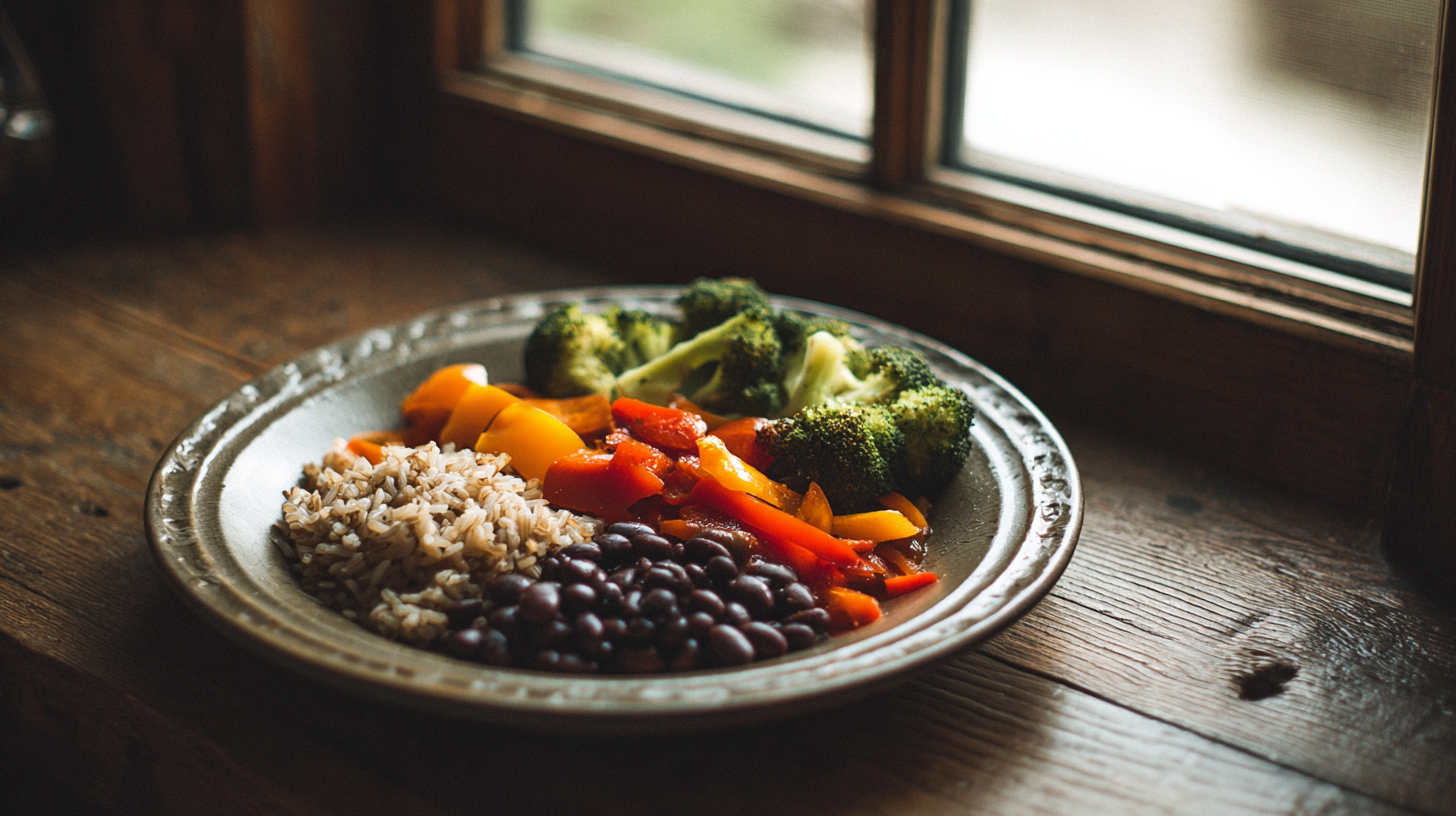
You already laid the foundation with beans, grains, and simple proteins. Now the plate needs color. The body keeps quiet score of every bite you take, and fruits, vegetables, and whole grains are the steady players that win that game. They are the ones that hold you up when the day is long and the money is short. The trick is to bring them into your life in ways that fit your budgeting and your strength, instead of seeing them as costly extras.
Start by thinking in colors. You do not need every color every day, but you want many of them over the week—deep greens, bright oranges, reds, purples, whites and browns. Each color holds its own gifts for your body: greens for iron and folate, oranges for vitamin A, reds and purples for powerful plant compounds that protect your heart, whites and browns for steady fiber. When you plan your meals, ask yourself, “Is my plate mostly beige, or does it show life?” A bowl of white rice and pale bread fills the stomach, but a bowl of brown rice with black beans, orange carrots, and green broccoli strengthens the body and clears the mind.
The cheapest way to fill your plate with color is to follow the seasons like a farmer. In summer, tomatoes, cucumbers, squash, and stone fruits are often abundant and low in cost. In fall, you may see piles of pumpkins, apples, and hardy greens drop in price. Winter brings roots—carrots, beets, potatoes, onions, and cabbage—that keep well and cost little. Spring offers fresh greens, radishes, and early fruits. You do not need to buy every kind of produce; choose a few that are plentiful where you live and let them appear often. A pot of winter vegetable soup with carrots, onions, potatoes, and cabbage is humble, but it serves better nutrition than many rich dishes.
When fresh produce is too expensive or looks tired, frozen fruits and vegetables stand in like faithful soldiers. Bags of frozen broccoli, spinach, mixed vegetables, peas, and berries are usually picked at their best and held there by the cold. They keep for months and do not wilt in your refrigerator while you are busy. Stir a handful of frozen mixed vegetables into rice and beans, or toss frozen spinach into a pot of lentil soup. Use frozen berries to brighten oatmeal or plain yogurt. In this way you keep a balanced diet even when the weather or the prices are against you.
Canned vegetables and fruits can also serve you if you choose carefully. Plain canned tomatoes, tomato sauce with no added sugar, and canned beans are often cheap and powerful helpers. Use diced tomatoes as the base for soups, stews, and chili; they bring both flavor and vitamins for little cost. For canned fruit, look for those packed in their own juice or in water, not heavy syrup. Drain them and use them over oatmeal or as a simple dessert when fresh fruit is out of reach. These are not luxuries. They are quiet tools that keep the table steady in hard times.
Whole grains are the strong bones of an inexpensive, nourishing kitchen. They carry you farther on less money than most foods, and they join hands with vegetables and proteins to form a plate that truly feeds. Brown rice, oats, whole-wheat pasta, barley, millet, and whole-grain bread each have their place. Brown rice may cost a little more than white, but it offers more fiber, vitamins, and minerals and keeps you satisfied longer. Oats are still one of the cheapest breakfasts you can buy—far cheaper than sugary cereal. A big bag of rolled oats becomes mornings of porridge, homemade granola, and even savory oat patties.
To get the most from grains, buy them as close to their natural form as you can. Whole oats instead of instant packets. Brown rice instead of boxed mixes with sauces. Plain pasta instead of flavored, high-priced versions. The seasoning can come from your own onions, garlic, herbs, and vegetables. A pot of plain brown rice cooked on Sunday can turn into several meals: rice and beans with greens one day, stir-fried rice with mixed vegetables another, and a simple rice-and-lentil bake on a third. You save money and time at once.
One quiet habit that changes everything is to let vegetables and whole grains be the foundation of your meals instead of the tiny side dish. Picture your plate: half of it filled with vegetables or fruit, a quarter with whole grains, and a quarter with protein. That pattern keeps your balanced diet in line without having to count or calculate. For example, at supper you might have a large helping of roasted carrots, onions, and cabbage; a scoop of brown rice; and a portion of beans or lentil patties. The cost remains low, but the nourishment is high.
To stretch vegetables on a tight budget, learn to use the cheaper, sturdier ones in smart ways. Cabbage, carrots, onions, and potatoes are often the least expensive items in the store, yet they can carry a week of meals. A head of cabbage can become coleslaw, stir-fry, soup, and taco topping. Carrots can be grated into oats, chopped into stews, or sliced into sticks for snacks. Onions form the flavor base of nearly every savory dish. Potatoes baked in their skins, topped with beans and sautéed greens, are a meal that costs little and fills well.
If you can, set aside a small amount of time one or two days a week to prepare your fruits and vegetables ahead. Wash and chop carrots and celery into sticks. Rinse a head of lettuce or cabbage and shred it. Slice onions and peppers. Place these in simple containers in your refrigerator. Then, when you are tired or rushed, the work is already done; you need only throw a handful into a pan or onto a plate. This keeps you from saying, “I’ll cook later,” and reaching for chips or instant noodles instead. The vegetables are ready and waiting, so they actually get used rather than wasted.
Snacks are another quiet place where produce and whole grains can turn the tide. Instead of buying packaged cookies and chips, keep a bowl of apples or bananas where you can see them. Offer carrot sticks with a spoonful of peanut butter, or slices of orange after supper. Popcorn kernels, air-popped or cooked on the stove with a little oil and salt, are cheaper and higher in fiber than most snack bags. A slice of whole-grain toast with a thin spread of peanut butter does more for your energy than a candy bar and costs less in the long run.
You can also weave fruits and vegetables into meals that might otherwise be plain. Add grated carrot or chopped spinach to lentil stews. Stir frozen peas into pasta near the end of cooking. Toss shredded cabbage into burritos or tacos to add crunch and stretch the filling. Layer sliced bananas or apples into oatmeal while it cooks. In each case, you are building more nutrition into the same amount of food, nudging the whole meal closer to balance without spending much more.
If you have even a little space—a sunny windowsill, a balcony, a small patch of ground—you might grow a few things of your own. A pot of green onions or chives, a planter of lettuce, or a tomato plant in a bucket can cut your costs a little and lift your spirit. It is no small thing to step outside or to your window, pick something fresh, and bring it to the table. Herbs like basil, parsley, and cilantro are easy to grow in pots and can turn a plain pot of beans or rice into something bright and new. Seeds cost little compared with repeated purchases at the store.
None of this requires perfection. There will be weeks when you eat more grains and fewer fruits, or when the vegetables are mostly frozen instead of fresh. There will be days when you are too tired to chop and rely on something simple. But if, over the course of the month, you keep turning back toward fruits, vegetables, and whole grains—choosing brown instead of white, color instead of beige, simple over processed—you will feel the difference. Your hunger will be steadier, your thoughts clearer, and your money will reach farther. The plate becomes proof that strong budgeting and strong health can walk together, one quiet, colorful meal at a time.
Simple, low-cost recipes for everyday eating
Once your pantry holds beans, grains, vegetables, and a few simple seasonings, the next step is to turn them into everyday meals that are gentle on your wallet and kind to your body. You do not need complicated recipes or long lists of ingredients to enjoy good food. In fact, the simpler the dish, the easier it is to keep both your budgeting and your health on track. As you read these ideas, let them stir questions in your mind: What could you change this week? Which habits are truly serving you, and which are just leftovers from advertisements and convenience?
Begin with breakfast, because the way you start the day often shapes everything that follows. A pot of oatmeal, cooked with water and a pinch of salt, can be transformed many different ways without costing much at all. One morning you might stir in sliced banana and a spoonful of peanut butter; another day, frozen berries and a sprinkle of cinnamon; another, grated apple and a few sunflower seeds. Each version offers steady energy and solid nutrition without the sugar rush of boxed cereals. Ask yourself: Are your mornings built on quick, expensive calories, or on simple, nourishing foods that truly support a balanced diet?
Overnight oats are another powerful tool for busy mornings. In the evening, combine rolled oats with water or milk in a jar, then add whatever you have—chopped fruit, a spoon of yogurt, a dash of cinnamon. By morning, breakfast is ready and waiting in the refrigerator. This one habit can keep you from buying costly pastries or fast food on the way to work. It also gently teaches you that planning ahead, even in small things, pays off the next day.
For lunches and suppers, think in terms of “one-pot” or “one-pan” meals that use what you have on hand. A basic vegetable and bean soup, for example, needs only onions, carrots, any sturdy vegetables, beans, tomatoes, water, and seasonings. Sauté the onions and carrots, add the rest, and let it simmer until everything is tender. Serve it with a slice of whole-grain bread or a spoon of brown rice. This kind of meal is endlessly flexible: cabbage or potatoes one week, zucchini or green beans another. You begin to see your kitchen not as a place of lack, but as a workshop where small, modest ingredients combine into something greater than the sum of their parts.
Rice-and-bean bowls are another everyday pillar. Cook a pot of brown rice and a pot of beans at the start of the week. On busy days, warm a scoop of rice and beans together, then add whatever vegetables you can manage—shredded cabbage, frozen corn, chopped tomatoes, or sautéed greens. Season with garlic, herbs, or a simple sauce made from tomato and onion. Each bowl costs very little, yet it offers protein, fiber, and slowly released energy. If you served this same basic dish in different forms three nights a week, what else could you do with the money you would have spent on takeout?
Baked potatoes or sweet potatoes can serve as the canvas for countless low-cost meals. Bake several at once to save time and electricity. Later, split one open and top it with leftover beans and vegetables, or a spoon of lentil stew, or a simple mix of sautéed onions, cabbage, and carrots. A potato that might once have seemed like a side dish becomes the hearty center of a meal when you pile color and plant protein on top. As you eat such a meal, notice how your body feels afterward compared with a heavily processed, highly salted frozen dinner.
Stir-fries are another way to turn bits and pieces into full plates. Start with a little oil or water in a pan, add sliced onions and garlic, then any chopped vegetables you have—carrots, cabbage, frozen peas, bell peppers. When everything is crisp-tender, stir in cooked rice or whole-wheat noodles and a simple sauce made from soy sauce or tamari, a bit of water, and maybe a touch of vinegar or ginger. Toss in cooked beans or lentils for protein. This is not a restaurant copy; it is your own, cleaner version that honors both your health and your resources.
For days when the oven can stay on a bit longer, simple casseroles and bakes can feed several people with very little hands-on work. In a baking dish, layer cooked brown rice or whole-wheat pasta, beans or lentils, and vegetables (fresh, frozen, or canned). Pour over a modest amount of seasoned tomato sauce or broth, cover, and bake until hot and bubbly. You can sprinkle a small amount of cheese on top if you use dairy, or simply finish with herbs and a drizzle of olive oil. Each slice is a compact, filling meal that can be reheated for lunches or another supper.
Flatbreads and simple doughs open even more doors. A basic mixture of whole-wheat flour, water, a pinch of salt, and a little oil can become homemade tortillas or pan breads cooked on a hot skillet. Fill them with beans, shredded cabbage, sautéed vegetables, or leftover rice. Compared to store-bought wraps and snack breads, these cost pennies and contain only what you put into them. What might change in your kitchen if you learned just two or three basic dough recipes and used them instead of packaged breads?
When you crave something warm and comforting, consider a pot of lentil stew or split pea soup rather than an expensive ready-made meal. Lentils simmer quickly with onions, carrots, and tomatoes; split peas cook down into a thick, rich soup with only a few added vegetables and herbs. These dishes freeze well in small containers, ready to be reheated on days when money or strength is low. In those moments, you will thank your past self for choosing a quiet evening of cooking over one more night of convenience food.
Snacks and small bites can either drain your funds or quietly support your overall plan. Instead of chips and sweets, try roasted chickpeas tossed with a little oil and seasoning, air-popped popcorn, or slices of apple with a thin spread of peanut butter. Leftover rice can be mixed with a bit of cooked lentils and formed into small patties, then pan-seared for a quick, savory snack or light meal. As you experiment, you may find that your taste shifts over time, and what once seemed “plain” begins to taste surprisingly rich and satisfying.
It is also wise to keep a short list of “emergency meals” you can make almost without thinking, using items that store well. For example: pasta with tomato and garlic sauce; rice cooked with frozen mixed vegetables and canned beans; oatmeal topped with any fruit you have; or a simple vegetable soup from canned tomatoes, frozen vegetables, and dry lentils. Write this list and keep it on your refrigerator or inside a cupboard door. When you are tired, discouraged, or tempted to overspend, let that list remind you that you are not helpless—your kitchen already holds quiet answers.
As you try these low-cost recipes, watch not only your bank account but your heart and mind. Do you feel more in control, or less? Do you sense new clarity about what your body truly needs, and where you have been persuaded by habit and advertising instead of wisdom? Let these questions work on you as you stir pots and wash dishes. A simple meal of beans, grains, and vegetables can awaken a deep curiosity: If something this humble can nourish you so well, what else in life might be richer and fuller than it first appears?
- How can I plan low-cost meals without spending hours in the kitchen?
- Choose 3–5 simple recipes that share ingredients—like rice, beans, onions, and carrots—and rotate them through the week. Cook key items such as grains and legumes in bulk once or twice a week, then reuse them in soups, stir-fries, bowls, and wraps to save time and money.
- Is it really possible to eat a balanced diet mostly from cheap staple foods?
- Yes, if you combine staples thoughtfully. Beans or lentils plus whole grains, plenty of vegetables (fresh, frozen, or canned), some fruit, and modest amounts of nuts or seeds can cover your basic nutrition needs when planned with variety and care.
- What should I cook when I am exhausted and tempted to order fast food?
- Keep a short list of “emergency meals” you can make in 15 minutes or less, such as pasta with tomato sauce, rice and beans with frozen vegetables, or oatmeal with fruit. Stock your pantry with the needed ingredients so you can act on your plan instead of your fatigue.
- How do I avoid getting bored with the same cheap ingredients?
- Use the same basics in different forms—soups, stews, stir-fries, bakes, bowls, and wraps—and change the seasonings. A pot of beans, for example, can taste Mexican one night, Italian the next, and simple and herbed on another day just by changing spices and accompaniments.
- Are canned and frozen foods healthy enough for everyday eating?
- Plain frozen fruits and vegetables, and canned items like tomatoes and beans, can be very nutritious and often rival fresh produce in vitamins. Choose options without added sugar, heavy syrup, or rich sauces, and rinse canned beans and vegetables to reduce excess sodium.
- How can I know if my low-cost meals are truly balanced?
- Look at your plate: aim for half vegetables or fruit, a quarter whole grains, and a quarter protein, with some healthy fats from nuts, seeds, or modest oils. Over the course of the week, check that you are rotating colors of vegetables and including both legumes and whole grains regularly.
- What if my family resists simpler, budget-friendly meals?
- Introduce changes gradually—one new dish at a time—and keep familiar flavors by using seasonings they already enjoy. Involve family members in choosing meals and helping with preparation, and gently talk together about health, stewardship, and what kind of food truly satisfies in the long run.
Ashland Ashland Sabbath Chapel
Beside our live streamed church services, all are welcome to attend our church in person each Saturday beginning 10:00 AM Central Time by going to 2425 Owens Rd., Ashland, AL 36251. There is no cost and any donations are strictly voluntary.
For questions, call +2563547124.