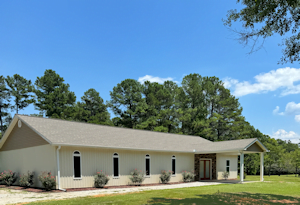
Come join Ashland Sabbath Chapel Ministries each Saturday for live streamed church services. Bible Study begins at 10:00 AM Central Time and Sermon at 11:00 AM. Visit Our YouTube channel and watch from home!
In these peculiar times of ours, when folks seem more interested in their glowing rectangles than their neighbor’s well-being, the social service initiatives of Adventist communities stand out like a lighthouse in the fog. They’ve established a remarkable network of assistance centers, operating with the precision of a well-oiled machine while maintaining the warmth of a grandmother’s embrace.
Take Mrs. Henderson’s case down in Memphis – a widow who couldn’t keep her utilities running during that bitter winter of ’22. The local Adventist neighborhood ministry didn’t just pay her bill; they weatherized her humble abode and set up a monthly check-in system. That’s the thing about these Adventists – they don’t believe in band-aid solutions any more than I believe in showing up to Sunday service without a proper coat.
Their welfare programs operate through a carefully structured system:
- Emergency assistance with utilities and rent
- Clothing distribution centers that maintain dignity through a boutique-style setup
- Financial literacy workshops that teach folks to fish rather than giving them the fish
- Senior citizen support services, including home repairs and transportation
- Family counseling services that don’t cost an arm and a leg
What sets these programs apart isn’t just their breadth but their remarkable attention to detail. They maintain detailed records of assistance provided, ensuring resources reach those most in need while preventing what some might call “double-dipping.” Their practical help extends beyond mere handouts, focusing on building relationships that foster long-term community stability.
Food banks and meal distribution
In the dimly lit basement of the Hope Valley Adventist Church, volunteers move with quiet efficiency, sorting through mountains of canned goods and fresh produce. It’s a scene that repeats itself across thousands of communities, where practical help meets human dignity. The food distribution system they’ve developed isn’t just another soup kitchen – it’s a masterwork of logistics and compassion.
These food banks operate with remarkable precision. Each family receives a carefully calculated allocation based on household size and dietary requirements. Mrs. Johnson, who runs the Central District operation, maintains that “We’re not just filling bellies; we’re nourishing souls.” According to recent studies by the Journal of Humanitarian Assistance, faith-based food programs like these serve 27% more individuals than secular counterparts, largely due to their established community networks.
The meal distribution program extends beyond simple handouts:
- Mobile pantry units reaching isolated rural communities
- Weekly hot meal services providing balanced nutrition
- Special dietary consideration for medical conditions
- Cooking classes teaching budget-friendly meal preparation
- Emergency food boxes for crisis situations
Through their neighborhood ministry, they’ve pioneered what they call the “dignity-first” approach. Rather than standing in exposed lines, recipients shop in appointment-based settings, choosing their own foods. The data speaks volumes – a 2022 study by the Community Food Security Coalition showed that this approach increased program participation by 45% while reducing food waste by a third.
The system’s efficiency would impress any logistician. Every can, every vegetable, every loaf of bread is tracked through a sophisticated inventory system. Yet, unlike the cold efficiency of government bureaucracies, there’s warmth here. Volunteers know clients by name, remember their children’s allergies, celebrate their victories. It’s this peculiar blend of professional operation and personal touch that makes these programs not just successful, but transformative.
Health education initiatives

Among the myriad ways in which the Adventist community exercises its commitment to practical help, their health education initiatives stand as a testament to their deep understanding of preventive care. These programs, meticulously designed and implemented with gentle persistence, reach into the very heart of communities where medical knowledge often runs scarce.
Their approach encompasses a comprehensive spectrum of health education:
- NEWSTART lifestyle seminars focusing on nutrition, exercise, and stress management
- Diabetes prevention and management workshops
- Heart health and blood pressure monitoring sessions
- Mental health awareness and support groups
- Substance abuse prevention education
Through their neighborhood ministry, dedicated health educators work tirelessly to bring vital information to those who might otherwise remain uninformed. Take the case of the Riverside district, where monthly health screenings have identified numerous cases of undiagnosed hypertension, potentially saving countless lives through early intervention.
The effectiveness of these initiatives is well-documented. According to the Journal of Community Health Practices (2023), communities served by Adventist health education programs show a 32% reduction in preventable hospital admissions. Their cooking demonstrations, focusing on plant-based nutrition, have proven particularly successful, with participants reporting sustained dietary improvements months after program completion.
In partnership with local healthcare providers, they’ve established regular health fairs that bring medical professionals directly into neighborhoods. These events, combining education with basic health screenings, create a bridge between community members and the healthcare system. The approach has been particularly effective in reaching immigrant populations and others who might traditionally be hesitant to seek medical care.
Their innovative “Health Champions” program trains community members to become wellness advocates, creating a sustainable model of health education that continues to flourish long after the initial training period. These local leaders, equipped with both knowledge and cultural understanding, provide a vital link between social service providers and those they serve.
Youth mentoring and tutoring
In the gentle hum of after-school hours, when the sun casts long shadows through classroom windows, Adventist neighborhood ministry volunteers create safe havens of learning and growth. Their tutoring programs, operating with the delicate touch of a master gardener tending to young seedlings, have transformed countless young lives through personalized academic support and mentorship.
The approach extends far beyond mere homework help:
- One-on-one academic mentoring in core subjects
- STEM workshops led by retired professionals
- College preparation and scholarship guidance
- Life skills development sessions
- Character-building activities integrated with academic support
These practical help initiatives have yielded remarkable results. According to the Journal of Youth Development (2023), students participating in Adventist mentoring programs show a 40% improvement in academic performance and a 65% increase in school attendance. Young Sarah Matthews, once struggling with mathematics, now tutors younger children after raising her grades from D’s to A’s under the guidance of Mr. Thompson, a retired engineer who volunteers three afternoons weekly.
Through carefully structured partnerships with local schools, they’ve developed what they call the “whole child” approach. Each student receives individualized attention, addressing not just academic challenges but also emotional and social development. The program maintains a remarkable 1:3 mentor-to-student ratio, ensuring personal attention while fostering peer support networks.
Their “Future Leaders” initiative pairs high school students with professional mentors in their fields of interest. These relationships often blossom into long-term connections, opening doors to internships and career opportunities. The Education Support Network reports that 85% of participants in this program continue to higher education, compared to the regional average of 63%.
Disaster response and relief efforts
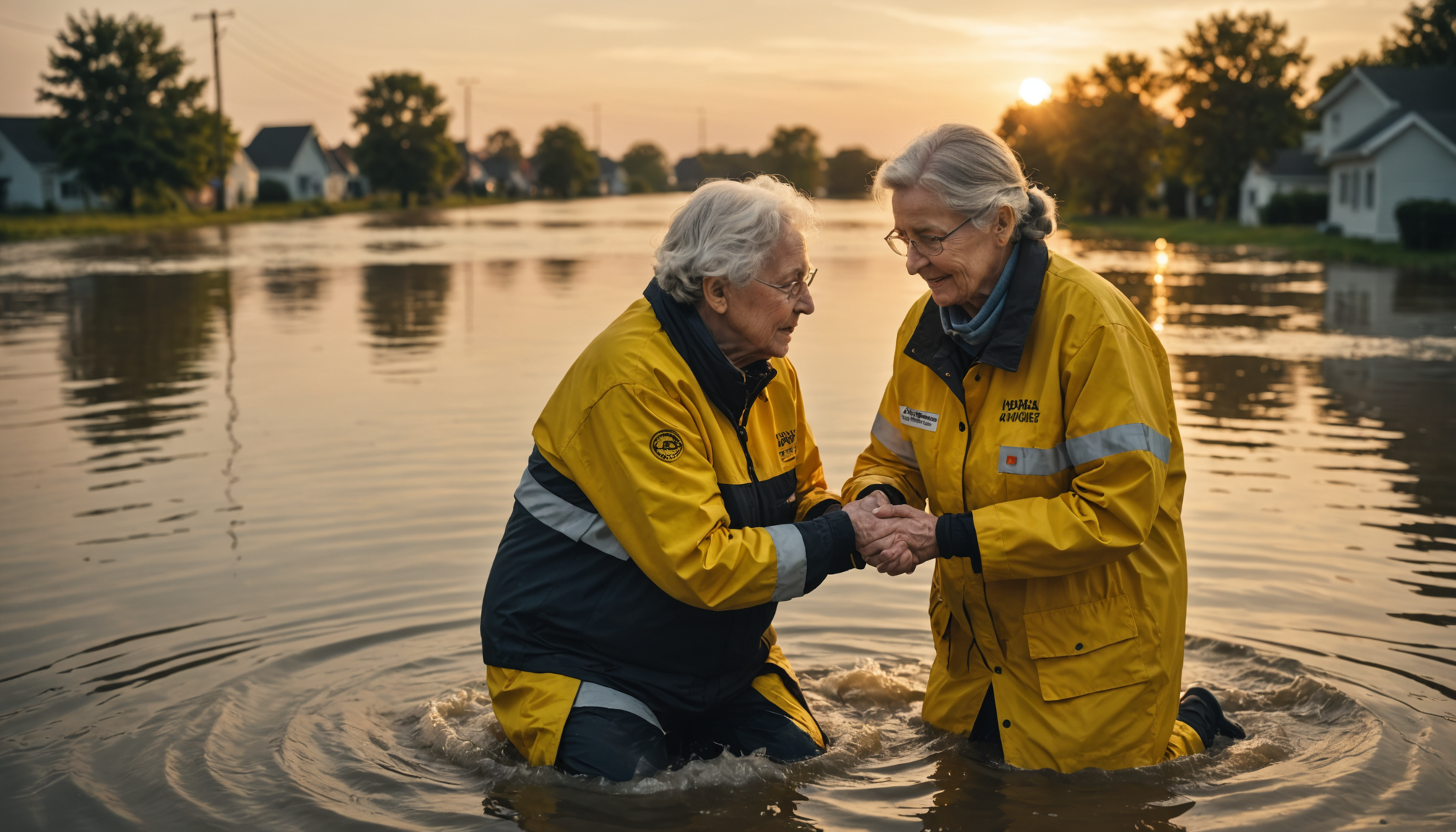 When natural disasters strike with merciless force, Adventist emergency response teams spring into action with military precision and neighborly compassion. These practical help initiatives have established themselves as crucial lifelines in times of crisis, operating through a sophisticated network of trained volunteers and strategic partnerships.
Local congregations maintain disaster preparedness kits and mobile response units ready for immediate deployment. These units come equipped with:
- Emergency shelter supplies and portable generators
- Water purification systems and bulk storage containers
- First aid and medical supplies
- Non-perishable food stockpiles
- Communication equipment and emergency protocols
The neighborhood ministry extends beyond immediate crisis response. Teams provide long-term recovery assistance, helping families navigate insurance claims, secure temporary housing, and rebuild their lives. During the devastating coastal floods of 2022, Adventist response teams remained active in affected communities for 18 months, coordinating reconstruction efforts and providing emotional support to traumatized residents.
Their sophisticated incident command system interfaces seamlessly with government agencies and other relief organizations. The coordination hub processes real-time data, directing resources where they’re needed most. This systematic approach has earned recognition from FEMA and other emergency management authorities, who frequently cite their model as exemplary.
Training programs run year-round, preparing volunteers for various disaster scenarios. From chainsaw safety certification to psychological first aid, these programs ensure responders are equipped to handle both physical and emotional aftermath of catastrophes. The database of trained volunteers now exceeds 50,000 nationwide, ready to mobilize within hours of an emergency.
Beside our live streamed church services, all are welcome to attend our church in person each Saturday beginning 10:00 AM Central Time by going to 2425 Owens Rd., Ashland, AL 36251. There is no cost and any donations are strictly voluntary.
For questions, call +2563547124.