Come join Ashland Sabbath Chapel Ministries each Saturday for live streamed church services. Bible Study begins at 10:00 AM Central Time and Sermon at 11:00 AM. Visit Our YouTube channel and watch from home!
In the heart of the Seventh-day Adventist ethos, one encounters a tapestry of beliefs woven with threads of hope and certainty regarding the great unknown that follows life’s final curtain. To fathom the Adventist perspective on death is to peer into a realm where resurrection hope flourishes, illuminating the otherwise dark alleyways of grief and loss. Unlike some who may view death as the end, Adventists embrace it rather as a pause—an interlude that leads to a promised reawakening. They cherish the steadfast notion that death is but a temporary slumber, a brief sojourn from which the faithful shall awaken at the sound of the trumpet at Jesus’ second coming.
This conviction heavily influences their practices surrounding death, reflecting a profound faith that provides comfort even in the face of sorrow. The Adventist belief system holds firmly that the soul does not ascend to heaven or descend into hell immediately upon death, a stance that distinguishes them from many other Christian denominations. Instead, they uphold the idea of an eventual resurrection, a time when the faithful shall reunite with loved ones and bask eternally in divine presence.
As one wanders through the landscape of Adventists’ burial customs, it is evident that their practices are steeped in this theological understanding. Funerals are not somber occasions marred by despair; rather, they are seen as celebrations of life—joyous acknowledgments of the person’s journey and faith. The service often features scriptural readings, hymns that uplift the burdened spirit, and testimonies that recount the deceased’s contributions to the community and their steadfast faith. Such memorial services emphasize not only the farewell but also the hopeful awakening that awaits.
Every detail of the funeral reflects their profound beliefs, right down to the choices presented regarding burial versus cremation. While burial remains a popular choice for many, some Adventists may opt for cremation, viewing it not as a denial of faith but rather as a practical alternative. Whatever the choice, the underlying principle remains the same: outward practices frame inward beliefs, each contributing to the eventual glorification of the divine promise.
Thus, navigating the waters of death within the Adventist community is not an exercise in despair but rather a journey infused with deep-set convictions and a resounding faith in renewal. In every *life* honored and every *memory* cherished, one finds a reminder that the story is far from over; instead, it is simply waiting for its next chapter to unfold.
Funeral service planning
The planning of a funeral within the Adventist community is an intricate dance, both respectful and reflective, capturing the essence of the individual while firmly anchored in the faith’s profound beliefs. It begins with an understanding that each service is as much a personal tribute as it is a communal acknowledgment of the shared *resurrection hope*. This dual focus shapes the meticulous planning required to ensure that every aspect of the service honors the deceased’s life and faith in a manner consistent with Adventist teachings.
Central to this planning is the funeral service itself, which typically takes place in a church or community center. Here, mourners gather not merely to mourn but to celebrate life—a theme that resonates throughout the service. Arrangements for the service often include the selection of specific scriptures, which are thoughtfully chosen to reflect both the deceased’s character and Adventist beliefs. Readings from the Bible, particularly those that speak of hope, comfort, and the promise of eternal life, serve to uplift the gathered community.
Music plays a pivotal role in this funeral ritual as well. Hymns that resonate with the deceased’s life often fill the air, invoking a sense of nostalgia and unity among attendees. These melodies are not chosen at random; they are deeply embedded with meaning, reminding the congregation of the communal faith they share and the victory over death that awaits those who believe. Such selections emphasize both grief and hope, ensuring that even in sorrow, a spirit of joy prevails.
Testimonies shared during the service are equally important, as they provide a window into the life of the departed. Family and friends are encouraged to speak about their cherished memories, anecdotes that highlight the individual’s impact on their lives and the community at large. This aspect of the service fosters a sense of connection, reinforcing the notion that though the person has passed, their legacy, faith, and values continue to thrive among the living.
Following the service, the type of burial customs observed is often a subject of careful deliberation. Adventists traditionally favor burial over cremation, seeing it as symbolic of respect for the body as God’s creation. However, there exists a recognition of personal preference, with families sometimes choosing cremation for pragmatic reasons. Regardless of the choice, both practices are approached with an understanding grounded in faith, leaving behind a visible testament to the belief in resurrection.
Moreover, the process of planning extends beyond the service itself; it encompasses the emotional landscapes navigated by the grieving community. Those involved in planning a funeral are often sensitive to the complexities of the grieving process, understanding that the death of a loved one impacts not only the immediate family but also the broader community. Thus, the Adventist approach to funeral services is not only about honoring the deceased but also about enveloping the grieving in a cocoon of love, support, and communal faith.
Each aspect of the planning reflects an essential truth: *death is not the end*, but rather a transition laden with profound meaning and hope. Through intentional choices made in the orchestration of a funeral, Adventists encapsulate the essence of their belief system, offering comfort to the grieving while subtly instilling a sense of optimism amidst loss.
Burial vs. cremation
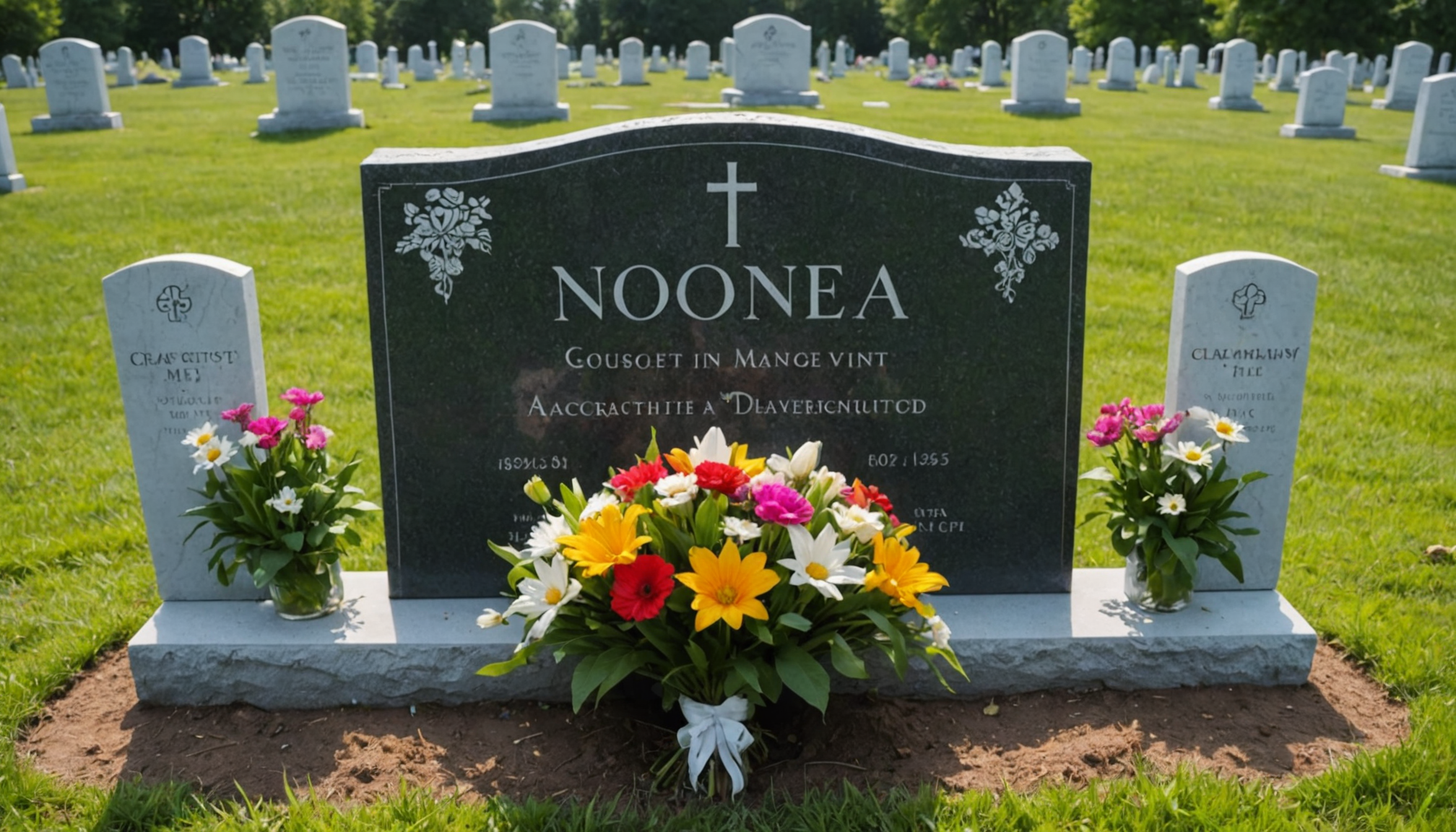
When it comes to the delicate topic of burial versus cremation, the Seventh-day Adventist community finds itself at a crossroads of tradition, interpretation, and personal choices, each bearing the weight of their core beliefs. Simply put, burial customs have traditionally commanded a strong sense of preference, deeply rooted in respect for the human body, which is viewed as God’s sacred creation. This reverence stems from their understanding of the resurrection hope, a cornerstone of their theology, which assures the faithful that the body will one day be resurrected and transformed into a glorified state.
As one steps across the threshold of these contemplations, the choice of burial conjures images of grassy knolls under wide open skies, where the earthly remains of a loved one rest awaiting the heavenly trumpet’s call. To many Adventists, the act of burial is symbolic, a return to the earth that reflects a deep respect for life and the conviction that death is but a fleeting pause—an intermission in the larger symphony of existence. The gravesite, often adorned with flowers and stones bearing names etched in love, becomes not merely a resting place but a testament to enduring faith and the hope of resurrection.
However, as with all matters of faith, one must acknowledge the nuances of individual circumstance. While the practice of cremation may not sit comfortably with every Adventist, an increasing number are finding themselves at the confluence of practicality and belief. For those grappling with the complexities of death care logistics or financial constraints, cremation can emerge as a reasonable alternative. Far from being perceived as an outright rejection of their faith, many who choose cremation do so with the understanding that God is equally capable of resurrecting the spirit of a loved one, irrespective of the method of their physical return to the earth. As wise old Solomon might say, “To every thing there is a season,” and this applies thoughtfully to the choices one makes regarding the final disposition of a loved one.
Moreover, this choice reflects profound discussions that families often undertake together, exploring the impacts on their grieving process while remaining sensitive to the collective ethos of their community. Long-standing beliefs echo in these discussions, as the fundamental truth that the physical body is not the ultimate determinant of existence liberates them from rigid dogmas. Those who opt for cremation frequently emphasize their conviction that love and spirit transcend any earthly limitation, allowing them to uphold the promise of resurrection hope in their hearts, regardless of the method chosen.
In both burial and cremation, ceremonial elements are imbued with treasures of remembrance, each choice acknowledging a person’s life lived. Whether the earth envelops them or ashes are scattered gently to the winds, each practice serves as a poignant reminder of the journey that remains—in faith, in community, and in hope. Consequently, as the community gathers to bid farewell, the commitment to uphold the inherent value of life and the divine promise of resurrection weaves its way into the very fabric of the memorial services, creating a tapestry rich with shared beliefs and grief. Thus, whether choosing burial customs steeped in tradition or embracing a more modern approach with cremation, the certainty of resurrection hope continues to illuminate their paths, guiding Adventists through the labyrinth of loss with grace and conviction.
Role of the community
In the fabric of Adventist funeral practices, one cannot overlook the role that community plays in the mourning process. Within this faith, the collective spirit is invoked to weave a tapestry that not only honors the deceased but also wraps the grieving in a warm embrace of shared experience and love. Together, they navigate the waves of loss that crash upon the shores of individual sorrow, creating an environment where healing is a communal endeavor, rather than a solitary journey.
The Adventist community often views mourning as less of an isolated affair and more of a sacred rite, where the presence of others is essential to the grieving process. This intertwining of individual grief with communal support manifests itself as a network of comfort, buoyed by the shared understanding of resurrection hope. It is in the gathering together—friends, family, and fellow believers—that the collective memory of the departed begins to glow with life, further entrenching the idea that death itself is but a passage, not an end.
When a beloved member passes, the community springs into action, their involvement speaking to the heart of Adventist values. Members may bring food to share, offer to assist with planning memorial services, or simply provide a shoulder to lean on—each act serving as a small spark of light in the midst of darkness. This outpouring of support creates an atmosphere of belonging, where every tear shed is a shared drop in the ocean of collective sorrow, underscored by the belief that life continues beyond the grave.
As preparations for the memorial services unfold, local congregations often integrate the deceased’s personal legacy into the fabric of the service. Scripture and hymns meticulously chosen resonate deeply with the community at large, reminding all present of the foundational principles they share. Here, the act of remembering takes on a transformative quality—testimonies recounted by loved ones not only celebrate a life lived, but reaffirm the shared faith that unites each attendee. They become poignant reminders that while one may be physically absent, their spirit remains intertwined with the hearts of those who believe.
The role of community expands further into the logistical aspects of death care, as neighbors come together to ensure that the final arrangements align with the values held dearly by their faith. Conversations about burial customs or cremation are approached with an openness that encourages families to express their deepest desires amidst the emotional upheaval. Forms are filled, plans are made—all touched by the spirit of cooperation, testing the waters of this delicate terrain together.
In this shared space of sorrow and hope, the community acts as both a balm and a guide, enabling individuals to process their grief through the collective experience of loss. It serves to remind them that they are not walking this path alone, but rather, in the light of sacred fellowship. Each hand held, every prayer whispered, propels them through the labyrinth of mourning towards a dawn that depicts not only loss but the promise of reunion; a reunion steeped in the Adventist belief that life, once surrendered to death, shall awaken again to eternal glory.
Thus, the role of the community in Adventist funeral practices is as integral as the faith itself. It reinforces the notion that grief should be borne together, that the profound journey marked by sorrow is also one filled with celebration, hope, and the unwavering assurance of resurrection. In witnessing the intertwining lives, the profound love shared, and the collective strength exhibited, one can discern a resounding truth: within the embrace of community, death is transcended, allowing for the delicate threads of memory and hope to spark joy even amidst profound loss.
Comfort and support for the grieving
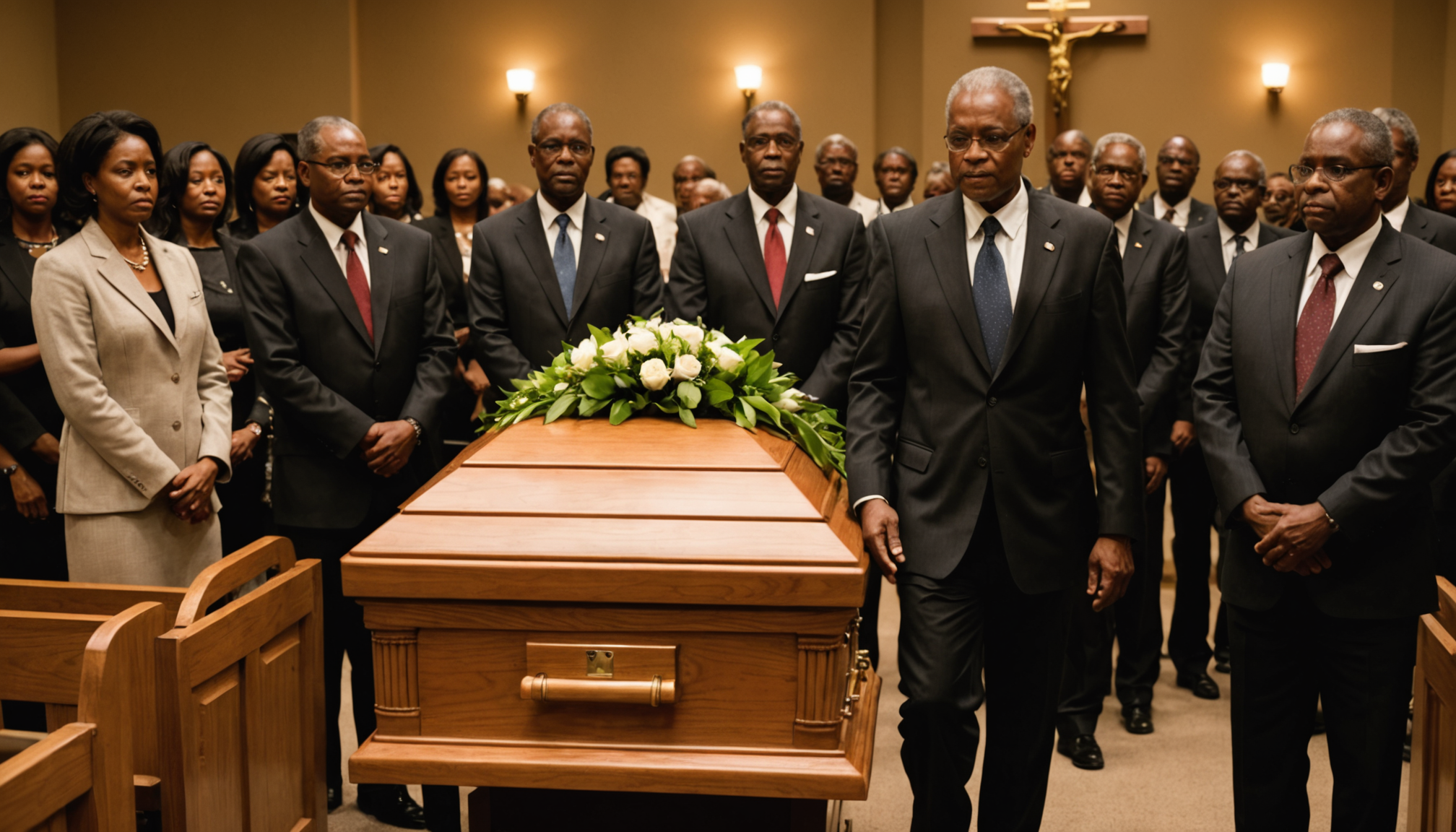
In the Adventist community, the grieving process is deeply intertwined with the sense of community support, where members rally together to offer comfort and strength during times of loss. This collective approach transforms what is often seen as a solitary experience into a shared journey of healing, recognizing that grief is not simply an individual burden but a communal passage. From the moment a death is experienced, friends, family, and fellow believers converge, providing emotional and practical support that reflects their understanding of resurrection hope—the belief that physical separation is temporary and that a reunion awaits beyond this life.
As families navigate the tumultuous waters of grief, the presence of the community acts as a lifeline. Offering meals, assistance with funeral arrangements, or simply a listening ear, community members embody the spirit of fellowship that characterizes Adventist beliefs. These gestures are not merely acts of kindness but are seen as sacred expressions of love that connect the living with the memory of the departed. Each interaction fosters a shared understanding of the delicate balance between mourning and celebrating life, underscored by the hope of resurrection that lies at the heart of the community’s faith.
During memorial services, the interplay between individual grief and communal support is vividly on display. Attendees come together to recount stories, share testimonies, and reflect on the life of the deceased, solidifying the belief that the bonds of love and faith transcend death. Scripture readings filled with messages of hope and comfort echo through the gathering, reinforcing their collective conviction that death is not the final chapter but rather a turning point towards eternal life promised by God. Such moments of shared remembrance are essential in easing the depths of sorrow, transforming despair into a newfound strength as they stand shoulder to shoulder in unity.
The planning of these memorial services is often approached with sensitivity and care, ensuring that every aspect reflects both the individual’s life and the community’s values. Whether opting for specific burial customs or deciding on the details of the service, families increasingly engage community members to create a meaningful experience. It’s this collaboration that further deepens their connections, encouraging open dialogue about the challenges of loss and the hope that awaits. Each shared decision becomes a testament to their intertwined lives and the profound belief that, in the end, love prevails over death.
Communal grieving doesn’t cease after the funeral; rather, it is an ongoing journey that continues with the support of others. Regular check-ins, prayer meetings, and collective remembrance serve as essential components that help maintain a sense of connection to both the deceased and the community. Such practices affirm the understanding that each life touches many others, leaving ripples that extend far beyond the grave. Adventists believe this interconnectedness provides solace, illustrating that the bonds forged in love and faith live on, standing firm against the trials of loss and reminding them of their shared resurrection hope.
- What do Adventists believe happens after death?
- Adventists believe that death is a temporary state where individuals sleep until the resurrection at Jesus’ second coming. They do not see the soul as immediately ascending to heaven or descending into hell, instead emphasizing a future reunion in eternal life.
- How are funerals structured in the Adventist community?
- Adventist funerals often emphasize celebration over sorrow, including scriptural readings, music, and testimonies that honor the deceased’s faith and character. The aim is to provide comfort and reinforce the belief in resurrection hope among mourners.
- What is the role of the community in Adventist funeral practices?
- The community plays a crucial role in supporting grieving families, providing emotional and practical assistance. This collective approach helps individuals process their grief through shared experiences, reinforcing the bonds of love and faith.
- Are there specific burial customs that Adventists follow?
- While burial has traditionally been the favored option, reflecting respect for the body as God’s creation, some Adventists may choose cremation due to practicality. Both choices are approached with sensitivity to individual circumstances while maintaining a focus on resurrection hope.
- How do Adventists find comfort during the grieving process?
- Comfort comes through community support, prayer, and shared rituals that celebrate the lives of deceased members. The collective belief in resurrection hope helps alleviate despair by reminding the grieving of the promise of eternal life.
- What is the significance of memorial services for Adventists?
- Memorial services serve as essential gatherings for shared remembrance, allowing attendees to honor and celebrate the life of the deceased. These memorials reinforce communal bonds and provide a space for both grieving and hopeful reflection.
- How can I support an Adventist friend or family member in grief?
- Provide practical help, such as meals or assistance with planning, and offer a listening ear. Being present and encouraging expressions of faith can provide significant comfort, underscoring the belief in resurrection hope and shared community strength.
Ashland Sabbath Chapel Ministries
Beside our live streamed church services, all are welcome to attend our church in person each Saturday beginning 10:00 AM Central Time by going to 2425 Owens Rd., Ashland, AL 36251. There is no cost and any donations are strictly voluntary.
For questions, call +2563547124.