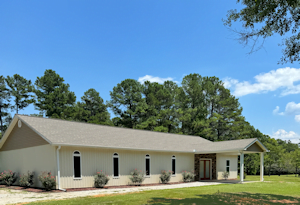
Come join Ashland Sabbath Chapel Ministries each Saturday for live streamed church services. Bible Study begins at 10:00 AM Central Time and Sermon at 11:00 AM. Visit Our YouTube channel and watch from home!
In the rolling hills of Pennsylvania, where dawn breaks early over Adventist farmland, sheep graze peacefully as they have for generations. The community rises before sunrise, their commitment to stewardship of God’s creatures guiding their hands in the ancient craft of wool gathering. They understand that fiber preparation is more than just work – it’s a testament to their faith and self-sufficiency.
These families tend their flocks with methodical care, shearing twice yearly – once in spring before the heat sets in, and again in fall to ensure proper growth for winter warmth. Each household typically maintains between twenty and thirty sheep, predominantly Merino and Romney breeds, known for their superior wool quality.
The children learn practical skills early, helping to wash the freshly shorn wool in the cool stream water, careful not to agitate it too vigorously. The older members of the community often say that good wool comes from happy sheep, and their gentle handling reflects this belief.
- Spring shearing yields approximately 8-10 pounds per sheep
- Fall shearing produces 6-7 pounds of lighter wool
- Each family processes roughly 400 pounds annually
The work binds the community together. During shearing seasons, families gather in barns, working in harmony as they sort, clean, and prepare the wool. Young women learn the art of skirting – removing inferior wool parts – while passing down stories of their ancestors who brought these traditions from Europe.
Their approach to textile work reflects their broader values: patience, attention to detail, and respect for natural materials. They avoid artificial enhancement processes, letting the wool’s natural properties speak for themselves. The rhythmic motion of hands working through the fleece matches the steady pace of their days, unmarked by modern hurry.
Processing methods and religious principles
The transformation of raw wool into usable textile follows strict guidelines that align with Adventist principles of simplicity and reverence for God’s creation. Each step of fiber preparation adheres to traditional methods passed down through generations, eschewing modern chemical treatments that might compromise the wool’s natural properties or harm the environment.
The process begins with careful sorting, where experienced hands separate the fleece by quality and length. Water used for washing must be pure and untreated, heated to precise temperatures that preserve the wool’s integrity while removing natural oils and debris. The community steadfastly avoids harsh detergents, preferring gentle, plant-based cleansers derived from soapwort and other natural sources.
After cleansing, the wool undergoes a methodical drying process in specially constructed sheds, where ventilation follows the natural flow of air. The carding phase, considered particularly sacred, takes place during daylight hours when natural illumination is optimal. Workers maintain a contemplative silence, believing that peaceful thoughts imbue the fibers with positive energy.
- Morning hours: Initial sorting and washing
- Midday: Natural drying process
- Afternoon: Carding and preparation
Spinning occurs on traditional wheels, often crafted by community artisans. The rhythmic motion of the wheel accompanies silent prayers, creating a meditative atmosphere that reflects their devotion. Natural dyeing, when employed, utilizes only plant-based materials gathered from their own gardens and surrounding woodlands.
The community’s commitment to practical skills extends to teaching young members the significance of each step. They learn that proper technique not only ensures quality but also honors their beliefs in stewardship and simplicity. This careful attention to traditional methods results in clothing materials that maintain their integrity through years of use.
Equipment and facilities
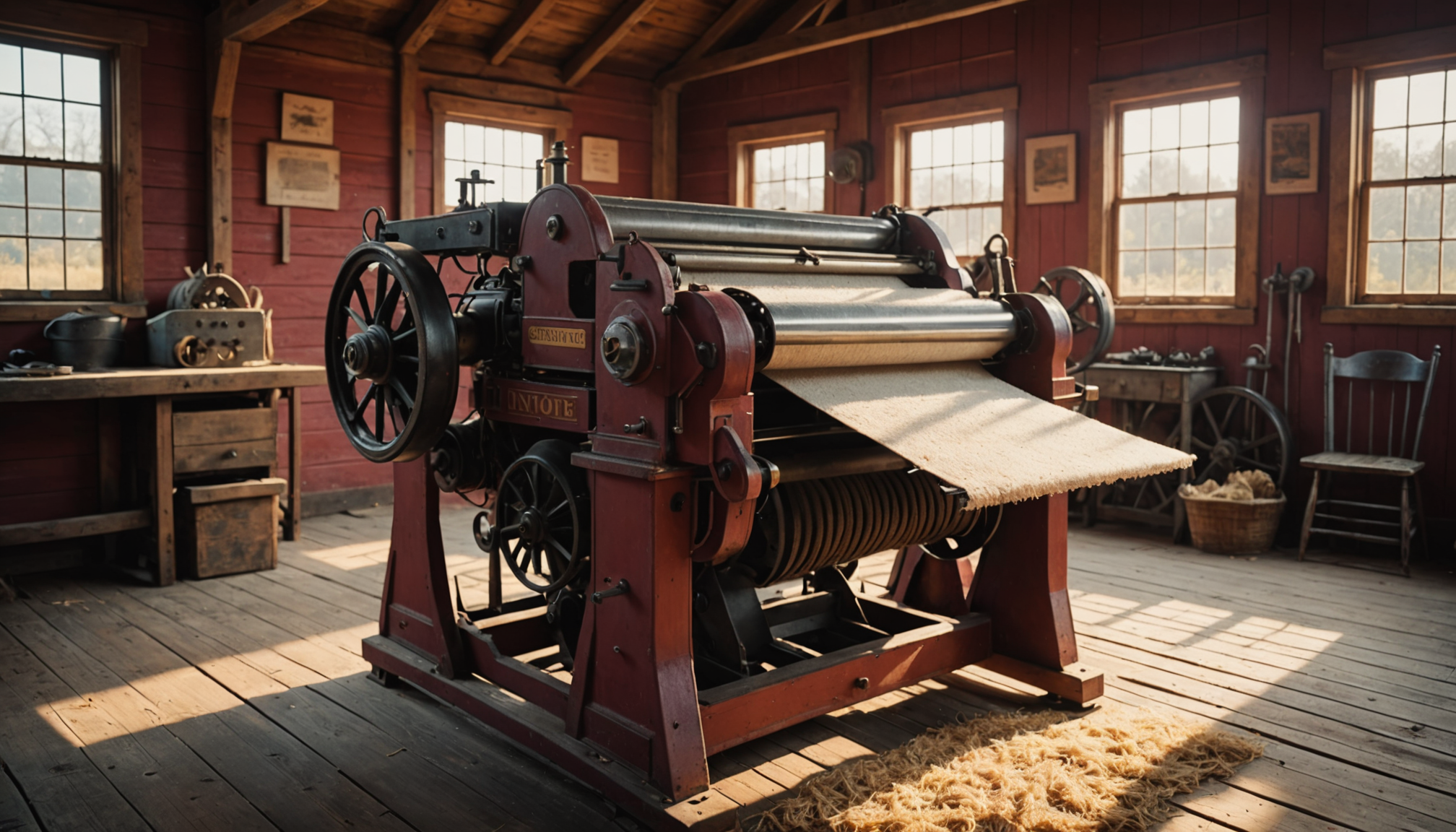
Down in the old red barn at the edge of Miller’s Field stands the heart of the Adventist wool operation – a marvel of practical engineering that’d make any sheep proud. The main processing floor, spanning near 2,000 square feet, houses row upon row of carefully maintained equipment, each piece telling its own story of textile work through the ages.
The carding room, situated in the east wing to catch the morning light, contains six Davis & Furber carding machines from 1940, preserved and maintained like family heirlooms. These mechanical beauties, with their gentle teeth and steady rhythm, transform raw wool into orderly sheets ready for spinning. Nearby, the temperature-controlled storage area keeps the fiber preparation materials at precise conditions – 65 degrees Fahrenheit with 45% humidity, preventing any unwanted surprises in the wool’s behavior.
- 4 industrial washing stations with natural water filtration
- 6 vintage carding machines, fully restored
- 12 traditional spinning wheels
- 2 modern solar-powered drying rooms
The drying facility, a recent addition built in 2018, uses passive solar design and natural airflow systems that’d make Mother Nature herself tip her hat. The community specifically designed these rooms to maintain steady air circulation without depending on electrical systems, ensuring the wool dries evenly for winter warmth processing.
The quality control station, illuminated by broad windows, features testing equipment that looks like it belonged to Benjamin Franklin himself – though it’s actually state-of-the-art technology disguised in humble wooden casings. Here, workers test each batch for strength, consistency, and durability before it moves to the final processing stages.
The spinning room houses both traditional wheels and modern equipment, though you’d hardly recognize the latter – they’ve been carefully modified to run on compressed air rather than electricity. The clothing materials produced here pass through the hands of skilled workers who can tell the quality of a thread just by running it through their fingers.
Quality control and standards
Each batch of processed wool undergoes rigorous examination at three critical stages, reflecting the community’s unwavering commitment to excellence in fiber preparation. The first inspection occurs immediately after washing, where trained eyes assess the cleanliness and fiber integrity under natural light. Workers maintain detailed logs, recording moisture content, fiber length, and cleanliness ratings using a traditional 1-10 scale developed by their forebears.
The second quality checkpoint follows carding, where textile work receives particular scrutiny. Specialists examine the uniformity of the fibers, checking for consistent alignment and separation. They measure tensile strength using both modern equipment and time-honored hand-testing methods, ensuring the wool meets specific standards for clothing materials:
- Minimum tensile strength: 25-30 cN/tex
- Fiber diameter tolerance: +/- 5 microns
- Moisture content: 12-16%
- Contamination level: Less than 1%
The final evaluation focuses on the finished product’s practical skills application. Workers test each batch for winter warmth retention, durability, and wear resistance. They employ a unique “seven-point” inspection system that examines color consistency, handle (feel), crimp definition, yarn evenness, breaking strength, elasticity, and overall appearance.
Certification follows strict internal guidelines established by the community’s council of master craftspeople. Each lot receives a unique identifier, allowing full traceability from raw fleece to finished product. Quality ratings determine final use – superior grades go to garment production, while lower grades serve other purposes like quilting or insulation.
Monthly audits ensure adherence to these standards, with results documented in handwritten ledgers that span generations. When variations appear, the community quickly traces the source and implements corrective measures, maintaining their reputation for exceptional wool products.
Marketing and distribution
 From local farmers’ markets to specialty boutiques across the country, Adventist-processed wool products find their way to discerning customers who value quality and ethical production. Direct relationships with small retailers form the backbone of distribution, where each batch of fiber preparation carries its own story and certification of origin. Regular buyers often visit the community personally, fostering lasting partnerships built on trust and shared values.
The community maintains a careful balance between traditional marketing approaches and modern necessities. A network of regional representatives handles wholesale distribution, ensuring clothing materials reach specialized crafting stores and textile artisans. These representatives, often community members themselves, understand both the practical skills involved in production and the specific needs of their customers.
Seasonal markets prove particularly successful for textile work products. The autumn craft fair circuit sees steady demand for winter warmth items, while spring markets focus on lighter-weight products and raw materials for home crafters. The community’s reputation for consistent quality attracts buyers from as far as New England and the Pacific Northwest.
Distribution follows carefully planned routes that maximize efficiency while minimizing environmental impact:
– Regional deliveries occur bi-weekly to established retail partners
– Quarterly shipments serve distant wholesale customers
– Special orders receive individual attention and tracking
– Local sales happen directly at the community store
Modern inventory management integrates seamlessly with traditional record-keeping methods, ensuring accurate stock control without compromising community values. Each product carries detailed documentation of its journey from raw wool to finished item, satisfying both regulatory requirements and customer interest in provenance.
The steady growth in demand for ethically produced, high-quality wool products has led to careful expansion of distribution networks, always balanced against the community’s commitment to maintaining product excellence and traditional methods.
Ashland Sabbath Chapel Ministries
Beside our live streamed church services, all are welcome to attend our church in person each Saturday beginning 10:00 AM Central Time by going to 2425 Owens Rd., Ashland, AL 36251. There is no cost and any donations are strictly voluntary.
For questions, call +2563547124.