Come join Ashland Sabbath Chapel Ministries each Saturday for live streamed church services. Bible Study begins at 10:00 AM Central Time and Sermon at 11:00 AM. Visit Our YouTube channel and watch from home!
The daily life of pioneer Adventists was characterized by a rigorous adherence to structured routines that infused their existence with a sense of purpose and communal responsibility. Each day was meticulously planned, intertwining spiritual obligations with the demands of agrarian life. The daily schedule often commenced before dawn, where the rising sun signaled not only the start of a new day but also an opportunity for spiritual reflection and physical labor.
Morning rituals were pivotal in this lifestyle. The practice of morning worship was fundamental, serving as a cornerstone for the day’s activities. Families would gather together for prayer, hymns, and scripture reading, fostering a spirit of unity and devotion. This practice was not merely ritualistic; it was a means of galvanizing strength and resolve to face the day’s challenges. The act of setting aside this time for God imbued their daily tasks with a sense of divine purpose.
As daylight broke, the work was relentless but varied, predominantly revolving around farm work. Each family member typically had defined roles—some tilled the fields, while others tended to livestock or managed household chores. The balancing act of labor and worship was essential, as they believed that their toil was a form of service, both to their community and to God. Agricultural endeavors were not just a means of sustenance, but an exercise in faith, illustrating a profound relationship between their labor and religious beliefs.
The afternoon brought further obligations, often including sabbath preparation on Fridays. This involved ensuring that all chores were completed, meals were planned, and the home was in order for the Sabbath. Such preparations were not only a matter of practicality but also a reflection of their reverence for the sacred day—a time set aside for rest and reflection upon God’s word.
This lifestyle did not only promote a strong work ethic but also emphasized the importance of community responsibilities. The Adventist pioneers understood that their individual roles contributed to the collective well-being of their society. Through cooperation and support, they fostered a network of relationships that reinforced their values and beliefs, aiding each other in times of need.
In essence, the life practices of the pioneer Adventists were a testament to their unwavering faith and dedication. Each element of their daily existence, from the early hours of family prayer to the laborious tasks of the afternoon, reinforced their commitment to a life imbued with spirituality, community, and discipline, encapsulating the very essence of their pioneering spirit.
Morning rituals and devotions
The morning hours, imbued with the soft glow of dawn, were understood by pioneer Adventists as a sacred time, a moment when the world seemed hushed and ready to receive the warmth of divine grace. With the first light came the necessity of morning worship, a practice that elevated their spirits and united families in a shared devotion. This practice was more than a mere habit; it reflected a stringent commitment to their faith, a demonstration that life, with all its trials and triumphs, was grounded in a reverence for God’s presence. Each family, in the quiet comfort of their abode, would gather in earnest expectation, exchanging whispered prayers and the melodious strains of hymns that gave voice to their innermost hopes and concerns.
It was during this sacred moment that scriptures were read, not only as an act of obedience but as nourishment for the soul. The tales of ancient journeys and divine providences served not merely as historical accounts, but as reflections of their own lives, teaching them about perseverance, faith, and the infallible guidance of the Almighty. Such readings instilled within them a sense of mission; as they engaged with the words of promise, they themselves became vessels of hope and laborers of love, ready to forge ahead into the work of the day.
As the echoes of their morning worship faded, the daily schedule unfolded with the precision of a well-orchestrated symphony. Tasks were delineated and responsibilities shared amongst the family members. The men often dedicated their robust energies to the rigors of farm work, tilling the earth and nurturing crops that would later feed their community. The women, with equal vigor, managed the domestic sphere—caring for the children and ensuring that the household ran smoothly while often engaging in their own farming tasks.
This division of labor was reflective not only of practicality but also of a deeply ingrained respect for the contributions of each member, recognizing that everyone had a part to play in fulfilling God’s purpose for their lives. In communal gatherings later in the day, tales of success and struggle would be exchanged, weaving a stronger tapestry of friendship and mutual support that defined their way of life.
The preparations for the Sabbath, particularly on Fridays, were imbued with an air of solemnity and joy. The meticulous sabbath preparation reflected their devotion; families would ensure that all chores were completed with a tender hand, allowing for a true day of rest to ensue. Food was prepared with care, and the home was arranged to welcome not just the Sabbath but the presence of divine peace that it promised. It was an act of love—both for God and for each other—that set the tone for the sacred hours ahead.
Each morning ritual, punctuated by devotions and familial bonds, allowed pioneer Adventists to cultivate a steadfast resilience in the face of life’s uncertainties. Their mornings became a canvas upon which they painted their hopes and dreams, setting a foundation of faith that would guide them through both labor and leisure. As they embarked on their daily labors, the spirit of resilience and community that they fostered was a testament to their rich heritage and their unyielding commitment to living a life interwoven with devotion and diligence.
Work and community responsibilities

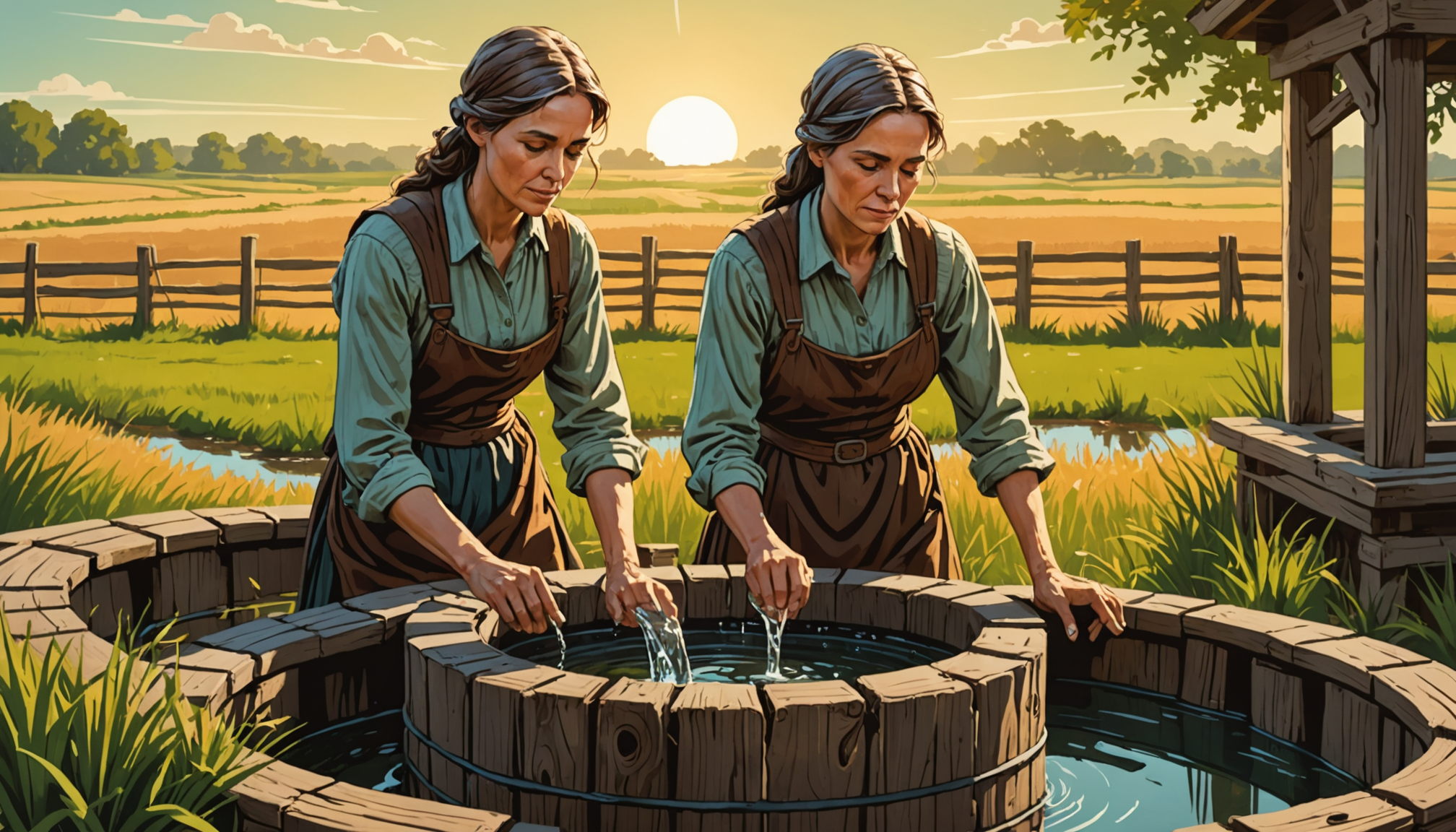
The hours that turned into days for the pioneer Adventists were marked by a robust sense of duty that extended far beyond personal endeavors, resonating with the quiet thrum of community engagement. Each individual’s labor, whether sowing seeds under the unyielding sun or fetching water from a well with a heart full of purpose, intertwined with the responsibilities of their neighbors, forming a tapestry of shared existence. This sense of connection fostered a cooperative spirit—one that was essential in a time when survival often hinged upon the collective efforts of the community.
In the broad span of their daily schedule, the work began early and was not for the faint-hearted. As the sun insisted on climbing higher in the sky, the rhythm of the day quickened, compelling each person into an array of duties that spanned from dawn till dusk. Farm work was the backbone of their society; cultivating land, planting crops, and tending to livestock were not merely chores but sacred responsibilities that were essential for sustenance. The sweat upon their brows and the dirt beneath their nails became testaments to their dedication. It is here that one might observe not just the physical labor but an emotional investment in the growth of the harvest, knowing that such efforts bore fruit, both literally and spiritually.
The interconnectedness of their lives could be observed most profoundly during community gatherings, where the fruits of their labor were celebrated and shared. There, amidst the dappled shade of trees or the rustic charm of a community hall, rivalries faded as stories of hardship and triumph mingled with laughter and camaraderie. These social interactions were rich in their depth and served as a reminder that while individual endeavors were vital, the strength of their collective spirit was what truly fortified their lives. The pioneer Adventists recognized that every hand lifted in toil added to the resilience of their community—a single stitch in the grand fabric of their fellowship.
Beyond mere labor, the sense of responsibility extended to spiritual leadership as well. Each family bore its own priesthood, leading the congregation in matters of faith. During gatherings, you would find the gentle hum of family prayer interspersed with the clinking of utensils as they shared a meal—an act laden with gratitude and love, further binding them together. The harvest of their fields assured not just physical sustenance, but fostered spiritual nourishment as well, reinforcing their belief that labor and faith were inseparably linked. The day’s work was wrapped in the embrace of their beliefs and consecrated with the understanding that they were fulfilling a greater purpose.
Furthermore, the preparations for the Sabbath introduced an anticipatory excitement into their routine. Each Friday, as the sun began to dip toward the horizon, these Adventists would embrace sabbath preparation not as mere necessity but as an act of devotion. Measuring grain for meals and checking the stock of candle stubs were imbued with deep respect for the sacredness of their tradition. It heralded not just the end of labor but the promise of rest and renewal—a collective sigh of relief shared amongst families, who paused to live in communion with God and with one another.
The labor they engaged in, paired with their shared responsibilities, made it abundantly clear that life was not a solitary journey, but a shared pilgrimage paved with love, support, and relentless effort. Every sunrise brought with it the quiet resignation that their work mattered, that it was seen and appreciated within the intricate dance of community life. In such a model, the pioneer Adventists cultivated an existence not simply defined by their individual ambitions, but enriched by their interwoven lives, forming a legacy of dedication that would endure through the ages.
Health and nutrition guidelines
Health and nutrition were cornerstone elements in the lives of pioneer Adventists, perceived not merely as physical necessities but as profound expressions of their faith and communal bonds. The understanding of wellness in their culture was deeply intertwined with their spiritual beliefs, reflecting a holistic approach to living—a commitment to stewardship over not only their land but also their bodies, which were regarded as temples of the Holy Spirit (1 Corinthians 6:19-20). This reverence for the body guided their dietary practices, ensuring that what they consumed was both nourishing and aligned with their religious values.
Meals, a central feature of daily routines, were predominantly plant-based, aligning with the health principles espoused by the church. Rooted in a biblical precedent, their diets emphasized whole grains, fruits, and vegetables, with the temperance of animal products. This dietary choice reflected a commitment to *health reform*, which many pioneer Adventists embraced fervently, believing it to be a divine mandate that fostered longevity and spiritual clarity. Ellen G. White, a co-founder of the Seventh-day Adventist Church and a prominent health reform advocate, emphasized the importance of such diets in her numerous writings, which underscored not only physical health but spiritual vitality as well (White, 1864).
Meal preparation was often a family affair; young and old would gather in the kitchen, contributing to the crafting of wholesome dishes, which, in their minds, were healing and restorative. They practiced simplicity in cooking, opting for methods that preserved the natural flavors and nutrients of their food—steaming, boiling, or baking rather than frying. This tradition ensured that mealtime was not merely a time for sustenance, but also a formative ritual contributing to their points of connection. Every flavor derived from homegrown produce served as a reminder of God’s provisions, echoing their commitment to laboring the land they held sacred.
Pioneer Adventists also understood the significance of maintaining *balance* in all aspects of life, including work and rest. Their daily schedule was punctuated with breaks that encouraged not just physical reprieve, but also spiritual refreshment. They adhered to the principle of temperance—not overindulging, yet understanding the necessity of adequate nourishment; this balance was paramount in productivity, particularly during the demanding seasons of farm work. The spaciousness of their lives allowed them time to reflect and partake in *family prayer*, cultivating minds unclouded by excess, thus enabling clearer communion with God.
Moreover, the community’s role in maintaining health was invaluable; Adventists would often engage in collective gardening or farming activities, reinforcing their bonds while promoting physical well-being. This communal approach to health extended to education about nutrition, where knowledge was shared freely among families. Children would learn not only the importance of food but also the significance of spiritual health—intertwining personal and communal responsibility towards nurturing both the body and the spirit.
As they approached the Sabbath, *sabbath preparation* involved not just the physical act of cooking but a holistic preparation of heart and mind. The eve of this sacred day saw families preparing wholesome meals designed to nourish their bodies while simultaneously uplift their spirits. Such practices reinforced the belief that health was a divine gift—an essential aspect of the stewardship they upheld in their lives. In this way, diet and health became remarkable instruments through which they expressed devotion and respect for the life they were given, a testimony to their understanding that the way they cared for themselves was very much a reflection of how they honored God.
The collective endeavor to foster a health-oriented lifestyle illuminated a crucial tenet of their existence; it emphasized the interconnectedness of body, mind, and spirit. Each meal, each shared moment of intentional living, echoed their dedication to a life steeped in faith, suffused with gratitude, and commingled with the responsibilities that defined their daily rituals. Through these practices, pioneer Adventists not only thrived but also fortified the community’s resilience, creating a legacy of wellness woven into the fabric of their existence.
Leisure activities and spiritual growth

Leisure activities among pioneer Adventists provided necessary respite from the rigors of daily life, serving as a vital counterbalance to their dedicated work ethic. These moments of recreation were not merely time-fillers; they deeply intertwined with their spiritual growth and served to strengthen community ties. The holistic approach to leisure reflected their understanding that emotional and spiritual rejuvenation was as critical as physical nourishment, enabling families and friends to come together in joyous celebration and mutual support.
In the evenings, after a hard day’s labor, families might gather for activities that fostered bonding and spiritual reflection. Enjoying a warm meal as part of their family prayer ritual set the tone for togetherness, as they transitioned from the demands of work to the joy of connection. Games, storytelling, and singing hymns unfolded around the flickering light of a kerosene lamp, turning ordinary nights into sacred gatherings. Such activities reminded them of the importance of community and faith, reinforcing their belief that while work was essential, so too was the building of relationships.
During weekends, especially leading into the Sabbath, leisure incorporated a mix of contemplation and joy-filled gatherings. The Sabbath preparation ritual often culminated in joyous celebrations that began at sundown on Friday, marking an important transition. As families prepared food, engaged in morning worship, and set their homes in order, the anticipation of the Sabbath enveloped them with a profound sense of peace. This collective preparation transformed the physical aspects of the Sabbath into an avenue for spiritual enrichment, allowing them to step away from labor and embrace a day dedicated to worship and renewal.
Moreover, leisure activities were often communal in nature. Gatherings at local meetings or church-sponsored events allowed broader socialization beyond the family unit. These gatherings weren’t just casual events; they served as platforms for spiritual edification through sermons, group prayers, and Bible study sessions. Community potlucks showcased the fruits of their labor, sharing not only food but personal testimonies of God’s providential care in their adventures. This act of sharing nourished not just the body but also the spirit, inviting individuals to reflect on their lives within the framework of shared faith and purpose.
Crafting, artistic pursuits, and musical expressions emerged as cherished avenues through which creativity flourished. Whether through quilting bees or playing instruments, these leisurely undertakings provided outlets for personal expression while simultaneously fostering communal bonds. The shared experiences enriched their daily lives, amplifying their reverence for God’s gifts while creating cherished memories that nurtured their collective identity. Such activities exemplified a profound understanding that even leisure must reflect their commitment to a life of purpose, gratitude, and devotion.
Ultimately, leisure activities among the pioneer Adventists were not separate from their daily tasks but were vital components of a life lived in harmony with their faith. Each moment of laughter or shared joy echoed their understanding that such experiences were woven into the fabric of their spiritual journey, making room for reflection, connection, and deeper appreciation of God’s handiwork in both their lives and the communities they nurtured.
- What were the primary leisure activities of pioneer Adventists?
- Pioneer Adventists engaged in a variety of leisure activities, including family gatherings, singing hymns, storytelling, and playing games. These activities aimed to strengthen community bonds and reflect their faith.
- How did leisure relate to spiritual growth?
- Leisure activities were designed to foster community and strengthen relationships, allowing time for reflection and connection with God. They served as opportunities for spiritual rejuvenation amidst the hard work of daily life.
- Were leisure activities formal or informal?
- Leisure among pioneer Adventists often blended both formal and informal elements, from organized church gatherings to spontaneous family games. This versatility allowed for a wide range of communal experiences.
- How did Sabbath preparation influence leisure activities?
- Sabbath preparation marked a transition from work to rest where community and family gatherings flourished. As the Sabbath approached, people engaged in activities that fostered spiritual anticipation and brought families closer together.
- Did leisure activities include any artistic expressions?
- Yes, pioneer Adventists often engaged in artistic pursuits such as quilting and music. These activities provided a creative outlet and reinforced community connections while embodying their values and faith.
- How often did pioneer Adventists participate in communal activities?
- Communal activities were frequent, especially on weekends and during special occasions like holidays. These gatherings were key to maintaining social connections and spiritual growth within the community.
- What role did food play in leisure activities?
- Food was central to leisure activities, particularly during communal potlucks or family meals. Sharing meals not only nourished the body but also fostered fellowship and spiritual reflection.
Ashland Sabbath Chapel Ministries
Beside our live streamed church services, all are welcome to attend our church in person each Saturday beginning 10:00 AM Central Time by going to 2425 Owens Rd., Ashland, AL 36251. There is no cost and any donations are strictly voluntary.
For questions, call +2563547124.