Come join Ashland Sabbath Chapel Ministries each Saturday for live streamed church services. Bible Study begins at 10:00 AM Central Time and Sermon at 11:00 AM. Visit Our YouTube channel and watch from home!
 Back in those curious days of early Adventist millinery, folks weren’t content with just any old hat-making supplies from the general store. No siree! These dedicated craftspeople had a peculiar fondness for practical clothing that would make modern fashion designers scratch their heads in wonderment. They’d gather the finest wool felt they could lay their hands on, usually sourced from their own sheep when possible, and carefully select straw during the summer months, treating it like precious gold.
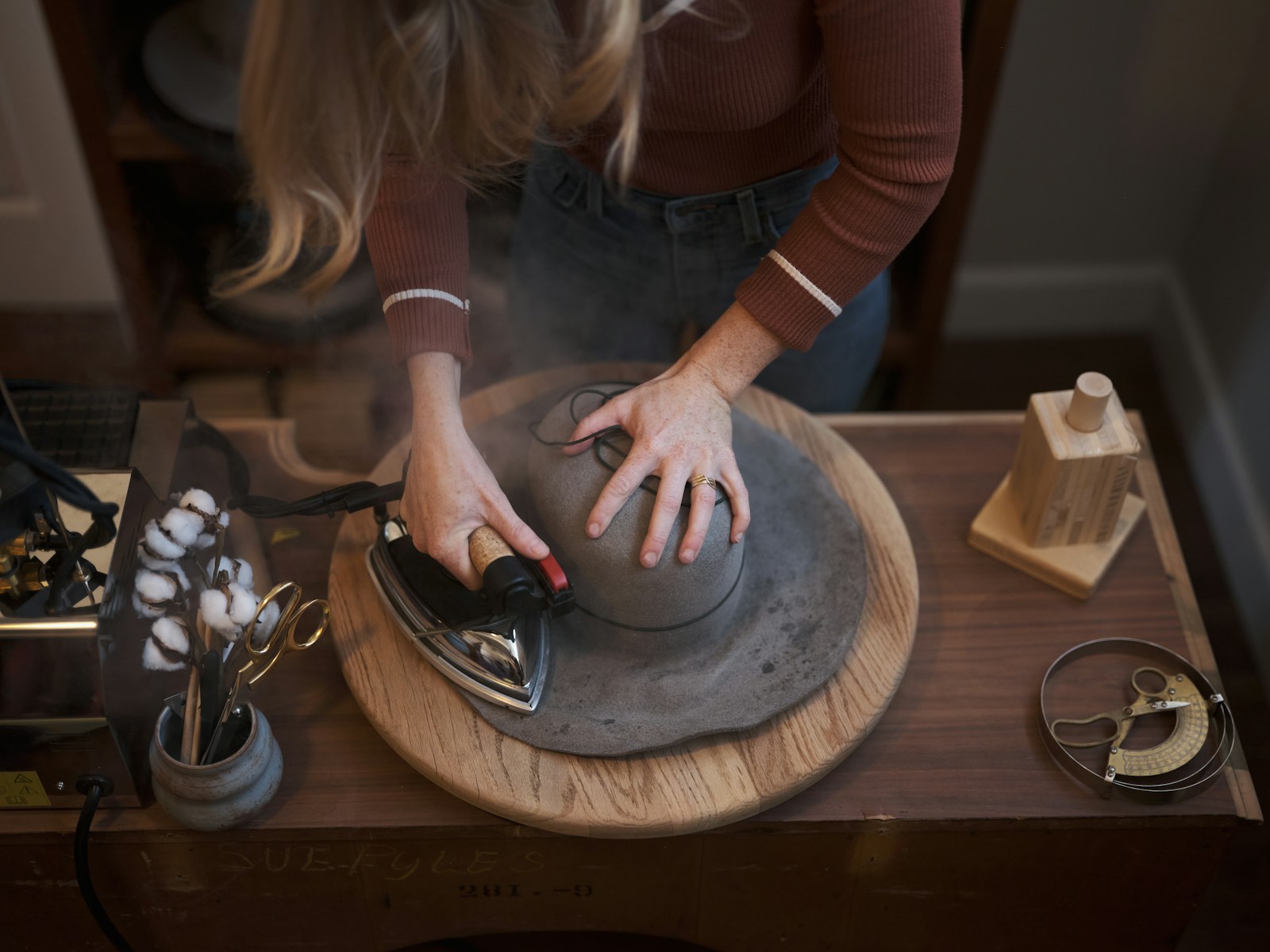
The tools of their trade were something to behold – specialized wooden blocks shaped like heads (though I reckon some looked more like oddly-shaped melons), copper kettles for steaming that would make any moonshiner jealous, and measuring tapes that had been blessed with more use than a preacher’s Bible. Most interesting was their creative use of natural stiffeners, mixing flour paste with natural gums to create a concoction that could withstand both Sunday sermons and sudden cloudbursts.
- Hat blocks in various sizes
- Steam kettles and pressing irons
- Natural stiffeners and sizing solutions
- Wool processing equipment
- Specialized scissors and needles
The most prized possession in any Adventist milliner’s workshop was their collection of craft skills passed down through generations, written in worn notebooks with margins full of annotations about which materials worked best for winter wear and which were suitable for summer use. They’d experiment with different combinations of materials, much like a chef trying to perfect a beloved recipe, until they found just the right mixture that would meet their strict standards of both modesty and durability.
Early hat making traditions and beliefs
In those reflective moments between sunrise and the day’s first prayer, Adventist hat makers would contemplate the divine significance of their craft. Their beliefs, as recorded in the journals of Sarah K. Andrews (1856), held that the very act of creating headwear was a form of worship, a meditation on modesty and purpose. The careful selection of materials and precise movements of their hands were thought to echo the Creator’s own attention to detail in crafting the natural world.
These early artisans wove their spiritual convictions into every stitch, believing that practical clothing served both earthly and heavenly purposes. They would often gather in small groups, sharing not just techniques but testimonies of how their craft brought them closer to their understanding of divine order. The preservation of these traditions became particularly important during the Great Awakening movement of the 1840s, when many communities sought to distinguish themselves through their deliberate approach to dress and appearance.
Manuscript records from the period, particularly those found in the Coleman Collection of Adventist Artifacts, reveal that hat-making ceremonies often began with prayer and scripture reading. The makers believed that certain shapes and styles could enhance one’s ability to receive spiritual inspiration, leading to the development of distinctive designs that would become hallmarks of Adventist craft skills. Each hat was viewed as a personal testimony, its creation accompanied by hymns and quiet contemplation.
Among the most fascinating traditions was the practice of “first fruits” – where the initial hat of each season was dedicated to the church, a custom documented in Martha Whitmore’s 1862 diary. This practice reinforced the community’s commitment to sharing their talents and resources, while ensuring that even the poorest members had access to quality headwear for worship services.
Manufacturing techniques and processes
In the dimly lit workshops where steam rose like morning prayers, the transformation of raw materials into refined headwear followed a methodical dance of hands and tools. The milliners would begin their craft skills exhibition by soaking the wool in warm water, letting it absorb the moisture until it became pliable as morning dew. Their fingers, knowing the texture by heart, would carefully felt the fibers together, working in circular motions that seemed to mirror the passing of seasons.
The blocking process emerged as a delicate ritual, where dampened materials were stretched over wooden forms with such precision that one might imagine the hands were guided by divine inspiration. Steam would rise from copper kettles, enveloping the workspace in a mysterious fog as the makers pressed and shaped their creations. They developed a unique technique of double-blocking, particularly for winter wear, which involved creating two layers of felt, one for warmth and one for structure.
Stiffening solutions were applied with painterly strokes, each maker holding secret recipes passed through generations. Some preferred potato starch mixed with gum arabic, while others swore by a mixture of shellac and alcohol, each variation producing distinct results in the final product. The drying process required patience – hats would rest on specialized racks, sometimes for days, as makers monitored the humidity and temperature with the attention of devoted guardians.
Trimming and finishing emerged as the most intricate phase, where simple bands were carefully measured and attached, their placement marking the difference between everyday wear and Sunday best. The makers developed a distinctive technique of hidden stitching, where threads disappeared beneath the surface like whispered prayers, leaving no trace of human intervention. Each hat underwent a final blocking and pressing, where hot irons glided over surfaces with the gentleness of morning light touching new-fallen snow.
These artisans pioneered a revolutionary ventilation system, incorporating nearly invisible eyelets into the crown’s design, ensuring comfort during long worship services. Their innovative approach to clothing production meant that each hat served both practical and spiritual purposes, with every stitch and fold bearing witness to their dedication to excellence.
Distribution within adventist communities
The distribution network for Adventist millinery operated like a well-oiled machine, running through the veins of their close-knit communities. Hat makers would load their precious cargo into horse-drawn wagons, carefully wrapped in muslin cloth, and make their way from settlement to settlement. The craft skills of individual makers became their calling cards, with certain communities known far and wide for their particular styles and techniques.
Trading posts established at key meeting points served as hubs where makers could exchange not just their wares but also their knowledge. These gatherings, documented in the letters of Elizabeth Harmon (1867), became impromptu marketplaces where practical clothing met spiritual fellowship. Families would travel for days just to acquire hats from makers whose reputation had spread through word of mouth.
A fascinating system of bartering emerged, where hats were exchanged for other necessities. Records from the Bailey Settlement show that one particularly fine winter bonnet could be traded for enough preserved food to last a family through the lean months. The makers developed a standardized pricing system based on complexity and materials used, ensuring fair trade across different communities.
The distribution of winter wear followed seasonal patterns, with makers timing their production to meet the needs of different regions. Northern communities would receive their cold-weather stock by late summer, while southern settlements maintained a steady supply of lighter designs. This careful planning, recorded in the ledgers of the Thomson Family Workshop (1872), showed remarkable foresight in clothing production and distribution.
Community leaders played a crucial role in coordinating these distribution efforts, maintaining detailed records of which families needed what styles and sizes. They ensured that even those who couldn’t afford to pay received proper headwear, implementing a system where wealthier members would anonymously sponsor hats for others, fostering a spirit of mutual care and support.
Impact on adventist fashion and culture
The artistry of hat making profoundly shaped Adventist identity, creating a unique visual language that spoke of both faith and function. These distinctive headpieces became powerful symbols of community values, with their clean lines and practical designs reflecting deeper spiritual principles of modesty and purposeful living. The practical clothing movement, particularly in millinery, established a recognizable Adventist aesthetic that influenced broader fashion choices within the community.
Women’s bonnets, with their carefully considered dimensions, became silent testimonies to the wearer’s devotion, while men’s hats reflected dignity without ostentation. The craft skills employed in their creation set standards for other garments, leading to a cohesive style that distinguished Adventist gatherings. This influence extended beyond headwear to inform choices in dress making, establishing guidelines for appropriate hem lengths, sleeve designs, and color selections.
The millinery traditions fostered a unique approach to winter wear, where functionality merged seamlessly with religious identity. These hats became more than mere fashion statements; they emerged as cultural artifacts that helped define and maintain community boundaries while allowing for individual expression within accepted parameters.
The impact resonated through generations, establishing a heritage of thoughtful design that prioritized both spiritual values and practical needs. This legacy continues to influence modern Adventist approaches to dress and adornment, maintaining a delicate balance between tradition and contemporary sensibilities. The careful attention to clothing production methods developed during this period set enduring standards for quality and intentionality in Adventist dress.
Beside our live streamed church services, all are welcome to attend our church in person each Saturday beginning 10:00 AM Central Time by going to 2425 Owens Rd., Ashland, AL 36251. There is no cost and any donations are strictly voluntary.
For questions, call +2563547124.