Come join Ashland Sabbath Chapel Ministries each Saturday for live streamed church services. Bible Study begins at 10:00 AM Central Time and Sermon at 11:00 AM. Visit Our YouTube channel and watch from home!
In the serene dwellings of early Adventist households, one could not help but notice the distinct amalgamation of simple furniture that drew inspiration from both rural American craftsmanship and European Protestant aesthetics. The predominant style favored clean lines and unadorned surfaces, reflecting a conscious departure from the ornate Victorian excesses that dominated the era. Oak, maple, and pine pieces, often featuring straightforward construction methods, graced these homes with their unpretentious beauty.
The influence of Shaker design principles was particularly evident, though interpreted through an Adventist lens that emphasized functionality over the complete austere nature of Shaker traditions. Chairs typically featured ladder backs or simple spindles, while tables maintained sturdy proportions with minimal embellishment. Storage solutions, from blanket chests to cupboards, embodied practical design, incorporating efficient compartments for daily necessities.
Notable elements included:
- Mission-style furniture, which gained popularity among Adventist households in the late 19th century
- Handcrafted rocking chairs, essential for family gatherings and personal devotion
- Multi-purpose pieces that could serve both as storage and seating
- Plain wooden beds with simple headboards, often accompanied by modest quilts
The aesthetic sensibilities were further shaped by the community’s emphasis on stewarding resources wisely, resulting in furniture that was built to last generations while maintaining its understated elegance. This approach to furnishing created spaces that were both inviting and intentional, serving as quiet testimonies to the values of simplicity and mindful living.
Domestic craftsmanship and production
The creation of furniture within early Adventist communities emerged as a vital domestic industry, with skilled craftsmen passing their knowledge through generations. These artisans operated small workshops, often attached to their homes, where they produced simple furniture using traditional woodworking techniques. The production methods emphasized mortise-and-tenon joinery, dovetail construction, and other time-tested techniques that ensured durability.
Local timber sourcing played a crucial role in furniture production, with craftsmen carefully selecting and seasoning wood from nearby forests. Maple, cherry, and pine were particularly favored for their availability and working properties. The manufacturing process typically involved entire families, with younger members learning through apprenticeship, creating a sustainable cycle of craftsmanship that supported community self-sufficiency.
Production techniques commonly employed included:
- Hand-planing surfaces to achieve smooth finishes
- Traditional wood joinery methods requiring minimal metal fasteners
- Natural finishing techniques using linseed oil and beeswax
- Pattern-based design systems for consistent furniture production
Women contributed significantly to the furniture-making process through upholstery work, creating cushions and covers using locally sourced materials. They often incorporated functional spaces into their designs, developing innovative storage solutions that maximized the utility of each piece while maintaining aesthetic harmony. This collaborative approach to furniture production fostered a distinct style that balanced craftsmanship with practicality.
The exchange of furniture-making knowledge occurred through informal networks within the Adventist community, with traveling craftsmen sharing regional variations in design and technique. This circulation of expertise led to the development of standardized construction methods while allowing for local adaptations that reflected specific community needs and available resources.
Religious symbolism in decor
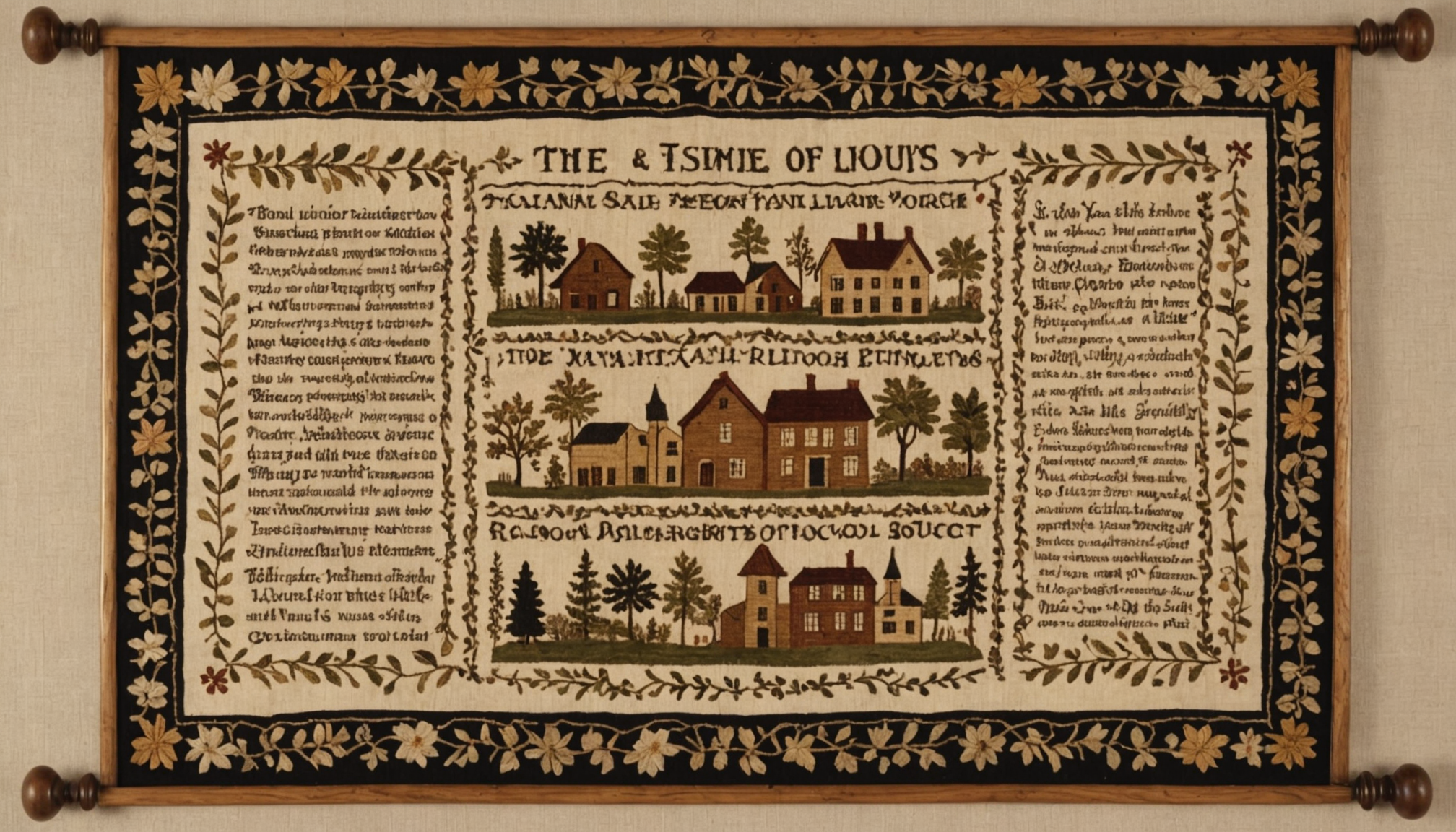
The devotional nature of early Adventist homes manifested through carefully chosen symbols and decorative elements that spoke of their faith without ostentation. Biblical verses, rendered in modest decor, adorned walls through simple frames or hand-stitched samplers. These scriptural reminders served as daily anchors, drawing the eye and heart toward spiritual contemplation.
Windows often featured plain muslin curtains that filtered sunlight into gentle patterns, creating an atmosphere conducive to prayer and reflection. The placement of furniture deliberately created functional spaces for family worship, with chairs arranged to facilitate group Bible study and prayer meetings. A sturdy table, positioned prominently, typically held the family Bible and Sabbath literature.
Symbolic elements found in these homes included:
- Crosses crafted from native woods, emphasizing simplicity over ornate designs
- Hand-painted scripture cards placed strategically throughout living spaces
- Woven wall hangings depicting biblical scenes in muted colors
- Simple oil lamps, representing spiritual light and readiness
Natural elements played a significant role in the decorative scheme, with dried flowers and preserved branches serving as reminders of God’s creation. The deliberate absence of mirrors in many rooms reflected the community’s focus on inner spiritual beauty rather than outward appearance. Seasonal changes in decor aligned with religious celebrations, though these alterations remained subtle and purposeful.
Color choices favored earth tones and natural hues, creating an environment that encouraged peaceful reflection while maintaining the principle of simple furniture arrangements. The overall effect produced spaces that were both spiritually nurturing and visually restful, supporting the community’s commitment to mindful living and faithful stewardship.
Practicality and simplicity principles
Daily life in early Adventist homes revolved around a deeply ingrained philosophy of practical design that shaped every aspect of their living spaces. Furniture arrangements prioritized efficiency and purpose, with each piece serving multiple functions to maximize the utility of modest living quarters. A dining table might double as a workstation during weekdays, while bench seating incorporated storage compartments beneath for linens and religious texts.
The community’s approach to home organization reflected their spiritual values, emphasizing orderliness without excess. Storage solutions were ingeniously simple – open shelving units displayed everyday items, while built-in cabinets tucked away seasonal belongings. Hooks and pegs, mounted at practical heights, kept commonly used items readily accessible while maintaining clear floor spaces for ease of movement and cleaning.
Key organizational principles included:
- Multi-purpose furniture arrangements that adapted to different daily activities
- Designated spaces for work, worship, and rest with minimal overlap
- Strategic placement of storage solutions to maintain uncluttered living areas
- Seasonal rotation systems for clothing and household items
The concept of simple furniture extended beyond mere aesthetics to embrace durability and ease of maintenance. Pieces were designed to be easily cleaned and repaired, with removable components that could be replaced when worn. This practical approach to furnishing reflected their belief that time and resources should be devoted to spiritual growth rather than constant household maintenance.
Every aspect of room layout served a clear purpose, with furniture positioned to facilitate natural movement patterns and daily routines. Windows remained unobstructed to maximize natural light, while seating arrangements promoted family interaction and community gathering. This thoughtful organization created spaces that were both functional and conducive to their lifestyle of mindful simplicity.
Preservation of early adventist furnishings
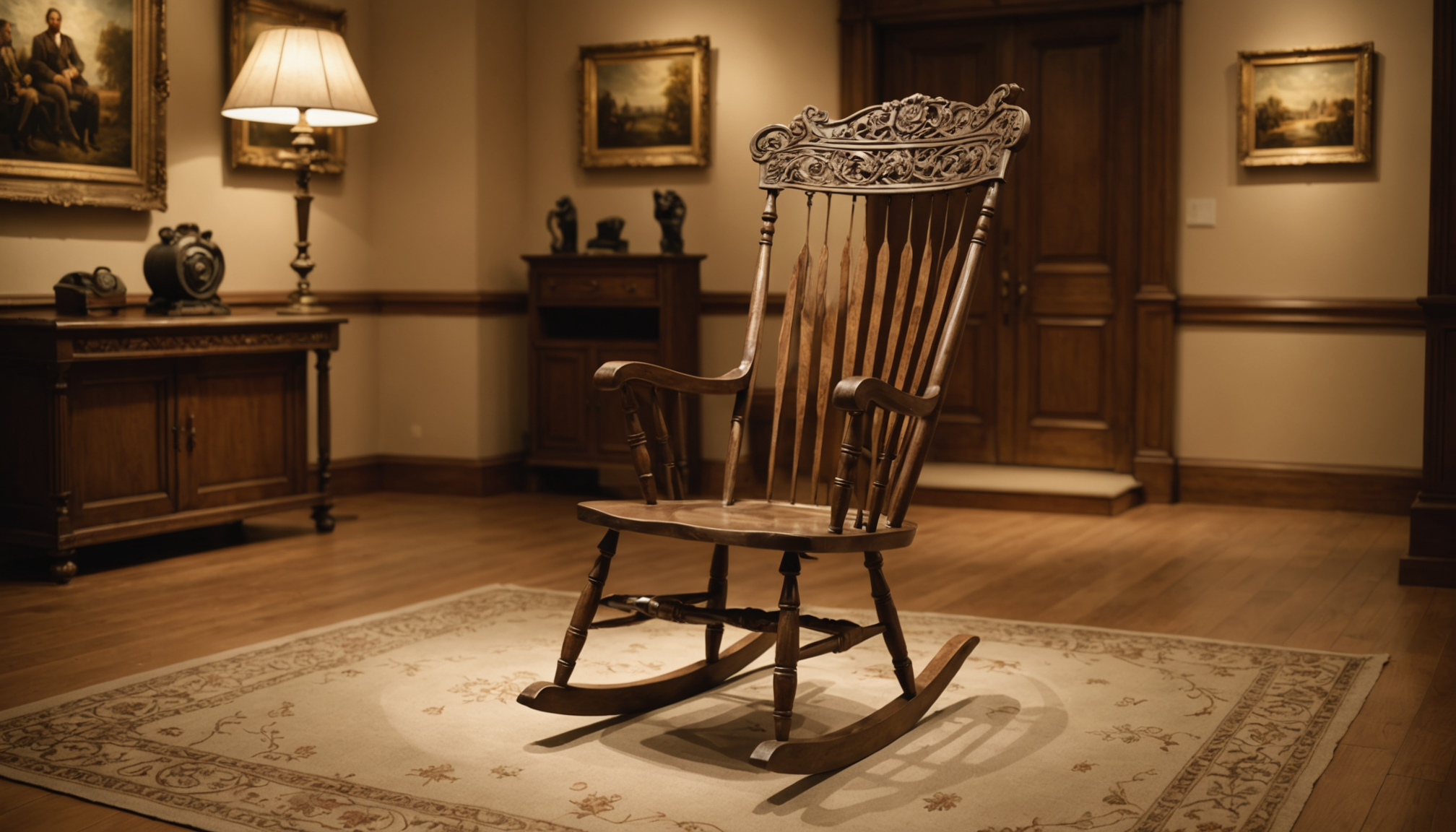 The preservation of these historical furnishings presents both challenges and opportunities for contemporary collectors and institutions. Dedicated conservation efforts focus on maintaining original finishes, repairing structural elements, and documenting construction techniques. Many pieces exhibit remarkable durability due to their practical design, though environmental factors and regular use have inevitably left their mark.
Collections of early Adventist furniture can be found in denominational museums, historical societies, and private collections. Careful documentation includes detailed photographs, construction notes, and oral histories from families who inherited these pieces. Some institutions have developed specialized restoration workshops where traditional techniques are employed to preserve these artifacts while maintaining their historical integrity.
Notable preservation initiatives include:
- Climate-controlled storage facilities for vulnerable wooden pieces
- Digital cataloging systems documenting provenance and condition
- Training programs for specialized furniture conservators
- Community education projects about historical furniture care
Modern conservation methods balance preservation needs with the original spirit of simple furniture, avoiding over-restoration that might compromise historical authenticity. Experts employ period-appropriate materials and techniques when repairs are necessary, ensuring interventions remain faithful to original craftsmanship methods.
Research continues to reveal new insights about construction methods and material choices, helping inform contemporary preservation strategies. These efforts ensure that future generations can study and appreciate the tangible heritage of early Adventist domestic life, understanding how these pieces reflect the community’s values and practices. Ashland Sabbath Chapel
Beside our live streamed church services, all are welcome to attend our church in person each Saturday beginning 10:00 AM Central Time by going to 2425 Owens Rd., Ashland, AL 36251. There is no cost and any donations are strictly voluntary.
For questions, call +2563547124.