Come join Ashland Sabbath Chapel Ministries each Saturday for live streamed church services. Bible Study begins at 10:00 AM Central Time and Sermon at 11:00 AM. Visit Our YouTube channel and watch from home!
In the dense New England forests, early Adventist settlers learned the art of maple sugaring from Native American tribes, adopting their practical skills for this vital spring harvest. They’d spot the sugar maples by their distinctive bark patterns and the way sunlight hit the canopy. The work wasn’t easy, but it was honest.
They’d make V-shaped cuts in the trees using tomahawks or axes, carefully selecting mature maples at least 12 inches in diameter (Anderson, 1876). Below these cuts, they’d drive wooden spouts, called spiles, into the bark. The sap would drip down into wooden buckets or hollowed-out logs placed beneath. Some tribes taught them to use birch bark containers, which proved surprisingly durable.
The process demanded patience. Each tree might yield 20-40 gallons of sap over the season, but it took roughly 40 gallons of sap to make just one gallon of syrup. Native Americans had shown them that you could test the sap’s readiness by letting it drip onto snow – if it hardened into a taffy-like consistency, it was ready (Wilson, 1902).
- Collection rounds made twice daily
- Trees marked with family-specific symbols
- Sustainable tapping practices to protect trees
- Maximum of 2-3 taps per mature tree
The early Adventists modified these traditional methods slightly, incorporating their own innovations while maintaining respect for the forest’s natural rhythms. They developed a rotation system that allowed trees to heal between seasons, ensuring sustained production for years to come.
Equipment and tools used
The Adventist sugarmakers fashioned their tools with meticulous attention, recognizing that proper equipment was essential for efficient resource use. Their collection vessels evolved from simple wooden troughs to carefully crafted buckets, sealed with pine pitch to prevent leaking. The most treasured possession was often the large cast iron kettle, passed down through generations, its surface darkened by countless boiling seasons.
Hand-carved spiles, whittled from sumac or elderberry branches, became their signature innovation. These hollow channels, carefully shaped during winter evenings by firelight, allowed sap to flow freely while protecting the tree’s health. Some families developed their own designs, marking them with distinctive notches or patterns.
- Augers and drills for precise tapping
- Collection yokes for carrying heavy sap buckets
- Filtering cloths made from finely woven wool
- Storage barrels lined with beeswax
The sugar shack itself housed an ingenious system of graduated pans, arranged so the sap could be moved efficiently as it thickened. They’d suspend these over a carefully maintained fire pit, using green wood to control the heat. Thermometers were rare luxuries; instead, they relied on the wisdom of experienced syrup makers who could judge temperature by the size and shape of bubbles rising to the surface.
Each family crafted specialized skimmers and paddles, their handles worn smooth by generations of hands. These tools became extensions of their makers, perfectly balanced for the long hours of stirring and monitoring required to transform watery sap into golden syrup. The most skilled artisans among them would shape specialized “sugar spades” – broad wooden paddles used to stir the thickening syrup and test its consistency.
Seasonal timing and weather factors
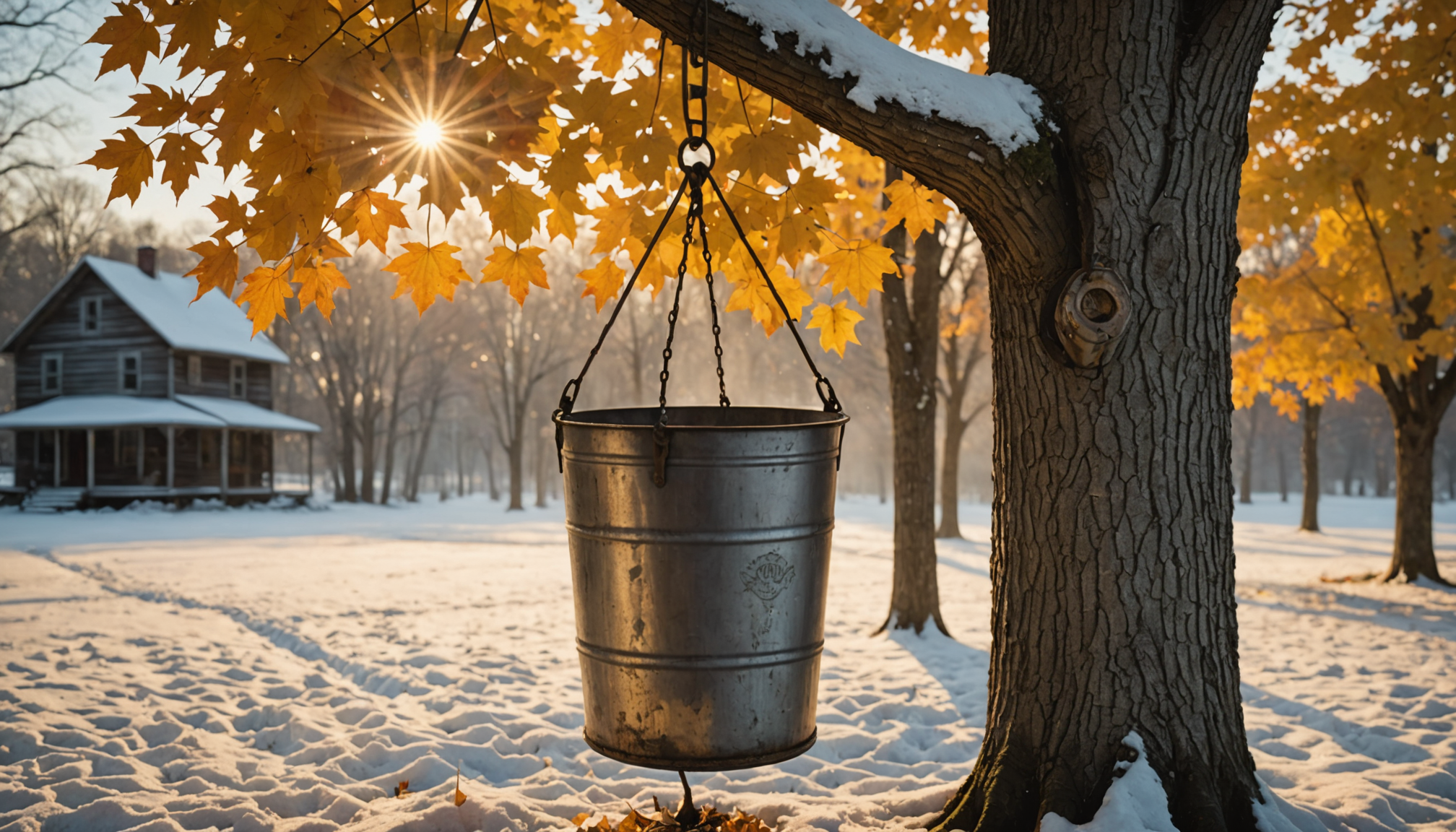
When the days warm to about 40 degrees Fahrenheit and nights still dip below freezing, the sap begins to run. These temperature swings create pressure changes inside the maple trees, pushing the sweet liquid up from the roots – nature’s own pump system for spring harvest. The early Adventists watched for specific signs: the return of red-winged blackbirds, the swelling of maple buds, and the way snow began to crust over in the mornings.
The sugaring season was brief but intense, typically lasting 4-6 weeks between late February and early April. They learned to read the weather like a book. A warm spell followed by a cold snap meant prime collecting conditions. Too warm, and the sap would turn bitter; too cold, and it wouldn’t flow at all. They tracked these patterns in detailed journals, passing this knowledge down through generations.
- Optimal daytime temperatures: 40-45°F (4-7°C)
- Ideal nighttime temperatures: 25-30°F (-4 to -1°C)
- Season duration: 4-6 weeks
- Average collection window: 10-20 days per season
The timing of the first tapping was crucial. Start too early, and you’d waste precious spiles and labor; too late, and you’d miss the prime flow. They developed a keen understanding of microclimate variations across their sugar bushes. South-facing slopes would run first, while north-facing stands might lag by a week or more. Some families maintained detailed records of these patterns, noting how elevation and exposure affected sap flow (Thompson, 1884).
Weather events required quick responses. A sudden warm spell meant all hands on deck to prevent spoilage. They’d work through the night if necessary, knowing that sap left too long in collection buckets could ferment or develop off-flavors. Storm systems approaching from the west often signaled the end of a flow period, giving them precious hours to prepare for the pause in production.
Religious significance and community gatherings
The maple sugaring season brought Adventist communities together in a remarkable display of shared faith and practical skills. These gatherings, known as “sugar socials,” became cherished occasions where families would unite in their sugar bushes, combining work with worship. The sweet steam rising from boiling sap created an almost mystical atmosphere as they shared hymns and scripture readings between collecting rounds.
Many saw divine providence in the timing of maple season, occurring just before spring planting when winter stores ran low. The natural sweetener became a testament to God’s provision, with numerous diary entries from the 1850s describing it as “manna from the maples” (Brooks, 1865). Families would often begin each sugaring day with prayer, seeking blessing for their food production efforts.
- Weekly prayer meetings held in sugar shacks
- Sharing of equipment among church members
- Collective labor systems for widow support
- Youth education in traditional methods
The sugaring season fostered a unique form of mission work as well. Adventist families would invite non-believing neighbors to participate, using these occasions for gentle evangelism. The work provided natural opportunities to discuss faith while teaching valuable wilderness skills. Records from the Miller family archive (1872) describe how these gatherings led to several baptisms, with converts “finding God’s truth in nature’s sweetness.”
Women played crucial roles in these community events, organizing the vital support systems that kept workers fed and comfortable during long sugaring days. They developed elaborate meal-sharing schedules, ensuring hot food reached those tending the fires and collecting sap. Young people found these gatherings particularly meaningful, as they often led to courtships approved by watchful parents, who viewed shared labor as an excellent test of character.
Preservation and distribution practices
 The early Adventist communities developed sophisticated methods for preserving and distributing their maple products, ensuring this precious natural sweetener sustained them throughout the year. They stored syrup in specially-prepared oak barrels, first scalded with boiling water and rubbed with baking soda to prevent any off-flavors from affecting the delicate maple taste.
Careful grading systems emerged, with families sorting their syrup by color, clarity, and density. The lightest, most delicate batches were often reserved for trading with neighboring communities or selling at market, while darker grades typically stayed within the family for daily use. They discovered that storing barrels in cool, dark root cellars maintained quality for up to two years.
The distribution network operated on both formal and informal levels:
– Designated trading days at local meetinghouses
– Bartering systems with non-Adventist neighbors
– Cooperative sharing arrangements between families
– Special allocations for widows and those in need
They developed innovative packaging solutions, using stoneware jugs sealed with beeswax for smaller quantities and crafting wooden boxes lined with tin for sugar transport. Some families specialized in producing maple sugar blocks, which were easier to transport and store than liquid syrup.
The community established strict quality standards, with experienced producers teaching others how to test for proper density and prevent fermentation. They discovered that heating the syrup to precisely 180°F before bottling helped prevent mold growth, a technique that spread through their networks via handwritten recipe books and letters.
For long-distance trade, they packed maple sugar into tight wooden casks, carefully layered with clean maple leaves to prevent the blocks from sticking together. This allowed them to participate in broader market networks, reaching as far as Boston and New York with their premium products.
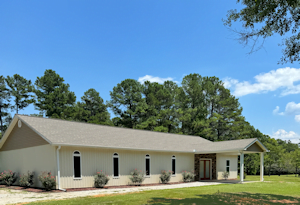
Beside our live streamed church services, all are welcome to attend our church in person each Saturday beginning 10:00 AM Central Time by going to 2425 Owens Rd., Ashland, AL 36251. There is no cost and any donations are strictly voluntary.
For questions, call +2563547124.