Come join Ashland Sabbath Chapel Ministries each Saturday for live streamed church services. Bible Study begins at 10:00 AM Central Time and Sermon at 11:00 AM. Visit Our YouTube channel and watch from home!
In the nascent days of the textile work, pioneer Adventists demonstrated remarkable ingenuity in their approach to dye creation. The faithful practitioners would rise before dawn to gather walnut hulls, crushing them meticulously to extract the rich brown pigments that would later adorn their garments. These early settlers, particularly in the period between 1840 and 1860, developed a sophisticated understanding of botanical properties, often combining multiple plant sources to achieve desired hues.
The process typically began with the preparation of mordants, primarily derived from wood ash lye and rusty nails, which ensured the permanence of colors upon fabric. Their methods, though time-consuming, proved remarkably effective, with some garments retaining their vibrancy for decades. The most commonly employed substances included pokeberries for purple, madder root for red, and indigo plants for blue, all carefully cultivated in dedicated dye gardens adjacent to their settlements.
Documentation from the period reveals a systematic approach to material enhancement, with detailed records kept of successful combinations and techniques. These early artisans developed a calendar-based gathering system, recognizing that plants harvested during specific lunar phases yielded superior color saturation. Their methodical experimentation led to the establishment of reliable procedures that would later influence broader American textile practices.
- Bark from oak trees produced reliable brown shades
- Goldenrod flowers yielded vibrant yellows
- Elderberries provided rich purple hues
- Bloodroot created distinctive orange-red tones
The preservation of these dyes required careful attention to storage conditions, with most communities maintaining dedicated cool, dark spaces for their precious pigments. The knowledge was transmitted through detailed written instructions and practical demonstrations, ensuring the continuation of these valuable skills through generations of Adventist communities.
Natural ingredients and materials
The backbone of pioneer Adventist dye making lay in their masterful selection of natural colors from the American landscape. Each ingredient underwent careful evaluation for its color-fastness, availability, and spiritual significance. Bark strips from white oak trees, gathered during the spring sap rise, yielded deep tannins essential for mordant preparation. The faithful collectors maintained detailed records of where each plant grew, marking locations on hand-drawn maps for future harvesting expeditions.
For textile work, they relied heavily on locally abundant materials. Sumac berries provided deep reds, while butterfly weed roots offered vibrant oranges. The practical crafts demanded specific ratios of materials – three parts pokeweed berries to one part salt for achieving the richest purples. Mineral elements played crucial roles too, with iron sulfate from blacksmith shops serving as a color modifier and fixing agent.
- Maple bark produced soft browns and grays
- Chicory roots yielded subtle blues
- Queen Anne’s Lace flowers created pale yellows
- Dock roots provided earthy oranges
In their material enhancement pursuits, these artisans developed preservation techniques for each ingredient. Roots were cleaned, dried, and stored in cedar boxes. Berries underwent careful fermentation in earthenware crocks. Leaves required quick processing or careful drying to maintain their dyeing potential. The most valued materials, like indigo and madder, received special treatment, often stored in oiled cloth to protect against moisture and light damage.
The clothing preparation process incorporated these natural materials through systematic application. Each dye source underwent testing on small fabric samples before large-scale use. Communities maintained detailed journals recording which combinations produced the most reliable results, noting seasonal variations in plant potency and optimal harvesting times. This methodical approach ensured consistent color results and minimal waste of precious materials.
Manufacturing techniques and tools
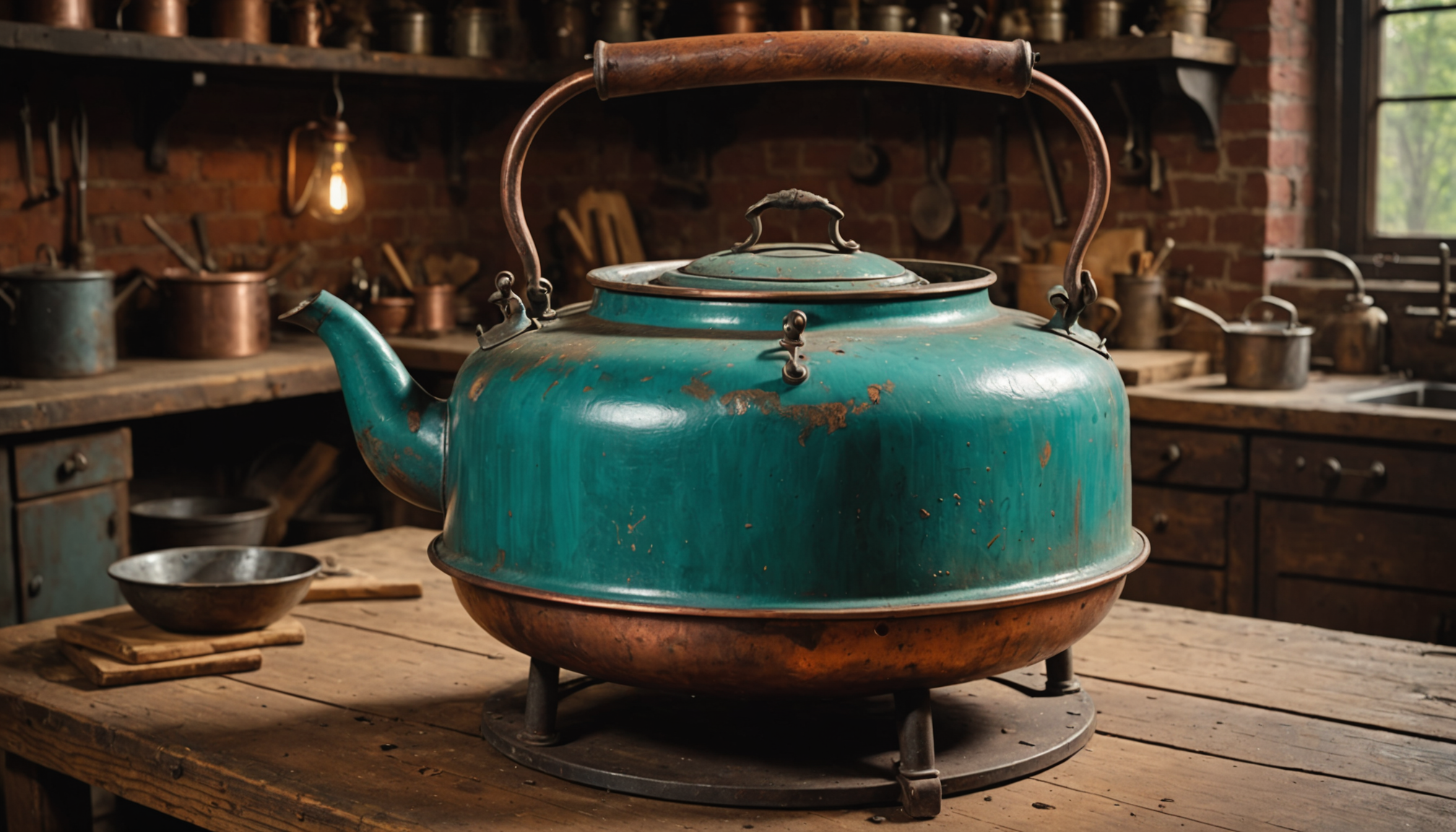
The pioneer Adventist artisans developed an intricate system of tools and equipment specifically designed for their textile work. Large copper kettles, carefully maintained to prevent verdigris, served as the primary vessels for dye preparation. These kettles, often passed down through generations, developed unique patinas that practitioners believed enhanced certain color variations. Alongside stood an array of wooden paddles, each carved from different species of wood – maple for stirring light shades, walnut for darker hues – their surfaces worn smooth from countless hours of gentle agitation.
Material enhancement required specialized implements: stone mortars and pestles for grinding dried materials, ceramic sieves of varying mesh sizes for straining, and carefully calibrated scales fashioned from local hardwoods. The most essential tool was the dyeing frame, an ingenious device constructed of white oak beams that allowed fabric to be suspended in the dye bath while maintaining even tension. These frames featured adjustable pegs that accommodated different fabric widths and prevented unwanted folding during the dyeing process.
- Copper kettles ranging from 5 to 30 gallons
- Hand-carved wooden stirring implements
- Limestone-based grinding stones
- Woven horsehair sieves
- Oak-frame drying racks
For practical crafts involving delicate materials, artisans employed special tools crafted from bone and smooth river stones. These implements allowed for gentle manipulation of fibers without causing damage. Temperature control, crucial for successful dyeing, was achieved through a system of pot chains with adjustable heights over the fire pit, while specialized thermometers made from glass tubes filled with alcohol provided precise readings. The most skilled practitioners could judge temperatures by sound alone – the specific bubbling patterns of different dye solutions revealing their readiness for fabric immersion.
The finishing process utilized tools designed for specific purposes: wooden mallets wrapped in wool for softening dried fabric, bone scrapers for achieving an even nap, and specialized stretching frames that prevented shrinkage while drying. These implements, though simple in appearance, represented generations of refinement in their design and application, each modification improving the quality of the final product.
Early adventist textile coloring
Textile work among early Adventist communities reflected a deep commitment to simplicity and resourcefulness, manifesting in their distinctive approach to fabric coloring. Between 1850 and 1875, these communities established specialized dyeing houses where women gathered to perform the sacred task of transforming plain cloth into colorful garments. The process began with careful preparation of the fabric through multiple washings in pure spring water, often enhanced with herb-infused soaps crafted from home-rendered tallow.
Their unique methodology incorporated spiritual elements into practical crafts, with specific prayers offered during each stage of the dyeing process. The faithful artisans maintained that certain colors held particular significance – deep blues represented heavenly contemplation, while earthy browns symbolized humility. They developed specialized techniques for achieving these meaningful hues, often combining multiple dye baths to create complex, layered colors that would endure through years of wear.
Material enhancement followed strict protocols, with fabric preparation occurring only during specific phases of the lunar cycle. The communities believed that cloth prepared during the waxing moon would better receive and hold dyes. Careful records from the period indicate that they tested each batch of dyed fabric for colorfastness by exposing samples to sunlight and washing them repeatedly. These tests often lasted several weeks before a dye formula was approved for community use.
- Morning hours were reserved for light color application
- Afternoon sessions focused on darker shades
- Moonlit evenings saw the preparation of special ceremonial textiles
- Seasonal colors were created according to agricultural calendars
The clothing preparation process integrated both practical and spiritual elements. Women worked in pairs, one maintaining the dye bath temperature while the other carefully manipulated the fabric. They developed specific movements for immersing cloth, believing that the rhythm of their work influenced the final color. These techniques, passed down through generations, created distinctive patterns and hues that became hallmarks of Adventist-made textiles throughout the eastern United States.
Distribution and economic impact

The distribution of pioneer Adventist dyes created significant economic ripples throughout nineteenth-century American communities. Their natural colors gained recognition beyond religious circles, with secular merchants traveling considerable distances to acquire these sought-after products. A robust trading network emerged, connecting Adventist settlements from Maine to Pennsylvania, where specialized dye formulas were exchanged alongside spiritual teachings.
The textile work developed into a substantial source of income for many communities, with some settlements earning up to 30% of their annual revenue through dye sales. Detailed ledgers from the 1860s reveal that certain colors commanded premium prices – particularly their distinctive indigo blue and rich madder red. Trading posts specifically dedicated to Adventist dyes appeared in major towns, serving as distribution hubs for both raw materials and finished products.
- Quarter-yearly markets drew traders from neighboring states
- Specialized shipping containers preserved dye quality during transport
- Exchange networks facilitated material sharing between communities
- Price standardization systems emerged by 1870
The practical crafts segment expanded as demand grew, leading to the establishment of dedicated dye-making apprenticeships. Communities developed sophisticated inventory management systems, carefully tracking both raw materials and finished products. Material enhancement techniques became valuable trade secrets, with certain communities gaining reputations for specific color specialties.
The clothing preparation market expanded beyond religious boundaries, with secular textile manufacturers seeking to replicate the Adventists’ color-fast techniques. By 1880, some communities had established mail-order systems, shipping their dyes to customers across the country. This economic success enabled many settlements to fund their missionary work and expand their educational programs, creating a sustainable model of commerce aligned with their spiritual values.
Beside our live streamed church services, all are welcome to attend our church in person each Saturday beginning 10:00 AM Central Time by going to 2425 Owens Rd., Ashland, AL 36251. There is no cost and any donations are strictly voluntary.
For questions, call +2563547124.