
Come join Ashland Sabbath Chapel Ministries each Saturday for live streamed church services. Bible Study begins at 10:00 AM Central Time and Sermon at 11:00 AM. Visit Our YouTube channel and watch from home!
Pioneering gardeners embraced the land with a spirit of innovation. They understood the interplay between nature and cultivation. Their methods laid the groundwork for modern practices that focus on soil health and resilient crops. These early cultivators experimented with organic methods, relying on the resources nature provided instead of synthetic chemicals. They recognized that nurturing the soil was essential for fruitful harvests.
Garden planning was central to their success. They carefully selected sites for their gardens, ensuring adequate sunlight and sufficient drainage. Crop rotation became a hallmark of their practice, as it prevented soil depletion and disrupted pest cycles. They planted a variety of crops together, creating a polyculture system that enhanced biodiversity and reduced vulnerability to disease.
Strong community ties helped these gardeners share knowledge and resources. They would often organize gatherings where experiences could be exchanged. Those with a bountiful harvest provided seeds to those who struggled, fostering a resilient network of food production. They embraced the idea that sharing not only strengthened community bonds but enhanced overall agricultural success.
Water management was another critical aspect of their practices. They used simple irrigation techniques, such as furrows or trenches, to direct water precisely where it was needed. This not only conserved water but also maximized plant growth, contributing to greater yields.
Understanding the importance of local conditions, these pioneers also experimented with different crops tailored to their environment. They cultivated vegetables that thrived in specific climates, allowing them to maintain a year-round supply of fresh produce. This practical approach to gardening provided sustenance and built self-reliance among early settlers.
Through their dedication to sustainable practices and community collaboration, pioneer gardeners forged a path that still influences agricultural methods today. Their legacy continues to inspire those who seek to grow food responsibly and harmoniously with the natural world.
Crops and cultivation methods
The methods of cultivation employed by these early pioneers were as varied as the landscapes they inhabited. Each gardener, guided by personal experience and environmental conditions, selected crops that were not merely pleasing to the eye but laden with sustenance. Their earnest dedication to understanding the characteristics of different plants allowed them to develop a most commendable repertoire of vegetable growing techniques, whereby they could cater to the nutritional needs of their families and communities.
These cultivators often favoured heirloom varieties, exhibiting a preference for resilience and taste over appearance. Such crops, steeped in history, were ideally suited for their surroundings and were celebrated for their hardiness and flavour. For instance, the delightful scarlet runner bean flourished in the cool soil and served as both sustenance and decoration, their vivid blossoms capturing the admiration of passersby. In contrast, the much-loved heirloom tomatoes were nurtured with care, thriving under the warm sun of early summer and offering a bounteous harvest that became a staple in household meals.
The art of garden planning was pivotal, particularly as these settlers sought to maximize their yields within the confines of small plots. They employed the practice of companion planting, wherein crops were interspersed to promote growth and deter pests. For example, the sage and cabbage, when planted in close proximity, benefitted from one another, as the sage’s aromatic oils served to repel undesirable insects that might disrupt the cabbages’ growth. In such operations, the principles of organic methods were not merely adhered to; they were imbued with a sense of reverence for the interconnectedness of nature.
Moreover, the use of natural fertilizers—derived from composted materials or livestock manure—proved essential in maintaining soil health and enhancing fruitful harvests. By returning organic matter to the earth, these gardeners fostered a dynamic ecosystem that supported nutrient cycling, creating a landscape that thrived on sustainable practices rather than depleting its resources. This regenerative approach not only ensured the vigour of their crops but also exemplified a stewardship that acknowledged the urgency of caring for the land.
The choice of crops was also influenced by seasonal variations, and thus, the period of sowing and harvesting became a matter of great importance. The considerations of frost dates and the latitude of their location led to meticulous records being kept, with calendars marking favourable planting times. Such diligence illustrated their commitment to food production and security throughout the year, reinforcing a rich tapestry of agricultural understanding that would lay the foundation for generations to come.
In their pursuit of cultivation, these pioneering gardeners cultivated not just the land but also a spirit of camaraderie among themselves. The sharing of seeds became an act of generosity and trust, with exchanges expanding the biodiversity of their gardens, thereby enriching the community’s agricultural landscape. In doing so, the essence of communal cooperation was woven into the very fabric of their agricultural practices, illustrating how interdependence was as crucial as the soil on which they laboured.
Soil health and maintenance
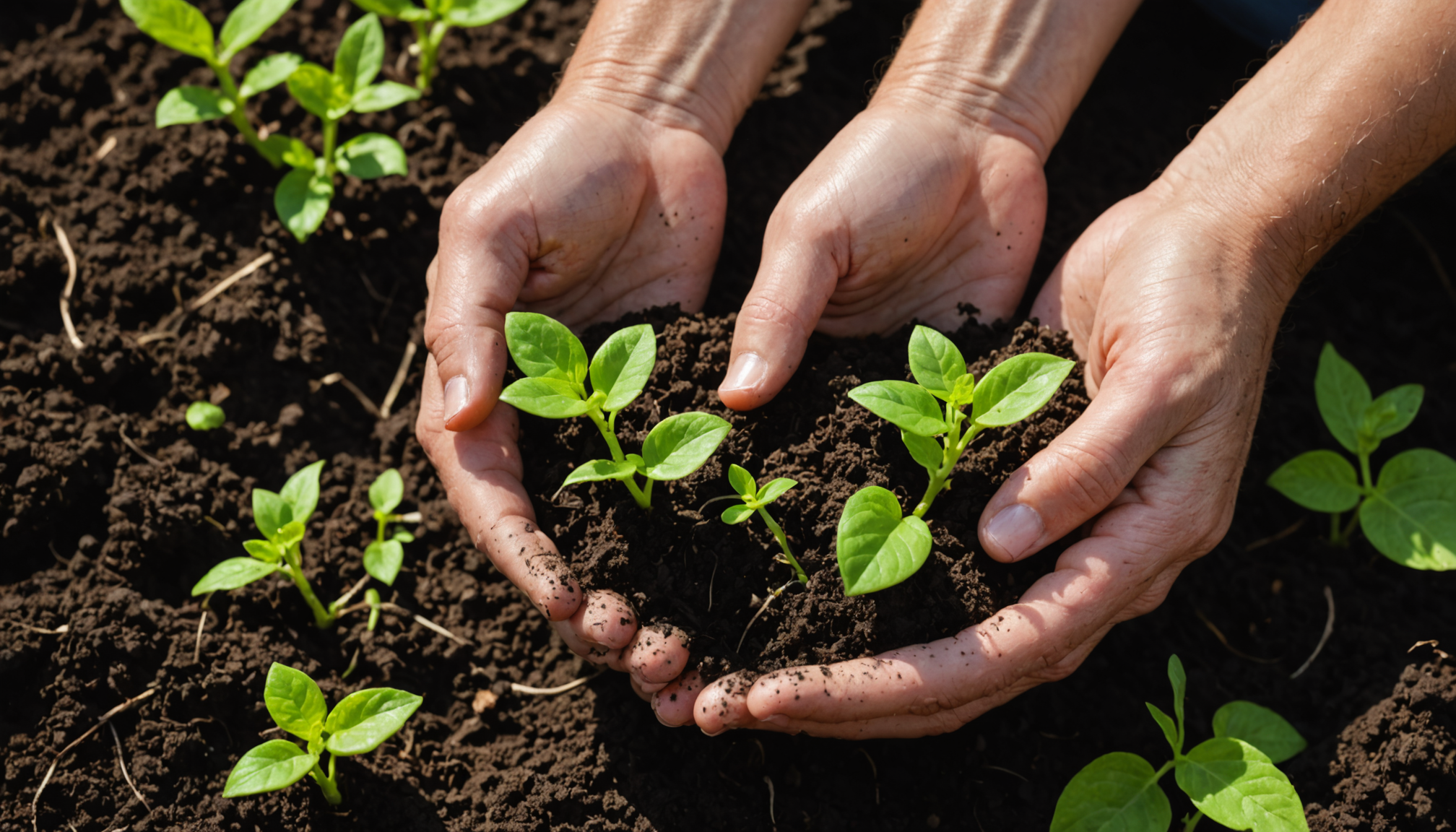
The nurturing of soil, that delicate and vital resource, became a sacred task among these early gardeners. They understood intuitively that the sustenance of their crops was inextricably linked to the vitality of the earth beneath their fingers. Soil health was not merely an afterthought; it was the very foundation upon which their ambitions rested. They engaged in what can only be described as a dialogue with the land, attending to its needs with the care of a devoted caregiver tending to a child.
A fundamental aspect of this relationship involved the creation and maintenance of a rich, organic matter base. The practice of composting—an ancient art—flourished, as piles of kitchen scraps, yard waste, and even animal manure transformed into a black gold that nourished the soil. This process, a delightful alchemy, returned vitality and structure to the ground, bolstering its ability to hold moisture and serve as a reservoir of nutrients for the eager roots of their vegetables. And while the simplicity of this method might seem unassuming, its impact was profound, supporting a cycle of life that embraced the principles of sustainability.
To maintain optimal soil health, these gardeners often engaged in crop rotation, their practice meticulously designed to prevent the depletion of specific nutrients. Each season brought new crops to the forefront, with leguminous plants, such as beans and peas, being pivotal in this rotation. They added nitrogen back to the earth, enriching the soil for the following crops, which was a fine example of their skill at garden planning. It was akin to a painter choosing a new palette, ensuring that each brushstroke complemented the last, creating a vibrant masterpiece of life and colour.
Moreover, mulching emerged as another cherished technique among these settlers. Layering organic materials—be it straw, leaves, or grass clippings—served to shield the soil from erosion and moisture loss. Under this protective cloak, the earth would teeter between warmth and coolness, providing an ideal microclimate for beneficial organisms that aerated the soil and contributed to its richness. This embrace of nature’s own processes showcased not only a respect for their environment but also a profound understanding of the ecosystems in which they thrived.
Soil testing became a common practice as well, an innovative approach to cultivate awareness regarding the unique condition of their growing medium. By seeking to understand the pH levels and nutrient composition, these pioneers could make informed decisions, tailoring their amendments to meet the distinctive demands of the land. This scientific curiosity paired with their heartfelt dedication illuminated the promise of what could be achieved—a productive garden that flourished through the tacit agreement between gardener and earth.
In their relentless pursuit to nurture the soil, they cultivated not only crops but also an enduring philosophy of care and stewardship that would ripple throughout their communities. Neighbours might gather to share their insights, with each voice adding to the widening chorus that celebrated the earth’s boundless generosity. These conversations, imbued with a sense of communal responsibility, underscored the idea that the health of the soil ultimately reflected the health of the community at large. Thus, in tending to their own little plots, they were, in effect, tending to the very essence of their collective well-being.
Sustainable pest management
In the quest for harmony between cultivation and the natural world, sustainable pest management emerged as a critical endeavor among pioneer gardeners. They recognized that their vibrant plots were not merely battlegrounds against insects and rodents but complex ecosystems where balance was paramount. Rather than resorting to the quick fix of synthetic pesticides, these astute cultivators employed a variety of organic methods that emphasized prevention and control, often with remarkable success.
At the heart of sustainable pest management lay a deep understanding of the ecological relationships that existed within the garden. The pioneers often observed the habits of various creatures, both beneficial and harmful, to devise strategies that would suit their unique environments. They attracted predatory insects—such as ladybugs and lacewings—by planting flowers like marigolds and dill, which served as both bait and refuge. Such practices revealed not only their ingenuity but also a respect for the essential roles these allies played in maintaining pest populations.
Companion planting, already a familiar friend in their garden planning, became another vital tool in their pest management arsenal. For example, intermingling onions with carrots proved beneficial, as the pungent aroma of the onions deterred pests that might otherwise feast upon the tender carrot foliage. Such intentional combinations heightened the resilience of their plots, blurring the line between predator and prey in an intricate dance of survival.
Physical barriers also found their way into the repertoire of pest control methods. Simple devices such as row covers made from lightweight fabric protected tender seedlings from the onslaught of ravenous insects, while handpicking larger pests like caterpillars became a daily ritual, imbued with a sense of duty rather than disdain. This hands-on approach fostered an intimate connection with their gardens, allowing gardeners to observe and address issues on a micro level.
As the seasons turned, troubleshooting potential threats became an exercise in vigilance and adaptability. With pest populations fluctuating in response to weather patterns and crop cycles, these pioneers learned to embrace flexibility, adjusting their strategies as needed. The application of natural repellents, such as garlic or hot pepper sprays, became an art form, crafted from the very same ingredients that nourished their bodies. Through such innovation, they demonstrated that food production and conservation were not mutually exclusive but rather intimately intertwined.
Moreover, these pioneers understood the risks associated with monoculture—a practice that could invite devastation through pest infestations. By sowing a diversity of crops, they not only protected their harvests but also created a refuge for a multitude of beneficial organisms. This polyculture approach echoed the rhythm of nature, highlighting the lesson that resilience flourished in diversity and collaboration.
The small community spirit that characterized these early settlements proved invaluable in their pest management efforts as well. Neighbors exchanged ideas, shared recipes for natural deterents, and even combined their efforts to tackle infestations that threatened the entire community. The act of pooling resources and knowledge fostered a culture of cooperation, further solidifying the bonds of camaraderie among them. The lessons learned through collaboration transcended the ephemeral act of gardening; they paved the way for a deeper understanding of interconnectedness that would resonate through generations.
In sum, sustainable pest management was not merely a series of tactics; it was a philosophy that permeated every aspect of the pioneering gardener’s approach. By cherishing the intricate web of life they nurtured, they crafted a legacy of organic methods that resonated with respect for both the land and its inhabitants. This delicate balance between intervention and trust in nature not only yielded fruitful harvests but also fostered a profound understanding of stewardship that has propelled future gardeners towards a path of sustainability and responsible cultivation.
Community gardening initiatives
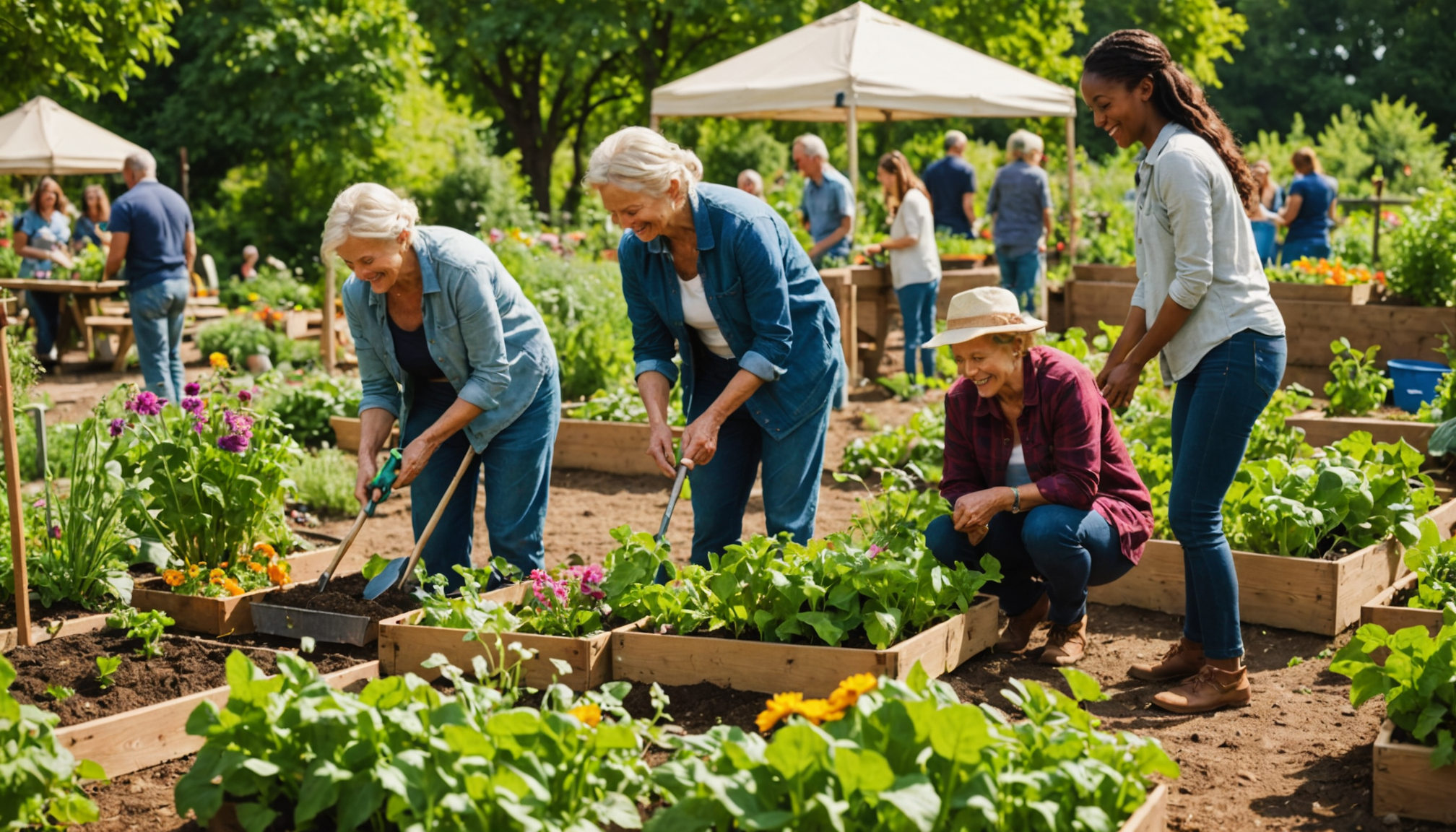
In the heart of early communities, the spirit of cooperation gave rise to vibrant community gardening initiatives. These efforts were not merely about growing food; they were about cultivating connection, both with the land and with one another. Pioneers recognized the importance of collective efforts, gathering to create communal gardens that served as a nexus for sharing knowledge and resources. Such gardens provided not just sustenance but also a social framework that reinforced bonds among community members, turning plots of soil into a living tapestry of mutual support and collaboration.
Through these initiatives, pioneers developed effective garden planning strategies that maximized productivity and ensured an abundance of crops. By pooling their expertise and labor, they transformed larger plots into diverse ecosystems capable of supporting a wide variety of vegetables. This collective approach to food production allowed them to reduce individual burdens, enable learning from each other’s successes and failures, and strengthen their resilience against the whims of weather and pests. The community garden became a sanctuary for experimentation, where organic methods flourished as gardeners tested various approaches together, celebrating both triumphs and trials.
The unique aspect of these gardens was their inclusivity; neighbors exchanged seeds, stocked community tool sheds, and shared techniques on soil maintenance and pest management, creating an environment rich with growth and education. The lessons learned in these gardens were profound, extending beyond mere agriculture to foster a sense of purpose and belonging among participants. Each planting season became a celebration of shared hopes and dreams, with the bounty reaped from the earth serving as a testament to their unity and determination.
Moreover, these community gardens offered a platform for teaching future generations about the principles of sustainable practices. Children participated alongside their parents and grandparents, developing a deep-seated connection to the land that would inform how they approached gardening throughout their lives. It was here that they imbibed the values of stewardship, respect for nature, and the ethics of growing food without harm to the planet. As such, these gardening initiatives became a legacy of resilience and responsibility that echoed through time, exemplifying the idea that healthy communities spring forth from the soil of cooperation and shared vision.
- What are community gardening initiatives?
- Community gardening initiatives involve the collaboration of individuals within a community to cultivate shared garden spaces. These projects focus not only on food production but also on fostering social connections, sharing knowledge, and promoting sustainable practices among participants.
- How do community gardens benefit the environment?
- Community gardens enhance local biodiversity, improve soil health, and promote sustainable growing practices. They contribute to urban greening, help manage stormwater, and can even reduce the urban heat island effect, making them vital for eco-friendly city development.
- What types of crops are typically grown in community gardens?
- Community gardens often grow a variety of crops, including vegetables, fruits, herbs, and flowers. Participants may select crops based on local climate conditions, cultural significance, and community preferences, emphasizing biodiversity in their plant choices.
- How can one start a community garden?
- Starting a community garden begins with gathering interested participants. An ideal location should be identified, followed by securing necessary permissions. Planning sessions can be held to determine the garden layout, choice of crops, and roles for each member, paving the way for successful collaboration.
- What role do volunteers play in community gardening?
- Volunteers are essential to the success of community gardens, contributing time, skills, and labor. They help with planting, maintenance, and education, sharing valuable insights and fostering relationships that strengthen the community’s ties to each other and to the garden.
- Can community gardens improve food security?
- Yes, community gardens can significantly enhance food security by providing direct access to fresh produce for participants and their families. They often encourage the redistribution of surplus crops to food banks or underserved communities, addressing hunger on a local level.
- What are some challenges faced by community gardens?
- Community gardens may face challenges such as funding, land access, soil contamination, or disagreements among members. It’s essential for garden committees to create clear guidelines, maintain open communication, and actively seek resources to address these potential issues.
Ashland Ashland Sabbath Chapel
Beside our live streamed church services, all are welcome to attend our church in person each Saturday beginning 10:00 AM Central Time by going to 2425 Owens Rd., Ashland, AL 36251. There is no cost and any donations are strictly voluntary.
For questions, call +2563547124.