Come join Ashland Sabbath Chapel Ministries each Saturday for live streamed church services. Bible Study begins at 10:00 AM Central Time and Sermon at 11:00 AM. Visit Our YouTube channel and watch from home!
In our journey of spiritual growth, the role of nutrition cannot be overstated. When we consider the profound connection between diet and spirituality, it becomes clear that what we consume has far-reaching implications not only for our physical health but also for our spiritual well-being. Healthy eating is not merely a matter of physical sustenance; it is an avenue through which we nurture our spirits and cultivate a deeper communion with the divine.
The consumption of wholesome foods helps to clarify our minds and refine our thoughts. Many who adhere to the principles of the Adventist faith practice a vegetarian or plant-based diet, which they believe enhances their spiritual life. They often speak of feeling more connected to God when they nourish their bodies with fruits, vegetables, and grains. This lifestyle choice supports not only their physical vitality but also their ability to engage in spiritual practices with greater focus and intention.
Consider the biblical narrative, where the diets of the faithful are frequently highlighted. Daniel, for instance, chose to eat vegetables and drink water, leading to his steadfastness amidst adversity. His choice was not just about health; it was a conscious decision to honor his commitments and values, embodying a lifestyle that aligned with his spiritual beliefs. The clarity he found via his choices is an inspirational example of how food can influence our spiritual journey.
As we embrace this interconnectedness of nutrition and spirituality, we begin to understand that each meal can become a sacred act. The act of preparing and consuming food can serve as a form of worship when infused with gratitude and mindful intention. With each bite, we should reflect on the source of our nourishment and offer thanks, thereby elevating a daily necessity into a spiritual practice.
Moreover, paying attention to dietary choices can spark a transformation that ripples throughout various aspects of our lives. By opting for foods that promote health and vitality, we equip ourselves with the physical strength necessary to pursue our spiritual quests. This connection between body and spirit is vital, as a well-nourished body can lead to a clearer mind, allowing us to connect more profoundly with God and the essence of our faith.
Exploring dietary restrictions in various religions
Throughout history, various religions have prescribed specific dietary restrictions and guidelines that reflect their spiritual beliefs and cultural practices. In many traditions, the foods one consumes are not simply matters of personal preference; they embody a way of honoring the divine and upholding sacred commitments. These dietary regulations can serve as powerful frameworks that guide individuals toward a more meaningful connection with their spirituality.
For example, in Islam, the concept of *halal* delineates permissible and forbidden foods, emphasizing purity and cleanliness. Followers are encouraged to consume foods that are prepared in accordance with Islamic law, which reflects a deep respect for creation and God’s provisions. This practice not only fosters a sense of community and adherence to faith but also serves as a reminder of the spiritual significance of each meal. Through following these dietary laws, individuals nurture their souls, reinforcing their commitment to Allah and His guidance.
Similarly, in Judaism, the laws of *kashrut* define what is kosher—acceptable for consumption. These dietary laws are deeply rooted in tradition and serve to elevate the act of eating into a ritual laden with spiritual meaning. Every aspect, from the types of animals consumed to the way food is prepared, reflects a larger spiritual ethos, inviting individuals to recognize the sacredness of every meal. The separation of meat and dairy, for instance, is not merely a guideline; it fosters mindfulness and intentionality, reinforcing the bond between the physical act of eating and one’s spiritual identity.
In Hinduism, the practice of *sattvic* eating, which emphasizes vegetarianism, promotes purity, health, and spiritual growth. Foods that are fresh, wholesome, and promote tranquility are encouraged, while those that are believed to stimulate passion or ignorance are avoided. By adhering to a diet that nourishes the body and spirit, followers believe they can achieve a deeper connection to their higher selves and the divine. This commitment to a vegetarian diet reflects their understanding that what one consumes can directly influence clarity of thought and spiritual elevation.
Buddhism also encourages mindfulness in eating through the practice of *ahimsa*, or non-violence. Many Buddhists choose to adopt a vegetarian or vegan diet as a reflection of their compassion towards all living beings. Eating mindfully means being present in the act of nourishment, acknowledging the interconnectedness of life and the impact of one’s choices on the world. This practice not only enhances their spiritual awareness but also fosters a deep sense of gratitude for the food provided.
- Islam: Focus on *halal* foods, emphasizing purity.
- Judaism: Adherence to *kashrut*, which impacts spiritual identity.
- Hinduism: Adoption of *sattvic* eating for purity and growth.
- Buddhism: Emphasis on *ahimsa* and mindful eating.
These dietary regulations demonstrate the profound influence of spirituality on dietary choices, shaping the way individuals engage with food and their faith. As we explore these practices, it becomes clear that each tradition invites us to reflect on the deeper significance of our consumption. Through the lens of spirituality, we recognize that every meal can serve as a moment for reflection, meditation, and connection with the divine. The act of eating transcends mere physical nourishment, becoming a holistic practice that nurtures both the body and spirit.
Mindful eating and its spiritual significance
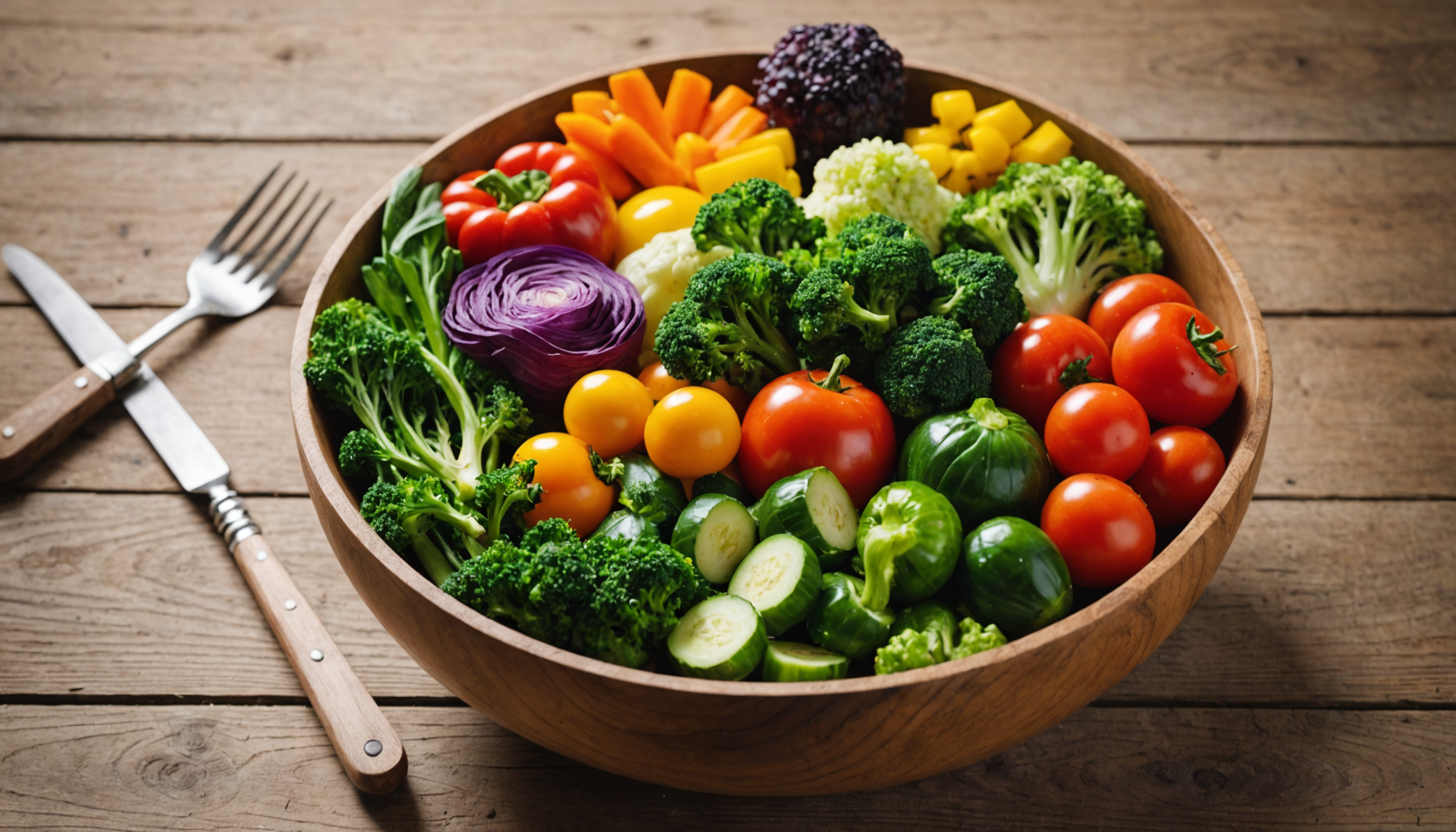
In the tapestry of our daily lives, the art of mindful eating occupies a venerable position, particularly when we consider its implications for our spiritual journey. To partake in our sustenance with a conscious heart invites us to honor not only the food itself but also the interconnectedness of our existence. Such a practice encourages us to slow our pace and reflect upon the origins of our nourishment, thereby fostering a tranquil and respectful relationship with the very act of eating.
When we indulge in the delight of a meal, let us do so with the awareness that each morsel is a gift. This intentionality transforms our dining experience into something sacred. It is reminiscent of the practices of the Adventist community, where meals are occasions for prayer and gratitude. It is during these moments that one finds solace; the act of consuming becomes an expression of devotion, a reminder of the divine presence that permeates our lives. The Adventists’ emphasis on a vegetarian diet is not merely a choice for health; it embodies a commitment to mindfulness and spiritual reflection that elevates the dining experience into an act of worship.
Moreover, as we navigate the act of mindful eating, it becomes imperative to engage with our senses fully. Consider the vibrant colors of fresh produce, the aromas that waft from a simmering pot, and the textures that dance upon our tongues. Such sensory awareness enhances our appreciation for the meal before us, reminding us of the diversity of creation and the multitude of lives that contribute to our plate. By being present in our consumption, we cultivate a deeper understanding of sustenance’s significance—recognizing that every bite we take is interwoven with the stories and sacrifices of those who brought it to fruition.
Furthermore, the practice of mindful eating engenders a sense of gratitude that resonates on both physical and spiritual planes. It invites us to consider not only our own health but also the health of the planet and our communities. In this regard, many individuals turn to local and sustainably sourced foods, thereby grounding their diets in responsibility and care for the world around them. Such choices harmonize with a spiritual ethos that emphasizes interconnectedness, propelling us to be stewards of our environment and custodians of the resources we consume.
The act of eating becomes, therefore, a practice laden with reflection—a moment of communion with ourselves, the earth, and the divine. Let us not overlook the significance of communal meals, where shared experiences foster connections and strengthen bonds among family and friends. In these gatherings, we are reminded that we are not merely individuals consuming food; we are part of a larger social and spiritual fabric. Engaging in conversations and expressing gratitude during these times enhances our mindful experience, deepening our relationships and nurturing our souls.
As we embrace the essence of mindful eating, we cultivate a sacred relationship with our diet—one that prioritizes health, intention, and spirituality. Such a practice presents every meal as an opportunity not only to nourish our bodies but to engage with our higher selves, enhancing the clarity and connection that we seek in our spiritual pursuits. In this way, mindful eating serves as a beacon, guiding us toward a fuller understanding of our existence and our place within the greater cosmos.
The impact of diet on mental clarity and connection
The intricate relationship between diet and our mental clarity is as profound as the ties we have to our spiritual beliefs. Eating healthfully can serve as a compass that guides our thoughts and emotional states, enhancing our ability to connect with higher realms of understanding. Consider the way certain foods, rich in nutrients and vitality, can spark clarity and insight where confusion once resided. When our bodies receive the proper fuel, our minds function with greater acuity and intent, allowing spiritual practices to flourish.
This connection between diet and mental clarity finds resonance in the teachings of various spiritual traditions. For instance, those who adhere to the Adventist lifestyle often notice a marked improvement in their mental capability when they maintain their plant-based diets. Foods laden with vitamins, minerals, and antioxidants bolster cognitive functions and soothe restless thoughts, creating an ideal environment for contemplation and prayer. This harmony between what is consumed and our state of mind fosters a conducive space for spiritual growth, where reflection and meditation become enriched by our clear-headedness.
Many individuals have experienced firsthand the transformational power of adjusting their diets. One might recall a friend who switched to whole foods and began to wake early for morning meditations, emboldened by the newfound energy coursing through them. With each passing day, they found their thoughts grew less jumbled and their prayers more focused. The fog of lethargy gave way to a clarity that felt almost divine, as though they had been lifted to a higher plane where spiritual connection becomes more palpable.
In addition to the foods we consume, the timing of our meals can also influence our mental state. Breaking bread during sacred occasions, or choosing moments of quiet reflection before a meal, can imbue eating with a sense of purpose that elevates the act beyond mere sustenance. By practicing gratitude for our nourishment, we carve space for mindfulness, which in turn sharpens our focus and enhances our spiritual connection. Each meal becomes more than just a moment of physical indulgence; it evolves into an opportunity for closeness with the divine.
We can also observe the direct contrast that arises from diets laden with processed foods, sugars, and unhealthy fats. Such choices often lead to a weighty cloud of sluggishness that obscures clarity and hinders spiritual practice. Feelings of anxiety and restlessness can creep in, dulling the senses and stifling the spirit. By acknowledging this relationship, we take a step towards empowerment, recognizing that our choices in diet have consequences that reverberate into our spiritual lives.
Ultimately, the interplay between a well-rounded diet and mental clarity is a symbiotic relationship that nurtures both body and spirit. As we strive for clarity in our lives, whether through prayer, meditation, or simply day-to-day activities, let us choose those foods that uplift us and enhance our connection to the divine. Through mindful and deliberate choices, we cultivate a landscape of clarity where spirituality can thrive.
Personal testimonials: Transformations through diet and spirituality
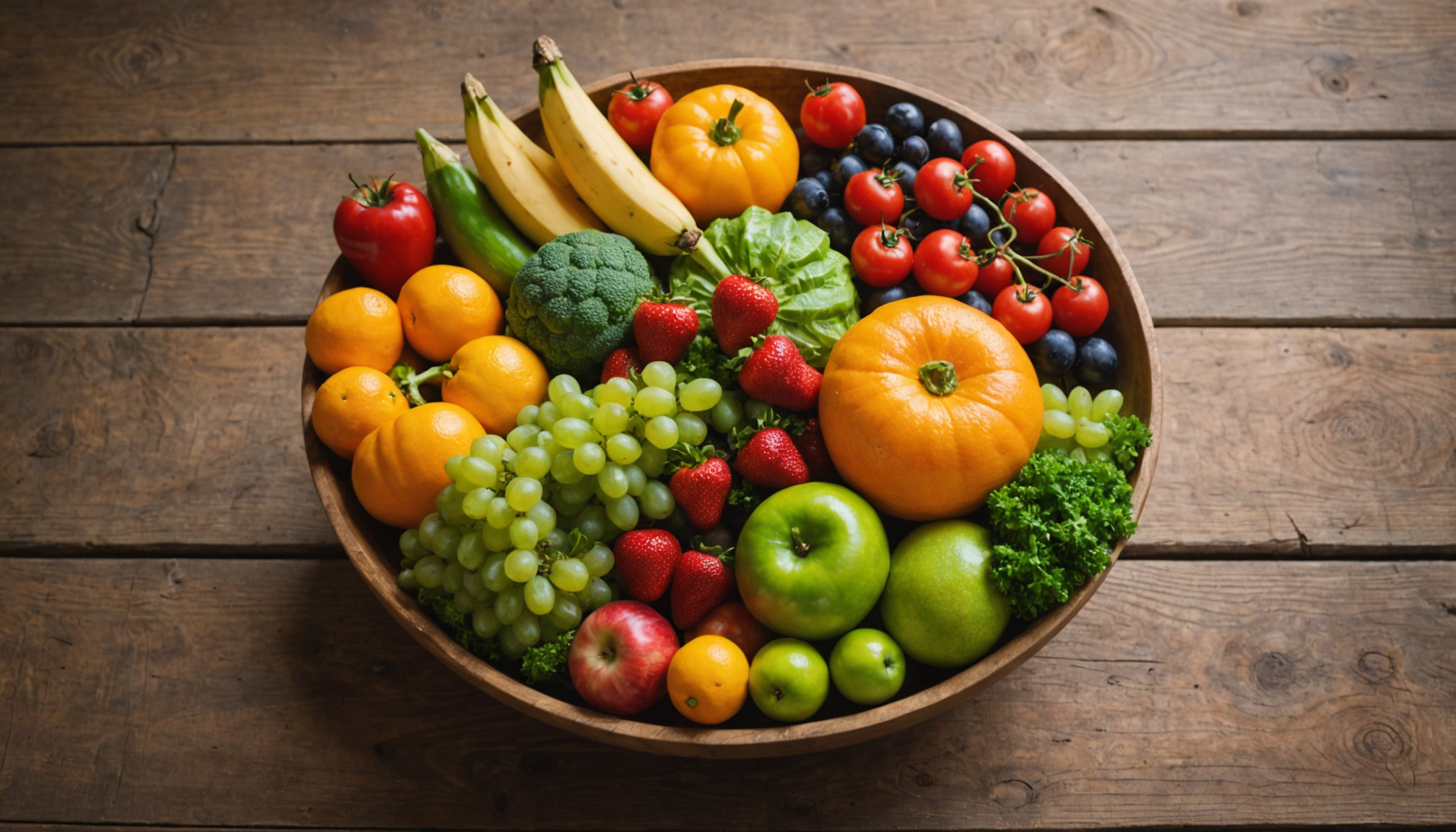
Personal testimonials abound, showcasing the profound transformations individuals have experienced by integrating their diet with their spirituality. Many have embarked on dietary changes that not only transformed their physical well-being, but also deepened their spiritual experiences. For instance, a seasoned member of the Adventist community shared how adopting a vegetarian diet led to a heightened sense of connectedness in prayer. She expressed that the clarity she gained from this dietary choice allowed her to engage more profoundly with her faith, elevating her spiritual practice to newfound heights. The simple act of choosing to eat healthier, whole foods became a gateway to a more profound relationship with the divine.
Another testimony came from a young man who, after years of grappling with stress and anxiety, decided to embrace a plant-based lifestyle. He described that, initially, the motive was physical health, but he soon discovered how his mental clarity and emotional stability transformed as well. His meditation practices flourished as he replaced heavy, processed foods with vibrant fruits and vegetables. Each meal, once viewed as mundane, transformed into a sacred ritual of gratitude—an act of devotion that resonated with his soul. In doing so, he cultivated a sanctuary where his spiritual life could thrive, illustrating the interconnectedness of diet and spirituality.
For others, the shift towards mindful eating has underscored the importance of intention in all aspects of life. A woman reflected on her journey from hurried meals to a practice that honors the preparation and consumption of food. As she began to slow down and embrace each bite fully, she felt a sense of peace wash over her—a centering that brought her closer to her inner self and her understanding of the divine. This aligns with the belief that every meal can become an opportunity for spiritual reflection, reinforcing the idea that our relationship with food is inherently tied to our spiritual practices.
The testimonies extend beyond individuals to communities that prioritize healthy eating as a foundation for collective spiritual growth. Groups come together to share meals that align with their holistic values, fostering a sense of unity and connectivity within their faith. These communal gatherings highlight how dietary choices can reflect spiritual commitments, serving as a collective act of worship that elevates both the body and the spirit. Such experiences encourage a collective awakening, igniting a passion for nourishment that honors both earth and divine.
Every personal story reveals a thread of connection—a recognition that diet is not merely about physical sustenance but an integral facet of spiritual integrity. As individuals recalibrate their eating habits, they often discover that their spirituality becomes richer and more vivid. Through these testimonials, we are invited to reflect on our own diets and how they align with our spiritual journeys, prompting a thirst for knowledge and a desire to explore the interplay of nourishment and spirituality in our lives.
- What is the relationship between diet and spirituality?
- The relationship between diet and spirituality involves how what we eat can impact our mental clarity and spiritual practices. Healthy eating can enhance our ability to engage in spiritual activities, creating a deeper connection with the divine.
- Are there specific diets associated with particular religions?
- Yes, many religions have established dietary guidelines that reflect their spiritual beliefs, such as *halal* in Islam, *kashrut* in Judaism, and *sattvic* eating in Hinduism. These dietary restrictions often serve to deepen one’s spiritual practice and connection to faith.
- How can mindful eating enhance my spirituality?
- Mindful eating encourages us to fully engage with our meals, fostering a sense of gratitude and awareness. This intentional presence can transform eating into a sacred act, heightening our spiritual experience and connection to the divine.
- Can diet influence mental clarity?
- Absolutely. A healthy diet rich in whole foods can sharpen mental clarity and enhance cognitive function, allowing for a more focused and meaningful engagement in spiritual practices, such as meditation and prayer.
- What are some common dietary practices in the Adventist faith?
- Members of the Adventist faith often follow vegetarian or plant-based diets that promote health and well-being. This dietary choice is believed to foster spiritual clarity and is associated with a holistic approach to health.
- How do personal testimonials reflect the impact of diet on spirituality?
- Personal testimonials highlight individual experiences of transformation through dietary changes, showcasing how improved health can lead to deeper spiritual connections and enhanced emotional well-being.
- What role does community play in dietary choices related to spirituality?
- Community plays a significant role by fostering collective eating practices that reflect shared spiritual values. Communal meals often create an environment of unity and connection, enhancing the spiritual experience for all involved.
Ashland Ashland Sabbath Chapel
Beside our live streamed church services, all are welcome to attend our church in person each Saturday beginning 10:00 AM Central Time by going to 2425 Owens Rd., Ashland, AL 36251. There is no cost and any donations are strictly voluntary.
For questions, call +2563547124.