Come join Ashland Sabbath Chapel Ministries each Saturday for live streamed church services. Bible Study begins at 10:00 AM Central Time and Sermon at 11:00 AM. Visit Our YouTube channel and watch from home!
It is well understood that the virtues of a judicious diet bear significantly upon the longevity of one’s life, particularly within the Adventist community, where a profound regard for health science operates as a cornerstone of daily existence. Amongst these enlightened souls, a plant-based regimen predominates, yielding benefits that readers of both scientific inquiry and casual discourse may find worthy of attention. The Adventists typically opt for a diet abundant in fruits, vegetables, whole grains, and legumes, while eschewing the various unwholesome indulgences that often plague modern culinary practices.
Research highlights that the adherence to such a diet not only fosters a sense of well-being but also correlates with a markedly extended lifespan. A notable study conducted by the Loma Linda University presents compelling evidence that individuals who conform to this stringent dietary code enjoy superior heart health, reduced incidences of chronic diseases, and an overall enhancement in quality of life. Vegetarianism, as embraced by many Adventists, does not merely halt the consumption of meat; it privileges a wealth of nutrients, characterized by high fiber content and low saturated fats, which collectively confer protective benefits against ailments such as diabetes and hypertension.
Moreover, the communal aspect of dining among Adventists cannot be overlooked. Meals served in the company of family and friends often amplify the positive effects of nutritious food by fostering joyful spirits and significant social bonds. The act of sharing a meal transpires as an intimate ritual that contributes manifold to one’s mental and emotional health. One might argue that the social dimension of eating plays an equally vital role in the *health science* of longevity as does the sustenance itself.
To encapsulate, the role of diet in the Adventist way of life transcends mere sustenance; it is a harmonious blend of nourishment, social interaction, and a commitment to well-being. In striving towards a balance of healthful choices, these individuals lay a robust foundation upon which the longevity of their lives can flourish, ever influenced by the delectable bounty of nature’s provisions.
Physical Activity and Adventist Life Expectancy
In examining the fabric of longevity espoused by the Adventist community, one cannot overlook the profound influence of physical activity. This principle of living vibrantly is intricately woven into the lifestyle choices of Adventists, where consistent movement is not merely a suggestion but a way of life. The spirit of physical vigor is echoed in the words of James Springer White, who ardently emphasized that our bodies are temples, deserving of care and diligence.
Engaging in regular physical activity is central to achieving a healthy lifespan. Adventists often embrace forms of exercise that encompass both structure and joy—whether it be walking, gardening, or participating in communal sports. The Loma Linda University study points to these habits as pivotal contributors to the extended life expectancy observed within their population. As Adventists partake in these wholesome activities, they do so with the understanding that movement not only fortifies the body but also elevates the spirit.
Consider, for instance, the simple joy that comes from walking through nature. Adventists often find themselves in the great outdoors, basking in the beauty of God’s creations, which elevates mood and fosters a sense of peace. This not only serves as a form of physical exercise but also nourishes the mind. The synergy between moving one’s body and invigorating one’s spirit exemplifies how physical activity can serve a dual purpose in promoting longevity.
The benefits of regular exercise are well-documented in health science. It is known to reduce the risks of cardiovascular disease, hypertension, and obesity—all prevalent adversaries to longevity. The Adventist commitment to exercise is a preventive measure, one that is actively upheld as a means of maintaining optimal health. Moreover, the social component of physical activity cannot be overlooked; Adventists often engage in group exercises or community walks, melding the benefits of companionship with physical health. It’s this collective movement that fortifies their resolve and enhances their well-being.
As we delve deeper into the lifestyle factors contributing to longevity, it’s clear that each element interconnects harmoniously. The practice of physical activity stands out as a beacon of the Adventist way of life—an ever-present reminder that…
Social Connections and Mental Health

Life unfolds in the connections we forge with one another, and for Adventists, social bonds are the threads that enrich the tapestry of existence. It’s well-documented that strong relationships can serve as a protective shield against mental health issues, fostering resilience in the face of life’s challenges. A study from Loma Linda University illustrates that Adventists reap remarkable psychological benefits from these connections, leading to lower rates of depression and anxiety. It is not merely the number of friends one holds dear but the quality of these relationships that speaks to the heart of mental well-being.
Within this community, gatherings surge with laughter and warmth, made vibrant through shared experiences—whether at a potluck or during moments of worship. These social settings do much more than just satisfy the human need for companionship; they form a support system that bolsters mental health. When troubles arise, it is the hand of a friend or the embrace of family that provides solace. The Adventist way underscores that to be truly healthy, one must nourish relationships as diligently as one nurtures the body.
Engagement in social activities enhances psychological resilience, which is a critical component of longevity. Adventists often find strength in communal gatherings—not just for spiritual sustenance but for emotional support. They share joys, sorrows, and the burdens of life, cultivating an atmosphere where empathy flourishes. The knowledge that one is not alone in trials lightens the heart and contributes to the grace of longevity.
Furthermore, the intertwining of spirituality and community among Adventists adds an additional layer of mental fortitude. Regular participation in church activities deepens social connections, reinforcing a sense of belonging that many seek. Conversations centering on faith and support can renew one’s spirit and instill a profound sense of purpose. These elements coalesce, creating a nurturing environment where mental well-being thrives.
Behind each cheerful gathering is the recognition of a fundamental truth: relationships are essential to our health, shaping our perceptions and influencing our choices. The joy found in companionship intertwines seamlessly with the Adventist principle of loving one’s neighbor. Thus, as people nurture and invest in their loved ones, they also lay the groundwork for a more robust and healthy existence, proving that, indeed, the journey towards longevity is significantly enhanced by the bonds we cultivate along the way.
Spiritual Practices and Their Benefits
In the daily rhythms of Adventist life, the act of spiritual practice emerges like a steady pulse, an unwavering heartbeat that nourishes the soul. Prayer, meditation, and reflection are not isolated moments but integral threads woven into the fabric of their existence. These practices forge peace, cultivate resilience, and invite a deeper connection to the divine, resulting in benefits that ripple through every aspect of life.
Consider the simple act of prayer. It is oftentimes more than a ritual; it stands as a moment of vulnerability where gratitude and supplication meet. Engaging in this practice has been shown to lower stress levels, thus countering the detrimental effects that anxiety and turmoil can inflict upon one’s overall health. A sense of calm permeates the spirit, which in turn contributes to the physical body’s vigor. Research suggests that individuals who regularly engage in spiritual practices may experience improved mental health markers, including greater life satisfaction and reduced incidences of depression.
Adventists find solace in community worship—a gathering that transcends mere attendance. The shared experience of faith fosters a sense of belonging, crucial for mental fortitude. These communal practices provide a sanctuary amidst life’s uncertainties, reinforcing social ties while enriching the spiritual landscape. Engaging with fellow believers not only uplifts the individual but also engenders a collective strength, as shared beliefs and values act as comforting anchors in turbulent times.
Furthermore, the ritual of Sabbath observance serves as a profound example of how spirituality interlaces with daily life. Here, Adventists embrace rest and reflection, stepping away from the hustle and bustle to reconnect with their faith. This rhythm of work and rest not only rejuvenates the spirit but also reflects an understanding of the importance of balance—an essential principle within health science that emphasizes the benefits of holistic well-being. Studies indicate that observing a day of rest can significantly lower stress levels and foster better relationships, reinforcing the mental and emotional health that contributes to longevity.
As Adventists engage in spiritual practices, they cultivate a profound sense of purpose. This search for meaning is a crucial aspect of human existence and plays a vital role in living well and living long. When individuals are infused with purpose, they are more inclined to lead healthier lifestyles and make choices that align with their values, further emphasizing the interconnectedness of faith and health.
In reflecting upon the spiritual dimensions of life, it becomes clear how these practices manifest in tangible benefits that ripple through every facet of existence. They are not merely ceremonial acts; they are vital components of a balanced life. As Adventists continue to nurture their spiritual lives, the effects resonate deeply, creating pathways to resilience, mental clarity, and ultimately, a prolonged lifespan. Each prayer, each gathering, and each moment of reflection builds upon a foundation of health that stands resilient against the storms of life.
Environmental Factors Contributing to Longevity
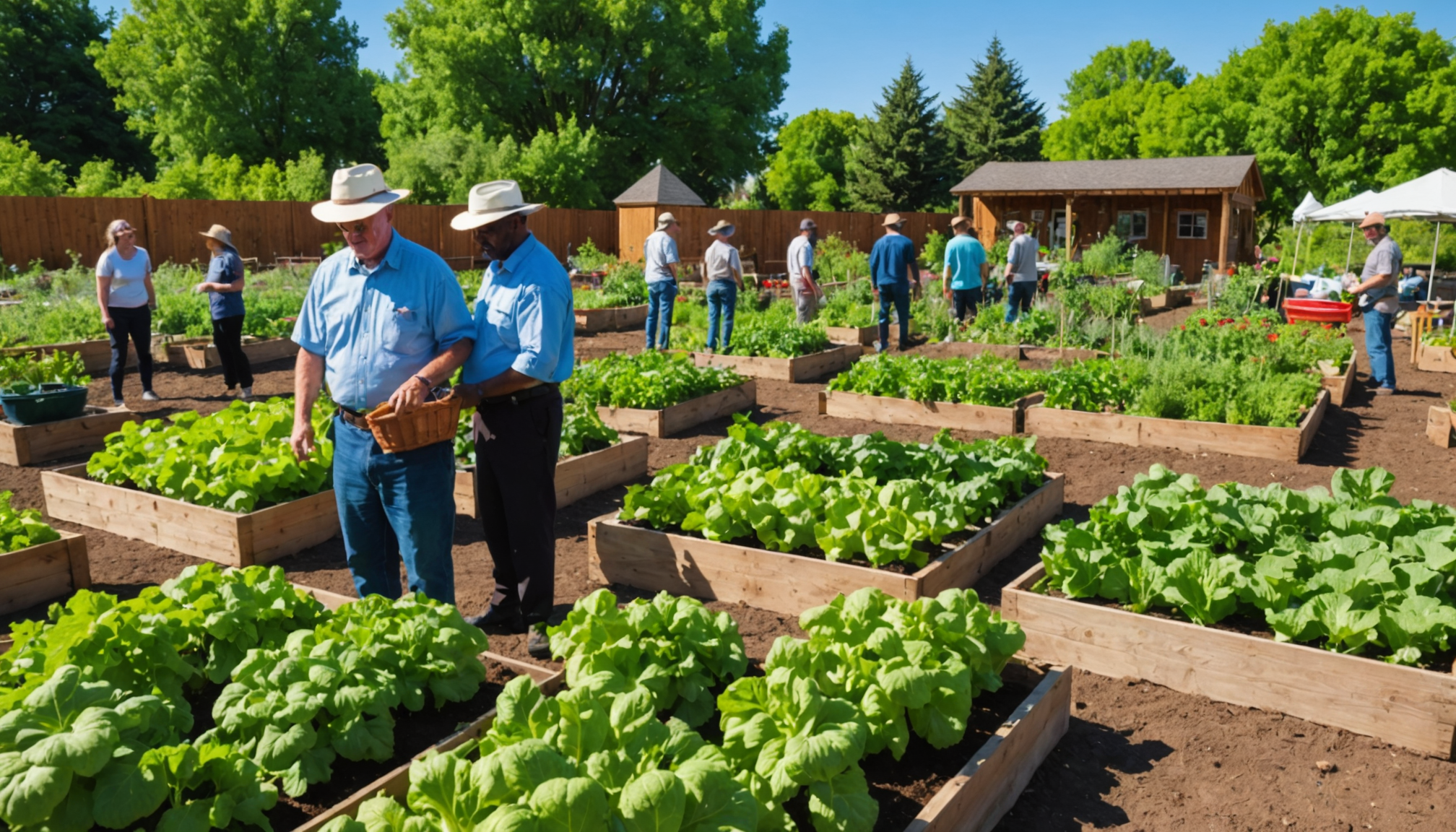
The surrounding environment plays a crucial role in the longevity of individuals, particularly among the Adventist community. Characterized by a commitment to holistic well-being, Adventists often inhabit spaces that are not only conducive to physical health but also promote mental peace. Natural settings, free from pollution and bustling urban stressors, prove to be instrumental in enhancing the quality of life experienced by these individuals. Research supports the perspective that living in clean, green environments helps mitigate risks associated with various health conditions, contributing to an extended lifespan. The oxygen-rich air filled with natural aromas and sights stimulates senses deeply intertwined with well-being, fostering that deep connection to nature which many Adventists cherish.
Moreover, access to healthful resources extends beyond mere greenery. Adventist communities frequently prioritize accessibility to fresh produce and health facilities, enabling the adherence to the nutritional and medical health practices emphasized within their teachings. Living in neighborhoods that champion a culture of health ensures that many Adventists can easily maintain their plant-based diets and partake in regular check-ups, reinforcing the principles of health science they hold dear. This integrated approach to environment and health creates a framework for a lifestyle that inherently supports longevity.
Socially, the environment surrounding Adventists often comprises tight-knit, supportive communities, which have been shown to bolster mental health. These systems of support can materialize in various forms—be it communal gardens, shared spaces for physical activities, or gatherings for social interactions. Living amongst individuals with similar values amplifies motivation and determination to adhere to health-centric lifestyles. People are more likely to engage in positive behaviors when they perceive their peers doing the same. This social dynamic not only nourishes personal growth but also fosters a culture of accountability that directly influences health and longevity.
Furthermore, safe and walkable neighborhoods inherently encourage physical activity, as Adventists typically engage in outdoor exercises like walking and cycling. By choosing to live in areas where movement is part of daily life, they naturally incorporate physical activity into their routines, enhancing their overall wellness. With this considered approach, the Adventist community thus exemplifies how an environment rich in resources, connection, and safety can culminate in a lifestyle that significantly contributes to extended lifespans.
- What do Adventists believe about health and longevity?
- Adventists believe that health and longevity are interconnected and are achieved through a holistic lifestyle comprising a balanced diet, regular exercise, strong social connections, spiritual practices, and a supportive environment.
- How does diet influence Adventist longevity?
- The Adventist diet is primarily plant-based, rich in fruits, vegetables, whole grains, and legumes, which has been linked to lower risks of chronic diseases and, consequently, longer lifespans.
- What role does community play in Adventist health?
- Community is vital in the Adventist lifestyle, as social connections provide emotional support, encouragement, and shared health practices that enhance mental well-being and promote a healthier lifestyle.
- Are there specific physical activities favored by Adventists?
- Adventists tend to engage in activities that allow for regular movement, such as walking, gardening, and group sports, integrating physical activity seamlessly into their daily lives.
- How do spiritual practices contribute to health?
- Spiritual practices such as prayer and meditation help reduce stress, foster mental clarity, and instill a sense of purpose, all of which contribute positively to overall health and longevity among Adventists.
- What environmental factors are beneficial for Adventists?
- A clean, green environment with access to fresh produce, safe spaces for physical activities, and supportive communities fosters a lifestyle among Adventists that is conducive to health and longevity.
- Can adopting an Adventist lifestyle improve my health?
- Yes, adopting an Adventist lifestyle that includes a nutritious diet, regular exercise, spiritual practices, and strong social ties can lead to improved health outcomes and potentially extend lifespan.
Ashland Ashland Sabbath Chapel
Beside our live streamed church services, all are welcome to attend our church in person each Saturday beginning 10:00 AM Central Time by going to 2425 Owens Rd., Ashland, AL 36251. There is no cost and any donations are strictly voluntary.
For questions, call +2563547124.