Come join Ashland Sabbath Chapel Ministries each Saturday for live streamed church services. Bible Study begins at 10:00 AM Central Time and Sermon at 11:00 AM. Visit Our YouTube channel and watch from home!
In contemplating the intricate relationship between one’s diet and their overall health, we may find ourselves led to a rather profound understanding of how nutrition enriches our well-being. It is evident that the sustenance we choose to indulge in plays a pivotal role, not merely in terms of physical vitality, but also in nurturing the spirit. As one reflects upon the essence of nourishment, an appreciation for the substance and source of our food must arise. Whole foods, replete with their natural integrity, serve not just to sustain, but to elevate one’s spirit.
Many a learned scholar has elucidated the connection between the foods we ingest and our mental and emotional states. For instance, the consumption of fruits, vegetables, and whole grains fosters not only physical strength but also enhances cognitive function and emotional resilience (Hyman, 2020). The delicate interplay of nutrients, vitamins, and minerals has demonstrated effects on mood regulation and mental clarity. For example, Omega-3 fatty acids, abundant in fish and certain plant oils, have been shown to significantly improve emotional well-being by counteracting feelings of despondency (Gomez-Pinilla, 2008).
Moreover, we cannot overlook the undeniable significance of hydration. Water, that most simple yet essential of substances, is paramount for maintaining wellness and promoting clarity of thought. The idea that one might achieve a certain *elevated* state of mind through proper hydration aligns splendidly with the notion of engaging the spirit in harmony with physical health. In essence, to care for the body is to care for the soul; both dwell within the same vessel and are mutually dependent.
As we venture further into the matter of nutrition’s impact, we must acknowledge the modern challenges that often cloud our choices. The lure of convenience can lead to a divergence from wholesome, nutrient-dense selections. Processed foods, although tempting in their ease, often lack the very essence that nurtures our health. A diet that prioritizes such items not only neglects the individual’s physical well-being but may also obscure the path to spiritual fulfillment.
Thus, as we navigate our daily lives, it becomes imperative to foster a conscientious relationship with our food. One must embrace the notion that each morsel of nourishment presents an opportunity to weave together the fabric of health and spirituality. In choosing to embrace whole, unrefined foods, we are not only nourishing our bodies but also honoring our spirits, ensuring that they flourish in tandem.
As one embarks upon the journey of understanding how nutrition impacts our well-being, it is clear that there exists a deep connection between what we consume and the vitality of our spirit. The wisdom of our choices resonates not only within our physical form but also enriches the very essence of who we are.
The Role of Spirituality in Personal Health
Within the tapestry of human experience, spirituality emerges as a vital thread, intricately woven into the fabric of our personal health. Embracing spirituality encompasses various dimensions of existence—mental, emotional, and even physical well-being, all of which are interlinked. As we explore how spirituality influences our health, it becomes apparent that cultivating a sense of purpose and meaning in life has profound implications for overall wellness.
The journey towards spiritual health often begins with the recognition of one’s inner self and the search for significance. This introspective pathway can lead to increased self-awareness, encouraging individuals to align their actions with their values. For instance, practices such as meditation and prayer have been shown to reduce stress, anxiety, and depression, thereby enhancing one’s overall mental health (Kabat-Zinn, 2003). When the mind finds a serene space through spiritual practices, it can significantly improve physical health by lowering stress-related ailments such as hypertension and heart disease.
Moreover, spirituality offers a profound sense of connection—not only to oneself but to the broader universe and community. This feeling of belonging can serve as a strong protective factor against numerous health issues. Research has indicated that individuals who engage in spiritual practices often report higher levels of life satisfaction and lower incidences of mental disorders (Pargament, 1997). Such connections nurture resilience, granting individuals the strength to face life’s challenges with grace.
Additionally, a spiritual approach to life often promotes compassionate living, which extends to how we treat our bodies and others. When one acknowledges the interconnectedness of all life, the choices made regarding diet and nutrition reflect a deeper respect for oneself and the world. A spiritually enriched lifestyle may lead to preferences for whole, plant-based foods that sustain both body and earth. The commitment to such choices can reflect one’s values, fostering harmony between one’s inner beliefs and outward actions.
Furthermore, the ritualistic aspect of food and mealtime can also deepen spiritual engagement. Taking the time to bless, give thanks, or mindful eating can be transformative. This simple act invites gratitude and presence, allowing for a fuller appreciation of the nourishment provided. In this context, meals become sacred, sparking joy and gratitude, which are essential components of spiritual well-being.
Ultimately, the role of spirituality in personal health cannot be overstated. As one navigates the complexities of life, embracing a spiritually attuned perspective fosters resilience, promotes compassionate choices, and nurtures the physical form. By integrating spirituality into everyday life, individuals can discover not only a path to greater health but a profound sense of purpose and fulfillment, guiding them toward a more enriched existence.
Cultural Perspectives on Food and Spiritual Practices
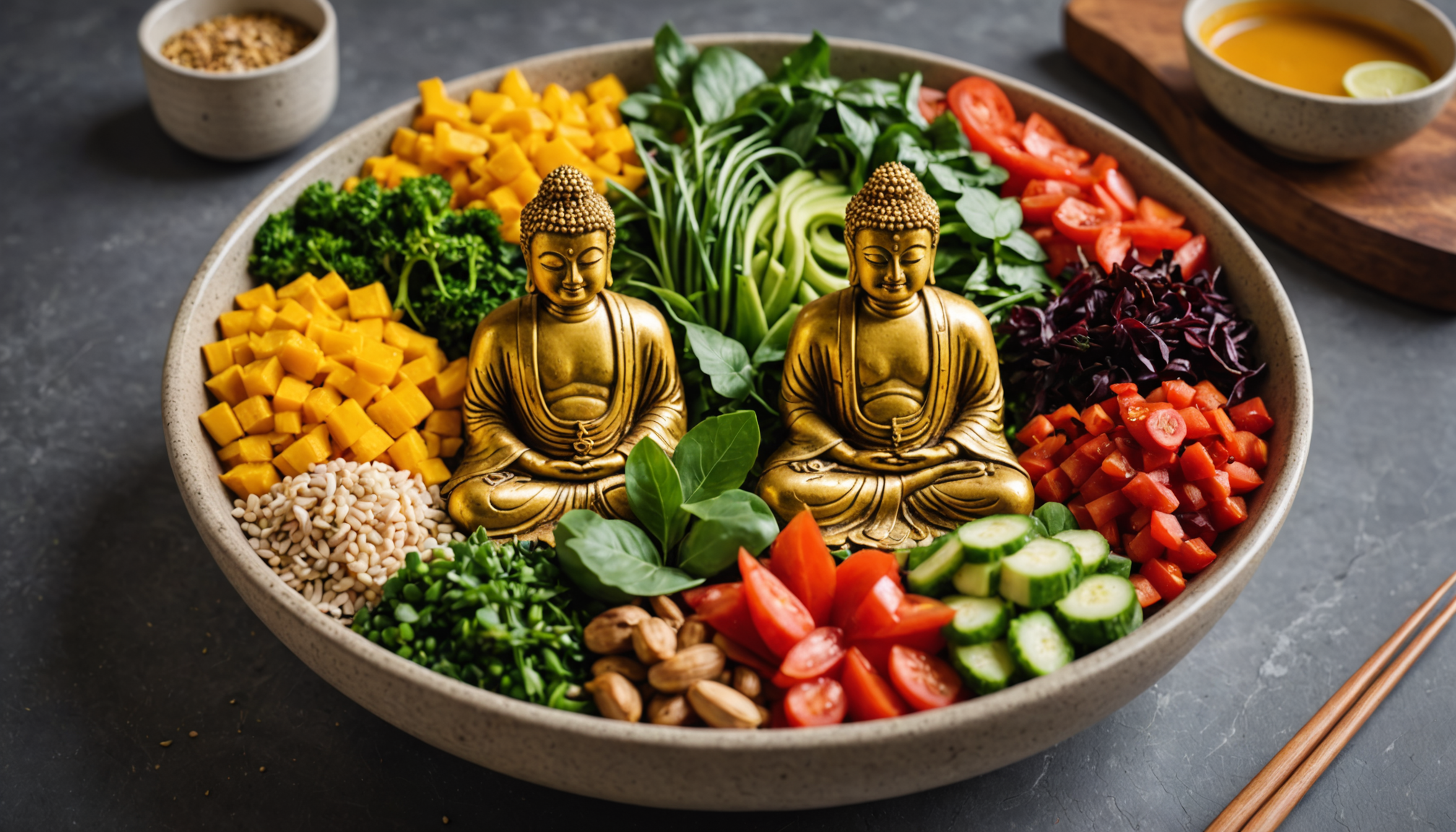
Across various cultures, the relationship between food and spirituality is celebrated and revered, often reflecting deep-seated beliefs and traditions. These perspectives shape not only dietary practices but also personal and communal identities. In many societies, the foods we consume are imbued with meaning that transcends mere nourishment, serving as pathways to spiritual expression and connection with the divine.
Take, for example, the rituals surrounding food in many indigenous cultures. Often, meals are viewed as sacred gatherings that emphasize a bond between the land, the people, and the spiritual world. The act of preparing and sharing food is imbued with rituals that honor ancestors or the earth’s bounty. These practices remind participants of their interconnectedness, acting as a source of strength and spiritual grounding in a world that can sometimes feel fragmented.
In the realm of religious traditions, we find that food often plays a central role in worship and celebration. For instance, in Buddhism, the concept of *sattva*—pure foods that are nourishing to body and mind—is emphasized, guiding practitioners to select a diet that promotes clarity and peace. Here, dietary choices are not just about health but are also seen as a reflection of one’s spiritual journey. Eating with mindfulness transforms a simple meal into an act of devotion, aligning body and spirit towards tranquility and enlightenment.
Similarly, in Hinduism, food is considered *prasad*, blessed and offered to deities before being consumed. This practice highlights a philosophy that sees nourishment as a gift from the divine, thereby instilling gratitude in the eater. Such rituals elevate ordinary acts of eating into spiritual experiences, fostering a deep awareness of the connections between food, nature, and spirituality.
Moreover, in Western cultures, we also see a burgeoning interest in the spiritual aspects of nutrition. The rise of mindful eating practices reflects an awareness of how our food choices relate to both physical health and spiritual well-being. People are increasingly recognizing that the food they consume can be a conduit for spiritual exploration. By choosing to eat whole, plant-based foods and engaging in practices of gratitude, individuals not only support their health but also engage in a form of spirituality that honors the life cycle of all beings.
Additionally, seasonal celebrations and communal feasts highlight the cultural significance of food in spiritual practices. Events such as Thanksgiving or harvest festivals serve to remind us of the abundance of nature and encourage gratitude and reflection. These moments unite people, reinforcing social bonds while nurturing the spirit through shared meals. When we gather in feasts, we not only partake in the sustenance but also in the collective energy of joy and thanksgiving, which is profoundly uplifting.
Ultimately, cultural perspectives on food illuminate the numerous ways in which nutrition intertwines with spirituality. These traditions provide rich insights into the role that diet can play in shaping not just physical health, but also the spiritual journey. Recognizing the sacredness of our food choices empowers us to create a more meaningful connection with what we eat, enriching our lives both nutritionally and spiritually.
Mindful Eating: A Pathway to Spiritual Awareness
Mindful eating stands as a practice that transcends mere consumption—it beckons us to engage fully with the act of nourishing our bodies. In this busy world, where meals can become mechanical, the essence of mindful eating whispers an invitation to slow down, to savor, and to appreciate the gifts laid upon our plates. It is an art of presence, urging us to awaken to the moment in which we find ourselves, dialing back the noise of our surroundings while tuning in to our senses.
Imagine sitting at a table, food before you. The vibrant colors of vegetables, the aroma of spices, the textures awaiting your touch—each aspect holds a lesson in awareness. As you lift a piece of food to your lips, take a moment to consider its journey. Where did it come from? What hands tended to it? What care was taken to bring it to your meal? This exercise cultivates gratitude, allowing each bite to resonate not only with your body but also with your spirit.
The practice of mindful eating is supported by research that highlights its benefits for mental health and overall well-being. One study found that individuals who practice mindfulness during meals exhibit lower levels of stress and anxiety (Morris, 2014). By focusing intently on the act of eating, the mind finds relief from the whirlwind of daily life, ushering in a sense of tranquility. Herein lies the magic—a nurturing diet, chosen with intention and consumed in awareness, sparks the flames of spiritual awareness, leading one closer to a state of contentment.
Furthermore, mindful eating fosters a deep connection between nutrition and spirituality. When we eat mindfully, we begin to listen to our bodies—acknowledging hunger cues, recognizing fullness, and cherishing the taste and texture of each food item. This connection strengthens our relationship with food, transforming it from a mere necessity into a cherished experience. We move away from guilt-laden eating habits and step into a space of appreciation, pushing aside societal pressures that dictate what we should or shouldn’t eat.
Consider the sheer simplicity in the act of chewing slowly, of savouring each bite. Not rushing through a meal means that we allow our bodies the time they need to respond. This pause can lead to a more mindful choice in nutrition, endorsing healthy foods that resonate with our ethical beliefs and desired spiritual states. Consequently, meals become a reflection of not just dietary needs but of our values, fostering a holistic practice that intertwines the physical and the spiritual.
In today’s fast-paced society, where convenience often overshadows quality, the call to embrace mindful eating feels urgent. It encourages us to step back from the chaos and recognize that mindful moments spent with food can cultivate a sense of inner calm and spirituality. Rituals surrounding meals—such as expressing gratitude, sharing food with others, or taking time during meals to reflect—reinforce the bridge between diet and spirit. Each act can serve as a reminder of the sacredness inherent in both our food and our bodies, paving the way to a richer, more meaningful experience of life.
Ultimately, mindful eating travels beyond the simple act of nourishment; it unlocks avenues leading to spiritual awareness. Engaging with our food in this intentional way reunites us with the blessings of the earth, reminding us that in every meal lies the power to connect body, mind, and soul. Embracing this practice allows us to take the journey inward, discovering a deeper sense of health and well-being that resonates throughout our entire being.
Integrating Nutrition and Spirituality for Holistic Health

Engaging in the integration of nutrition and spirituality invites individuals on a profound journey toward holistic health. This convergence encourages a way of living that acknowledges the sacredness of food while enhancing both physical vitality and spiritual fulfillment. As one becomes increasingly aware of their dietary choices, it fosters an opportunity to deepen the connection between body and spirit, enabling a life that resonates with both health and purpose.
In this integration, a conscious approach to nutrition emerges. The foods we choose to consume should not merely fulfill our nutritional requirements but also align with our spiritual values. This tight-knit relationship inspires us to make choices that reflect our principles, whether that involves selecting local, organic produce or opting for a plant-based diet that minimizes harm to animals and the environment. This thoughtful selection process enriches our spirit, creating a cycle of nourishment that honors the intricate connection between self-care and sustainability.
Moreover, engaging with food as a source of spiritual energy transforms the act of eating into a ritual. This is a practice found in many cultures, where meals are accompanied by expressions of gratitude, blessings, or prayers, inviting awareness and reverence to the dining experience. As individuals learn to view food as a sacred gift, mealtime becomes a pause for reflection, an opportunity to connect with oneself and the universe. Every bite then symbolizes an appreciation for life itself, further enhancing both spiritual and physical wellness.
Taking this ethos into daily life yields transformative results. For instance, individuals may find that they develop a heightened awareness of how specific foods affect their mood, energy levels, and overall well-being. By tuning into the signals from their bodies, they may choose foods that promote not only health but also joy and peace. Consequently, the act of nourishing oneself becomes a form of self-love, promoting a positive cycle of emotional and physical health that resonates long beyond the dining table.
The intertwining of nutrition and spirituality also extends to communal experiences. Sharing meals within community or family settings reinforces bonds and fosters a sense of belonging, essential components of spiritual health. These gatherings not only provide physical sustenance but also create an environment rich with energy, love, and support. The act of breaking bread together encapsulates the essence of unity, a shared journey towards health that uplifts individual spirits and strengthens collective well-being.
As we reflect upon the integration of nutrition and spirituality in our lives, it becomes evident that this union not only nurtures the body but also enriches the soul. Embracing such a holistic approach compels us to think deeply about our dietary choices and their broader implications. By doing so, we may find ourselves on an enlightening path toward a more fulfilled and vibrant existence.
- What is the connection between nutrition and spirituality?
- Nutrition and spirituality intersect in the way that what we eat can influence our mental, emotional, and spiritual well-being. Choosing nourishing foods that align with personal beliefs can foster a deeper sense of purpose and connection.
- How does mindful eating enhance spiritual awareness?
- Mindful eating encourages individuals to slow down and connect with their food, promoting gratitude and appreciation for the nourishment provided. This heightened awareness can lead to greater spiritual fulfillment and a more meaningful relationship with food.
- Can dietary choices impact mental health?
- Yes, various studies suggest that diets rich in whole foods and essential nutrients can enhance mood and reduce symptoms of anxiety and depression. The foods we consume play a significant role in our emotional and mental states.
- What role does community play in nutrition and spirituality?
- Communal meals serve as a platform for connection, enhancing feelings of belonging and reinforcing social support. Sharing food within a community often fosters deeper relationships and nurtures collective spiritual well-being.
- How can one make food choices that align with their spirituality?
- Individuals can evaluate their values and beliefs, opting for foods that reflect those principles, such as organic, plant-based, or locally sourced foods. This alignment can transform eating into a spiritual practice.
- Is there a specific diet that enhances spirituality?
- While there isn’t a one-size-fits-all diet for spirituality, many find that whole, unprocessed foods that are ethically sourced resonate well with spiritual principles. Ultimately, it’s about choosing foods that foster a sense of peace and connection.
- How can rituals surrounding food contribute to spiritual health?
- Rituals, such as giving thanks before meals or sharing stories during family dinners, can create sacred spaces around eating, emphasizing connection and mindfulness that nurtures both spiritual and emotional well-being.
Beside our live streamed church services, all are welcome to attend our church in person each Saturday beginning 10:00 AM Central Time by going to 2425 Owens Rd., Ashland, AL 36251. There is no cost and any donations are strictly voluntary.
For questions, call +2563547124.