Come join Ashland Sabbath Chapel Ministries each Saturday for live streamed church services. Bible Study begins at 10:00 AM Central Time and Sermon at 11:00 AM. Visit Our YouTube channel and watch from home!
Let us speak plainly, as friends who desire to walk a straighter, wiser path together. Before anyone talks of new habits or grand plans, the first work is to set goals that can be carried, not just imagined. Good intentions burn hot for a week, then go cold, while a steady purpose, wisely shaped, will hold its course through busy seasons and weary days. That is the difference between a passing wish and a sustainable work of reform in your health.
Most people start with the question, “What do I want to change?” but a better question is, “What can I faithfully do, day after day, in the real circumstances of my life?” A goal that does not consider your family duties, your work hours, your present strength, and even your weaknesses, is like a house built on soft sand: it looks fine until the first hard tide comes in. Sustainable goals are not about impressing anyone; they are about honest stewardship of the body and mind God has given you, using what you have, where you are, in a way you can maintain.
Think first in terms of direction rather than perfection. You are not called to leap from your present state to some ideal picture in a single bound. You are called to take the next right step you can truly keep. Research on long-term behavior change shows again and again that smaller, consistent improvements beat dramatic but short-lived efforts (Lally et al., 2010; Osterberg & Blaschke, 2005). In other words, your anchor is not heroic effort but humble consistency. A brisk ten-minute walk taken every day will do more good for your body than an intense workout done three times and abandoned.
To build such goals, it helps to be precise. Vague wishes like “I want to be healthier” sound noble, but they give you nothing to measure and no daily path to walk. Specific, measurable goals act like a clear road rather than a cloud of good feelings. One simple pattern, often used in health research and coaching, is to make goals that are specific, measurable, achievable, relevant, and time-bound (Doran, 1981). You need not repeat the name of the method, but the spirit of it is sound.
Instead of “I will eat better,” try, “I will eat at least two cups of vegetables each day, five days a week.”
Instead of “I’ll start exercising,” try, “I will walk for 15 minutes after dinner on Monday, Wednesday, and Friday.”
Instead of “I’ll cut sugar,” try, “I will replace soda with water or unsweetened tea on weekdays.”
Do you notice how these aims are concrete and modest? They can be tracked, kept, and adjusted. When your aim is that clear, your motivation does not need to wrestle every day with new decisions. You either did the thing or you did not. That simplicity is a mercy to a tired mind at the end of a long day.
Now, let us deal honestly with capacity. Many overburden themselves at the outset, promising more than their present strength or schedule can support. They think that by setting a higher bar they will drive themselves to better performance. Yet much evidence shows that goals which stretch us too far tend to produce discouragement and early quitting (Baumeister & Tierney, 2011). The mind grows weary of constant failure. A wiser approach is to set the bar low enough that you can step over it even on your worst day, then slowly raise it as your strength and confidence increase.
One useful way to do this is to ask, “On the most difficult day I can imagine in the coming week, would I still be able to keep this goal?” If the honest answer is no, reduce it until you can say yes without hesitation. If you cannot walk 30 minutes, start with 5. If you cannot overhaul your whole diet, start with one meal, or even one item at one meal. This may feel too small to your pride, but it is not too small for real change. Habits, like roots, begin thin and fragile, then thicken with time.
Another mark of sustainable goals is that they are connected to routines you already keep. The brain more easily adopts a new behavior when it is fastened to an existing one—this is sometimes called “habit stacking” in recent work on behavior (Clear, 2018; Wood & Rünger, 2016). Instead of creating a new and separate ritual, you attach your new practice to something you are already certain to do.
“After I brush my teeth at night, I will stretch for three minutes.”
“After I pour my morning coffee, I will drink one full glass of water.”
“After I shut down my work computer, I will walk once around the block.”
By tying the new action to a familiar anchor, you reduce the need for willpower. The existing habit becomes a kind of bell that calls you to the new practice. Over time, people stop negotiating with themselves and simply do what comes next in the chain. This is how ordinary days are gently reshaped into a different lifestyle change.
It is also wise to consider different types of goals: outcome, behavior, and process. Outcome goals speak of the result—“lose ten pounds,” “lower blood pressure,” “sleep through the night.” Behavior goals describe the actions that lead toward those outcomes—“walk five days a week,” “turn off screens 30 minutes before bed,” “cook at home four nights a week.” Process goals concern the systems that support those behaviors—“plan meals every Sunday evening,” “set an alarm as a reminder for bedtime,” “place walking shoes by the door.”
Outcomes are often slow and partly beyond your control. Behavior and process, however, are directly in your hands. Sustainable planning gives due regard to outcomes but places daily attention on behavior and process, because they are the levers you can move today. When the scale does not budge or the blood tests are slow to improve, you can still say, “I kept my part today; I walked; I prepared wholesome food; I went to bed at the chosen hour.” That sense of faithfulness keeps discouragement from taking root when visible results lag behind.
You will also find it helpful to build in clear checkpoints. Endless goals with no review date tend to fade into the background. Instead, choose a short span—perhaps four or six weeks—and say, “I will keep these specific practices until then, and at that time I will review.” During that review, do not simply ask, “Did I succeed?” but rather, “What helped me keep these aims? What hindered me? What should be strengthened, what should be softened, and what should be set aside?” This pattern of trial, review, and refinement mirrors how wise farmers adjust their work with each season, watching the soil, the weather, and the harvest.
Some friends grow discouraged when they cannot match the pace of others. They see someone training for marathons, or preparing elaborate meals, and feel that their own modest efforts are unworthy. But you are not responsible for another person’s capacities or circumstances. You are responsible for your own. A goal is sustainable when it respects your present reality and yet calls you gently forward. That call may be only a few steps at first. As your strength grows, the call can be lengthened. In Scripture and in life, faithfulness in little prepares the way for greater trust and greater tasks.
Lastly, remember that goals must sometimes be shielded from competing desires. Every new commitment you make—whether to walk, to rest, to cook wholesome food—takes time and energy that must be traded from something else. If you say, “I will exercise three evenings each week,” you must also say, “Therefore, I will reduce my television time,” or, “I will decline some evening invitations.” Without such trade-offs, new goals simply float above your life, never fully rooted. Write them down if it helps: “To gain this, I will release that.” This honest accounting keeps your plan from being only a hopeful wish and turns it into a true reordering of your days.
So as you consider how to maintain your health over the long stretch, let your aims be clear, modest, and firmly knit into your real life. Let them attach to habits you already keep, attend to behavior and process rather than only outcomes, and include regular times of review and adjustment. In this way, change ceases to be a brief burst of zeal and becomes a steady, livable pattern—a path that you can walk not for a week, but for years.
Understanding your personal “why”
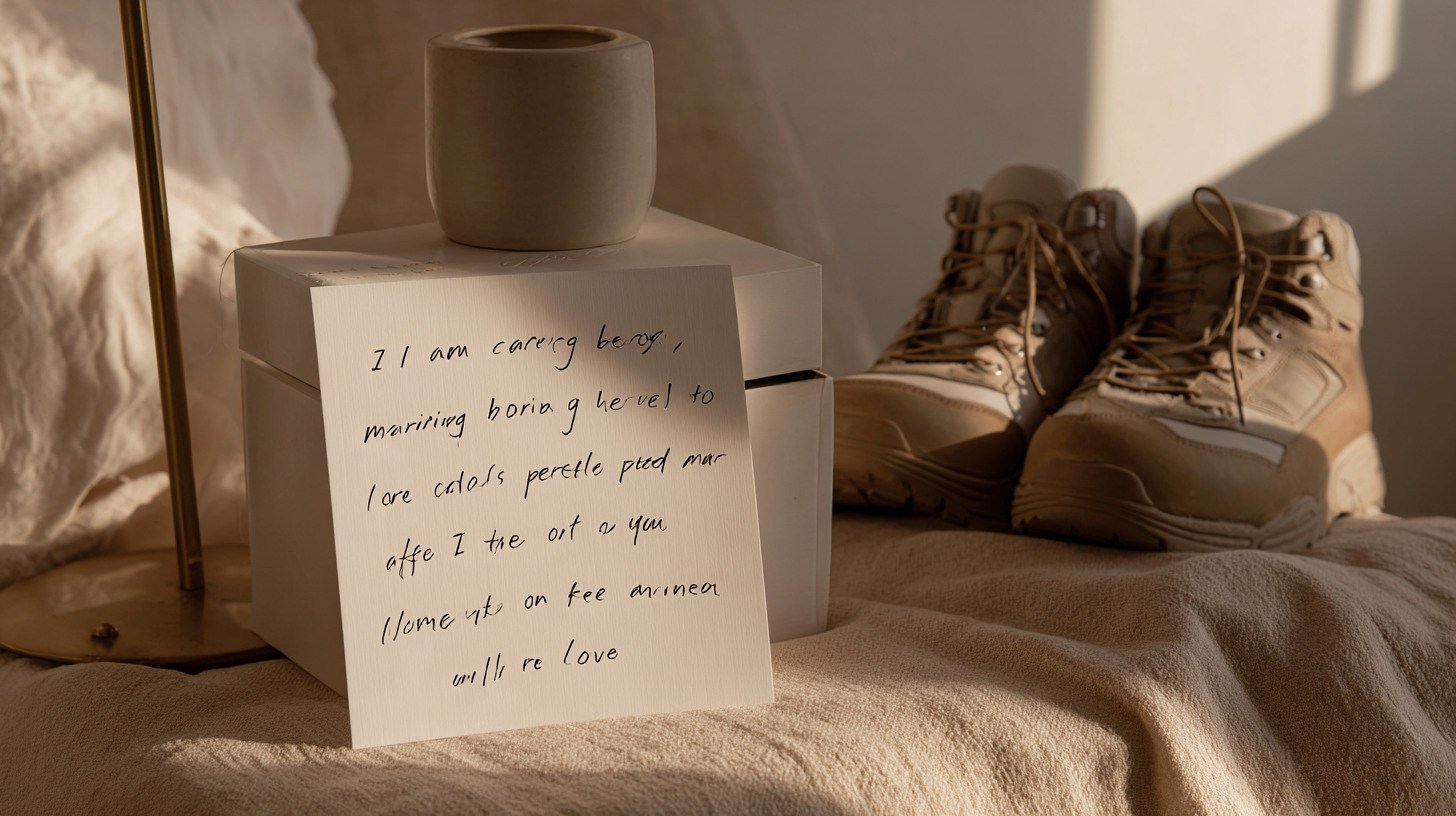
Now, friend, there is another matter we must put on the table before we go further. You can build the most careful, sustainable goals, but if you do not know why you are walking this road, your steps will slow when the days grow hard. The body may be moved by habit for a time, but the heart is moved by purpose. When the alarm rings early, or when others offer you an easier way, it is not a list of rules that will keep you steady; it is your deep, personal reason for seeking better health.
Many people borrow their reasons from others: a number on the scale, a comment from a doctor, a picture on a magazine cover. Those sparks may start a fire, but they rarely keep it burning. Research on what is called “autonomous motivation” shows that people stick with health behaviors far longer when those behaviors are tied to personally chosen values and purposes, rather than to guilt, pressure, or outside approval (Deci & Ryan, 2008; Teixeira et al., 2012). In plain words: if you are only doing this because you feel you ought to, or because someone else thinks you should, your resolve will be thin.
So let us look more closely at your own “why.” Not the polished answer you would give in public, but the honest one you would whisper to a trusted friend. Ask yourself, slowly and without hurry, “What kind of life am I truly longing for?” Notice that this is different from, “What do I want to look like?” or even, “What do I want to weigh?” It reaches deeper: “I want to play on the floor with my grandchildren without pain.” “I want to walk the hills without losing my breath.” “I want a mind clear enough to pray, read, and think.” These are not decorations; they are the quiet roots that can hold up real change.
You might find it helpful to write your reasons down, but do not stop with the first answer. There is a simple method some counselors use called “asking why five times.” Suppose you say, “I want to lose twenty pounds.” You then ask:
“Why do I want to lose twenty pounds?” Perhaps: “So I can feel better in my clothes.”
“Why do I want to feel better in my clothes?” “So I am not self-conscious at social gatherings.”
“Why do I not want to be self-conscious?” “Because I want to be free to enjoy people instead of thinking about myself.”
“Why is enjoying people important to me?” “Because relationships are central to the life I believe I’m called to live.”
“Why do I care about that calling?” “Because I believe my life is meant to serve and love others with a whole heart.”
Do you see how the surface wish—“lose twenty pounds”—has now been tied to a deeper value—loving people more freely and fully? Studies on value-based behavior show that when actions are linked to deeply held beliefs, people endure more discomfort and stay more consistent over time (Hayes et al., 2006). You are no longer just avoiding sugar; you are clearing away what stands between you and the life you believe you are meant to live.
Let us bring this closer to daily decisions. Imagine you come home weary, the day has frayed your nerves, and there is a comfortable chair calling your name. Your walking shoes sit by the door, but your will feels thin. In that moment, a shallow “why”—“I should exercise; it’s good for me”—has little weight. But if you have already named your deeper reason—“I am walking so I can keep up with my children at the park,” or, “I am guarding this body because it is the instrument through which I serve”—that purpose can speak more loudly than your fatigue. You are not merely forcing yourself to take a walk; you are answering a call you chose when you were clear-headed and honest.
It is also important to notice the kind of “why” that wears you down instead of lifting you up. Some reasons are soaked in shame: “Because I am a failure if I do not,” “Because no one will respect me unless I look different,” “Because I must make up for all the years I have been careless.” Shame can stir a burst of effort, but over time it poisons both motivation and joy. Health psychologists have found that self-criticism tends to predict relapse and avoidance, while self-compassion fosters resilience and a willingness to try again after slips (Neff & Germer, 2013; Sirois, 2015). So if your reason is mostly a whip, not a hand on your shoulder, it is time to reconsider it.
Here is a simple way to test your “why”: when you speak it aloud, does it feel like a burden or a blessing? Does it tighten your chest, or does it widen your sense of hope? A wise “why” may be sobering, but it will not crush you. It will call you forward with a kind of steady kindness, saying, “You are capable of better care, and it matters that you try.”
Another angle is to think in terms of what you are moving toward, not only what you are leaving behind. If your whole reason is, “I do not want to be sick,” or, “I do not want to be like my father was in his last years,” then fear and avoidance become your main fuel. Research on approach versus avoidance goals suggests that when people focus on positive outcomes they are moving toward—more energy, more stamina, more peace of mind—they tend to experience more satisfaction and persistence than those who focus mainly on what they are trying to escape (Elliot & Church, 1997). So it helps to ask, “What good, specific things do I hope this new lifestyle change will open for me?”
You might answer:
“I want to wake up without that heavy fog in my head.”
“I want to be the kind of person my children see choosing care over convenience.”
“I want to have enough strength in my later years to serve, not only to be served.”
These are not fantasies; they are directions. When you tie your habits to such pictures, you are no longer just avoiding disease; you are walking toward a clearer, more purposeful life. And every modest action—one glass of water instead of soda, one walk instead of another episode—becomes a small vote cast for that future.
Do not be surprised if your “why” changes shape over time. What stirred you when you were younger—fitting into certain clothes, keeping up with friends in a sport—may give way, in middle age, to wanting enough stamina to work faithfully and still have energy left for family. In later years, the aim may shift again toward preserving independence and mental clarity. This is not inconsistency; it is maturity. Studies on life-span motivation show that our priorities change as our sense of time changes, and adjusting our goals and reasons to match these shifts tends to strengthen, not weaken, our commitment (Carstensen et al., 1999).
It may help you to place your “why” where you can see it. Not a long essay, just a short, truthful sentence or two. You might write:
“I am caring for my body so I can be present and useful to those I love.”
“I am seeking better health so I can serve God and people with a clear mind and steady strength.”
“I am changing these habits so future years are marked by ability, not regret.”
Put these words on a note near the kitchen, on the bathroom mirror, or beside your bed. They are not magic, but they are reminders—small anchors for your heart when your feelings are stormy. Behavioral science calls this “implementation support”—placing cues in your environment that draw your attention back to your chosen path (Rothman et al., 2011). You do not have to rely on memory alone; you can design your surroundings to help you remember what you decided when you were wise.
Now, I want to say something tender but necessary. Many people carry a quiet belief that they are not worth the effort of caring for. They think, often unconsciously, “Others deserve rest, good food, movement, but I must simply push through.” If that is you, your “why” may need to begin here: “Because my life has value, and I am responsible to tend it.” This is not selfishness; it is stewardship. When Scripture tells us that our bodies are temples and instruments of service, it is not calling us to worship our bodies, but to treat them as entrusted vessels, not disposable tools (1 Corinthians 6:19–20). That conviction can become a strong, steady reason to choose better care, even when you do not feel particularly inspired.
As your purpose grows clearer, you will find it easier to separate urgent wishes from enduring values. On a cold evening, the urgent wish may be to stay under a blanket. The enduring value may be to keep a promise to your future self. When the two collide, you can pause and ask, “Which voice do I want to honor in this moment?” Without a named “why,” the urgent wish usually wins by default. With a named “why,” you have a chance—just a small, holy pause in which you can choose in line with who you most want to be.
All of this may sound heavy, but it is not meant to weigh you down. It is, in truth, an invitation. You are not simply managing calories, steps, and bedtimes; you are aligning your outward habits with your inward convictions. When those two are at odds, life feels scattered and half-hearted. When they come into agreement, even small actions carry a sense of rightness. A simple bowl of wholesome food, a quiet walk outdoors, an early turning off of screens—done in light of a clear, honest “why”—can feel less like a chore and more like an offering, a way of saying with your choices, “This is the kind of life I am choosing to build.”
Once your “why” is written, spoken, and settled in your heart, it becomes the quiet current under all the practical work. It can inform how you shape your schedule, what you say yes and no to, and how you arrange the ordinary hours of each day. With that deep reason in place, the work of crafting daily routines is no longer just about efficiency; it becomes about faithfulness to the life you have decided, before God and in honesty, that you wish to live.
Designing supportive daily routines
Friend, this is where your fine words must learn to walk. Goals and reasons are good, but they live or die in the plain light of an ordinary Tuesday. If your days are a tangle of hurry and chance, even the strongest motivation will thin out. But when you shape your daily routine with care, your habits begin to move almost on their own, like a river that has finally found its channel.
Think first about the bookends of your day—the morning and the evening. These are the hinges on which much of your health will turn. You do not need a grand ritual. You need a few clear, steady moves that happen almost the same way, almost every day.
In the morning, before the noise begins, claim a small piece of quiet ground. You might rise ten minutes earlier than you do now. Not an hour—ten minutes. Use it for what truly strengthens you: a short prayer, a few lines of Scripture, a slow stretch, a glass of water before the coffee, three steady breaths at the open window. One man I know leaves his Bible and a notebook on the small table by his chair each night, with a glass already filled and waiting in the fridge. When he wakes, he shuffles to the chair, drinks the water, and reads for five minutes. He says the ritual is so simple he can do it half asleep, yet it sets the tone for his whole day. That is the sort of thing we are after—no fireworks, just a faithful start.
In the evening, you can prepare the ground for tomorrow. Lay out your walking shoes by the door. Place the pan you will use for eggs on the stove. Set your pillbox where you cannot miss it. These small acts are not much in themselves, but they lower the barrier to doing what you already decided was wise. Behavioral researchers call this “reducing friction.” I call it kindness to your future self.
Next, look at your day as it is, not as you wish it to be. Take a plain sheet of paper and sketch the rough outline of your usual hours: when you rise, when you work, when you eat, when you collapse into the chair. Be honest. Where are the dead zones—the ten minutes waiting for the kettle to boil, the quarter hour between getting home and starting supper, the stretch in the late afternoon when you scroll your phone because you are too tired to think? These little pockets of time are fertile ground. You do not need a free afternoon for lifestyle change; you need to capture the small, wasted corners and give them a better purpose.
For example, you might tie a short walk to something that already happens every day. After you get home and set down your bag, before you touch a screen or a chair, you walk once around the block. Not five miles. Once around. A woman I knew did exactly this. At first she grumbled; the walk felt like a chore tacked onto an already long day. But after a few weeks, she began to crave that small loop of quiet before the noise of dinner and dishes. Her children sometimes joined her. What began as a duty became a kind of blessing, and her evenings softened because she had a small, steady way to lay off the day’s weight.
You can do the same with your meals. Many people make food choices “in the moment,” when they are tired, rushed, or hungry. That is when the worst bargains are made. Instead, shift the deciding to a calmer time. Maybe every Sunday afternoon, you sit with a scrap of paper and write a simple plan for the week’s dinners. Not flawless, just clear. Beans and rice on Monday, omelets and salad on Tuesday, leftovers on Wednesday. You are not trying to impress anyone; you are trying to spare yourself the nightly question, “What now?” A man who works long hours once told me, “The best thing I ever did for my health was start boiling a dozen eggs on Sunday night.” Plain, but it meant he had a quick, decent choice ready for lunches all week. That was enough to tip the scales away from fast food more often than not.
When you think about designing routines, watch out for the trap of ambition. A routine that looks noble on paper but collapses in real life is no routine at all; it is a story you tell yourself, then resent. Start lower than you think you should. If you believe you ought to exercise 45 minutes a day, make the routine 10 minutes and let 45 be a pleasant surprise. If you long to cook every meal at home, begin with three dinners a week. The body and the mind learn slowly. Better to be faithful with a little than heroic for a day.
Here is a way to build a routine that stands a chance of lasting. For each part of the day—morning, mid-day, evening—choose no more than one or two health-related actions that you will tie to things you already do. It might look like this:
Morning: After I turn off my alarm, I will drink a glass of water and stretch my calves for one minute beside the bed.
Mid-day: After I finish my lunch, I will walk for eight minutes—four minutes out, four minutes back.
Evening: After I wash the dinner dishes, I will pack tomorrow’s lunch and set out my walking shoes.
Notice how each action is small, concrete, and anchored. You are not saying, “I will be healthier tomorrow.” You are saying, “After this, comes that,” like links in a chain. This is how true routines are forged, one link at a time.
Guard your energy as carefully as your time. A routine that demands constant decision-making will wear you down. Strip out as many choices as you can. Eat roughly the same breakfast most days. Keep a short list of easy, reliable dinners you cycle through. Decide ahead which nights are for walks or simple strength work, and which nights are for rest. When you come home drained, you should not have to ask, “Will I walk tonight?” You should know the answer, because you settled it when your head was clear.
Rest itself must have a place in the routine. A worn-out body cannot heal, no matter how noble the plan. Choose a bedtime, one that gives you enough hours more often than not, and build the half-hour before it into a kind of landing strip. Dim the lights. Turn off the screens. Put your phone to charge in another room if you can bear it. One friend of mine made a simple rule: after ten at night, no screens and no heavy talk. At first it felt strange, like losing a toy. But his sleep grew deeper, and his evenings felt calmer. His whole system inched toward health not because he tried harder, but because his routine finally made rest possible.
It is also wise to build “fail-safes” into your routines—smaller versions of a habit for days when life comes at you hard. Maybe your usual pattern is a 20-minute walk. On the days when you are sick, working late, or caring for children at midnight, your fail-safe might be three minutes of stretching by the bed, or ten slow squats while the kettle boils. This tiny version keeps the pattern alive. You are telling yourself, “Even on my worst days, I still show up for this.” That quiet continuity matters more than any perfect streak.
Expect friction from your own surroundings. The way your home and work spaces are set up can either fight your new routines or carry them. If the cookies sit in a clear jar on the counter and the fruit is buried in the fridge, you know which one will win. So turn the tables. Put the fruit in a bowl on the table. Move the cookies to a high shelf, or do not buy them as often. Keep a water bottle on your desk and fill it every morning as soon as you arrive. Lay a yoga mat or a pair of dumbbells in a corner where you cannot help but see them. You are not trying to become a different person overnight; you are simply making the wise choice the easy choice.
Workdays ask for their own kind of planning. If your job is mostly sitting, your body will pay for it if you do not break the stillness. Set a quiet reminder on your phone for every hour or so. When it rings, stand up, roll your shoulders, walk down the hall, or stretch your hands and neck for one minute. That is all. A nurse I know used to tell herself, “Every time I wash my hands, I roll my shoulders.” In the hospital, she washed her hands dozens of times a shift. Those tiny movements spared her from the stiff neck and burning shoulders many of her coworkers carried.
Now, I will say something that may surprise you: boredom is a good sign. When a routine becomes dull, it means it has sunk deep enough to run without drama. The pull to chase new tricks—new apps, new gadgets, new workouts—can wreck good, simple patterns. There is nothing wrong with variety, but do not change course every time you feel restless. Keep the backbone of your day the same, even as you swap small details. The farmer does not plant a new kind of crop every week. He knows that patient sameness brings the harvest.
At the same time, watch yourself closely enough to know when a routine has become a cage instead of a guide. If your schedule is so tight that one missed walk or a late meal throws you into frustration or shame, it may be time to loosen it. Life will bring interruptions—sickness, guests, storms, unexpected calls in the night. Your routines should be strong enough to hold you in ordinary weather and flexible enough to bend without breaking in a storm. A routine that cannot bend will eventually snap, and with it, your courage.
There is a hidden gift in all this structure. When the shape of your day is largely settled, your mind is freed for better work than constant self-negotiation. You do not have to ask, at every meal, “Should I choose what is wholesome?” You already know what lunch looks like most days. You do not have to battle yourself each evening over whether to walk; the shoes by the door and the quiet path you have walked a hundred times give their own answer. In this way, your routine becomes a servant to your chosen life, carrying you forward with far less strain than raw willpower ever could.
So as you lay out these ordinary hours—the waking, the working, the eating, the resting—remember what you are truly arranging. You are not merely penciling in tasks on a calendar. You are building rails for a train you hope will run for years. Every small, repeated act—each glass of water, each short walk, each calm half-hour before bed—is another length of track. Over time, without fuss or spectacle, the path of your days begins to match the kind of life you say you want. And once your days are shaped in that direction, the long road of better health stops feeling like a battle and starts to feel, quietly and steadily, like home.
Overcoming setbacks and plateaus
Now, my friend, we must talk about the part of this journey that most people try to hide—the stumblings, the weariness, the days when your fine plans lie in a heap and you feel you have gone backward instead of forward. Many give up right here, because they thought that once they had good goals and strong motivation, the road would be smooth. But in the things of health, as in the spiritual life, the path is seldom a straight line upward. There are valleys as well as hills, and if you do not learn how to walk in the valleys, you will not reach the higher ground at all.
First, let us speak plainly: a setback is not a verdict. Missing a week of walking, eating carelessly at a family gathering, staying up half the night with worry or work—these things do not cancel your whole work of reform. Yet many souls, when they stumble once, say in their hearts, “I have failed; it is useless now,” and they throw away the progress of months because of the mistakes of a few days. This all-or-nothing thinking is a cruel master. Research on behavior change shows that people who view lapses as information, not identity—as something that happened, not something they are—are far more likely to recover and continue (Marlatt & Donovan, 2005).
When you see you have slipped, your first work is not to punish yourself, but to tell the truth gently. Ask, “What, exactly, happened?” Not in a tone of accusation, but as a wise investigator. Were you too tired? Did your day run late because you had not planned for interruptions? Were you trying to carry more than your present strength could bear? One woman who struggled with late-night eating began to keep a small notebook. Each time she found herself standing in the kitchen after dinner, she wrote down her mood. Again and again the word “lonely” appeared. She thought her problem was a lack of discipline around food. In truth, she was trying to feed a lonely heart. Once she saw this, she could begin to seek comfort in better places—calling a friend, reading something strengthening, praying quietly—instead of wandering to the pantry.
Plateaus are a more subtle trial. You may be walking faithfully, choosing simpler, more wholesome meals, guarding your sleep, and yet the scale does not move, or your waistline pauses, or the blood pressure numbers stall. That long stillness can shake your courage more than a sharp fall. Studies of weight loss and other lifestyle change efforts show that plateaus are not only common; they are to be expected as the body adapts (Wing & Phelan, 2005). The body, like a cautious mule, sometimes digs in its heels when you ask it to change. If you take this as a sign that your efforts are useless, you will likely abandon them just when they were starting to take deeper root.
In such times you must shift your eyes from the outward result to the inward faithfulness. Ask, “Am I still keeping the daily practices I chose? Am I walking, preparing simple meals, resting better?” If the answer is mostly yes, then your work is not in vain, even if the outer signs are slow. The body is not a machine that responds instantly to each input; it is a living temple that sometimes needs time to heal and re-balance before it can show the fruit of your labors. Researchers note that health improvements—better blood sugar control, improved mood, stronger sleep—often appear before visible weight changes (Knowler et al., 2002). It may be that the most important gains are already taking place in quiet places you cannot yet measure.
Still, a plateau can also be a teacher. It invites you to review, not to despair. Sit down with your pattern of living and look with clear eyes. Perhaps the portions that slowly crept larger need to be gently trimmed back. Perhaps your short walks that once left you pleasantly winded now feel too easy, and your body is ready for a few more minutes or a slightly quicker pace. Perhaps stress has increased, and you have not made room for rest, so your sleep has grown shallow and your cravings louder. This is not a call to drastic, punishing change, but to wise adjustments—a tightening here, a softening there. A gardener does not tear up a whole tree because the fruit is late. He prunes a branch, waters more faithfully, and waits a little longer.
Now, you and I both know that in moments of discouragement, the voice inside can grow harsh. It says, “You always quit. You will never change. Look at you—back where you started.” Studies have found that this kind of self-condemnation is strongly linked to giving up on health behaviors, while an attitude of self-compassion—speaking to yourself as you would to a dear friend—helps people rebound from setbacks and keep going (Neff & Germer, 2013; Sirois, 2015). So ask yourself, “If a friend came to me with this same struggle, what would I say?” You would not tell her she is hopeless. You would say, “Yes, you stumbled. But look how far you have already come. Let us see what went wrong and try again.” Why should you speak more cruelly to your own soul than you would to hers?
There is a simple pattern you can follow whenever you falter. First, pause. Breathe deeply, perhaps three slow breaths, feeling your feet on the ground. This small act breaks the whirlwind of shame. Second, name what happened: “I ate past fullness at the office party,” or, “I skipped my walks three days in a row,” or, “I stayed up late watching screens and now I am exhausted.” Third, forgive yourself and return to the next right step, not to some grand gesture to “make up for it.” A harsh “makeup” fast, or a punishing workout done out of guilt, usually leads to another crash. Instead, ask, “What would it look like to be faithful just for the rest of this day?” Maybe it is drinking water instead of more sweets. Maybe it is a ten-minute walk instead of abandoning movement altogether. Scripture tells us the righteous fall many times and rise again—not because they never fail, but because they refuse to stay down (Proverbs 24:16).
It also helps to guard against the lie of “the clean slate.” Perhaps you have said, “I have ruined this week. I will start fresh on Monday,” and then used those in-between days as an excuse to indulge every old habit. This is how a small slip becomes a slide. Research in eating behavior calls this the “what-the-hell effect”—once people believe they have broken their rules, they throw the rules away entirely (Herman & Polivy, 2010). The antidote is to remember that every choice stands alone. There is no law that says a day with one poor meal must end with three more. You can turn at the next decision, even if the last one went badly. You can say, “That was not what I had hoped, but my next meal, my next hour, can still honor the life I am choosing.”
Sometimes setbacks are not from weakness at all, but from sorrow. An illness enters the home, a job is lost, a child wanders, grief presses on your chest like a stone. In seasons like these, your old routines may shatter. You may find yourself eating whatever is handed to you, sleeping at odd hours, unable to find the strength for your usual walks. Friend, in such times it is not faithfulness to demand of yourself what your heart and body cannot give. Faithfulness may look like simply eating enough to keep going, drinking water amidst the tears, stepping outside for a few breaths of fresh air. Health is not a cold set of numbers; it is the care of a whole person in real circumstances. As your strength returns, your former habits can be gently rebuilt. The Lord knows our frame; He remembers that we are dust, and our plans for reform must remember it too (Psalm 103:14).
To face both setbacks and plateaus, it is wise to keep more than one kind of measure. If you watch only the scale, or only the mirror, you will almost certainly be discouraged at times. Instead, track signs of progress that are within your control. Are you walking more days this month than last? Are you cooking at home a little more often? Is your sleep slightly more regular? Behavioral scientists have observed that noticing small, process-based wins sustains motivation far better than chasing distant outcomes alone (Michie et al., 2009). You might keep a simple checkmark chart on the fridge: a box for “walked,” a box for “slept by 10:30,” a box for “cooked at home.” When a week looks more marked than blank, even if your body is slow to show it, you can see with your own eyes that you are tending the garden.
Let us talk, too, about how to adjust intelligently when a plateau lingers. After a month or more of steady faithfulness with little change, choose one small lever to shift. Do not overhaul everything at once—that will only exhaust you and confuse which change made the difference. You might add five more minutes to your walks, or introduce a few light strength exercises twice a week, since building muscle can help the body use energy more wisely (Westcott, 2012). Or you may decide to gently trim back a certain evening snack that has crept in, replacing it with fruit or a cup of herbal tea. Keep that one adjustment for a few weeks, then see what fruit it bears.
At times you may discover that what you called a plateau is really your body reaching a new, healthier “normal.” Perhaps you hoped for a certain number on the scale because you saw it in a book or remembered it from years ago. But your present life, with its duties, age, and history, may lead you to settle at a different place. Health researchers remind us that weight and other markers have a range, and that well-being, strength, and function matter more than meeting an idealized figure (Bacon & Aphramor, 2011). If you can walk without pain, sleep more soundly, think more clearly, and live with greater peace, do not despise that gift because it comes in a different package than you once imagined.
Another danger in seasons of difficulty is comparison. When you are struggling, other people’s stories can feel like a reproach. You see a neighbor who never seems to falter, or read about someone who lost more weight in less time, and you say quietly inside, “What is wrong with me?” But you do not know the full story of their days—what they carry, what they have given up, what help they have, what burdens they do not bear. Studies have found that constant upward comparison—measuring yourself against those who seem better—tends to breed discouragement and unhealthy striving rather than steady growth (Festinger, 1954; Wheeler & Miyake, 1992). Your work is not to keep pace with anyone else, but to be more faithful in your own lane than you were yesterday.
In very practical terms, it may help you to write a short “relapse plan” before the hard days come. This is not a plan for failure; it is a plan for recovery. On a calm day, sit and decide, “If I lose my footing—if I stop walking, or fall back into old eating patterns—what will I do?” You might write:
Step 1: I will not make any big decisions about my health while I am upset. I will wait at least one day.
Step 2: I will tell one safe person the truth about how I am struggling.
Step 3: I will choose one small habit to restart for three days (for example, drinking water with each meal, or a 10-minute walk).
Step 4: After three days, I will sit down and gently review what made it hard and adjust my plan if needed.
Having such a plan written down gives you something to hold onto when your feelings shout that all is lost. It is like keeping a lantern and a map by the door before the storm clouds gather.
One more thing, dear friend: in seasons of setback, keep close to whatever nourishes your spirit. For some, it is Scripture and prayer; for others, quiet time in nature, or singing, or writing their thoughts before God in a notebook. When the heart is heavy, the body soon follows. Health is not merely the absence of disease; it is, as many have written, a kind of wholeness of body, mind, and spirit. Even modern research recognizes that practices like gratitude, meditation, and regular worship are linked with better health outcomes and greater resilience under stress (Koenig, 2012). When you care for your inner life, you strengthen the very roots that hold you steady when the winds of discouragement blow.
So when you find yourself on the ground—whether by your own choices or by the weight of circumstances—do not lie there and rehearse every failure. Reach out, even a little, for the next firm handhold: a glass of water instead of another soda, a single lap around the block, a quiet half-hour of earlier sleep, a prayer whispered in weakness. These small acts are not too little for the Lord to notice, nor too small to begin turning the tide. The life you long for is not destroyed by one stumble, nor built in one grand gesture. It is formed, restored, and sustained by rising, and rising again, in the direction you have chosen—trusting that even on days of loss and stillness, your steady return to wise care is doing a deeper work in you than you can yet see.
Leveraging social and environmental support
Look around your life for a moment. Who and what is quietly shaping your choices each day? Your motivation for better health does not stand alone inside your mind; it is constantly being pushed or pulled by the people near you and the places you spend your time. If you try to live a new way in an unchanged environment, among people who unknowingly tug you back toward old patterns, you will feel as though you are walking uphill in sand. But if you learn to enlist both your relationships and your surroundings as allies, even modest efforts can begin to move with the grain instead of against it.
Begin with the simple admission that you are not meant to walk this road alone. Scripture tells us that “two are better than one,” and modern research agrees: people who attempt lifestyle change with some form of social support—friends, family, groups, or mentors—usually persist longer and relapse less often (Wing & Jeffery, 1999). Yet many attempt to reform their habits in secret, as though they must prove their worthiness before daring to be seen. Ask yourself why. Are you afraid of being watched, of failing where others can see, of being misunderstood? If so, consider that secrecy may be costing you the very support your heart and body most need.
Support does not always mean grand declarations or formal programs. It can start with choosing one safe person and speaking the truth plainly: “I am trying to care for my health in a steadier way. I know I will falter. Could I tell you what I’m working on and ask for your encouragement when it grows hard?” You are not asking this person to police you. You are asking them to walk beside you, to remind you—when you forget—of the good you have already chosen. Even a simple text from such a friend—“How was your walk today?”—can be enough to nudge you out the door when your resolve has gone thin.
Be wise and specific about what you ask from others. Vague pleas like, “Keep me accountable,” often fade. Instead, name concrete ways they can help:
“If you see me skipping our planned walk without reason, would you gently ask what’s going on, not scold me?”
“When we eat together, could we agree to have at least one vegetable on the table?”
“If I start speaking harshly about my body, would you remind me of the kinder way I said I wanted to talk to myself?”
Support can also be mutual. Perhaps you have a neighbor who wishes to move more, or a coworker who wants to drink less soda. You may not share the exact same goals, but you can still covenant together in spirit: “You work on your part; I will work on mine; we will check in each Friday.” In this way, your small circle becomes a workshop for courage and honesty, rather than a quiet echo chamber of the very habits you hope to leave behind.
At the same time, we must speak honestly about the people who, often without malice, pull you away from the path you are trying to walk. Perhaps there is a relative who insists you take a second helping at every meal, or a friend who mocks your walks, or coworkers who press you to stay late and skip rest. You cannot—and should not—control them. But you can learn to set gentle boundaries and offer clear explanations: “I love your cooking, but I’m stopping when I’m full.” “I’m not staying as late these days; I’m working on my sleep.” “I’ll come to the gathering, but I’ll be drinking water tonight.”
You may fear that such words will bring conflict. Often, they bring a different surprise: respect. Many will quietly admire your steadiness and perhaps even be stirred to examine their own ways. Even if some grumble, you will know that you are no longer handing the reins of your body and time to anyone who happens to tug on them. Consider how many of your past choices were shaped by the wish to avoid awkwardness, and ask yourself if that is truly a worthy ruler over your life.
Sometimes, you cannot count on close companions to support your new course—perhaps they are entangled in their own struggles, or simply do not understand. In such cases, you may need to look outward for a “second circle” of support. This could be a walking group at a local park, a small class at a community center, an online forum where people share modest, realistic progress rather than extreme transformations. You are not seeking perfection; you are seeking company in the work of ordinary faithfulness. Studies on group-based health programs show that even brief, regular contact with others on the same path can strengthen commitment and reduce feelings of isolation (Burke et al., 2006). Even a few voices saying, “Yes, this is hard; yes, it matters; yes, keep going,” can keep your own from falling silent.
Now turn your attention to the quieter but relentless influence of your physical environment. Your home, your car, your desk at work—they are like silent instructors, repeating messages day after day. A kitchen with chips on the counter and soda in easy reach whispers one kind of lesson. A kitchen where water glasses are ready, fruit sits on the table, and the treats are tucked out of sight whispers another. Behavioral scientists have shown again and again that we tend to choose what is visible and easy; this is not weakness, it is human nature (Wansink, 2010). If you want different choices, you must rearrange what your eyes and hands meet first.
Walk through your living space with this question in mind: “What choice is this room encouraging?” If the television is the throne of the living room, with chairs riveted toward it and remotes within an easy grasp, you know what kind of evenings it invites. What would it look like to shift the center just a little? Perhaps you move a comfortable chair near a window with a small table for a book, Bible, or notebook. Perhaps you keep a small basket with walking shoes, a hat, and a light jacket near the door, so that “going out for a few minutes” becomes just as easy as sinking deeper into the cushions.
The same principle applies to movement. If your exercise equipment is buried in a closet or garage, you will almost never use it. Dusty treadmills do not strengthen hearts. Bring a pair of light dumbbells into the room where you often watch or listen to something. Keep a rolled mat where you can see it, not hidden under a bed. One man who struggled to stretch made a simple rule: his guitar would stay on its stand only if the stretch mat stayed on the floor beside it. Whenever he picked up the guitar in the evening, he saw the mat and did two minutes of stretching first. Over weeks, those two minutes grew into ten, quietly building a habit that no amount of scolding himself had ever produced.
Consider also the patterns of your work environment. Does your desk invite long, rigid hours without movement or water? You might keep a full bottle of water within arm’s reach, and an empty one far away, so that refilling it requires a brief walk. Set gentle reminders on your computer to stand, stretch, or look out a window every hour. These tiny breaks are not laziness; they are a way of acknowledging that your body is not a machine. Over time, they can ease the strain in your neck and back and soften the constant, low-grade tension that often drives people to overeating or numbing themselves with screens the moment work ends.
Many people underestimate the pull of their digital surroundings. The apps and feeds you choose, the notifications you allow, the people you follow—they, too, form a kind of environment around your mind. If your phone is filled with images that glorify extremes—unsustainable diets, exhaustingly perfect bodies, overnight “transformations”—you will likely feel either pressured into reckless efforts or paralyzed by a sense that your modest, slow work is meaningless. Ask yourself: “Do the voices I listen to stir hope and steady effort, or do they constantly awaken envy, shame, or frantic striving?” You may need to unfollow some accounts, mute certain group chats, and seek out steadier, humbler sources who speak of health as a long obedience rather than a spectacle.
Noise is another part of your environment that touches your health more than you may realize. Constant background television, music, or chatter can keep your nervous system slightly aroused, making true rest and mindful eating harder. Try, just once this week, to eat one meal in quiet—no screens, no rushing, only the food before you and whatever gentle conversation fits the moment. Notice how this alters your sense of fullness, your pace, even your thoughts. Do you gulp your food as if fleeing from silence, or can you receive it as something to be noticed and thanked God for? These experiments with quiet can show you how deeply your surroundings have been steering your habits.
Of course, not everyone has the freedom to rearrange their environment as they wish. You may share a small space with others who do not share your goals. You may live in a neighborhood without safe sidewalks, or work in a place where the break room is always piled with sweets. Yet even in such limits, there is room for small acts of stewardship. Perhaps you keep a personal drawer at work with nuts, fruit, or simple crackers, so that you are not at the mercy of the pastry table whenever hunger pricks. Maybe you walk indoor hallways or climb stairs during a break instead of circling unsafe streets. Maybe, if your home is crowded, you claim one shelf as your “health shelf,” where your water bottle, walking shoes, and Scripture or encouraging books live together as a small, visible pledge of the life you are choosing.
There is another kind of environment we seldom name: the culture of your household or community. What jokes are made about bodies? How do people speak about aging, sickness, or rest? Is it considered “weak” to stop working at a reasonable hour? Are evenings centered around screens and snacks, or around conversation, shared tasks, and perhaps a simple walk? These unwritten customs can have more weight than any official rule. If you are the first to question them, you may feel alone. Yet someone must be the first to ask, gently, “Is this way of living serving us? Is it leading us toward the kind of old age we hope for, or away from it?”
You may not be able to remake your family culture overnight, but you can plant small seeds. Suggest, once a week, that after dinner everyone take a ten-minute walk together. Propose that phones stay off the table during meals. Start a simple ritual—perhaps each person sharing one thing they are grateful for that day, or reading a brief verse or reflection together. The point is not to force others into your exact plan, but to tilt the shared air a little more toward attentiveness and care. Children, especially, absorb these quiet customs and often carry them into their own adult lives. Your choice to introduce one small, regular pattern may outlive you in ways you cannot now imagine.
As you work with both your relationships and your surroundings, you may notice a subtle shift: the burden of pure willpower grows lighter. When a friend expects to see you at the park, your own resolve does not need to carry the full weight of getting you there. When your kitchen is stocked with simple, wholesome food, you are less often standing before the pantry bargaining with yourself. When your chair faces a window instead of a screen, an evening spent reading or reflecting becomes almost as natural as one spent scrolling. You have not become a different person; you have simply given your future self better paths to follow.
Yet this raises a deeper question you would do well to ponder: What would your life look like if your social and physical surroundings were not fighting your health, but quietly serving it? What if your closest relationships knew your “why” and guarded it with you? What if your home, however modest, was arranged so that the easiest choices were also the wisest ones? Let these questions trouble you in a fruitful way. Let them stir you to keep learning—about habit, about community, about how the spaces we inhabit can either drain us or steadily restore us. You are not a prisoner of your current environment. Little by little, with thought and courage, you can remake it into a workshop where the life you desire is not only possible, but gently invited, day after ordinary day.
- How can I stay motivated to work on my health when my family is not interested?
- Start by clarifying your own reasons and sharing them calmly, without preaching or demanding that others change. Then build small, personal habits you can keep regardless of what others do, while inviting your family to join you in simple ways—like a short walk or a healthier side dish—without making participation a test of loyalty.
- What if my friends pressure me to eat or drink in ways that go against my goals?
- Prepare a few clear, respectful phrases in advance, such as “I’m working on my health, so I’m stopping here,” or “I’ll enjoy the company, but I’m skipping the extra drink.” Most people adjust once they see you are steady and not judging them; if some persist, it may be wise to limit how often you place yourself in those situations.
- How do I build a support system if I feel shy or embarrassed about my struggles?
- Begin small by choosing one trustworthy person and sharing only what you are ready to reveal, perhaps focusing on one habit rather than your whole history. You can also look for structured settings—like a walking group, class, or online community with clear rules—where you can learn and share at your own pace without exposing more than you wish.
- Can changing my home environment really make a big difference in my health?
- Yes; many studies show that small environmental shifts—like making healthy foods more visible and convenient, or reducing screen time cues—lead to better choices with less strain on willpower. Rearranging your space so that wise actions are easier and tempting ones are slightly harder can quietly reshape your daily patterns over time.
- What can I do if my neighborhood is unsafe or inconvenient for walking?
- Look for alternatives that still allow regular movement: indoor walking at a mall or community center, stair-climbing, simple strength exercises at home, or short routines you can do in a small space. You might also consider driving or taking transit to a safer park or track once or twice a week, turning it into a planned “movement appointment.”
- How do I handle social events without undoing my progress?
- Decide on two or three non-negotiables before you go—for example, eating slowly, stopping at comfortable fullness, or choosing water between any sweet drinks. Focus on enjoying people more than the food, and remember that one thoughtful plate at a gathering will not erase weeks of steady effort, but repeated abandon can slowly pull you off course.
- Is it worth joining a health or fitness group if I’m afraid of being judged?
- Many people share that fear, yet find that well-chosen groups offer encouragement, practical ideas, and a sense of belonging that is hard to create alone. Seek settings that emphasize progress over perfection and welcome beginners; you can always step away from any group that mocks, pressures, or shames rather than helping you grow.
Beside our live streamed church services, all are welcome to attend our church in person each Saturday beginning 10:00 AM Central Time by going to 2425 Owens Rd., Ashland, AL 36251. There is no cost and any donations are strictly voluntary.
For questions, call +2563547124.