Come join Ashland Sabbath Chapel Ministries each Saturday for live streamed church services. Bible Study begins at 10:00 AM Central Time and Sermon at 11:00 AM. Visit Our YouTube channel and watch from home!
If you and I were sitting together at the table, I’d start by saying plainly: not all fiber is the same, and that difference matters more than most people realize. We often speak of “fiber” as if it were one single thing, but the Lord has furnished the earth with a variety of plant foods, each carrying its own kind of roughage, each performing its own quiet labor for our bodies. When you know these different kinds, you can choose your food more wisely and gain the full benefit that simple, wholesome fare was designed to give you.
First, there is what is commonly called soluble fiber. This sort of fiber is found in foods like oats, barley, beans, lentils, apples, citrus fruits, and many so‑called “psyllium” preparations. When soluble fiber meets water in the stomach and small intestine, it forms a soft gel. That gel slows the emptying of the stomach, moderates how quickly sugars and fats are absorbed, and binds certain substances along the way. In a very real sense, it serves as a gentle governor on the digestive machinery, keeping things from moving too fast or too wildly.
One of the marked benefits of soluble fiber is its effect on blood fats. Studies have shown that regularly eating soluble fiber from oats, barley, and legumes can help lower LDL (“bad”) cholesterol, thereby reducing risk for coronary heart disease (Anderson et al., 2009; Brown et al., 1999). It accomplishes this in part by binding bile acids, which are made from cholesterol, and carrying them out of the body. The body must then draw on its cholesterol stores to make more bile, and over time the blood levels are lowered. In this way, the simple oat or humble bean becomes a quiet ally of the heart.
Soluble fiber also serves the cause of steady energy. Because it slows the passage of food and the absorption of sugars, it smooths out those sharp rises and falls in blood sugar that weary the system. Research shows that higher intakes of soluble fiber are associated with better glycemic control, particularly in those facing diabetes or prediabetes (Post et al., 2012). It does not work like a drug, operating by force, but rather like a wise counselor, moderating excess and promoting balance by its very presence in the meal.
Next, there is insoluble fiber. This form is found chiefly in whole wheat, brown rice, many vegetables (such as carrots, green beans, and cauliflower), nuts, seeds, and the bran of grains. Insoluble fiber does not dissolve in water; it retains its form as it passes through the digestive tract. You might think of it as the scaffolding or framework of plant foods. In your body, it adds bulk to the stool and helps speed its passage through the intestines.
The special benefit of insoluble fiber shows itself in the regularity of the bowels. By increasing stool bulk and shortening transit time, insoluble fiber helps prevent constipation and may reduce the risk of diverticular disease and hemorrhoids (Burkitt, 1971; Dukas et al., 2003). Many today suffer needlessly with sluggish bowels, relying on pills and potions, while the simple remedy is found in coarse bread, brown rice, fresh vegetables, and other foods in their natural state. When we eat them as the ground yields them, unrefined and unspoiled, the bowels respond with greater faithfulness.
Insoluble fiber also plays a role in guarding the health of the colon over the long term. By diluting potential toxins and hastening their exit, it is thought to lessen the time that the intestinal lining is exposed to harmful substances. Observational studies have linked higher intakes of cereal and vegetable fiber with lower risk of colorectal cancer, though not all findings are uniform (Aune et al., 2011). Even where the science is still gathering, experience shows that those who live on plain, coarse foods, rich in the rough portion of grains and vegetables, are far less troubled with many disorders that afflict those who largely subsist on refined fare.
Beyond this simple division of soluble and insoluble, there are more particular kinds of fiber that deserve mention. One such class is the fermentable fibers, including inulin, fructooligosaccharides (FOS), and certain resistant starches. These are abundant in foods like onions, garlic, leeks, Jerusalem artichokes, chicory root, green bananas, and cooled cooked potatoes and rice. These fibers are not broken down in the small intestine; instead, they travel onward to the colon, where they become nourishment for friendly bacteria.
There in the colon, these fermentable fibers are converted by the resident microbes into short-chain fatty acids—such as butyrate, acetate, and propionate—which help nourish the cells of the colon, support immune function, and may reduce inflammation (Ríos‑Covián et al., 2016). You can think of them as a humble offering laid at the feet of the microscopic helpers that dwell in the gut. When we supply them with this proper food, they in turn serve us, strengthening the barrier of the intestinal lining and producing compounds that bless the whole body.
Because fermentable fibers promote the growth of beneficial bacteria—such as Bifidobacteria and Lactobacilli—they are called prebiotics. Unlike probiotics, which introduce new organisms, prebiotics simply feed those that are already there, helping the good to flourish. Regular use of these fibers has been linked with improved stool consistency, better mineral absorption (including calcium and magnesium), and even favorable effects on mood and cognition, likely through the gut–brain axis (Slavin, 2013). Thus, by choosing onions, garlic, and other such foods, you are, often without knowing it, tending a garden within.
Another notable group is the viscous fibers, a subset of soluble fiber that becomes particularly thick in water. This includes beta‑glucans from oats and barley, pectins from fruits, and certain gums such as guar gum. Because of their pronounced thickening effect, these fibers are especially powerful in moderating the post‑meal rise in blood sugar and in lowering LDL cholesterol. Clinical trials have shown that daily intake of oat beta‑glucan can reduce LDL cholesterol by 5–10% within weeks (Whitehead et al., 2014). Such a reduction, achieved not by medicine but by steady, faithful choice of wholesome food, has a very real impact on the risk of heart disease.
There is also resistant starch, which, though technically a carbohydrate, behaves much like fiber because it resists digestion in the small intestine. It is found in lentils and other legumes, in firm bananas, and in potatoes, rice, and pasta that have been cooked and then cooled. This kind of starch passes to the colon and is fermented, producing those same short‑chain fatty acids—especially butyrate—that are so nourishing to the colon cells (Haenen et al., 2013). Resistant starch seems to improve insulin sensitivity and may assist in weight management by promoting satiety and moderating the blood sugar response to meals.
When we step back and consider all these various fibers—soluble, insoluble, fermentable, viscous, resistant—we see that each one contributes something distinct to our health. Soluble and viscous fibers slow and steady digestion, guard the heart, and aid blood sugar control. Insoluble fiber keeps the bowels faithful and the colon cleansed. Fermentable fibers and resistant starch nourish the gut’s friendly inhabitants, strengthening both gut and immune function. All together, they form a mighty band of helpers, working quietly wherever plant foods have not been stripped of their substance.
The practical lesson is that no single refined product, no powder in a jar, can fully replace the rich variety of fibers found in a diet rooted in whole plant foods. Oats and barley, beans and peas, apples and berries, onions and garlic, nuts and seeds, whole wheat and brown rice—each bears its own measure of benefit, and no one should be despised or neglected. In the simple abundance of such foods lies the true strength of sound nutrition, and those who make them their daily companions will find their bodies better fitted for the work of life and service.
How fiber supports digestive health and regularity

Think of your digestive tract as a long, living road that runs from your mouth to the other end. When that road is clear, smooth, and well‑kept, you hardly notice it. You eat, you move, you sleep, and all the quiet work is done without complaint. But when the road is rough—when you are constipated, bloated, or running to the bathroom too often—life feels heavier than it should. This is where fiber comes in, doing the kind of simple, faithful work that keeps the road open and the traffic moving.
One of the main ways fiber helps is by giving the stool proper form. Without enough fiber, the waste that moves through the intestines can be small, hard, and dry. It drags along slowly, scraping and straining the passage. You know how that feels: time on the toilet, pushing, waiting, maybe even pain and a bit of dread. Insoluble fiber—the kind you find in whole wheat bread, bran, vegetables, nuts, and seeds—acts like a natural brush and scaffold. It soaks up some water, adds bulk, and gives the stool shape. With more bulk, the muscles of the colon have something to grip, and they push the contents forward with more strength and rhythm.
The bowels are like any set of muscles: when they have regular work to do, they stay in better form. A diet poor in roughage leaves them with little to move, and over time they become sluggish. This slow movement—what doctors call poor transit—means the stool sits longer in the colon, more water is drawn out of it, and it becomes drier and harder. You can see how quickly this turns into constipation. But when you take in enough fiber each day, the colon keeps a steadier pace. Waste passes through in a reasonable time, neither rushing nor lingering too long.
Soluble fiber has its own part to play in this. When it meets water, it forms that soft gel we talked about earlier. This gel makes the stool smoother and easier to pass. It’s not just about bulk; it’s about texture. Think of the difference between trying to push out a hard pebble and a soft, molded ball of clay. One scrapes and hurts; the other slips out with far less trouble. Folks who start eating more oats, beans, or fruits like apples and oranges often notice that going to the bathroom becomes less of a struggle and more of a simple, unremarkable act of daily life.
There is another quiet piece to the story: water. Fiber draws water toward itself, and this is a blessing when you drink enough. With water, fiber swells and softens the stool. Without water, it can sit too dry and heavy, like a sponge that was never soaked. That is why people who suddenly add a lot of fiber but forget to drink more often complain of gas, cramps, or even worse constipation. The remedy is simple: when you raise your fiber intake, you must raise your water intake as well. A few plain glasses of water, taken through the day, are worth more than all the fancy drinks that crowd the market.
Fiber also trains the bowels toward regularity by helping restore a natural rhythm. The colon responds to stretch—that sense of fullness when the stool gathers. Fiber provides that gentle stretch. When your diet is rich in plant foods, the colon fills at predictable intervals, and the body grows used to emptying itself at regular times. You rise in the morning, move a bit, and soon enough nature knocks. You can almost set your clock by it. When meals are irregular, low in fiber, and high in refined flour and fat, this rhythm is lost. Some days you may not go at all; other days you go several times but never feel done.
Many people live with what doctors call “functional constipation,” meaning there is no clear disease, but the bowels simply move too slowly or with too much effort. In such cases, a consistent increase in both soluble and insoluble fiber has been shown to help. Whole grains instead of white bread, beans a few times a week, an extra serving of vegetables at lunch and supper, a piece of fruit in place of a pastry—these quiet changes can soften the stools, increase their volume, and cut down on straining. Over time, this can also spare you from hemorrhoids and small tears in the anal lining, which so often come from repeated pushing.
There is more happening inside than you can feel. Remember those friendly bacteria living in the colon? They eat certain types of fiber—especially fermentable fibers and resistant starch—and in return they produce short‑chain fatty acids like butyrate. These acids are not waste; they are fuel for the cells that line the colon. You could say the colon feeds on what its own bacteria make from the fiber you eat. A well‑fed colon lining is stronger, less inflamed, and better at absorbing water and minerals in the right measure.
This relationship with the gut bacteria also affects gas and bloating, which many people blame on fiber alone. The truth is more even. When someone who eats very little roughage suddenly begins loading up on beans, bran, and raw vegetables, the bacteria receive a sudden feast. They respond with enthusiasm, fermenting more, and this extra activity makes more gas. The belly feels tight, maybe painful, and the person is tempted to say, “Fiber does not agree with me.” But if the same person increased fiber slowly—adding a half cup of beans here, a spoon of oats there, a few more vegetables across the week—the bacteria would adapt. Different species would grow, the gas would settle, and over time there would be less discomfort, not more.
In this way, fiber shapes the entire neighborhood of the gut. When you feed the helpful microbes with the right kinds of fermentable fiber, they grow stronger and outnumber the troublesome ones that thrive on sugar and processed foods. A healthier mix of bacteria has been linked with less inflammation in the gut, fewer bouts of diarrhea, and a lower risk of conditions like diverticular disease, where small pouches along the colon wall can become inflamed. The link is not magic; it is simple nutrition and cause and effect. Good food feeds good microbes; good microbes support good gut health.
Fiber also helps in managing the other extreme—loose stools and diarrhea—though it must be handled with care. Certain soluble fibers, especially the more viscous ones like psyllium, can soak up excess water in the bowel and give form to a stool that would otherwise fall apart. This is why psyllium is used not only for constipation but also to help steady the bowels in conditions like irritable bowel syndrome. It acts like a gentle sponge and gel at once, making the stool more “normal” whether it tends to be too hard or too loose. You can see in this how fiber is not just a one‑way tool; it is a regulator, nudging the gut back toward the middle.
Over the long course of years, this steady work of fiber—bulking, softening, feeding bacteria, producing short‑chain fatty acids, speeding transit just enough—seems to shield the colon from certain harms. When waste moves through at a healthier pace, any irritating substances in that waste, including potential carcinogens, spend less time in contact with the intestinal wall. The stool is also more diluted by water and fiber, which lowers the concentration of those substances. Epidemiological studies that follow large groups of people over time often find that those who eat more fiber, especially from whole grains and vegetables, have a lower risk of colorectal disease than those who live on white bread, meat, and sweets.
All of this, taken together, shows that fiber is not some optional add‑on to your diet, like a garnish you can take or leave. It is part of the very machinery that keeps your digestive system honest and regular. When you strip it away—when grain is milled to white flour and rice is polished until the bran is gone—you rob the body of this essential helper. You may not feel it at once, but over months and years the price is paid in sluggish bowels, straining, pills for constipation, and the slow wear and tear of a colon that must work without its natural tools.
The good news is that this road can be repaired. The colon is not a dead pipe; it is living, responsive tissue. When you begin to give it what it was made to handle—coarse bread, brown rice, beans, lentils, fruits with their skins, plenty of vegetables, and enough water—it answers in kind. Bowel movements come more easily, more regularly, with less pain and less thought. The bathroom stops being a battleground and returns to what it ought to be: a brief, unremarkable pause in the day. And this steady internal order sets the stage for other gains, too, including better control of appetite and weight, which grows naturally out of the same faithful habits of eating.
The role of fiber in weight management and satiety
Now, friend, when we turn from the bowels to the matter of appetite and weight, we are not leaving the subject of fiber behind at all—we are simply following its work a little farther up the chain. The same humble roughage that keeps the colon faithful also helps to steady the desires of the appetite. In a world filled with rich pastries, sweetened drinks, and highly seasoned foods that stir up craving, we need something that quiets rather than excites, that satisfies rather than inflames. Fiber does just this, and it does it in several gentle but powerful ways.
First, there is the matter of volume. Foods rich in fiber—whole grains, beans, vegetables, fruits, nuts, and seeds—naturally take up more space in the stomach than refined foods of the same calorie content. When you eat a bowl of oatmeal with berries and a sprinkle of nuts, your stomach receives a fair load of bulk and water along with the calories. Stretch receptors in the stomach wall sense this fullness and send messages to the brain that “enough has arrived.” The meal does not have to be heavy with fat or sugar to feel satisfying. Refined foods, in contrast, are often dense in calories yet poor in bulk; the stomach may be only half filled, and the brain keeps asking for more.
Soluble and viscous fibers play an especially clear role here. When they meet water in the stomach, they swell and form that soft gel we spoke of earlier. This thickening slows the emptying of the stomach into the small intestine, so you stay full longer after eating. Clinical trials have shown that meals higher in viscous fiber, such as beta‑glucans from oats or psyllium, lead to increased satiety and a lower desire to eat in the hours that follow (Slavin & Green, 2007). In other words, the very structure of these foods helps you to be content with less.
This slower emptying and gel formation also smooths the rise in blood sugar after a meal. When we eat refined bread, sugary cereals, white rice, or pastries, the starches and sugars are quickly broken down and absorbed. Blood sugar rises sharply, and the body must release a surge of insulin to cope. Often, after this steep rise comes a drop—sometimes lower than where you began. With that dip comes fatigue, irritability, and a fresh yearning for something sweet or starchy. Many live in this cycle all day long: spike, slump, craving, repeat.
But when a meal is rich in viscous and fermentable fiber—think of lentils with brown rice, or a hearty vegetable and bean soup with whole‑grain bread—the sugars enter the blood more slowly. The rise is gentler, the insulin response is more moderate, and the drop is less severe. Studies consistently show that higher fiber intakes, particularly from whole grains and legumes, are associated with better insulin sensitivity and a reduced risk of developing type 2 diabetes (Weickert & Pfeiffer, 2018). On a day‑to‑day level, you feel this as steadier energy and fewer urgent cravings, which makes it far easier to avoid overeating.
The work of fermentable fiber goes still deeper. When these fibers reach the colon and are broken down by the friendly bacteria, they yield short‑chain fatty acids such as propionate and butyrate. These compounds do more than feed the colon lining; they also send signals through the blood and the nervous system that influence hormones related to appetite. Research has shown that short‑chain fatty acids can stimulate the release of satiety hormones like peptide YY (PYY) and glucagon‑like peptide‑1 (GLP‑1), which tell the brain that the body has been fed and can rest from seeking more food (Byrne et al., 2015). So even hours after a high‑fiber meal has left the stomach, its influence continues through these small messengers.
Insoluble fiber, though not as active in hormone signaling, plays its own steady part. Because it adds bulk and moves food more briskly along the intestinal tract, it encourages a pattern of eating that is more in harmony with the body’s natural needs. You eat, you are filled, you digest, you eliminate; then, at the proper time, you grow hungry again. When the bowels are sluggish and the diet is rich in refined, greasy foods, the sense of hunger can be confused—sometimes dulled, sometimes exaggerated, often driven more by habit and stimulation than by true need.
Another point often overlooked is the energy density of foods. Fiber itself contributes very few usable calories; much of it passes through undigested, though some is fermented. When foods are high in fiber and water, you can eat a generous portion for a modest amount of energy. A large salad with greens, beans, and vegetables; a big bowl of vegetable stew; a hearty serving of barley or quinoa with mixed vegetables—these plates look and feel abundant, yet they do not carry the same calorie load as a smaller serving of cheese, white bread, or fried meats. Numerous long‑term studies have found that people who habitually eat more fiber tend to weigh less and gain less weight over time than those who eat little, even when they are not consciously counting calories (Du et al., 2010).
There is a moral lesson here. Our bodies were not made for dainty, concentrated delicacies taken in small quantities, but for simple, wholesome fare eaten freely until natural hunger is satisfied. Fiber‑rich foods allow you to eat in this generous way without continually overshooting your body’s needs. They encourage temperance without leaving you feeling deprived. A plate full of steamed vegetables, brown rice, and beans satisfies the eye and the stomach; it does not leave you wandering back to the cupboard again and again, seeking one more bite.
Some fear that a high‑fiber diet will leave them forever in the kitchen, forever chewing, or that it will be too plain to enjoy. Yet those who truly try the experiment—gradually replacing refined breads with whole grains, sweetened drinks with water, meat‑heavy meals with beans, lentils, and vegetables—often find that their tastes gently change. The tongue grows more sensitive; the natural sweetness of fruit and the hearty flavor of grains and legumes become more pleasing. As the body is more adequately nourished with vitamins, minerals, and the many protective compounds found in plant foods, the frantic drive to seek more and more “pleasure” from food begins to quiet down.
There is also the matter of late‑night eating and constant snacking, which so easily lead to weight gain. When meals are low in fiber and high in refined carbohydrates and fats, the stomach may quickly empty and blood sugar may swing, leaving you prowling the kitchen between meals. In contrast, a diet that emphasizes fiber‑rich staples—oats in the morning, beans and whole grains at midday, vegetables and whole fruit scattered generously through the day—provides a longer‑lasting sense of satisfaction. You find it easier to go from one meal to the next without grazing, and easier to close the kitchen after the evening meal, giving the stomach a time of rest through the night.
Some will ask, “Can I not simply take a fiber pill or a spoon of powder and keep eating as I always have?” Such products may have their limited use, especially in those struggling with constipation, but they are poor substitutes for the full package of fiber as it appears in nature. Whole foods bring not only various types of fiber, but also water, micronutrients, antioxidants, and a balanced structure that works together for health. Studies of weight control repeatedly show that diets built on whole, minimally processed plant foods are more successful in the long term than approaches that merely add a supplement to an otherwise rich and refined diet (Mozaffarian et al., 2011). Fiber is not meant to be sprinkled on top of poor nutrition; it is meant to be woven into the very fabric of what you eat.
It is true that when someone shifts quickly from a low‑fiber pattern to one rich in whole grains and legumes, there may be some early discomfort—extra gas, a feeling of fullness, perhaps even a bit of cramping. But this should not be taken as a sign to turn back. The gut, long accustomed to scanty roughage, must adjust; the bacterial population must change. When the increase is made gradually, with plenty of water and a thoughtful variety of foods, these early trials usually pass within a week or two. On the other side lies a steadier appetite, fewer sudden hunger pangs, and an easier path to reaching and maintaining a healthy weight.
We should also remember that the goal is not thinness for its own sake, but fitness for service. Extra weight, especially around the waist, burdens the heart, joints, and lungs, and clouds both mind and spirit. Fiber‑rich foods, by promoting satiety, moderating blood sugar, and gently lowering calorie intake, help to relieve this burden without harsh measures. They do not demand severe fasting, extreme diets, or complicated rules; they simply invite us back to the Creator’s simple provision—grains, fruits, nuts, and vegetables in as natural a state as possible.
In this light, every meal becomes a small act of stewardship. When you choose whole‑grain bread instead of white, a baked sweet potato instead of fries, a hearty bean soup instead of a heavy meat stew, you are not merely trading one taste for another. You are choosing the kind of fuel that calms the appetite rather than excites it, that leads to contentment rather than restlessness. And as this pattern is repeated day after day, the body finds its proper balance more easily, the mind grows clearer, and you are better prepared to receive and render the duties of each day.
As you consider these things, it may help to think not only of what to leave off, but of what to add. Instead of counting calories with anxious care, begin thinking, “How can I bring more living, fiber‑rich foods onto my plate?” A handful of nuts with fruit for a snack, a serving of beans or lentils at least several times a week, whole grains at breakfast rather than sugary cereals, a colorful variety of vegetables at dinner—these are small, practical steps. Taken together, they harness the quiet power of fiber to guide your appetite, support your weight, and gently bend your habits toward better health, without constant struggle or harsh restraint.
Fiber’s impact on heart health and blood sugar control
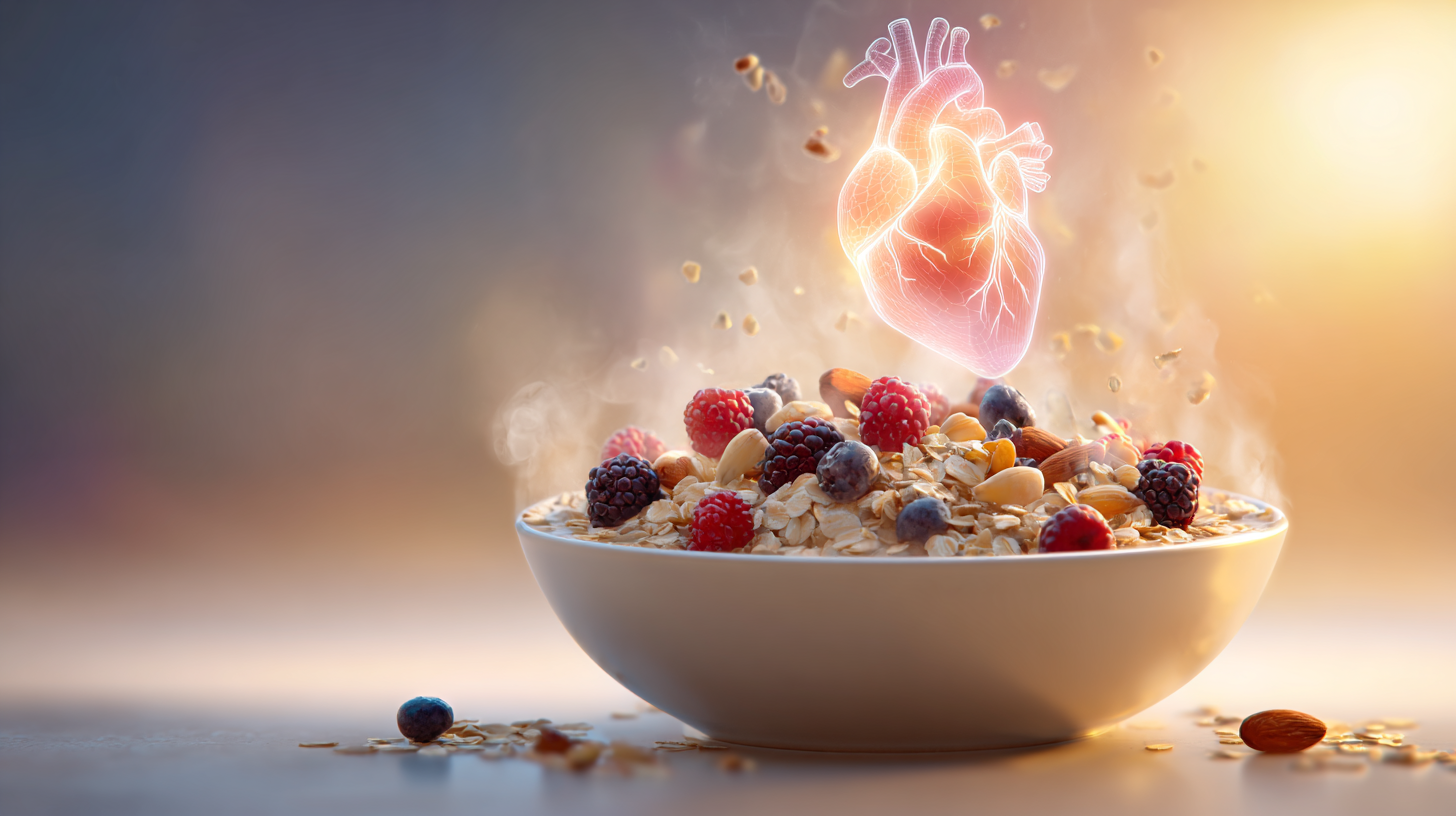
When we speak of the heart, my friend, we are not dealing merely with feelings, but with a tireless organ that beats from the first hours of life until its close. The choices we make at the table either lighten or increase its burden. Here again, fiber quietly takes its place as a helper. Long before laboratories and modern instruments, thoughtful observers noticed that peoples who lived chiefly on coarse grains, beans, and vegetables were far less troubled by diseases of the heart and blood vessels than those whose diet was rich in meat, fat, and refined flour. Modern research has only confirmed what plain living already suggested.
One of the clearest ways fiber aids the heart is by lowering LDL cholesterol, that “bad” cholesterol which so often clogs the arteries. Soluble and viscous fibers—like the beta‑glucans in oats and barley, the pectins in fruits, and the gums found in beans and certain seeds—form a gel in the intestines. As food passes along, this gel binds some of the bile acids that are released to help digest fats. These bile acids are made from cholesterol. When fiber carries them out of the body in the stool, the liver must draw more cholesterol from the blood to make new bile. Over time, this steady drawing down of the cholesterol pool leads to lower LDL levels in the bloodstream (Brown et al., 1999; Anderson et al., 2009).
This is no small matter. A number of controlled trials have shown that adding just a few grams per day of viscous fiber from oats or barley can reduce LDL cholesterol by 5–10% within a few weeks (Whitehead et al., 2014). When such a reduction is maintained, the risk of coronary heart disease drops in a very practical way. Consider how much trouble people undergo to secure such changes with medicines alone, sometimes bearing side effects in the process, when part of the remedy can be found in a simple bowl of oatmeal, a pot of barley soup, or a regular serving of beans.
Fiber also appears to lower the tendency of the blood to thicken and clot, and it may improve the flexibility of blood vessels. Diets rich in whole grains and legumes have been linked with lower blood pressure and fewer cardiovascular events in large population studies (Threapleton et al., 2013). Some of this benefit may come from minerals like potassium and magnesium that travel with fiber‑rich foods, and some from the antioxidants found in the bran of grains and the skins of fruits and vegetables. But the rough portion itself also plays its part, moderating fat absorption and helping regulate weight—two matters that weigh heavily upon the heart’s workload.
Remember those short‑chain fatty acids—acetate, propionate, and butyrate—that the gut bacteria produce when they ferment certain fibers? These small compounds do not stay in the colon alone. They enter the blood and have been shown to influence cholesterol production in the liver and to dampen inflammation in the blood vessels (Ríos‑Covián et al., 2016). Inflammation is like a slow, smoldering fire that weakens the vessel walls and makes it easier for cholesterol‑laden particles to burrow in and form plaques. By helping tame this low‑grade inflammation, fermentable fibers indirectly shield the arteries from harm.
When we turn to the matter of blood sugar, the story of fiber’s kindness continues. Many today labor under the strain of high blood sugar, prediabetes, or full diabetes. They feel the fatigue, the thirst, the slow healing of wounds, and they face a greatly increased risk of heart attack and stroke. In truth, diabetes is as much a disease of the blood vessels as it is of sugar, for high glucose and high insulin, carried on for years, damage the delicate lining of the arteries. Anything that brings steadiness to blood sugar is therefore also a guardian of the heart.
Soluble and viscous fibers again take a leading role. When a meal rich in such fiber reaches the stomach and small intestine, the gel that forms slows the breaking down and absorption of carbohydrates. Instead of a sudden flood of glucose entering the blood, there is a gradual stream. The pancreas, in turn, does not have to pour out a great burst of insulin; it can release a more measured amount. Clinical trials have repeatedly shown that high‑fiber meals, especially those including oats, barley, legumes, and certain fruits, produce lower post‑meal blood sugar and insulin levels than similar meals made from refined starches (Post et al., 2012).
Over time, this gentler pattern helps improve what physicians call insulin sensitivity—the ability of the body’s cells to respond readily to insulin’s signal. Insulin is like a key that opens the doors of the cells so glucose can enter and be used or stored. When cells become “deaf” to this signal, the pancreas must shout louder, sending out more and more insulin. This state of insulin resistance is a chief stepping‑stone toward type 2 diabetes, and it is strongly linked with excess weight around the waist, high blood pressure, and abnormal cholesterol—a combination often called metabolic syndrome. Higher intakes of cereal fiber and whole grains are consistently associated with lower risk of both insulin resistance and type 2 diabetes (Weickert & Pfeiffer, 2018).
Resistant starch and fermentable fibers add another layer of support. As they are broken down by the gut bacteria, the resulting short‑chain fatty acids appear to improve the way the liver handles glucose and fat, and they may even influence the release of hormones that help control blood sugar, such as GLP‑1 (Byrne et al., 2015). Some studies suggest that regular intake of resistant starch from foods like lentils, firm bananas, and cooled potatoes can improve insulin sensitivity in as little as a few weeks. Again, we find that the Creator has placed in simple foods the very tools our bodies need to maintain order.
There is also the matter of how fiber alters the “company” that carbohydrates keep. When grains are refined to white flour and rice is polished, most of the fiber is stripped away, leaving behind concentrated starch that is quickly turned to sugar in the blood. Sweet drinks, white bread, pastries, and many breakfast cereals send a swift wave of glucose that repeatedly batters the system. By contrast, when you eat the grain as nearly whole as possible—brown rice instead of white, whole‑wheat bread instead of fine white rolls, oats instead of sugar‑coated flakes—the fiber in the bran and germ slows digestion and lowers the glycemic response. Large reviews of prospective studies show that those who habitually eat more whole grains have substantially lower risks of heart disease and type 2 diabetes than those who eat little (Aune et al., 2016).
In plain terms, a high‑fiber pattern of eating keeps the inner tides of sugar and fat from surging and crashing all day long. The heart, the blood vessels, and the nerves are spared much wear and tear. Instead of wild swings in energy and appetite, there is a more even course—less of the sharp hunger that follows a sugar crash, fewer of the dizzy spells and headaches that come with unstable blood sugar. This steadiness makes it far easier to choose temperate portions, to avoid constant snacking, and to maintain a healthy weight, all of which further bless the heart.
Some may object that they know people who eat plenty of bread and still develop diabetes or heart disease. Here we must be careful to distinguish between breads. A coarse, truly whole‑grain loaf, where you can see the bits of bran and feel its substance, is not the same as a soft, white, sweetened bun that only bears the name “wheat” on its label. Nor is a plate of lentils with brown rice the same as a plate of white pasta in a heavy cream sauce. It is the genuine increase of unrefined, fiber‑rich foods—and the decrease of sugary drinks, refined starches, and greasy meats—that does the work, not merely the presence of a token grain.
Others may say, “My blood sugar is already high; is it safe to add more carbohydrate, even if it has fiber?” Here it is wise to work with a health professional, but in general, replacing refined carbohydrates and animal fats with high‑fiber plant foods has repeatedly been shown to improve blood sugar control, not worsen it. When calories are kept in a suitable range, a diet centered on whole grains, legumes, vegetables, and fruits can lower HbA1c (a long‑term measure of blood sugar), improve cholesterol profiles, and reduce the need for medication in some individuals with type 2 diabetes (Barnard et al., 2009). The fiber in these foods is part of what makes such improvements possible.
We should not overlook the manner in which fiber helps keep our blood vessels clean simply by promoting better weight control, as we have already considered. Excess fat, especially around the abdomen, sends out chemical signals that promote inflammation, raise blood pressure, and worsen insulin resistance. By helping us feel satisfied with fewer calories, stabilizing blood sugar, and improving the gut environment, fiber lays the groundwork for shedding this harmful weight without extreme measures. Each pound lost in this way is a pound of pressure removed from the heart and arteries.
There is a unity in all this that speaks well of the wisdom behind true nutrition. The same foods that nourish the good bacteria, ease the bowels, and quiet the appetite are the foods that lower cholesterol, steady blood sugar, and guard the heart. Oats in the morning; beans, lentils, and brown rice at midday; fruits and vegetables in their natural form; nuts and seeds in moderation—these are not fashionable tricks, but enduring helps. They do not act like a sudden storm, bringing dramatic change for a week only to pass; rather, they work day by day, almost unnoticed, building a foundation of better health upon which the years can rest more securely.
As you think of your own table, it may be helpful not only to consider what burdens the heart—heavy meats, refined sweets, greasy frying—but to ask, “Where can I invite more of this heart‑helping fiber?” A simple change from white bread to a true whole‑grain loaf, from sugary breakfast cereal to plain oats with fruit, from a meat‑only entrée to a generous portion of beans or lentils, from juice to whole fruit—these may seem like small steps. Yet each one, faithfully carried out, shifts the balance in the blood: less cholesterol carried in the wrong form, more stable sugar, a quieter pancreas, a calmer heart.
And as the heart is lightened in this way, you may find energy returning that you had thought lost to age; walks become easier, sleep more restful, and the mind more clear. Such changes do not spring from a single pill or a short‑lived effort, but from a continued, trustful choice of the foods that were appointed for our good. In making room for fiber‑rich fare, you are not merely following the counsel of studies and statistics; you are cooperating with the body’s own design, allowing it to repair, regulate, and restore in the way it was meant to do.
Practical ways to add more fiber to your daily meals
Putting these truths into practice does not require expensive products or elaborate recipes; it calls for a willing mind and some thoughtful rearranging of what you already eat. The first and most powerful step is to exchange refined grains for whole grains wherever you can. White bread, white rice, and many delicate pastas have had most of their fiber stripped away. Choose instead sturdy whole‑grain bread where you can see the bits of bran, brown or wild rice, old‑fashioned or steel‑cut oats, barley, quinoa, and whole‑wheat pasta. These swaps alone can more than double the fiber in key meals without leaving you feeling deprived.
Breakfast is often the easiest meal to reform. Instead of sugary cereals or white toast with spreads, consider a bowl of oatmeal cooked with water or plant milk, topped with berries, a sliced banana, and a small handful of nuts or seeds. Or prepare overnight oats in a jar with rolled oats, chia seeds, fruit, and cinnamon, ready to eat in the morning with no extra work. Whole‑grain toast spread with mashed avocado and sprinkled with sunflower or pumpkin seeds, or a warm barley porridge with raisins and chopped apples, can likewise turn the morning meal into a foundation of sound nutrition. Ask yourself, as you plan breakfast, “How can I place at least two fiber‑rich foods in this bowl or on this plate?”
At midday and evening, build your meals around plants rather than using them as mere garnish. Let beans, lentils, or peas become regular guests at your table—chickpeas in a vegetable stew, black beans in a chili or salad, lentils in a hearty soup, split peas in a simple potage. These legumes are rich in both soluble and insoluble fiber and are often inexpensive. Pair them with a whole grain—brown rice, bulgur, barley, or whole‑wheat couscous—and you have a meal that satisfies deeply and feeds your gut bacteria well. Over time, you may begin to notice which combinations leave you feeling most steady and content; ponder those patterns and lean into them.
Vegetables should move from the side of the plate toward the center. Aim to fill at least half your plate with vegetables at lunch and dinner—raw, steamed, roasted, or lightly sautéed in a small amount of healthy fat. Dark leafy greens, carrots, beets, Brussels sprouts, broccoli, cabbage, green beans, and squash each offer their own balance of fibers and protective compounds. If raw salads bother your digestion at first, begin with gently cooked vegetables and small salads, adding more as your system adapts. You may find it interesting to keep a simple notebook for a week or two: which vegetables you choose, how you prepare them, and how you feel afterward. Such mindful attention often awakens a deeper curiosity about your own body’s responses.
Fruit is another simple, pleasant way to increase fiber. Favor whole fruit over juice. An orange, with its pulp and membranes, gives you far more fiber and satiety than a glass of orange juice, which delivers sugar but leaves the bowels idle. Apples, pears, berries, plums, peaches, grapes, and citrus fruits all contribute. When you can, eat the edible skins, well washed, for much of the fiber is there. Try trading one daily dessert or sweet snack for a piece of fresh fruit with a small handful of nuts; notice how differently your body responds over the next few hours.
Nuts and seeds, though rich and energy‑dense, are valuable allies when used in moderation. A sprinkle of ground flaxseed or chia seeds on your oatmeal, a spoonful of sunflower seeds on a salad, or a few walnuts added to a bowl of fruit bring not only fiber but also healthy fats that support heart health. Because they are concentrated in calories, keep portions modest—a small closed handful of nuts, or a tablespoon or two of seeds at a time is often sufficient. Grinding flaxseed just before use makes its nutrients and fiber more available; you might experiment with adding a spoonful to baked goods or smoothies and observe whether your bowels grow more faithful.
Snacks are an often‑overlooked opportunity either to scatter refined, low‑fiber foods through the day or to strengthen the body with better choices. Instead of chips, cookies, or candy, consider carrot sticks with hummus, an apple with a few almonds, a small bowl of air‑popped popcorn (a whole grain), or whole‑grain crackers with bean spread. If you find yourself automatically reaching for packaged sweets, pause long enough to ask, “What fiber‑rich option could I place in my hand instead?” In that simple question, repeated often, your habits and tastes begin to bend toward better ways.
Remember that your gut needs time to adjust. If your current pattern is low in fiber, do not leap overnight to very high amounts. Begin by adding one new fiber‑rich item each day—a serving of fruit, a side of beans, a bowl of oats—and increase gradually over several weeks. Drink plenty of water with these changes; think of it as giving the fiber the moisture it needs to do its work kindly. If you notice extra gas or bloating, see it not as a reason to retreat, but as a sign that your inner community of microbes is in motion. Slow down a little, adjust the pace, but keep walking the path.
Label reading can become a powerful tool in your hands. Packages often list grams of dietary fiber per serving. As a simple guide, seek breads with at least 3–4 grams of fiber per slice, cereals with at least 5 grams per serving and little added sugar, crackers with at least 2–3 grams per serving, and snack bars that earn their fiber from oats, nuts, seeds, and fruits rather than from isolated additives alone. Yet even as you learn these numbers, let them stir deeper questions: How much of my food still comes in a package at all? How often does my plate hold foods that look very much as they did when they grew?
Planning ahead can spare you from falling back into old patterns when you are tired or rushed. Cook a large pot of beans or lentils once or twice a week and store portions in the refrigerator or freezer for quick use. Prepare extra brown rice, barley, or quinoa at supper so that tomorrow’s lunch is half made before you wake. Wash and cut vegetables in advance, keeping them ready for easy salads or stir‑fries. Set out a bowl of fresh fruit where your eyes and hands naturally go; let that sight prompt you to choose the better part. In this way, you gently bend the structure of your days so that the fiber‑rich choice becomes the easy one.
If eating with family or guests, you need not make a show of your changes. Simply begin to place more wholesome options on the table: a large salad dressed simply, a pot of bean soup, a dish of roasted root vegetables, a basket of true whole‑grain bread. Allow others to taste and decide for themselves; often, when these foods are prepared with care, they are received gladly. You might even invite a conversation: “I’ve been learning how powerful simple fiber‑rich foods are for our bodies. Have you ever noticed how different you feel after a meal of whole grains and vegetables compared with a heavy, refined one?” Such questions can awaken in others the same curiosity now stirring in you.
In all these practical steps, the aim is not perfection, but direction. Each time you choose a coarse, living food over a refined substitute, you are casting a small vote for better health—for steadier energy, a more faithful bowel, a quieter heart. Let your kitchen become a place of quiet experiment: try new whole grains, different beans, unfamiliar vegetables; watch how your body responds, and keep what does you good. As you do, you may find that your interest in nutrition deepens, that you begin to read, ask, and observe with new eyes, eager to understand how these simple foods exercise such profound influence over mind and body.
- How much fiber should I eat each day?
- Most adults are advised to aim for about 25 grams of fiber per day for women and 38 grams for men, though many people fall far short of this. Rather than counting every gram, focus on building meals around whole grains, legumes, vegetables, fruits, nuts, and seeds so that higher intake comes naturally.
- Can I just take a fiber supplement instead of changing my diet?
- Fiber supplements like psyllium can help with constipation or cholesterol, but they do not replace the full benefits of whole plant foods. Whole foods supply a variety of fibers, vitamins, minerals, and protective compounds that work together in ways a single powder cannot match.
- Will increasing fiber cause gas and bloating?
- Some people notice more gas or mild bloating when they first increase their fiber intake, especially from beans and certain vegetables. This usually settles within a week or two as gut bacteria adjust; increasing fiber gradually and drinking enough water can make the transition easier.
- Is all fiber good for blood sugar control?
- Both soluble and insoluble fiber are helpful, but soluble and viscous fibers—found in oats, barley, beans, and many fruits—are especially effective at slowing sugar absorption. They help smooth out blood sugar spikes after meals, which supports better long‑term control.
- Can I eat too much fiber?
- Very high intakes, especially added suddenly, can lead to discomfort, gas, or interference with absorption of some minerals in sensitive individuals. Most people, however, are far below recommended levels, and a gradual move toward more fiber from whole foods is generally safe and beneficial.
- What are some quick, high-fiber snacks I can keep on hand?
- Simple options include fresh fruit with a small handful of nuts, raw vegetables with hummus, air‑popped popcorn, or whole‑grain crackers with a bean spread. Preparing these in advance makes it easier to choose them instead of low‑fiber processed snacks.
- How can I tell if a bread or cereal is truly whole grain?
- Look for “100% whole grain” or “100% whole wheat” as the first ingredient, and check that each serving provides several grams of fiber with little added sugar. Words like “multigrain” or “wheat” on the front label can be misleading unless the ingredient list and fiber content support the claim.
Ashland Ashland Sabbath Chapel
Beside our live streamed church services, all are welcome to attend our church in person each Saturday beginning 10:00 AM Central Time by going to 2425 Owens Rd., Ashland, AL 36251. There is no cost and any donations are strictly voluntary.
For questions, call +2563547124.