Come join Ashland Sabbath Chapel Ministries each Saturday for live streamed church services. Bible Study begins at 10:00 AM Central Time and Sermon at 11:00 AM. Visit Our YouTube channel and watch from home!
You don’t need to twist yourself into a pretzel to feel what yoga can do for your body. It starts small. You notice your shoulders sit a little lower. Your back doesn’t bark at you when you stand up from a chair. Your breath doesn’t hitch when you climb the stairs. This is what the practice does first: it loosens the places you’ve been holding tight for years and reminds the body that it was built to move, not just sit and ache.
One of the first things you feel is flexibility. Not circus flexibility. Simple, human range of motion. The tight hamstrings that pull on your lower back begin to ease. The rigid hips that make you shift in your seat start to open. Pose by pose, the muscles and connective tissues lengthen and soften. Studies show that regular yoga practice improves flexibility and joint range of motion across age groups, even in people who start out stiff as boards (Cramer et al., 2013; Youkhana et al., 2016). It’s not magic. It’s repetition. You show up, you stretch, you breathe, and the body slowly trusts you again.
Right behind flexibility comes strength. Not the loud kind you get from clanging weights in a crowded gym, but a deep, quiet strength that starts at your center. When you hold a plank, a warrior pose, or a slow chair pose, you recruit muscles that daily life ignores. Core, back, legs, shoulders, even the small stabilizers around your joints start to wake up. Research has found that consistent yoga training can increase muscular strength and endurance, especially in the trunk and upper body (Tran et al., 2001; Cowen & Adams, 2005). Over time, this strength doesn’t just make you better at poses. It makes you better at standing, walking, lifting groceries, and carrying your own weight without strain.
As strength and flexibility improve, something else happens: your posture begins to change. You catch yourself straightening up when you walk. Your head stops jutting forward like you’re always reaching for a screen. Yoga builds the muscles that support your spine and teaches you what “aligned” actually feels like. That’s not just cosmetic; poor posture has been tied to neck pain, back pain, and even headaches (Raine & Twomey, 1994). When the spine stacks properly, the weight of the day doesn’t fall on one small, overworked part of you. It spreads out. Life feels a bit lighter, literally.
Balance is another quiet gift. Many of us don’t notice how shaky our balance is until we stand on one foot and feel the leg tremble. Balance poses in yoga—tree, warrior III, even simply standing tall with eyes closed—train the nervous system and the muscles to work together. This matters more and more with age. Loss of balance is behind many falls, and falls are a big cause of injury in older adults. Research shows yoga can improve balance and reduce the risk of falls, particularly in older populations (Youkhana et al., 2016; Patel et al., 2011). You won’t always see the change in the mirror, but you’ll feel it when you bend to tie your shoe and don’t sway, or when you step off a curb with more confidence.
Then there’s the heart—your engine. People often think of fitness as something you only build by pounding pavement or sweating through high-intensity intervals. But certain forms of yoga, especially flowing styles like Vinyasa and faster-paced Sun Salutations, raise the heart rate and improve cardiovascular function. Studies have found that yoga can lower resting heart rate, reduce blood pressure, and improve markers like cholesterol and blood vessel function (Innes & Selfe, 2008; Ross & Thomas, 2010). Even slower, gentler practices can help by easing stress, which is a big driver of heart disease. You may not feel shattered and breathless after a session, but the heart still learns to work more efficiently.
Joint health might be the most underrated physical reward. When you move every joint through its healthy range—wrists, ankles, knees, hips, spine—you’re bringing fresh blood and nutrients to the cartilage and tissues that keep everything gliding. Controlled loading of the joints through poses like lunges, gentle twists, and weight-bearing on hands can help maintain joint function and relieve stiffness. Clinical research has shown that yoga can reduce pain and improve function in people with osteoarthritis and chronic low back pain (Tilbrook et al., 2011; Kolasinski et al., 2005). It’s not about forcing the body; it’s about teaching the joints to move again without fear.
Don’t forget the bones. We usually think of weight training for bone density, but weight-bearing yoga poses have a role here too. When you bear your own weight—standing poses, arm balances, even simple downward dog—you apply stress to the bones. The body responds by rebuilding and reinforcing them. Some small studies suggest that yoga may increase bone density or at least help slow bone loss, particularly in postmenopausal women (Ulrich et al., 2009; Lu et al., 2016). It’s not a replacement for all other forms of exercise, but it can be a powerful ally in keeping the skeleton strong.
Another piece you start to notice is recovery. If you already run, lift, cycle, or do other sports, yoga can play the role of the quiet, steady friend who keeps you from burning out. The stretching, gentle compression, and mindful movement help ease muscle soreness, improve circulation, and speed up recovery between hard sessions. Athletes who add yoga often see better mobility, reduced injury risk, and improved performance (Polsgrove et al., 2016). It’s like giving your body a tune-up instead of waiting for something to break.
Breath is the thread running through all of this. Every time you move with your breath, you teach your body to pair effort with ease. This affects your nervous system, dampening the constant fight-or-flight signals that keep muscles tight and blood pressure high. Research shows that yoga, especially when combined with focused breathing, can regulate the autonomic nervous system and reduce physiological markers of stress like cortisol (Pascoe et al., 2017). You might not think of calm as a physical benefit, but it changes heart rate, tension, digestion, and even how well your body heals.
All of these shifts—flexibility, strength, balance, posture, heart health, joint care, bone support, recovery—add up to something simple: you feel more at home in your own body. That’s the quiet promise of yoga. It’s not about perfect poses or chasing some ideal shape. It’s about moving the way your body was meant to move, carrying yourself with less pain and more ease, and letting your physical health support the rest of your life instead of holding you back. Over time, this steady practice becomes more than just exercise; it turns into a kind of moving mindfulness that touches every part of your day.
Mental and emotional balance

You know how the body often carries what the heart and mind will not speak? The clenched jaw, the weight between the shoulders, the knot in the stomach—these are sermons the flesh is preaching about the state of the soul. When you step onto the mat, you’re not only stretching muscles; you are entering a small sanctuary where the thoughts, fears, and sorrows that have been running wild are invited to sit quietly before the Lord. In this way, yoga, practiced thoughtfully, can become a means of calming the mind, softening the emotions, and preparing the heart to listen more clearly to what is right and good.
One of the first changes you may notice is that your thoughts slow down. Not because you force them, but because you finally give them room to breathe. When you match movement with steady breathing, the mind has less space to wander in anxious circles. Research has shown that regular yoga practice can reduce symptoms of anxiety and depression, likely through effects on stress hormones, brain chemistry, and the nervous system (Cramer et al., 2013; Streeter et al., 2012). Instead of being pulled along by worry and fear, you begin to watch them from a step back, the way you might look at storm clouds from a sheltered porch rather than being drenched out in the open.
This quieting of thought is closely tied to what many call mindfulness—a simple, steady awareness of what is happening right now. Not yesterday’s regrets, not tomorrow’s what-ifs, but this breath, this movement, this beating heart. In Scripture, we are invited to “be still, and know” (Psalm 46:10, KJV). Mindfulness in the context of a Christ-centered life is not emptying the mind to drift aimlessly, but clearing the clutter so that what is true, noble, and pure may be more clearly seen and cherished (Philippians 4:8). Studies indicate that yoga-based mindfulness practices can improve emotional regulation, reduce rumination, and increase a sense of well-being (Michalsen et al., 2012; Büssing et al., 2012). You learn, little by little, that you can feel an emotion fully without being ruled by it.
Stress, that silent thief, wears many disguises. It troubles sleep, disturbs digestion, shortens tempers, and clouds judgment. Many of us carry it as if it were some unavoidable inheritance of modern life. Yet the nervous system is not meant to run forever on high alert. Through gentle poses and calm breathing, yoga shifts the body from the constant “fight-or-flight” mode into a “rest-and-digest” state, which is governed by the parasympathetic nervous system. Clinical trials have found that yoga can lower cortisol, the body’s primary stress hormone, and improve overall stress resilience (Pascoe et al., 2017; Kirkwood et al., 2005). When the body learns how to relax on purpose, the heart, too, finds more room for trust and patience.
You may notice that when your nervous system settles, your relationships soften as well. It is easier to answer kindly when you do not feel stretched to a breaking point. It is easier to listen when your mind is not racing ahead. Emotional balance is not the absence of feeling; it is the steadying of feeling. Yoga encourages you to observe what arises—anger in a difficult pose, frustration when balance is lost, discouragement when the body feels weak—and to meet those responses with curiosity instead of condemnation. Over time, this practice on the mat translates into life off the mat. Research suggests that yoga can increase self-compassion and decrease self-criticism and hostility (Impett et al., 2006; Gard et al., 2014). Where harsh judgment once spoke loudly, a gentler, wiser voice begins to answer.
Sleep is often one of the first places where emotional strain reveals itself. Restless nights, racing thoughts, waking in the early hours with worries that feel larger than they are—these are familiar to many. Gentle evening yoga, especially practices that include slow stretches and intentional breathing, has been shown to improve sleep quality and reduce insomnia (Halpern et al., 2014; Wang et al., 2020). When the mind learns to release its grip before bed, the body follows, and sleep becomes more like a gift received than a battle fought. With sounder sleep, moods are more even, small irritations lose some of their sting, and daily burdens become easier to carry.
Another quiet transformation happens in the way you see yourself. Many approaches to fitness fix attention almost entirely upon outward appearance—numbers, measurements, and comparisons with others. Yoga, when approached modestly and thoughtfully, invites a different kind of attention. You are encouraged to notice how you feel within a pose: Is the breath easy? Is the jaw soft? Is there strain you do not need? This inner listening can strengthen a healthier sense of self, not built on pride, but on a humble recognition of the body as a gift to be cared for. Research indicates that yoga practice is associated with improved body image and self-acceptance, even in people who previously struggled with negative body perception (Neumark-Sztainer et al., 2018; Tylka & Homan, 2015). You begin to value how your body serves you, not merely how it appears to others.
Emotional wounds, disappointments, and old memories also find their way into the practice. Sometimes, while resting in a simple posture, tears may come without a clear reason. This is not weakness; it is release. The body stores experiences, and when it finally feels safe and supported, it may let go. While yoga is not a substitute for professional counseling when that is needed, it can be a useful companion, helping the nervous system settle so that deeper work can take root. Reviews of yoga as a complementary therapy for conditions like post-traumatic stress disorder and major depression show promising results in reducing symptoms and improving quality of life (van der Kolk et al., 2014; Cramer et al., 2017). The mat becomes a place where burdens are set down, not by ignoring them, but by meeting them with breath, patience, and, for the believer, quiet prayer.
The practice also trains something that Scripture commends highly: patience and perseverance. Holding a challenging pose for several breaths while the muscles tremble teaches you to stay present rather than flee discomfort at once. You discover that not all discomfort is harmful; some of it is the stretching that makes room for growth. This gentle discipline nurtures what the Bible calls “longsuffering”—the ability to endure difficulties without losing faith or kindness. In daily life, this looks like staying calm in a long line, bearing with a difficult conversation without harsh words, or facing an uncertain future with steadier trust. Psychological studies suggest that regular yoga practice can enhance distress tolerance and reduce impulsive reactions (Price et al., 2017), supporting the quiet strength that endures trials instead of collapsing beneath them.
As mental and emotional balance deepens, you may find that prayer, reflection, and moral choices become clearer. When the mind is constantly overstimulated, it is easy for temptation, confusion, and discouragement to grow louder than conviction. By using yoga as a time to withdraw from noise and bring the thoughts into order, you make space for truth to speak more distinctly. Many people choose to begin or end a session with a short prayer or a verse, allowing the physical practice to be framed by spiritual intention. The calmer nervous system and more settled emotions that follow can support wiser decisions and a more gracious response to others. In this way, the movements on the mat are not an end in themselves; they serve a larger purpose—preparing the heart and mind to live more faithfully, courageously, and kindly in the simple duties of each day.
Breathwork and relaxation techniques
Think of your breath as the quiet usher that can walk your whole system from the noisy lobby of the day into a calmer sanctuary. Most of us go through life breathing just enough to survive, not enough to feel steady. It’s shallow, rushed, almost panicked at times—like we’re always slightly late for something. When you start to pay attention to how you breathe, both in yoga and in the rest of life, you discover you’ve been leaving a great deal of peace on the table.
In the old writings, breath and spirit are often described with the same word—ruach in Hebrew, pneuma in Greek. That alone should make us pause. The simple act that keeps the body alive is also woven into the language of what keeps the soul alive. Modern research, in its own more clinical way, confirms this strange wisdom: slow, deliberate breathing can shift the nervous system, lower blood pressure, and soften anxiety (Jerath et al., 2006; Zaccaro et al., 2018). It is not just air moving in and out; it is a steering wheel for your inner state.
One of the most foundational practices is something often called diaphragmatic or belly breathing. If you lie on your back with one hand on your chest and the other on your abdomen, you may notice that only the upper hand moves with each inhale. That’s the pattern of a body living on alert. To change it, you gently invite the lower hand to rise instead. Inhale through the nose, letting the belly swell like a small, soft balloon. Exhale slowly, letting it fall. That is all. Done for just five to ten minutes a day, this simple exercise can increase vagal tone—that is, the strength of the nerve that calms the heart and supports digestion—and reduce symptoms of stress and anxiety (Noble & Hochman, 2019; Ma et al., 2017). It teaches the body, “We are safe enough to breathe deeply,” and the body, in turn, begins to believe you.
From there, you can explore more intentional rhythms. One gentle pattern is sometimes called four–six breathing: inhaling through the nose for a count of four, exhaling for a count of six. The slightly longer exhale is not an accident. The out-breath is where the parasympathetic nervous system—the “rest-and-digest” side—does much of its work. Studies show that elongating the exhalation can slow the heart, reduce blood pressure, and improve heart rate variability, a key marker of resilience (Lehrer & Gevirtz, 2014; Laborde et al., 2017). In regular life, this might look like quietly lengthening your exhale while sitting in traffic, waiting at a doctor’s office, or standing in a grocery line that feels endless. No one around you knows you are practicing, yet inside, something is loosening its grip.
Another simple pattern that many find helpful is box breathing: inhale for four counts, hold for four, exhale for four, hold empty for four, then repeat. This even rhythm can feel like walking around the four sides of a small, steady room. It is often taught to soldiers, first responders, and others who must make decisions under pressure, because it can quickly ground the mind when emotions threaten to spill over (Porges, 2011). Used wisely—not forcing the holds, especially if you have breathing or heart issues—it can help you meet stressful moments with more clarity. You are not trying to erase feeling, but to give it a container so it does not flood everything at once.
In the context of yoga, breath and movement are meant to become companions, not strangers. This is the essence of what many call vinyasa: you move with the breath instead of in spite of it. You lift your arms on an inhale, lower them on an exhale. You step forward as you breathe in, fold gently as you breathe out. This weaving of breath and action is a physical form of mindfulness. It refuses the scattered habit of half-doing three things at once, and instead says, “For these next thirty minutes, I will do this one thing fully.” Research on mindful movement practices, including yoga, shows improvements in emotional regulation, lowered perceived stress, and better overall well-being (Büssing et al., 2012; Gard et al., 2014). You are training your attention as much as your muscles.
Then there is the practice of deliberately slowing down to the point where movement almost disappears. Think of a pose like child’s pose or a simple seated forward fold. You are not striving for some athletic achievement here. You are asking the body, “Where are you holding on for dear life?” As you breathe, you notice the jaw, the shoulders, the back of the neck, the hands. Are they clenched? Could they soften by two percent? These tiny releases, repeated over time, teach your nervous system that it is allowed to stand down. Clinical studies on restorative yoga—long-held, well-supported poses—show reductions in anxiety, depression, and fatigue, along with improved sleep and quality of life in people under high stress or dealing with chronic illness (West et al., 2004; Kuttner et al., 2006).
One of the most accessible relaxation practices in yoga is a guided body scan, often done while lying on your back in what’s called corpse pose. You simply lie still and move your attention, inch by inch, from the toes to the crown of the head. At each point, you invite the muscles to loosen, the breath to flow. On the surface, it looks like “doing nothing.” Underneath, a remarkable amount is happening. Brain imaging studies suggest that practices like this can quiet the default mode network—the set of brain regions that churn away at self-focused worry and rumination (Brewer et al., 2011). In other words, by calmly noticing the body, you give the overthinking mind a brief Sabbath.
There is also a very old practice known as yoga nidra, sometimes translated as “yogic sleep.” Despite the name, the goal is not to knock you out, but to bring you into a state between waking and sleeping where the body is utterly relaxed and the mind remains gently alert. You lie down, often with props for comfort, and are led through breathing, body awareness, and simple visualizations. A growing body of research reports that yoga nidra can reduce insomnia, anxiety, and symptoms of trauma, and may improve heart rate variability and overall sense of restfulness (Parker et al., 2013; Moszeik et al., 2020). For someone who feels they cannot quiet their mind by effort alone, this kind of structured rest can become a doorway—less like forcing a door open, more like being invited into a peaceful room.
Of course, not every breath practice is right for every body. Stronger techniques—rapid breathing, breath retention, and so on—are sometimes taught in more advanced classes, but they are not necessary for the deep benefits we are talking about here, and they can be problematic for people with heart, lung, or blood pressure issues. The quieter, slower patterns—gentle belly breathing, lengthened exhale, relaxed body scans—are often enough, and far safer, for daily life. The goal is not to show off some impressive fitness skill; it is to cultivate a steady, kind relationship with your own nervous system. That relationship is delicate. It responds best to patience, not force.
You may find it helpful to attach these practices to ordinary moments. Three slow breaths before you open your email. A minute of lengthened exhales before you start the car. A short body scan in bed before sleep, noticing your weight sink into the mattress. In doing this, you are weaving breathwork and relaxation into the fabric of your days instead of isolating them on a mat. Over time, the body begins to anticipate these small pockets of ease. The shoulders fall a little sooner. The jaw unclenches a little faster. You spend less of your life on high alert and more of it in a state where you can actually hear your own thoughts—and, if you’re listening, the still, small voice that so often speaks in the quiet.
Developing a consistent yoga routine
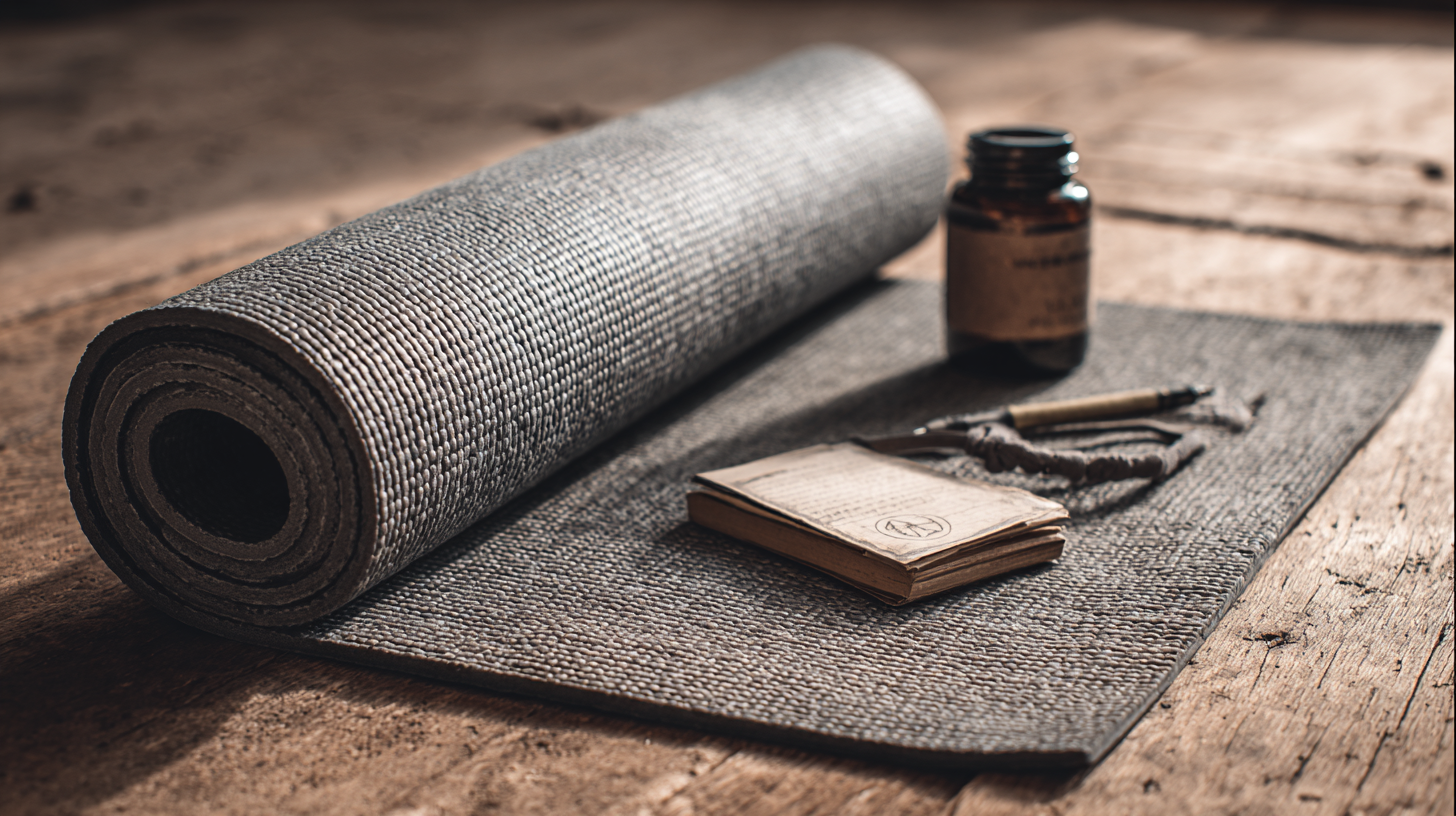
Let’s speak plainly: the hardest pose in all of yoga is not headstand or crow. It is showing up—again and again—when no one is clapping, when the newness has worn off, and when excuses line up like soldiers at the door. A consistent practice is not built in a day; it is built the way a path appears through a field—one quiet step, taken often enough that the grass begins to remember.
The first mistake most folks make is starting too big. They promise themselves an hour a day, six days a week, as though zeal alone could stretch time. Then life does what life always does: a late meeting, a sick child, a weary body, and the great vow collapses under its own weight. Think instead of the farmer who begins each spring with a single seed. Choose something so small that it almost feels insignificant—ten or fifteen minutes, three times a week. Write it down. Let that be your “minimum practice,” the small portion you are determined to keep, even on rough days. When that rhythm is steady under your feet, then, and only then, consider adding more.
It helps to tie your practice to something that already happens, like fastening one train car to another. Perhaps you unroll your mat right after you wake and drink water, or just before your evening reading, or as soon as you return from work and hang up your coat. By linking yoga to a fixed part of your day, you rely less on sheer willpower and more on simple habit. Over time, you may find that when you finish that regular activity, your body almost turns toward the mat on its own, the way a tired traveler turns toward a familiar chair.
Now, as for what you actually do during those minutes, do not burden yourself with endless choices. The mind, when faced with too many options, often chooses none. Instead, set up a simple rotation, a kind of liturgy of movement. You might have three short, reliable sessions: one focused on gentle stretching, one on standing strength and balance, and one on deeper rest and breath. For example:
- Day 1 – Gentle Wake-Up (10–15 minutes): Cat–cow, a few rounds of easy sun salutations, a gentle twist, and a short rest.
- Day 2 – Strength and Stability (15–20 minutes): Chair pose, warrior poses, a simple plank, and a few balance poses like tree, followed by a quiet seated stretch.
- Day 3 – Unwind and Restore (10–20 minutes): Long-held, supported poses—legs up the wall, child’s pose, a reclined twist—plus slow, steady breathing.
With something this straightforward, you’re not scrambling to invent a new routine every time. You simply step into a pattern you already know, the way you sit in your usual pew. The mind can rest because the plan is decided beforehand; all that remains is to be present and breathe.
Consistency also grows when you respect the seasons of your own strength. There will be days when you feel vigorous and eager; there will be days when simply rolling out the mat is victory enough. On bright days, you might choose to go a little deeper, hold poses longer, or explore new variations. On weary days, promise yourself only this: “I will get on the mat for five minutes.” If, after five minutes of gentle movement or breathing, you are still exhausted, you may stop with a clear conscience. More often than not, though, once you begin, you will discover a bit more strength than you expected. The important thing is that the chain is not broken. The habit remains alive.
It is wise, too, to keep your purpose clearly before you. Many people begin for reasons of fitness alone—flexibility, strength, perhaps a quieter back or shoulders. Those are worthy aims, but they will not always be strong enough to carry you through dry days. Let your reasons sink deeper. Let your practice be an act of stewardship, caring thoughtfully for the body and mind that have been entrusted to you. Consider your time on the mat as a daily appointment with your own well-being, a small but steady refusal to live scattered, breathless, and numb. When you remember that each session is shaping not only your muscles but also your patience, your attention, and your capacity for kindness, it becomes harder to cast it aside as “unimportant.”
Guard against perfectionism as you would guard against a thief in the night. Perfectionism whispers, “If you cannot do it just right, do not do it at all.” A wise heart answers, “I will do what I can with what I have today.” Missing a day or two is not failure; it is weather. When it happens—and it will—resist the urge to declare the whole effort ruined. Begin again at the next opportunity, without scolding yourself. Just as a traveler who stumbles does not abandon the journey, so you do not forsake your practice because of a brief lapse. That patient returning is itself a kind of quiet strength.
You may find it helpful to keep a simple record—not as a scorecard, but as a map. After each session, jot down the date, the length of time, and one small note about how you felt, either in body or in spirit. Over weeks and months, that little log becomes a testimony. You will see stretches where you were faithful through busy seasons, and you will notice how regular practice touched other parts of your life: better sleep, calmer responses, fewer aches, a clearer mind. On days when you feel sluggish or discouraged, you can look back and see, in ink, that your efforts have not been in vain.
Invite some measure of mindfulness into the routine so it does not become mere mechanical exercise. Before you begin, take a slow breath and state a quiet intention: “Today I will move gently,” or “Today I will listen closely to my limits,” or “Today I will give thanks for what my body can do.” Let that simple sentence be the lantern that lights the path of your practice. While you move, notice the breath, the sensations in your joints and muscles, the stream of thoughts that passes through. You are not trying to silence everything; you are learning to watch without being swept away. This turns your routine from a task to be checked off into a living conversation between body, mind, and spirit.
Community, even in small measures, can also help your practice endure. Perhaps you attend one class a week in person or online, then practice on your own the other days. Or you might share your intentions with a friend and send each other a brief message when you finish: nothing elaborate, just, “I did my ten minutes today.” Such companionship provides gentle accountability without pride or pressure. It reminds you that you are not the only one choosing, in a noisy age, to slow down and breathe on purpose.
Pay attention as well to the quiet signals of growth that are easy to overlook. One day you may realize you can rise from the floor more easily, or your balance is steadier when you put on your shoes. Perhaps you notice that your temper cools faster, or your sleep comes more readily. These are the fruits of consistency, though they seldom arrive with fanfare. When you notice them, take a moment on the mat to give thanks. Gratitude waters the roots of discipline; it reminds you why you began and why it is worth continuing.
Above all, let your routine be marked by kindness rather than harsh demand. You are not drilling a reluctant servant; you are tending a garden. Some days will be full sun, some days overcast, some days stormy. Yet if you keep returning with patience—unrolling the mat, setting your feet, lifting your heart—little by little, the soil of your life softens. Strength and softness grow together. The body learns a steadier ease, the mind a quieter trust. And this is the true fruit of a consistent practice: not a list of impressive poses, but a life more balanced, more awake, and more ready to serve the work set before you, one breath and one faithful session at a time.
Adapting yoga for different lifestyles and needs
However busy, burdened, or limited your life may feel, there is room inside it for yoga. The practice is not reserved for young, bendy bodies with endless free time; it is a set of tools that can be scaled up or down to match the life you actually live. The question is not “Do I fit the image of a yoga person?” but “How can this way of moving and breathing be translated into my season, my schedule, and my needs?” When you look at it this way, the mat becomes less a stage for performance and more a workshop where you quietly craft a more sustainable way of being.
Start by looking honestly at the shape of your days. If your schedule is crowded with work, family, and responsibilities, a 60-minute class at a studio across town may feel like a fantasy. Yet five- to fifteen-minute pockets of practice, placed with care, can carry real power. You might keep a mat rolled up in the corner of your bedroom and unfurl it for a brief stretch upon waking, or use a few minutes before bed for gentle, floor-based poses. For some, “desk yoga” becomes a lifeline—seated twists, shoulder rolls, wrist stretches, and slow, lengthened breaths during short breaks. These small practices won’t look impressive on social media, but they can loosen tension, calm the nervous system, and keep you from drifting further into chronic strain.
If your work is physically demanding—on your feet all day, lifting, bending, carrying—then your practice needs to respect that load instead of adding to it. After long hours of labor, rather than chasing intense flows, emphasize restorative poses that put the body in supported shapes: legs up the wall for tired feet and veins, gentle hip openers for sore lower backs, soft chest stretches to counter hunching. Think of it this way: your job is already your “workout”; your fitness on the mat is about balancing what has been overused and waking what has been neglected. This kind of wise adaptation can mean the difference between burnout and an enduring capacity to serve.
Meanwhile, those who sit for much of the day face a different challenge. For you, a well-adapted practice may center on undoing the “chair shape” your body lives in. Short standing sequences, heart-opening poses, and hip stretches can be woven throughout the day: a few lunges at lunchtime, a supported backbend over a rolled blanket in the evening, a simple standing forward fold between tasks. You don’t have to disappear to a studio; you can quietly reclaim your posture and circulation right where you are. Ask yourself: If your body is silently shaped by hours of sitting, what would it mean to actively reshape it, one small session at a time?
Age and health conditions are not disqualifiers; they are invitations to thoughtful adaptation. For older adults or anyone dealing with joint pain, heart concerns, or limited mobility, gentle and chair-based practices can be remarkably effective. Many poses that are usually done standing can be brought to a chair: seated cat–cow for the spine, seated twists for digestion and back comfort, seated leg lifts for strength and circulation, seated side bends for rib and lung space. Even balance work can be adapted by holding the back of a chair or standing at a counter. You are not “watering down” yoga; you are honoring the body you have, so that practice becomes a support rather than a strain.
Chronic pain or illness calls for an especially humble, listening spirit. Instead of aiming to “push through,” you practice learning the difference between helpful sensation and harmful aggravation. Restorative yoga, where the body is propped with blankets and bolsters in comfortable positions for several minutes at a time, can help soothe an overactive nervous system. Pairing these shapes with gentle breathwork and mindfulness—noticing sensations, thoughts, and emotions without judgment—creates space around pain, even when it cannot be fully erased. In this setting, the mat becomes a laboratory: Which movements ease symptoms? Which times of day feel best? What pace of breathing brings a small measure of relief? The answers are deeply personal, and worth discovering.
Pregnancy is another season that invites wise adaptation. As the body changes, focus shifts from intense core work and deep twists to stability, pelvic floor awareness, and gentle opening. Many standard poses can be modified—wider stances for balance, using blocks to raise the floor, turning deep forward folds into half-folds with hands on a chair. Back-lying poses are often replaced with side-lying or supported reclined shapes. Gentle breath practices without long holds or force can help steady the mind and prepare for labor. If you are expecting, this is a time not to chase new extremes but to build a kind relationship with a body doing holy, demanding work.
Parents of young children, caregivers, and those in helping roles often feel that there is nothing left over for themselves. For you, adaptation may mean letting go of the idea that practice must be quiet, uninterrupted, and aesthetically pleasing. Yoga can be done in the living room while a child plays nearby, in five-minute clusters between tasks, or even with a baby on the floor beside you. A series of three or four go-to poses—cat–cow, child’s pose, a standing forward fold, a supported bridge—can become a small “reset ritual” you return to multiple times a day. This is not selfish time stolen from others; it is refueling the vessel that is constantly being poured out.
People who already have a strong exercise habit—running, lifting, cycling, team sports—sometimes wonder where yoga fits. You can adapt the practice to support your existing training rather than compete with it. On heavy workout days, lean toward short, mobility-focused sequences and soothing breathwork. On lighter days or rest days, you might explore a longer, more strengthening practice that builds balance, core stability, and joint support. In this way, yoga does not ask you to abandon your favorite activities; it helps keep you healthy enough to keep enjoying them over the long term.
Cultural, spiritual, and personal values also shape how you adapt yoga to your life. If you come from a Christian background and feel uneasy about certain language, symbols, or practices sometimes attached to yoga, know that you can respectfully set those aside. The movements, attention to breath, and cultivation of calm can be practiced in a Christ-centered way—framing sessions with prayer, reflecting on Scripture, or simply holding an intention to steward your body wisely. Rather than accepting or rejecting yoga as a whole, you can thoughtfully sift it: What aligns with your convictions? What does not? What if your mat became, for you, a small, practical place of embodied prayer and restoration?
Technology can be a servant here if you use it with discernment. Short, beginner-friendly videos, apps with filters for time and intensity, or audio-only guides can bring experienced instruction into your home or workplace. Yet it is easy to drift into comparison and distraction when every practice becomes another piece of content. One way to adapt wisely is to choose one or two trusted resources and use them consistently, ignoring the constant pull of novelty. As you follow along, keep listening more to your own breath and body than to the pace of the screen. If something feels wrong, you are allowed to pause, modify, or skip it. No algorithm knows your limits better than you do.
Financial and space constraints are also real for many. The good news is that yoga can be nearly equipment-free. A simple mat—or even a nonslip rug—comfortable clothing, and perhaps a belt or scarf for support are enough. If studio classes are out of reach, consider community centers, libraries, or faith communities that sometimes offer low-cost or donation-based sessions. A small corner of a room can become your practice space: a place where, even amid clutter and noise, you keep returning to breathe, move, and listen. The question is less “Do I have the perfect setup?” and more “Can I find a square of floor where I will keep showing up?”
Disability, injury, and long-term conditions ask you to become a creative partner in your own care. Chair yoga, wall-supported poses, and practices done entirely lying down or seated can still deliver meaningful benefits in strength, mobility, and calm. Working with a skilled teacher—online or in person—who understands adaptive practice can open doors you may have assumed were closed. But even on your own, simple explorations like moving each joint through small, pain-free ranges of motion, or pairing whatever movement you can do with intentional breath, can nourish your nervous system. Instead of asking, “What can’t I do?” you begin asking, “What can I do, faithfully and safely, today?”
Ultimately, adapting yoga is about practicing the art of appropriate challenge. Too little, and the body and mind stay stagnant; too much, and you invite strain, discouragement, or injury. This art cannot be handed to you in a one-size-fits-all prescription; it has to be discovered. Each season of life—youth, midlife, older age; sickness, health; sorrow, joy—will ask for a slightly different expression of movement, breath, and rest. If you are willing to keep asking questions, experimenting gently, and listening closely, your practice can evolve with you rather than becoming one more rigid demand. How might your life look, years from now, if you became a student not just of poses, but of your own unfolding needs?
- Can I practice yoga if I’m not flexible or physically fit?
- Yes. Yoga is designed to meet you where you are, not where you think you should be. With props, chair variations, and gentle sequences, you can build flexibility and strength safely over time, starting from any level of fitness.
- How often should I practice yoga to see benefits?
- Most people notice changes with 2–3 short sessions per week, especially when they are consistent. Even 10–20 minutes at a time can improve mobility, stress levels, and body awareness when practiced regularly.
- Is yoga safe for older adults or people with chronic conditions?
- It can be, especially when tailored to individual needs. Gentle, restorative, and chair-based practices are often well suited to older adults or those with chronic pain, but it’s wise to consult your healthcare provider and, if possible, work with an experienced teacher.
- How do I adapt yoga if I have a very busy schedule?
- Break your practice into small, realistic segments and anchor them to existing routines—such as right after waking, during a lunch break, or before bed. Short “movement snacks” and a few minutes of mindful breathing can add up to meaningful change without requiring large blocks of time.
- What equipment do I need to start a home yoga practice?
- A basic mat and comfortable clothing are usually sufficient. Household items like a chair, pillows, blankets, or a belt can serve as props to support balance, comfort, and alignment.
- How can I make sure my yoga practice aligns with my spiritual beliefs?
- You can focus on the physical postures, breathing, and mindfulness while framing your practice with your own faith traditions, prayers, or intentions. It’s completely acceptable to set aside any language or rituals that do not resonate with your beliefs.
- What’s the best way to know if I’m pushing too hard in yoga?
- Sharp or worsening pain, holding the breath, or feeling dizzy or distressed are clear signs to ease back or stop. A sustainable practice feels challenging but steady, allowing you to breathe comfortably and recover quickly after each session.
Ashland Ashland Sabbath Chapel
Beside our live streamed church services, all are welcome to attend our church in person each Saturday beginning 10:00 AM Central Time by going to 2425 Owens Rd., Ashland, AL 36251. There is no cost and any donations are strictly voluntary.
For questions, call +2563547124.