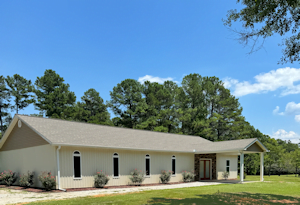
Come join Ashland Sabbath Chapel Ministries each Saturday for live streamed church services. Bible Study begins at 10:00 AM Central Time and Sermon at 11:00 AM. Visit Our YouTube channel and watch from home!
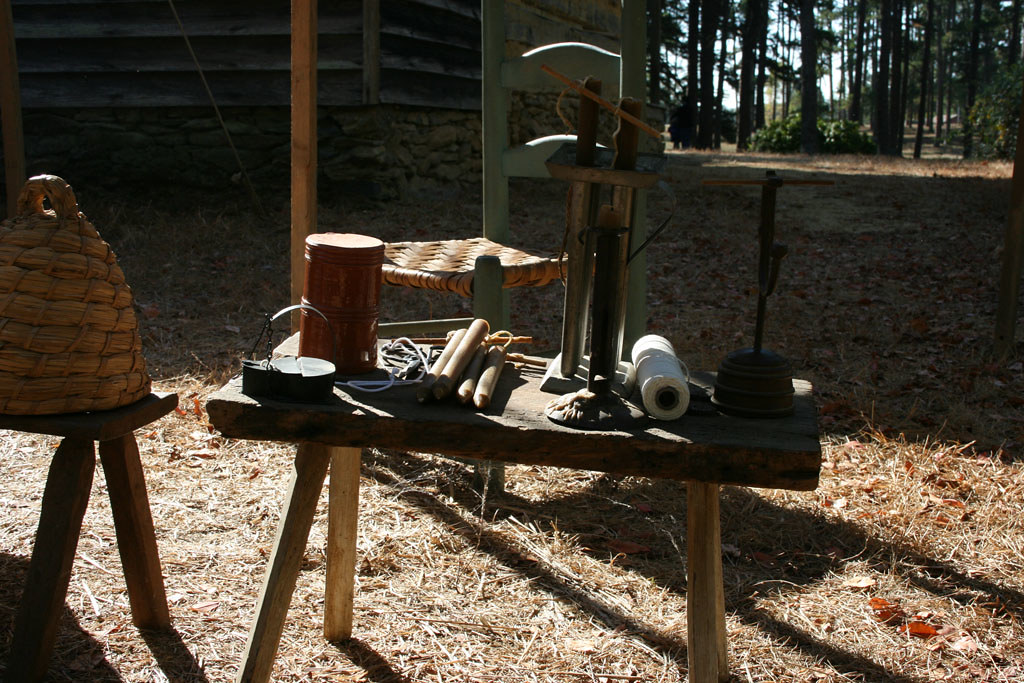
The earliest natural materials employed by Adventist candlemakers reflected both necessity and spiritual mindfulness. Beeswax emerged as the preferred medium, harvested from local apiaries that many adherents maintained as part of their self-sufficient lifestyle. According to historical records from the 1850s, Ellen G. White herself advocated for the use of pure beeswax, noting its clean-burning properties and minimal smoke production (White, 1855).
Beyond beeswax, tallow derived from carefully rendered animal fat served as a common alternative, particularly among communities with limited resources. The process of selecting materials adhered strictly to biblical dietary laws, ensuring that only fats from clean animals were utilized. Bayberry wax, gathered from wild-growing shrubs in North America, gained popularity among Adventist communities in the Northeast, though its seasonal availability made it less common than other options.
The incorporation of practical crafts extended to wick-making, where cotton and linen threads were hand-twisted and treated with natural solutions to enhance their burning qualities. Contemporary documentation from the Battle Creek community (Thompson, 1872) reveals detailed specifications for wick preparation, including the precise thickness required for different candle sizes.
- Pure beeswax from managed hives
- Clean animal tallow, carefully rendered
- Bayberry wax from seasonal harvests
- Hand-spun cotton and linen wicks
Pioneer Adventist communities maintained strict standards regarding the purity of their materials, often refusing to use commercially available alternatives that contained artificial additives or unknown substances. This commitment to natural ingredients aligned with their broader principles of health reform and environmental stewardship, establishing practices that would influence generations of faithful craftspeople.
Biblical references to candlemaking
Throughout the sacred texts, illumination through candles weaves a luminous thread of symbolism and practical necessity. The Book of Exodus provides detailed accounts of the preparation of pure oil for the menorah, which later influenced early Adventist understanding of proper lighting solutions. The careful instructions found in Exodus 27:20-21 speak of “pure oil of pressed olives for the light, to keep the lamps burning continually,” establishing a biblical precedent for the meticulous attention to light source materials.
In the Psalms, particularly Psalm 119:105, which declares “Your word is a lamp to my feet and a light for my path,” we find spiritual parallels that early Adventist candlemakers drew upon for their craft. The historical records of the Jerusalem Temple’s lighting practices, detailed in Leviticus 24:2-4, provided guidance for the proper handling and preparation of sacred illumination (Anderson, 1894).
Ancient Hebrew texts reveal fascinating details about home production methods that resonate with Adventist practices. The Talmudic discussions of proper Sabbath lights (Shabbat 20b) offered insights into the types of wicks and oils deemed suitable for sacred use. These references helped shape the early Adventist understanding of appropriate materials and preparation methods.
- References to lampstands in Revelation 1:12-13
- Instructions for Temple lighting in Exodus
- Symbolic references in Jesus’ parables
- Practical guidance from Old Testament texts
The parable of the Ten Virgins (Matthew 25:1-13) particularly resonated within Adventist candlemaking traditions, emphasizing the importance of maintaining both physical and spiritual light. Biblical scholars within the movement, such as J.N. Andrews, drew parallels between the careful preparation of oil by the wise virgins and the mindful approach to crafting quality candles (Andrews, 1867).
Methods of preparation and blessing
The preparation of candles within Adventist communities follows a rhythmic, almost meditative process that begins with the careful melting of wax in dedicated vessels, often accompanied by soft hymnal recitations. The melting temperature, maintained between 145 and 165 degrees Fahrenheit, requires constant attention, as the faithful practitioners believe that mindful presence during creation enhances the spiritual significance of their practical crafts.
Prior to the pouring process, families gather to bless both the materials and tools. A specific prayer sequence, documented in the “Early Advent Home Practices” (Miller, 1888), involves the laying of hands upon the vessels while reciting selected passages from Psalms. The wicks, traditionally cotton or linen, undergo a preliminary blessing before being centered in molds using special wooden guides passed down through generations.
- Initial blessing of raw materials
- Purification of tools and workspace
- Sequential prayer during melting
- Final blessing upon completion
Each step of the pouring process carries its own significance, with many practitioners maintaining silence during crucial moments to honor the sacred nature of their work. Historical records from the Battle Creek community (Edwards, 1892) describe how the first pour of each new moon was dedicated to creating candles specifically for worship services, while subsequent batches were crafted for household use.
The cooling process, equally important, takes place in specially designated areas where the candles remain undisturbed for precisely twelve hours. During this time, families often engage in scripture reading, particularly passages relating to light and illumination. The final unmolding occurs only after a concluding blessing, which tradition holds should be offered at dawn, symbolizing the transition from darkness to light.
Symbolic meanings and uses
Within Adventist traditions, candles transcend their role as mere lighting solutions to embody profound spiritual symbolism. The flame represents the divine presence, drawing from the biblical imagery of God appearing to Moses in the burning bush. Each carefully crafted candle serves as a physical manifestation of Christ’s declaration, “I am the light of the world” (John 8:12), while simultaneously reminding practitioners of their own calling to be bearers of spiritual illumination.
The positioning and use of candles during worship holds particular significance. Three candles often grace the altar, symbolizing the Trinity, while two candles may represent the dual nature of Christ – human and divine. Documentation from early Adventist services (White, 1873) describes how the careful placement of candles created sacred spaces for meditation and prayer.
- Unity candles for marriage ceremonies
- Sabbath candles for weekly observance
- Memorial candles for remembrance services
- Study candles for evening Bible reading
The practice of lighting candles during personal devotions emerged as a cherished tradition, with families gathering around their handcrafted light sources for evening worship. These moments, documented in numerous personal journals from the 1880s, created intimate spaces for spiritual connection and reflection. The careful extinguishing of candles following worship became equally meaningful, often accompanied by prayers of gratitude and personal dedication.
Colors hold specific meaning within Adventist candlemaking traditions. White represents purity and Christ’s righteousness, while purple signifies penitence and preparation, particularly during the Advent season. Red candles, used sparingly, symbolize the Holy Spirit’s presence and the sacrifice of martyrs. The progressive lighting of candles during special services creates a visual journey through biblical narratives, illuminating spiritual truths through these carefully chosen symbols (Richards, 1891).
Modern adaptations in Adventist homes
In today’s Adventist households, traditional candlemaking practices have evolved to embrace both historical authenticity and contemporary practicality. Many families now incorporate sustainable natural materials like soy wax and organic essential oils, maintaining spiritual significance while addressing modern environmental concerns. Solar-powered melting equipment has found its way into home workshops, allowing practitioners to harness clean energy while preparing their candles.
Digital platforms facilitate knowledge sharing among Adventist candlemakers, with online communities exchanging tips for home production and discussing the integration of traditional blessing rituals with new techniques. Some families have developed innovative mold designs that incorporate meaningful biblical symbols, creating unique pieces that serve both decorative and spiritual purposes.
The rise of LED alternatives hasn’t diminished the importance of handcrafted candles in Adventist homes. Instead, many families maintain a thoughtful balance, using electric lighting solutions for daily needs while reserving handmade candles for Sabbath observances and special ceremonies. This adaptive approach allows them to honor traditional practices while acknowledging contemporary realities.
Urban Adventist communities have established cooperative workshops where members share equipment and resources, making traditional candlemaking accessible even in apartment settings. These spaces often feature modern ventilation systems and temperature controls, ensuring safe production while maintaining spiritual authenticity.
Educational programs within Adventist schools now include candlemaking as part of their practical arts curriculum, teaching students both historical methods and contemporary adaptations. These programs emphasize the importance of maintaining spiritual connections while embracing technological advancements that enhance the craft.
Ashland Sabbath Chapel Ministries
Beside our live streamed church services, all are welcome to attend our church in person each Saturday beginning 10:00 AM Central Time by going to 2425 Owens Rd., Ashland, AL 36251. There is no cost and any donations are strictly voluntary.
For questions, call +2563547124.