
Come join Ashland Sabbath Chapel Ministries each Saturday for live streamed church services. Bible Study begins at 10:00 AM Central Time and Sermon at 11:00 AM. Visit Our YouTube channel and watch from home!
During the late 19th and early 20th centuries, the early Adventists adopted a series of innovative preservation methods that reflected their theological beliefs and practical needs. The emphasis on health and temperance within Adventist teachings led to an increasing awareness of the importance of maintaining a well-stocked pantry. This practice was not merely about sustenance; it was intertwined with their spiritual mission to promote health and longevity.
One of the key aspects of Adventist food storage practices was the concept of winter preparation. As the seasons changed, the faithful understood the necessity of ensuring an ample supply of food to endure the harsher months. Canning, drying, and pickling were widely embraced as effective techniques to achieve this goal. These methods not only maximized the shelf life of fruits and vegetables but also aligned with their dietary guidelines, which advocated for whole, plant-based foods.
Community cooperation played a significant role in these early practices. Members of the church often engaged in communal food preservation activities, pooling resources and knowledge to aid one another in the preparation for the winter months. This communal effort further strengthened social ties and promoted a sense of shared purpose.
Moreover, the Adventist emphasis on vegetarianism and the reduced use of preservatives or artificial additives made their food storage solutions distinct from those of the wider society. This focus on natural preservation ensured that food remained wholesome and aligned with their health principles, contributing to their broader quest for health and wellness.
Early Adventist food storage practices were characterized by a blend of spiritual conviction, community involvement, and innovative preservation methods, fostering an environment where physical health and spiritual well-being were viewed as interconnected.
Benefits of Food Preservation
Food preservation brings with it a host of benefits that extend beyond merely keeping food edible for longer periods. At the heart of early Adventist practices was the belief that keeping a well-stocked pantry was not only practical but essential for healthful living. By utilizing various preservation methods, they ensured that their food remained nutritious and safe for consumption, regardless of the season.
One major benefit of these methods is improved food security. By storing food effectively, they could weather the uncertainties of life, be it the unpredictability of crop yields or market fluctuations. This foresight allowed families to rely on their reserves during lean times, reducing their dependence on external resources and fostering a sense of self-sufficiency.
Moreover, the act of preserving food was a sacred ritual that brought families together. It instilled values of hard work, patience, and appreciation for the bounty that nature provided. As they engaged in the processes of canning, drying, and pickling, they were not just preparing food; they were reinforcing familial bonds and passing down traditions. This was especially important in tight-knit Adventist communities where shared practices nurtured trust and collaboration.
Health benefits were also paramount. The lack of artificial additives in their preservation methods ensured that the food stored was wholesome. By choosing natural ingredients and avoiding preservatives, Adventists maintained the integrity of their food, aligning with their health principles. This contributed to their reputation for longevity and vitality, as many Adventists consistently exhibited better health outcomes compared to the general population.
Furthermore, effective pantry organization played a key role in maximizing the benefits of food preservation. By implementing organized systems for food storage, Adventist families could easily access preserved goods, reducing waste and ensuring that nothing expired unnoticed. This strategic approach not only contributed to economic savings but also reflected a commitment to responsible stewardship of resources.
In essence, the benefits of food preservation reached far beyond the physical act of storing food. It represented a lifestyle choice, intertwined with spiritual beliefs and community values, demonstrating that what they ate, how they stored it, and the very act of preservation were all part of a holistic way of life.
Techniques for Food Storage
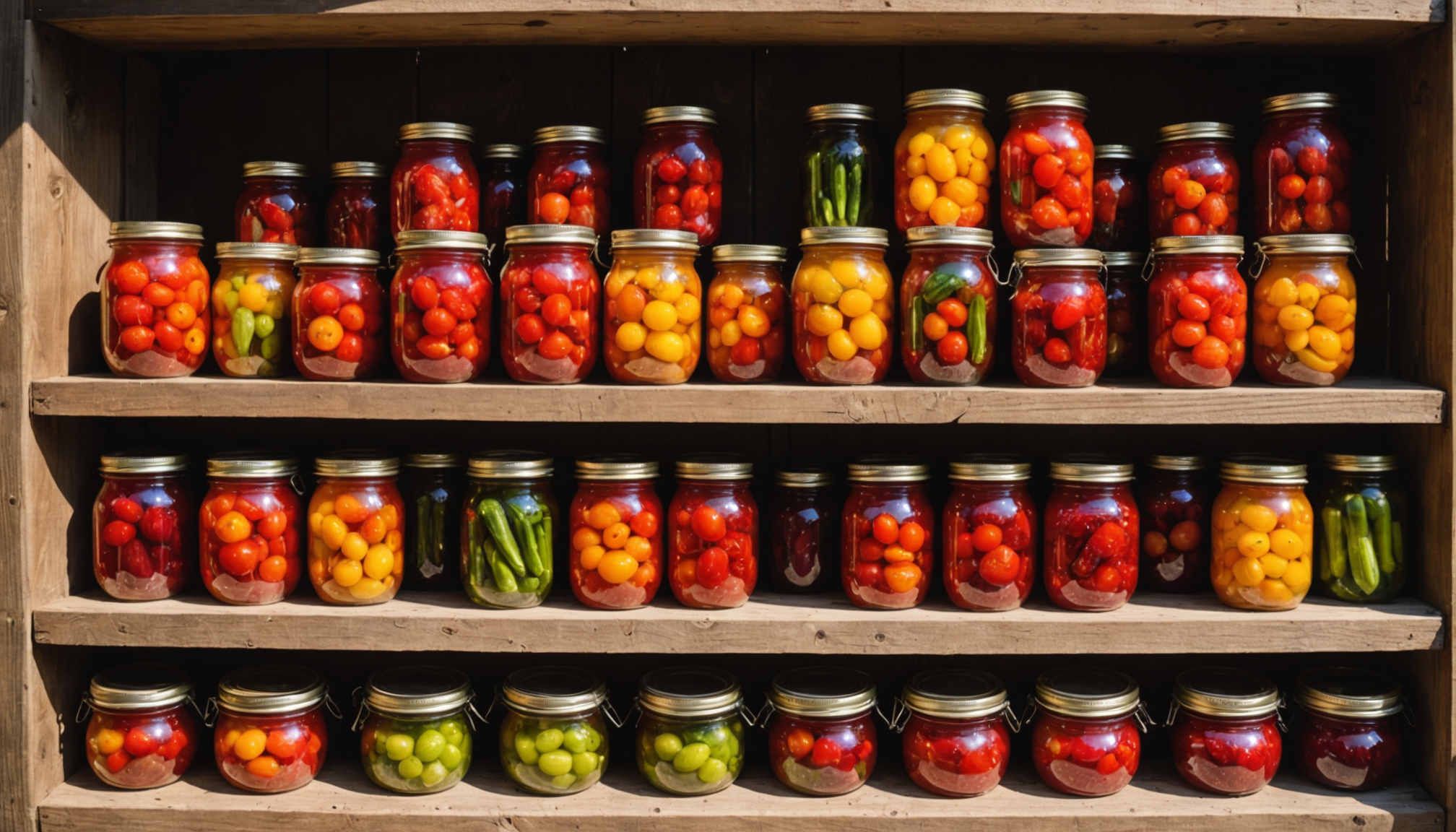
The techniques employed by early Adventists for food storage reflected a confluence of tradition, innovation, and a deep-seated commitment to their principles of health and community. Canning emerged as a widely embraced method, allowing the faithful to capture the essence of summer’s bounty and seal it away for winter. Jars filled with ruby-red tomatoes, glistening peaches, and tangy pickles lined the shelves, transforming the simple act of preserving food into an art form, a ritual that took place with anticipation and joy.
Equally important was the technique of drying, a method that concentrated flavor and minimized spoilage. Adventist families often utilized the warmth of the sun to dehydrate fruits, creating sweet morsels that could be enjoyed in the bleak of winter. Apricots and apples hung in airy nets, soaking up the sunlight during long summer days. Here, the very essence of their hope was encapsulated; with dried fruits, the promise of nutrition and nature persisted, sustaining them through harsher seasons.
Pickling presented itself as yet another cornerstone of their food storage repertoire. Vegetables bathed in brine not only extended their shelf life but also imparted a unique tang that invigorated winter meals. Adventists understood the alchemy of flavors their pickling techniques fostered, creating a symphony of taste that connected them to their harvests long after the last tomato had been plucked from the vine.
Beyond these methods, the notion of pantry organization was integral to their approach. Early Adventist households were not merely storage spaces but meticulously arranged sanctuaries reflecting careful consideration and respect for the bounty of the earth. Each jar, each sack of dried beans, was placed with intention; a system emerged that made accessibility a priority. This not only minimized waste but also cultivated a sense of ownership over their food resources. Families could count, measure, and appreciate their stored provisions, ensuring that nothing went unnoticed in this carefully curated ensemble of sustenance.
In addition to practical techniques, these methods reinforced the communal bonds cherished by Adventists. The gatherings for canning, drying, or pickling fostered fellowship—neighbors would come together, sharing techniques and experiences, thus cultivating a rich tapestry of knowledge that spanned generations. The act of preserving food was imbued with a sense of purpose and collective identity, a theme that resonated deeply within the Adventist community.
The melding of these techniques created robust storage solutions that not only met the physical demands of preserving food but also nurtured the spirit of cooperation and shared endeavor. This intricate dance between technique, community, and principle forged a path toward self-sufficiency, ensuring their preparedness for whatever challenges lay ahead. The practice of these techniques thereby transformed mere survival into a celebration of life, health, and the sanctity of nature’s cycle.
Impact on Community and Health
The impact of these early Adventist food storage practices extended far beyond individual households, weaving a tapestry of health and communal support that nurtured the very fabric of their society. Among the most profound effects was the enhancement of food security, which emerged as a foundational pillar of their way of life. By ensuring a well-stocked pantry through effective preservation methods, families felt a sense of comfort and preparedness amidst the unpredictability of nature and the economy. This self-sufficiency enabled them to face the challenges of crop failures or market downturns with resilience, thus fortifying not only their health but also their spirit.
Moreover, the act of preserving food served as a cornerstone for community health. As neighbors worked together in the shared undertaking of winter preparation, they cultivated not only fruits and vegetables but also relationships. The process of canning or pickling became a celebrated event, where knowledge was exchanged, laughter was shared, and bonds were strengthened. It was during these gatherings that families passed down traditional techniques and wisdom to younger generations, ensuring the continuity of healthy practices for years to come. The essence of their meals became infused with stories, rich with shared understanding and communal care, illustrating a profound connection between food, health, and social well-being.
In terms of health benefits, the commitment to wholesome ingredients free of artificial additives stood at the forefront of their preservation techniques. The Adventist inclination towards vegetarianism and plant-based eating was mirrored in the foods they preserved; vibrant vegetables and fruits maintained their nutritional properties, thereby supporting a diet that promoted vitality. The collective adherence to these principles significantly contributed to the overall health outcomes of Adventist communities, often leading to a longevity that was both noted and respected by those outside their ranks.
A less tangible yet equally significant impact was the cultivation of a mindset that valued moderation and mindfulness. The meticulous process of pantry organization encouraged families to reflect on their consumption patterns, enhancing their appreciation for the provision of food. By rotating supplies, checking for spoilage, and understanding exactly what was available, they developed a conscientious approach to eating that minimized waste. This virtuous cycle of awareness and respect for food transcended mere sustenance, evolving into an ethos of gratitude and intentional living.
The emphasis on food preservation forged a link between health and spirituality, allowing early Adventists to see their practices not simply as means of survival, but as manifestations of their faith. As they engaged in this sacred ritual of food storage, they believed they were honoring the gifts of creation, embodying a lifestyle that sought to unify body, mind, and spirit. Thus, the act of preserving food was not only a practical endeavor but a divine calling, reinforcing the notion that health, community, and spirituality were inextricably intertwined throughout their lives.
Legacy and Modern Applications

The early Adventist food storage practices have undeniably left a lasting legacy that resonates in modern approaches to food preservation and community living. Their methods not only secured food supplies throughout winter months but also established principles of self-sufficiency that are applicable even today. Many contemporary practices in food storage are rooted in their preservation methods, whether it be the revival of canning techniques or the increasing popularity of dehydrating fruits and vegetables. Such techniques serve to enhance food security, ensuring that households can withstand unexpected shifts in agricultural productivity or market availability.
This legacy inspires individuals and families to engage in winter preparation strategies as they seek to establish resilience in the face of uncertainty. Current trends echo this communal spirit, with workshops and neighborhood canning parties thriving. Just as early Adventists gathered to share knowledge and techniques, modern-day enthusiasts promote sustainability and food appreciation through similar communal actions. There is an inherent joy in working together toward a common goal, reinforcing ties within communities and creating lasting traditions that flip the idea of food storage from a mundane task into a meaningful collaboration.
Moreover, the principles of pantry organization highlighted by the early Adventists continue to influence contemporary lifestyle choices. An organized pantry is viewed not just as a functional space but also as a reflection of mindfulness and respect for resources. In today’s fast-paced world, returning to the fundamental idea of knowing what is in storage can promote reduced food waste and a healthier relationship with food consumption. It encourages families to think critically about their choices and the health implications of what they consume, thereby fostering a holistic perspective on wellness that echoes the Adventist legacy.
This intertwining of health, community values, and preserving practices not only honors the past but also lays a foundation for future generations. By incorporating these ideals into modern life, individuals can draw inspiration from the Adventist commitment to wholesome living, encouraging creativity, resourcefulness, and collaboration in their food practices.
- What are some common food preservation methods used by early Adventists?
- Early Adventists primarily used methods such as canning, drying, and pickling. These techniques allowed them to extend the shelf life of their fruits and vegetables while maintaining their nutritional value.
- How did community involvement shape food storage practices?
- The communal aspect was integral; Adventist families often gathered to can, dry, or pickle together, sharing knowledge and tools. This not only strengthened community ties but also ensured that traditional practices were passed down through generations.
- What benefits does pantry organization offer?
- An organized pantry helps minimize food waste by making it easy to see what items are available and what needs to be used first. It fosters a sense of responsibility and appreciation for food resources, encouraging mindful consumption.
- How does modern food preservation differ from early Adventist practices?
- While modern practices still utilize canning and drying, advancements in technology have introduced new methods such as vacuum sealing and freeze-drying. However, the principles of self-sufficiency and community collaboration remain relevant.
- Can food preservation enhance food security?
- Yes, effective food preservation methods improve food security by allowing families to store supplies for periods of scarcity or economic hardship. It offers a sense of control over food resources and reduces reliance on external markets.
- Why is it important to involve the community in food preservation?
- Community involvement in food preservation fosters relationships and builds trust among participants. It also creates opportunities for knowledge sharing, ensuring that traditions and techniques are kept alive within the group.
- What role does sustainability play in modern food storage practices?
- Sustainability has become a major focus in modern food storage, with an emphasis on reducing waste and utilizing local resources. Practices such as preserving seasonal fruits and vegetables align with broader environmental goals.
Ashland Ashland Sabbath Chapel
Beside our live streamed church services, all are welcome to attend our church in person each Saturday beginning 10:00 AM Central Time by going to 2425 Owens Rd., Ashland, AL 36251. There is no cost and any donations are strictly voluntary.
For questions, call +2563547124.