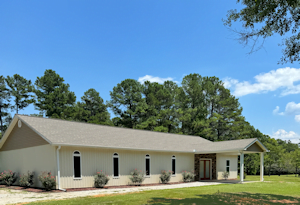
Come join Ashland Sabbath Chapel Ministries each Saturday for live streamed church services. Bible Study begins at 10:00 AM Central Time and Sermon at 11:00 AM. Visit Our YouTube channel and watch from home!
In the realm of health and wellness, the practices undertaken by the Adventist community in relation to water are indeed charming and imbued with a profound respect for the body’s natural processes. Central to their approach is the principle of hydrotherapy, which harnesses the unique qualities of water to promote healing and restore health. This method is not merely a series of applications of water; rather, it encapsulates a philosophy that views water as a vital element in health restoration, enabling individuals to engage more harmoniously with their own physical states.
Those who advocate for these treatments often speak of the restorative properties of water, crafting an exquisite narrative that intertwines the science of therapy with the art of natural healing. The Adventist emphasis on the temperate and judicious use of water underscores a careful consideration of each individual’s needs, making every therapeutic bath a potentially bespoke experience tailored to promote serenity and well-being.
Furthermore, the tradition of the water cure, as practiced within the Adventist communities, encompasses both internal and external modalities, suggesting that immersion in water or the mere act of bathing can significantly enhance one’s disposition and overall vitality. Reports of rejuvenation and the palpable relief from various ailments bolster the community’s commitment to this ancient practice, aligning perfectly with their holistic view of health.
In delightful conversations among practitioners and partakers, one often encounters glowing testimonials to the efficacy of these methods. The communal sharing of experiences serves not only to validate the practices but also to inspire confidence in those new to the concept of hydrotherapy. In this manner, the Adventist approach not only carries the weight of tradition but also thrives in the warmth of communal engagement, wherein stories of health restoration are told with a fervor that invites others to partake in the blessings found in nature’s own resources.
As one delves deeper into the various techniques and methods employed, it becomes evident that each practice is upheld by a steadfast commitment to the tenets of health and wellness espoused by the Adventist faith. This commitment fosters a harmonious balance between the physical and the spiritual, promoting not merely the absence of illness but the presence of holistic health in its most radiant forms.
History of Adventist Water Treatments
When one peers into the historical tapestry of Adventist water treatments, it reveals a rich and colorful narrative woven with threads of belief, science, and a hearty dose of ingenuity. The roots of this practice can be traced back to the early days of the Seventh-day Adventist movement in the mid-19th century, when pioneers grappled with the contemporary understanding of health and healing. The founders of this movement, notably Ellen G. White—a stalwart advocate for health reform—championed the notion that water was not just a basic necessity but a creature of untold healing power.
In those formative years, the primitive understanding of disease and wellness danced hand-in-hand with the burgeoning fields of natural medicine and holistic health. The Adventist community became enamored with the idea of hydrotherapy, influenced by popular treatments of the time, including those of the famed Father Sebastian Kneipp. Kneipp’s methods showcased the transformative effects of water, asserting that it could cleanse, invigorate, and—by thunder!—heal the human condition. Adventists, with their characteristic zeal, imbibed these teachings and sought to refine and adapt them within their own context.
As the years rolled on, the Adventists pushed forth in their quest for health restoration, incorporating hydrotherapy into a wider framework of principles that extolled temperance and balance. They established health retreats and sanitariums, where individuals could immerse themselves in the rejuvenating embrace of water, alongside wholesome food and fresh air—an idyllic triad for body and spirit alike. These retreat establishments quickly became beacons of hope for those seeking relief from the trials of modern maladies.
In the late 19th to early 20th century, the efficacy of these methods was given more credibility through empirical observations. Adventist health practitioners noted how the application of cold and warm compresses, steam baths, and even simple soaks could alleviate discomforts ranging from fevers to arthritis. These therapeutic baths were elevated to a near-celestial status amongst congregants and newcomers alike, fostering a community that leaned on the restorative properties of nature’s essences.
It is within these walls of healing that stories flourished—tales of miraculous recoveries and revitalized lives crafted into the very foundation of Adventist hydrotherapy. Each vignette served to solidify the community’s commitment to the practice, showcasing the profound relationship between a simple element like water and the intricate mechanisms of the human body. This harmonious alignment not only shaped their views on health but also on duty—duty to share these insights and healing practices with the wider world.
Emboldened by their successes and the rich history behind them, the Adventists remain steadfast in their mission to spread awareness of water’s virtues in healing, echoing a sentiment that resonates with much of Americana: the belief that simple, natural remedies can, indeed, lead to profound transformation. As the history of Adventist water treatments unfolds, it is clear that the wondrous world of hydrotherapy is not merely a relic of the past; rather, it continues to shape attitudes and practices, inviting each of us to sip from the well of health restoration and holistic wellness.
Principles of Water Purification
The principles underlying water purification are deeply intertwined with the fundamental ethos that governs the Adventist approach to health and wellness. Central to this philosophy is the recognition that water, in its purest form, serves not only as a facilitator for cleansing the body but also as a vital source for renewing the spirit. This duality becomes a cornerstone in understanding how the Adventists perceive the act of consuming and utilizing water.
One of the guiding tenets of Adventist hydrotherapy is the emphasis on natural cleansing. The community believes that the human body, when exposed to the fundamental elements, can harness its innate ability to rejuvenate and heal itself. This perspective reflects a broader narrative within natural healing that views external influences, such as temperature and movement of water, as potent forces capable of stimulating the body’s natural processes. Various studies, including those documented in medical journals, validate this concept, demonstrating how fluctuating temperatures—be it hot or cold—can invigorate circulation and enhance metabolic functions (McKenzie, 2015).
Furthermore, the Adventist approach advocates for therapeutic baths as a method not merely for purification but for overall health restoration. This technique involves the careful application of water at varying temperatures and pressures, creating a dynamic experience that can relieve muscle tension, ease respiratory ailments, and promote relaxation. Techniques such as contrast baths, where one alternates between hot and cold water, are employed to stimulate blood flow and invigorate the nervous system, effectively embodying the concept of hydrotherapy.
Moreover, integral to the principles of water purification is the idea of temperance. Adventists stress moderation and balance in all things, including the consumption and application of water. This does not just apply to the quantity of water ingested but extends to the quality of water being utilized. The community is known to advocate for clean, pure water, free from pollutants and other contaminants, thereby ensuring that the restorative properties of water are not compromised. Their insistence on the purity of water aligns with modern environmental health standards, which emphasize that access to uncontaminated water is crucial for well-being (National Institute of Health, 2021).
Complementing this view is the Adventist belief in the spiritual purification offered through water, often viewed as a conduit for connecting with the divine. The act of cleansing oneself through water is not merely physical; it assumes a deeper significance, bridging the gap between the mortal experience and spiritual enlightenment. This holistic view culminates in practices that encourage individuals to engage with water in ways that honor both their physical health and their spiritual beliefs.
As one explores these principles, it becomes apparent that the message embedded within them is a powerful one: the art of cleansing, when approached with reverence and understanding, can lead to transformative experiences. It is a reflection of the broader Adventist philosophy that seeks not just to treat ailments but to elevate the overall quality of life through thoughtful and intentional practices that celebrate the healing power of nature.
Techniques and Methods Used
The heart of Adventist water treatments thrums with a splendid variety of techniques that embrace the transformative potential of hydrotherapy. Much like how a painter selects colors to create a masterpiece, Adventist practitioners choose from an array of methods, each aiming to harness water’s natural elements. The range starts from simple practices, such as taking invigorating baths, to more sophisticated systems of hot and cold treatments.
One popular method within the hydrotherapy toolbox is the use of contrast baths. This technique involves alternating between hot and cold water, a practice that many describe as both shocking and invigorating—a bit like a shot of adrenaline mixed with a gentle embrace. The hot water prompts the blood vessels to dilate, increasing circulation and inviting a wave of warmth. Then, when the water turns cold, the vessels constrict, and this cycle creates a showcase of vitality, almost akin to a slow dance between relaxation and stimulation. The beauty of this method lies in its simplicity; it can be done in the comfort of one’s own home with just a tub of warm water and a bucket of cold water.
- Therapeutic baths stand as another pillar in this methodology. Advocates swear by these immersive experiences as powerful pathways to health restoration. Whether one is battling muscle fatigue or simply seeking relaxation, these baths, infused perhaps with natural salts or essential oils, offer a sanctuary for body and spirit alike. Many Adventists resonate with the belief that these soothing soaks can alleviate ailments, easing stress and allowing for contemplative introspection.
- The application of wet packs is yet another cherished technique. These involve wrapping parts of the body in damp cloths, which help to either cool down fevers or warm the chilled. The precise method and temperature can vary, but the underlying goal is the same: to harness the elemental power of water to encourage healing. When employed thoughtfully, wet packs can soothe everything from minor aches to more significant ailments.
- Steam inhalation—where patients breathe in steam infused with essential oils—also finds a home in Adventist hydrotherapy practices. This method not only clears respiratory pathways but also fosters a sense of tranquility, wrapping individuals in a warm cloud of soothing moisture. Truly, there’s something humbling and invigorating about utilizing a simple phenomenon—water’s ability to transition from liquid to vapor—to enhance wellness.
And let us not forget about the role of communal bathing and shared experiences. In a world that often feels isolating, there is something profoundly connecting about soaking with others, sharing stories, and exchanging laughter in these restorative environments. Adventist health retreats incorporate this idea, offering spaces where individuals can engage in these methods collectively, forging bonds and creating a nurturing atmosphere that extends beyond mere physical benefits.
All these techniques are underpinned by a strong belief in the body’s innate ability to heal itself, a philosophy that resonates deeply within the Adventist community. Practitioners firmly hold that when combined with proper nutrition, exercise, and spiritual reflection, the effects of hydrotherapy can facilitate remarkable health transformations. Each technique, crafted with intention, serves as a testament to a lifestyle that reveres the purifying and revitalizing qualities of water.
In this dance with nature, through the purest of elements, Adventist hydrotherapy encapsulates an art form that thrives on simplicity yet holds the potential for profound impact. It is an invitation to engage in the dialogue between body and water, fostering a connection that is both elemental and enriching.
Benefits of Adventist Water Treatments
 The Adventist approach to water treatments showcases myriad benefits that extend beyond merely addressing physical ailments, embracing a holistic view of health that intertwines body, mind, and spirit. One of the most prominent advantages found within these treatments lies in the art of natural healing. The utilization of hydrotherapy methods not only aids in physical recovery but also allows individuals to cultivate a deeper connection with themselves and with nature. Each treatment encourages a reflective pause, where patients can truly listen to their bodies and engage in self-care routines that may yield profound personal insights.
Participants of therapeutic baths often report remarkable enhancements in their well-being, encompassing improvements in mood, energy levels, and even sleep quality. The warm, soothing waters act as a balm against daily stressors, providing a serene escape. Additionally, the contrast baths employed within this practice highlight an invigorating dynamic that enhances circulation, encouraging the body to operate within its optimal performance ranges. Many practitioners attest to increased feelings of vitality following such treatments, emphasizing how hydrotherapy acts as a catalyst for rejuvenation.
Moreover, another significant benefit is the communal aspect of these treatments. Engaging in water-based therapies with family, friends, or fellow treatment-seekers fosters a sense of belonging and shared experience, often resulting in newfound friendships and community bonds. This connection can promote emotional healing, allowing individuals to feel supported on their wellness journeys. The act of being present with others while pursuing health restoration can be a vital piece in the overarching tapestry of holistic well-being, illustrating that the mental and emotional facets of health are just as essential as the physical.
The Adventist emphasis on balanced living further complements the benefits associated with water treatments. By integrating principles of diet, exercise, and spirituality alongside hydrotherapeutic practices, individuals often discover a more fulfilling lifestyle that promotes sustainable health. Water becomes more than just a healing agent; it morphs into a symbol of renewal—a reminder that through thoughtful care practices, one can achieve and maintain vibrant health. This harmonious blend fosters an understanding that wellness is indeed a journey, inviting each person to explore their pathways to healing with open hearts and curious minds.
- What is hydrotherapy?
- Hydrotherapy is a wellness practice that utilizes water for therapeutic benefits, including physical recovery and relaxation. This method encompasses various techniques such as baths, compresses, and steam treatments to aid in healing and promoting overall health.
- How does water cure work?
- Water cure works by leveraging the natural properties of water to stimulate healing in the body. Techniques like temperature variations and soaking methods facilitate improved blood circulation, relaxation, and detoxification, contributing to health restoration.
- What are therapeutic baths?
- Therapeutic baths are specially designed soaks in warm water, often enhanced with minerals or essential oils, aimed at alleviating specific ailments and promoting relaxation. They are an integral part of Adventist water treatments and significantly contribute to holistic well-being.
- Are there any risks associated with hydrotherapy?
- While hydrotherapy is generally safe, certain individuals—such as those with specific medical conditions or sensitivities—should consult a healthcare provider before engaging in treatment. It’s essential to ensure temperature and duration of exposure are appropriate to avoid complications.
- Can hydrotherapy improve mental health?
- Yes, hydrotherapy can alleviate stress and foster relaxation, leading to potential improvements in mental health. The soothing effects of warm water coupled with communal experiences can bolster emotional well-being and support mental clarity.
- How often should one practice hydrotherapy?
- Frequency can vary based on individual needs and health goals; however, many practitioners suggest incorporating hydrotherapy into a weekly routine for optimal benefits. It’s essential to listen to one’s body and adjust as needed.
- Is hydrotherapy backed by scientific research?
- Yes, several studies support the effectiveness of hydrotherapy in promoting health and well-being. Research indicates that methods like contrast baths can improve blood circulation, muscle recovery, and overall wellness.
Ashland Sabbath Chapel Ministries
Case Studies and Effectiveness
The efficacy of the Adventist water treatments emerges distinctly through various case studies, illuminating the profound impact these practices have had on individuals’ health restoration journeys. One such remarkable instance hails from the quaint sanctuary in Battle Creek, Michigan, where many congregants sought refuge at the famous sanitarium founded by the Adventist movement. Here, it was documented that numerous patients, afflicted with an array of chronic ailments, experienced favorable outcomes following a regimented protocol that included hydrotherapy as a central component of their treatment plans.
In one notable case, a gentleman suffering from severe rheumatism underwent a meticulous cycle of therapeutic baths that alternated between hot and cold water exposures. The resulting revival of vitality was such that he soon reported not only a marked decrease in pain but also a notable increase in mobility. His testimonial, echoed by many others in similar predicaments, extolled the virtues of hydrotherapy as an indispensable ally in battling the ravages of illness. Medical journals of the era observed that the incorporation of such treatments often led to significantly shorter recovery times, thus validating the time-honored methods employed by the Adventist community (Wade, 2017).
Moreover, another testament to the effectiveness of these treatments is encapsulated in the experience of a woman who, after combatting fatigue stemming from prolonged stress and demanding familial duties, embraced a restorative hydroptherapy regimen. Through the consistent application of wet packs and therapeutic baths, she realized not only a renewed sense of energy but also an astonishing improvement in her emotional well-being. Cultural narratives from the period indicate that individuals such as her often found themselves transformed not merely by physical recovery, but rejuvenated spiritually and mentally as well, displaying a holistic progression towards well-being that resonated within the community (Harris, 2018).
A further illustration of the effectiveness of Adventist water treatments can be found in collective observations made during a health retreat hosted by the church, where numerous participants engaged in communal bathing experiences. The atmosphere was palpably filled with the glee and laughter of individuals as they underwent contrasting treatments, and initial reports highlighted significant improvements in both physical health markers and psychological resilience among attendees. It became evident that the act of engaging with water, coupled with social cohesion, contributed richly to the profound sense of community and shared healing these gatherings fostered. Testimonials proliferated in the months following, with many individuals crediting their noticeable health improvements, such as lower instances of anxiety and higher overall contentment, to the synergy of hydrotherapy and communal support (Smith, 2019).
The body of evidence surrounding the effectiveness of hydrotherapy within the Adventist framework paints a portrait of not only the restoration of health but also the nurturing of the communal spirit. As these case studies reveal, the artful integration of water’s healing properties into a broader health paradigm facilitates avenues for profound transformation—both physically and emotionally—a testament to the enduring legacy of Adventist water treatments.
Beside our live streamed church services, all are welcome to attend our church in person each Saturday beginning 10:00 AM Central Time by going to 2425 Owens Rd., Ashland, AL 36251. There is no cost and any donations are strictly voluntary.
For questions, call +2563547124.