Come join Ashland Sabbath Chapel Ministries each Saturday for live streamed church services. Bible Study begins at 10:00 AM Central Time and Sermon at 11:00 AM. Visit Our YouTube channel and watch from home!
Amidst the verdant landscapes of the 19th century, a rich tapestry of music began to unfurl, shaped profoundly by the fervent spirit of the Adventist pioneers. These early musicians, animated by their profound beliefs and aspirations, contributed to a burgeoning tradition that sought not merely to entertain, but to uplift and inspire. The air was thick with the sounds of hymn singing, a communal act that resonated through small gatherings and expansive camp meetings alike. The melodies flowed like water, binding congregations together in a shared expression of faith, joy, and yearning.
In the humble church meetings, where wooden pews creaked under the weight of hopeful hearts, the absence of grand orchestras did not hinder the delightful practice of acapella worship. Instead, voices rose in harmonious waves, each tone blending into the next, creating a spiritual symphony that echoed the essence of their mission. It was in these moments that individuals became part of something greater—an ethereal chorus that transcended the ordinary and reached for the divine.
Yet, what are hymns without the tales they tell? These sacred songs, rich with narratives of faith, featured themes of hope and the Second Coming, woven intricately into their verses. Whether sung softly in a family circle or exuberantly in a bustling assembly, they served as reminders of the spiritual journey, of the promise that lay ahead. There existed not just melodies, but guiding principles in these songs—an invitation to tread softly towards the divine, to rejoice in the shared faith that drew them together.
In this landscape of evolving traditions, the use of musical instruments varied, often reflecting the diversity of beliefs and interpretations within the community. While some congregations embraced the resonant tones of the piano or organ, others stayed true to the pure, unadorned sounds of the human voice. Each choice echoed the values held dear—the sacredness of worship and the desire to foster a deep connection with God.
As the pioneers navigated the complexities of their faith, their music emerged not simply as an art form but as a vital source of strength, inspiration, and identity. The songs they nurtured became a joy-filled legacy, celebrating divine promises and human experiences alike, establishing a tradition that would ripple through the ages, echoing in the hearts of those who would follow.
Historical context of adventist music
In the early years of the Adventist movement, music served as more than a mere accompaniment to worship; it became an integral aspect of the community’s identity. The historical context was one of upheaval and renewal, encapsulated in the fervor of the Second Great Awakening, which ignited a passionate quest for truth among diverse religious groups. Within this milieu, the Adventists sought to carve out their unique expression of faith, manifesting in their sacred music.
This period was characterized by the longing for a closer relationship with the divine, a yearning that resonated deeply in the congregational songs sung by small groups in candle-lit houses or vast gatherings in open tents. The musical practices of these gatherings reflected the collective hopes of a people looking for spiritual assurance amidst societal change. Hymn singing emerged as a means of both personal and communal uplift, with lyrics that conveyed messages of impending salvation and divine love permeating every verse.
The tension between tradition and innovation was palpable. While adhering to scriptural tenets, pioneers adopted a fresh approach that emphasized simplicity and sincerity in worship. Acapella worship, prevalent among many Adventist congregations, allowed for unembellished emotional expression, fostering a sense of community that transcended individualism. This was not merely about the song; it was about the spirit conjured within. The voices intertwined harmoniously, transforming gatherings into intimate encounters with the divine. Each note sung was an invitation to transcend earthly bounds and glimpse the heavenly promise.
As the movement grew, so did the adaptability of their musical instruments, which began to reflect the burgeoning diversity within the community. While some adhered strictly to acapella forms, others embraced the burgeoning use of pianos and other instruments, viewing them as tools to enhance worship rather than detract from its sanctity. This discernment in choice mirrored the broader shift in culture, embracing a broader spectrum of human experience while maintaining a focus on worship.
Moreover, the historical context underscored the significance of religious nomenclature and lyrical content in forging a distinct musical identity. Hymns often encapsulated fervent theological positions, conveying the urgency of the Adventist message—an imminent Second Coming, an everlasting grace, and a call to righteousness. Such themes were not just embellishments; they became the very fabric of the worship experience, imbuing the music with purpose and power.
The pioneering spirit of those early Adventists echoed in their artistic endeavors as they sought ways to express their faith musically. Each hymn, every note, bore witness to their struggles, their triumphs, and their unwavering hope. As these elements intertwine, they illustrate a profound understanding of how music can act as a vehicle for spiritual expression, shaping the very contours of community life and faith practice. In this setting, music transcends art; it becomes the pulse of a movement, vibrating through generations yet to come.
Influential figures in adventist music
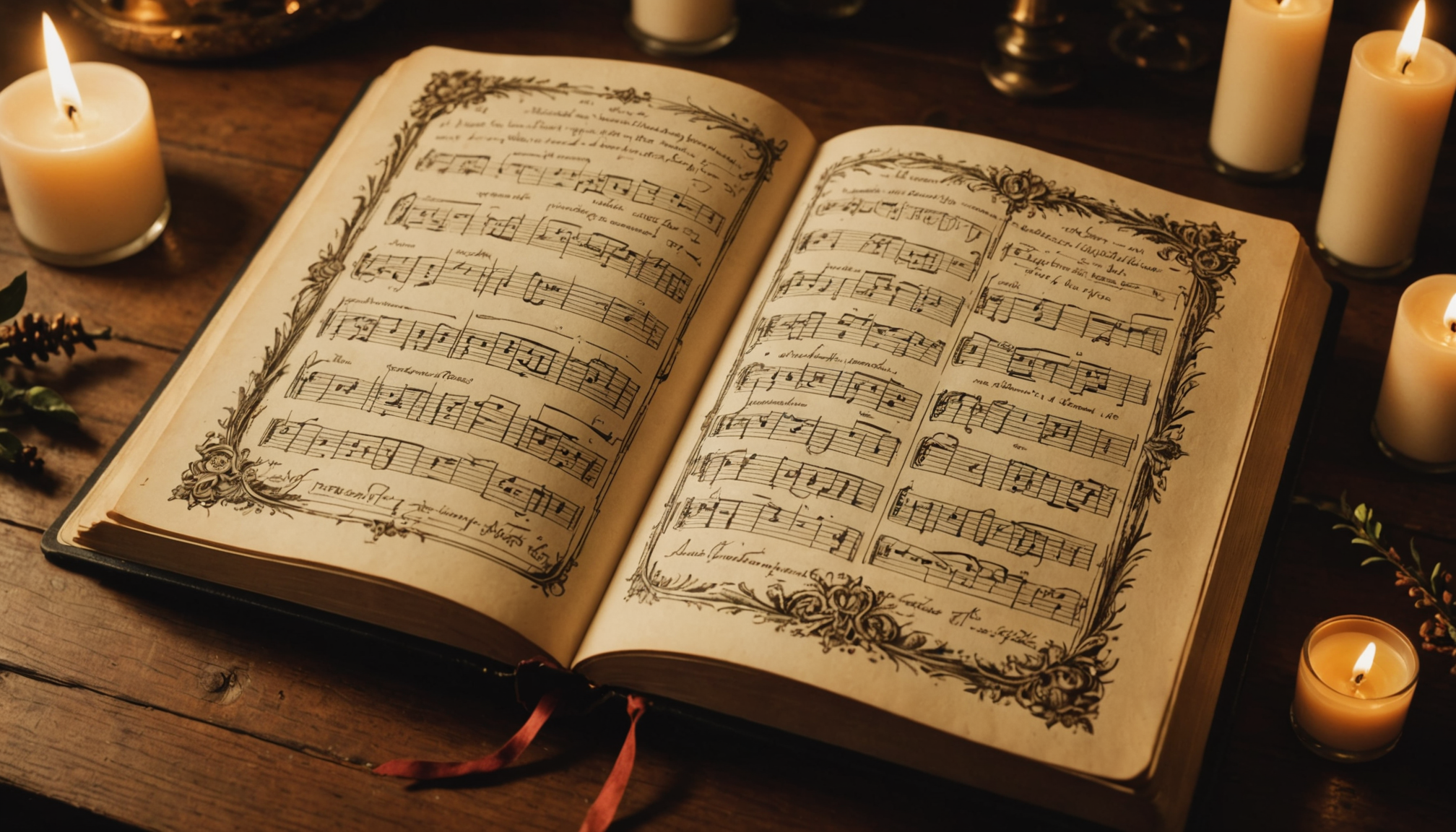
Among the many hearts and voices that shaped the Adventist musical landscape, a few remarkable figures stand out, each a testament to the era’s innovation and spirit. First among these luminaries was John Nevins Andrews, whose commitment to faith was matched only by his dedication to music. A scholar and an early church leader, Andrews understood that hymn singing was not merely an event; it was a profound expression of belief and hope. His contributions included the commissioning of hymns specifically tailored to convey Adventist themes, and his influence echoed throughout congregations, fostering a sense of shared identity.
Then there was Ellen G. White, whose voice reached far beyond the pulpit. She encouraged not only the emotional fervor of sacred music but also the importance of lyrical content that resonated with the community’s beliefs. Her insight into the power of music in worship shaped the Adventist hymnody, emphasizing that worship should not only engage the mind but also stir the heart. Songs that emerged from this period were imbued with themes of salvation and community, reflecting the hopes and longings of a people eager for divine promise.
A pivotal figure as well was William B. Bradbury, a prolific composer who crafted music that intertwined beautifully with the lyrics of contemporary hymn writers. His melodies became staples in many congregational songs, and they carried the spirit of the age—simple, heartfelt, and deeply relatable. Bradbury’s ability to fuse complexity with accessibility allowed congregations to embrace music as an integral part of their worship experience, encouraging participation and spiritual reflection through engaging acapella worship.
The contributions of these influential figures were not isolated efforts. They were interwoven with a greater movement, where the Adventist community collectively embraced the practice of creating and sharing music. As individuals began to express their personal encounters with the divine through song, small gatherings soon blossomed into sizeable assemblies, where voices united in rich harmony. Instruments began to blend with voices, not as a distraction, but as an enhancement, aiding in the rich tapestry of musical worship.
Furthermore, we must not overlook the role of other pioneers who championed musical education within the church. They laid the groundwork for a reverence toward hymns and sacred music that inspired generations to come. This aspect was critical in instilling a love for worship through music, nurturing a generation that saw hymn singing as a vital act of devotion rather than just a pleasant addition to the service.
Each note composed during this formative time served as a reminder of the soul’s journey, the community’s aspirations, and the profound connection to something far greater. The melodies penned by Andrews, Bradbury, and influenced by White provided a vital soundtrack to the lives of believers seeking solace and strength. Their legacies, much like the hymns they created, continue to resonate within the hearts of worshippers today, weaving a thread that connects the past with the present, reminding us that the power of music flows ever onward.
Development of musical styles
As the musical expressions of the Adventist faith began to mature, the evolution of styles showcased a remarkable adaptability that paralleled the shifting dynamics of the community itself. The diligent efforts of the early pioneers birthed a repertoire that not only reflected their theological convictions but also embraced a range of musical influences, shaping an identity that was uniquely theirs. It was within this cauldron of creativity that the seeds of *hymn singing* took root, growing into a diverse array of *congregational songs* that resonated with the faithful across varied landscapes.
In the earliest phases, the most intimate *acapella worship* often dominated the scene, where congregations would gather in humble settings to lift their voices in unison, creating a harmonious blend that spoke to their yearning for connection—both with one another and with God. These simple, unadorned melodies served as vehicles for personal expression, where the trials and joys of the collective experience could be sung freely. It was a time when the music offered not only solace but also a profound sense of belonging, allowing the community to engage fully in the act of worship.
As the movement gained traction, *musical instruments* began to be introduced into worship settings, reflecting a growing embrace of artistic diversity and instrumental tradition. Pianos started to punctuate the congregational landscape, facilitating richer harmonies that complemented the vocal arrangements. Such innovation was met with mixed reactions—some communities endeavored to maintain the purity of the human voice, while others saw the incorporation of instruments as a necessary evolution of their worship style. This decision revealed an essential dynamic within the community: the desire to both honor their roots and explore new avenues for expressing their faith.
The melodies created during this period became increasingly intricate, drawing upon popular trends while maintaining a foundation in scriptural truths. Hymn writers delved deep into the themes of hope, salvation, and divine grace, composing tunes that were accessible yet profound. Each hymn captured the essence of the collective journey, celebrating the vibrant hope that characterized the Adventist spirit. The resulting *sacred music* became a crucial aspect of communal gatherings, infusing them with spiritual fervor and creating an atmosphere ripe for shared worship experiences.
In this environment of musical experimentation, choral arrangements began to grace the worship scene, enriching the texture of their sacred songs. The collective voices of the faithful harmonizing together created an auditory tapestry that echoed beyond the walls of their churches, inspiring those who listened and participated. Musicians took liberties to express the theology of the hymns through creative harmonies, allowing for a greater emotional depth that elicited both joy and reflection. This development not only illustrated the artists’ ingenuity but also their commitment to conveying the profound beliefs held dear by the community.
The expansion did not stop with vocal intricacies and the introduction of *musical instruments*; it extended into the realm of hymnody where compositions began to be published systematically. The advent of hymnals made the sacred music more accessible, allowing congregations to engage in shared lyricism while fostering an atmosphere of unity. This proliferation of hymnals became a treasure trove for the faithful, encapsulating a diverse range of songs that told stories of their beliefs and aspirations, thus fostering a sense of identity that transcended geographical boundaries.
As the sun set on the 19th century, the evolution of *hymn singing* patterns drew closer to the establishment of a robust musical heritage within the Adventist Church. The interplay of voices and instruments gave way to a tradition that was welcoming, allowing individuals from all walks of life to partake in the glorious tapestry of faith expressed through song. As these musical styles developed, they not only reflected the community’s growth but also their unwavering hope and commitment to their beliefs, establishing a legacy of *sacred music* that would echo through time, resonating in the hearts of future generations.
Significance of hymnody in worship
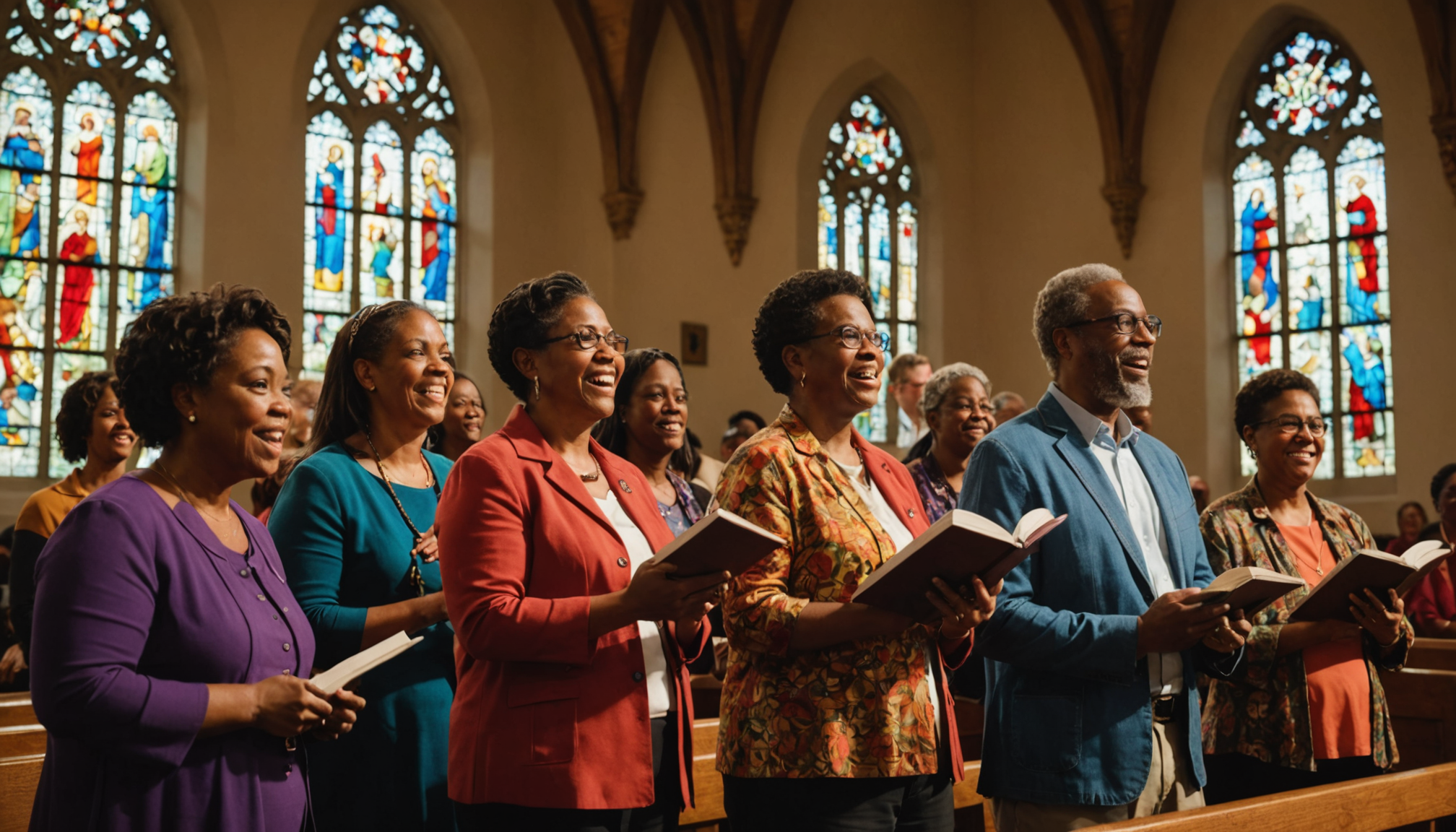
The act of hymn singing within the Adventist worship experience carries immense significance, serving as both an expression of faith and a means of fostering community. Each hymn, carefully crafted with theological depth, combines melody and message to create a resonant narrative that encapsulates the hopes, struggles, and triumphs of believers. Unlike mere entertainment, these sacred songs allow congregations to confront their spirituality within communal spaces—offering reflections of their collective identity while igniting shared aspirations for divine promises.
This musical form intersects beautifully with the act of worship, as the resonance of voices engages the spirit deeply. As congregations gather in unified faith, whether in the intimacy of a small group or the vastness of a camp meeting, the use of sacred music becomes a vital medium through which individuals connect with God and one another. Each note sung elevates the worship experience, transforming simple musical gatherings into profound encounters with the divine, where the act of singing reverberates like a prayer—intensifying faith and drawing participants closer together.
Moreover, hymn singing cultivates a rich tapestry of theological reflection. The words, often embedded with essential beliefs about grace, salvation, and community, serve to remind the singers of their spiritual journey and the promises that bind them. These congregational songs reflect a shared understanding of their faith and provide an opportunity for the community to articulate their stories collectively. With every chorus sung, participants weave personal testimony into a collective narrative, ensuring that their faith is not simply an individual pursuit but a shared experience of longing, hope, and redemption.
The significance of musical instruments within this context cannot be overlooked. They enrich the hymn singing experience, enabling harmonious expressions that elevate the quality of worship. Whether instrumentalists bolster the congregational voice with joyful accompaniment or explore innovative musical arrangements, these additions enhance the atmosphere of reverence in worship spaces. In doing so, they exemplify the unity between song and spirit, allowing diverse expressions of emotion and devotion to unfold seamlessly, while fostering an ambiance ripe for spiritual reflection and renewal.
- What role does hymn singing play in Adventist worship?
- Hymn singing serves as a vital expression of faith, fostering community, and allowing believers to articulate their spiritual journey together. It enriches worship by combining melody and message, creating a unifying experience that deepens connections with God and one another.
- How did hymnody evolve within the Adventist tradition?
- The evolution of hymnody in Adventism reflects a balance of adherence to scriptural tenets and the desire for artistic expression. As congregations embraced new musical styles and instruments, they created a diverse repertoire that encapsulated their beliefs and communal aspirations.
- Why is communal singing important in faith practice?
- Communal singing facilitates a powerful sense of belonging and shared identity among worshippers. It allows individuals to express collective hopes and struggles, transforming personal faith testimonies into a shared narrative that resonates throughout the congregation.
- What impact did the introduction of musical instruments have on worship?
- The introduction of musical instruments expanded the expressive possibilities of congregational songs, enriching the hymn singing experience. Instruments complement the human voice, enhancing the overall atmosphere of worship and encouraging deeper engagement.
- Can you explain the significance of lyrics in Adventist hymns?
- Lyrics in Adventist hymns are integral to conveying essential theological themes, such as grace and salvation. They articulate the beliefs and desires of the community, allowing worshippers to reflect on their faith and share their stories through song.
- How did early Adventist pioneers influence music traditions?
- Early Adventist pioneers, such as John Nevins Andrews and Ellen G. White, played significant roles in nurturing musical traditions by advocating for hymn writing that aligned with Adventist beliefs. Their efforts laid the foundation for a rich musical legacy, fostering spiritual expression within worship.
- What can be learned from the legacy of Adventist hymnody?
- The legacy of Adventist hymnody highlights the enduring power of music as a means of spiritual expression and connection. It serves as a reminder that music can transcend time, shaping the collective experience of faith while inspiring future generations to explore their own musical journeys.
Ashland Ashland Sabbath Chapel
Legacy and impact on contemporary music
As we meander through the verdant pastures of Adventist musical traditions, one cannot help but notice how the melodies crafted by the early pioneers have left an indelible mark on contemporary worship practices. The echoes of sacred music resonate even now, as congregations across the globe engage in hymn singing that pays homage to those humble beginnings. This ongoing legacy reflects not merely nostalgia but a living testimony of faith, artistry, and community, continuing to inspire and shape the worship experiences of modern believers.
The profound influence of hymnody has woven itself into the very fabric of worship services today. You shall find that many contemporary congregations still embrace the rich tones of songs first composed in the shadow of the early Adventist movement. These hymns, penned with an emphasis on theological clarity and emotional depth, remain staples in the repertoire of congregational songs. They serve as the heartbeat of worship, aligning the hearts and minds of the faithful as they gather in pursuit of shared convictions.
Moreover, modern interpretations of these age-old hymns demonstrate a delightful evolution, as they adapt to the varied musical tastes of newer generations. The introduction of instruments—perhaps the very tinkling of a piano or the strumming of a guitar—adds a contemporary flair while remaining grounded in tradition. Yet, even with the innovation of musical arrangements, one discovers that the essence of those sacred melodies—their messages of hope, redemption, and community—continues to thrive amidst modern worship settings.
As congregations lift their voices in unison, engaging in a joyous cacophony of hymn singing, one might observe an aura of unity emerging. Individual souls, each with their unique stories and tribulations, find a place together within the harmonies—a phenomenon that resonates with the early practices of acapella worship. This act, echoing through time, remains a powerful reminder that even in a diverse and bustling world, music has the capacity to gather hearts as one, drawing people towards a shared spiritual encounter that transcends mere lyrics.
- The broader inclusion of musical instruments within worship, from keyboards to string ensembles, has further enriched this dynamic. Driven by the collective sentiment that the beauty of music serves to enhance spiritual connection, congregations have been rather unyielding in their pursuit of joyful sound.
- As hymnody evolved, it nurtured a societal trend where individuals became agents of musical expression, often embarking on the creation of new compositions to reflect personal faith experiences. Thus, each generation has contributed its voice to the ever-expanding canon of sacred music.
Therein lies a sweet irony: while the roots of Adventist music trail back to simple gatherings and heartfelt expressions, the flourishing creativity evident in present-day worship manifests the spirit, passion, and resilience of that original ethos. The legacy born of a small band of believers, fervent yet imperfect, continues to reverberate through time, binding communities together in their steadfast journey towards spiritual fulfillment.
Beside our live streamed church services, all are welcome to attend our church in person each Saturday beginning 10:00 AM Central Time by going to 2425 Owens Rd., Ashland, AL 36251. There is no cost and any donations are strictly voluntary.
For questions, call +2563547124.