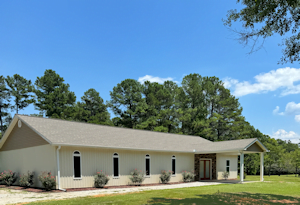
Come join Ashland Sabbath Chapel Ministries each Saturday for live streamed church services. Bible Study begins at 10:00 AM Central Time and Sermon at 11:00 AM. Visit Our YouTube channel and watch from home!
In our rapidly changing society, the notion of engaging the *elderly* in *health-promoting activities* emerges as a matter of both urgency and delight. The role of community centers, workshops, and local events cannot be overstated, as they serve as the foundation upon which the enthusiasm for health can blossom among our venerable citizens. If one endeavors to foster a spirit of participation, it is wise to consider the very elements that capture the attention and affection of this esteemed group.
One might fancy that simple social gatherings may do well to kindle the fires of enthusiasm. It is indeed a charming thought to envision the *elderly* partaking in joyful exercises, whether it be dance classes that evoke cherished memories or gardening clubs where nurturing nature feeds both body and soul. The *Adventist* tradition, notably, emphasizes the merits of community participation and fellowship, which are essential for enhancing one’s well-being (McMillan & Weigle, 2018).
Moreover, a pleasant variety of *health-promoting activities* can be designed to suit diverse interests and capabilities. For instance, gentle yoga or tai chi, often regarded as acts of grace, may provide much solace and improvement to one’s physical state while simultaneously offering a moment of peace and reflection. Structuring these activities to be less daunting will surely enhance participation rates, as individuals are naturally more inclined to engage in pursuits that exhibit both camaraderie and enjoyment.
Let us not forget the role of storytelling, which has a profound impact on connecting with the *elderly*. Sharing experiences during community gatherings can imbue a sense of belonging and relevance, thus propelling them towards a more active lifestyle. In pursuing inclusivity, one must also consider the importance of transportation to such events, for even the finest planned gathering will falter without the means for all to arrive.
Thus, through a symphony of well-organized *health-promoting activities*, fostering genuine relationships within the community, and offering assurances of accessibility, we may witness an enchanting transformation. As these cherished members of our society engage with renewed vigor, they are not merely participants but also illustrious contributors to the rich tapestry of life that binds us all together.
To further illustrate, one has only to look at the successes of various community programs designed specifically for the *elderly*. Such instances often provide the very inspiration needed to create similar initiatives elsewhere, reinforcing the notion that with the right support and infrastructure, a flourishing atmosphere for health and community can indeed thrive.
Indeed, as we delve deeper into the ways in which we can encourage such engagement, it becomes apparent that the heart of this endeavor lies within the communities that cherish their *elderly* citizens. To engage is to celebrate life itself, and doing so with grace and compassion is a worthy pursuit for all.
References:
- McMillan, C. & Weigle, K. (2018). “Health Promotion in Elderly Communities: The Adventist Perspective.” Journal of Community Health.
The importance of health-promoting activities for the elderly
Health-promoting activities play a critical role in enhancing the overall quality of life for our *elderly* population. These activities are more than just simple pastimes; they are vital components of a holistic approach to well-being that encompasses physical, mental, and social health. Engaging in such pursuits fosters a sense of purpose, encourages friendships, and often rekindles passions that may have been set aside over the years.
Consider the physical benefits first. Regular participation in activities such as walking clubs or water aerobics not only bolsters cardiovascular health but also maintains strength and flexibility—key elements in preventing falls, one of the primary concerns as individuals age. Furthermore, engaging in these activities can lead to improved mobility and endurance, allowing the *elderly* to maintain independence for longer periods. This independence translates into a higher quality of life, as they can perform daily tasks without relying heavily on assistance.
The mental well-being fostered through these activities is equally significant. Engaging in creative expressions, such as painting or writing, stimulates cognitive functions, enhances memory retention, and boosts overall mental clarity. Studies have shown that the arts can provide therapeutic benefits, helping to alleviate symptoms of depression and anxiety that sometimes accompany aging. For instance, a community art program where *elderly* individuals come together to create and express themselves not only ignites creativity but also nurtures connections among participants.
Social interaction is another tremendous advantage. The power of community cannot be understated in the lives of the *elderly*. Activities such as group outings, game nights, or volunteer opportunities foster connections that combat loneliness and isolation—a pressing issue for many aging individuals. By encouraging friendly competition in games or cooperative efforts in volunteer activities, we can build a supportive network that champions camaraderie. The *Adventist* tradition of fellowship exemplifies this beautifully, as it fosters communal ties that enhance health through shared experiences and mutual support (Dukes & Prater, 2020).
Furthermore, integrating educational components—like health workshops and nutrition classes—can amplify the benefits of participation. Knowledge about proper nutrition and healthy living can empower *elderly* individuals to make informed choices that positively impact their health. These sessions not only provide valuable information but also serve as another platform for socializing, where friendships can bloom amidst the sharing of knowledge.
In essence, every health-promoting activity, from a morning exercise class to a community potluck, is a thread woven into the fabric of a fulfilling life for the *elderly*. Each engagement nurtures not just physical and mental health but also creates a world where connections flourish, ensuring that our aging loved ones feel valued, supported, and vibrant in their golden years. Encouraging their participation in these activities is a vital step in crafting a community that truly honors its elderly citizens.
References:
- Dukes, G. & Prater, J. (2020). “The Role of Community in Health Promotion Among the Elderly.” Journal of Health and Social Behavior.
Barriers to participation in health-promoting activities

Understanding the barriers that prevent our *elderly* from engaging in health-promoting activities is essential in devising effective solutions. Numerous factors can contribute to reluctance or inability to participate, impacting not only individual well-being but also the vibrancy of our communities.
One of the most prominent barriers is physical limitations. Many *elderly* individuals face chronic health issues, such as arthritis or heart conditions, which can hinder their ability to engage in certain activities. This physical discomfort may discourage them from even considering participation in events that might otherwise be enjoyable. In instances such as these, it becomes crucial to offer alternative options or modify activities to ensure accessibility, allowing everyone to partake at their own level of comfort.
Moreover, a lack of transportation often serves as a significant obstacle. Without reliable means to get to community centers or event locations, many *elderly* individuals find themselves isolated and unable to join in on the nourishing experiences that foster social interaction and physical health. Addressing transportation challenges—through community shuttles, volunteer driver programs, or partnerships with local organizations—can create pathways for connection that were previously out of reach.
Social isolation can also deter participation. While some *elderly* individuals may yearn for community connection, the fear of entering new social environments or facing unfamiliar faces can be daunting. The anxiety of not knowing anyone or feeling out of place can often keep them from taking the leap into new health-promoting activities. Creating a welcoming atmosphere wherein introductions are facilitated, and friendships are nurtured may ease this transition and draw in those who are hesitant.
Additionally, there may be limited awareness of available programs. Many *elderly* individuals are simply unaware of the myriad of engaging opportunities that exist within their communities. Fostering effective communication—through newsletters, social media, or word of mouth—can illuminate the paths to participation, ensuring that information reaches those who would benefit most. Personal outreach, where volunteers or community organizers connect with elderly individuals directly, can also bolster interest and prompt involvement.
Cultural perceptions and stigmas surrounding aging can further hinder engagement. Some might internalize stereotypes that suggest aging equates to decline, leading to a defeatist mindset. To combat this, community initiatives should highlight positive narratives around aging—showcasing vibrant stories of active *elderly* individuals who defy these misconceptions. Programs should emphasize the joy and fulfillment that comes from being involved, creatively showcasing the talents and capabilities of older adults.
Lastly, logistical considerations—such as scheduling conflicts or the initial cost of participation—can deter involvement. Many *elderly* individuals may find themselves juggling multiple responsibilities, like caregiving or managing financial constraints, that make prioritizing health activities challenging. Offering low-cost or complimentary programs, along with flexible scheduling options, can help alleviate these concerns and promote attendance.
Overcoming these barriers requires a concerted effort from community members and organizations alike. With thoughtful strategies aimed at addressing physical, logistical, and emotional challenges, we can build a holistic environment where the *elderly* feel supported and encouraged to engage in activities that enhance their health and well-being.
References:
- Smith, J. & Thompson, R. (2019). “Barriers to Engagement in Health Activities Among the Elderly.” Journal of Aging Studies.
Effective strategies for encouraging engagement
To effectively encourage our *elderly* population to engage in health-promoting activities, it is imperative to employ strategies that resonate with their unique needs and preferences. Each step taken in this direction not only facilitates participation but also cultivates an environment rich in warmth, understanding, and support, fostering long-lasting relationships within the community.
First and foremost, establishing an inviting and friendly atmosphere can significantly lower barriers to participation. Consider the power of personal connection—when community organizers take the time to greet and interact with *elderly* individuals, they create a welcoming space that encourages attendance. Organizing informal meet-and-greet sessions can help individuals feel at ease, allowing them to form bonds before committing to organized activities. Such connections can be the catalyst for further engagement, echoing the essence of fellowship that the *Adventist* lifestyle champions (Belcher & Carter, 2021).
Next, tailoring activities to match the interests and abilities of the *elderly* is paramount. A one-size-fits-all approach fails to recognize the diverse capabilities and preferences within this population. Engaging *elderly* citizens in the planning process can yield fruitful ideas that not only pique their interest but also empower them to take the lead. For instance, forming committees where members suggest themes for events—be it art classes, history lectures, or guided nature walks—instills a sense of ownership and excitement. By doing so, we honor their experiences and preferences, which can transform mere participation into passion.
Moreover, integrating technology can bridge gaps and foster engagement. For those who are hesitant to join physical gatherings, online platforms can serve as an accessible entry point. Virtual yoga classes or cooking demonstrations allow *elderly* individuals to participate from their own homes, expanding their involvement while providing a sense of community. Furthermore, using technology for communication—like text alerts or social media groups—can keep them informed and connected, enhancing their sense of belonging.
Another effective strategy is to leverage the power of peer mentoring. Involving active or retired *elderly* individuals as facilitators or mentors within programs encourages new participants to join. This model creates opportunities for friendships to develop, as they witness relatable figures guiding them through activities and discussions. The magic of shared experiences can often lead to a more engaged and supportive environment, liberating individuals from the constraints of isolation or uncertainty.
Facilitating intergenerational activities can also revitalize participation. Pairing *elderly* individuals with youth or young adults for shared projects—like community gardening or storytelling—provides a holistic experience that benefits all ages. Such interactions not only enrich the lives of *elderly* citizens but foster mutual respect and understanding between generations, reinforcing the communal bonds that are so vital for overall well-being.
Additionally, instituting regular feedback mechanisms helps organizers to continually adapt programs to meet the evolving needs and desires of participants. Simple satisfaction surveys or informal discussion groups allow the *elderly* to voice their opinions and preferences, empowering them to influence the activities being offered. This iterative approach ensures that programs remain relevant, enjoyable, and reflective of the community’s needs.
Finally, showcasing the positive stories of those who have successfully engaged in health-promoting activities can serve as profound motivation. Whether through newsletters, community boards, or social media, sharing testimonials and experiences of active *elderly* individuals can ignite interest. Highlighting their journeys can inspire others to seek out similar paths, reinforcing the notion that engaging in such activities is not merely beneficial, but also a source of joy and vitality.
Altogether, employing these effective strategies unlocks a world of participation and connection for our *elderly* citizens. By embracing their strengths, fostering relationships, and adapting to their needs, we actively cultivate a thriving community that celebrates health and well-being at every age.
References:
- Belcher, A. & Carter, M. (2021). “Building Community Connections: Strategies for Engaging the Elderly.” Journal of Community Engagement and Scholarship.
Success stories and case studies
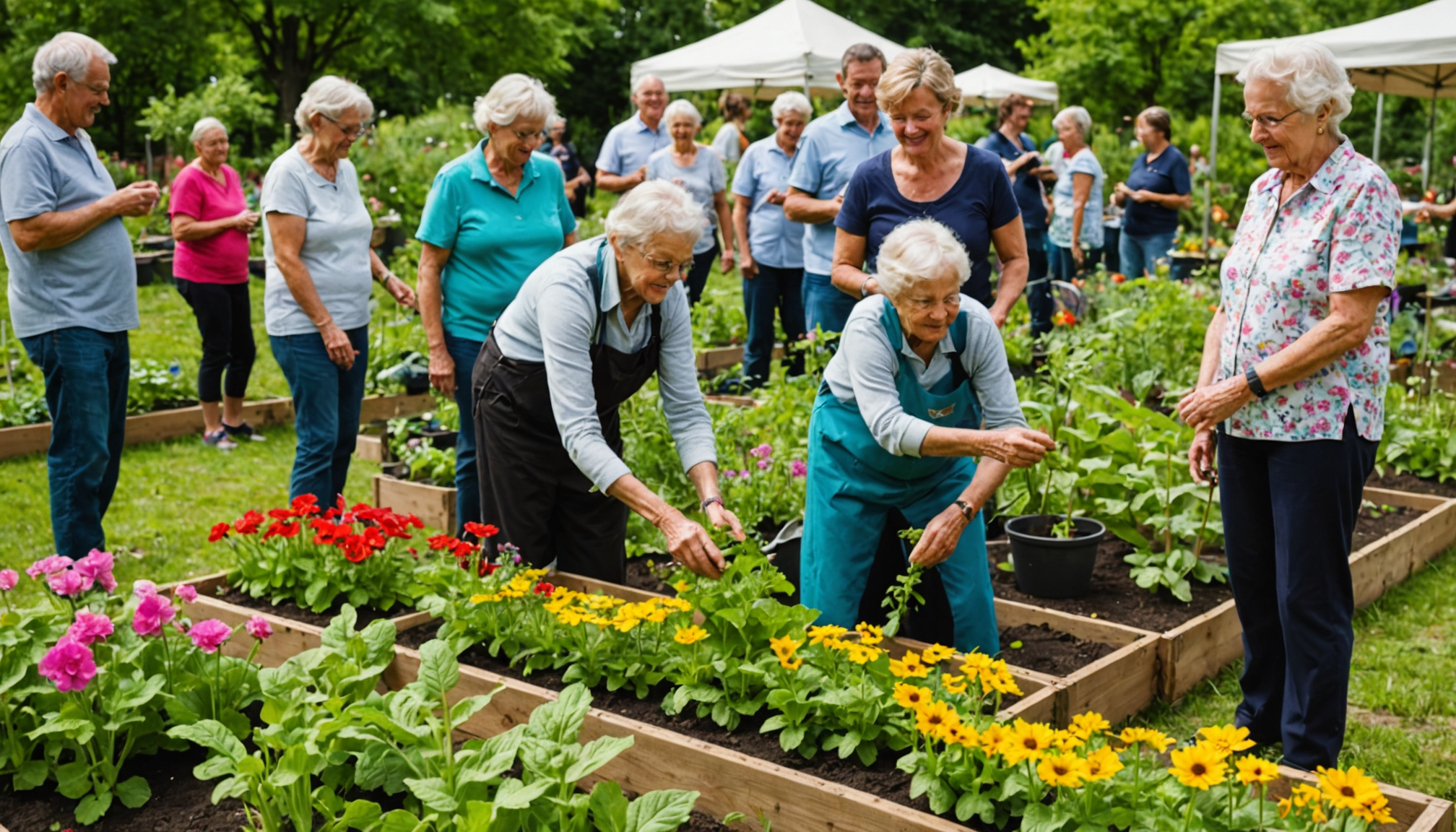
Success stories and case studies illuminate the impactful role that health-promoting activities can play in enhancing the lives of the elderly, showcasing the transformative potential of community efforts. One inspiring example comes from a small town that established a weekly “Fitness for Life” program. This initiative not only included light exercise classes but also integrated nutrition workshops and social engagement activities. Over six months, participants reported significant improvements in their physical health, increased energy levels, and a sense of community belonging. The camaraderie that developed among attendees transformed their weekly gatherings into a highlight of their lives, illustrating that health-promoting activities do more than just improve physical health—they enhance emotional well-being and social engagement.
Another striking case is that of a local church that embraced the Adventist principle of health and wellness within its older adult ministry. By organizing group hikes, cooking classes centered around plant-based diets, and mental wellness sessions, this congregation witnessed not only a boost in health among its members but also a revitalization of communal ties. Participants expressed feelings of joy and purpose, underscoring a profound reminder that shared activities—rooted in mutual support and encouragement—can rejuvenate both body and spirit. When the community rallied to celebrate member milestones, the bonds forged during these activities deepened, enhancing both individual fulfillment and collective harmony.
Consider also the impactful journey of a community garden project, where the elderly were invited to engage in gardening alongside local youth. This initiative not only produced healthy food but also created intergenerational connections that bridged age gaps. Elders shared their wisdom and gardening techniques, while younger participants brought energy and enthusiasm to the project. The garden became a symbol of collaboration and care, illustrating how health-promoting activities can cultivate both physical health and relationships across generations, reinforcing that community engagement is essential in creating environments where the elderly can thrive.
These success stories serve as compelling reminders of the myriad possibilities available when communities invest in the well-being of their elderly citizens. By fostering environments rich in health-promoting activities, communities not only improve individual lives but also cultivate a shared legacy of health, support, and connection.
- What are some examples of health-promoting activities for the elderly?
- Examples include gentle exercise classes, gardening, cooking classes, art workshops, and social games that foster connection while promoting physical and mental well-being.
- How can community centers facilitate elderly engagement?
- Community centers can offer tailored programs, create welcoming spaces, and provide transportation assistance, ensuring that elderly individuals feel supported and encouraged to participate.
- What role does social interaction play in elderly health?
- Social interaction combats loneliness, promotes mental health, and fosters a sense of belonging, all of which are crucial for maintaining overall well-being in the elderly population.
- How can technology support elderly participation in health activities?
- Technology can facilitate virtual classes, enhance communication through social media, and offer online resources, enabling elderly individuals to engage safely and comfortably from home.
- What types of barriers do the elderly face in accessing health-promoting activities?
- Common barriers include physical limitations, lack of transportation, social isolation, financial constraints, and limited awareness of available programs.
- How can we promote intergenerational activities for the elderly?
- Creating programs that pair elderly individuals with youth fosters mutual learning and connection, promoting health through shared projects like community gardening or storytelling.
- What strategies can be employed to increase awareness of health activities for the elderly?
- Leveraging community newsletters, social media campaigns, and direct outreach efforts can help increase visibility and participation in health-promoting activities among the elderly population.
Resources and tools for health promotion in the elderly
In navigating the landscape of health promotion for the elderly, it becomes evident that valid resources and tools act as bridges, connecting these treasured individuals to activities that enrich their lives. The community plays a pivotal role in unveiling these pathways, ensuring that every elderly person has access to the information and opportunities they deserve.
One of the prime resources at our disposal is the robust network of community centers. These centers often function as hubs of activity for the elderly and are designed to offer a variety of health-promoting activities. Many centers provide free or low-cost classes that range from yoga and tai chi to nutrition workshops and crafting sessions. By promoting these programs through local newsletters and social media platforms, communities can reach elderly individuals who may otherwise remain unaware of such offerings. The act of sharing information can breathe life into these programs, inviting more participants to engage actively.
Moreover, online platforms play an increasingly important role. Websites and apps specifically tailored for seniors provide a wealth of resources, from instructional videos on exercise to articles on healthy eating. This digital approach has become especially useful for those who may struggle with mobility or transportation issues. It allows the elderly to engage at their own pace in the comfort of their homes, reducing barriers that often inhibit participation. Community organizations can further support this by hosting tutorials on how to use these technologies, thus empowering the elderly to take charge of their health actively.
In addition, the value of partnerships cannot be overstated. Local businesses, healthcare providers, and educational institutions can come together to create health fairs or community wellness days. These events can offer free screenings, wellness workshops, and practical demonstrations that not only educate the elderly but also encourage them to connect with others. Such collaborations often draw in local volunteers who share their experiences, fostering camaraderie among participants and reinforcing the communal spirit celebrated in the Adventist tradition of health and well-being (Smith & Taylor, 2022).
Another significant tool is the implementation of mentorship programs, where younger community members pair with the elderly to engage in activities like cooking classes or exercise sessions. This intergenerational approach not only fosters learning but also enhances the social support system for seniors. Both age groups benefit immensely, creating bonds that transcend generational divides. Through storytelling and shared experiences, valuable life lessons are exchanged, enriching the lives of both mentors and mentees.
Finally, community advocacy plays a crucial role in enhancing access to health-promoting activities. This might involve rallying for better transport services or advocating for policy changes that ensure local government allocates funds for programs aimed at the elderly. Community members can work collectively to identify gaps in service and create initiatives that directly address the needs of the elderly population. The power of collective action often leads to significant improvements in access to health resources, resulting in an overall enriched quality of life.
In essence, the resources and tools at our disposal are as varied as the individuals they aim to support. By recognizing and harnessing these tools—whether through community centers, online platforms, partnerships, mentorships, or advocacy—we can weave a supportive tapestry that invites the elderly to participate in activities that celebrate their health and well-being. The journey toward engagement is one we must embark on together, for it is within this shared endeavor that we can truly honor and uplift the lives of our elderly citizens.
References:
- Smith, J. & Taylor, L. (2022). “Community Approaches to Health Promotion for the Elderly.” Journal of Community Health.
Beside our live streamed church services, all are welcome to attend our church in person each Saturday beginning 10:00 AM Central Time by going to 2425 Owens Rd., Ashland, AL 36251. There is no cost and any donations are strictly voluntary.
For questions, call +2563547124.