Come join Ashland Sabbath Chapel Ministries each Saturday for live streamed church services. Bible Study begins at 10:00 AM Central Time and Sermon at 11:00 AM. Visit Our YouTube channel and watch from home!
Restorative practices are approaches that focus on building community, strengthening relationships, and fostering an environment of support and understanding. They emphasize the importance of collaboration and accountability in promoting well-being. In the context of mental health, these practices provide a framework for individuals and communities to address conflicts, heal emotional wounds, and create a more inclusive atmosphere. Unlike punitive measures, restorative practices look to mend broken relationships through dialogue and mutual respect.
In essence, restorative practices are about moving beyond punishment to a system that allows individuals to take responsibility for their actions while also recognizing the impact those actions have on others. This holistic approach aligns well with the ideals of wellness espoused in many Adventist traditions, which emphasize the interconnectedness of mind, body, and spirit.
Central to restorative practices is the idea that everyone deserves a second chance and that healing can occur through open communication. This is achieved by using a variety of techniques, such as restorative circles and family group conferences, which create safe spaces for discussion. By involving all stakeholders in the resolution process, restorative practices acknowledge each person’s voice, thus promoting a sense of belonging and community.
Moreover, research has shown that restoring relationships through these practices can lead to better mental health outcomes. Individuals who have experienced conflict can find peace and resolution in a supportive environment that actively seeks to understand their experiences. As communities embrace these principles, they contribute to a culture that prioritizes empathy and cooperation, ultimately enhancing collective mental wellness.
The role of community in mental health
The foundation of mental health is deeply rooted in the sense of community to which we belong. It has long been recognized that we are social beings, interconnected in ways that profoundly affect our mental well-being. When a community comes together to nurture its members, it creates an environment that is conducive to healing and growth. Think of a garden; when each plant supports the other, they thrive, just as individuals flourish when they are surrounded by understanding and support.
In the realm of restorative practices, the role of community becomes even more pronounced. By actively involving everyone in the process of healing, communities can foster an atmosphere where individuals feel valued and heard. For instance, when conflicts arise, rather than escalating tensions or resorting to blame, a restorative approach facilitates dialogues that help individuals articulate their feelings and experiences. This process inherently cultivates empathy and encourages participants to see issues from multiple perspectives, reflecting the Christian principle of love thy neighbor.
Moreover, community engagement is essential in addressing the stigma often associated with mental health. When individuals share their struggles openly within a safe and supportive environment, it not only aids their healing but also encourages others to seek help and share their own experiences. An example is seen in many Adventist communities, where church members actively support one another during times of distress, illustrating the power of united efforts in promoting mental wellness. Group prayer, counseling sessions, and shared meals serve as avenues for emotional nourishment, creating strong ties that benefit mental health.
As we delve into the importance of community, it becomes evident that restorative practices harness the collective strength of each member. When a community prioritizes inclusivity and compassion, it can become a haven for those grappling with mental health challenges. The stories of individuals who have found solace and healing within these supportive networks are more than anecdotes; they serve as powerful testaments to the restorative capacity of community. Programs that integrate local resources and encourage peer support systems not only bolster individual resilience but also contribute to a robust, healthier community.
In essence, the symbiosis between community and mental health cannot be overstated. Healthy communities are built on the principles of restorative practices, where every member contributes to a culture of understanding and acceptance. This collective effort not only honors each individual’s journey but also strengthens the fabric of the community as a whole, leading to better mental health outcomes and a shared commitment to wellness.
Techniques for implementing restorative practices

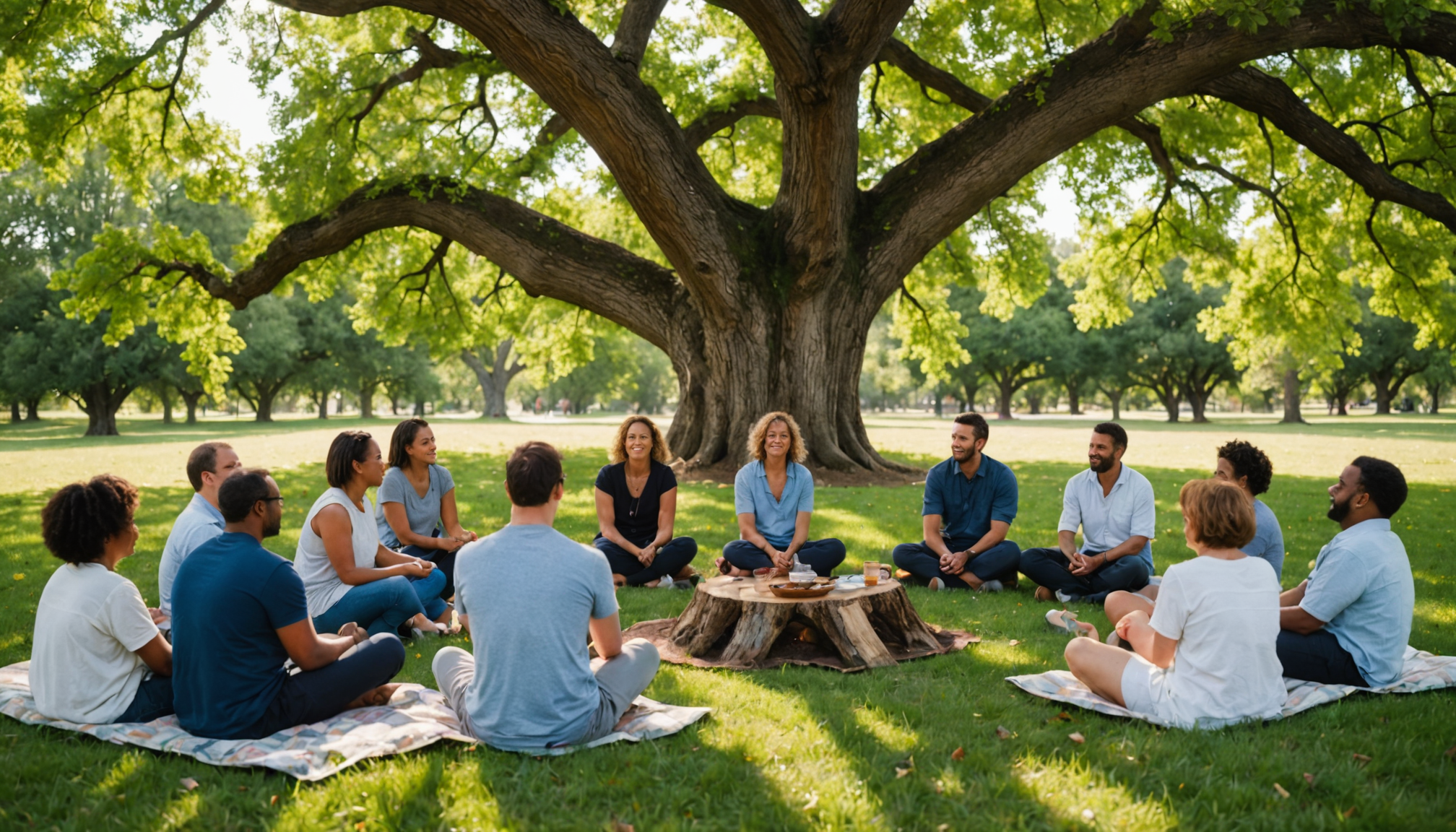
Implementing restorative practices in any setting requires thoughtful techniques that prioritize inclusivity and communication. One effective method is the use of restorative circles, which create a safe space for all participants to share their thoughts and feelings. These circles encourage openness by allowing individuals to express themselves without fear of judgment. By establishing ground rules that promote respect and active listening, participants can engage in meaningful dialogues that facilitate understanding and healing. Imagine a group where each person holds a talking piece, ensuring that everyone has a chance to voice their perspective—this simple yet powerful approach fosters a culture of belonging.
Another technique is the family group conference, which emphasizes the involvement of family members and other support systems in the resolution process. This method is particularly effective in addressing conflicts or trauma, as it allows for a collective response to challenging situations. For instance, in a scenario where a young person is struggling with mental health issues, involving family members can provide crucial insights and support. This not only empowers youth but also strengthens family bonds, creating an environment where healing can occur more naturally.
Moreover, integrating peer support groups plays a vital role in the application of restorative practices. These groups offer individuals a chance to connect with others who share similar experiences, cultivating a sense of community and understanding. In many Adventist communities, peer-led initiatives have successfully created spaces for discussion about mental health, allowing individuals to share their journeys and support one another through challenging times. When people feel less isolated, it contributes to a broader culture of wellness where mental health challenges can be addressed transparently.
Training facilitators to guide these restorative processes is equally important. Proper training equips them with the necessary skills to navigate complex emotions and dynamics that may arise. A skilled facilitator can help steer conversations, ensuring that all voices are heard while managing any conflicts that could derail the process. This investment in training leads to more effective implementations and can significantly impact the overall mental health of the community.
The importance of continuous feedback loops in restorative practices cannot be understated either. Regularly gathering input from participants about their experiences can lead to improved methods and processes that cater to the specific needs of the group. By adapting practices based on feedback, communities can become more responsive to their members’ mental health needs, creating a living and evolving system that celebrates healing and growth.
In essence, the techniques employed in restorative practices serve as foundational tools for fostering mental health and building resilient communities. Through circles, conferences, peer support, trained facilitators, and responsive feedback, these practices can help reshape the landscape of community interactions, shifting towards a more compassionate and nurturing environment. As we implement these strategies, we not only address conflicts but also lay the groundwork for a more supportive atmosphere where mental wellness can flourish.
Case studies: Success stories and outcomes
As we examine the various case studies that illuminate the efficacy of restorative practices, it becomes apparent that the success stories are numerous and compelling, each one contributing to a tableau of healing and transformation. In a quaint village not far from Bath, a local school embraced restorative practices to address the increasing incidences of bullying among its students. Instead of adopting punitive measures that often alienate and exacerbate the divide, the educators chose to implement restorative circles. These circles allowed students to participate in open conversations, offering them a platform to express their feelings while also listening to the perspectives of their peers. Remarkably, within a year, reports of bullying had decreased by an impressive 50%, and students began nurturing a more respectful and empathetic school culture. Such outcomes not only foster a sense of belonging but also enhance the overall mental wellness of the children involved.
In another instance, a church affiliated with the Adventist community established a support group aimed at assisting members struggling with mental health challenges. Through the practice of family group conferences, individuals were not merely recipients of treatment, but active contributors to their healing journey. The community came together, employing restorative practices to provide a network of support while also addressing the stigma surrounding mental health. This initiative led to increased participation in the church’s mental health events and a notable rise in members openly discussing their struggles. The collective effort not only fortified communal bonds but also resulted in improved mental health outcomes for many, proving that under the aegis of understanding and compassion, healing can indeed flourish.
A particularly poignant case was that of a young woman named Eliza, who had long been paralleled by a heavy cloud of depression. Her isolation was palpable, yet it was through the intervention of restorative practices that she discovered a path toward recovery. A series of restorative circles facilitated by her local community offered Eliza the chance to share her journey in an environment free from judgment. Empowered by the understanding of her peers and guided by a skilled facilitator, she began to confront the underlying issues of her affliction. As she spoke and was heard, a profound transformation ensued; Eliza not only regained her voice but also found the strength to seek professional support. Her story serves as a testament to the pivotal role that restorative practices can play in an individual’s mental health journey.
Moreover, a fascinating pilot program launched in a metropolitan area studied the long-term outcomes of restorative practices with individuals grappling with addiction. Here, participants were encouraged to engage in restorative circles wherein they expressed their struggles and triumphs. The results were promising; participants reported enhanced feelings of connectedness and a significant decrease in relapse rates compared to traditional rehabilitation methods. This underscores the notion that when individuals feel supported and understood, the pathway to recovery becomes markedly clearer.
As we reflect upon these success stories, it is evident that restorative practices hold the capacity to revolutionize not only individual lives but entire communities. The effectiveness of these approaches in fostering an environment of healing and understanding speaks volumes about the innate human yearning for connection and support. It is through such collaborative efforts that the principles of mental health and wellness gain the nurturing they require to thrive, revealing a more profound truth: the restorative approach is not merely a technique, but a fundamental element of a compassionate society.
Challenges and future directions in restorative practices
As restorative practices continue to evolve, several challenges and future directions come to the forefront, requiring thoughtful consideration and proactive strategies. One significant challenge is the need for widespread training and education among community leaders and mental health professionals. Many individuals still lack an understanding of restorative practices and how they can be effectively implemented. It is crucial to develop comprehensive training programs that not only teach techniques but also impress upon participants the values of empathy, active listening, and collaboration. Without this foundational understanding, attempts to apply restorative practices may fall short of their potential.
Furthermore, the integration of restorative practices into existing mental health frameworks presents logistical challenges. Many traditional mental health services are structured around clinical and individualistic models, which may contradict the communal and holistic ethos of restorative practices. Advocates for these approaches must work to bridge these gaps, fostering partnerships between mental health professionals and community organizers to create integrated support systems that honor the collective aspect of healing. These partnerships can cultivate a robust network where mental health services and restorative practices coexist and complement each other.
Another emerging issue is the resistance to change that often accompanies shifts in established systems. Communities and organizations that have relied heavily on punitive measures in the past may be reluctant to embrace restorative alternatives. Engaging stakeholders in discussions about the limitations of punitive approaches, alongside evidence of the transformative power of restorative practices, can help overcome this barrier. Illustrative case studies, such as successful implementations within Adventist communities, can serve as powerful motivators for adopting a more restorative approach.
Looking toward the future, the implementation of restorative practices can benefit from advances in technology. Digital platforms can facilitate online support circles, peer mentoring groups, and mental health resources, making restorative practices accessible to a broader audience. Additionally, researching and analyzing the outcomes of online restorative initiatives can provide valuable insights into their effectiveness and help refine methods for community engagement.
Lastly, as awareness of mental health issues continues to rise globally, there is an urgent need for a restorative culture that transcends boundaries. This necessitates collaboration across various sectors—including education, healthcare, and social services—to create cohesive restorative networks that can satisfy diverse community needs. The potential for restorative practices to reshape mental health paradigms hinges on this collective effort, emphasizing the undeniable link between community engagement and individual well-being.
- What are restorative practices?
- Restorative practices are approaches that focus on building community, strengthening relationships, and fostering a supportive environment. They prioritize collaboration and accountability, aiming to heal relationships rather than resorting to punitive measures.
- How do restorative practices benefit mental health?
- Restorative practices contribute to mental health by creating safe spaces for dialogue and emotional expression. Through understanding and empathy, individuals can process conflicts, heal emotional wounds, and strengthen community bonds, ultimately enhancing mental wellness.
- What techniques are commonly used in restorative practices?
- Common techniques include restorative circles, family group conferences, and peer support groups. These methods encourage open communication, collective problem-solving, and shared experiences, fostering an inclusive environment that nurtures healing.
- Can restorative practices be implemented in schools?
- Yes, many schools have successfully implemented restorative practices to address conflicts and promote empathy among students. By creating an atmosphere where students feel safe to share their concerns, schools can foster a more supportive and respectful culture.
- What role does community play in restorative practices?
- Community is central to restorative practices as it creates a supportive network that enhances individual accountability and healing. Engaging community members fosters a sense of belonging and collective responsibility, essential for addressing mental health challenges.
- Are restorative practices effective for addiction recovery?
- Research shows that restorative practices can significantly aid in addiction recovery by fostering connectedness and understanding among participants. By creating supportive environments, individuals can share their experiences and reduce feelings of isolation, leading to better recovery outcomes.
- How can I get involved with restorative practices in my community?
- You can start by researching local organizations or groups focused on restorative practices, volunteering, or attending workshops. Engaging with mental health professionals and community leaders allows you to advocate for and participate in restorative initiatives that support mental wellness.
Ashland Sabbath Chapel Ministries
Beside our live streamed church services, all are welcome to attend our church in person each Saturday beginning 10:00 AM Central Time by going to 2425 Owens Rd., Ashland, AL 36251. There is no cost and any donations are strictly voluntary.
For questions, call +2563547124.