Come join Ashland Sabbath Chapel Ministries each Saturday for live streamed church services. Bible Study begins at 10:00 AM Central Time and Sermon at 11:00 AM. Visit Our YouTube channel and watch from home!
One of the most effective ways to ensure that we maintain our health is through healthy meal planning. For Adventist families, planning meals thoughtfully can lead to better nutrition and a more wholesome lifestyle. Start by setting aside time each week to create a meal plan that focuses on diverse and balanced options. This practice not only saves time during the week but also helps avoid the temptation of unhealthy choices when hunger strikes.
First, consider incorporating a variety of colorful fruits and vegetables into your meals. This ensures you receive a spectrum of nutrients that are essential for body function. You can prepare a colorful vegetable stir-fry or a hearty salad filled with leafy greens, tomatoes, and carrots. Remember, the deeper the color, the richer the nutrients!
Next, make a shopping list based on your meal plan. Having a list helps streamline your shopping experience and keeps you focused on acquiring whole, nutritious foods. As you navigate the aisles, aim for the perimeter of the store where fresh produce, whole grains, and beans typically reside. Limiting your time in the processed food sections will help you resist unhealthy temptations.
Don’t forget about batch cooking. Preparing large quantities of grains like quinoa or brown rice, along with steamed vegetables, can be a lifesaver during busy weeks. You can cook a big pot on Sunday and use it throughout the week in different meals. For example, leftover quinoa can serve as a base for a salad one day and then be mixed into a soup the next, providing variety without extra effort.
Additionally, involve everyone in the family. Have your children pick out their favorite fruits and vegetables during grocery shopping or let them help with meal prep. This can make them more interested in eating healthy and learning valuable cooking skills at the same time. I recall how my family would gather together to prepare meals; not only did it strengthen our bond, but it turned cooking into an enjoyable activity.
Be flexible. Life can change on a dime, and meal plans may need to adjust accordingly. If unexpected events arise, don’t stress! Have a few quick and nutritious recipes ready to go for those busy days. With some thoughtful planning and a bit of creativity, healthy eating can easily fit into the rhythm of daily life for Adventist families.
Nutritional benefits of plant-based diets
Embracing a plant-based diet brings forth a multitude of nutritional advantages that align seamlessly with the principles of health that Adventist families cherish. Research indicates that such diets can have profound implications for overall well-being, promoting physical health, emotional stability, and even spiritual wellness. One of the most prominent benefits is the wealth of essential nutrients found in plant-based foods. Fruits, vegetables, whole grains, nuts, and legumes are bursting with vitamins, minerals, and antioxidants that strengthen the body’s immune system and combat chronic diseases.
For instance, a diet rich in fruits and vegetables is associated with a lower risk of heart disease, hypertension, and certain cancers. According to the American Heart Association, consuming more plant-based foods can improve heart health by reducing unhealthy blood cholesterol levels and maintaining proper blood pressure (American Heart Association). The high fiber content in plant foods aids digestive health and helps maintain a healthy weight, which is crucial for families striving for optimal wellness.
Additionally, incorporating whole food sources such as legumes and whole grains not only delivers proteins but also provides complex carbohydrates that fuel the body throughout the day. Quinoa, for example, is a complete protein, offering all nine essential amino acids, making it an excellent choice for Adventist families who may be looking to satisfy their nutritional needs without animal products. Such whole foods are particularly important for supporting children’s growth and development, ensuring they receive adequate nutrients for a strong foundation.
Plant-based diets also have emotional and environmental benefits worthy of note. Studies suggest that eating fruits and vegetables can improve mood and mental health. This connection between diet and mental well-being reflects the holistic health perspective that Adventist families often embrace. Moreover, reducing the consumption of animal products can positively impact the environment by decreasing carbon footprints and promoting sustainability—a sentiment echoed in the teachings of our faith.
What truly sets plant-based living apart is its intrinsic alignment with living a life of integrity and mindfulness. By opting for a diet that enhances our health and the health of our planet, we not only nurture our bodies but also honor our Creator’s design for a harmonious life. Through these choices, we enhance our daily experience and fortify our families against the various health challenges that come our way.
Simple and nutritious recipes
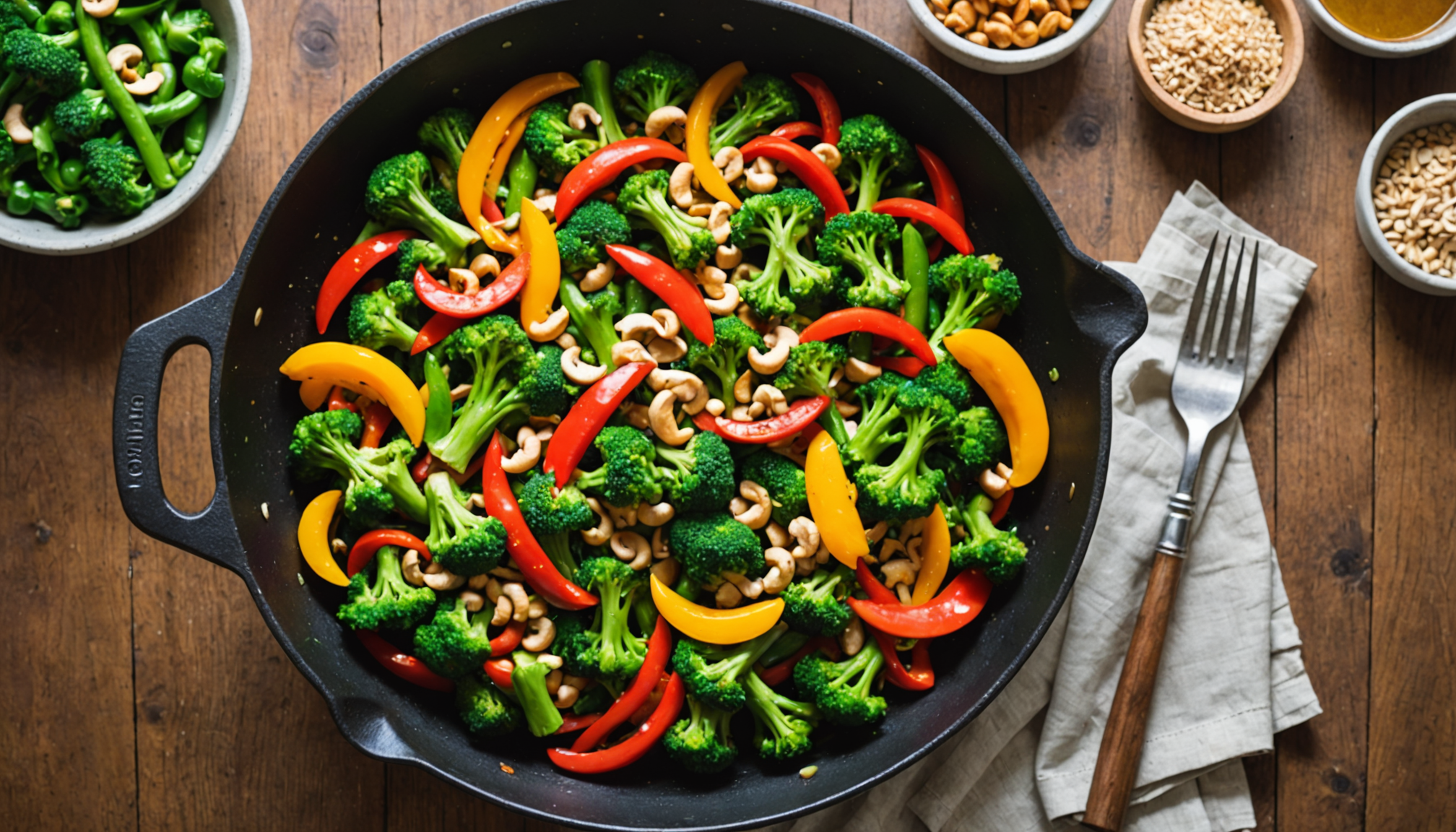
Now, let’s delve into some simple yet nutritious recipes that can bring joy and health to your family table. These dishes highlight the versatility of plant-based ingredients while ensuring that meal preparation doesn’t become a daunting task. One of the beautiful aspects of Adventist cooking is that it can be both satisfying and wholesome, and I believe you’ll find these recipes to be a perfect reflection of that ethos.
First up is the classic vegetable stir-fry, a quick and vibrant dish that you can easily customize to your taste. Start with a base of brown rice or quinoa. In a hot skillet, sauté a mix of colorful vegetables such as bell peppers, broccoli, and snap peas in a bit of olive oil. Add garlic and ginger for a burst of flavor, and toss in a handful of cashews for added protein and crunch. Finish it off with a splash of low-sodium soy sauce or tamari, and you’ve got a meal that’s not only delicious but also packed with nutrients. This dish can be made in less than 30 minutes, making it an excellent option for busy weeknights.
Next, consider preparing a hearty lentil soup, which is both filling and nourishing. Begin by sautéing onions, carrots, and celery in a pot. Once they are softened, add rinsed lentils, diced tomatoes, and vegetable broth. Season with bay leaves, thyme, and a touch of cumin for warmth. Let it simmer until the lentils are tender, approximately 30 minutes. This soup is a fantastic source of protein and fiber, essential for maintaining energy throughout the day, and the leftovers taste even better the next day!
For those who enjoy a sweet treat, try making banana oatmeal cookies. Combine mashed ripe bananas with oats, a sprinkle of cinnamon, and a handful of walnuts or raisins. Scoop the mixture onto a baking sheet and bake until golden brown. These cookies not only provide a wholesome snack but also pack a nutritional punch, satisfying cravings without added sugars or unhealthy fats.
Finally, you can’t go wrong with a fresh garden salad. Use a mix of greens such as spinach and arugula, then top it with seasonal vegetables like cucumbers, cherry tomatoes, and shredded carrots. For protein, add chickpeas or black beans, and drizzle with a homemade vinaigrette made from olive oil, balsamic vinegar, and a pinch of mustard. This salad is a versatile side that can complement any meal while adding essential vitamins and minerals.
The beauty of these recipes lies in their simplicity and adaptability. Feel free to experiment with different spices, herbs, or seasonal vegetables to keep things interesting. As you cook together, share the stories behind each dish and the health benefits that come with them. Encouraging your family to partake in the cooking process not only builds skills but also fosters a deeper connection to the food they are consuming. After all, when we prioritize nutritious meals, we’re nurturing our bodies and strengthening our families—a principle we hold dear as Adventists.
Practical cooking techniques
When it comes to the art of preparing nourishing meals, utilizing practical cooking techniques can elevate our culinary experiences while enhancing the nutrition of our daily meals. As we remember the foundational principles of health and wellness that guide our Adventist lifestyle, we should be mindful of how we approach the cooking process. Not only does this improve the quality of our food, but it also fosters a spirit of creativity and joy in our kitchens.
One essential technique is to master the art of steaming. Steaming vegetables preserves their vibrant colors and nutrients far better than boiling them. By simply placing vegetables above simmering water in a pot, you can help ensure that the natural flavors and nutrients remain intact. Try steaming broccoli or carrots and then adding a sprinkle of lemon juice or herbs to enhance the taste—this simple method can transform your family’s vegetable intake while keeping your dishes delightful.
Another technique worth adopting is batch cooking. This approach involves preparing larger portions of dishes to be consumed throughout the week. For Adventist families juggling busy schedules, batch cooking not only saves time but also guarantees ready access to wholesome meals. Whether it’s chili, vegetable curry, or baked beans, making multiple servings allows for easy re-heating and quick meals amidst a hectic week. Additionally, it provides the opportunity to enjoy a variety of meals without repetitive cooking.
Moreover, using herbs and spices can significantly enhance the flavor of your dishes without additional salt or unhealthy fats. Instead of relying solely on these additives, explore the wonderful world of herbs such as basil, cilantro, and oregano, or spices like cumin and turmeric. They not only add flavor but also provide nutritional benefits. For instance, turmeric is recognized for its anti-inflammatory properties, making it a valuable addition to your meals. Encouraging our children to participate in selecting and using herbs can also foster a love for healthy cooking.
Equally important is the concept of meal prepping, where you set aside time to prepare all your ingredients ahead of time. This includes washing, chopping, and storing vegetables, marinating proteins, or even preparing smoothie packs. With everything prepped and ready, when it’s time to cook, the process becomes smooth and efficient. A well-organized kitchen can motivate the family to enjoy cooking together, creating cherished memories as they gather to nourish their bodies.
Switching gears, let’s not overlook the impact of mindful cooking. Take the time to engage your senses during the cooking process: notice the vibrant colors of fresh produce, inhale the fragrant spices, and appreciate the transformation of ingredients as they meld together. This mindfulness not only enhances your culinary experience but also encourages gratitude for the nourishment provided by the land, aligning with our embrace of divine providence in all aspects of life.
By adopting these practical cooking techniques, we not only serve our families delicious meals but also instill healthy habits that can last a lifetime. Remember, cooking is an opportunity to express love and care, creating a nurturing environment for all at the table. Let’s continue to approach our kitchens with the wisdom and intention that reflect our commitment to health, well-being, and the joy of family.
Incorporating whole foods into daily meals

Incorporating whole foods into daily meals is a fundamental practice for fostering health and nutrition in Adventist families. Whole foods, which are minimally processed and free from artificial ingredients, provide a wealth of nutrients that promote physical well-being and support overall family health. Begin by focusing on foods that are as close to their natural state as possible, such as fresh fruits, vegetables, grains, legumes, nuts, and seeds. These foods are not only packed with vitamins and minerals but also rich in dietary fiber, which plays a crucial role in digestive health.
As you plan your meals, consider designing them around these whole food principles. For example, start your day with a hearty oatmeal made from whole oats, topped with sliced bananas and a sprinkle of cinnamon. This wholesome breakfast provides sustained energy, keeping both adults and children fueled for their day. For lunch, a brown rice bowl loaded with roasted vegetables and a sprinkle of seeds can be both satisfying and nutritious. You can easily customize it by using seasonal produce or whatever is available in your pantry. When dinnertime rolls around, think of dishes that highlight legumes, such as chickpeas or lentils, prepared in stews or salads. This not only diversifies the types of nutrients your family consumes but also keeps meals exciting and varied.
One might wonder how to incorporate these foods even further. A fantastic strategy is to transform your family’s snacks by selecting whole food alternatives. For instance, swap out processed snacks for homemade energy bars made from dates, nuts, and oats, which offer natural sweetness without added sugars. Fresh fruit can also serve as a quick, energy-boosting option that satisfies sweet cravings. By keeping whole food snacks readily available, you create an environment that encourages healthy eating habits among all family members.
Moreover, involving your family in the selection and preparation of whole foods can deepen connections and foster a greater appreciation for what they eat. Weekly trips to local farmer’s markets provide an opportunity to teach children about the benefits of seasonal and organic produce while allowing them to choose their favorites. Investigating new recipes or cooking techniques together can also spark curiosity and excitement, turning meal prep into a family bonding experience rather than a chore. Through these practices, you’re not only nourishing bodies but also cultivating minds eager to learn about the impact of healthy eating.
Ultimately, integrating whole foods into daily meals aligns wonderfully with the Adventist emphasis on a balanced diet and thoughtful living. It reflects a commitment to personal health, family wellness, and stewardship over the resources provided to us. As you explore the possibilities of whole foods, you’re likely to uncover a deeper relationship with food that emphasizes nourishment, joy, and community.
- What are whole foods?
- Whole foods are natural foods that are minimally processed and free from artificial ingredients. They include fruits, vegetables, whole grains, nuts, seeds, and legumes, known for their higher nutrient content compared to processed foods.
- Why should I incorporate whole foods into my family’s diet?
- Incorporating whole foods provides essential nutrients that support health and well-being. They are rich in vitamins, minerals, and fiber, which help maintain energy levels, improve digestion, and reduce the risk of chronic diseases.
- How can I involve my children in eating whole foods?
- Engage your children in meal planning and preparation, encouraging them to pick out fruits and vegetables during grocery shopping. Cooking together can also be a fun way to teach them about healthy eating habits while creating lasting memories.
- What are some easy whole food snacks?
- Easy whole food snacks include fresh fruit, vegetable sticks with hummus, homemade energy bars, or a handful of mixed nuts. These options provide a quick energy boost and keep your family satisfied.
- Can I still enjoy treats while focusing on whole foods?
- Yes, you can enjoy treats by making healthier versions using whole food ingredients. For example, try baking desserts with whole grains or naturally sweetening them with fruits like bananas or applesauce.
- How do I start incorporating whole foods into my meals?
- Begin by planning meals around whole foods, choosing fresh ingredients whenever possible. Gradually replace processed foods with their whole food counterparts, starting with simple recipes that feature grains, fruits, and vegetables.
- Is it more expensive to eat whole foods?
- While some whole foods may seem more expensive upfront, buying in bulk, choosing seasonal produce, and preparing meals at home can save money in the long run. Focusing on affordability doesn’t have to sacrifice nutrition.
Beside our live streamed church services, all are welcome to attend our church in person each Saturday beginning 10:00 AM Central Time by going to 2425 Owens Rd., Ashland, AL 36251. There is no cost and any donations are strictly voluntary.
For questions, call +2563547124.