Come join Ashland Sabbath Chapel Ministries each Saturday for live streamed church services. Bible Study begins at 10:00 AM Central Time and Sermon at 11:00 AM. Visit Our YouTube channel and watch from home!
Engaging in gardening offers remarkable health benefits that go beyond just growing plants. When you spend time tending to a garden, you unlock a wealth of advantages for your physical well-being. For instance, digging, planting, weeding, and harvesting are all activities that provide a low-impact workout. Regular bouts of gardening can improve cardiovascular health by elevating your heart rate, akin to moderate forms of exercise.
Did you know that just an hour of gardening can burn between 200 to 400 calories? This makes it a fantastic way to maintain a healthy weight while also enhancing your muscle strength. The repetitive actions involved in gardening, like lifting, squatting, and stretching, help to build endurance and flexibility, contributing to overall physical fitness.
Moreover, participating in gardening can have positive effects on your nutrition. When you grow your own fruits and vegetables, not only do you gain access to fresh produce, but you also cultivate an awareness of healthy eating habits. Research shows that individuals who garden tend to consume more fruits and vegetables, which can lead to a significantly better diet, improving overall health.
Another key point to consider is that gardening can significantly lower the risk of chronic illnesses. Regular physical activity, like gardening, has been linked to a reduced risk of conditions such as heart disease, diabetes, and certain types of cancer. Those who engage in these activities often experience lower cholesterol levels and improved blood pressure.
In addition, gardening can enhance your immune system. Spending time outdoors while gardening increases your exposure to vitamin D, which is crucial for immune function. Furthermore, the act of nurturing plants fosters a sense of responsibility and purpose, which can lead to a more active lifestyle overall.
Ultimately, integrating gardening into your routine can serve as a holistic approach to achieving and maintaining optimal health. The physical activity involved in caring for a garden combines joy, nourishment, and wellness in a way that many other exercises simply cannot match.
Mental health improvements through gardening
Engaging with a garden not only contributes to physical fitness, but it also presents substantial benefits for mental health. The act of gardening can serve as a therapeutic retreat from the stresses of everyday life. When you immerse yourself in the natural world of plants and soil, it creates an opportunity to unwind and reflect, which can have profound effects on mental clarity and emotional well-being.
Studies reveal that spending time in green spaces, such as gardens, can lead to reduced levels of anxiety and depression. One study published in the journal Health & Place highlighted that individuals who frequently engaged in gardening reported decreased feelings of stress and increased overall happiness (González et al., 2010). This can be attributed to the calming nature of plants as well as the meditative aspect of activities like pruning and watering.
Moreover, the routine of tending to a garden introduces a sense of purpose and accomplishment. Achieving milestones such as successfully nurturing seeds into blooming plants or harvesting vegetables provides a rewarding sense of fulfillment. This feeling of achievement can enhance self-esteem and foster a more positive outlook on life, acting as a buffer against the challenges and pressures we encounter.
The sensory experiences tied to gardening—such as the vibrant colors of flowers, the variety of textures from leaves and soil, and the myriad of scents—can stimulate the mind and elevate mood. Engaging the senses has been shown to help reduce feelings of stress and promote mindfulness. Practicing mindfulness while gardening encourages individuals to be present in the moment, which can effectively diminish rumination and negative thought patterns often associated with mental health issues.
Additionally, gardening encourages creativity and expression. Designing a garden layout or choosing what plants to grow allows for personal expression that can be beneficial to one’s mental health. This nurturing process transforms not just the landscape but also the mind, fostering innovation and problem-solving skills, and positively impacting mental resilience.
Thus, the profound mental health improvements associated with gardening make it a wonderful practice to incorporate into your daily life. Not only does it promote a healthier body, but it also cultivates a healthier mind, enhancing overall well-being.
Gardening as a form of exercise

Gardening emerges as a delightful form of exercise that many people may overlook. It’s not just about the physical labor of pulling weeds or planting seeds; it’s a comprehensive workout that integrates various movements beneficial for your body. When you dig in the soil or maneuver through rows of plants, you engage multiple muscle groups without even realizing it. Activities such as bending, lifting, reaching, and stretching not only tone muscles but also improve your functional mobility, which is essential for daily tasks.
Interestingly, gardening can actually rival conventional workouts when it comes to calorie burning. According to the CDC, activities like raking leaves or digging in the garden can burn just as many calories as a brisk walk or even light jogging. Research suggests one hour of moderate gardening can burn about 200 to 400 calories, depending on the intensity of the work completed (CDC, 2020). This makes it an accessible exercise option, especially for those who may be hesitant to engage in traditional gym activities.
An added benefit of gardening as a form of exercise is its accessibility. You can tailor your gardening activities to match your physical capabilities and available time. Whether it’s a small container garden on a balcony or a larger backyard plot, you can modify the intensity and duration of your gardening sessions to suit your needs. This gradual approach to physical activity is particularly beneficial for individuals who are beginning a fitness journey or are recovering from injuries.
Moreover, the mental engagement involved in gardening complements its physical aspects perfectly. You’re not just exercising but also immersing yourself in a nurturing activity that embodies care and attention. The focus required to nurture a garden can divert your mind from daily stressors, effectively combining physical exercise with mental relaxation. This unique blend has shown to enhance overall well-being, aligning beautifully with findings from the Adventist Health Study, which underscore the importance of physical activity for improved health outcomes (Ornish et al., 2008).
Pursuing gardening regularly establishes a rhythm of activity that can lead to significant lifestyle changes. As you cultivate and harvest your own fruits and vegetables, you’re likely to build a stronger connection to nutrition. Studies have found that those who engage in gardening are more inclined to include fresh produce in their diets, further promoting a healthy lifestyle (Garnett, 2020). Access to home-grown vegetables not only mitigates the obstacles of food insecurity but also instills a greater appreciation for mindful eating, genuinely tying the benefits of physical exercise to nutritional well-being.
This marriage of gardening with exercise creates a powerful synergy that enhances both physical and mental health. By embracing gardening as a form of exercise, you are not just enriching your physical abilities but also nurturing your entire being in the gentle embrace of nature’s bounty.
Connecting with nature and reducing stress
In the delightful act of gardening, one finds a most splendid opportunity to connect with the natural world, enveloping oneself in an atmosphere that is rich with tranquility and rejuvenation. As one walks among the blooms and greenery, the very air appears to invigorate the senses, whilst the vibrant colors and gentle rustle of leaves offer a soothing balm against the manifold pressures of modern life. Engaging with the earth in such a manner can be profoundly restorative, permitting one to shed the burdens of everyday worries and immerse oneself completely in the beauty of nature.
Immersing oneself in the garden not only lifts the spirit but has also been scientifically shown to foster a decrease in cortisol levels, the hormone largely responsible for stress. A study published in Health & Place indicated that individuals who spend time tending to plants in serene environments experience a marked reduction in stress and a subsequent improvement in mood (González et al., 2010). This is due, in part, to the therapeutic qualities associated with plants and the calming rituals inherent in gardening, such as watering and pruning which become almost meditative in their repetition.
Moreover, the connection to nature achieved through gardening instills a profound sense of presence—an invitation to appreciate the moment and the delicate life cycles unfolding before one’s eyes. In the grounding experience of planting seeds and nurturing them to flourish, we find tokens of hope and patience that can gently remind us of the resilience of life itself. As one observes the transformation from seed to flower, there emerges a subtle recognition of the rhythms of growth and the cyclical nature of existence, which can resonate deeply in our hearts and minds.
As you tend to your plants, you engage in a dialogue with nature that can evoke feelings of gratitude and awe. The simple act of observing the intricate details of a flower or the sturdy stem of a vegetable creates moments of joy that are both fleeting and precious. Such interactions serve to heighten awareness and appreciation for the world surrounding us, nurturing a connection not just to the plants, but to the broader tapestry of life itself. It is in these tranquil moments that we often find clarity, insight, and even inspiration when the world feels particularly overwhelming.
Furthermore, those who cultivate their gardens often develop a routine that encourages mindfulness, allowing them to tune into their surroundings and fully engage with their experience. This alignment of mind and body can prove invaluable in combating the stresses of daily life, leading to heightened mental clarity and emotional balance. Engaging with the earth in this way is a form of self-care, wherein the benefits extend well beyond the physical realm and ripple through our emotional and psychological landscapes.
Above all, the intersection of gardening with an appreciation for nature cultivates not only our gardens but our very souls, reminding us of the beauty inherent in growth, change, and the simple pleasures that life generously offers. The essence of gardening is thus transformed into a powerful antidote to stress—inviting us to remain present, to foster gratitude, and to connect with the world around us in the most profound and enriching of ways.
Gardening for social interaction and community building
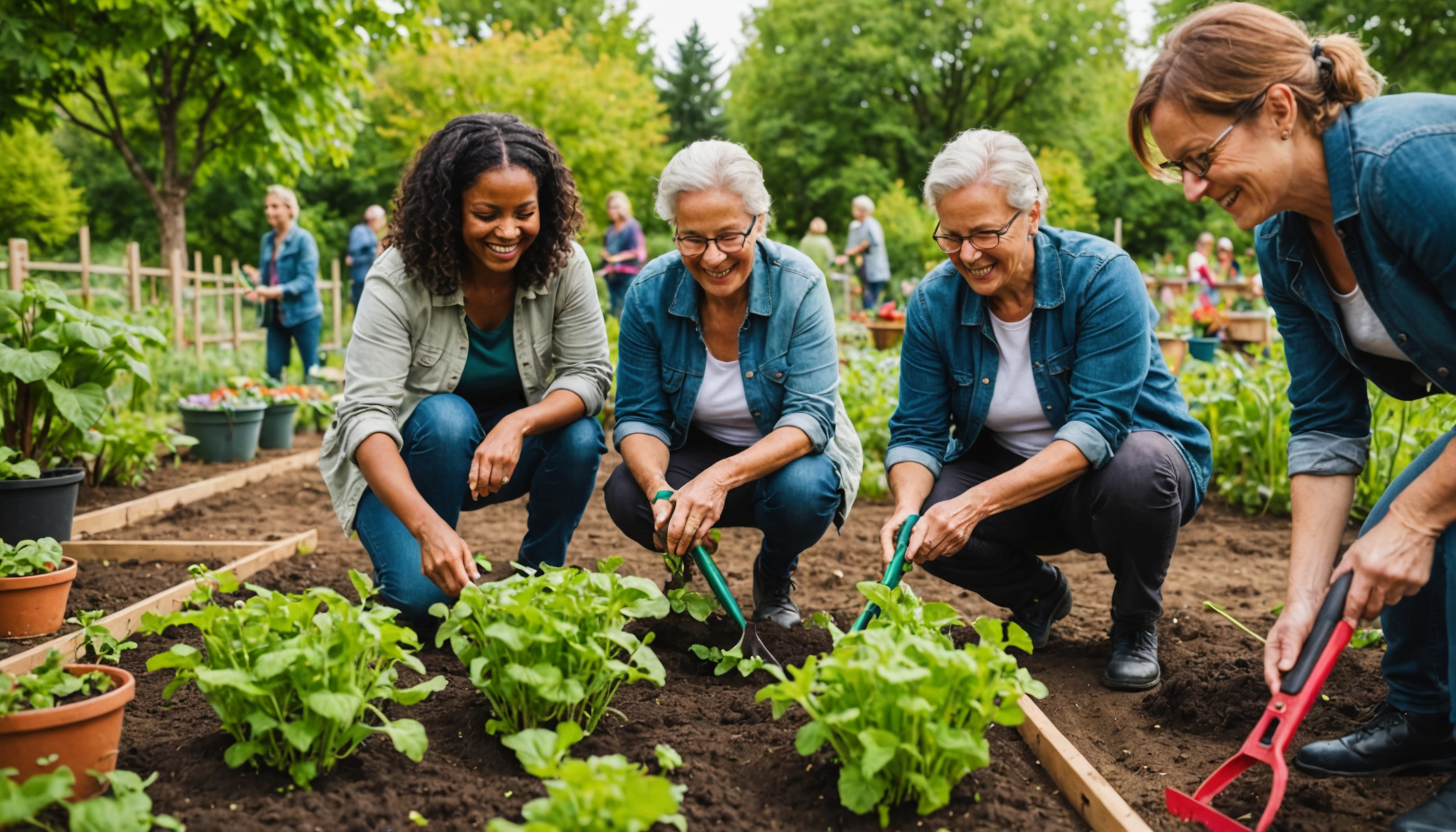
Gardening plays a pivotal role in fostering social interaction and building community connections. When individuals come together to plant, nurture, and harvest, they not only share their gardening experiences but also cultivate friendships and relationships that can extend beyond the garden’s borders. Community gardens, for instance, create a shared space where people from diverse backgrounds can unite with a common goal: to grow plants and promote environmental sustainability. This shared endeavor allows participants to bond over their successes and challenges, enhancing communal ties and creating a support network that contributes to individual and collective well-being.
Moreover, participation in gardening initiatives can lead to meaningful social engagement. Volunteering at local community gardens or programs often provides opportunities for individuals to meet others, share knowledge, and learn new skills. These interactions can be particularly beneficial for individuals who may feel isolated or disconnected from their surroundings. Building rapport through gardening promotes a sense of belonging and purpose, essential components for enhancing mental health and emotional resilience.
Through these shared experiences, gardening becomes a platform for exchanging ideas and traditions. People can learn from each other’s gardening techniques and nutrition awareness, enriching their personal practices while fostering an appreciation for diverse cultures and values. This transfer of knowledge cultivates respect and understanding, creating a more inclusive community, thus strengthening the communal fabric.
Additionally, gardening can serve as a catalyst for local initiatives focused on food security and nutrition awareness. When communities come together to grow their own food, they not only promote healthier eating habits but also engage in discussions about food justice and accessibility. This shared responsibility can lead to sustainable practices that benefit the entire neighborhood, highlighting the essential link between gardening, community involvement, and overall health benefits.
Encouraging community involvement through gardening initiatives can significantly affect public health as well. By promoting local food production, communities foster better access to fresh produce, resulting in improved nutrition and health outcomes. Furthermore, the relationships nurtured in these gardening environments can extend into broader areas—allowing collaborations on other community projects—fostering a sense of unity and collective purpose. As we explore the multi-faceted benefits of gardening, we discover profound opportunities for social bonding, empowerment, and collective growth.
- What are the main health benefits of gardening?
- Gardening provides both physical and mental health benefits, including improved cardiovascular health, enhanced mood, reduced stress levels, and increased physical fitness. Engaging in gardening activities can also promote a healthier diet through access to fresh produce.
- Can gardening help with mental health issues?
- Yes, gardening has been shown to reduce symptoms of anxiety and depression, improve overall mood, and enhance feelings of accomplishment and self-esteem. The meditative quality of repetitive gardening tasks can promote mindfulness and emotional well-being.
- Is gardening a good form of exercise?
- Absolutely! Gardening can provide a substantial workout, engaging multiple muscle groups while also improving flexibility and endurance. Activities such as digging, planting, and weeding can burn significant calories, comparable to traditional forms of exercise.
- How does gardening connect people in the community?
- Gardening encourages social interactions and fosters community building by bringing people together to work towards a common goal. Community gardens, in particular, create spaces for collaboration, knowledge exchange, and relationship development among participants.
- What role does nutrition play in gardening?
- Gardening allows individuals to grow their own fruits and vegetables, promoting healthier eating habits and greater awareness of nutrition. Engaging in home gardening can significantly increase vegetable consumption and encourage mindful eating practices.
- How can I get started with community gardening?
- You can begin by researching local community gardens in your area and reaching out to see if they accept new members or volunteers. Many community gardens offer workshops, events, and training sessions, making it easy to learn and connect with fellow gardeners.
- Are there specific types of gardens that are better for community involvement?
- Community gardens, edible landscaping, and school gardens are excellent for promoting community involvement, as they encourage shared participation and contribute to local food accessibility. These types of gardens often facilitate skill-sharing, environmental education, and social bonding.
Beside our live streamed church services, all are welcome to attend our church in person each Saturday beginning 10:00 AM Central Time by going to 2425 Owens Rd., Ashland, AL 36251. There is no cost and any donations are strictly voluntary.
For questions, call +2563547124.