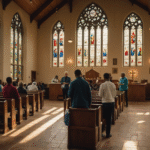
Come join Ashland Sabbath Chapel Ministries each Saturday for live streamed church services. Bible Study begins at 10:00 AM Central Time and Sermon at 11:00 AM. Visit Our YouTube channel and watch from home!
In the hustle and bustle of modern life, the significance of rest often takes a back seat. We are constantly bombarded with commitments, responsibilities, and the ever-present demand for productivity. Yet, it becomes increasingly clear that prioritizing periods of rest is vital for our overall well-being. For individuals, particularly within the Adventist community, embracing the concept of rest is not merely about physical rejuvenation but also encompasses spiritual health.
Regularly setting aside time for rest allows us to step back from the demands of daily life and reflect on our existence. This practice is essential not only for our mental clarity but also for fostering deeper connections with ourselves and our communities. In a world where the pace of life often pushes us to our limits, recognizing the importance of taking a break can rejuvenate our spirits and enhance our productivity when we return to our tasks.
Consider how the ancient practice of Sabbath observance highlights the profound benefits of rest. This weekly hiatus encourages believers to pause, ensuring that they capture an essential aspect of their spiritual journey. It provides a structured opportunity to disengage from the busyness of everyday life and reconnect with the divine. By adopting a similar approach today, we can find balance and harmony in our own lives.
Moreover, scientific research underscores the importance of rest. Studies point to the detrimental effects of chronic stress and overwork, linking them to various health issues, including anxiety and heart disease. In contrast, those who prioritize rest not only experience physical benefits but also enhanced creativity and productivity. This cycle of nurturing ourselves through rest aligns seamlessly with the principles espoused by the Adventist faith, where attention to holistic living embodies a commitment to physical, mental, and spiritual wellness.
Making rest a priority in our fast-paced lives is essential for sustaining our well-being. It serves as a reminder that we are not solely defined by our work or achievements, but rather by our ability to care for ourselves and maintain our spiritual health through intentional pauses in our lives.
Historical perspectives on Sabbath observance
The observance of the Sabbath has deep roots that resonate through history, reflecting the indispensable connection between humanity and the divine. From the very beginning, God established a day of rest, illustrating a divine rhythm woven into the fabric of creation. In the book of Genesis, we find that after six days of creating the world, God rested on the seventh day, setting an example for humanity to follow (Genesis 2:2-3). This act was not born from fatigue but as a part of the divine order, demonstrating the significance of rest in achieving a fulfilled life.
Throughout ancient Israel, the Sabbath stood as a cornerstone of Jewish life. It was not merely a break from labor; it served as a sacred time to recover one’s spiritual health. During the Sabbath, people would gather, engage in worship, and cultivate relationships within their communities, affirming their faith and deepening their connection to their Creator. The observance of this day transformed ordinary time into something holy, reminding the people of God’s provision and love.
As the Christian faith emerged, the observance of the Sabbath evolved but continued to retain its essence of rest and spiritual renewal. Early Christians began meeting on Sundays to commemorate the resurrection of Jesus, yet the underlying importance of rest remained. This transition highlighted the adaptability of sacred observance while still encouraging believers to embrace regular times of reflection and renewal in their lives.
In recent centuries, particularly with the rise of the Industrial Revolution, the understanding of the Sabbath faced challenges. The relentless pursuit of progress often led to the diminishing of rest, with societal norms pushing individuals towards ceaseless work. However, many reformers within the Church, including members of the Adventist tradition, sought to restore a balanced understanding of the Sabbath, emphasizing its importance for both spiritual and physical well-being.
The Adventist emphasis on the Sabbath is not merely about refraining from work; it is an invitation to enter into a deeper experience of rest that rejuvenates the soul. Ellen G. White, a prominent figure within the Adventist movement, eloquently articulated this notion, stating that “It is the first day of the week that we are to keep holy, but it is the day of rest that we must also remember every week.” This encapsulates the notion that rest is a recurring gift, essential for maintaining our spiritual health and fostering a meaningful relationship with God.
As we consider the historical perspectives on Sabbath observance, it becomes clear that this practice is rooted in a deep understanding of the rhythms necessary for human flourishing. By stepping into this sacred time, we engage in an intentional act of worship and rest, honoring both our Creator and ourselves. Embracing this rich history allows us to cultivate a richer spiritual life that resonates with the needs of our modern, fast-paced world.
Benefits of regular rest and rejuvenation

Regular periods of rest are not just a luxury but a necessity for fostering a thriving life. When we allow ourselves moments of rejuvenation, we activate various benefits that significantly enhance our physical, mental, and spiritual health. One of the primary advantages of rest is its ability to improve our overall well-being. For instance, when we consistently engage in restorative practices, our bodies can recover and repair from the strains of everyday life. This physical restoration is crucial, especially for those who lead active lifestyles, as it aids in muscle recovery, boosts the immune system, and contributes to longevity.
Moreover, taking time to unwind can increase our mental clarity and focus. When we feel overwhelmed with responsibilities, our cognitive functions often suffer. Just as a machine loses efficiency when it is pushed beyond its limits, so too do our minds become cluttered when we don’t allow for adequate rest. By prioritizing brief periods of relaxation throughout our day, we find ourselves more equipped to think critically and creatively. This enhanced cognitive function is a core element of spiritual health, as it allows us to engage more deeply with matters of faith and personal growth.
Additionally, the act of taking regular breaks can serve as a profound emotional reset. In the fast-paced world we inhabit, stress can become a constant companion. Whether it arises from work pressures or personal struggles, ongoing stress impairs our emotional well-being. Allowing ourselves rest facilitates emotional healing and resilience. For instance, a simple weekend hike can serve not just as physical exercise but also as a therapeutic escape from daily stressors, nourishing both the body and spirit. By connecting with nature, we often find solace that uplifts our spirits and connects us to the Creator, thus fulfilling our need for spiritual refreshment.
Effective practices of rest can be as varied as the individuals who seek them. Some may find peace in solitude through prayer, meditation, or reflective reading, while others may prefer communal engagement in worship or fellowship. Activities such as gardening, painting, or simply sharing a meal with loved ones can also be integral in rejuvenating our spirits. These acts not only give us a pause from the hustle but also nurture connections with others, reinforcing the importance of community in our spiritual lives.
In the Adventist tradition, the practice of Sabbath observance embodies this holistic understanding of rest. By dedicating a specific day to disengage from worldly pursuits, believers actively cultivate an environment for spiritual, mental, and physical renewal. Engaging in worship, spiritual reflection, and quality time with family and friends not only honors the Sabbath but revitalizes the soul. For many, this sacred time becomes a source of strength, allowing them to return to their endeavors recharged and more efficient.
Ultimately, embracing the benefits of regular rest and rejuvenation aligns us with a lifestyle that is both biblically grounded and practically beneficial. As we integrate these moments into our lives, we discover a rhythm that enhances our productivity and nurtures our spiritual health, harkening back to the divine example set for us. By recognizing rest not as a burden, but a means of grace, we position ourselves to live out a vibrant faith that reflects God’s love and care for His creation.
Cultural variations in Sabbath practices
- Throughout the diverse tapestry of cultures around the world, the practice of Sabbath and its equivalent forms of rest varies significantly, yet a common thread resonates—an understanding of the necessity of rest for spiritual and physical rejuvenation.
- In Judaism, the Sabbath (Shabbat) is a sacred day that begins at sunset on Friday and lasts until the appearance of three stars on Saturday night. This period is meant for family gatherings, spiritual reflection, and physical rest. Jewish families often share festive meals, light candles, and recite prayers to honor the day, emphasizing the importance of community and tradition.
- In contrast, many Christian traditions observe a Sunday Sabbath, centering their practices around worship and service. This has evolved through centuries, and various denominations emphasize different aspects. For seventh-day Adventists, the Sabbath is observed from Friday sundown to Saturday sundown and is recognized as a day of rest, reflection, and connection with God, highlighting the doctrine of the original creation.
- On the other hand, cultures such as the Spanish also embrace their own unique observances. In Spain, the concept of “siesta” illustrates a cultural approach to rest, where the afternoon is often taken for relaxation. This practice, while not a formal Sabbath, reflects the understanding that time dedicated to rest enriches life and boosts productivity.
- In Islamic traditions, Friday is regarded as a special day for communal prayer and contemplation. While it’s not termed a Sabbath in the strictest sense, the practice emphasizes community connection and spiritual reinforcement, encouraging a break from worldly affairs and fostering unity within the community.
- Cultural nuances in Sabbath observance often encompass a shared recognition of the need for balance in life. Take the example of the cultural practices of indigenous peoples, who often interlace spiritual rituals with rest, reinforcing the connection between their beliefs and a harmonious relationship with nature. Activities such as storytelling, communal gatherings, or simple moments of silence under the stars speak to their understanding of rest as a spiritual necessity.
- Regardless of the specific custom, the fundamental purpose remains unchanged—these practices serve to rejuvenate the spirit and refocus one’s path in life. They remind individuals of their Creator, provide a sense of belonging within communities, and encourage reflection on one’s priorities.
- The Adventist tradition, in particular, consolidates various cultural practices into a holistic approach to rest. By observing the Sabbath, Adventists engage in activities that are not only restful but also spiritually enriching. This day provides an opportunity to deepen one’s understanding of faith through prayer, scripture study, and community worship, ultimately fostering spiritual health and reinforcing the notion that rest is a divine gift.
- These varied cultural practices teach us important lessons about the balance necessary for our own lives. While the methods and traditions may differ, the underlying belief in the value of taking time away from life’s demands remains a universally recognized truth.
Implementing rest into daily routines

Incorporating rest into our daily routines requires intentionality and mindfulness, especially in a culture that often glorifies busyness. To effectively implement regular periods of rest, we can begin by identifying specific times in our schedule that can be dedicated to restorative practices. For instance, setting aside a portion of each day, whether it be during lunch breaks or afternoons, as a sacred time of pause can enhance our overall productivity and well-being.
Creating a weekly rhythm that includes a designated day for rest, akin to Sabbath observance, can also be transformative. This not only allows for physical relaxation but encompasses mental and spiritual renewal. Engaging in activities such as reading, meditating, spending quality time with loved ones, or immersing in nature can draw us away from our digital screens and frantic schedules, allowing us to truly disconnect from the demands that constantly vie for our attention.
Additionally, rituals surrounding our periods of rest can deepen their impact. A simple practice may include beginning a day of rest with a moment of gratitude or reflection on the past week. This cultivates a mindset that elevates rest from a mere escape to an essential part of spiritual health and personal growth. Considering the Adventist principles that emphasize the importance of a weekly Sabbath, we can mirror this commitment in various forms, tailoring it to fit our unique lifestyles while still acknowledging its origins in divine instruction.
In daily life, incorporating short breaks can also make a significant difference. Researchers advocate for techniques like the Pomodoro Technique, which involves working in focused bursts followed by short breaks. By structuring our time, we train ourselves to value rest, acknowledging it as a refreshing pause that fuels our effectiveness rather than a hindrance to productivity.
Lastly, cultivating a restful mindset can be just as important as the actions we take. This involves recognizing the necessity of slowing down and granting ourselves permission to take breaks without guilt. Understanding that rest is not a sign of weakness but a crucial element for achieving our goals can shift our perspective significantly. By anchoring our rest practices in the framework laid out by the Adventist faith, we can approach them more holistically—transforming moments of inactivity into sacred time for rejuvenation, reflection, and reconnection.
- Why is rest so important in today’s fast-paced world?
- Rest is essential for maintaining physical health, enhancing mental clarity, and fostering spiritual health. In a fast-paced environment, prioritizing rest can reduce stress levels and improve overall productivity.
- What are some effective ways to implement rest in my daily routine?
- Incorporating small breaks throughout the day, setting aside a designated day for rest each week, and engaging in restorative activities like meditation or nature walks can cultivate a routine that honors the need for rest.
- How does Sabbath observance differ across cultures?
- Cultural variations in Sabbath observance reflect different beliefs and practices, ranging from Jewish Shabbat traditions to Sunday worship in Christianity and communal prayers in Islam, but all emphasize the need for regular rest and spiritual renewal.
- Can regular rest truly improve productivity?
- Absolutely. Regular periods of rest enhance cognitive function, creativity, and emotional resilience, allowing individuals to return to their tasks with renewed focus and energy, ultimately improving productivity.
- What activities can I engage in during my Sabbath rest?
- Engaging in activities such as prayer, meditation, spending time with family, enjoying nature, or simply reflecting can enrich your Sabbath experience, providing both physical relaxation and spiritual nourishment.
- Is it okay to take breaks throughout the workday?
- Yes, taking breaks during the workday is not only acceptable but beneficial. Short breaks can improve mental clarity and overall well-being, promoting a healthier balance between work and rest.
- How can I overcome guilt associated with taking time off?
- Reframing rest as a necessary part of productivity and acknowledging it as a gift can help mitigate guilt. Embracing the idea that rest contributes to our overall effectiveness is essential for fostering a healthier mindset towards downtime.
Ashland Ashland Sabbath Chapel
Beside our live streamed church services, all are welcome to attend our church in person each Saturday beginning 10:00 AM Central Time by going to 2425 Owens Rd., Ashland, AL 36251. There is no cost and any donations are strictly voluntary.
For questions, call +2563547124.