Come join Ashland Sabbath Chapel Ministries each Saturday for live streamed church services. Bible Study begins at 10:00 AM Central Time and Sermon at 11:00 AM. Visit Our YouTube channel and watch from home!
My dear friend, you may be astonished to discover how abundantly a plant-based table may nourish both body and spirits. Far from being a meager arrangement of lettuce leaves, such a way of eating can provide a most satisfying variety of essential elements—proteins, carbohydrates, fats, vitamins, and minerals—in proportions that would content even the most fastidious physician.
Allow me to begin with protein, for it is commonly suspected, with much unnecessary alarm, that only flesh may supply it in respectable quantity. Beans, lentils, peas, chickpeas, soy foods, whole grains, nuts, and seeds all contribute generously to one’s daily store. If, for example, you take black beans with brown rice, or hummus spread upon whole-grain bread, you unite different plant proteins whose little imperfections balance one another so well that, together, they form a complete and elegant whole. In truth, provided you enjoy a variety of plant foods across the day, your body quietly assembles all the amino acids it requires, without complaint and without any demand for steak.
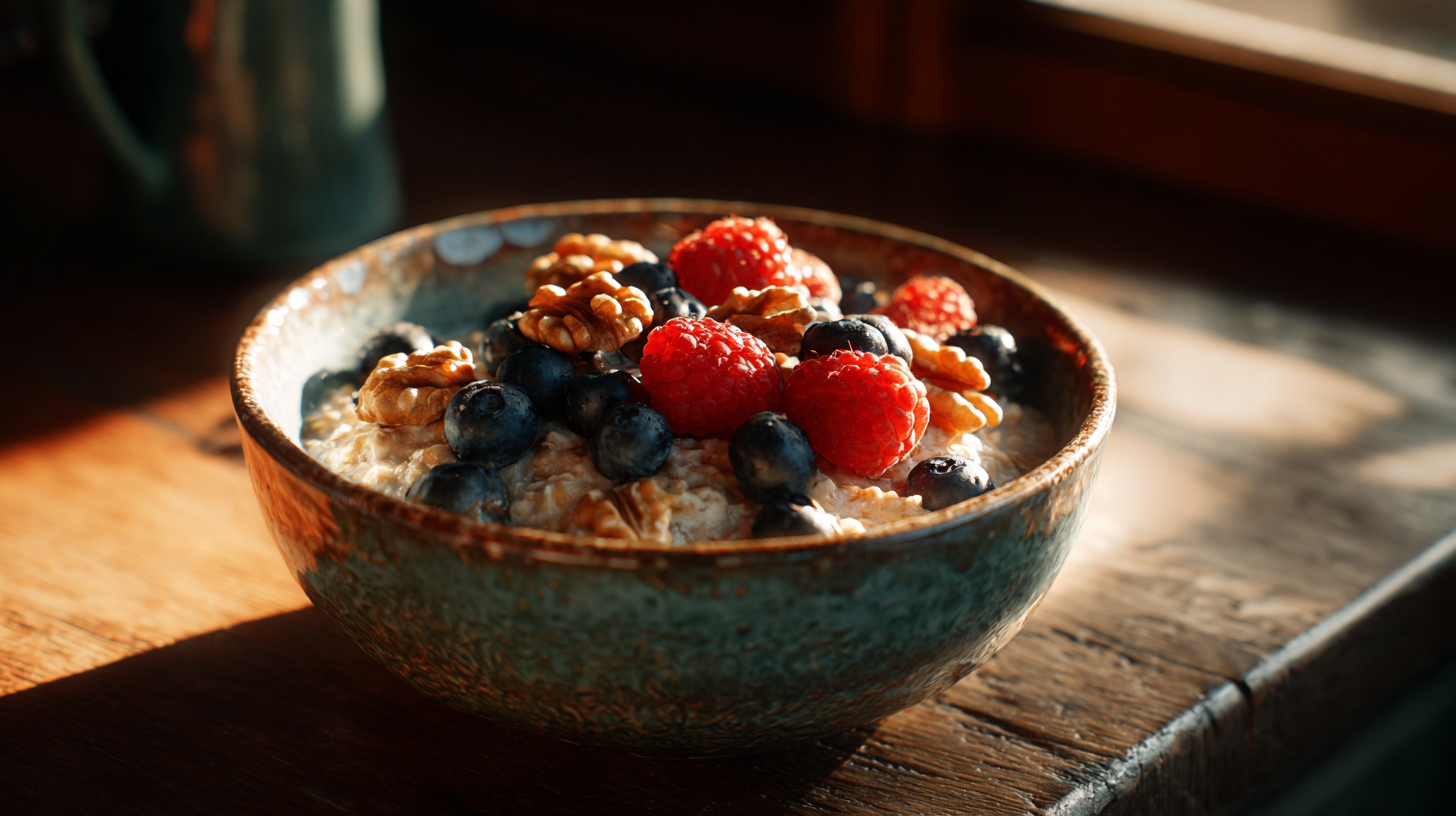
Carbohydrates, too often spoken of in scandalous whispers, are not the villains society has made them out to be. It is the refined sort—white flours, pastries, and sugared drinks—that so readily betray us. The wholesome, complex carbohydrates found in fruits, vegetables, whole grains, and legumes are another matter altogether. They digest more slowly, provide steady energy, and come escorted by fiber, vitamins, and beneficial compounds. A bowl of steel-cut oats with berries and walnuts, or a generous plate of quinoa with roasted vegetables, can sustain you through a busy morning far better than a sweet roll whose charms fade within an hour.
Fiber deserves particular admiration, for it is the quiet heroine of health. In many traditional diets, it is present in such abundance that digestion proceeds with a grace and regularity that would delight any household. In modern fare, however, it is so reduced by refinement that many suffer discomforts that might easily have been prevented. Plant foods—especially beans, lentils, whole grains, fruits, vegetables, nuts, and seeds—supply both soluble and insoluble fiber. Soluble fiber, like that in oats and apples, helps temper the rise of blood sugar and supports desirable cholesterol levels, while insoluble fiber, such as that in whole wheat and many vegetables, keeps the bowels moving with decorum. When one’s plate is rich in colorful plants, digestion tends to proceed with admirable reliability.
Vitamins and minerals, which you may think of as the fine embroidery upon the fabric of nutrition, are remarkably plentiful in plant foods. Dark leafy greens—spinach, kale, collards—offer folate, vitamin K, iron, and calcium. Orange and red vegetables, like carrots and sweet potatoes, are replete with beta-carotene, which the body converts into vitamin A. Citrus fruits, bell peppers, and strawberries bring forth vitamin C in abundance, assisting iron absorption and supporting the immune system. Whole grains contribute B vitamins and magnesium; nuts and seeds supply vitamin E, zinc, and healthy fats. Should you take, for instance, a salad of mixed greens, chickpeas, sunflower seeds, and oranges, you are, without much effort, granting yourself a charming treasury of micronutrients.
On the subject of fats, a delicate balance is required, but plants serve us very handsomely. Avocados, olives, nuts, and seeds provide mostly unsaturated fats, which are far more congenial to the heart than the saturated fats commonly found in animal products. Walnuts and ground flaxseeds, in particular, provide alpha-linolenic acid, an omega-3 fat that the body can employ to support brain and heart function. A modest handful of almonds or a spoonful of chia seeds stirred into oatmeal can add richness and nourishment without descending into excess.
There is also the intriguing company of phytonutrients—those natural compounds that give plants their vivid hues and subtle flavors. The deep purple of blueberries, the crimson of tomatoes, the emerald of broccoli, and the golden glow of turmeric all announce the presence of beneficial substances that help the body manage inflammation and protect its cells from harm. A simple plate of tomatoes with basil and olive oil, or a curry fragrant with turmeric, ginger, and vegetables, is not only pleasing to the senses but quietly industrious in preserving well-being.
Of course, one must attend sensibly to a few particular nutrients when building meals around plants. Iron is present in lentils, beans, tofu, pumpkin seeds, and leafy greens; if you enjoy these with a source of vitamin C—such as lemon on your spinach or strawberries after a lentil dish—your body welcomes the iron more readily. Calcium, often associated entirely with dairy, resides quite respectably in fortified plant milks, tofu made with calcium salts, almonds, sesame seeds (and their paste, tahini), and many greens. Vitamin B12, it is true, does not appear naturally in reliable quantities in plant foods, so those who avoid animal products altogether usually rely on fortified foods or a supplement, much as one might employ a well-chosen tonic to complement an otherwise sound regimen.
When all these elements—protein from beans and grains, complex carbohydrates from whole starches, generous fiber, a variety of vitamins and minerals, along with wholesome fats—are combined thoughtfully, the result is a style of eating that can be both abundant and deeply satisfying. A day that begins with oats and berries, continues with lentil soup and whole-grain bread, and concludes with a hearty stir-fry of tofu, brown rice, and many-colored vegetables, need not feel in the least deprived. Indeed, it resembles a well-run household: each component performing its duty, supporting the others, and together creating a harmony that leaves one well-fueled, content, and ready to attend to all of life’s other concerns.
Health benefits and disease prevention
You know, my dear, when people speak of health, they so often do it in the most dramatic tones, as though the body were a fragile ornament forever on the brink of shattering. Yet our good bodies are far more resilient and obliging, particularly when we treat them to the steady kindness of a largely plant-based table. The very same dishes that we praised for their agreeable nutrition do more than simply keep hunger at a distance; they act, almost like loyal footmen, in warding off a great many unwelcome ailments that would otherwise press themselves into our lives with much impertinence.
Consider, first, the state of the heart—that industrious organ that labors day and night without any prospect of a holiday. A pattern of eating rich in fruits, vegetables, whole grains, beans, nuts, and seeds offers precisely the sort of support it prefers. When the fats come chiefly from plants—olive oil, avocados, walnuts, and their companions—there is less of the heavy saturated fat that encourages cholesterol to rise and gather, like idle gossip, in the arteries. Fiber, too, behaves like an excellent housekeeper, helping to escort excess cholesterol out of the body before it has the opportunity to settle in and cause mischief. It is rather like ensuring troublesome guests are shown politely to the door before they begin to rearrange the furniture.
You may imagine some stern physician, spectacles low upon his nose, shaking his head at rich meats and buttery pastries, but inclining with rare approval toward a table set with lentil stew, whole-grain bread, and a splendid salad of greens, tomatoes, and olives. Over time, such a pattern has been shown—by the most respectable studies—to lower blood pressure, improve cholesterol levels, and diminish the risk of heart attacks and strokes. There are even instances in which those who have already suffered from such troubles have seen their condition improve upon adopting a more plant-focused way of eating, as if the heart had been granted a second youth.
Blood sugar, too, is much influenced by the composition of our plates. When meals are dominated by refined flours and sweets, the poor body is forever chasing after spikes and crashes, like a chaperone attempting to restrain a particularly wayward young gentleman. Yet whole grains, beans, vegetables, and fruits release their sugars more gently. Their fiber slows the process, ensuring that the entrance of glucose into the bloodstream is measured and decorous, rather than a headlong rush. For those at risk of type 2 diabetes—or already entangled with it—this more moderate pattern can be of profound assistance, improving the body’s response to insulin and helping to steady blood sugar in a most reassuring manner.
Imagine, for example, two breakfasts. In one, there is a white pastry and a sweetened drink, both disappearing almost at once, leaving the blood sugar to soar and then tumble, and the unfortunate eater hungry again before the clock has advanced very far. In the other, there is a bowl of oats with berries, a sprinkle of chia seeds, and perhaps a few walnuts. That second meal digests more slowly, its fibers and wholesome fats keeping one satisfied, and the blood sugar far less inclined to unruly extremes. The difference, though it may appear modest on a single morning, becomes significant when repeated day after day, year after year.
There is another intruder that a plant-based pattern is particularly adept at discouraging: chronic inflammation. Though the word sounds as dramatic as a scandal in a quiet village, it is, alas, a very persistent condition—an ongoing irritation within the body, often unnoticed, which contributes to many of the gravest complaints: heart disease, arthritis, certain digestive disorders, and more. Here, the vivid colors of plant foods become our allies. The deep blues and purples of berries, the rich reds of tomatoes, the dark greens of leafy vegetables, the warm gold of turmeric—all announce the presence of compounds that help calm this hidden fire. To take a plate abundant in such colors each day is rather like inviting a company of peacemakers to sit quietly within one’s body, settling disputes and preserving order.
Even our weight, which society discusses with far more excitement than it deserves, is influenced greatly by whether plants or animal products hold precedence on the plate. Foods built from whole plants are typically less dense in calories yet more generous in fiber and water. One may eat a substantial bowl of vegetable and bean soup, or a hearty serving of rice with vegetables and tofu, and feel pleasantly satisfied without having overburdened the body with energy it does not require. When such meals become the commonplace fare of the day, many find that excess weight departs with less struggle than they had anticipated, and the joints—knees, hips, and back—express their gratitude with less complaint.
Then there is the most delicate and private matter of digestion. A plate rich in vegetables, fruits, beans, and whole grains tends to keep the bowels on a most agreeable schedule, neither sluggish nor in undue haste. This regularity is not merely a comfort; it also relates to the health of the colon. Fiber helps move waste along, reducing the time that unwanted substances linger in contact with the intestinal walls, and fostering a community of beneficial microbes—those tiny inhabitants who, though unseen, play a notable role in our well-being. Indeed, some evidence suggests that such a wholesome environment may lower the risk of certain cancers, particularly of the colon, which is a point the more sober-minded doctors are inclined to mention with considerable emphasis.
You may have heard, too, that a diet centered upon plants can influence the likelihood of various cancers more broadly. While nothing, of course, can offer absolute protection—life allows for no such certainty—the pattern of eating that emphasizes whole plant foods and limits processed meats and excessive animal fats appears to tilt the odds in our favor. The antioxidants and phytonutrients in plant foods help guard the body’s cells, reducing the damage that might, over time, lead to malignancy. It is not that a single carrot or cup of tea will perform miracles, but rather that a daily habit of such choices forms a quiet, reliable defense, much as a well-tended garden discourages weeds from gaining the upper hand.
The mind, which we often imagine quite separate from the body, is in fact closely tied to the daily business of eating. Some studies, very earnest and particular, suggest that patterns rich in vegetables, fruits, whole grains, nuts, and legumes are associated with a lower risk of depression and a slower decline in memory and thinking as the years advance. It seems the same foods that nourish the heart and blood vessels also support the brain, ensuring a steady supply of blood and a more tranquil level of inflammation. It is not unreasonable to hope that, by choosing such meals, we are attending not only to our present comfort but to the clarity of our future thoughts.
One might object that all this sounds very admirable in theory, but wonder whether, in real life, these advantages truly come to pass. I have observed, however, that when people move their meals in a more plant-based direction—substituting beans for some of their meat, choosing whole grains instead of refined, filling half their plate with vegetables of varied colors—they often report changes that feel most immediate. They sleep a little better, they wake with a touch more energy, their digestion becomes more predictable, their blood pressure or cholesterol improve at the next physician’s visit. No single dish performs magic, but the daily pattern, repeated with patience and a little curiosity in the kitchen, can transform the general state of health so gently that, after some months, one looks back and scarcely remembers how often one used to feel tired, heavy, or out of sorts.
Environmental impact of plant-focused diets
Walk with me for a moment beyond the kitchen door and into the wide world outside it. Every plate we set on the table has a shadow that falls across fields, rivers, and sky. We do not always see it, yet it is there, as real as the soil beneath our feet. When we lean toward a plant-based meal instead of one heavy with meat, we are quietly altering that shadow, making it lighter, softer, more merciful to the land that bears us.
Think first of the land itself. Animals raised for food must eat, and they eat a great deal. Vast stretches of farmland are given over to crops not for people, but for cattle, pigs, and chickens. Corn and soy, grown in endless rows, are fed to livestock that return only a fraction of that energy to us in the form of meat. Researchers have shown that producing a calorie from beef requires many times more land than producing a calorie from beans or grains[1]. It is as though one kept a large staff of servants only to bring in the morning’s letters—grand in appearance, but terribly wasteful. When we eat more beans, lentils, whole grains, and vegetables, we ask less land to serve us, and we leave more room for forests, grasslands, and the wild creatures who have been steadily pushed to the margins.
Water, too, is spent lavishly in the service of animal agriculture. A single pound of beef may require thousands of gallons of water when one considers not only the animal’s drinking water, but the irrigation for the feed crops and the washing of facilities[2]. Beans, lentils, and many grains, by contrast, drink far more modestly. If you have ever watched a river run low at the end of summer, its stony bed exposed like the bones of the earth, you may understand why some scientists warn that our water use cannot proceed in this fashion forever. By choosing a hearty lentil stew instead of a beef roast, we are, in a quiet and practical way, leaving more water in rivers and aquifers for other lives and for the years to come.
Then there is the air above us, which we rarely think of as part of our daily bread, though it surely is. The raising of animals for food releases greenhouse gases—carbon dioxide from deforestation, methane from the animals themselves, and nitrous oxide from fertilizers. These gases, trapped in the sky, hold heat close to the earth and nudge the climate toward more storms, more droughts, more troubles of every kind. Careful analyses have found that diets rich in meat, particularly red and processed meat, tend to carry a far greater greenhouse gas burden than diets centered on plants[3]. A plate of beef has a long history of emissions behind it; a plate of beans and whole grains, much less so. The difference may seem small on a single afternoon, but across millions of meals, it becomes a great weight either added to, or lifted from, the sky.
You might ask, with perfect reason, whether one person’s supper truly matters in such a grand affair as the climate. The answer lies in the habits of many. Nations are beginning to consider how shifting their populations toward more plant-focused eating could help meet climate targets. Some estimates suggest that large-scale movement toward plant-rich patterns could cut food-related emissions by nearly half and ease pressure on land and water at the same time[4]. When you place more vegetables, grains, and legumes on your plate, you are stepping into that current, however modestly, and it carries you in the same direction as millions of others who are doing likewise.
The soil suffers under the present arrangement as well. Great fields devoted to animal feed are often treated harshly: the same crop year after year, little rest, much chemical fertilizer. This weakens the living structure of the earth—its worms, fungi, and quiet chemistry—that holds carbon in place and feeds future harvests. When demand for feed falls, farmers gain more freedom to rotate crops, plant cover crops, and devote more acres to food eaten directly by people. Such practices protect the soil, reduce erosion, and can even draw some carbon back from the sky and store it beneath our feet[5]. A bowl of humble barley and beans, then, may be kinder to the very ground than a noble-looking cut of meat.
There is another matter which, though often spoken of in delicate tones, we cannot entirely ignore: animal welfare. Industrial systems, devised to supply vast quantities of cheap meat, eggs, and dairy, frequently crowd animals into conditions that would trouble any gentle heart. While not every farm is so severe, the demand for ever more animal products at low cost presses upon the whole industry. When we replace some of that meat with plant foods—chickpeas instead of chicken, tofu instead of pork— we lower the pressure that keeps such systems in place. We are saying, without loud complaint or moral sermon, that we can be satisfied with meals that require less suffering to bring them into being[6].
There is also the question of food itself—whether there will be enough, and for whom. Feeding plants to animals and then eating the animals is, from the standpoint of efficiency, very poor arithmetic. Much of the protein and energy is lost along the way. By eating more plants directly, we can, in theory, feed more people with the same land and resources[7]. This does not solve every problem of hunger, which is tangled up with politics and poverty, but it does mean that a world leaning more heavily on grains, legumes, vegetables, fruits, nuts, and seeds has a better chance of nourishing all its inhabitants than one that insists upon heavy meat at every meal.
Some will say that these matters of land and water and air are too distant from their daily concerns, that they must think first of their own health and that of their family. Yet the two are not so easily separated. The same food system that strains rivers and heats the climate also shapes the prices and availability of what appears in our markets. Droughts and floods, worsened by climate change, disturb harvests. Soil degradation dulls the nutrition of crops. Air and water pollution find their way into bodies. To eat in a way that is gentler on the earth is, more often than not, to eat in a way that protects our own future as well.
You do not need to adopt a strict creed to begin. Even modest changes—a few meatless days each week, smaller portions of meat surrounded by generous servings of beans, grains, and vegetables—cut the demands your plate places on the planet. A stew of black beans with rice and peppers, a bowl of barley and roasted carrots, a tray of chickpeas baked with tomatoes and onions: these are not hair-shirt sacrifices, but ordinary, comforting meals that simply carry a lighter footprint behind them.
In time, you may come to feel that what you eat connects you not only to farmers and cooks, but to forests you have never walked in, rivers you have never seen, and children who will live in years you will not reach. Each plant-focused meal is a small vote for their world as well as yours, cast without fanfare at your own table, day after day.
Practical strategies for transitioning to plant-based meals

Now, my friend, let us leave the realm of theory and step into the kitchen itself, where ideas either become supper or vanish altogether. Many a person has been persuaded of the virtues of a more plant-based plate, yet finds themselves standing at the stove, bewildered, with nothing but a bag of lentils and good intentions. It need not be so dramatic. A shift of this kind is best approached not as a grand revolution, but as a series of small, deliberate steps—each one quite manageable, and each one laying a firmer foundation for the next.
To begin, it is most practical to think in terms of addition rather than deprivation. The human mind rebels when told it must give up its customary pleasures at once, but it is remarkably cheerful when offered something new and inviting. Instead of declaring, “No more meat,” you might say, “Let me add one hearty bean dish this week,” or, “I shall place an extra serving of vegetables on my plate each evening.” As you add oats at breakfast, a vegetable soup at lunch, or a bean-based chili at supper, you will find, almost without trying, that the customary slices of meat and cheese have less room to dominate. The plate fills itself with color, and the old staples quietly retire to smaller portions or fewer appearances.
Many find it convenient to begin with a single meal of the day. Breakfast is often the most obliging in this respect. Instead of eggs and bacon, one might take hot oats with fruit and nuts, or whole-grain toast with peanut butter and banana, or a simple smoothie of fruit, leafy greens, and fortified plant milk. Once that morning meal runs smoothly, like a well-trained carriage horse, attention may turn to lunch: perhaps a lentil soup in place of a ham sandwich, or a generous salad crowned with chickpeas, quinoa, and sunflower seeds instead of the usual cold cuts. Supper, with its traditions and expectations, can then be adjusted more gradually.
Another friendly strategy is to keep the structure of your favorite meals, but trade the central character. If you are accustomed to a stir-fry of chicken and vegetables over rice, keep the onions and peppers and broccoli, keep the garlic and ginger, keep the rice—but invite tofu, tempeh, or edamame to take the leading role. Where you once served spaghetti with meat sauce, you might prepare a rich tomato sauce thickened with lentils, mushrooms, and herbs. Tacos need not vanish; they can be filled with black beans, roasted potatoes, and grilled vegetables, dressed with salsa and avocado, and no one at the table need feel deprived. The form remains familiar; only the substance has changed its allegiance.
It is wise, too, to arrange your kitchen so that the easier road leads toward the choices you desire. Keep a small store of dependable staples on hand, much as an orderly household keeps a cabinet of basic remedies. Dry or canned beans (black, pinto, chickpeas, lentils), whole grains (oats, brown rice, quinoa, barley), nuts and seeds (almonds, walnuts, sunflower seeds, chia or flax), and a variety of frozen vegetables can be the quiet heroes of many swift meals. When you can reach for a can of chickpeas, a bag of frozen spinach, and a jar of tomato sauce, and have a respectable stew in half an hour, the temptation to send for some greasy parcel from a shop is lessened considerably.
If time presses upon you, as it does upon nearly everyone these days, consider the practice of cooking once and eating several times. Set aside an hour or two on a peaceful afternoon to prepare a pot of beans, a pan of roasted vegetables, and a pot of grain. Stored neatly in the icebox, these become parts of many future meals. One day, the beans may be served over rice with steamed greens. Another day, they may find themselves in tacos with lettuce and salsa. The roasted vegetables may adorn a salad or accompany a bowl of quinoa with a drizzle of tahini. With such elements already prepared, you are never more than a few minutes away from something nourishing and agreeable, and the path toward convenience food—so often the foe of good nutrition—is no longer the only easy option.
Seasoning, my friend, is the difference between a noble dish and a penitential one. Many who complain that vegetables or beans are dull have simply not yet met them under proper management. Spices and herbs—garlic, onion, cumin, paprika, oregano, basil, thyme, cinnamon, turmeric, ginger—can transform the humblest ingredients. A pot of lentils simmered with onion, carrots, garlic, cumin, and a squeeze of lemon at the end becomes quite a different affair from lentils boiled alone in water. Likewise, a tray of vegetables tossed with olive oil, salt, pepper, and rosemary before roasting can rival any roast in aroma. If you are unsure where to begin, borrow the flavors of cuisines that have long embraced plant dishes: Indian dals, Mediterranean hummus and tabbouleh, Mexican bean stews, Middle Eastern lentil soups. Let their wisdom guide your own experiments.
There is also comfort in adopting modest, named habits—little rules that steer your choices without requiring constant debate. Some enjoy the practice of “Meatless Monday,” choosing one day each week to dine entirely upon plant dishes. Others decide that at each meal, at least half the plate shall be occupied by vegetables and fruits, with beans or whole grains taking a generous share of the rest. You might resolve that, when dining out, you will choose the vegetarian option unless there is some grave objection. Such small customs, once established, relieve the mind of continual bargaining and gently move your pattern of eating toward better health.
Of course, the body itself must be treated with respect during such a transition. If your previous fare was scant in fiber, and you suddenly seat large portions of beans and whole grains at your table, your digestion may protest, much as a household does when too many guests arrive at once. Increase fiber gradually, adding a little more each few days, and drink adequate water to assist the process. Should beans produce more merriment in the abdomen than you can comfortably endure at first, you may soak them well, rinse them, and begin with smaller servings, letting your system grow accustomed. In time, most people find that their digestion settles into a new, more reliable rhythm.
There are a few particular nutrients that warrant a bit of forethought as you lean more firmly into a plant-based pattern. Protein, as we have already discussed, is readily obtained from beans, lentils, tofu, tempeh, whole grains, nuts, and seeds; a reasonable variety across the day will almost always suffice. Calcium may be secured from fortified plant milks, tofu made with calcium, almonds, sesame seeds, and greens such as collards and kale. Iron appears in legumes, pumpkin seeds, and dark leafy greens, and is better absorbed when eaten alongside foods rich in vitamin C, such as citrus fruits, strawberries, or bell peppers. Vitamin B12, being a more elusive character, is usually taken from fortified foods or a supplement when animal products are rare on the plate. None of this requires elaborate calculation; a brief consultation with a knowledgeable practitioner, and an eye for variety in your daily meals, will usually keep all accounts in order.
Do not feel obliged to undertake this journey alone. The world is now full of cookbooks devoted to plant-centered dishes, as well as reputable guides from dietitians and public health organizations that can help you assemble balanced meals. Online, you will find communities of people cheerfully sharing their favorite soups, stews, salads, and casseroles. If you are uncertain how to turn a block of tofu into something appealing, someone has surely written very specific instructions, complete with sauce suggestions and cooking times. Borrow their experience freely; there is no merit in reinventing every recipe yourself.
And let us not neglect enjoyment. If your new meals feel like punishment, the plan will not last long. Choose plant dishes that genuinely please you: a fragrant curry, a hearty bean and vegetable chili, a creamy hummus spread thickly on warm bread, a baked potato piled high with broccoli and a savory sauce. Keep a bowl of fresh fruit within easy reach. Treat yourself, on occasion, to a square of dark chocolate or a small dish of berries with a spoonful of whipped coconut cream. The purpose of this endeavor is not merely the avoidance of disease, but the cultivation of a life in which eating is both wholesome and delightful.
As these practices become familiar—planning a few plant-based meals each week, stocking your pantry wisely, seasoning your dishes with confidence—you may look back with some surprise at how natural they feel. What began as an experiment in improving health and easing your burden upon the earth becomes, in time, simply the way you eat: a steady, satisfying pattern of meals that nourish you, respect your values, and leave you well-equipped for all the other tasks that await you beyond the kitchen door.
Common myths and misconceptions about plant-based diets
Much confusion, my dear reader, has gathered around the notion of a plant-based way of eating, like fog along a country lane. People repeat alarming tales they once overheard at a hurried luncheon, and these tales grow in the telling until they bear little resemblance to the truth. If you are to make sound choices for your own health, you must be willing to hold each of these stories up to the light, to ask where it came from, and to see whether it is supported by good sense and sound evidence—or merely by habit and fear of change. Let us examine some of the more insistent misconceptions, and perhaps you will find your curiosity sharpened rather than dulled.
One of the most stubborn myths is that such a pattern of eating cannot possibly provide enough protein, as though those who favor plants are destined to languish pale and listless in their chairs. Yet when one looks closely at the matter, the alarm proves unfounded. Beans, lentils, peas, tofu, tempeh, nuts, seeds, and whole grains furnish ample protein for the body’s daily work, provided they are eaten in generous variety. The scientific literature, as well as the experience of millions, confirms that a well-planned plant-focused diet is quite compatible with strength, stamina, and robust health. The real challenge, for many people, is not scarcity of protein but an excess of refined foods that offer little of anything good.
Closely related is the gloomy assertion that plant-based eating leaves one forever hungry, pushing away the plate only to begin dreaming of snacks within the hour. This impression tends to arise when people remove meat and cheese, but fail to replace them with substantial plant foods—leaving themselves with little more than salad leaves and pious intentions. When meals are built around beans, lentils, hearty whole grains, nuts, seeds, and richly prepared vegetables, they prove quite satisfying. Fiber and water in these foods lend a sense of fullness, while slow-digesting carbohydrates release energy steadily. A generous bowl of chili made with beans and vegetables, or a plate of rice, chickpeas, and roasted roots, will not send you rummaging in the pantry ten minutes later.
Another common fear is that a plant-leaning table must be dreary and monotonous, a sort of culinary penance endured for the sake of virtue. Yet nothing in the nature of plants requires such dullness. The world’s great cuisines—Indian, Mediterranean, Middle Eastern, many African and Asian traditions—have long prepared dishes in which beans, grains, vegetables, herbs, and spices take center stage with great flair. A spiced lentil dal with rice, a platter of roasted vegetables with tahini, a fragrant Moroccan tagine of chickpeas and apricots: these are not punishments, but pleasures. If a person finds plant-based meals dull, it is often their recipes—not the ingredients—that are in need of enlightenment.
Perhaps you have heard someone insist that one must eat animal products to be truly strong, especially if one desires to run swiftly, lift heavy loads, or perform other athletic feats. Yet time and again, competitive athletes—from distance runners to weightlifters—have demonstrated that performance does not depend on meat, but on thoughtful nutrition and training. A plant-centered pattern rich in calories, protein, complex carbohydrates, and healthy fats can fully support demanding physical activity. The muscles themselves do not inquire whether their amino acids originated in a cow or a chickpea; they care only that the necessary building blocks arrive in adequate amounts.
Then there is the solemn warning that such eating is automatically deficient—that it must, by definition, lead to brittle bones, frail blood, and a weakened mind. Here the truth is subtler. A poorly arranged diet can be lacking whether it includes meat or not; a carefully planned one can be complete in either case. Those who eat mainly plants must pay particular attention to certain nutrients—vitamin B12, iron, calcium, iodine, and omega-3 fats among them—but this is a matter of prudence, not panic. Fortified foods and, where appropriate, a modest supplement can ensure sufficiency quite easily. The more interesting question is not whether a plant-based pattern can be adequate (it can), but how it compares, in the long run, to customary patterns in protecting health.
Some object that plant-focused eating is unavoidably expensive, reserved for those who can afford exotic powders and imported berries. Yet the backbone of such a diet has always been the humblest of foods: dried beans and lentils, peas, whole grains like oats and rice, seasonal vegetables, and simple fruits. When one’s basket is filled with these staples, and when highly processed convenience foods are kept to a minimum, the household budget often breathes a sigh of relief. It is the constant purchase of fancy snacks, specialty meats, and sugary drinks that drains the purse. The true luxury, if any, lies in time and attention spent cooking, not in gilded ingredients.
Another notion holds that plant-based eating is suitable only for certain people—those blessed with unusual constitutions, or those at leisure to fuss over their meals. Yet respected professional organizations in nutrition have stated that well-planned plant-based patterns can support all stages of life, including pregnancy, childhood, and older age. The planning involved is not mystical; it is largely a matter of ensuring variety, sufficient calories, and attention to a few specific nutrients. The more pressing question is whether our present, heavily processed, meat-centered customs are truly serving children’s long-term health, or whether we have simply grown too accustomed to them to ask.
Finally, there is the charge that one must be perfect or not bother at all—that unless a person renounces every scrap of animal product, they may as well abandon the endeavor entirely. This is perhaps the most paralyzing misconception of all. In truth, each step toward more whole, plant-based foods carries its own benefits: for the body, for the environment, and often for one’s sense of alignment with personal values. You might choose to make only your weekday lunches plant-based, or to reserve meat for special occasions, or to adopt any pattern that genuinely fits your circumstances. The world does not divide neatly into “perfect” and “failed”; there is a wide and fertile middle ground where real lives are lived.
As you consider these myths—about protein, hunger, variety, strength, deficiency, expense, and perfection—notice which of them still tug at your mind. Where did you first hear them? Who gains or loses when you believe them without question? You need not accept any particular doctrine today, but you might allow yourself the liberty of inquiry: to read a little more, to speak with a knowledgeable practitioner, to experiment with a new recipe, to observe calmly how your own body responds. In doing so, you transform yourself from a passive recipient of rumor into an active investigator of your own well-being, and that, perhaps, is the most powerful change of all.
- Can I get enough protein on a plant-based diet?
- Yes, most people can meet their protein needs with a variety of beans, lentils, soy foods, whole grains, nuts, and seeds. The key is to eat enough total calories and include protein-rich plant foods at most meals, rather than relying on salads and fruit alone.
- Do I need supplements if I eat mostly plants?
- Many people thriving on plant-based diets use a vitamin B12 supplement, because reliable plant sources are limited. Depending on your situation, your healthcare provider may also suggest vitamin D, iodine, or an omega-3 supplement to complement an otherwise well-balanced pattern.
- Will a plant-based diet automatically improve my health?
- It can support better health, but only if it emphasizes whole foods like vegetables, fruits, legumes, and whole grains rather than highly processed snacks. French fries and sugary drinks are technically plant-based, yet they do not offer the protective benefits that a thoughtfully planned pattern can provide.
- Is it safe for children and teenagers to eat plant-based?
- With careful planning, plant-based diets can support normal growth and development in young people. Parents should pay special attention to energy intake, protein, iron, calcium, vitamin B12, and healthy fats, ideally in consultation with a pediatrician or dietitian familiar with plant-based nutrition.
- How do I handle social situations when I’m eating more plants?
- It can help to communicate your preferences ahead of time, offer to bring a dish to share, or suggest restaurants with flexible menus. Many people find that a calm, friendly explanation of their choices invites curiosity rather than conflict, and sometimes even inspires others to experiment.
- Will I feel tired or weak without meat?
- Some people feel more energetic after transitioning, especially if they increase their intake of whole foods and fiber. If fatigue does occur, it is wise to review overall calorie intake, iron and B12 status, sleep, and stress levels, rather than assuming that the absence of meat is solely to blame.
- Is it necessary to go 100% plant-based to see benefits?
- No, even partial shifts—such as reducing red meat, adding several plant-based dinners each week, or making breakfast fully plant-based—can yield meaningful health and environmental benefits. The most important thing is to adopt changes you can sustain and build upon over time.
Beside our live streamed church services, all are welcome to attend our church in person each Saturday beginning 10:00 AM Central Time by going to 2425 Owens Rd., Ashland, AL 36251. There is no cost and any donations are strictly voluntary.
For questions, call +2563547124.