Come join Ashland Sabbath Chapel Ministries each Saturday for live streamed church services. Bible Study begins at 10:00 AM Central Time and Sermon at 11:00 AM. Visit Our YouTube channel and watch from home!
In contemplating the nature of a plant-based diet, one might set aside notions that it consists solely of leaves and roots, for this approach to nourishment has much to offer in terms of variety, flavor, and, indeed, the very essence of well-being. It is an endeavor that transcends mere sustenance, inviting the practitioner to engage more deeply with the world around them. When one considers the vast spectrum of possibilities within a plant-based regimen—fruits, vegetables, grains, legumes, nuts, and seeds—it becomes evident that such a diet is not only feasible but also quite delightful.
This lifestyle choice, rooted in the principles of *health* and sustainability, encourages a profound connection between what we consume and the impact it has on our bodies and the environment. It is often said that one’s health is a reflection of one’s choices, and when those choices are steeped in the bounty of nature, one finds a rich tapestry of flavors that invigorate both the palate and the spirit. Take, for instance, the simple act of preparing a meal with fresh, seasonal produce—there lies an opportunity for creativity, connection to the earth, and a form of nourishment that elevates both body and spirit.
Furthermore, it is essential to consider the historical antecedents of such practices; cultivated diets have long been staples in various cultures, often revered not only for their culinary delights but also for their sacred aspects. For instance, the Mediterranean diet, rich in fruits, vegetables, and olive oil, has been lauded not only for its *health* benefits but also for its profound connection to the very essence of community and shared meals.
As one navigates this joyous pursuit of incorporating more plant-based options, it becomes clear that the journey itself is laden with enchantment and discovery. Each vegetable in its season has its own tale to tell and a purpose to fulfill, inviting one to partake in a narrative that celebrates life in abundance. To embrace this diet is to open oneself to a wealth of flavors that nourish not only the body but also ignite a sense of passion for well-being and vitality. In a world where choices abound, choosing to embark on this culinary journey is, perhaps, one of the most *enlightening* decisions one can make.
The Connection Between Food and Spirituality
The links between the foods we choose to consume and our spiritual well-being are as intricate as they are profound. To truly understand this connection, we must venture beyond the mere physical aspects of what we eat. Food, in many cultures, is not just a means to fuel the body; it is also a means to nurture the spirit. When we partake in a plant-based diet, we are not only selecting healthier options, but we are also engaging in a practice that can elevate our spiritual consciousness.
As we explore the connection between food and spirituality, consider how certain foods can enhance meditative practices or rituals. Many traditions emphasize the importance of mindful eating, viewing the act of nourishing oneself as a sacred ritual. Each morsel consumed can be seen as a blessing—an offering to the body that honors both the plant and the earth from whence it came. By choosing plant-based foods, we are often more attuned to the cycles of nature and the interdependence we share with all living things.
Interestingly, studies have suggested that a plant-based diet often leads to a greater sense of clarity and emotional stability. Research has shown that certain nutrients found in plant foods, such as omega-3 fatty acids from flaxseeds and walnuts or antioxidants from berries, can play a vital role in our mental health (Gómez-Pinilla, 2008). This mental clarity can facilitate a deeper connection to one’s spiritual practices, allowing individuals to engage more fully in meditation, prayer, or reflection.
This deeper connection often emerges through the act of preparation—chopping vegetables, stirring a pot of soup, or baking bread with wholesome grains. Each step in the process is an opportunity for mindfulness, leading to a greater appreciation for the food itself and its role within the grand tapestry of life. When we slow down to appreciate the vibrant colors, enticing aromas, and diverse textures, we invite a meditative state that can heighten our spiritual awareness.
Moreover, many spiritual teachings emphasize the significance of compassion and interconnectedness. By choosing a diet rich in plants, we align ourselves with these values, fostering a sense of compassion for all living beings. Knowing that our choices contribute to a more sustainable future helps us feel more connected to the larger community of life (Leopold, 1949). This alignment can lead to a sense of purpose and fulfillment, which is often expressed in spiritual terms.
When we take a moment to reflect on the entire journey of our food—from its origins in the soil to our plates—we can cultivate a deeper sense of gratitude. This may very well be the essence of combining food and spirituality; the act of eating becomes an expression of reverence, a celebration of life, and a means to cultivate wellness within ourselves and our communities. So, as you engage with your meals, ponder the story behind your food, and let that awareness deepen your spiritual journey.
Understanding how our food choices impact our spirituality invites us to embrace a lifestyle that nourishes not just the body but also the soul. With each plant-based meal, we honor the earth, our health, and our spirit, weaving a holistic approach to wellness that can inspire those around us.
Benefits of Plant-Based Eating for Mental Health

As we delve deeper into the realm of mental health, the benefits of embracing a plant-based lifestyle become strikingly clear. Studies reveal that the right blend of nutrients found abundantly in plant foods—such as vitamins, minerals, and antioxidants—can significantly affect our mood and overall mental well-being. For instance, diets rich in fruits and vegetables have been associated with lower levels of anxiety and depression, acting as a natural remedy to bolster one’s emotional state. Imagine savoring a dish bursting with vibrant, seasonal produce; the very act of consuming such a meal can lift one’s spirit, illuminating the path toward joy and tranquility.
Consider the narrative of the mighty walnut—small but mighty in its benefits. Walnuts are packed with omega-3 fatty acids, which studies suggest can combat feelings of sadness and promote brain health. Just as the tree that bears this nut stands tall and steadfast, so too can our spirits rise when nourished with such wholesome foods. By integrating more of these nutrient-rich options into our diets, we foster not only physical health but also a resilient and flourishing mind.
It is also essential to recognize how the ritual of preparing and consuming plant-based foods can cultivate a positive mindset. The act of cooking can be a form of meditation—chopping fresh vegetables, infusing spices, and creating a meal with intention. This mindful practice encourages one to be present in the moment, allowing the mind to settle and the heart to open. When the focus shifts to gratitude for the nourishment that ties the body to the earth, it fosters peace and clarity, promoting a serene mental state.
Moreover, the choices we make regarding our diet can impact the way we interact with the world. A diet abundant in plant-based foods can foster increased energy levels, which in turn enhances our ability to engage with life’s challenges. Picture this: you arise in the morning, nourished by a breakfast of oatmeal topped with fresh berries and nuts. This delightful meal not only fuels the body but sets a tone of positivity and readiness for the day ahead. With mental clarity derived from wholesome foods, one can navigate daily challenges with grace and resilience, grounded in the understanding of one’s own well-being.
Furthermore, it is said that the compassion cultivated through choosing a plant-based diet extends beyond the self. As we recognize the impact of our dietary choices on our mental health, we begin to appreciate how these choices resonate within our communities. Sharing plant-based meals with loved ones or offering a dish crafted with care can forge deeper connections and foster a spirit of kindness among us. In a world often fraught with disconnection, the simple act of sharing a meal can fill our lives with purpose, meaning, and unity.
As we embrace the potential of a plant-based diet for enhancing mental health, it becomes more than just a matter of preference—it emerges as an avenue for promoting peace within and around us. It is an invitation to transform how we view ourselves in relation to the food that nourishes us, the earth that provides, and the shared journey of life that connects us all. So, let us continue to explore the delectable offerings of the earth, for within them lies not only sustenance but also the promise of joy, clarity, and spiritual wellness.
Practical Tips for Transitioning to a Plant-Based Diet
Transitioning to a plant-based diet might feel daunting at first, but fear not, dear friend, for it is a journey filled with delightful discoveries and enriching experiences. To steer this path toward a more conscious way of eating, consider the following practical tips, which can help ease the transition and enhance your relationship with food, health, and spirituality.
- Start Slowly: Do not feel pressured to overhaul your entire diet overnight. Begin by incorporating a few plant-based meals each week. Gradually replace animal products with plants to give your palate time to adjust. For instance, try “Meatless Mondays” where you focus solely on plant-based options. This gentle introduction allows for gradual adaptation without overwhelming your senses.
- Explore Diverse Recipes: The world of plant-based cuisine is a treasure trove of flavors and textures waiting to be explored. Dive into cookbooks or online resources dedicated to plant-based dishes. Experiment with colorful grains, legumes, nuts, and seasonal vegetables. Consider trying new flavors from different cultures—such as a spicy Moroccan chickpea stew or a refreshing Thai basil salad—to keep your meals exciting and satisfying.
- Incorporate Whole Foods: Focus on whole, minimally processed foods, as they provide the most nutrients while helping you feel satiated. Fill your plate with an array of vibrant fruits and vegetables, hearty whole grains like brown rice or quinoa, and nutrient-dense legumes such as lentils and black beans. These foods are not only healthful but also nourish the spirit.
- Plan and Prepare: Take some time each week to plan your meals. This proactive approach can reduce stress and prevent the temptation of reverting back to old habits. Batch cooking can be particularly beneficial—prepare a large pot of soup or a bean salad that you can enjoy throughout the week. Store them in individual portions for convenient meals that align with your dietary goals.
- Mindful Eating: Embrace the practice of mindful eating by dedicating time to truly savor your meals. Sit down at a table, put away distractions, and focus on the colors, smells, and textures of your food. This approach enhances your appreciation for what you’re eating and strengthens the connection between your body and mind, fostering a deeper spirituality with each bite.
- Seek Support: Connect with friends or communities who share similar dietary goals. Engage in online forums, join local plant-based groups, or invite friends over for a plant-based potluck. Sharing your journey with others can provide motivation and encouragement, as well as introduce you to new ideas and resources.
- Listen to Your Body: As you transition, pay attention to how your body responds to these changes. A plant-based diet can yield increased energy levels, improved digestion, and enhanced mood. However, remain attuned to your body’s needs, and make adjustments as required. If you feel fatigued or lack vital nutrients, consult with a healthcare professional or nutritionist to tailor your diet more effectively.
Ultimately, this transition is not merely about changing what you eat; it is a profound opportunity to reconnect with the essence of life through the foods that nourish your body and soul. Discovering the beauty of plant-based meals can lead you to a deeper understanding of your own health and spirituality, enriching your daily experience of being alive. With patience and curiosity, you can embark on a path that is not only good for your body but also for your spirit, weaving together the threads of well-being and joy in your life journey.
Incorporating Mindfulness in Eating Practices
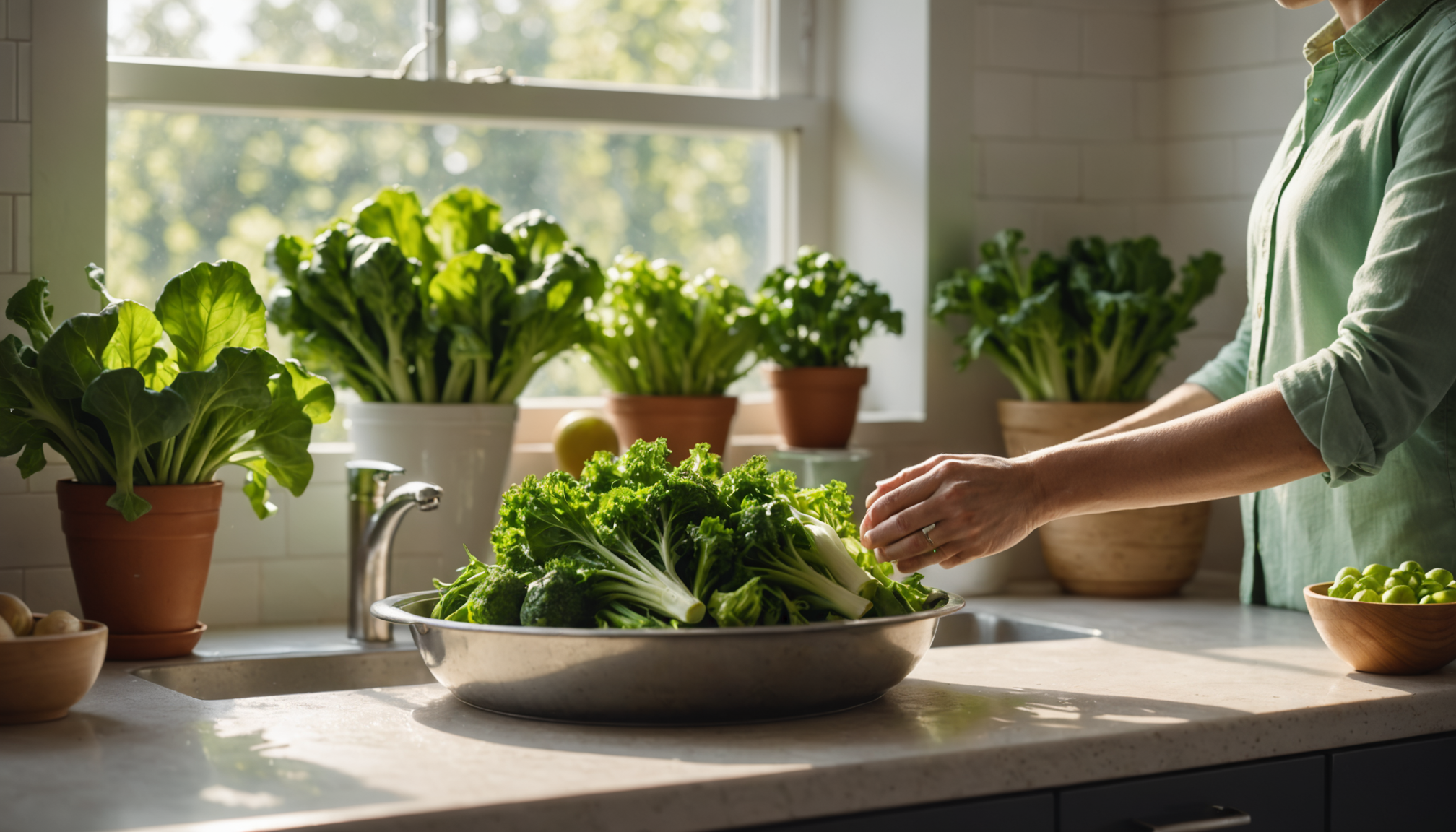
Incorporating mindfulness into our eating practices leads to a transformative relationship with food, enhancing not just our health, but also our spiritual journey. The act of eating becomes more than a routine; it evolves into a sacred ritual—one filled with intention and appreciation. When we embrace mindfulness in our meals, we heighten our awareness of the process, from the selection of ingredients to the act of cooking and finally, to the enjoyment of our dishes. This practice nudges us to acknowledge the origins of our food, the labor that went into cultivating it, and the intricate web of life that sustains us.
As we prepare meals, we can engage in a meditative practice that allows us to cultivate presence and gratitude. Picture yourself washing fresh vegetables, feeling their textures, and inhaling their vibrant scents. Each chop of a knife, each stir in the pot, becomes a moment crafted from love and reflection. This intentionality invites us to connect not only with the food we consume but with our inner selves and the environment around us. Such experiences can elevate a simple meal into an act of devotion, fostering spiritual wellness through every bite.
The environment we create around our meals also plays a crucial role. Setting the table mindfully, choosing calming music, or lighting a candle can transform our dining experience into a sanctuary dedicated to nourishment. During meals, it’s essential to be fully present—free from distractions such as phones or television—so that we can truly savor and appreciate the flavors, textures, and aromas. As we chew, embracing the essence of each bite, we cultivate a deeper relationship not only with food but also with our own thoughts and feelings, encouraging a holistic alignment between body, mind, and spirit.
Furthermore, sharing meals with others can deepen this sense of mindfulness. Inviting friends and family to join in this plant-based journey fosters connection, communication, and community. As we break bread together, we recognize the communal aspect of food—where meals are celebrated as gatherings filled with love, laughter, and shared stories. This communal dining experience not only nourishes the body but also strengthens the bonds between individuals, echoing the interconnectedness we share with all living things in this journey of life.
Through the practice of mindful eating, we can cultivate a profound sense of respect for nature’s bounty, while also nurturing our bodies and spirits. As we become more aware of the flavors and emotions tied to our meals, we can explore how our food choices resonate with our values—be it health, compassion, or sustainability. Hungry for knowledge and connection, we may find ourselves asking deeper questions about the foods we eat, their implications for our health, and their impact on our spiritual lives.
- What is a plant-based diet?
- A plant-based diet primarily focuses on foods derived from plants, including fruits, vegetables, grains, nuts, and seeds. While it can include small amounts of animal products, the emphasis is on whole, minimally processed plant foods for health and wellness.
- Can a plant-based diet support mental health?
- Yes, research suggests that a plant-based diet rich in vitamins, minerals, and antioxidants can have a positive impact on mental health, reducing symptoms of anxiety and depression and promoting overall emotional well-being.
- How do I start transitioning to a plant-based diet?
- Begin by incorporating more plant-based meals into your routine, experimenting with diverse recipes, and focusing on whole foods. Gradually replace animal products while being patient with your body as it adjusts to these dietary changes.
- What are some benefits of mindful eating?
- Mindful eating enhances the appreciation of food, reduces overeating, and fosters a deeper connection between the eater and their meal. This practice can also improve digestion and promote a sense of calmness and satisfaction.
- Are there any spiritual benefits to a plant-based diet?
- Many individuals find that a plant-based diet enhances their spiritual practices by promoting feelings of compassion, interconnectedness, and gratitude. This dietary choice aligns with values of sustainability and respect for all living beings.
- Can I get enough protein on a plant-based diet?
- Absolutely! Plant-based diets can provide adequate protein through sources such as legumes, nuts, seeds, tofu, and whole grains. It’s essential to include a variety of these foods to ensure you’re meeting your protein needs.
- Is it necessary to consult a doctor when switching to a plant-based diet?
- While many can safely transition to a plant-based diet on their own, consulting a healthcare professional or nutritionist can provide tailored advice to ensure you meet all your nutritional needs, especially if you have specific health concerns.
Beside our live streamed church services, all are welcome to attend our church in person each Saturday beginning 10:00 AM Central Time by going to 2425 Owens Rd., Ashland, AL 36251. There is no cost and any donations are strictly voluntary.
For questions, call +2563547124.